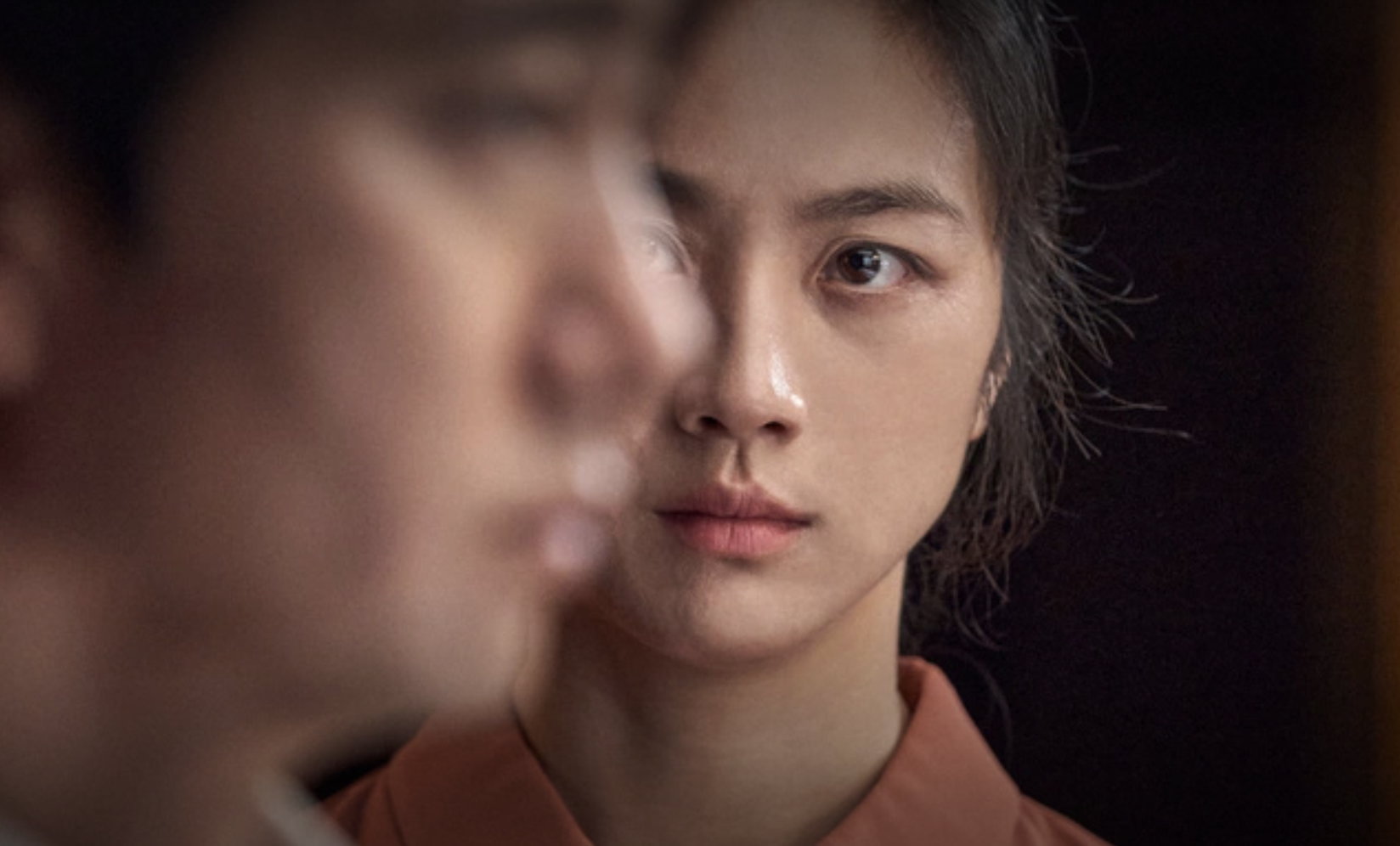
Sebastián Leilo’s The Wonder is a somber, better-than-decent, glacially-paced period drama.
Set in rural Ireland of 1862, it’s about a struggle between the oppression of strict Irish Catholic dogma vs. a woman’s common humanity. I respected the effort, and certainly admired Florence Pugh’s performance as a willful, Florence Nightingale-trained nurse.
Pugh frowns a lot but in a genuine, unaffected way. The film is fortified by believable atmosphere, perfect period sets, appropriately grim, etc. All the supporting perfs pass muster.
I’m not putting the film down. I’m saying it is what it is, and that it exudes authenticity in that it seems to be actually occuring in the mid 1800s, and without a trace of 2022 presentism. That in itself warrants respect.
For me the standout visual element is the raw brownish-green Irish countryside, and particularly those 16 or 17 shots of Pugh trudging across said terrain.
Maggie and I and five-month-old Jett visited Ireland in the early fall of ’88. I fell in love. One of my first thoughts as we left the Dublin region and drove into the countryside was “I could die here.”
If nothing else, The Wonder is an immersion into the stern oppressions of Irish Catholicism, as it existed at the time of Abraham Lincoln. A culture based on forbidding and repressing and the rigors of life for those 19th Century citizens who’d embraced the Bible and resisted the bottle.
For years I flirted with the legend about Ireland loving to bend the elbow but approaching sex with a fair amount of guilt and conflict — kind of a silly, simplistic assessment. Then again Alex Comfort‘s “The Joy of Sex” was banned in Ireland for 12 years (along with “More Joy: The Joy of Sex” and one other). I recall journalist-author Susan Mulcahy, then with the New York Post, passing along an old joke about “The Joy of Irish Sex” consisting of 96 blank pages.
And then I saw 44 year-old Fionnula Flanagan perform a nude masturbation scene in James Joyce’s Women (’85), which she starred in, produced and co-wrote. I quickly realized that at least some in Ireland were just as hot and bothered as anyone else.