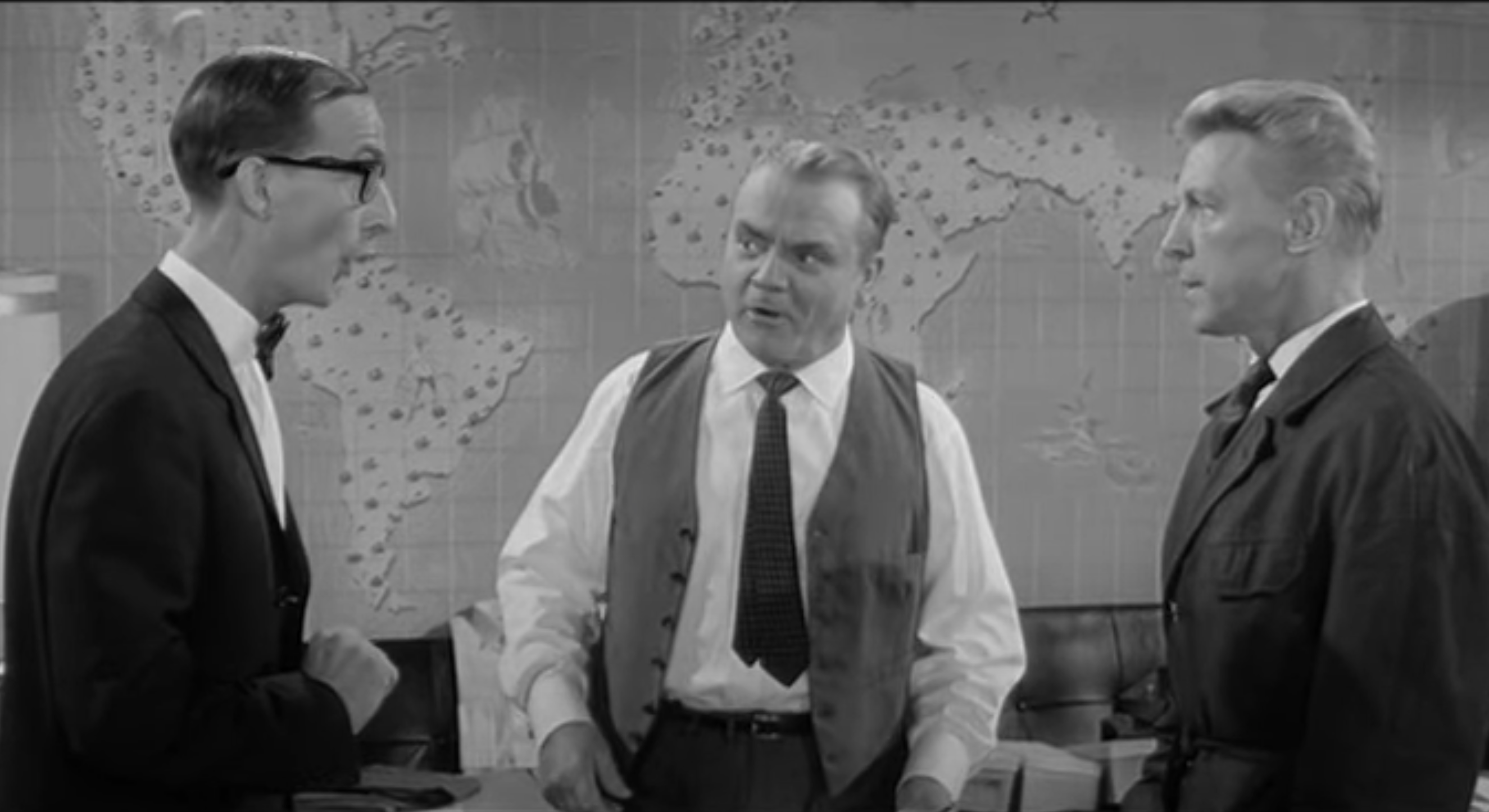
I’m sorry but every time I listen to the brief conversation between James Cagney‘s “C.R. MacNamara” (inspired by then-Defense Secretary Robert McNamara?) and the painter guy, I bust out chuckling. It happens between 2:12 and 2:19.
“We had to go with Cagney because Cagney was the whole picture. He really had the rhythm, and that was very good. It was not funny, but the speed was funny…the general idea was, let’s make the fastest picture in the world…and yeah, we did not wait, for once, for the big laughs. — One Two Three director-writer Billy Wilder talking to Cameron Crowe.
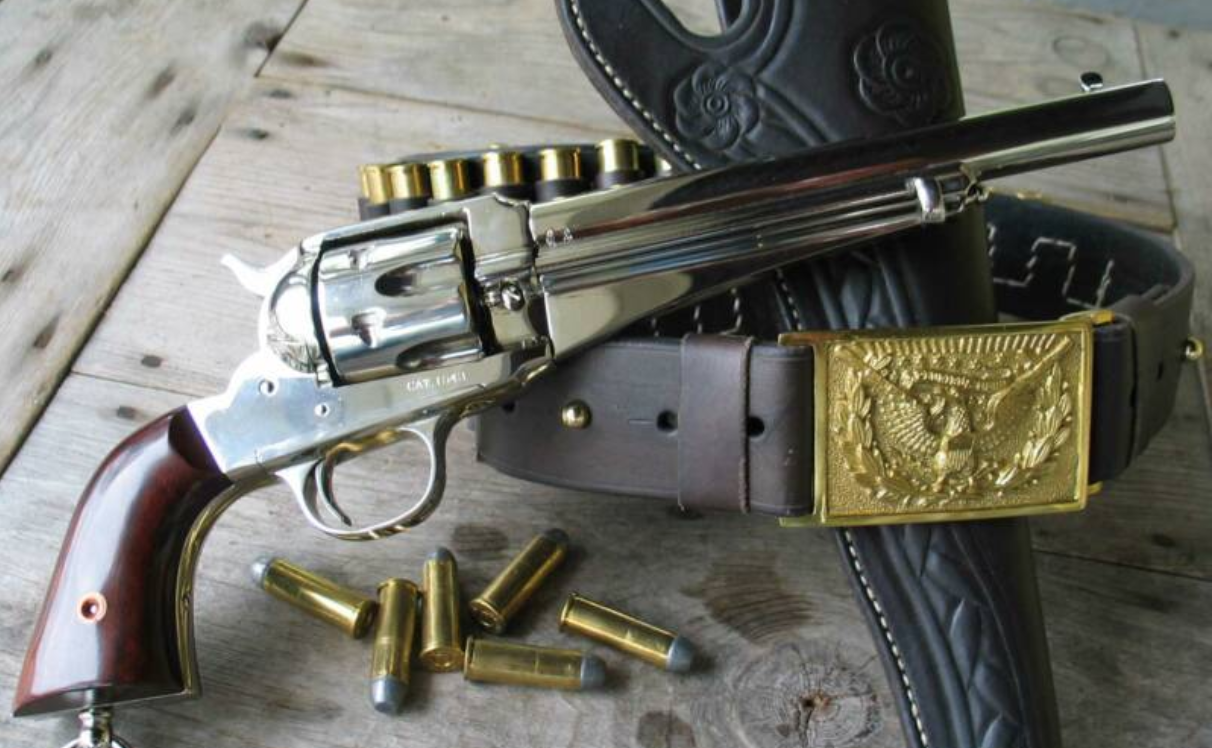
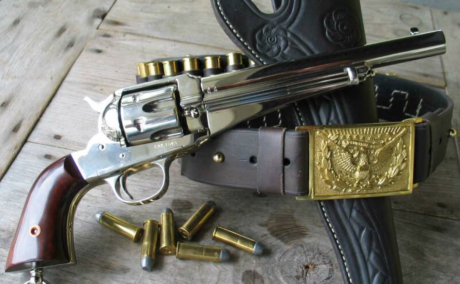
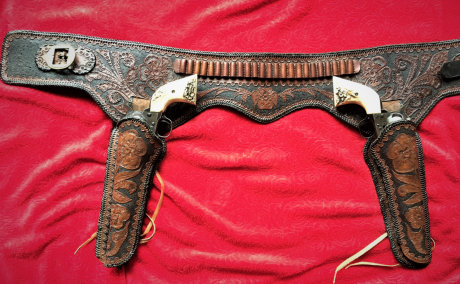
I feel sorry for any guys out there who’ve never known the deep pleasure of walking around with a serious, old-fashioned, heavy-leather gun belt, holster and Shane-style six-shooter.
I’m not talking about some cheap-ass, nickel-and-dime, half-plastic gun belt and six shooter cap pistol that you might’ve worn as a kid in the ’50s, ’60s or ’70s. (I don’t know when seven-year-old kids stopped pretending to be cowboys, but it was probably in the mid ’70s when Star Wars came along.) I’m talking about the kind of hand-crafted, real-deal rigs worn by Alan Ladd in Shane, Gregory Peck in The Gunfighter, John Wayne in Stagecoach and Red River, Burt Lancaster in Vera Cruz, Ricky Nelson in Rio Bravo, Gary Cooper in High Noon, Marlon Brando in One-Eyed Jacks, etc.
I strapped on a serious western leather rig on a movie set back in the late ’70s or early ’80s (I forget the details) and I’ve never forgotten the glorious manly feeling…the smell of well-oiled leather, the weight of those iron guns, those thigh straps, those bullets tucked into the bullet holders…all of it.
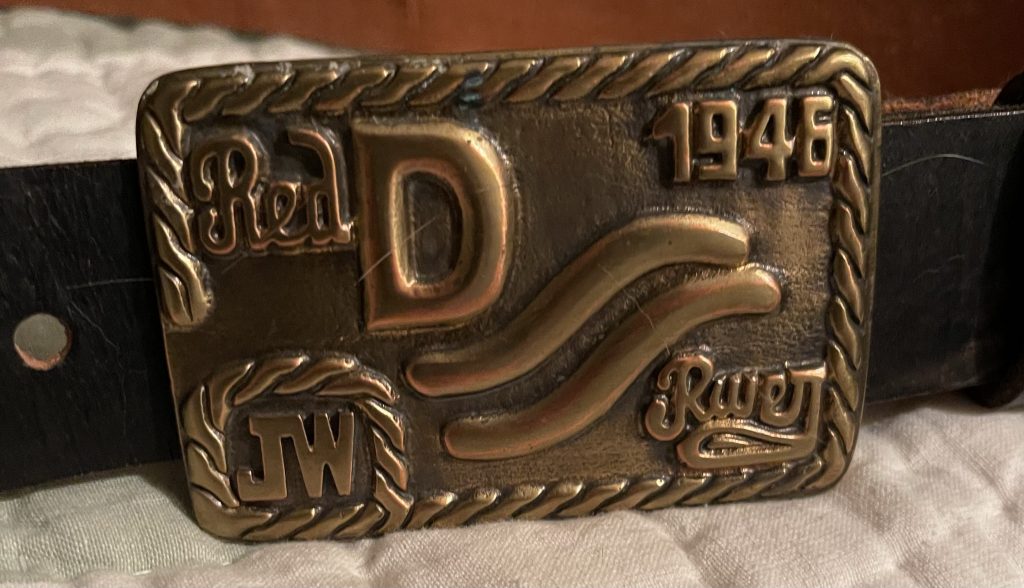
There’s something hugely joyful about reuniting with my mail-order John WayneRed Riverbrassbeltbuckle. The fact that I’m happy to once again have it in my possession means, of course, that I’m just as much of a racist swine as Wayne was during his lifespan, and has nothing to do with my loving the 1948Howard Hawkswestern (which, as the buckle points out, was actually shot in ‘46).
The key narrative focus, of course, is class warfare.
Dumb Money is a Frank Capra-esque tale of a battle of influence between financially struggling, hand-to-mouth Average Joe stock investors vs. elite billionaires who tried to reap profits out of shorting GameStop.
The legacy of the 2008-through-2010 recession and movies like Margin Call (’11), The Wolf of Wall Street (’13) and The Big Short (’15) resulted in considerable hostility towards Wall Street hedge fund hotshots.
The venting of this anger was enabled by the ability of hand-to-mouth, small-time traders keeping up with fast market changes through social media investment sites like R/wallstreetbets.
I’m too dumb to fully understand the intricacies of the term “short squeeze**,” but I understand the broad strokes.
I didn’t love Dumb Money, but I paid attention to it. It didn’t exactly turn me on but it didn’t bore me either. I didn’t once turn on my phone. I was semi-engaged.
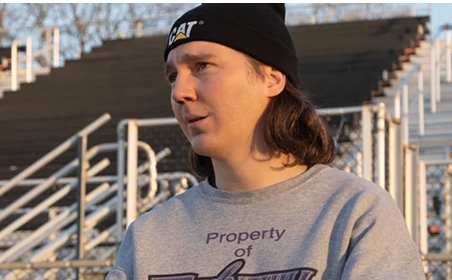
Paul Dano‘s performance as Keith Gill, the main stock speculator and plot-driver, is fairly compelling. The costars — Pete Davidson, American Ferrara, Seth Rogen, Vincent D’Onofrio, Nick Offerman, Anthony Ramos, Sebastian Stan and Shailene Woodley — deliver like pros.
I spent a fair amount of time wondering why the 39 year-old Dano is heavier now than he was as Brian Wilson in Bill Pohlad‘s Love and Mercy, for which he intentionally gained weight. The real Gill is semi-slender or certainly not chubby.
Clearly Margin Call, The Big Short and The Social Network have far more pizazz and personality.
** “A short squeeze is a rapid increase in the price of a stock owing primarily to an excess of short selling of a stock rather than underlying fundamentals. A short squeeze occurs when there is a lack of supply and an excess of demand for the stock due to short sellers having to buy stocks to cover their short positions”…huh?
I’ve been wondering about the curious absence of Black Flies (Open Road, 11.30) since its 5.18.23 debut in Cannes.
It may not be a great, game-changing film or what any fair-minded viewer might call piercing or compassionate or startlingly original, but I for one decided right away that it’s a more absorbing dive into the lives of living-on-the-ragged-edge paramedics than Martin Scorsese‘s Bringing Out The Dead (’99).
Like it or not, this is my opinion and I’ve no intention of modifying or watering it down.
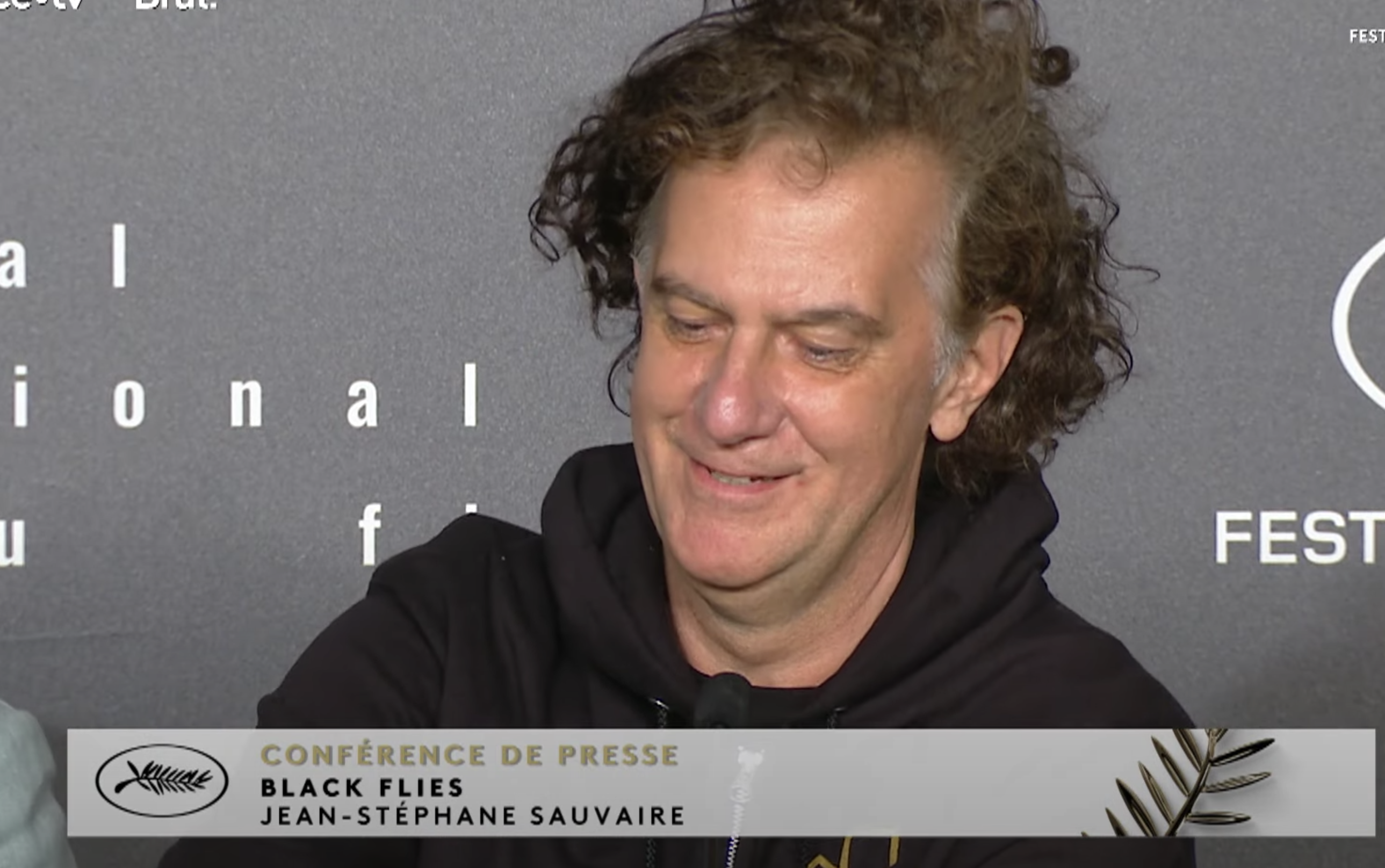
Based on a drawn-from-hard-experience 2008 novel of the same name by Shannon Burke, adapted by Ryan King and Ben Mac Brown and directed by Jean-Stéphane Sauvaire, Black Flies didn’t deserve a 47% Rotten Tomatoes rating.
It stars Sean Penn, Tye Sheridan, Katherine Waterston, Michael Pitt, Mike Tyson and Raquel Nave.
Dargis wasn’t alone. A significant percentage of Cannes critics ganged up on Black Flies due to what they saw as an overly unsympathetic view of Brooklyn’s primitive, ragged-edge underclass.
Film Verdict‘s Jay Weissbergaccused it of being “tone-deaf” and hampered by a “problematic treatment of immigrant communities and women.”
Translation: Some critics detected a certain callousness flecked with racism and sexism. I found that view simplistic and ridiculous.
HE verdict, posted on 5.19: “It beats the shit out of you, this film, but in a way that you can’t help but admire. It’s a tough sit but a very high-quality one. The traumatized soul of lower-depths Brooklyn and the sad, ferociously angry residents who’ve been badly damaged in ways I’d rather not describe has never felt more in-your-face.
“In terms of assaultive realism and gritty authenticity Black Flies matches any classic ’70s or ’80s New York City film you could mention…The French Connection, Serpico, Prince of the City, Q & A, Good Time, Across 110th Street.
“And what an acting triumph for Sean Penn, who plays the caring but worn-down and throughly haunted Gene Rutkovsky, a veteran paramedic who bonds with and brings along Tye Sheridan‘s Ollie Cross, a shaken-up Colorado native who lives in a shitty Chinatown studio and is trying to get into medical school.
“Rutkovsky is a great hardboiled character, and Penn has certainly taken the bull by the horns and delivered his finest performance since his Oscar-winning turns in Mystic River (’03) and Milk (’08).
“And Sheridan is also damn good in this, his best film ever. His character eats more trauma and anxiety and suffers more spiritual discomfort than any rookie paramedic deserves, and you can absolutely feel everything that’s churning around inside the poor guy.
“At first I thought this 120-minute film would be Bringing Out The Dead, Part 2, but Black Flies, which moves like an express A train and feels more like 90 minutes, struck me as harder and punchier than that 1999 Martin Scorsese film, which I didn’t like all that much after catching it 23 and 1/2 years ago and which I’ve never rewatched.
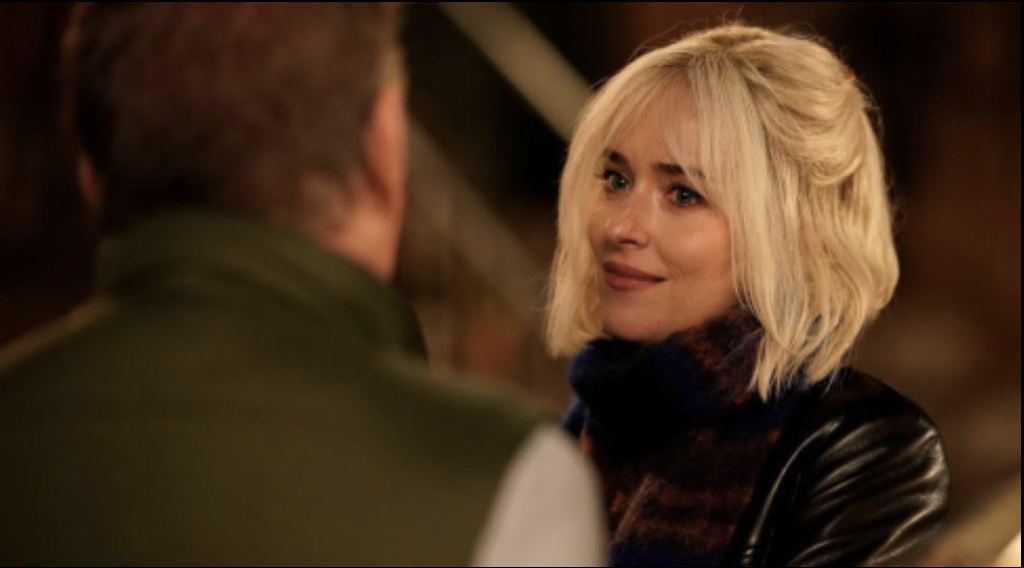
The more I read about Christy Hall‘s Daddio, the sorrier I am that I ducked it in Telluride. I was especially persuaded by Todd McCarthy’s Deadline review. I’m very much looking forward to the next viewing opportunity.
Pic is a two-hander about a grizzled New York City cab driver named Clark (Sean Penn) covering the verbal and cultural waterfront with his blonde 30something passenger (Dakota Johnson).
I should admit there was a specific reason why I didn’t see Daddio last week. It was because of the dopey Millennial spelling. If it had been spelled right I would have gone in a heartbeat.
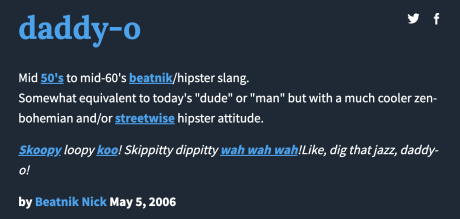
Daddy-o is a beatnik anachronism. The root term (duhh) is “daddy” with a “y”. Daddio is for dingleberries.
Among the leather jacket-wearing, Marlon Brando wannabe set in the 1950s “hey, dad” was a term of respectful affection…a cool familiarism.
In the 1960 jukebox tune “Alley Oop” (written in ’57, released in ’60) the phrase “king of the jungle jive” is rhymed with “ride daddy ride.”
In Brando’s One-Eyed Jacks (’61) Karl Malden‘s character is named “Dad” Longworth — a nickname that ignores western culture in deference to ’50s be-bop sensibilities.
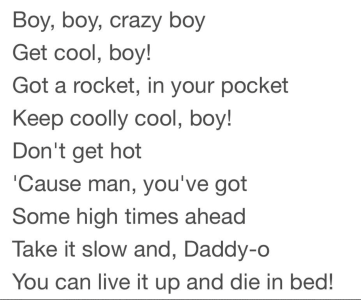
In Stephen Sondheim‘s lyrics for “Cool,” the West Side Story song, it’s spelled “daddy-o”
In the real-deal world of rebellious Rebel Without A Cause-era attitudes, there were never any “daddios.” It was daddy-o or nothing.
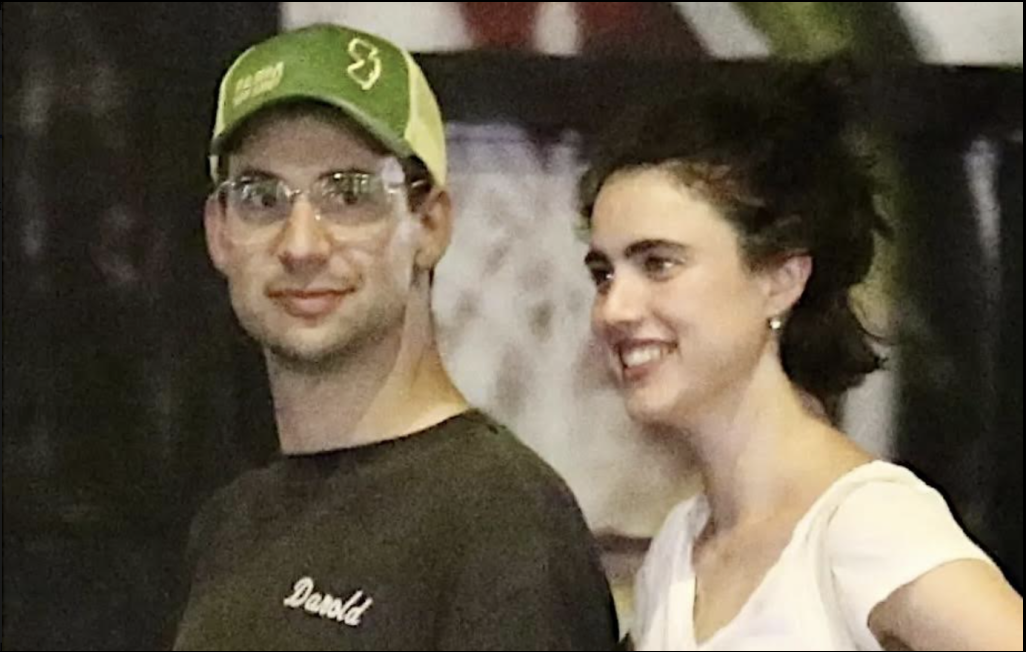
I’m trying to imagine being Jack Antonoff, a wealthy, super-successful, top-of-the-world, Grammy Award-winning musician and record producer (not to mention a highly valued Taylor Swift and Lorde collaborator and a recently betrothed husband of Margaret Qualley)…I’m trying to imagine having so much of the world figured out and having audaciously influenced contempo pop music over the last decade or so…
I’m trying to imagine being Antonoff in his bedroom and deliberately choosing to wear a standard low-rent basketball bruh outfit (baggy NBA-brand shorts, black Darold T-shirt, shamrock green cap, sneakers and white socks) and thereafter walking out onto the streets of New York City on his way to Whole Foods and saying “yeah, no sweat, of course.”
Rich or poor, ugly or handsome, famous or obscure, I wouldn’t wear this kind of low-rent outfit with a knife at my back. Goons could hold me down on the bedroom floor and say “wear this crap or you’re dead” and I’d snarl and say “go fuck yourselves”…and yet guys like Antonoff are like “yeah, man…this kind of sartorial signature really does it for me…blends with who I am, what I feel deep down”… imagine Cary Grant weeping in heaven…even the ghost of James Dean would say “the fuck?”
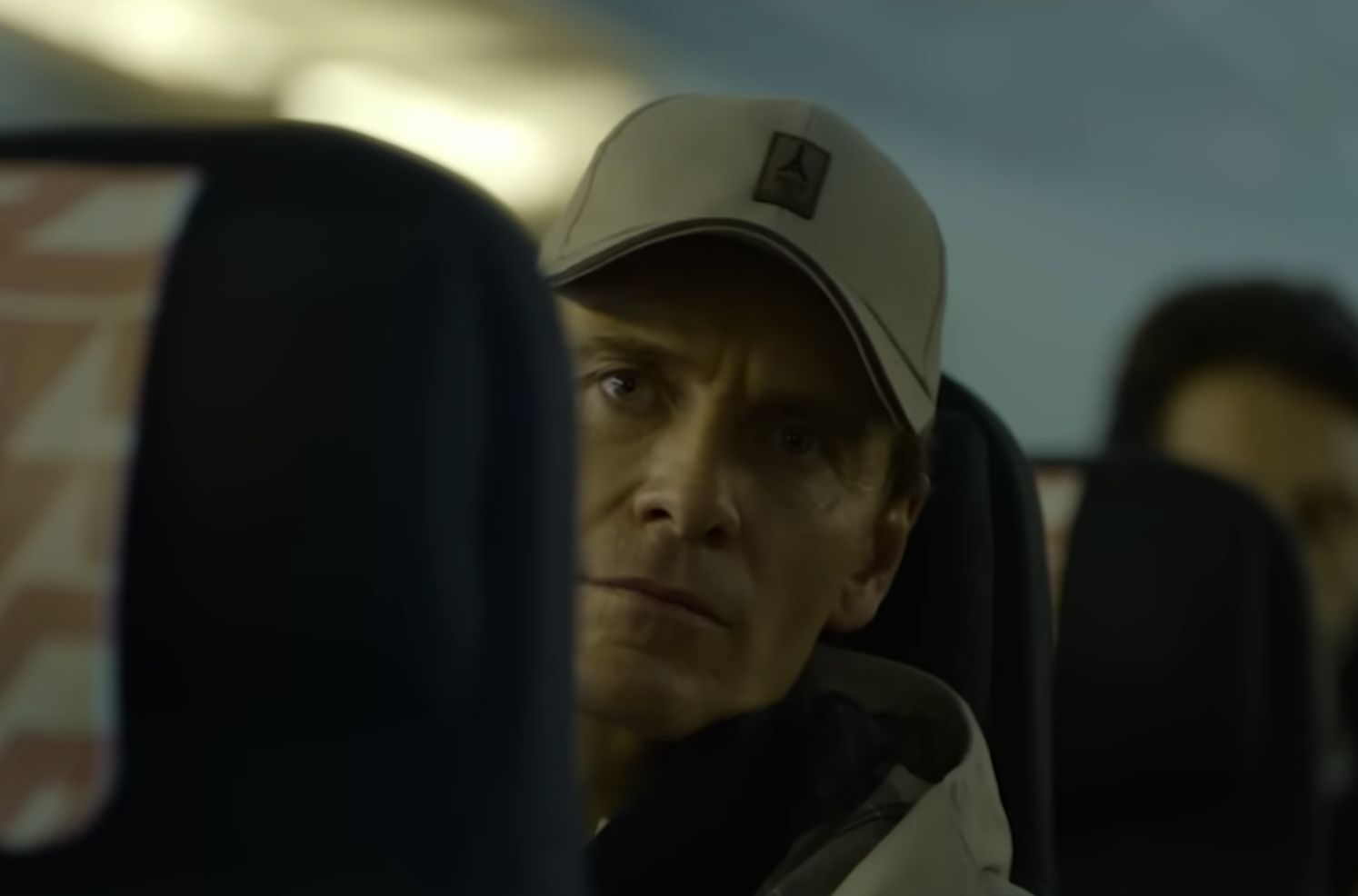
“The driving idea of The Killer is that Michael Fassbender’s hit man, with his cool finesse, his six storage spaces filled with things like weapons and license plates, his professional punctiliousness combined with a serial killer’s attitude (the opening-credits montage of the various methods of killing he employs almost feels like it could be the creepy fanfare to Se7en 2), has tried to make himself into a human murder machine, someone who turns homicide into a system, who has squashed any tremor of feeling in himself.
“Yet the reason he has to work so hard to do this is that, beneath it all, he does have feelings. That’s what lends his actions their moody existential thrust. At least that’s the idea.
“But watching the heroes of thrillers act with brutal efficiency (and a total lack of empathy for their victims) is not exactly novel. It’s there in every Jason Statham movie, in the Bond films, you name it.
“The Killer is trying to be something different, something more ‘real,’ as if Fassbender were playing not just another genre character but an actual hitman. That’s why he has to use a pulse monitor to make sure his heartbeat is down to 72 before he pulls the trigger. It’s why he’s hooked on the Smiths, with their languid romantic anti-romanticism. As catchy a motif as that is, you may start to think: If he’s such a real person, doesn’t he ever listen to music that’s not the Smiths?
“In The Killer, [director] David Fincher is hooked on his own obsession with technique, his mystique of filmmaking-as-virtuoso-procedure. It’s not that he’s anything less than great at it, but he may think there’s more shading, more revelation in how he has staged The Killer than there actually is.” — from Owen Gleiberman’s 9.3 review.
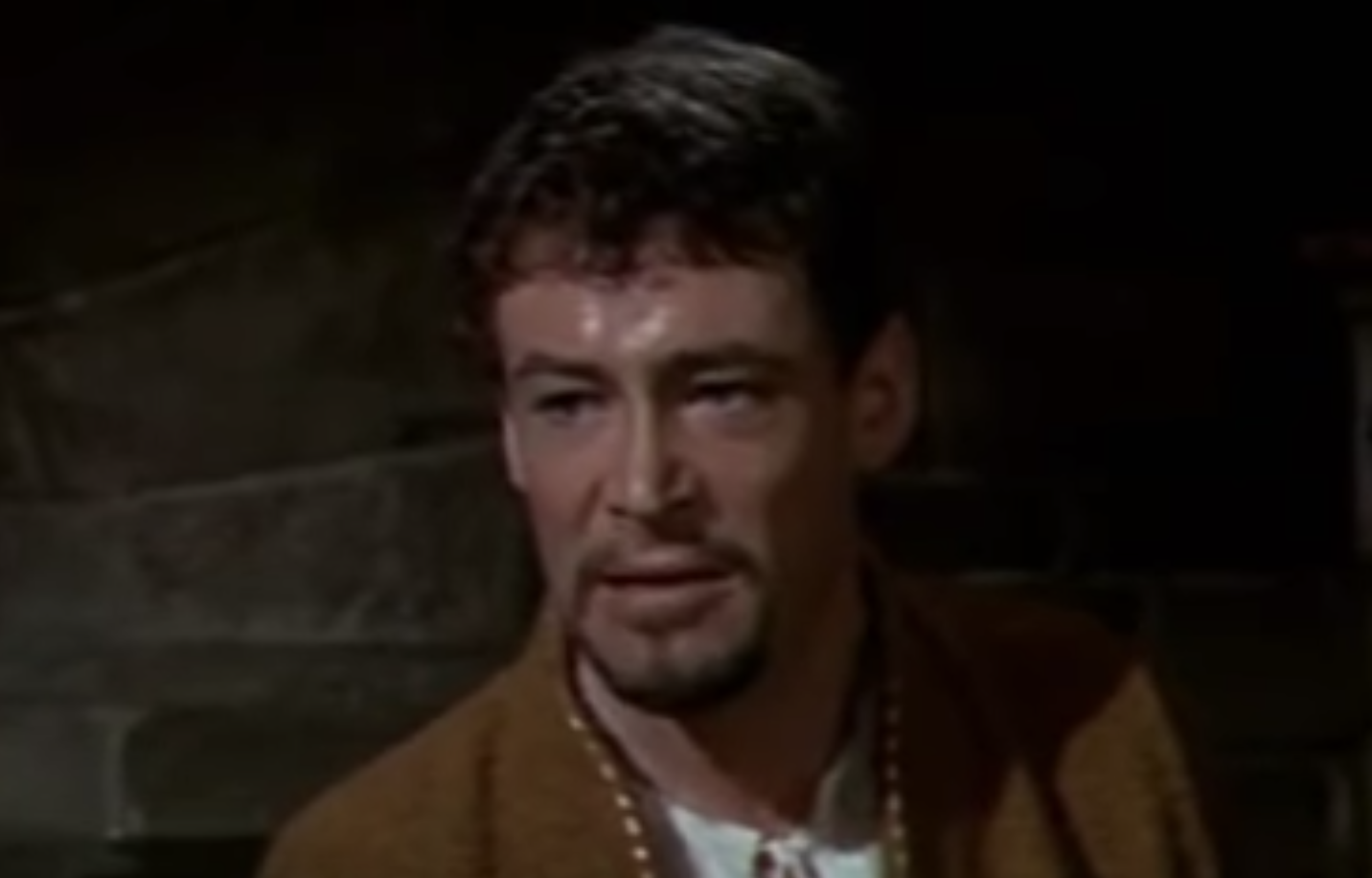
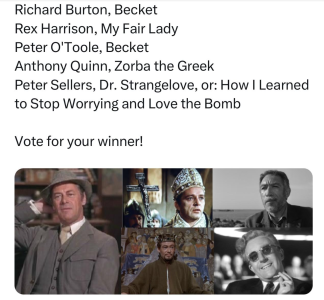
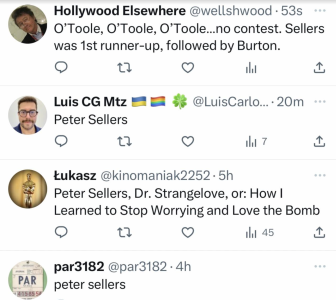
The long-established consensus is that Rex’s HarrisonBest Actor Oscar for his My Fair Lady performance was, at the very least, unfortunate, particularly given the calibre of the competition — Peter O’Toole and Richard Burton in Becket, Anthony Quinn in Zorba the Greek, and Peter Sellers‘ trio of performances in Dr. Strangelove, or: How I Learned to Stop Worrying and Love the Bomb.
Since Becket hit Bluray in ’08 pretty much everyone began to realize that King Henry II was O’Toole’s peak role and performance, and that he was robbed. Or so it seemed. But according to a Twitter poll I saw this morning, the majority feels it was actually Sellers who was robbed.
My presumption is that everyone has seen Strangelove and relatively few have seen Becket, and there’s not much more to it than that.
Sellers is magnificent in Strangelove, of course, but playing three characters in a single film (if not for an injury he would’ve played four) is essentially a stunt, plus none of his characters really touch bottom, especially given the film’s darkly satiric tone. They were three sketch bits, not full-bodied performances.
And of course, strategy-wise Paramount publicists pushing O’Toole and Burton equally was all but guaranteed to result in a loss for both.
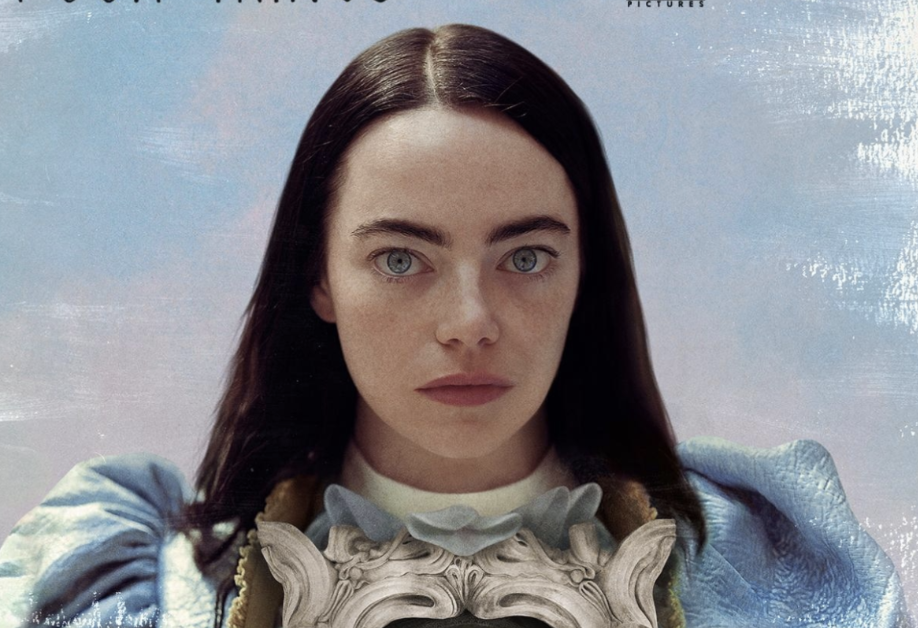
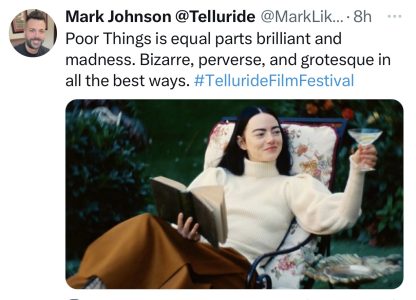
I can’t pound out a ten-paragraph review of Yorgos Lanthimos‘ Poor Things as it’s nearly 11 pm and I’m really whipped (I only slept about four hours last night) but it’s totally fucking wild, this thing — it’s too sprawling to describe in a single sentence but I could start by calling it an imaginatively nutso, no-holds-barred sexual Frankenstein saga.
The production design and visual style are basically pervy Lathimos meets Terry Gilliam meets Jean Pierre Juenet…really crazy and wackazoid and fairly perfect in that regard.
Set in a make-believe 19th Century realm that includes fanciful versions of London, Paris and Lisbon, Poor Things is at least partly The Bride of Frankenstein by way of a long-haul feminist parable about a underdog woman eventually finding strength and wisdom and coming into her own.
It swan-dives into all kinds of surreal humor with boundless nudity and I-forget-how-many sex scenes in which Emma Stone, giving her bravest and craziest-ever performance, totally goes to town in this regard save for the last, oh, 20 or 25. The film runs 141 minutes.
Poor Things is easily Lanthimos’ finest film, and all hail Stone For having gone totally over the waterfall without a flotation device…giving her boldest, most totally-out-there performance as she rides the mighty steed, so to speak, while repeatedly behaving in a “big”, herky-jerky fashion as Tony McNamara’s screenplay, based on Alasdair Gray‘s same-titled novel, whips up the perversity and tests the boundaries of what used to be known as softcore sex scenes.
The costars include Mark Ruffalo (giving a totally enraged, broadly comic performance as a middle-aged libertine), Willem “Scarface” Dafoe as Dr. Godwin Baxter, Ramy Youssef as Dafoe’s assistant and Christopher Abbott as as an upper-class London slimeball, plus four stand-out cameos by Margaret Qualley, Kathryn Hunter, Suzy Bemba and 79-year-old Hanna Schygulla.
I’ll add to this tomorrow morning but this is one serious boundary-pusher…wow.
The late William Sylvester (1.31.1922 – 1.25.95) became a semi-legendary figure when he played Dr. Heywood R. Floyd, the smug and officious National Council of Astronautics official from 2001: A Space Odyssey.
Almost a comically flavorless and dull-minded bureaucrat, Floyd didn’t do or say much — he just flew up from earth to visit Clavius, the moon base, to see about the recently discovered black monolith that had been “deliberately” buried under the moon’s surface some four million years earlier.
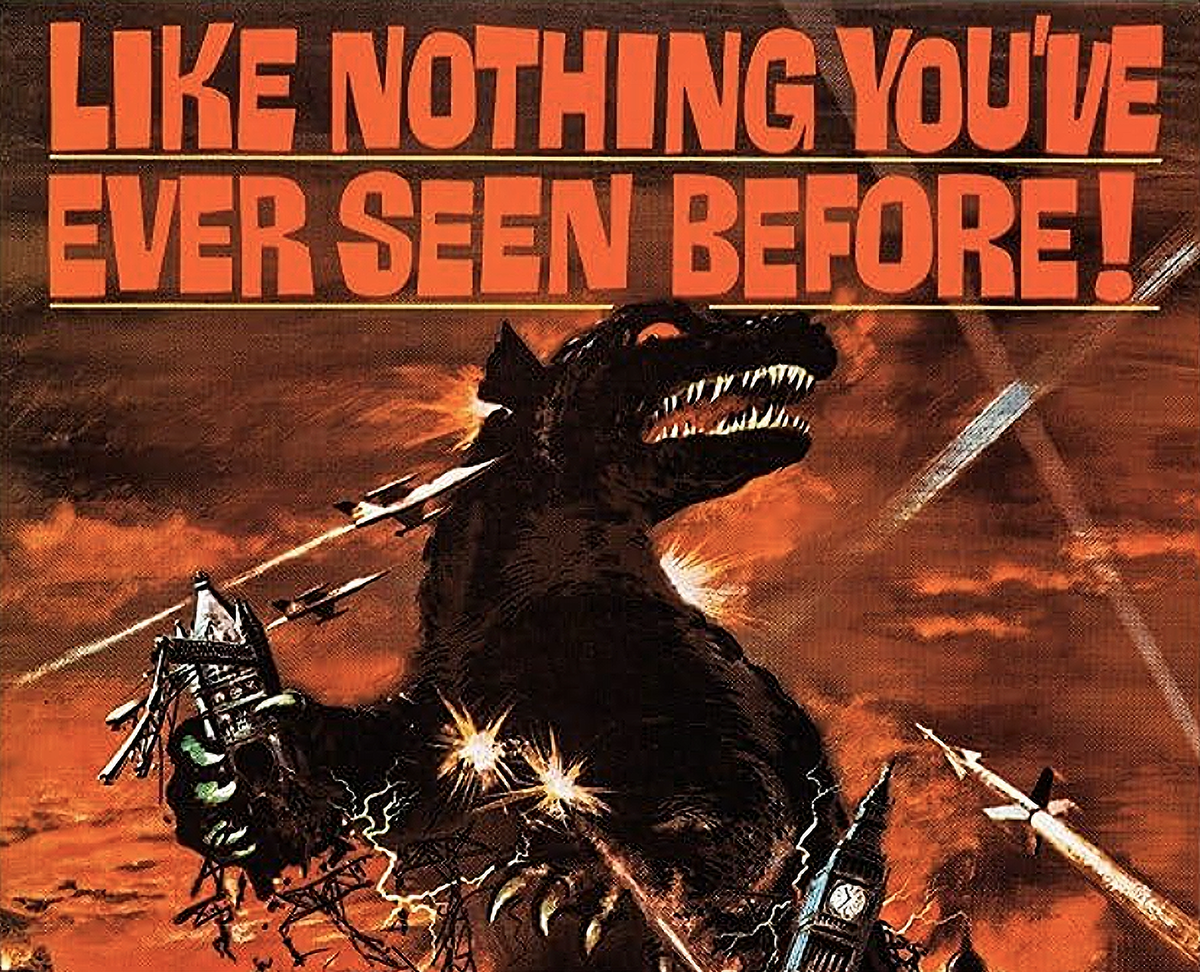
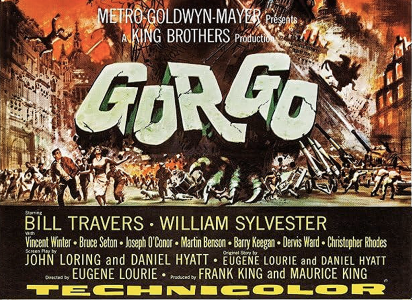
One other significant role that Sylvester played was in Gorgo (’61). Sylvester portrayed Sam Slade, a seafaring adventurer of some sort who, along with Cpt. Joe Ryan (Bill Travers), captures Baby Gorgo, a huge prehistoric reptile who is brought to London for public exhibition. Everything seems fine until Ma Gorgo — a much, much larger beast — visits and trashes the city in order to save her son.
I’ve never seen Gorgo but my understanding is that it’s a tolerable mønster flick, but generally second tier. I’m thinking of Sylvester because a new Gorgo Bluray is currently for sale.