Timothee Chalamet to Marty Supreme director Josh Safdie: “Josh, you made a story about a flawed man with a relatable dream, and you didn’t preach to the audience about what’s right and wrong. And I think we should all be telling stories like that.”
But of course, Paul Thomas Anderson‘s One Battle After Anotherdid preach to the audience “about what’s right and wrong”, and look where that got him! Gloriously brave POC girlbosses vs. racist, constipated, starched-fatigue, Christmas Adventurer asshats like Sean Penn‘s Colonel Lockjaw. No ambiguity about the identity of the good guys and bad guys there…no sir!
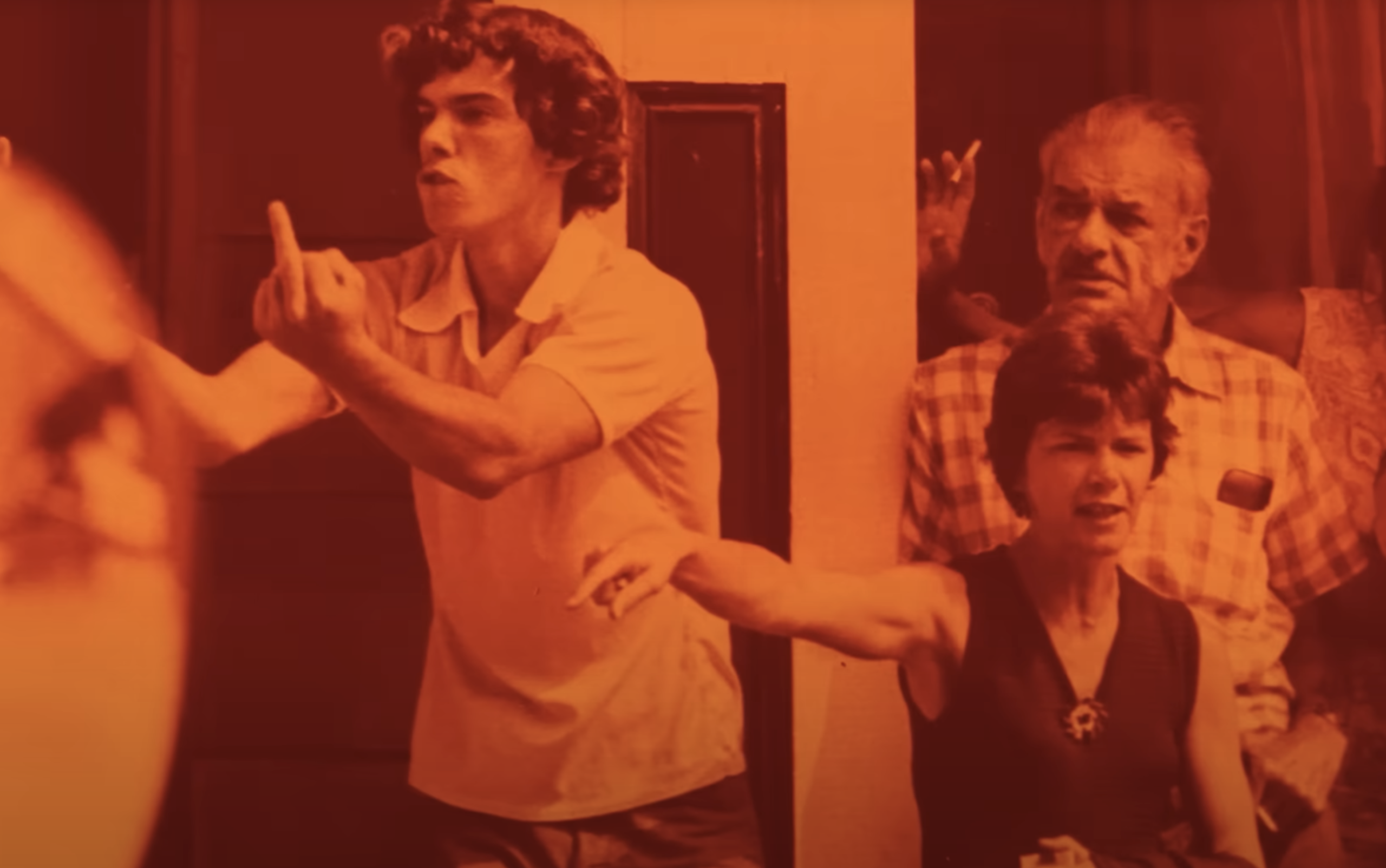
Last night I finally watched Morgan Neville’s Breakdown: 1975 (12.19.25), a 92-minute Netflix doc that hurriedly recaps and, in a sense, celebrates the fertile and provocative moviescape of the mid ’70s. Glorious times!
Except Neville doesn’t strictly focus on 1975 films. The doc covers ’74, ’75 and ’76, during which, Neville asserts, the real meat and marrow of New Hollywood came to fruition. But every so often the early ’70s pop through and then, at the end, the ’77 finale (Rocky, StarWars) is heard from.
Plus anyone who had hit puberty by the late ’60s or who’s read Mark Harris‘s “Pictures at a Revolution” or Peter Biskind‘s “Easy Riders, Raging bulls” knows that New Hollywood was launched in ’67 with The Graduate and Bonnie and Clyde.
So let’s cut the crap — Breakdown: 1975 is really about the whole span of the mythical New Hollywood era. Neville should’ve called it Rough-and-Tumble ’70s Free-For-All! or Hollywood Neverland: When The Inmates Ran The Asylum or something in that vein.
The problem is that Breakdown: 1975 is generally too fast and loose and simple-minded — it just skims along and barely gets into any nitty-gritty specifics. It’s primarily aimed at your none-too-bright kids who are too lazy or ADD-afflicted to have paid the slightest attention to what Harris and Biskind were on about.
Is it a good thing that Neville has made a dumbed-down primer for younger folks (Millennials, Zoomers, Gen Alpha) who haven’t a clue about films that were made before the 1980s? Okay, yeah, I suppose.
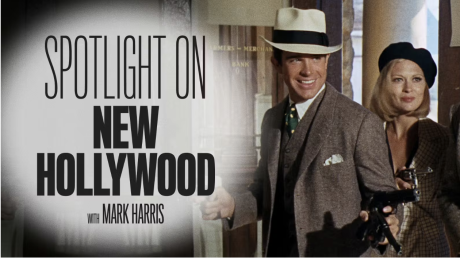
As I watched Neville’s doc I recalled that the same basic saga was concisely passed along in Spotlight on New Hollywood (‘24), a 15-minute Criterion Channel essay that was offered last summer as a supplement to Criterion’s streaming of The Graduate.
Why can’t “Spotlight on New Hollywood” be offered as a stand-alone video essay on YouTube? That’s what I’m basically asking here. It would be terrific if readers of this piece could savor it.
The truth is that in 15 minutes Spotlight on New Hollywood delivers a much better, tighter, more sophisticated history of this fabled era than Neville, whom I know, respect and admire, manages in 92 minutes.
Such a shame that Harris’s 15-minute essay has been sent to the Criterion dustbin. Unless I’m missing something.
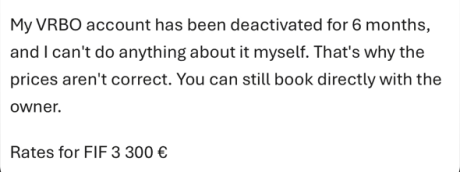
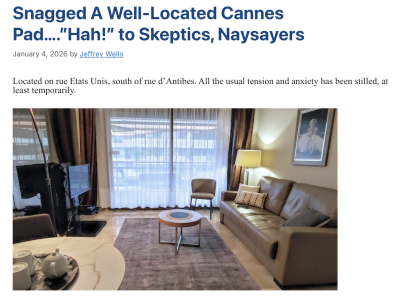
Message from VRBO guy repping the rental of the rue Etats Unis pad that was confirmed yesterday: “Oops!…sorry! That rental you locked in ($2300 for eleven days) is dated and therefore invalid because the owner’s greed has soared over the last several months. You can still rent it, but it’ll cost you an extra grand…hah!”
..by walking away from the Avatar franchise here and now…as the Ayatollah Rock ‘n’ Rollah said in The Road Warrior, “Just walk away.” Just say no to all that easy Avatar money you could earn, Jim, and make something new and fresh and real. Let someone else direct the subsequent Avatar chapters. Move on with your life, bruh. Just do it.
Trump Mussolini likes N.Y. Mayor Zohran Mamdani (chemistry, paternal admiration for a young go-getter) but he has a gut dislike for Venezuela’s Maria Machado, the recent Nobel Peace Prize winner who won (by proxy) à landslide victory against Nicholas Maduro in 2024.
…to split the top two awards between Best Picture and Best Director.
Going with One Battle After Another for Best Picture meant they could / should have gone with Marty Supreme‘s Josh Safdie for Best Director. Or vice versa — Paul Thomas Anderson for Best Director and MartySupreme–ola for Best Picture. At least that.
No one would dispute that both films, cultural period pieces with stylistic fervor and punchy technique, are prime examples of big-swing auteurist audacity.
I’veneverarguedthat OBAA, craft-wise, doesn’thaveexcellentchops — it’sthetribal rigidityofitssocialscheme (French75girlbossesbrave and radiant, Sean Penn‘sLockjawready to murder his own daughter over racial derangement) thatbringsitdown. Supreme, tomeandmanyothers, isobviouslymoreof a sweepingvisionthing…acommanding, heebie–jeebieknockout.
Instead these obsequious little Critics Choice go-alongers have totally kowtowed to OBAA…Best Picture plus Best Director. Lefty circus elephants…no balls, no vision, no backbone.
At least Supreme‘s Timothee Chalamet won for Best Actor….deserved! Ditto Jessie Buckley‘s Best Actress trophy for Hamnet.
MethinkstheBest Picture votemighthavebeenclose. If One Battle After Another had been an overwhelming favorite Benicio del Toro or Sean Penn would have won for Best Supporting Actor, no? But they didn’t. Frankenstein’s Jacob Elordi snatched it away.
Handing their Best Original Screenplay award to Ryan Coogler for Sinners, a bloody, pulpy, under-lighted AIP exploitation flick (musical vampires, the primal joy of cunnilingus, machine-gunning the KKK) instead of giving it to Eskil Vogt and Joachim Trier for their obviouslyexquisite Sentimental Value script was truly embarassing….totally driven by identity politics**. Where is the virtue signalling in saluting a pair of white Norwegians?
** If Clem Yeehaw had written the Sinners screenplay, there’s no way it would’ve been nominated.
Because for the first two thirds or three quarters (the prolonged Stratford-upon-Avon portion) I was able to understand only about half of the dialogue, if that.
I understood Jessie Buckley ‘s “Agnes” when she complained to PaulMescal’s “Will” Shakespeare that “you weren’t here” when poor Hamnet died, but a fair amount of their Stratford-upon-Avon dialogue is muttered and whispered and swallowed to a fare-thee-well…it generally drowns in the muck of their Elizabethan dialects.
I understood every word from the rehearsal scene in which Will repeats “again” over and over and over…everything from that scene onward.
What exactly is wrong with the 58 year-old María Corina Machado, who ran in absentia (i.e., by proxy) against Nicholas Maduro in a 2024 president election and won by a landslide….what is wrong with her assuming the presidency in Maduro’s absence?
She’s obviously a smart, canny, enterprising, pugnacious, rough-and-tumble politician, and the country gave her a decisive win last year. Plus she won the Nobel Peace Prize last October.
So what’s the problem? I’ll tell you what the problem is. Trump is the problem. Machado “is a very nice lady but she doesn’t have the respect,” he’s reportedly said. Translation: She’s too decent, too humanist, too progressive, and not corrupt enough in terms of oil revenues.
Wiki excerpt: “The Norwegian Nobel Committee praised Machado as ‘one of the most extraordinary examples of civilian courage in Latin America in recent times’.
“At the time of the prize’s announcement, Machado was in hiding inside Venezuela, fearing repression from the government of Nicolás Maduro. She secretly escaped the country to reach Oslo with the help of international allies, but vowed to return to Venezuela to continue opposing the Maduro regime.”