

“It may be a bit, um, premature to say so, but Judd Apatow‘s Knocked Up strikes me as an instant classic,” N.Y. Times critic A.O. Scott wrote yesterday, calling it “a comedy that captures the sexual confusion and moral ambivalence of our moment without straining, pandering or preaching.”
No straining, that is, except for that believability issue that I wrote about twice and was shouted down for from every corner of the globe. I’m speaking (for the third and last time, I swear) about a mature, well-employed hottie who looks like Katherine Heigl going for a drunken one-night-stand with a layabout who looks like Seth Rogen. Wouldn’t happen, couldn’t happen..absolutely no way in hell. But everyone’s loving the movie so the issue is moot. I enjoyed and respected this film a great deal, but I couldn’t let it go. I tried to push it away but it kept poking me in the ribs and breathing in my face.
“Like The 40-Year-Old Virgin, it attaches dirty humor to a basically upright premise,” Scott continues. “While this movie’s barrage of gynecology-inspired jokes would have driven the prudes at the old Hays Office mad, its story, about a young man trying to do what used to be the very definition of the Right Thing, might equally have brought a smile of approval to the lips of the starchiest old-Hollywood censor.”
“The wonder of Knocked Up is that it never scolds or sneers. It is sharp but not mean, sweet but not soft, and for all its rowdy obscenity it rarely feels coarse or crude. What it does feel is honest: about love, about sex, and above all about the built-in discrepancies between what men and women expect from each other and what they are likely to get.”
“Prince” DVD is second-rate?
“Unfortunately, the good folks at Warner Brothers [Home Video] didn’t tax themselves with the most stellar print transfer” of the new double-disc DVD of Sidney Lumet‘s Prince of the City. “The anamorphic widescreen picture is of uneven quality. Nighttime and darkly lit scenes tend to have grain, and images are often soft.” — from Phil Bacharach‘s review on DVD Talk. If true, this is a shocker. The WB team has done such fine restorative work on other older titles in recent years. Could they have possibly just bonked this one out without giving it any extra effort? Opinions?
Rome pics #1
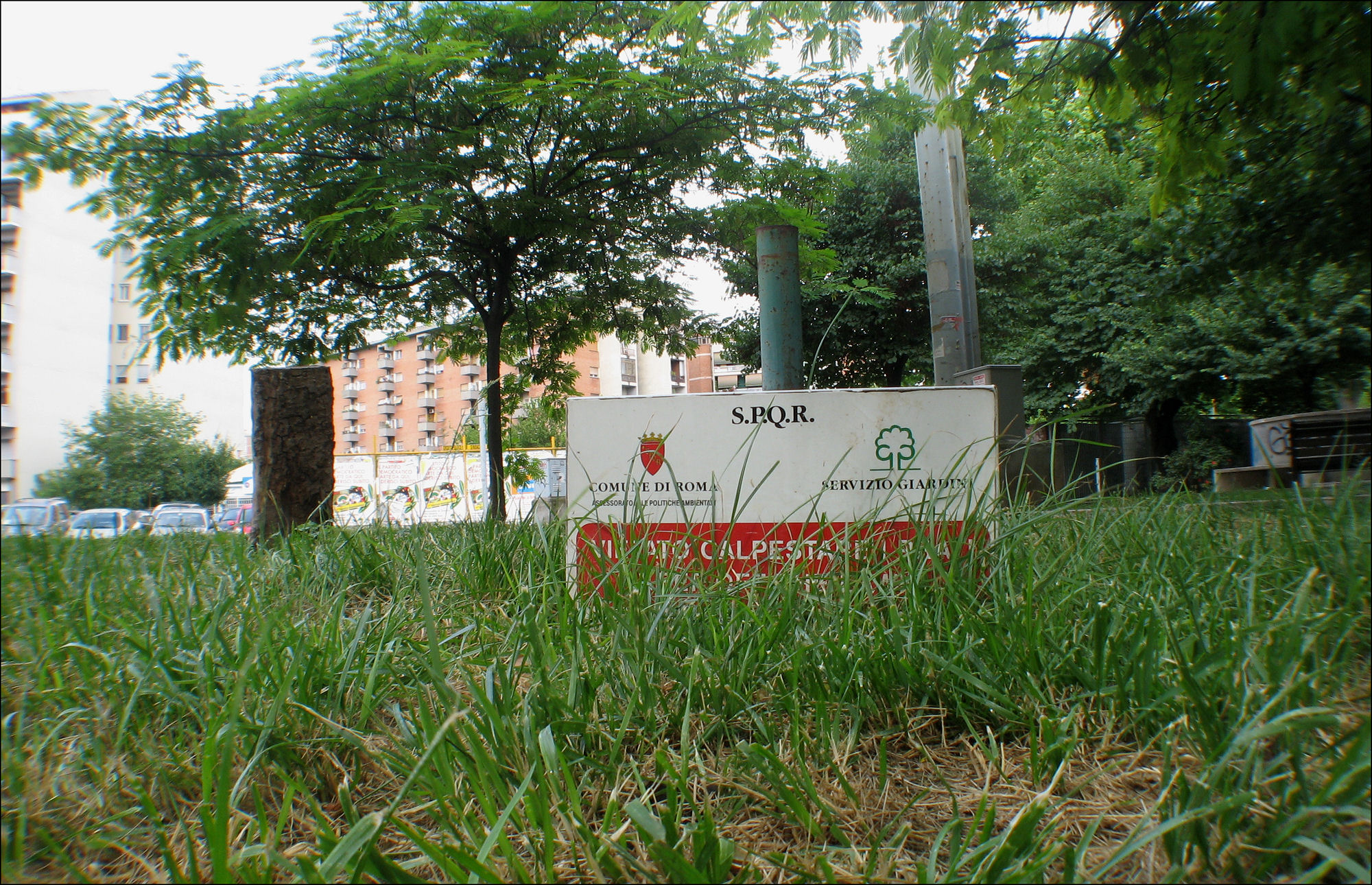
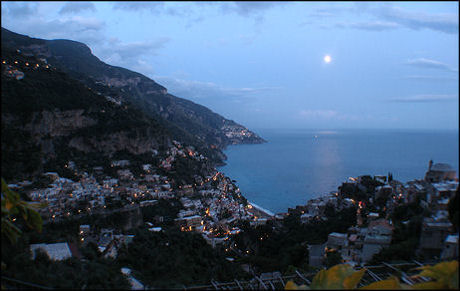
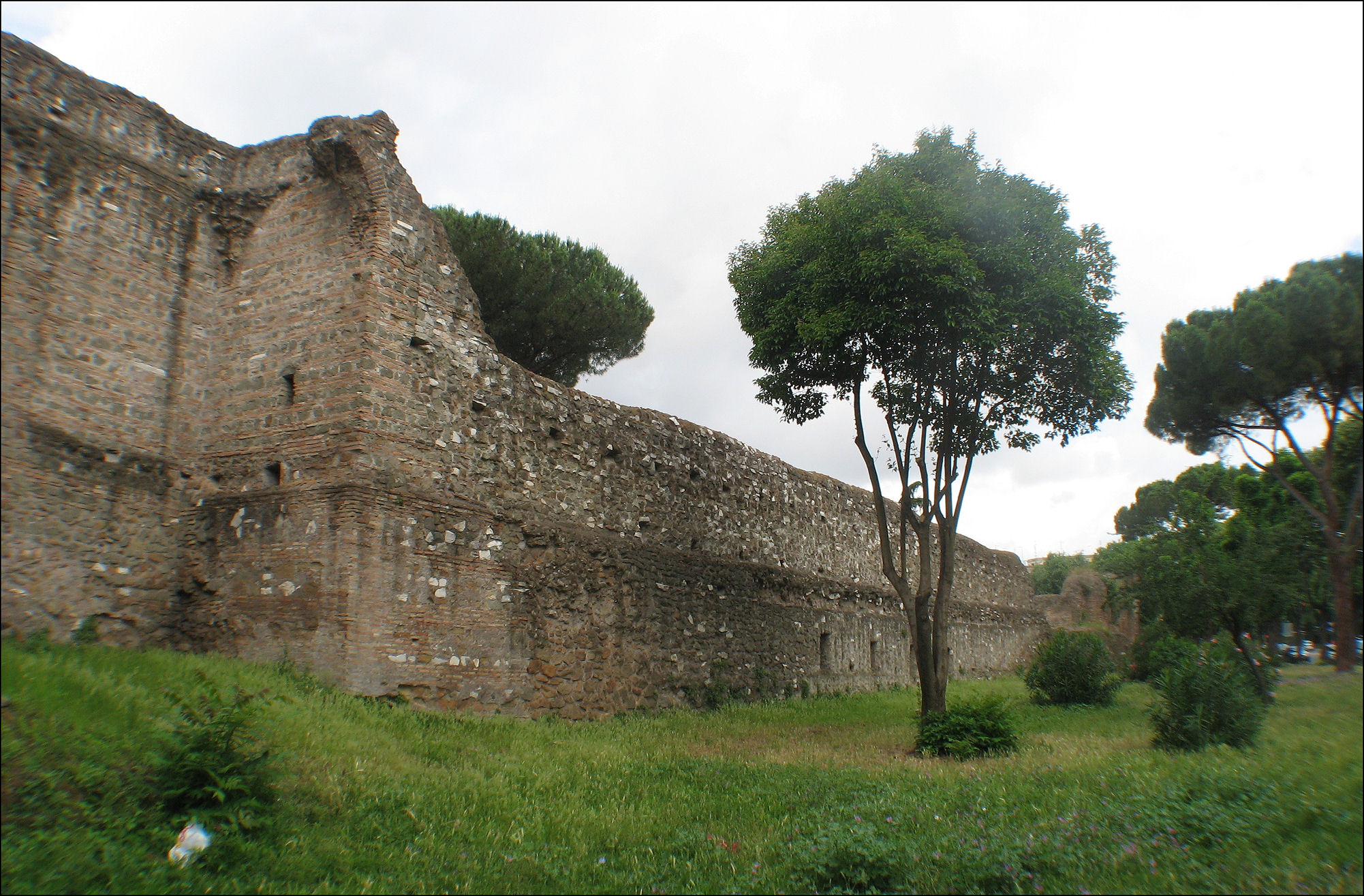
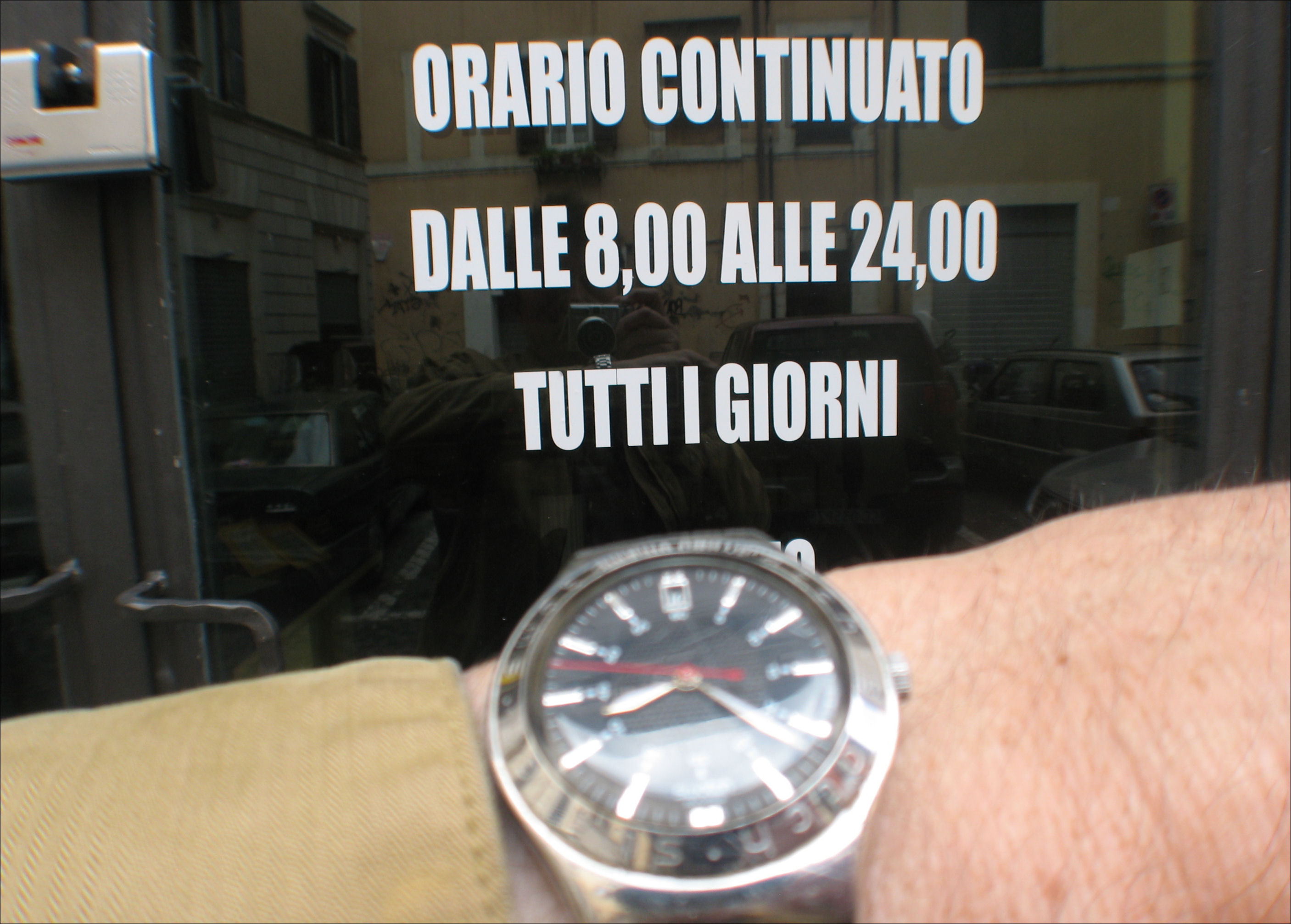
Positano, Italy — 5.30.07, 7:50 pm Southwestern Rome, also taken this morning; Positano lemons; rote Pompeii snap; Roman work ethic; 6.2.07, 7:55 a.m.



“The Women” remake, finally
After a good eleven or twelve years of trying, Diane English will begin shooting her remake of George Cukor‘s The Women in early August. Picturehouse, a partial financier, will distribute it sometime next year — probably in the fall, I would guess. Variety‘s Michael Fleming is reporting that the costars are likely to be Meg Ryan, Annette Bening, Eva Mendes, Jada Pinkett Smith, Debra Messing and Candice Bergen. This cast would have felt right maybe six, seven years ago…but not now, sorry to say. Ryan is over — is there anyone who disputes this? — in part because of those collagen-balloon lips she paid for three of four years ago. If the lips are repaired (i.e., de-ballooned), there’s a chance she won’t get in the way of English’s film working out. If not, forget it.
Fendelman talks to “Once” gang
Hollywood Chicago‘s Adam Fendelman, who will soon have a running column here at Hollywood Elsewhere, has posted a nifty interview with Once director John Carney and its stars, Glen Hansard and Marketa Irglova.
“Knocked Up” projection
Deadline Hollywood Daily‘s Nikki Finke on the projected $25 million-plus earnings for Knocked Up this weekend, and the bonus that Universal has given to director-writer Judd Apatow.
Movie midpoint quiz
“If you’ve ever been perplexed by the small photographs used to represent YouTube clips, you’re not alone,” writes Tampa Tribune staffer Gregg Williams. The reason is that “the photos are selected automatically, with no regard to its actual content: It’s the frame that falls precisely in the middle of the clip. From a promotional standpoint, these ‘middle frame’ images are hit-or-miss. As the basis for a pop-culture quiz, on the other hand…”
Loch Ness monstyer video
This is Drudge Report material, but this qualifies as…I was about to say “moderately exciting video footage” but the server is so slow over here that it’s taken 12 minutes to load 18 seconds worth. I’m hereby relying on readers with faster connections to determine the value.
“Bonnie and Clyde” revisited
Inspired by a brief but intense Cannes Film Festival argument between Robert Duvall and We Own The Night director James Gray about the merits of Arthur Penn and Warren Beatty‘s < Bonnie and Clyde, Toronto Star critic Peter Howell re-examines this 1967 classic and its several bold strokes in particular:
“It would be a serious movie about serial killers, but there would be plenty of laughs. And these outlaws would be seen not as dangerous and evil outlaws, but as sexy young lovers fighting a morally unjust society. There were other innovations: shooting was done mostly on location in Texas, editing was brisk and brutal and the sex and violence was pushed as far as possible. Almost too far: the bullet-strewn finale shocks even by today’s bloody standards.
“When Bonnie and Clyde opened in New York after premiering nine days earlier at the Montreal Film Festival, critical reaction almost killed it. N.Y. Times critic Bosley Crowther panned it as “a cheap piece of bald-faced slapstick comedy.” Warner Bros. quickly withdrew the film from circulation, but Beatty pushed for its return, aided by a rapturous review by The New Yorker‘s Pauline Kael.”
Adams’ “Becket” DVD review
A fairly well-written take on MPI’s Becket DVD by Discland‘s Michael Adams, although he’s dead wrong in saying that Peter O’Toole‘s performance as Henry II “doesn’t come close to matching” his work in Lawrence of Arabia. The former is O’Toole’s crowning achievement.
“Once” is catching
“Will Once, the recently released Irish film, turn into this summer’s indie hit? It’s showing early promise. Starring Glen Hansard, the lead singer of Dublin’s the Frames rock band, as an Irish street singer and his sometime musical collaborator, Marketa Irglova, as a classically trained pianist who sells roses on the street, the film opened May 18 on just two screens, both in L.A., to an abnormally high $30,000-per-screen average. An unvarnished ode to musical discovery, Once expanded to 20 screens in 13 cities over the Memorial Day weekend, averaging $21,626 per screen.” — from Sheigh Crabtree‘s L.A.Times piece, which is actually more about the music.
“Barry Lyndon” Reconsidered
Stanley Kubrick “always admitted he took too long to make Barry Lyndon,” former Kubrick assistant Leon Vitali tells The Reeler’s Jamie Stuart. “There was about a year of pre-production, a year-plus of shooting, then he took an awful long time to edit. And by the time it was ready to come out, I would say, the blockbuster action movies had become de rigeur. That was what the people really wanted to see. So when this film came out it was received as strange, slow, completely out of context to what was going on.
“And I think people were expecting something a little closer to A Clockwork Orange, which, of course had caused such a furor. It was living! A Clockwork Orange was playing for over a year in London. And Barry Lyndon was trashed by many critics, equally so in the UK. That really hurt Stanley a lot. He was very depressed about it. Very upset about it. He took it to heart.
“It took a long, long time really before…I can tell you exactly when it was… It was in the early ’90s. The BBC ran a series of his films on television. It was all the films from Lolita, Strangelove, 2001, Clockwork, Barry Lyndon, The Shining …The Radio Times, which is like a TV Guide, but more of a magazine, I suppose — they gave each film a critical breakdown. Well, they gave Barry Lyndon five stars, because they believed that was the true Odyssey film: you start with someone who’s lowdown; he travels all the way around Europe; gets himself into the upper-echelons of the British aristocracy; then there’s a slow decline back to where he came from. It’s a classic Odyssey story.
“They gave it five stars and all the other films got four stars, but perfect critiques. And they said if it hadn’t been for the fact that wBarry Lyndon was playing along with these other films, they would have given all those films five stars. I realized there’d been a real turning point, especially toward the end of Stanley’s life, where we were getting feedback from a lot of critics that suddenly said: ‘I’ve just seen Barry Lyndon again and I did not realize at the time what a wonderful film it was.’ They went so lyrical about it.”
I — not Stuart, not Vitali — have seen Barry Lyndon at least fifteen times. Possibly a bit more than that –I’ve lost count but who counts and who cares? It’s brilliant, mesmerizing, exquisite — a dry, note-perfect immersion into the climate and mores of William Makepeace Thackeray‘s novel, and, by its own terms, one of the most perfectly realized films ever made. But the problem — and this needs to be said (or re-said) with all this passionate but vaguely snobby Lyndon gushing going on — is that it turns sour at a very particular point. And, in my eyes, it is just a notch below great because of the dead zone section in the second half.
I’m speaking of the moment when Barry (Ryan O’Neal) blows pipe smoke into the face of his wife, Lady Lyndon (Marisa Berenson). Something happens at that moment, and from then on it’s “oh, odd…the energy is dropping, and I’m starting to enjoy this less.” For another 30 to 40 minutes (or what feels like that amount of time), Barry Lyndon gets slower and slower — it becomes more and more about stately compositions and dispassionate observation.
Then, finally, comes the duel with Lord Bullington (Vitale) and Barry gets his groove back. Then that perfect, dialogue-free scene with Lady Lyndon signing checks with Bullington and Reverent Runt at her side, and she signs the annual payment to her ex-husband. And finally, that perfect epilogue.
There’s one other draggy component that diminishes Barry Lyndon, and in fact makes the dead-zone portion even deader than it needs to be, and that’s Berenson’s performance. Even now, the mere thought of her glacial expression — there’s only one — in that film makes me tighten with irritation.