Great Substack vs. Patreon HE Debate

Here it is mid-April and I remain torn between two HE futures — (a) Substack, which is a whole new universe of function and operation, vs. Patreon, which would retain the classic HE look, structure and functionality but on a paywall basis.

In favor of Substack, according to Adviser #1:

(a) I can keep the www.hollywood-elsewhere.com domain and use it for the Substack website; (b) I can import HE’s RSS feed of previous posts into Substack easily, so the historical work is preserved; (c) For every post, I can decide in the settings where or not this post is for paid subscribers or not; (d) I can use Substack as a website AND a newsletter. You determine which posts are for the newsletter and which are for the just basic posts on the website. The posts still combine in the backend.

That said, it’s obviously in my interest to keep the majority of HE behind the subscriber paywall.

Plus there are some cool features in Substack. (1) Substack offers an easy-to-use tool for embedding podcast / audio content. (2) There’s also a community tool called “Threads” which are basically topics for the community to get into vs writing a full post for people to comment on. Example: What is the most hard-to-rewatch Steven Spielberg film ever made? And then it just becomes a comment board on its own. Plus I can determine if it’s a subscriber-only thing or a free-for-all.
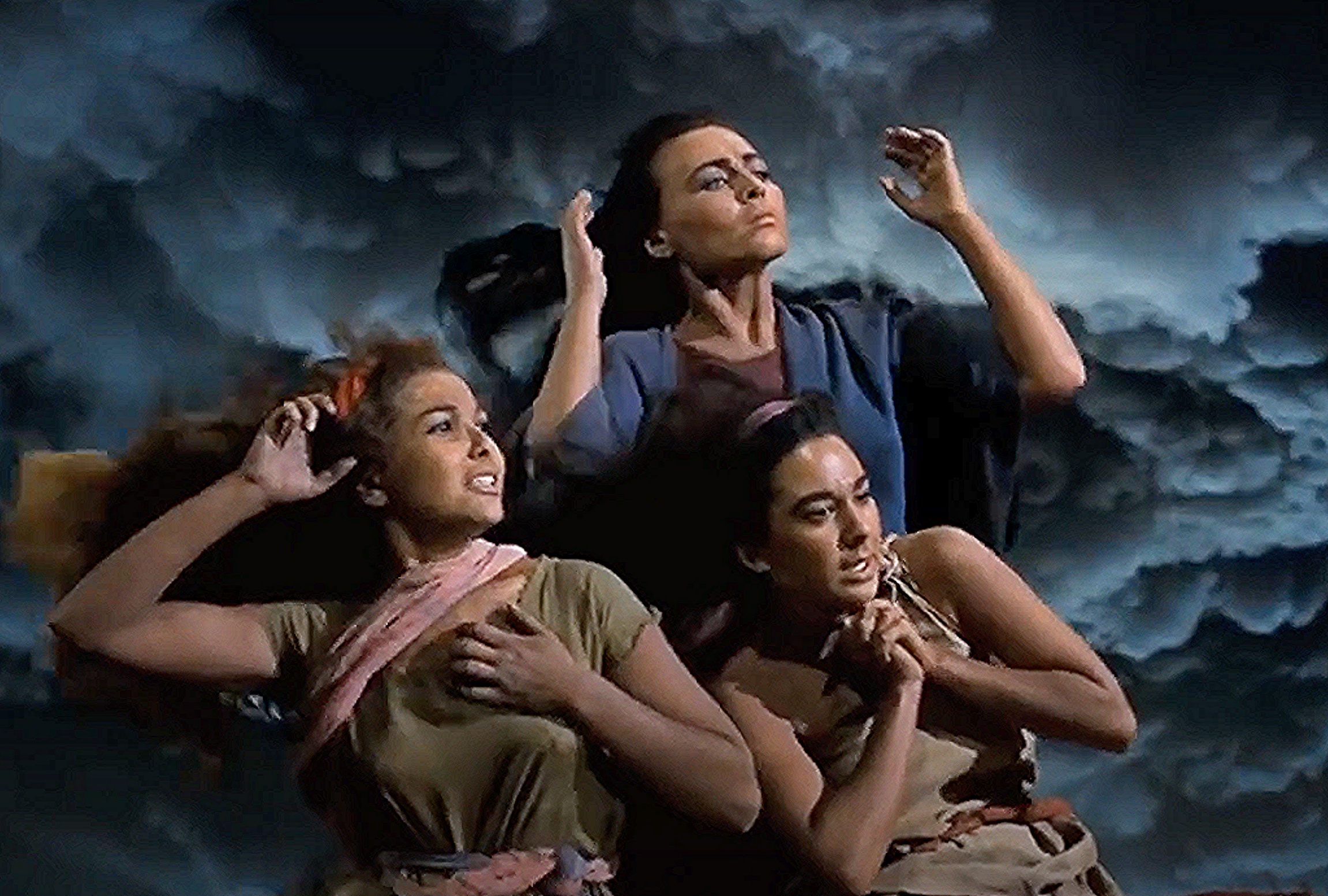

Visual representation of how I, Jeffrey Wells, am feeling right now about the Great Substack vs. Patreon Debate at this stage. At times I am of two minds at the very least, and possibly of three. At other times I am all in on Substack. At other times I find the idea of jettisoning HE, which I’ve built up over the last 17 years, upsetting if not shattering. I’m just sittin’ on a fence. You could say I got no sense. Trying’ to make my mind, it really is so hard to find. So I’m sittin’ on a fence.

All in all, Substack “is way more versatile that I gave it credit for,” says Adviser #1. “You can create different types of content with less struggle using code and servers to host image files. All of this is super user-friendly and built-in.”

Plus there’s no cost to using Substack. No server fees. I just pay $50 to use the HE domain for the substack. No Liquid Web speed issues. No upkeep. No maintenance. I’ll save a fortune, I’m told, and stand to gain consistent income through platform that is universally trusted.

Adviser #2 says…

“I think Substack is the best possible pathway forward. I can’t tell you how liberated I feel since being in the subscription realm. I feel like I’ve been set free to do the best work of my career. You have a dedicated readership already…you’ll have to trust they will stick with you.

“I would recommend reaching out to Substack and talking to them about whether they could port your archives and URL over if you made the leap. They did that for me when I moved to them, and it went pretty painlessly. The only downside is that it would entail a change of look to HE…but it’s a season of change. And once you are on Substack, it makes all the backend stuff and the money collection completely painless. Before I was on \Substack, basic administrative stuff was taking up a day and a half a week for me. Now its maybe 15 minutes a week.”

Substack doesn’t support ads, but you can drop them in as image Jpgs, which is what i do and basically, they look the other way on it, They wont help you, but they don’t stop you either.

“Plus I figured out a way to jury-rig the template to put a banner above the logo.
Read more

Sad Submission

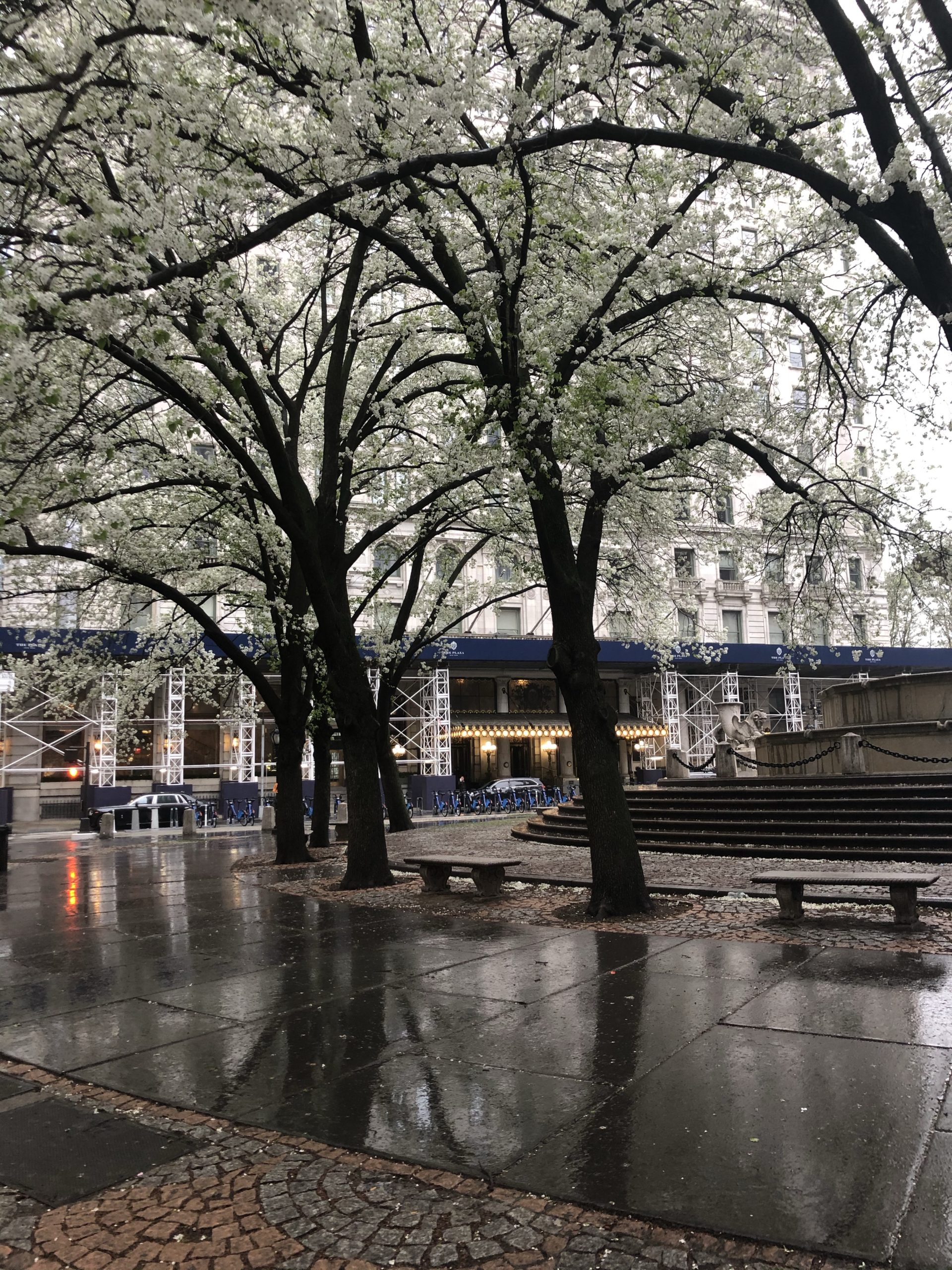
Now that sunny, blue-sky weather has returned to the New York City area after two days of blustery chills and occasional rain, Tatiana and I are sadly returning to Los Angeles. Our United flight leaves Newark around 4:15 or 4:30.

Confession

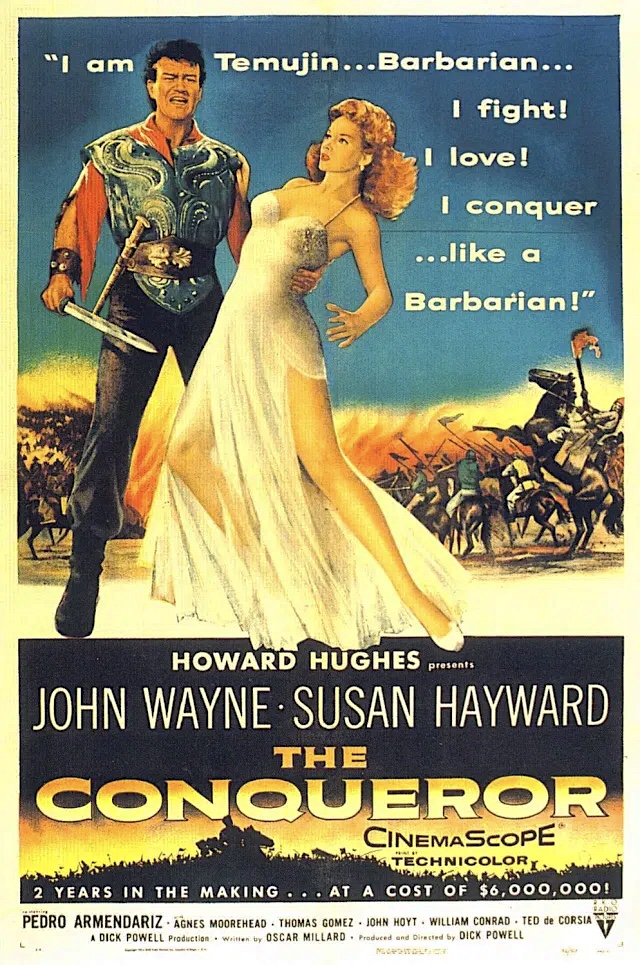
Every so often I’ll post some dismissive remark about Howard Hughes and Dick Powell’s radioactive, cancer-ridden The Conqueror (‘56). But that’s because the basic concept (John Wayne as a Mongolian warlord) and poster art have always seemed so silly on their own terms. The truth is that I’ve never seen this allegedly tiresome film. Has anyone?

Best Actor 20-Teen Preferences

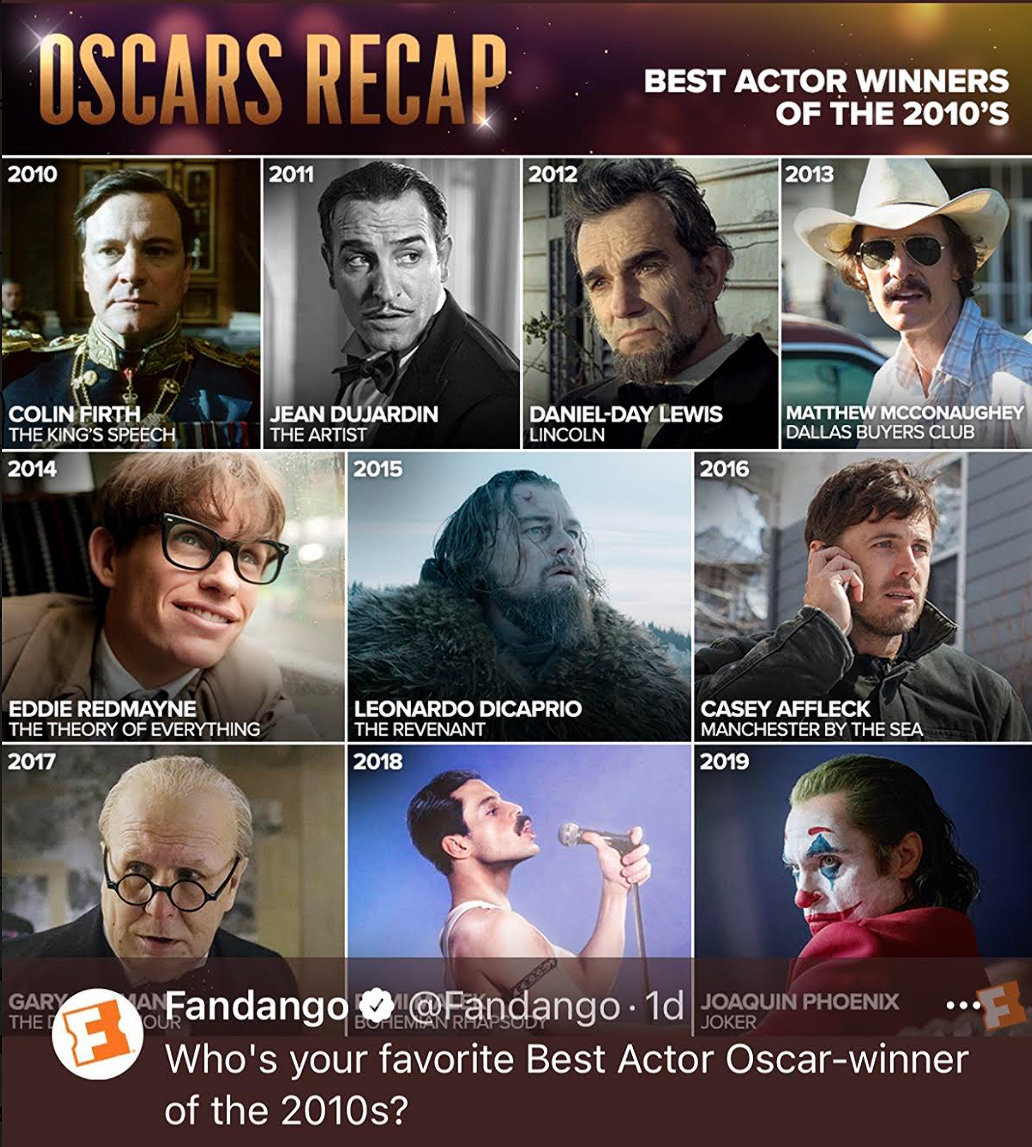
This was batted around on Twitter a couple of days ago by Tomris Laffly, but here goes anyway. I agree that Casey Affleck in Manchester By The Sea and Leonardo DiCaprio in The Revenant (combined with his even-better performance in The Wolf of Wall Street) — two 20teen performances that won the Best Actor Oscar — are truly exceptional and way better than the other eight.

Actually let’s add Joaquin Phoenix‘s Oscar-winner in Joker and make it a triumvirate.

I respect Colin Firth‘s work in The King’s Speech, but I’ll never watch that film again. Ditto Jean Dujardin in The Artist — a film that I begged critics and Oscar handicappers not to embrace so uncritically. Did they listen? Of course not.

Good enough, fine, good job but calm down: Daniel Day Lewis in Lincoln, Matthew McConaughey in Dallas Buyer’s Club, Eddie Redmayne in The Theory of Everything, Gary Oldman in Darkest Hour, Rami Malek in Bohemian Rhapsody.

Hollywood Anonymous Logo Makeover

Last night I asked HE’s Chicago-based design guy Mark Frenden to take a stab at redesigning the logo for Hollywood Anonymous, a new Substack that I announced on 4.6.

The basic concept, as noted, is anonymously written reportage about what Hollywood life is actually like these days in terms of production, distribution, casting, financing, publicity, Hollywood-angled journalism, fleeting social alliances, ferreting out the insufficiently woke and so on. The kind of “this is how things really are these days” articles that people aren’t allowed to write at publications anymore. No names, no hints, no allusions, no nothin’.

Anyway, here’s what Mark delivered in terms of a horizontal banner and a small box-like accompaniment:


I like it — a thematic cousin of HE and operating within the same universe.

Read more

McKay vs. Sorkin: New Political Spectrum

This may sound a bit strange but bear with me, or more precisely with Adam McKay. In a 4.12 N.Y. Times Sunday Magazine interview with David Marchese, the director of The Big Short and the forthcoming Don’t Look Up breaks down some differences between today’s lunatic righties, all-but-extinct classic Republicans, moderate liberals and serious lefties like McKay.

McKay does so by way of a comparison between himself and The Trial of the Chicago 7‘s Aaron Sorkin.

McKay: “For all intents and purposes the Republican Party is no longer a functioning political party with actual policies and ideas” — true. “It’s motivated by pure power, reactionary beliefs. So I would say the real right wing in our country is the moderates” — not true. Left-center moderates like myself are left leaning within reasonable, fair-minded restraints. We’re not righties — we’re sensible lefties (i.e., in favor of $15 an hour minimum wage) minus your woke totalitarian Khmer Rouge cancel-culture mentality.

In other words, McKay is claiming that moderates (center-left or center-right) are the new classic Republicans. Sorry but there’s nothing “Republican” about this horse — I swear by the theology of kindness and humanitarianism, I love who Bernie Sanders and Pete Buttigieg are deep down, I’ve taken LSD and mescaline, I don’t relate to people who play golf or visit Dubai, I occasionally ride a rumblehog, I’ll cross the street to avoid babbling homeless people, I was once immersed in the Bhagavad Gita, I’ve been to Prague for hair treatments, I wear Italian suede lace-ups and high-thread-count T-shirts…don’t call me even vaguely Republican!

McKay: “The right-wing version of me — maybe this isn’t the best example — is an Aaron Sorkin. You’ve got to remember, we just saw seven Democrats vote against raising a minimum wage that is $7.25 an hour. That’s extremely right-wing. Bill Clinton, the policies he pushed through, are right-wing” — what Sorkin means is that policy-wise Clinton was a moderate Eisenhower Republican.

McKay: “The whole definition of right and left in our country is shattered because of this Republican Party that is almost a Ponzi scheme of meaning.

Read more