“Pitt” Guy, Now and Forever

The only Primetime Emmy nominations that accelerated my blood today were the 13 noms for The Pitt, and particularly a Best Drama Series nom for the show itself as well as a Best Actor in a Drama nom for Noah Wyle, who also exec produces.

I loved the opening episode of Seth Rogen and Evan Goldberg‘s The Studio (especially Martin Scorsese‘s cameo performance as himself) as well as “The Oner”, but I lost interest after the obsequious, one-note Ron Howard episode.

I think it’s a totally sick and disgusting joke that the most recently aired The White Lotus season (#3), which was horribly written and utterly devoid of dramatic tension, has been nominated for anything.

I’m down with The Penguin as far as it goes, but I’m also sick to death of Severance, Hacks, The Bear and The Last of Us being nominated for anything, much less winning this or that trophy…get outta my life.

Yes, Some Are Still Managing to Torpedo Their Careers With Dumb Blab

Variety‘s Naman Ramachandran (7.15.25): “Gregg Wallace‘s co-host John Torode has been fired from BBC‘s MasterChef following an investigation that substantiated an allegation [that] he used racist language in the workplace.”

I’ve read that some of Torode’s offending utterances were overheard back in ’18, but maybe there’s more to it.

So what did Torode say exactly? One presumes he wasn’t vulgar or stupid enough to use flagrantly racist language or epithets, but I’d love to know what his verbal offenses actually were.

They were probably remarks that skirted the line between familiar, no-big-deal racial shorthand (i.e., referring to a light-skinned African American as cappuccino or cafe au lait, let’s say) and casual conversation, but who knows?

I would never dream today of saying “spade cat” (it’s a ’60s and ’70s street term), but I was all but burned at the stake a couple of years ago for insisting that back in the day and in the realm of the street “spade cat” was a term of respect. It alluded to a POC who was hip and Zen-cool and subterranean and perhaps even “experienced” in the Jimi Hendrix sense of that term.

Another term I wouldn’t dare verbalize today is “bloods,” but this was also a term of cultural acknowledgment and respect. It certainly wasn’t informed by racist spite. It refers to a close familial fraternity among POCs…trust, recognition, shared heritage, history. Someone told me it came from a phrase in Sly Stone‘s “A Family Affair,” to wit: “blood’s thicker than the mud.”

When you consider some of the ugly racist terminology heard in M.A.S.H., the first two Godfather flicks, Karel Reisz‘s Who’ll Stop The Rain (“hold it there, tamale pie”), Mississippi Burning, several Quentin Tarantino films and even HBO’s The Sopranos, “spade cat” and “bloods” (not that anyone would be dumb enough to use them in any workplace) are decidedly vanilla. But they’d still get you fired.

We all understand that POCs are never admonished or whacked for using terms that belittle or diminish whites (“whitey”, “Wonderbread”, “whitebread”, “honky mofo”, “preppy cracker”, “trailer trash”, “yokel”) — it only works the other way around.

Hey, Anthony Mann…Show A Little Originality!

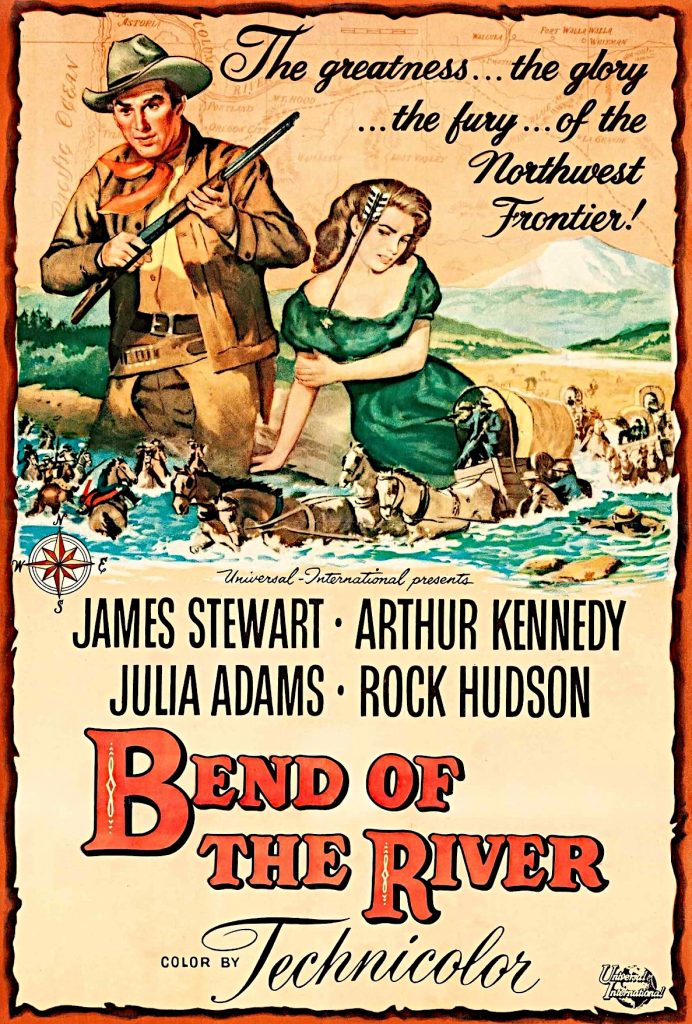
This poster for Anthony Mann’s Bend of the River (‘52) shows “Julia” Adams (better known as Creature From The Black Lagoon’s Julie Adams) with a Native American arrow lodged in her upper right chest…above the breast, next to right armpit).

This amounts to a blatant theft of a scene in Red River (‘48) in which Joanne Dru is arrow-shot in almost the exact same spot. Not cool!

If I’d been directing the arrow would’ve pierced Adams’ left collarbone area.

Redford Vibes

I don’t know when this Robert Redford interview was taped, but he was still very movie-star handsome so let’s figure the mid ’80s. Sometime around The Natural. A good five years before Indecent Proposal, let’s say. Something like that.

I really miss the company of confident, easygoing, good-looking, classic-era movie stars.

Redford: “We had so much fun doing [Butch Cassidy and the Sundance Kid]…the most fun I’ve ever had making any film. I remember the experience of it coming out, and I remember being surprised by the kind of success it had. I wasn’t prepared for that at all. I think it had to do with more than just ‘guys running out of time’. It had to do wih a certain kind of bonding and a certain kind of connection…a real friendship.”

Read more

Heart Attack Guy

Last night I watched three or four Twilight Zone episodes from the very first season (early fall 1959 to early ’60). The standout was “Perchance to Dream“, which was basically about Richard Conte grappling with a fear of death and a particular fear of suffering a heart attack during a creepy dream.

The episode first aired on November 27, 1959. Three weeks later Conte, who was nudging 50 at the time, began playing another heart attack victim in the original Ocean’s 11. His character was electrician Tony Bergdorf, who drops dead on the Las Vegas Strip tarmac right after the New Year’s Eve heist goes down.

For the viewing public those heart attacks played like a one-two punch, and impressionistically they stuck. Conte lived, worked and prospered for another 15 years after Ocean’s 11, but he was always the heart-attack guy. And then he keeled over from a real-life heart attack on 4.3.75. He died on 4.15.75 — tax day.

Career-wise, Conte’s richest and luckiest period was the early to late 1940s — Guadalcanal Diary, The Purple Heart, A Bell for Adano, A Walk in the Sun, 13 Rue Madeleine, Call Northside 777, Cry of the City.

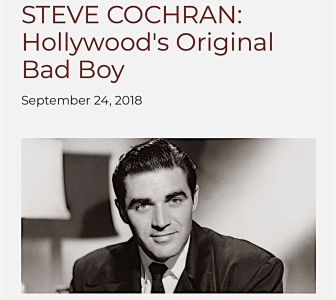
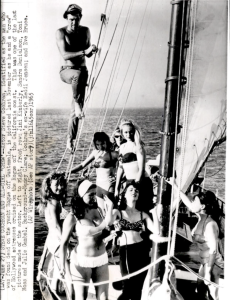
Cochran’s 1965 High-Seas Demise Could Be Filmed As A Sardonic Existential #MeToo Comedy

Every film maven knows tall, dark and reptilian Steve Cochran, who played Virginia Mayo’s extra-marital boyfriend in William Wyler‘s The Best Years of Our Lives (‘46) as well as Mayo’s extra-marital gangster lover (“Big Ed”) in Raoul Walsh‘s White Heat (‘49).

Known for playing casual attitude bad guys on-screen, Cochran’s inside-the-industry rep was that of an insatiable party hound…booze, broads, fast cars, private planes and inevitably “scoring” with his female costars. The town gradually formed an opinion that Cochran was much more into cooze and trim than than investing in the basics of a solid film career (devotion to acting, playing his political cards right, trying to be cast in prestige projects). In the late ’40s and ’50s Cochran was almost the Bob Crane of his time.

Fewer know about Cochran’s abrupt and curious death aboard his sailing yacht Rogue. It happened in mid-June of ‘65, somewhere off the coast of southern Mexico or perhaps Guatemala, when Cochran was 48. If you know the story of his sudden demise and especially the grisly aftermath, it’s hard not to imagine someone (perhaps Michel Franco?) making a dark twisted film about it. The Cochran saga could be a perfect vehicle for a feminist director making a standard-issue “all men are pigs” movie.

There’s something simultaneously chilling, existentially creepy and almost perversely “funny” about Cochran, who, in his late ’40s and ’50s heyday, surely dipped his wick as much as Errol Flynn or Charlie Chaplin or George Roundy or any other hardcore poon hound…there’s something simultaneously wicked and darkly funny (in a pathetic, lampoonish sort of way) about Cochran hiring three young Mexican girls to accompany him on a cruise to Guatemala in order to (heh-heh) research a film (Captain O’Flynn), and the ship being hit by a heavy storm and one of the masts being damaged, and the Cochran suddenly falling ill with an infected lung and wham, he’s dead two days later.

But the three girls don’t know how to sail and the Rogue is a long way from the coast, and so they’re stuck with Cochran’s stinky, decaying corpse — getting smellier and smellier as it bloats and turns black — for ten days until a fishing ship happens by.

The poor women had no choice but to tough it out. If they’d thrown Cochran’s body overboard and let the fish eat him, the authorities would’ve accused them of murder.

Here’s a pretty good Cochran piece by SFGate‘s Andrew Chamings, dated 10.24.22:

Gaza or Ukraine?

The instant I saw the white, woolly-haired Zlatko Buric in Superman, portraying Boravian president Vasil Ghurkos with broad gestures and some kind of thick Slavic accent, I immediately thought “okay, a Vladmir Putin-like despot as well as an ally of Lex Luthor, and clearly up to no good.”

And when Boravian troops are shown invading or otherwise hassling their neighboring country of Jarhanpur, I naturally saw this as a reenactment of Russia invading Ukraine.

But a whole lot of TikTok wokeys are seeing a different analogy. Vasil Ghurkos is not Putin but Israel’s Bibi Netanyahu, they’re saying, and Jarhanpur is not Ukraine but Gaza.

Could I get a show of hands from the HE community about which real-world analogy seems the more plausible?

Ghurkos is obviously too much of a vulgar, intemperate, arm-waving blowhard to serve as a convincing stand-in for Bibi, who is well-known for his non-accented English, trimly cut white hair and conservative, well-tailored business suits. But tell this to the TikTokers.

Is WB Too Panic-Stricken To Bring PTA’s “One Battle After Another” to Venice?

I’ve been sensing uh-oh vibes from Paul Thomas Anderson One Battle After Another since 3.29.25, which is when I talked to a fellow who’d recently seen a preview screening and called it “a satire of radical left revolutionaries”…”it’s played for comedy but the wokeys won’t like it”.

Who the hell cares enough about rural looney-tune radical lefties to see, much less enjoy, a satire of their behaviors? I hated PTA’s last Thomas Pynchon adaptation so what are the odds I’ll be receptive to this one?

Preview guy also called it “a guy movie like Uncut Gems but aimed more at black women and [even] white conservative women than liberal white women on antidepressants…I wouldn’t take my girlfriend to it…it’s not a 2025 movie…it would’ve gone down well during Obama’s second term, but movies like this are not made today.”

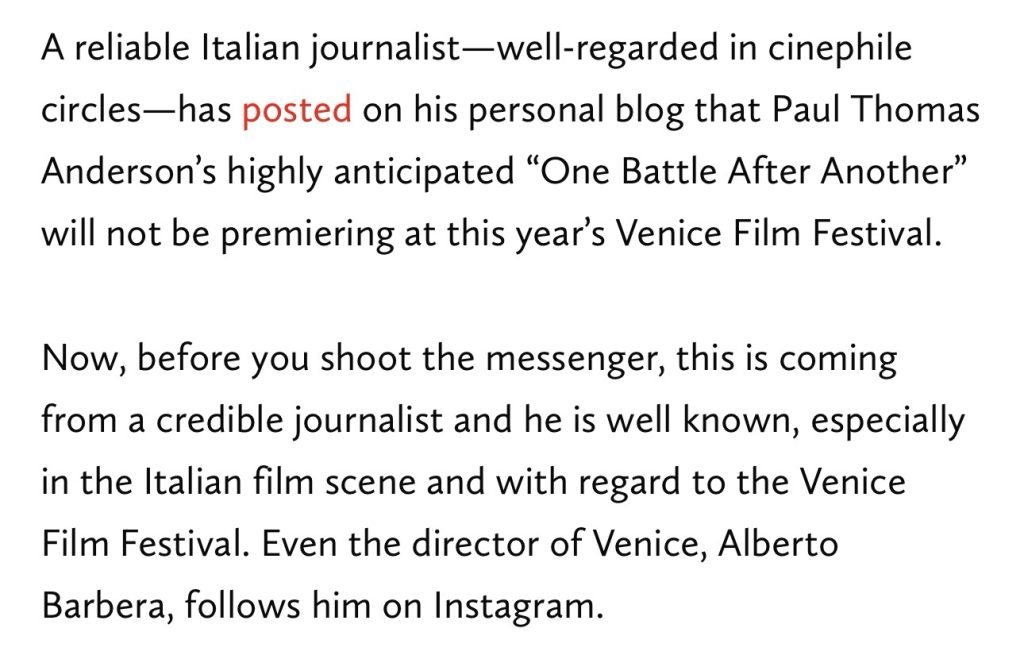
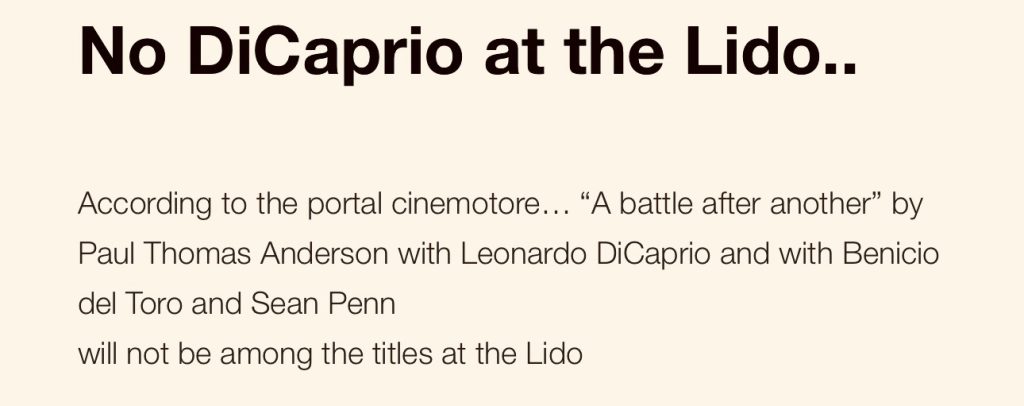
It is therefore not surprising to read a Jordan Ruimy report that the Warner Bros. distribution team may have decided not to premiere the PTA at the 2025 Venice Film Festival (8.27 to 9.6):

I’ve been sniffing weirdo gas fumes (i.e. the eccentric “I love black women!” kind) from this pricey PTA flick all along. If the Italian Cinematore guy is correct, it would appear that WB p.r. execs are persuaded that the film will draw a “mixed” or half-negative critical reaction in Venice and have decided it’s better to cut bait rather than fish.

The Venice lineup will be announced on Tuesday, 7.22.

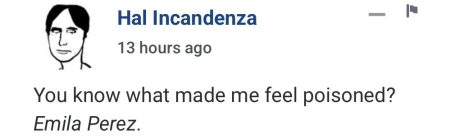
“Superman” Made Me Feel Poisoned

My system wasn’t just wilting from a massive injection of James Gunn geek arsenic, but from a feeling of terrible spiritual exhaustion…a feeling of defeat and hopelessness that had nowhere to go but down.

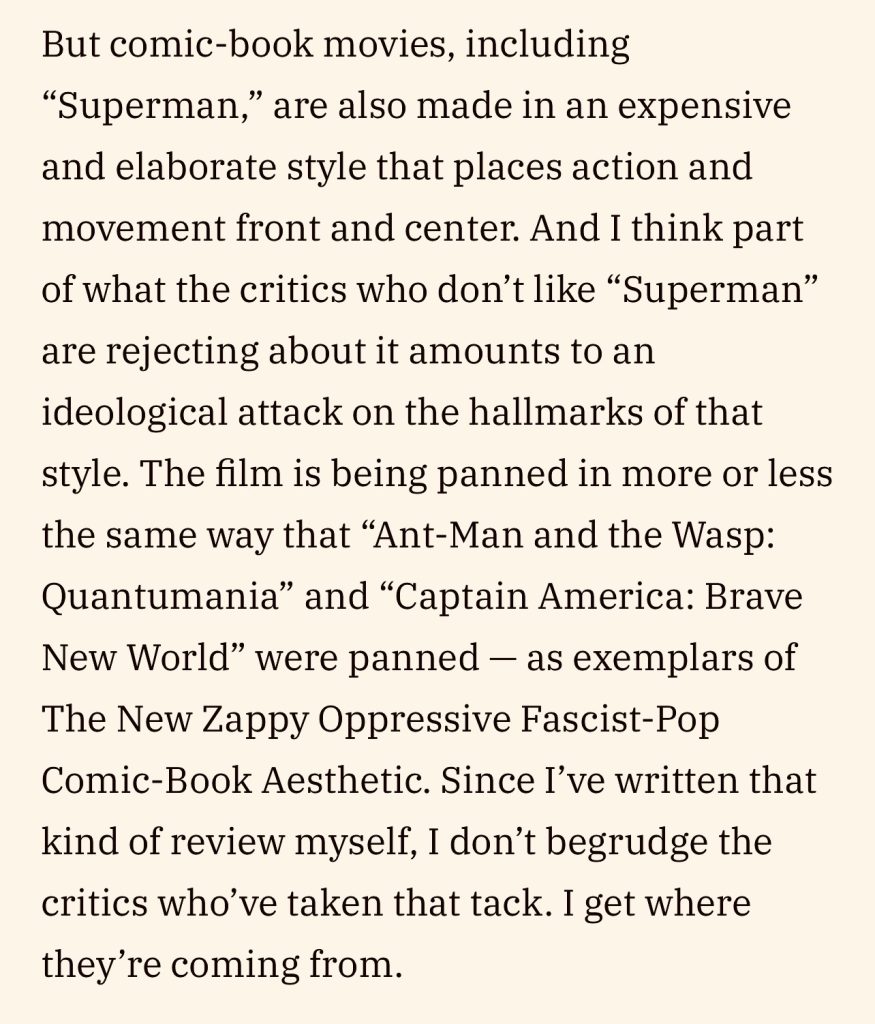
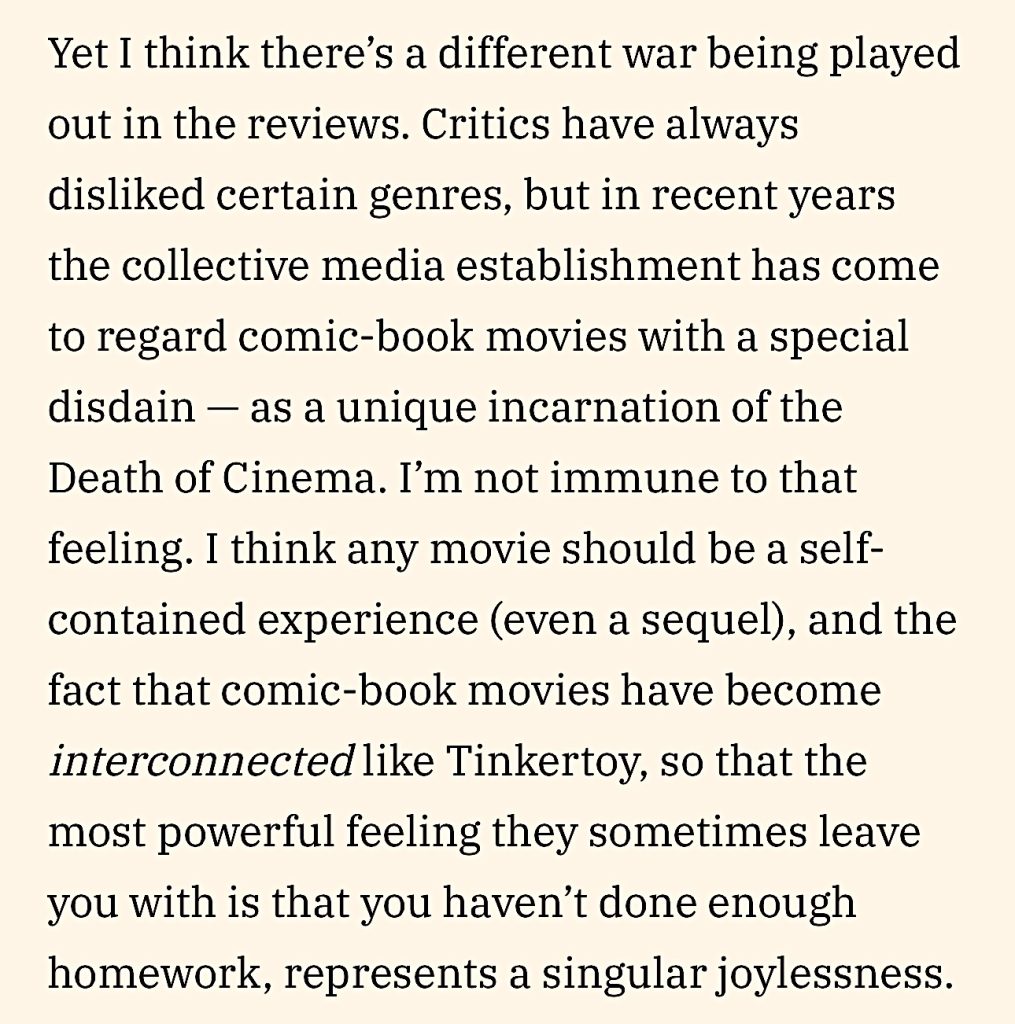
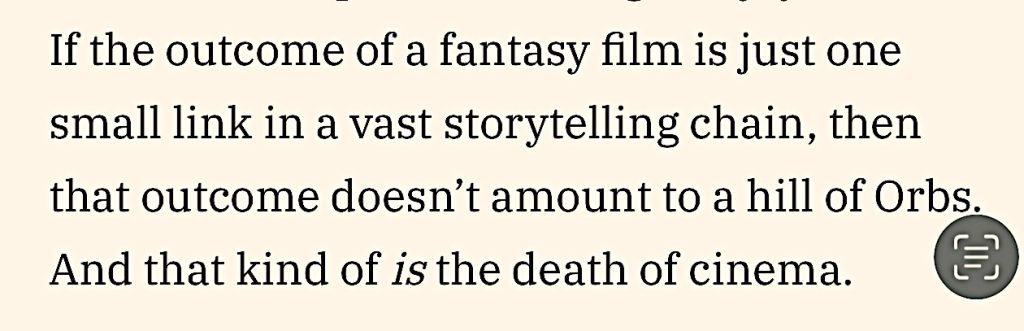
From Owen Gleiberman’s 7.13 essay about the movie-critic war over the horror of Superman:

Arguably The Greatest Night of The Great One’s Life

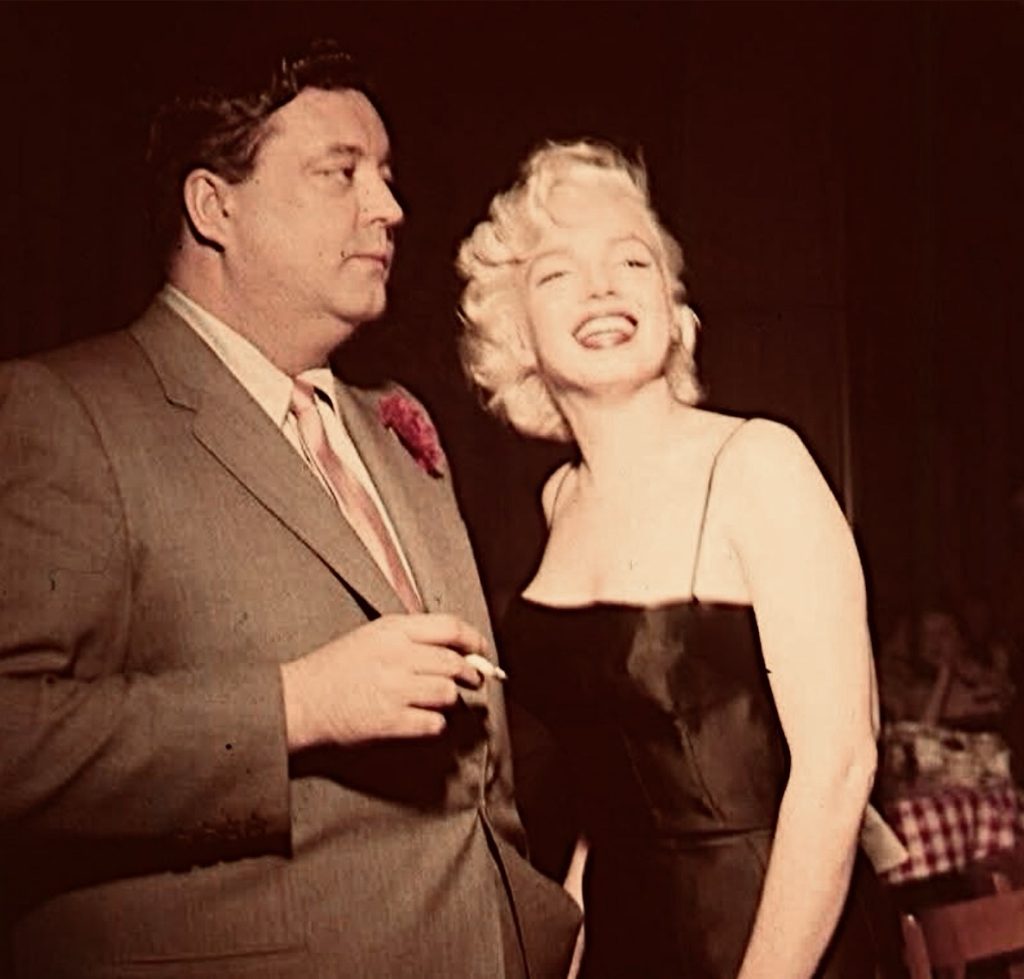
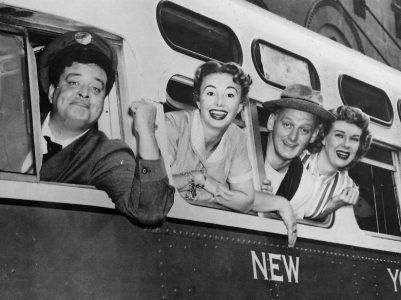
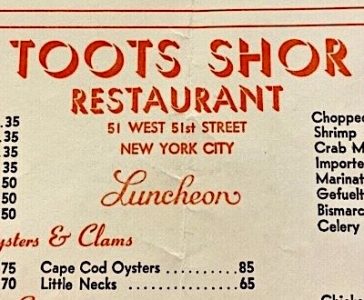
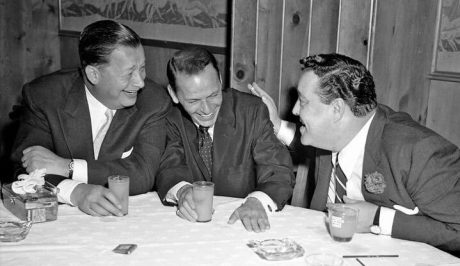
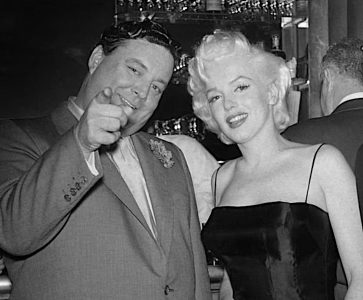
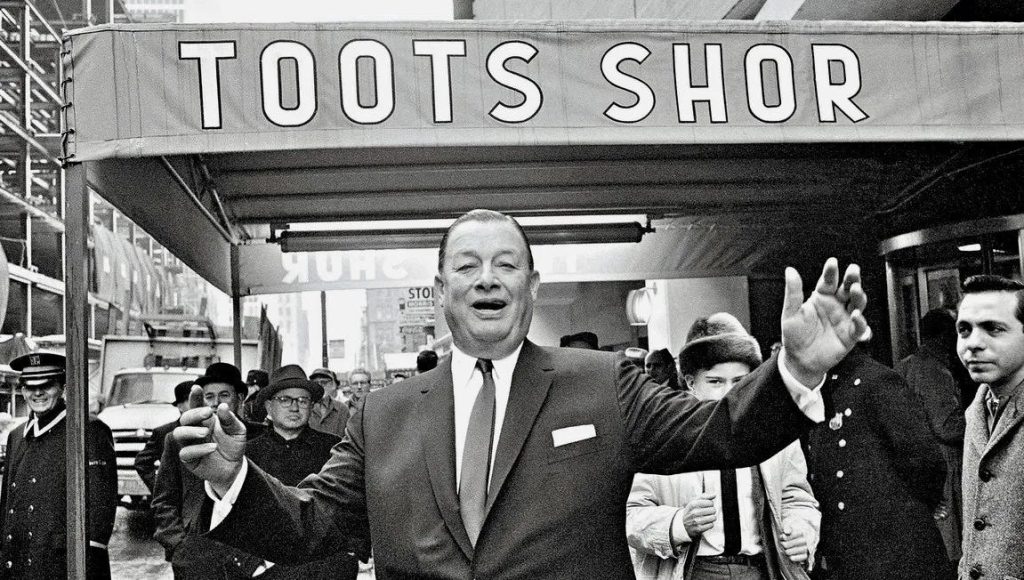
Jackie Gleason’s 39th birthday party was held on 2.26.55 at Toot’s Shor’s (51 W. 51st Street). He was rolling in clover and adulation back then, and on this particular night (i.e., Saturday) he was being toasted and celebrated by every showbiz hotshot in town (including Marilyn Monroe and Joe DiMaggio).

Plus ratings for The Jackie Gleason Show had been surging since ‘53 or thereabouts, and Gleason had recently decided to gamble big on a full season (39 episodes) of The Honeymooners, a hugely successful half-hour series which ran from 10.1.55 to 9.22.56 and is still being re-watched as we speak.

Gleason was a genius madman back then — big drinker, smoker and spender, living for the highs, burning the candle at both ends — and he enjoyed a long and successful career, of course, but I hated his constantly seething Buford T. Justice in the Smokey movies, and I never cared much for his old-school, tweedle-dee mustache.

Gleason was beautiful when youngish and livin’ large and full of beans, but the old pizazz ebbed away as he got older. His heyday had happened in the ‘50s, and everyone knew that.

When you’ve got it, flaunt it. Life is short. Go for the gusto while it’s still gusting, etc.

Gleason’s final peak momrnt — at least in my estimation — was his performance as Minnesota Fats in Robert Rossen’s The Hustler (‘61). for which he was Oscar- and Golden Globe-nominated in the Best Supporting Actor category. Gleason should have damn well won the Oscar, but West Side Story’s George Chakiris unjustly edged him out.

Read more