I’ll never forget Al Pacino repeatedly yelling “Attica!” in Dog Day Afternoon…a film moment burned into our brains. But to watch Stanley Nelson‘s Attica is to travel right back to the original uprising of ’71 and experience the pain and brutality and ugliness first-hand. But completely fascinating start to finish.
I saw Nelson’s two-hour doc last night, or roughly 11 days after it played at the Toronto Film Festival. All I could say or think was “good God” and “Lordy Lordy.”
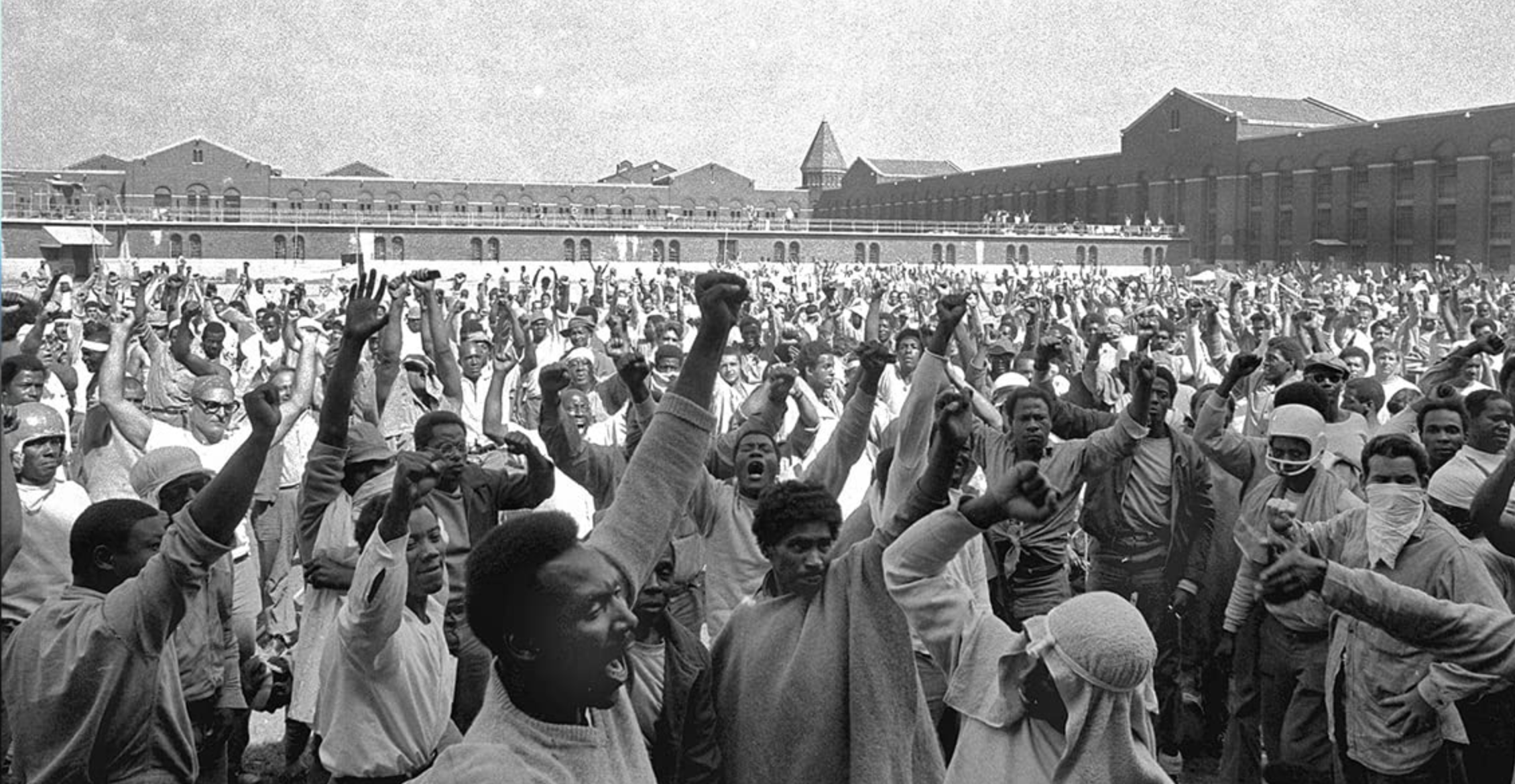
Attica is devastating and infuriating — the ultimate portrait of one of the most revolting acts of state-sanctioned racial savagery in American history — a portrait of white-working-class hatred of militant black men from a half-century ago, and how one of the most appalling acts of mass murder happened at the end of a four-and-a-half-day prison-revolt standoff at Attica prison in upstate New York.
The inmates were simply tired of being treated like dogs — they wanted better food, decent medical care, less hostility, more toilet paper, etc.
On 9.13.71 the New York corrections officers and prison staff shot and killed 43 people — 33 inmates and 10 correctional officers who had been taken hostage. They also injured and tortured hundreds more.
I don’t know when Attica will play on Showtime (nothing comes up when you do a title search on the Showtime site), but with the 50th anniversary having already passed I would presume sooner rather than later.
The film lasts exactly 1 hour, 56 minutes and 35 seconds.
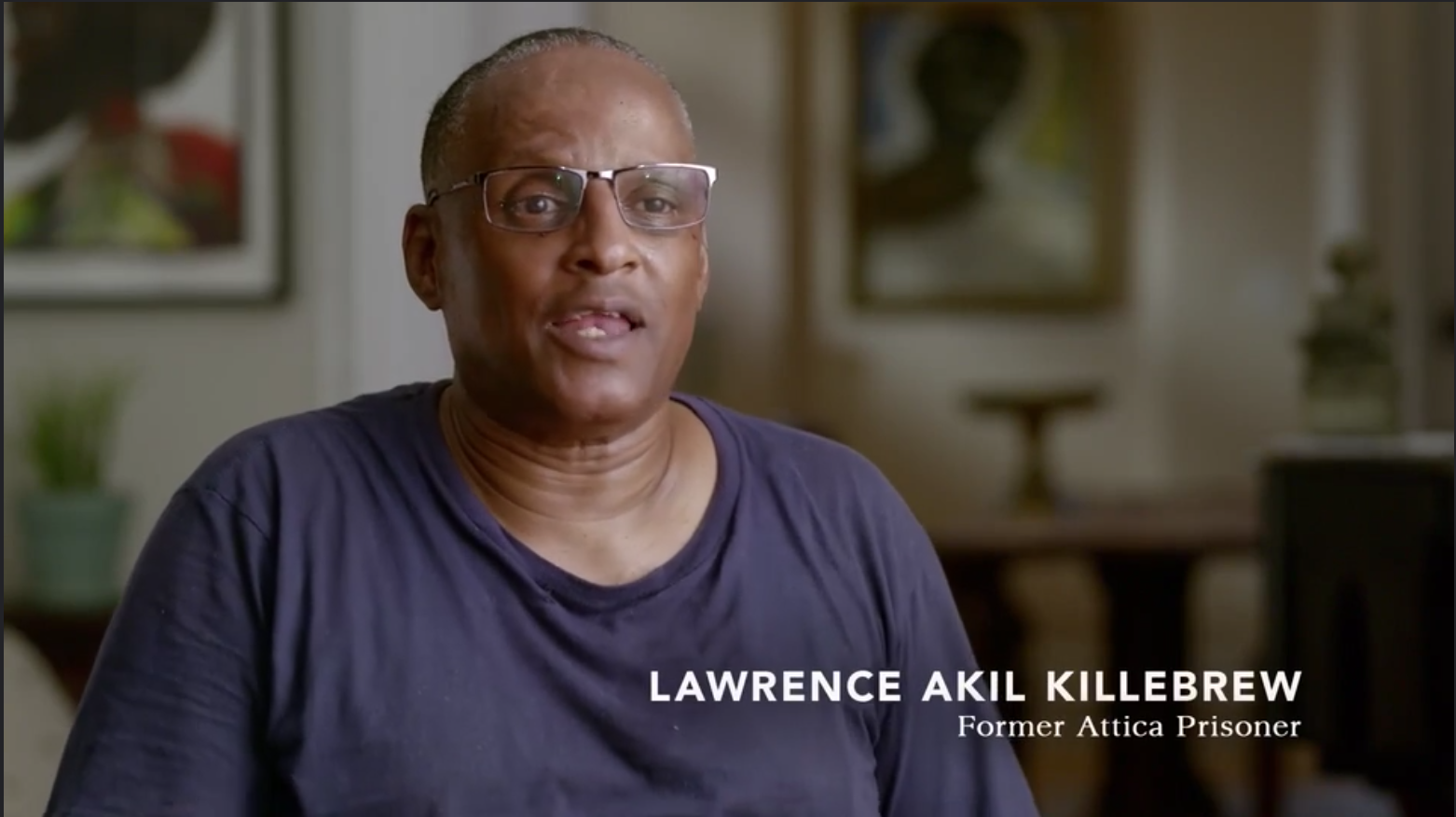
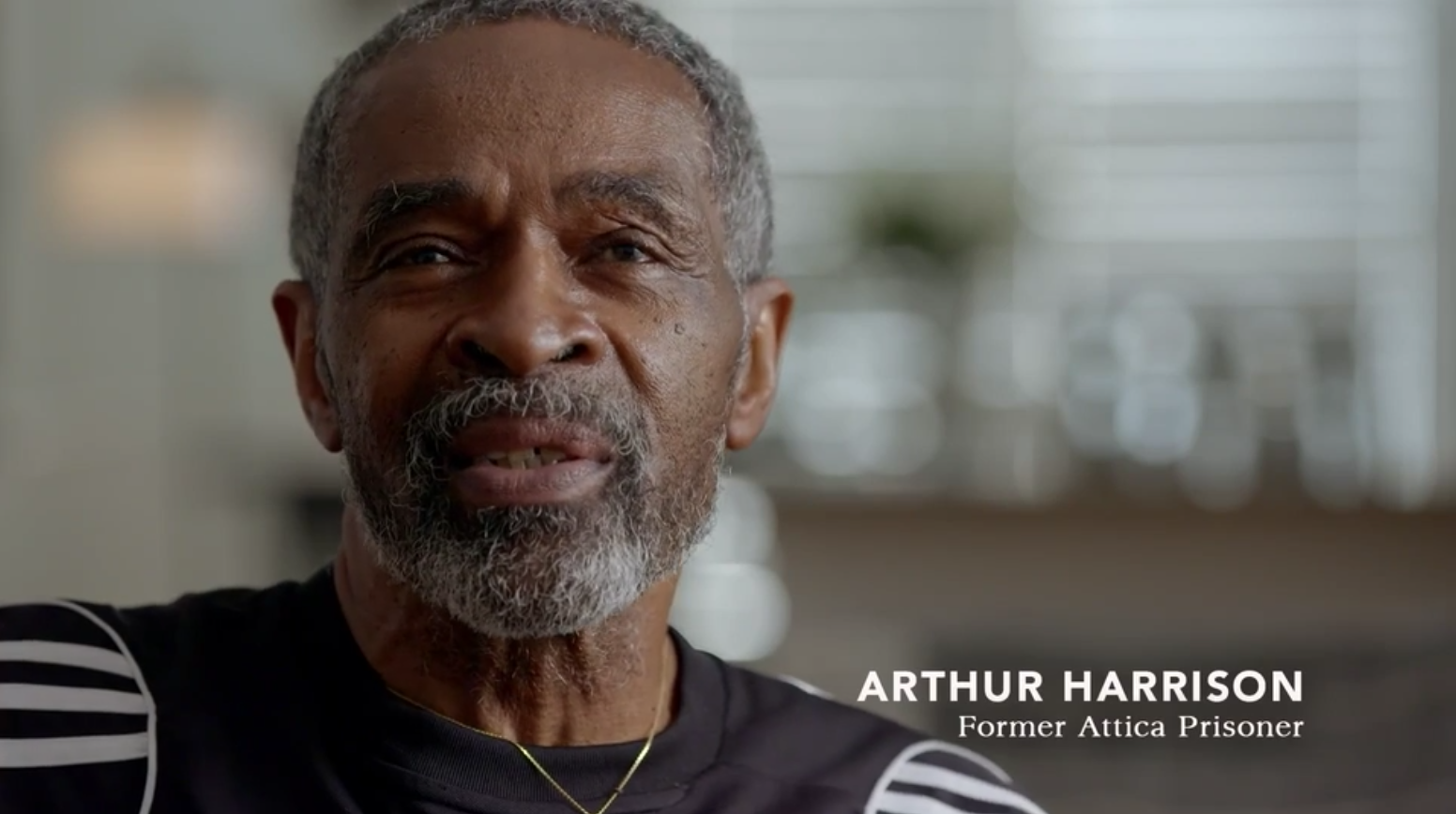
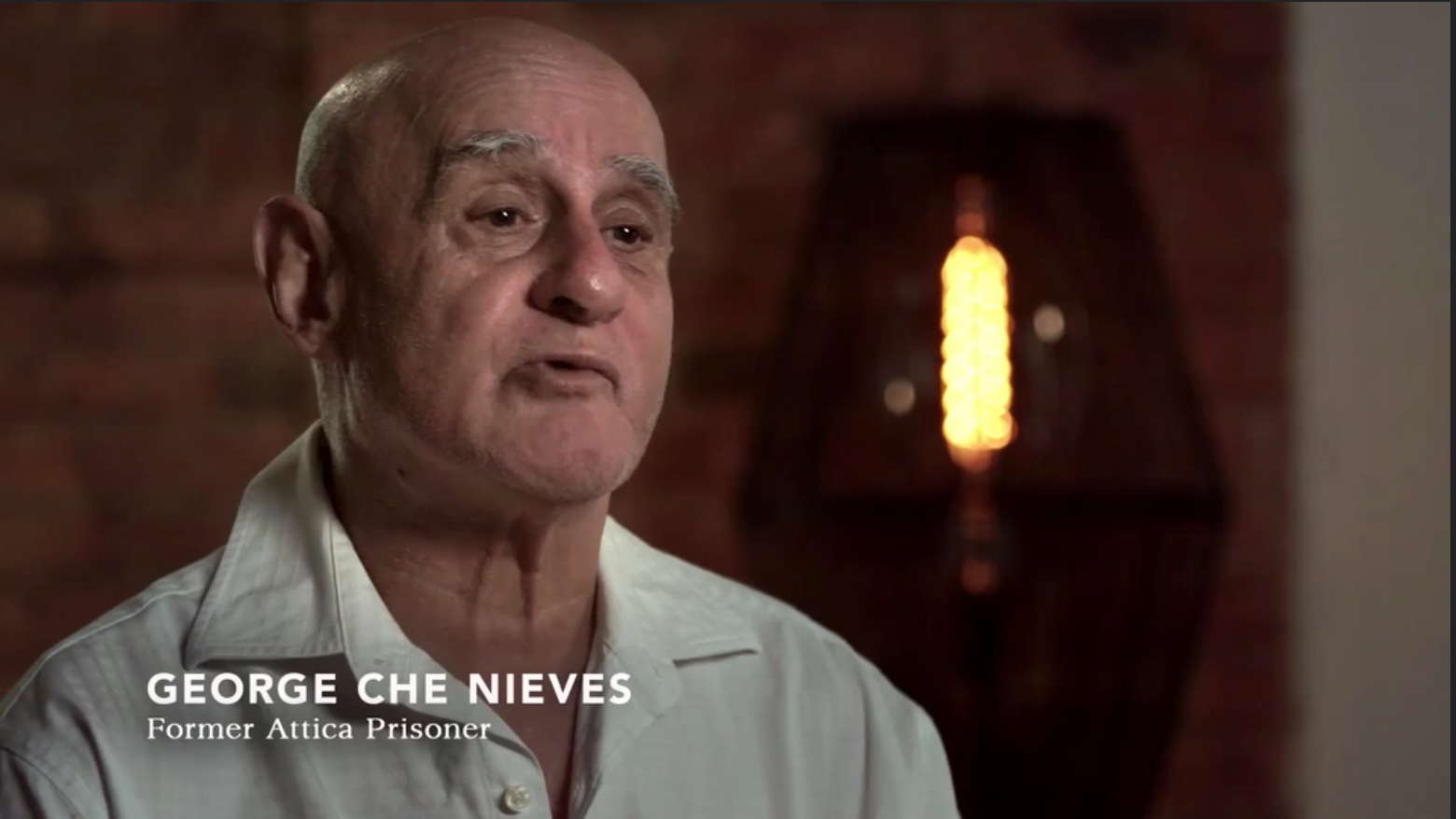
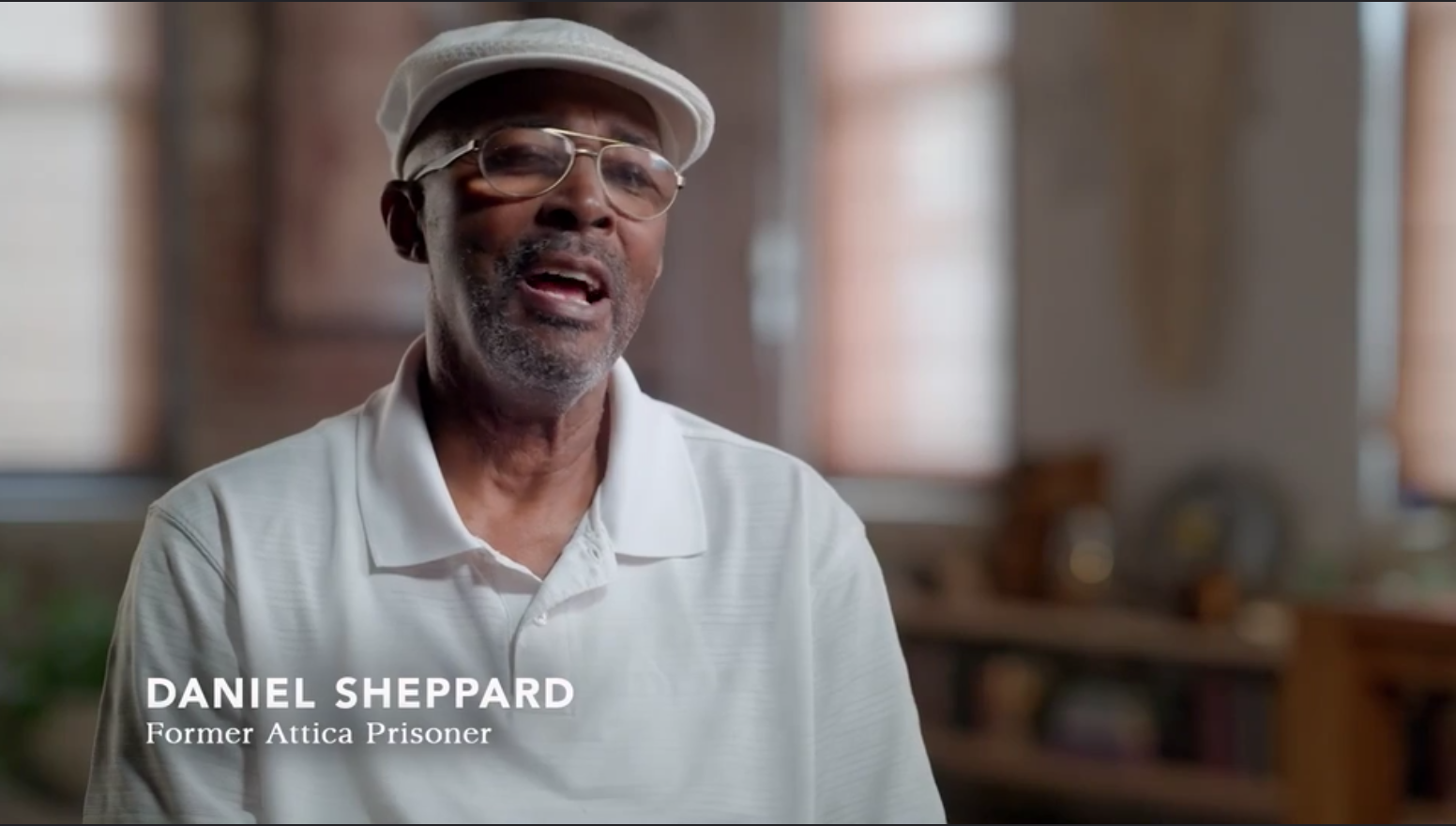
Nelson has interviewed several prisoners, journalists, and other eyewitnesses who were right there, and boy, talk about nightmares coming alive! Plus he blends in news coverage, surveillance footage and anything else he can get his hands on.
Attica is not what you’d call a pleasant sit, but it really grabs you by the lapels, and when the horrible stuff kicks in at the very end, it makes you sick and enraged.
Who apart from the prison guards and other state militia were the biggest bad guys? That’s easy — Gov. Nelson Rockefeller and President Richard Nixon. Racist swine to the core, and completely at peace with shooting the occupiers in cold blood.
Boilerplate: “Attica goes beyond the five days of rebellion and gives a broader understanding of the Attica tragedy in the crosscurrents of politics, race, power and punishment during the early 1970s. Through expert voices and archival images of urban and suburban life, the film explores the tensions between a young, radicalized population of mostly black and Latino inmates, and correctional officers from a predominately white company town, where the Attica prison was the primary employer for generations of families.”