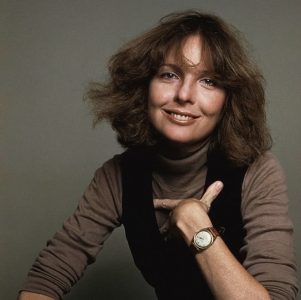
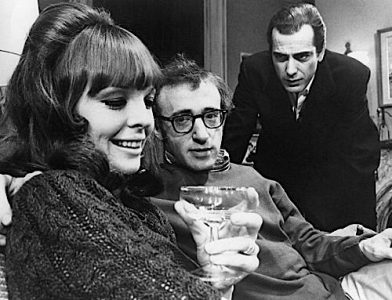
Diane Keaton first began to pop through on stage, initially in Hair (‘68) and then, the following year, as Woody Allen’s object of demure devotion in Play It Again, Sam.
Her big-screen dramatic breakthrough, of course, was her pained and conflicted Kay Adams in the first two Godfather films (‘72 and ‘74).
And then, concurrently at first, came the six-film Woody streak — 1972’s celluloid Play It Again, Sam (not as good as the play) plus Sleeper (‘73), Love and Death (‘75), Annie Hall (’77), Interiors (‘78) and Manhattan (‘79).
Looking for Mr. Goodbar (a dud) came out the same year as Hall but nobody much cared.
Then came the final six films of the Keaton peak — Reds (‘81), Shoot The Moon (‘82), The Little Drummer Girl (‘84 — a bust), Mrs. Soffel (‘84), Crimes of the Heart (‘86 — an over-acted headache movie), and Baby Boom (‘87).
From ‘88 on Keaton was fine or fun or earnestly mannered or perky or bothered or flaky-eccentric in some agreeable or interesting way, but the heavyweight era was over.