Corliss on “Elah”

“Those of us who weren’t crazy about Crash thought it reduced each of its dozens of characters to one small virtue and big flaw. In In The Valley of Elah, Haggis is more open to his characters’ drives and demons. “The good guys, the ones so well played by Tommy Lee Jones, Charlize Theron and … Read more

Corliss on Ebert

“Whatever else they may be, movies are stories people tell us; and a review is a conversation the critic has with both the filmmaker and the audience about the power and plausibility of the tale. No one has done as much as Roger Ebert to connect the creators of movies with their consumers. He has … Read more

Corliss, thought, mass audience

“Hollywood’s marketers have become tremendously efficient at getting their core audience to see their big movies. They don’t need critics for that. But critics have a larger utility: to put films in context, to offer an informed perspective, to educate, outrage, entertain. We’re just trying to do what every other writer is doing: making sense … Read more

Corliss responds to Saggies

“We are in another of those historical moments, with grim death gargling at you around every corner and people being slaughtered like sheep. Of course, Academy voters could heed the incendiary Zeitgeist and vote for Babel, a film about international chaos, or Letters from Iwo Jima, depicting the last days of a losing war. The … Read more

Corliss on “Superman”

“Earlier versions of Superman stressed the hero’s humanity: his attachment to his Earth parents, his country-boy clumsiness around Lois,” writes Time‘s Richard Corliss. But Bryan Singer’s Superman Returns “emphasizes his divinity. He is not a super man; he is a god (named Kal-El), sent by his heavenly father (Jor-El) to protect Earth. That is a … Read more

Hollywood Books To Savor Before Dying

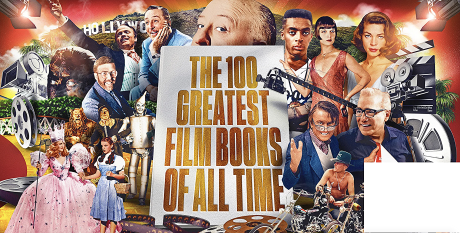
Among many others I recently participated in Scott Feinberg’s “The 100 Greatest Film Books of All Time” survey, the results of which popped in The Hollywood Reporter today (10.12). What’s the next great topic for a Hollywood expose or tell-all? Six years ago I suggested a book called “Super-Vomit: How Hollywood Infantiles (i.e., Devotees of … Read more
Thoughts on A.O. Scott Farewell Essay

A.O. Scott, the long-serving N.Y. Times critic (1999-2023) who’s shifting into book-reviewing, has tapped out a kind of farewell essay. Here are my reactions, including one unanswered question. 1. Why doesn’t Scott explain why he’s bailing? Does he feel like a burnt-out case? Okay, then say that and relate how he got to this point. … Read more

Bury My Heart at Wounded Carlyle

Every so often I reflect on what the accumulation of time does to some people, and what it’s done in particular to…well, friends and family, of course, but hotshots I’ve run into over the years and especially the occasional supernovas. I began thinking about Jack Nicholson a couple of days ago. William Faulkner‘s concept of … Read more

Didn’t Know We Had It So Good

Two and three-quarter years ago I posted one of my “Jesus, things really suck out there” pieces. It was titled “Definitive Saga of The Destruction of Theatrical Experience Still Required,” and the idea was that the next great Hollywood expose or tell-all could or should be called “Super-Vomit: How Hollywood Infantiles (i.e., Devotees of Comic … Read more

McCarthy’s Early Cannes Days

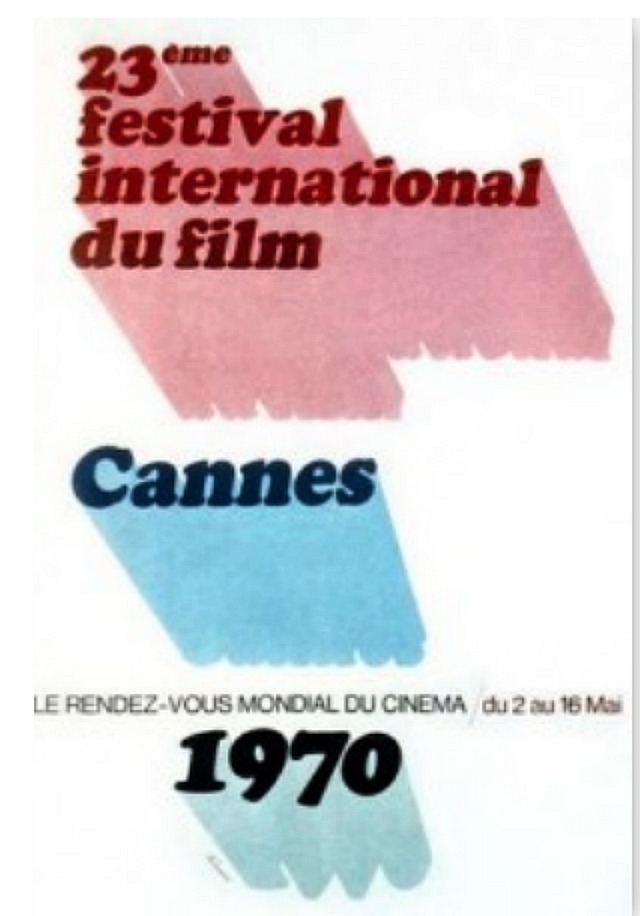
Earlier today I asked author, filmmaker and Hollywood Reporter critic Todd McCarthy for a certain Apocalypse Now recollection, which he was a little fuzzy on. Then I asked about his long history with the Cannes Film Festival, and the following d just poured out. Magnificent I-was-there stuff. “My first Cannes was actually 1970, when I … Read more

Gut Emotional Factor

We’ve all heard the hoo-hah over Bradley Cooper‘s A Star Is Born (Warner Bros., 10.5). Movie stars (Barbra Streisand, Sean Penn, Robert De Niro) love it. The reaction to a 7.18 exhibitor screening in Hollywood was “through the roof,” according to Deadline‘s Pete Hammond. Toronto Film Festival director Cameron Bailey has told Indiewire‘s Anne Thompson … Read more

Definitive Saga of The Destruction of Theatrical Experience Still Required

Last fall I wrote that the next great Hollywood expose or tell-all could or should be called “Super-Vomit: How Hollywood Infantiles (i.e., Devotees of Comic Books and Video Games) Degraded Theatrical and All But Ruined The Greatest Modern Art Form.” Not filmed dramas per se but the stand-alone, non-sequelized, franchise-resistant form of dramatic endeavor that … Read more