Personal HE thanksgiving: I’m so grateful that I was lucky and fortunate enough to have lived through a mythic era of cinema and moviegoing. Basically my whole life until the near-death blow of the pandemic, and then the final blows that were recently delivered by Ted “Godzilla” Sarandos and the YouTube Oscars deal.
My decades of theatrical movie-watching were a true blessing, and yet are gone forever, never to return. Nothing lasts, everything fades.
Plus I feel so privileged that I still have access to the elite and magical vibes of viewing films at top-tier film festivals. Full houses, superb projection standards, seriously focused industry audiences, great post-screening discussions.
Why does my thankfulness feel so gloomy and resigned? Variety‘s Owen Gleiberman summed it up earlier today
“Consider the icing that last week was poured on top of the doomsday-of-cinema cake,” he began.
“In a bombshell development, it was announced that the Academy Awards, starting in 2029, will no longer be broadcast on ABC, or on any television network. A deal was struck so that you will watch them exclusively on YouTube.
“A friend says this sounds like some horrifically just-plausible-enough satirical premise out of Seth Rogen’s The Studio, and he’s right: In what world are the Oscars going to be an event on YouTube?
“I get it: The monoculture is fading. Broadcast television is no longer the centralized force it once was. And a YouTubed Oscars could have an impressive international reach.
“Yet forget all that for a moment and listen to your gut. It’s beyond obvious that the Oscars on YouTube would be radically diminished — that they would go from being must-see TV to maybe-see semi-background noise.
“And the timing is nearly karmic. The YouTube Oscars that a fading number of viewers will care about is set to come along just as a newly baptized Netflix Warner Bros. is diluting the appeal of theatrical enough so that only a fading number of viewers will care about them.
‘
“An extinction-level event? Yes, it could be.
“Unless forces within the industry see what’s at stake, and rise up to fight it.”
HE to Gleiberman: Fight it how? By kidnapping Ted Sarandos like Robert DeNiro and Sandra Bernhard kidnap Jerry Lewis in The King of Comedy?
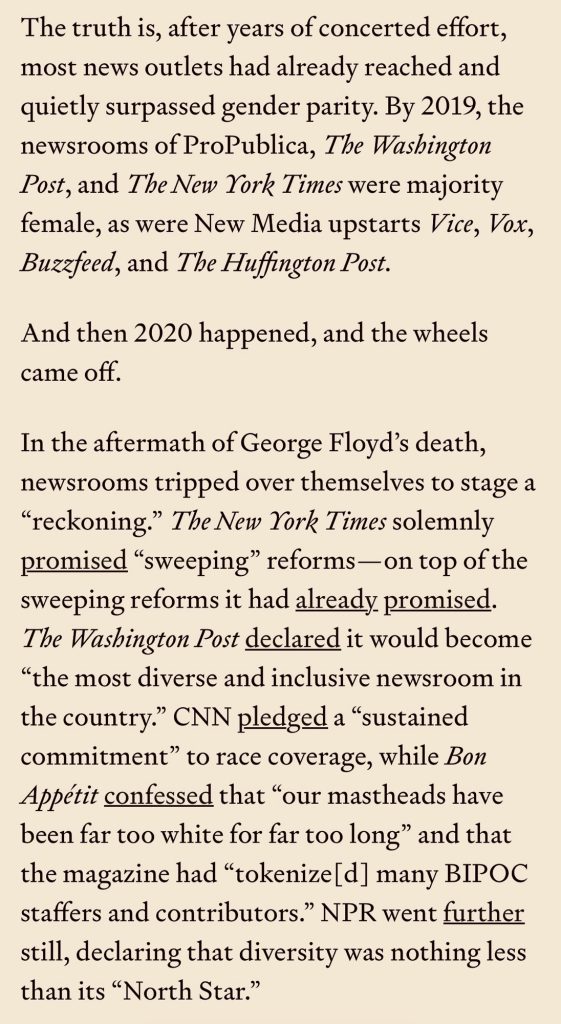
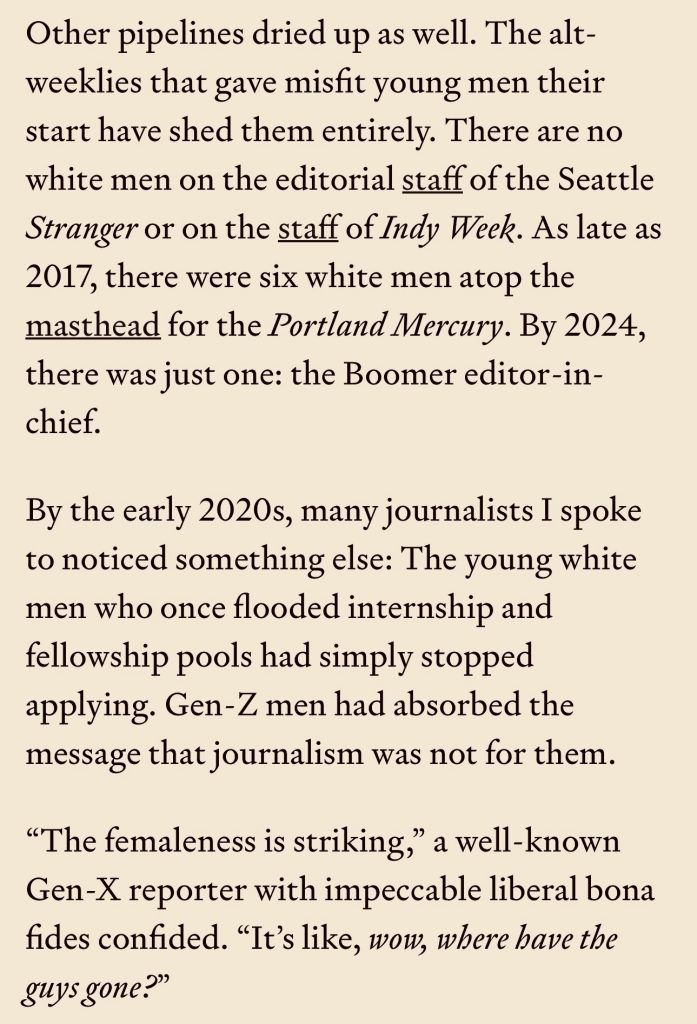
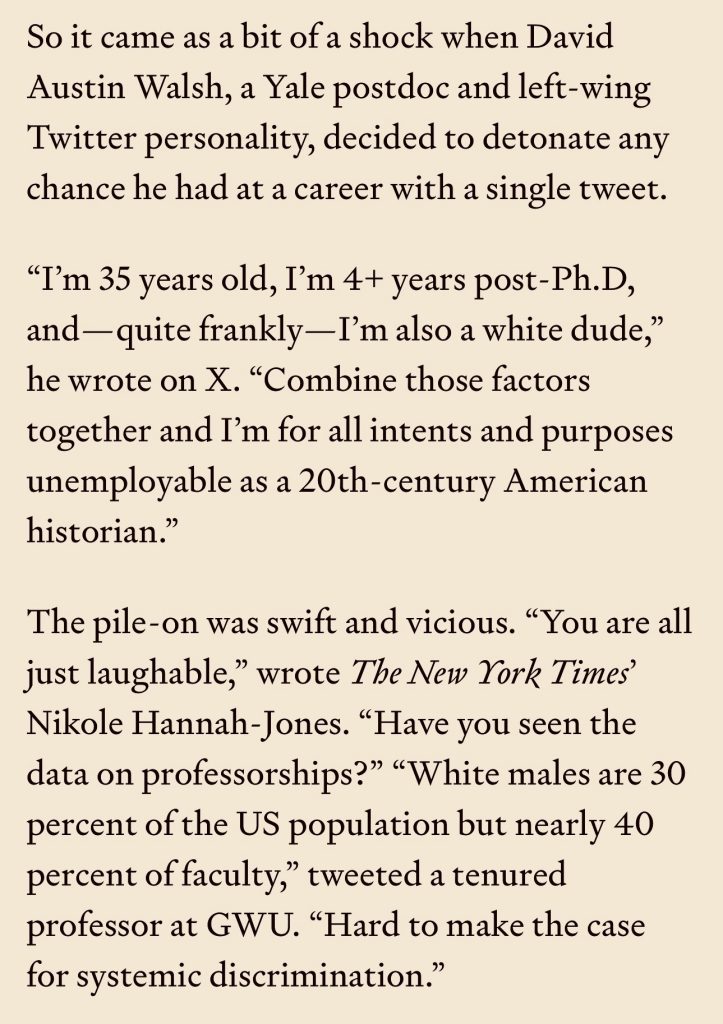
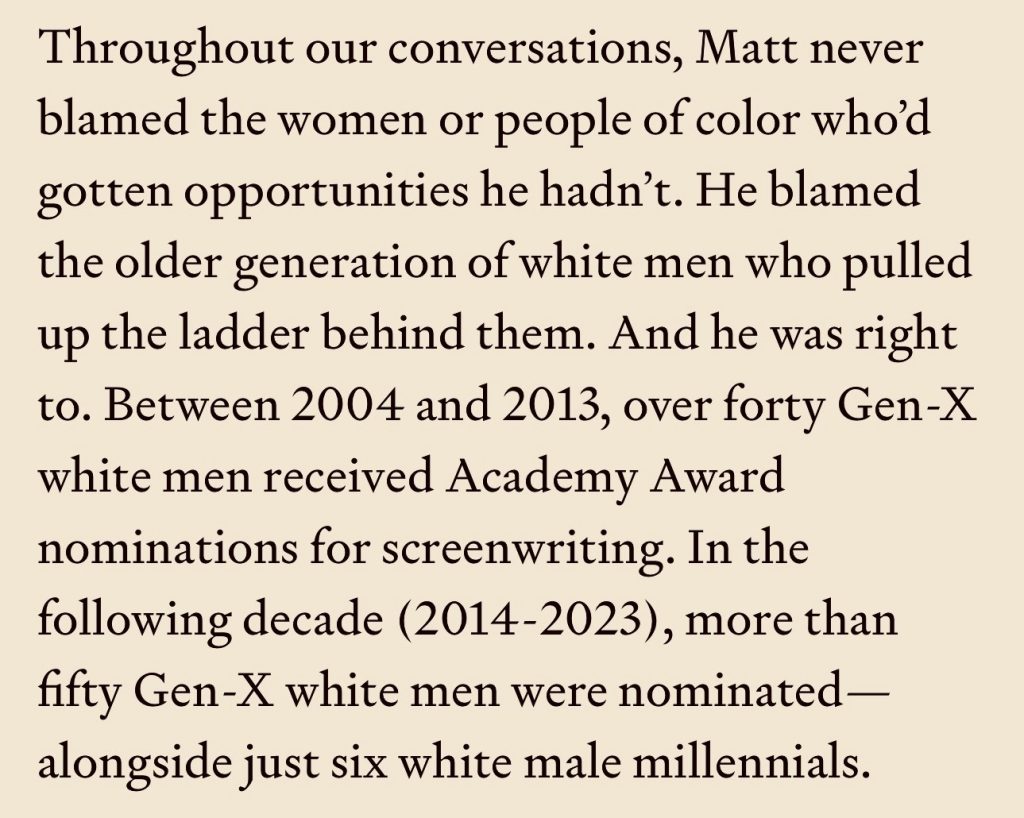
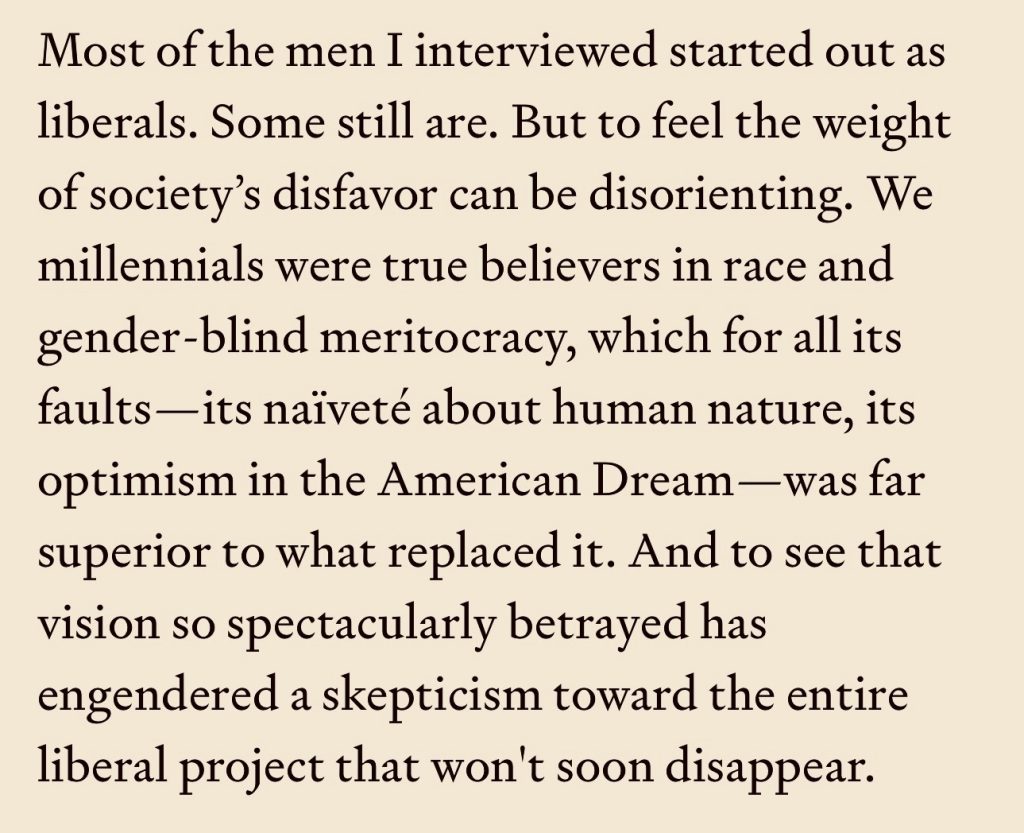
Owen hasn’t mentioned the other big reason why Joe and Jane Popcorn have quit theatrical movies, and that’s the instructional woke shit (racial identity, sexuality, gender plus “all whites are mostly bad”) that movies began peddling sometime in the mid to late teens.
Wokey currents began diminishing in mid ’24, true, but malignant habits die hard.
Robert Mitchum‘s Jeff Bailey: “There may not be a way to win [in a casino], but there’s a way to lose more slowly.”