
Being a mid-realm teenager (14, 15, 16 and sometimes 17) can feel like a cross between a Eugene O’Neil or Edward Albee melodrama and a kind of low-simmering horror film. Or at least, it felt that way to me. Okay, most of the time I was dead bored or lost in television or a movie I’d recently seen or seething about some suffocating parental restriction, but during those periods when I actually faced my situation I was engulfed in something that felt like a form of suffocation.
I can’t speak about the horrors that teenage girls go through, God help them, but almost all male teenagers go through unpleasant trials and gauntlets and humiliations, sometimes involving sex (or the desperate longing for same or at least a brief taste of the nookie realm) and more often involving battling-buck behavior…parking-lot taunting, braggadocio, forced machismo, “I won’t back down but on the other hand it might make sense if I do, even if the other guy gets to preen and strut around,” etc.
Who contributed more significantly to making my teenaged life feel more tortured, more conflicted, more arduous, more upsetting in this or that way — my alleged junior high and high-school chums (i.e., confrontational peers) who gave me shit for being different and odd-angled in my thinking, or my well-meaning but nonetheless bruising parents, which is to say my mostly indifferent, occasionally seething alcoholic dad who was augmented for the most part by my mom, who was just trying to hold things together?
The answer, of course, is that my parents and high-school frenemies were a team — they worked hand in hand to make my teenaged life a creative, optimistic, positive-minded paradise.
Seriously, teenaged life is always difficult. I don’t want to say “it’s intended to be” — that would be too horrific a diagnosis — but the experience has never been a walk in the park for anyone except for high achievers, brown-nosers, goodie-goodie and Student Council types, and in some instances even these people, these apparent lightweights are dealing with all kinds of buried convulsions.
True story: There was a straight-arrow guy in my New Jersey junior high school, a bespectacled, conservative-mannered guy who had either run for or been elected Student Council president, and one night he tried to commit suicide. No, not by hanging himself in the bathroom — that would be too decisive — but by drinking some kind of poison. And he was the kind of guy who sprinkled talcum power in his shiny shoes when he was getting dressed for a prom.
I never even fantasized about doing myself in — the thought has never been in me until recently — but I did undergo a kind of long-accumulated rage explosion in my high-school cafeteria once, and it was a doozy.
A “friend” had gotten hold of something I valued — I can’t remember if it was a drawing or a letter to some girl or a movie program from Times Square or a cherished 33 and 1/3 record album — all I remember is that it was something that mattered a lot to me, and this guy (a casual hang buddy whom I regarded from time to time as a half-assed friend of sorts) had thrown it into a garbage receptacle of some kind, and I distinctly recall pulling the article out of the bin, walking over to a cafeteria table where the “friend” and some others were sitting, picking up a wooden chair and throwing it at him and shouting what an asshole he was. I threw the chair so hard that it bounced off my “friend’s” head or shoulder and hit a young girl who happened to be walking just behind him.
I was disciplined for this, of course. People who can’t hold their tempers will always be called on that by social forces, especially if physical harm (however slight) is part of the lashing-out process, as well they should.
But the girl who was hit by the chair didn’t make anything out of it (thank God). My “friend” was scowling in the aftermath and telling me what a jerk I was, etc. My comeback line was something along the lines of “yeah? well, there’s more where that came from, ya fuck…a lot more.”
Not bad under the circumstances.
100% Martin Riggs: “Whaddaya wanna hear, man? Do ya wanna hear that sometimes I think about eatin’ a bullet? Hah? Well, I do. I even got a special one for the occasion with a hollow point…look. Make sure it blows the back of my goddam head off, do the job right.”
The following passage is 50% Riggs and 50% me (i.e., Jeffrey Wells) right now: “Every single day I wake up and I think of a reason not to do it, every single day. And you know why I don’t do it? It’s gonna make you laugh. You know why I don’t do it? The job. Doin’ the job. And that’s the reason.”
Every now and then Chris Gore seems to be on the verge of saying “yes, they’re a prison camp…of course they are!” But he always wusses out or, you know, holds back. Because he’s still invested in the things that moved him as a kid and a teenager. Which, I suppose, also describes me to some extent.
“Splinter of the Mind’s Eye” is available on Kindle for $4.99.
…that a fair-sized percentage of the Republicans refusing the vaccine will succumb to the Delta variant and perhaps…move on the next realm? C’mon, what’s so bad about that? They’re monsters, they’re lunatics, they’re prolonging the pandemic…fuck ’em if they can’t take a joke.
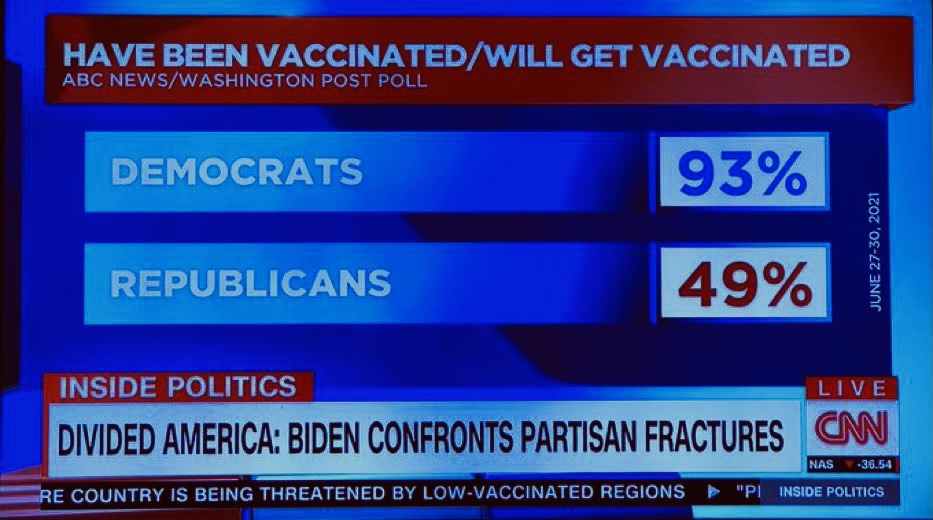

If you haven’t yet, please get vaccinated. It’s the best way to keep yourself and your loved ones safe from the dangerous new COVID-19 variants.
Let’s finish this virus once and for all. pic.twitter.com/wMfP6yAnFV
— President Biden (@POTUS) July 7, 2021
True story from a critic friend, edited by the author so as to obscure his/her identity:
I know it’s wrong to speak ill of the dead. But I so enjoy telling this story.
Let me start like this: Any job description in a help-wanted ad seeking to hire a critic should include these words: “Must be a bit of a dick.”
The ads never say that. But they should. Because, no matter how nicely you do it, some people don’t take criticism well. Inevitably, you will have to say something negative in a public forum about the creative expression of another human being. Whether you mean to be or not, they’ll think you’re a dick.
Here’s the thing: Sometimes, it’s really enjoyable to be as witty and as nasty as you can when you’re writing a review. Because you’re being a dick, which is, by definition, fun.
I knew early on that I had the ability to provoke and the willingness to do so (along with a shocking inability to foresee possible consequences of my
actions). I take a certain pride in a well-turned phrase and an irreverent sense of humor.
But while I’d experienced the immediate reactions of local artists — actors, directors, musicians — to my reviews in the early years of my career, I’d
rarely had the sense that, when I wrote a movie review or a review of a rock concert, the people I was writing about ever actually saw what I wrote.
Which brings me to my point about being a dick, and my Richard Donner story.
In 1994, during a moment when there was a microburst of interest in westerns because of the success of Unforgiven and Dances With Wolves, I’d been assigned one of those trend stories that editors love: the return of the Western. So I started making calls.
One of those went to a publicist at Warner Bros., which was a few months away from releasing Richard Donner’s remake of the 1950s TV hit, Maverick, starring Mel Gibson, Jodie Foster ands James Garner. Could I get a few minutes on the phone with Donner, I asked, to talk about westerns?
Donner was a director and producer of commercially successful middlebrow (or worse) films starting in the 1960s, including Superman with Christopher Reeve, The Goonies (most overrated kids film of all time), The Omen and the Lethal Weapon films, which, to my mind, had ruined action movies.
In those days before cell phones and e-mail, the reply came with surprising swiftness. I got a call back the same day from the Warners’ publicist, telling
me, no, Richard Donner would not speak to me about westerns — or anything else, apparently.
“Why not?” I asked.
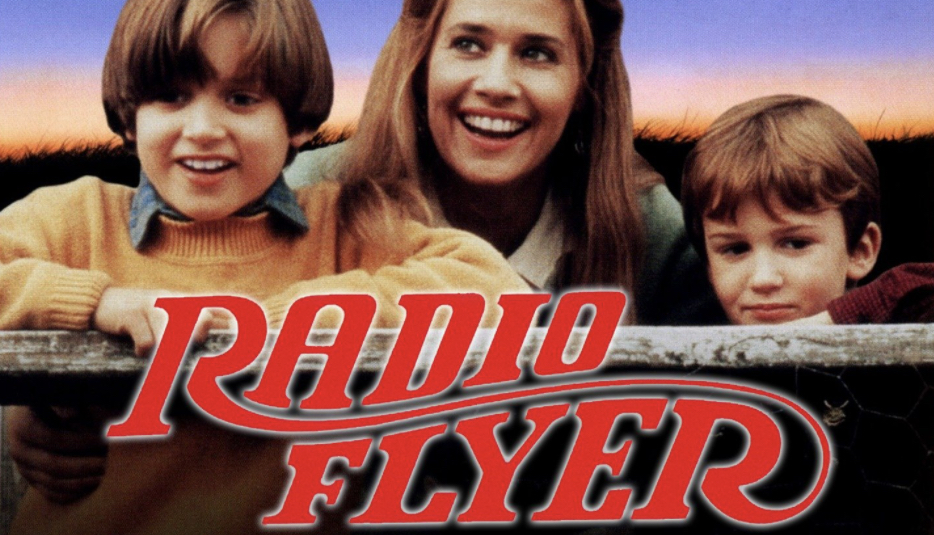
“Did you write a review of his film Radio Flyer“, the publicist asked.
It had been two years, but I knew exactly what he was talking about: I believe I called it “a feel-good film about child abuse.”
“Yeah, well, that was apparently a very personal film for him, so he’s not going to talk to you,” the publicist said.
Until that point — 1994, in a career that started officially when I turned pro in 1973 — I had no sense of anyone reading my reviews other than the
people within the immediate circulation area of my newspaper. I forwarded them to the film publicists in New York, and knew they were syndicated.
But I simply didn’t imagine filmmakers themselves actually taking the time.
Now, however, I knew I had Richard Donner’s attention.
So when Maverick came out in 1994 and I reviewed it, I referred to him on first reference as “Richard Donner, who directed Radio Flyer, a feel-good film about child abuse.”
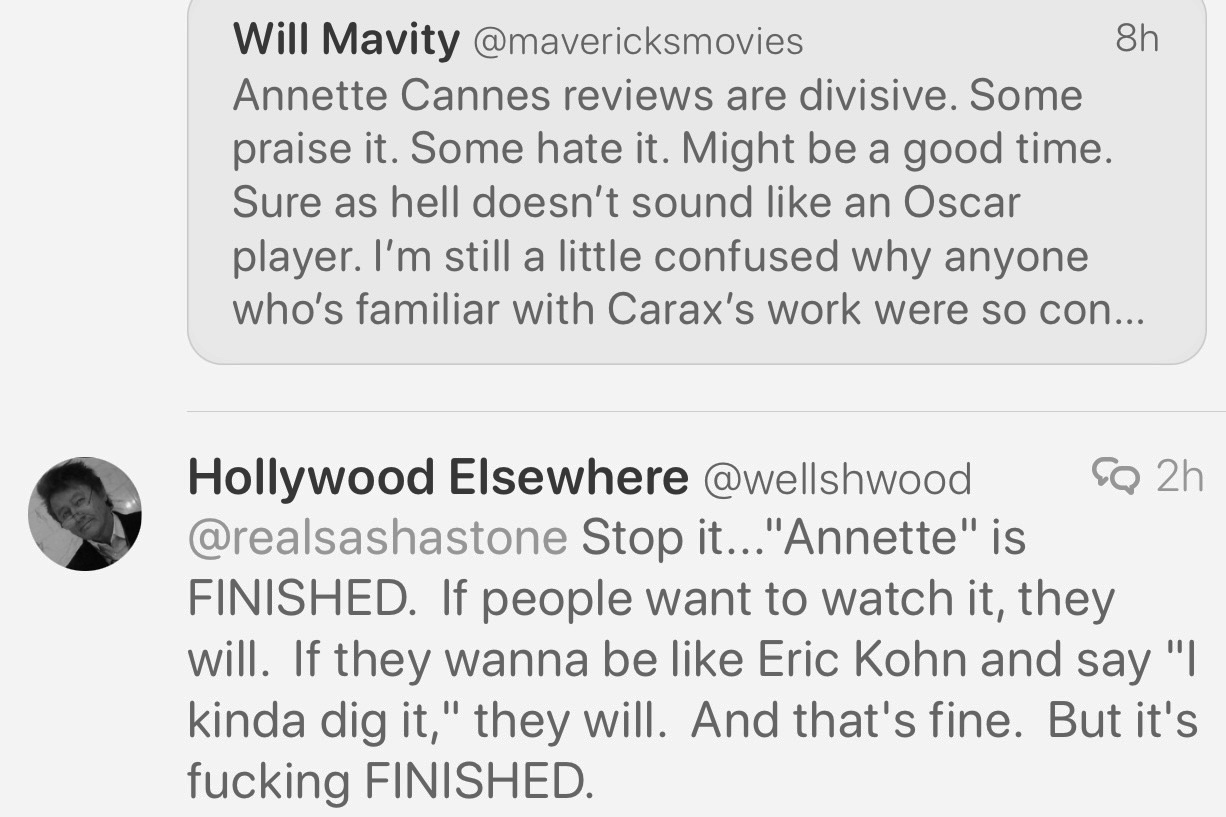
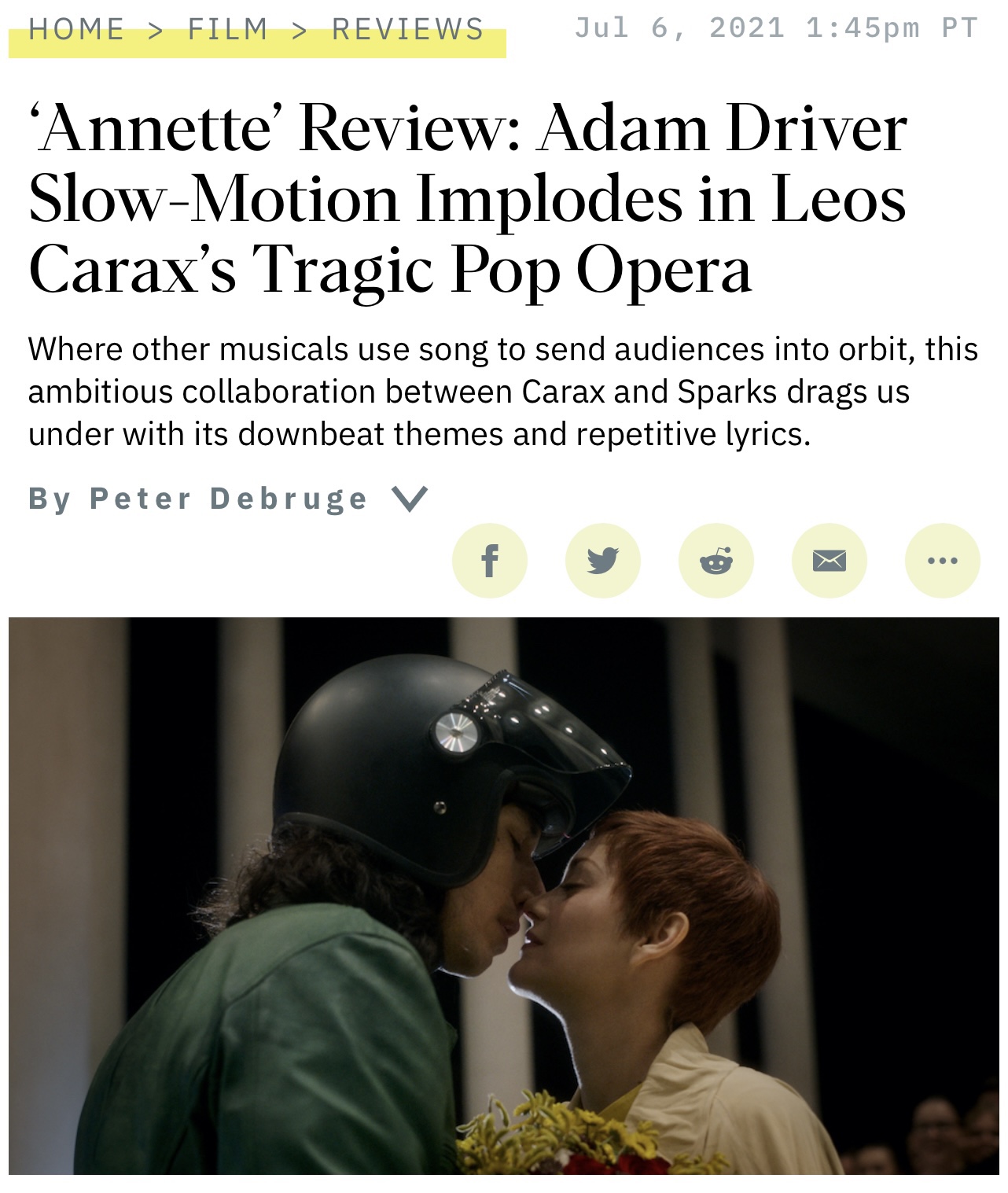
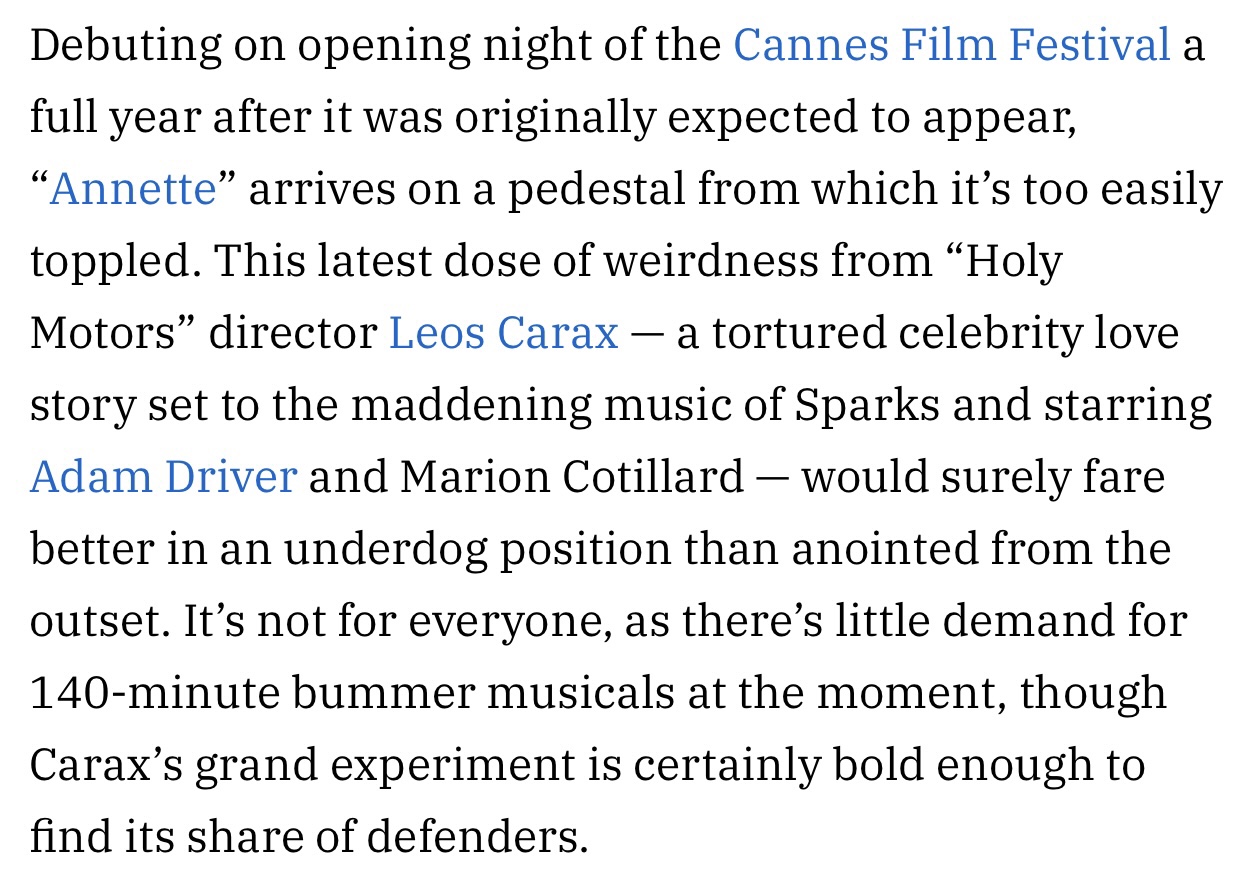
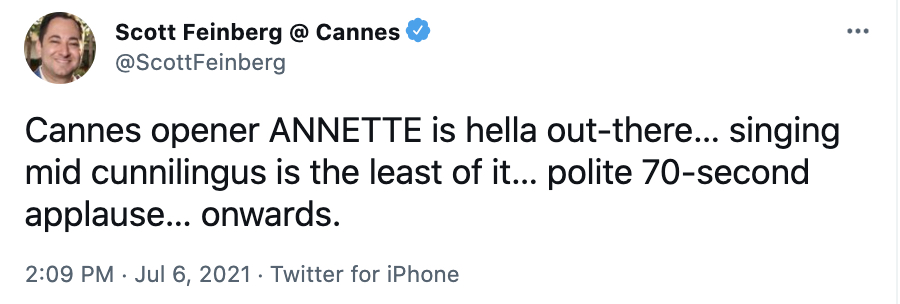
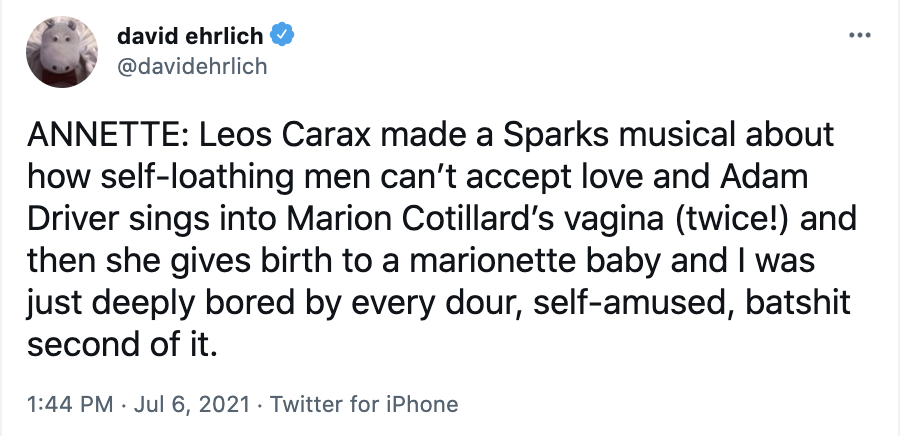
Leos Carax’s musical collaboration with the Mael brothers is “an audacious folly that comes across as grandiose and joyless” — Screen Daily‘s Jonathan Romney.
I’m sorry but I don’t wholly disagree with the sixth paragraph in a 7.5 USA Today op-ed piece. It pains me to acknowledge that it was written by Christopher F. Rufo, a conservative Millennial who’s buddied up with Tucker Carlson and the vile Mark Meadows. I hate Trump-allied righties for the most part, but the sixth paragraph has validity.
Here’s Rufo in the 6.18 New Yorker:
“‘Political correctness’ is a dated term and, more importantly, doesn’t apply anymore. It’s not that elites are enforcing a set of manners and cultural limits — they’re seeking to reengineer the foundation of human psychology and social institutions through the new politics of race. It’s much more invasive than mere ‘correctness,’ which is a mechanism of social control, but not the heart of what’s happening.
“The other frames are wrong, too: ‘cancel culture’ is a vacuous term and doesn’t translate into a political program; ‘woke’ is a good epithet, but it’s too broad, too terminal, too easily brushed aside. ‘Critical race theory’ is the perfect villain. Its connotations are all negative to most middle-class Americans, including racial minorities, who see the world as ‘creative’ rather than ‘critical,’ ‘individual’ rather than ‘racial,’ ‘practical’ rather than ‘theoretical.’
“Strung together, the phrase ‘critical race theory’ connotes hostile, academic, divisive, race-obsessed, poisonous, elitist, anti-American.And it’s not an externally applied pejorative. Instead, it’s the label the critical race theorists chose themselves.”
The nub of Rufo’s rebuttal begin at 6:45, and they partly stem from Anastasia Higginbotham‘s “Not My Idea: A Book About Whiteness“, the controversial children’s book.
The word is out on Annette, and everyone has adjusted their expectations. Look at all those opening-nighters sitting standing right next to each other! Jodie Foster‘s fluent French is attractive.
Jodie Foster is intro’d at the Cannes opening ceremony, gets massive standing O, speaks fluently in French pic.twitter.com/Mq26NW5PKo
— Scott Feinberg @ Cannes (@ScottFeinberg) July 6, 2021
Adam Driver is still here, chatting with Pedro Almodovar pic.twitter.com/o6RPBVkoWC
— Kyle Buchanan (@kylebuchanan) July 6, 2021
You’d think that movie distributors would want to mount garish billboards on the Carlton hotel’s facade, in keeping with decades upon decades of tradition. What is the Cannes Film Festival without vulgar signage along the Croisette? Except 2021 is a sleepy-ass year, and movie promos are few and far between.