How Little Tramp Stumbled

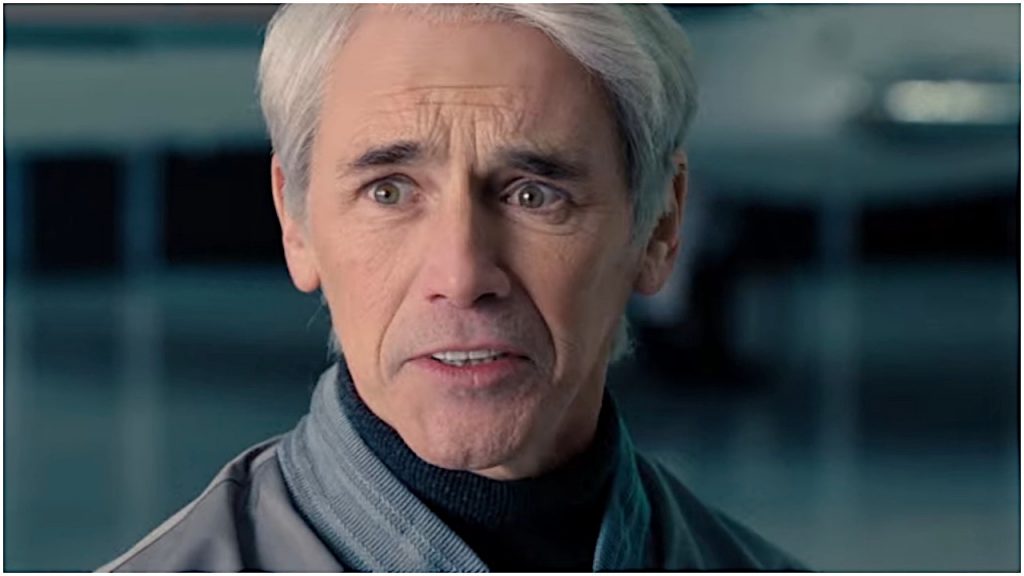
I was okay with The Real Charlie Chaplin, a Showtime doc by Peter Middleton and James Spinney. All my life I’ve been fascinated by the Chaplin saga…his well-known genius, traits, peccadilloes, contradictions and dark sides. I was especially keen on absorbing whatever might might come forth about his glory years — roughly the quarter-century between the mid teens and the release of 1940’s The Great Dictator.

There are a few renactments, which I despise in documentaries. I managed, however, to put this resentment aside for the most part.

The film charts his gradual decline starting in ’51 or thereabouts, when Chaplin, falsely accused of being a Communist and previously under fire for personal behaviors regarding younger women, was officially informed that he would not be allowed back in the U.S. If #MeToo had been a thing back then, Chaplin would’ve been roasted on a stick. But even without it, Chaplin’s fall from grace was quite the historical fork in the road.

In keeping with this general tone of candor, I was naturally expecting that the doc would explore the horrific making and calamitous release of Chaplin’s final feature film, The Countess From Hong Kong (’67), which starred Marlon Brando and Sophia Loren. And yet oddly, this misbegotten romantic comedy is completely ignored.

Read more

“Can We Help You, Sir?”

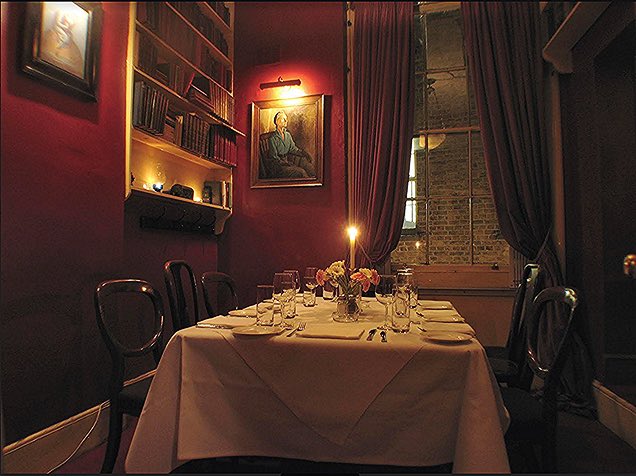
Just under 15 years ago I had a delightful late-evening dinner at one of the most deliciously atmospheric old-school London restaurants I’ve ever visited. Back then the place was called Two Brydges — now it’s called the Brydges Place Club (2 Brydges Place, London WC2N 4HP). Six of us ate there after seeing Richard Schiff perform in his one-man play, Underneath the Lintel, at the Duchess theatre.

The Brydges Place Club is a members-only operation. It’s housed in a four-story Georgian-style building that dates back to the Dickensian era. I distinctly recall that the floor beams slightly sagged.

I’m an absolute fool for snooty old London eateries. I’m especially enticed by ruling-class establishments that look down on people who appear to lack a certain pedigree (i.e., joints that might possibly give Edgar Wright a hard time). I’ve been to a few others, including (a) Ye Olde Cheshire Cheese (145 Fleet St, London EC4A 2BU), (b) Wiltons’ (55 Jermyn Street, St. James, London), (c) Rules (Covent Garden, 34-35 Maiden Lane, London), (d) The Ivy (5 West St, London), (e) Simpson’s in the Strand (100 Strand, London, (f) F. Cooke (150 Hoxton St, London). What others?

Read more

Significant Difference

There are two kinds of irksome or infuriating 2021 movies — (a) the kind that I understand and admire from a certain perspective and kind of feel sorry for (like Don’t Look Up, The Power of the Dog, The French Dispatch, The Eyes of Tammy Faye, The Many Saints of Newark, Benedetta) and (b) the kind that I want to strangle to death (like Annette, Spencer, The Matrix: Resurrections and The Green Knight).

Please name your own list of films that you feel sympathy for despite their failing to cut the mustard, and those which you’d like to stick a steak knife in.

Oblique Art Film Endings

Years ago Variety‘s Joe Leydon mentioned the scene in Vertigo in which Judy Barton (Kim Novak) comes out of the bathroom with her Madeline Elster hair and outfit complete, and how this melts the heart and arouses the libido of Scotty Ferguson (James Stewart) and leads to heavy breathing.

Leydon suggested that if Hitchcock had bravely ended Vertigo with this scene, it would have been hailed as an art film all the more. The message would have been “who cares who killed the wife?….what matters is that Madeline has been reborn and Scotty is making love to her once again…glorious!”

Leydon was correct, but of course for this ending to work Hitchcock would have needed to omit the earlier flashback scene in which we learn that Judy was part of Gavin Elster‘s attempt to make Scotty an unwitting accomplice in the murder of Elster’s actual wife.

Imagine the balls of a movie that is ostensibly a drama about ghosts and murder…imagine such a film ignoring the murder plot in order to focus on the love story and the forcible transformation of a murder-plot accomplice (Judy) into the victim…mind-blowing!

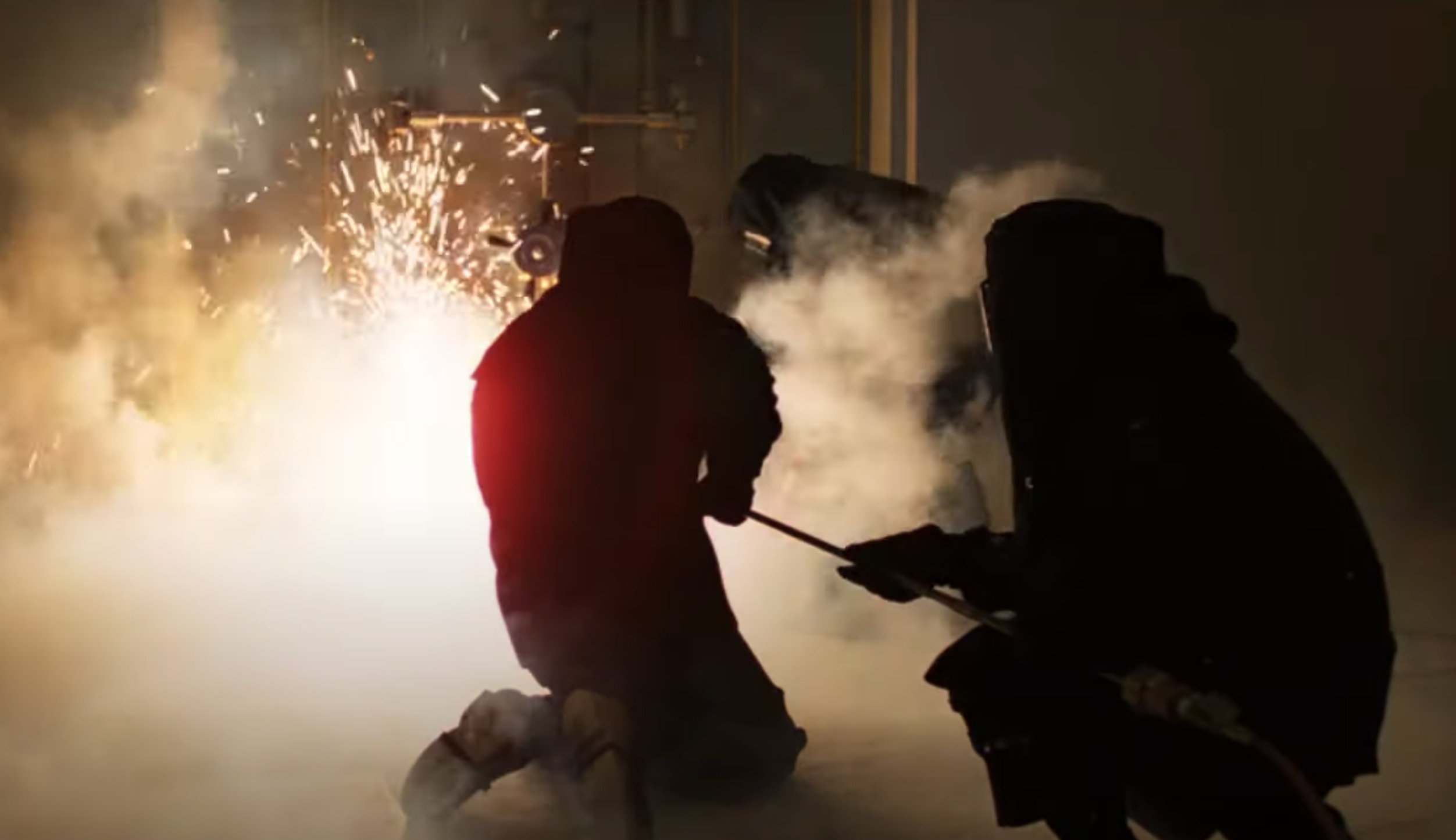
A few years ago I suggested an alternate art-film ending for Michael Mann‘s Thief. The film should have ended, I said, with that big Los Angeles safe-cracking job involving a super-sized blowtorch. Forget Robert Prosky and the settling of scores and the nihilistic finale — what mattered was doing the job well.

HE is requesting the readership to come up with other alternative endings to classic films — endings that might not have satisfy from a conventional climatic perspective, but which would deliver on a whole ‘nother level.

Gave It Another Shot

I figured I’d re-watch Don’t Look Up, only this time with subtitles. Maybe it would kick up, I thought. I lasted about 35 or 40 minutes. Here’s how I explained it on Facebook this morning:

Hollywood’s Bataan Death March

Exactly 14 years ago one of the greatest years for aspirational, middle-class, non-budget-busting, CG-averse, review-driven movies came to an end — 2007. Call it the last glorious year for this kind of film, for only 10 weeks later — on 3.14.08, to be be exact — Variety‘s Anne Thompson wrote about the imminent demise of this sort of fare.

Whatever vitality or opportunity that kind of theatrical film had going in ’07 (typified by Syriana, Munich, The Social Network, Babel, Proof of Life, Michael Clayton, Brokeback Mountain, American Gangster, Before The Devil Knows You’re Dead, No Country for Old Men, Superbad, There Will Be Blood, Zodiac), it would soon be squeezed and then gradually squelched by the Marvel / D.C. machine, and then by fucking Millennials, most of whom have never given a damn about middle-range theatrical dramas, and then by the gradual migration of such films and subject matter to cable and streaming, and then just to streaming.
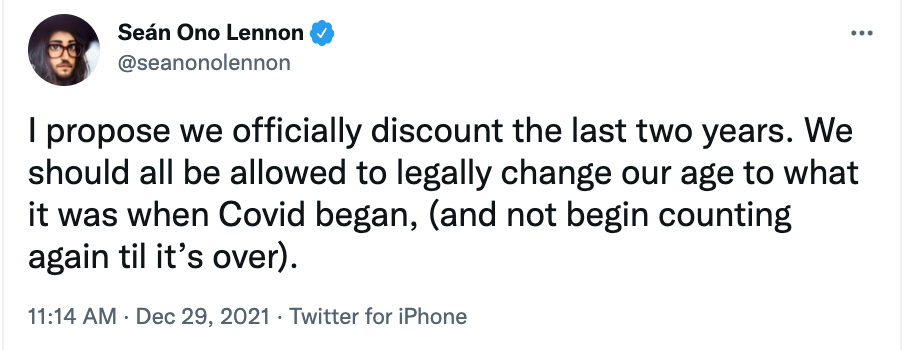
And then came the first wave of wokester instructional dramas in ’17 or thereabouts. And then the final death blow — the pandemic that began almost two years ago (or around March 1, 2020).

It used to be that the movie year was composed of ten months of crap with a smattering of review-driven, award-seeking films opening between mid-October and mid December. Some of those would-be Oscar contenders would do good theatrical business or at least break even with profits to come from cable licensing and home video. But that’s finished now also. West Side Story died, King Richard died, etc. Only Spider-Man: No Way Home hit the jackpot.

The industry that I grew up with and measured my life against and thrived by until roughly four or five years ago…the movie industry of the late ’60s, ’70s, ’80s, ’90s, aughts and the first half of the teens…that industry is more or less gone now. It was withering on the vine when the pandemic came along, and now it’s 90% dead, dead, fucking dead. Ditto the joy of life as I used to know it, in a sense…the joy of living by, for and through movies. I’m not saying that life is over, but the euphoric days will never return. Not in force, they won’t. Not like 2007.

There’s enough excitement and intrigue and discovery in new films to keep my pulse beating, so to speak, and there will always be the top-tier film festivals, of course, plus the HD streaming options today are miraculous. But the vibrancy of the movie-worshipping life I lived for so many decades…that wellspring of fresh nourishing water that I drank from so joyfully in theatres and at Cannes, Sundance, Toronto, Telluride….I’d be lying if I didn’t admit that the flush times for devotional cineastes like myself are pretty much…well, seriously diminished. Certainly in a theatrical sense. The game isn’t completely over and done with, of course, but it’s certainly on life support.

The pandemic didn’t kill everything, but it damn sure took the joy out of living.