Three Years Ago and Change

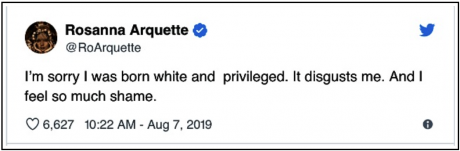
Posted on 8.7.19: “Speaking as an X-factor white guy from a middle-class New Jersey and Connecticut upbringing, I don’t feel repelled or disgusted by my Anglo-Saxon heritage and family history.

“I deeply regret the cruelty visited upon immigrants and various cultures of color by whites, naturally, but the fact that racist or tribal attitudes were common throughout most of the 20th, 19th and 18th Centuries in this country and for centuries earlier in Europe, the Middle East and even Africa doesn’t mean that white people (more particularly my parents, grandparents and great-grandparents, reaching back to the mid 1800s) were inherently evil.

“By current standards my ancestors may seem insufficiently evolved, agreed, but they were born into a certain culture and were dealt certain cards, and most carried the weight as best they could. They weren’t born with hooves, tails and horns on their heads.

“Nor do I feel that elemental decency is absent among the majority of white people today. Okay, among middle to upper-middle-class coastals.

I feel profoundly repelled by the attitudes of your backwater Trump supporters, of course, but they are not me or my own. I come from a family of “good”, well-educated, imperfect people who had their occasional issues (including alcoholism) but believed in hard work, discipline, spring cleaning, ironing their own shirts and trimming the hedges and mowing the lawn on Saturday afternoons, and who exuded decency and compassion for the most part.”

Updated: I am not the devil’s spawn, and neither are my two sons and certainly not my granddaughter. I’ve witnessed and dealt with ignorant behavior all my life, but I’ve never bought into the idea of Anglo-Saxon culture being inherently evil. Please.

Frank Thring’s Pontius Pilate by way of Gore Vidal: “Where there is great striving, great government or power, even great feeling or compassion, error also is great. We progress and mature by fault. Perfect freedom has no existence. The grown man knows the world he lives in.”
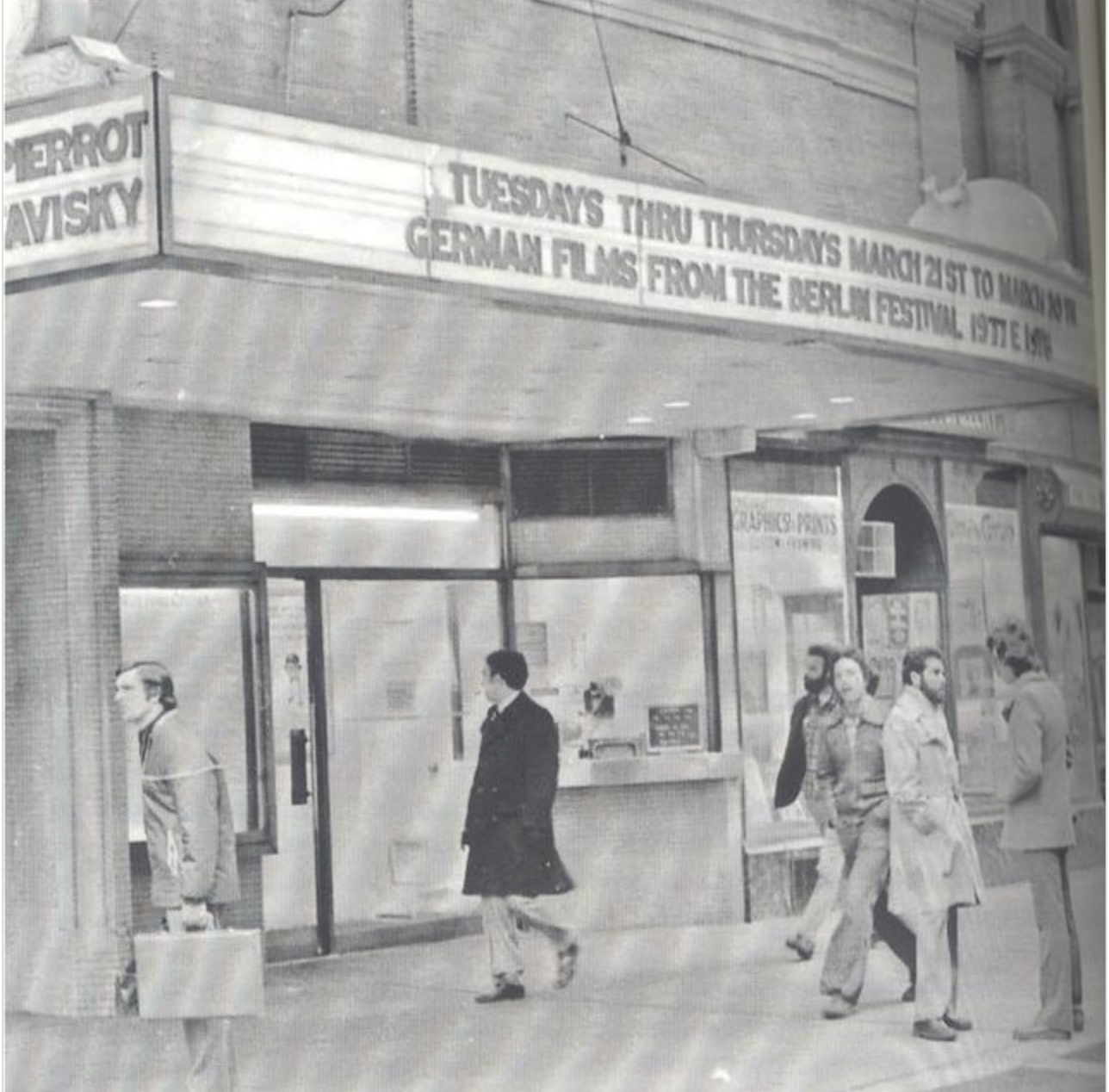
Two-Time Deirdre

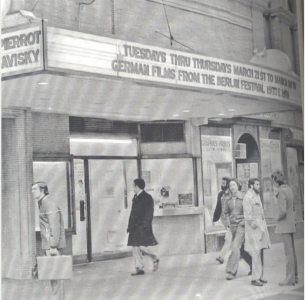
This is a sad Carnegie Hall Cinema story from late ‘78 or early ‘79. I was working as a manager of this cellar-level, not-for-profit repertory house, which was owned and operated by the moustachioed, semi-rapscallion Sid Geffen (who also ran the Bleecker Street Cinema).

The name of the young woman who worked in the CHC ticket booth has faded, but let’s call her Deirdre of the Sorrows. When I called this a sad story I meant it was about unfairness, and it boils down to this: Not only did poor Deirdre suffer trauma through no fault of her own, but she was blamed for it.

One fine weekday afternoon the Carnegie Hall Cinema was robbed of $170 or $180. (Or more — I was never much for numbers.). A stick-up man walked up to the street-level booth (Seventh Ave. just north of 56th), pulled out a pistol, told terrified Deirdre to fork over and she did.

I quickly called the fuzz. I can’t recall if it was a plainclothes or a uniformed beat cop who dropped by, but he interviewed Deirdre and myself and maybe Sid, filed a report, etc.

Two days later the place was hit again — same guy, same gat, same terrified Deirdre. So Sid fired her.

Sid had figured or intuited one of three things: (1) Deirdre had made the first robbery too easy or anxiety-free for the thief, so much so that he figured that double-dipping would be no-sweat, (2) Deirdre was “in on it” with the thief — a theory that I found paranoid and silly, knowing Deirdre as I did (and no, I hadn’t even thought about trying for any sort of erotic entanglement — that would have been crude and unprofessional plus she wasn’t my type), and (3) Deirdre was a Jonah or a bringer of bad luck.

I didn’t think Sid gave any serious credence to the cahoots theory, but anyone would consider (1) and (3), especially the easy-mark thing.

Sid never asked for my opinion, but if he had I would have said “Deirdre is a responsible, decent person…this was just bad cards.” And those last five words would have, in Sid’s eyes, helped to seal her fate.

Dooley Wilson’s “Sam” in Casablanca: “Leave him alone, Miss Ilsa. You’re bad luck to him.”

Read more

Damp City at Dusk

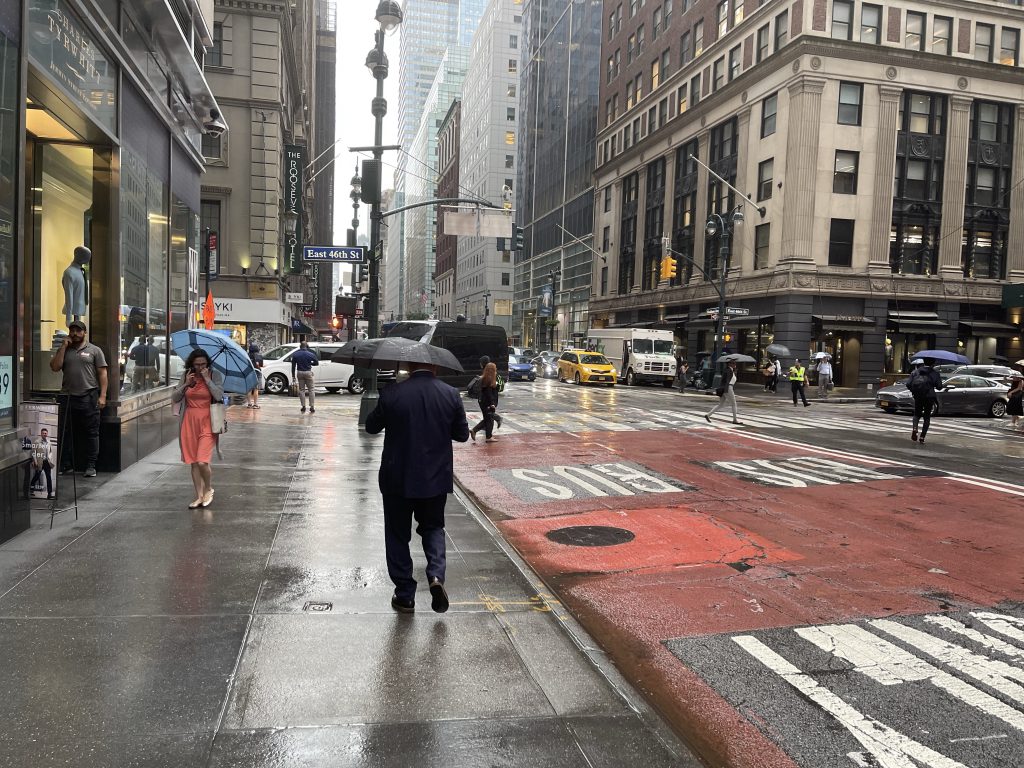
…is an excellent thing to smell, taste, feel. I spent two hours getting tickets for the NYFF. I was right at the front of the line and OF COURSE they were sold out of seats for both She Said screenings. And then I caught a 2 pm screening of a film I can’t write about until Tuesday, 10.4.

“Lands Beyond”

A 9.19 Hollywood Reporter article by Rebecca Sun recounts the highlights of Saturday’s (9.17) Academy tribute to Sacheen Littlefeather.

The 75 year-old Native American activist became famous 49 years ago when she conveyed Marlon Brando‘s refusal to accept his Best Actor Godfather Oscar, an act meant as a protest over how negative depictions of Native Americans in Hollywood films.

A portion of the fourth paragraph in Sun’s piece is curiously worded. Saturday’s event “was a nearly two-hour program,” she writes, “attended by a mixed crowd of people indigenous to and originating from lands beyond what is now known as the United States.” Does “beyond what is now known as the United States” mean Canada, Alaska and Mexico? Or, more simply, the North American continent?

Sun seems to basically be saying that the lands and cultures that existed before the United States of Whiteman came along were more spiritually rooted and wholesome.

Littlefeather: “I’m crossing over soon to the spirit world. And you know, I’m not afraid to die. Because we come from a we/us/our society. We don’t come from a me/I/myself society. And we learn to give away from a very young age. When we are honored, we give.”

Littlefeather has the right idea in a sense. We all love the idea of reuniting with deceased loved ones when we pass on, but if there’s one aspect of life that I’ve always understood to be an absolutely solitary journey, it’s dying. Merging with the infinite and the altogether is a glorious notion, of course, but you do have to cross that suspended footbridge all on your lonesome.

Allen Rep Denies Retirement

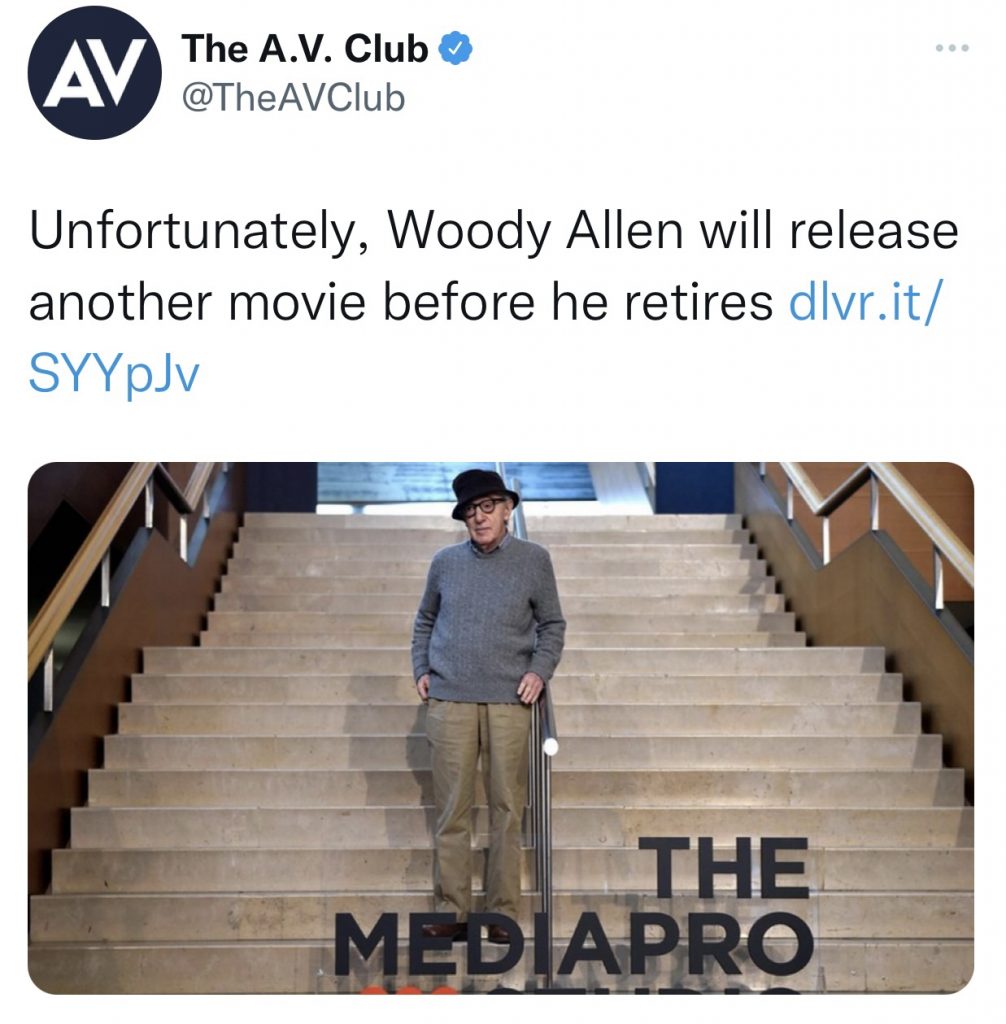
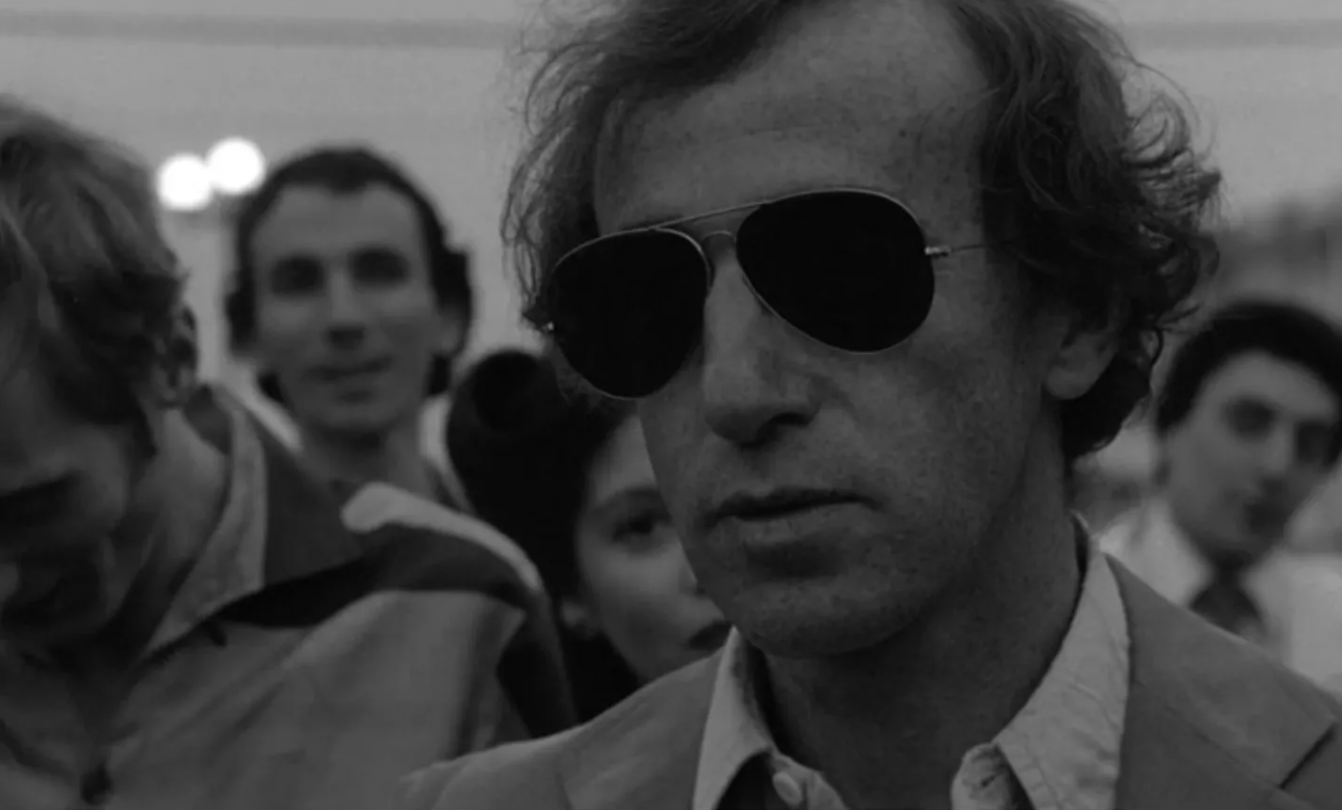
A Woody Allen rep is spinning Allen’s recent quote (provided to La Vanguardia, a storied Spanish publication) about making his currently shooting film his last and final.

“Currently [Allen] has no intention of retiring,” the rep said. “He said he was thinking about not making films, as making films that go straight to streaming platforms is not so enjoyable for him, as he is a great lover of the cinema experience.”

HE to Allen rep: Allen is first and foremost a filmmaker, and has been for the last 50-plus years. How is “thinking about not making films” not a de facto declaration of an intention to retire, at least as far as filmmaking is concerned?

The same thing happened four years ago when Robert Redford announced he was packing it in. The very next day a p.r. spokesperson saidno, no, not trueBob is still very much active and in the game!” Redford said that his retirement statement was “a mistake.” And then, of course, he retired.

Billboard Chris vs. Hyper Zoomer Girl

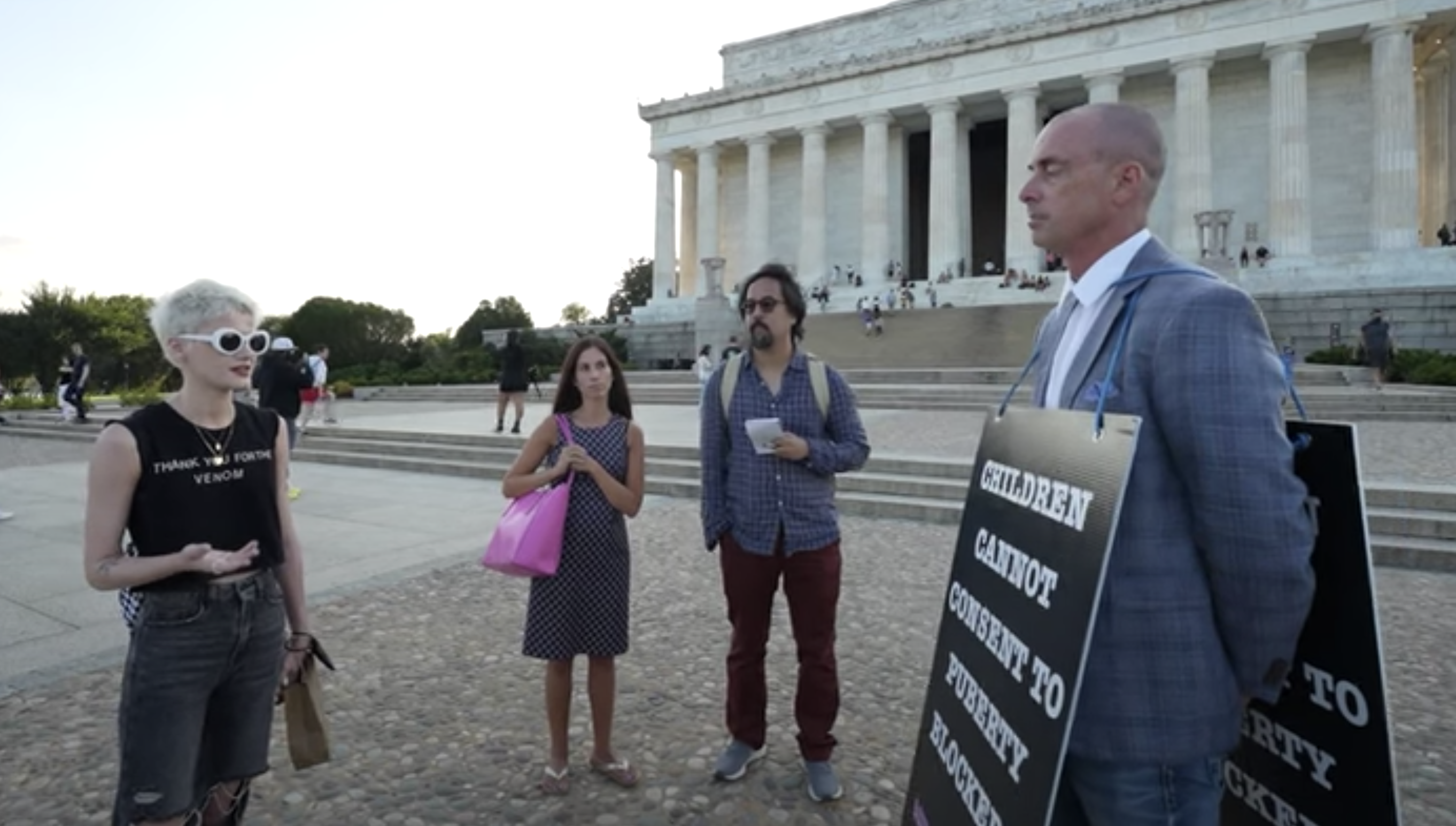
This 9.17.22 video, shot by “Year Zero with Wesley Yang“, is an argument about gender ideology between Billboard Chris (the billboard says “children cannot consent to puberty blockers“) and hyper Zoomer girl with the white glasses. It could be an interesting discussion if you could hear more of what they’re saying, but the jet planes keep roaring overhead. I’m with Billboard Chris…sorry.

“Blonde” Having To Defend Itself From Hard Lefties

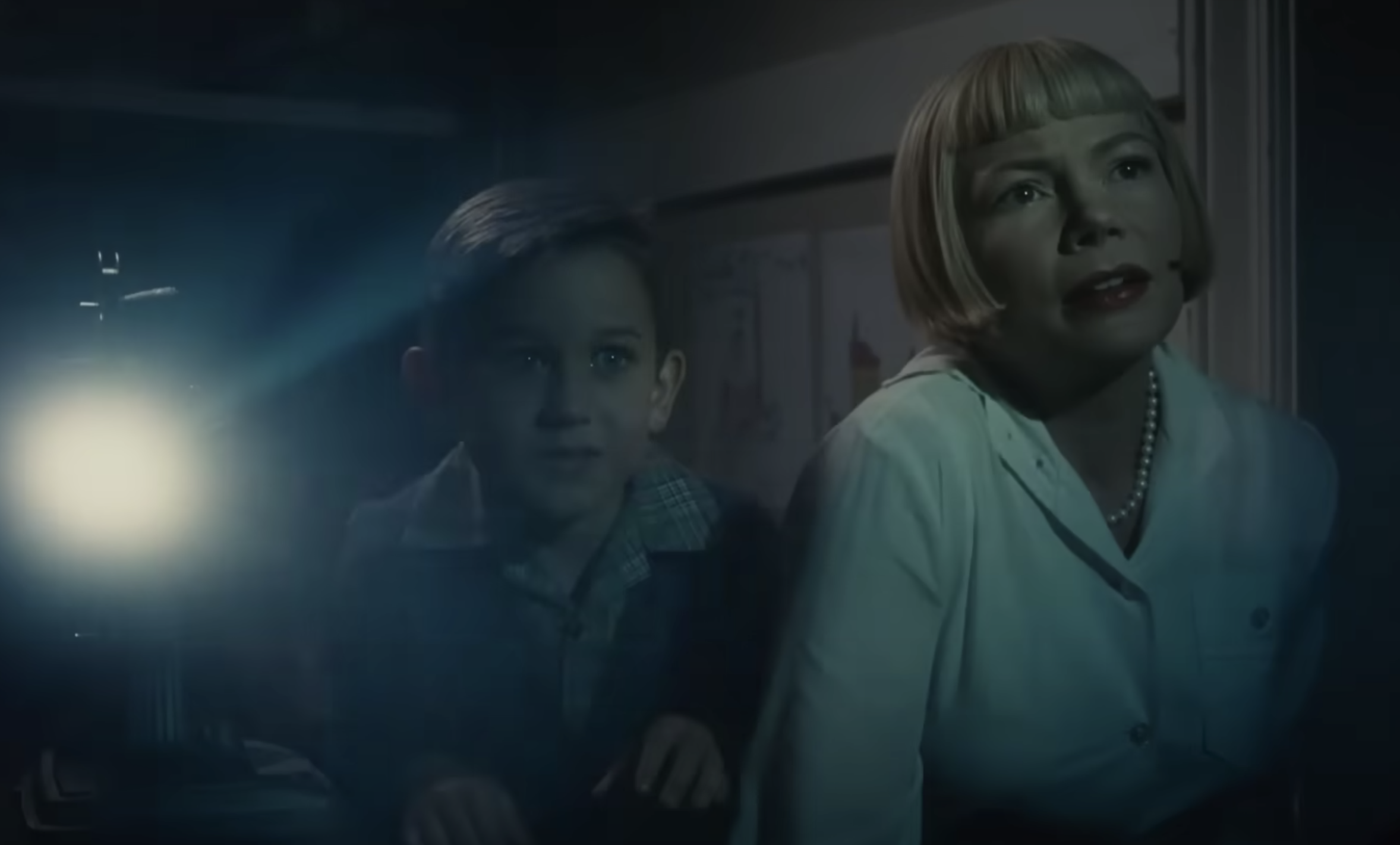
A 9.17 IndieWire piece by Samantha Bergeson has attacked Andrew Dominik‘s Blonde (Netflix, 9.28) for being pro-life. I’m presuming that others in the wokester press membrane have had similar concerns. The objection is over a scene in which an unborn fetus talks to Marilyn Monroe / Norma Jean from inside her womb and asks her not to kill again, as she did during a previous abortion.

Excerpt: “The fetus who actually speaks to Monroe while she is gardening and asks if she will ‘do the same’ to it as she did to the other, i.e. terminate her pregnancy — results in a violently bloody miscarriage after Monroe trips over a rock at the beach and collapses in sand.

“Dominik [has] categorized his film as capturing ‘what it’s like to go through the Hollywood meat-grinder’ and [has] bragged that his magnum opus is ‘like Citizen Kane and Raging Bull had a baby daughter’…one who seems to have grown up to be Amy Coney Barrett.”

Industry friendo to HE: “Is Blonde a rightwing pro-life movie? That scene where the unborn fetus asks Merilyn not to kill again? This is a film from one of the most progressive production companies in the business. So I find it very surprising.”

HE argument: “As Blonde is completely absorbed by the mentality and emotions of Marilyn/Norman Jean, it’s reasonable to presume that the talking fetus is from her own imagination…that the guilt-wracked actress is hearing the fetus talk to her and beg for its life…it’s not crazy to interpret this as a reflection of Marilyn’s own thinking and is not as agenda being put forth by Andrew Dominik.”

“Fabelmans” Is On Best Picture Path

It’s no surprise that Steven Spielberg‘s The Fabelmans has nabbed the Toronto International Film Festival’s People’s Choice award, given the glowing reviews and all. The People’s Choice award is a strong indicator of across-the-board appeal. Then again previous winners have included Belfast, Jojo Rabbit, Room, The Imitation Game, Precious, etc. So you never really know.

Maher Does A Side-Step

Two nights ago Bill Maher devoted his “New Rules” segment to a rant about presentism. Terrific, I told myself — one of HE’s pet peeves will get an airing on Real Time! Then I watched it and went “oh.”

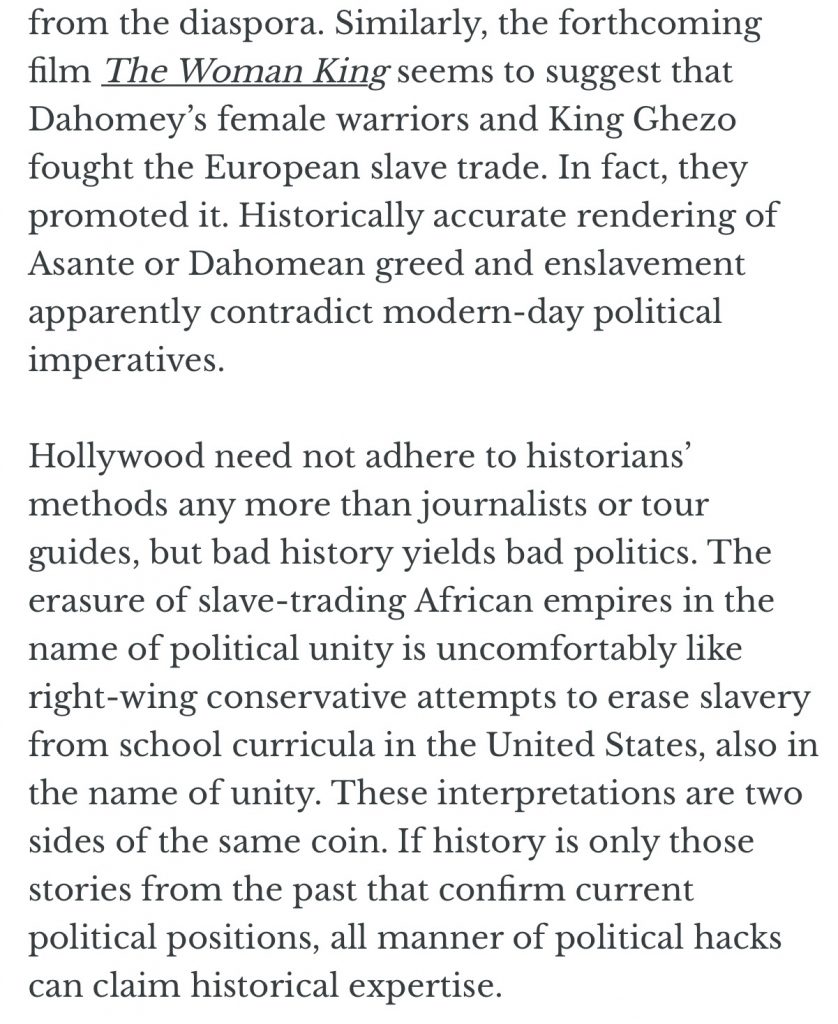
I naturally figured Maher would mention the movie manifestations of this trend, or an insistence among producers, directors and casting directors over the last four or five years that POCs were just as socially prominent in the past as they are today (hence Bridgerton, the Yale girlfriend switch-out in George Clooney‘s The Tender Bar, Jodie Turner Smith playing Anne Boleyn, African and Asian actors filling costarring roles in Mary, Queen of Scots, Olivia Wilde‘s Don’t Worry Darling**, wealthy travellers of color in Kenneth Branagh‘s Murder on the Orient Express and Death on the Nile). Not to mention the virtue-signalling reflected in the absence of Dahomey slave-trading in The Woman King,

But Maher decided against mentioning this because…I don’t know…because it might sound to some like he was against diverse casting of any kind when it comes to any historical sagas or settings? Which, certain factual histories aside, might get him into trouble. So he side-stepped it.

What he focused on instead was a James H. Sweet article called “IS HISTORY HISTORY? / Identity Politics and Teleologies of the Present,” which was posted a month ago on historians.org.

** Seemingly presentism, I should say. As it turns out it actually isn’t.

“Some People Are Shits”

Imagine if the beloved Martin Scorsese had announced that Killers of the Flower Moon will be his last film and that he’ll henceforth he’d be devoting himself to novel-writing. Or if, God forbid, James Cameron or Kathryn Bigelow or Alexander Payne or Guillermo del Toro were to announce the same.

Variety and The Hollywood Reporter, trust me, would almost certainly collect a few admiring quotes from colleagues while lamenting the eclipse of a great and prodigious talent. Their stories would also list some of his or her more luminous career highlights.

So what did the trades publish in response to Woody Allen’s announcement that he’ll be retiring from filmmaking after he completes work on his 50th film, a Paris-based dramedy that’s allegedly in the vein of Match Point? They mainly recited police-blotter stuff — dry, flat summaries of how Allen’s career has been diminished in the eyes of wokesters and the mainstream press over the past few years due to Dylan Farrow‘s account of what allegedly happened on 8.4.92 with no logical counter-views, and how Amazon cut him loose, his autobiography was dropped by Hachette and he’s had to rely on European financing, etc.

In so doing Variety and The Hollywood Reporter have effectively said the following: (a) “Well, it’s not surprising that Allen is finally throwing in the towel,” (b) “We can’t honestly say that we’re distraught over this news” and (c) “Maybe it’s not such a bad idea that Allen goes away and stays away, considering his current reputation.”

On 7.28.22 Indiewire‘s Christian Zilko and Ryan Lattanzio reported that Allen had told Alec Baldwin that he was thinking of retiring, and they posted the same kind of chilly summary.

HE to Variety‘s Anna Marie de la Fuente, The Hollywood Reporter‘s Ryan Gajewski, the Indiewire team and their editors (along with all the others who’ve posted similar remarks): “No offense, guys, but you’re showing disrespect in a way that strikes most of us as odious and repellent. You honestly make me want to throw up.

“Allen is incontestably a great filmmaker — a man of considerable genius and relentless innovative creativity, a guy whose output has enhanced the quality and worldliness of American cinema over the last 55 years, and whose sterling reputation as a filmmaker will be remembered and cherished long after the authors and editors of these repulsive trade articles will have died and been forgotten.

“This is a man, remember, who made 15 great or near-great films over a 45-year period (starting in the mid ’70s and ending in the early 20teens) — Annie Hall, Interiors, Manhattan, Stardust Memories, Zelig, Broadway Danny Rose, The Purple Rose of Cairo, Hannah and Her Sisters, Crimes and Misdemeanors, Husbands and Wives, Bullets Over Broadway, Mighty Aphrodite, Match Point, Vicky Cristina Barcelona, Midnight in Paris (15).

Not to mention 18 others that most of us regard as sturdy and respectable — What’s Up, Tiger Lily?, Take the Money and Run, Bananas, Everything You Always Wanted to Know About Sex, Sleeper, Love and Death, A Midsummer Night’s Sex Comedy, Radio Days, Another Woman, Alice, Everyone Says I Love You, Deconstructing Harry, Celebrity, Sweet and Lowdown, Small Time Crooks, Melinda and Melinda, Irrational Man, Blue Jasmine.

Only one other world-class director has cranked out as many first-rate films over a period that lasted over half a century — Alfred Hitchcock.

How dare you dismiss this man with your implied derision and disdain? Do you understand that in the greater scheme of things Allen is a man of considerable wit and vision and artistic consequence and that you and yours, comparatively speaking, are insects?

Bowie Dreamscape (Again)

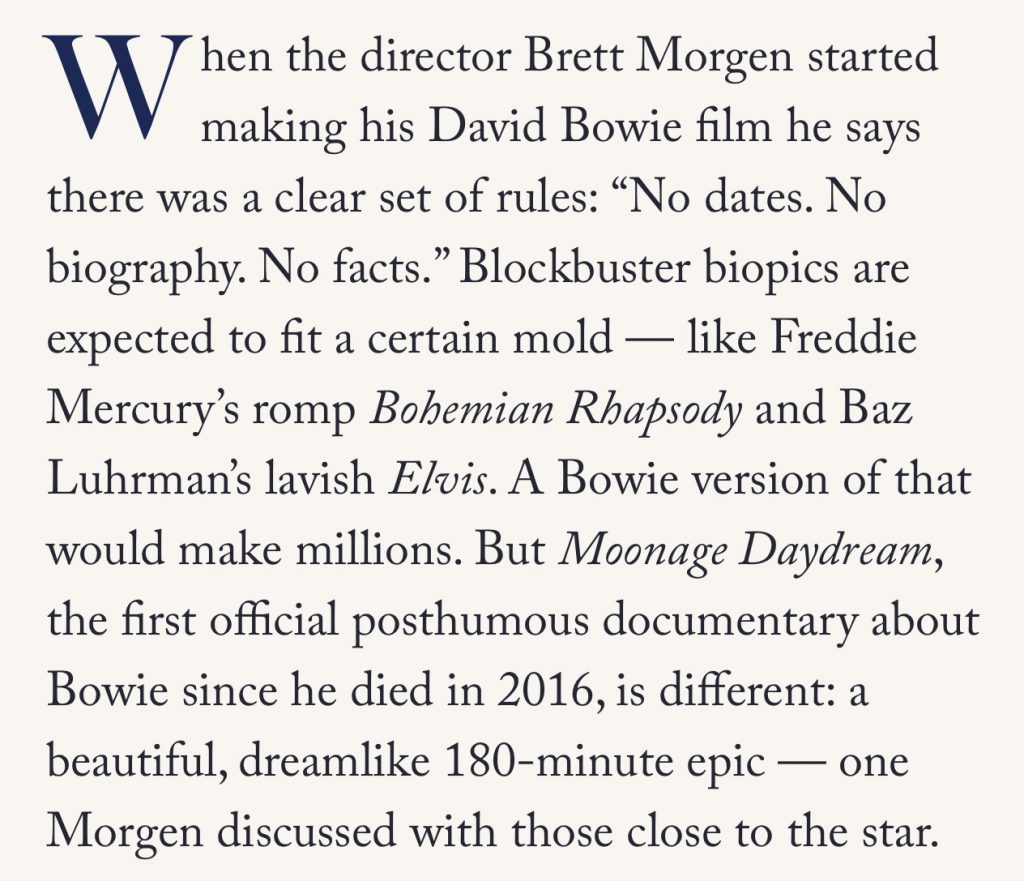
From a 9.17 Air Mail piece, written by Jonathan Dean, about Moonage Daydream director Brett Morgen:

I wrote this last summer, but it was precisely Morgen’s “clear set or rules” that gradually put me off Moonage Daydream when I caught a Cannes midnight showing on 5.23.22. Now that Neon’s Moonage Daydream is finally playing here and there, I’m wondering what the HE consensus might be.

Here’s how I put it:

Here’s a wise comment from Justin Michael Ptak, posted on 5.234.22:

“I realized a way to reinvigorate the band/artist biopic. The filmmaker cannot go through their entire, randomly ordered, rags-to-riches-to-rags to rehab to rejuvenation to what-come-may tale, but instead focus on one specific, seminal moment in that artist’s/bands creative/destructive life and just allow the audience to soak that in and bring them along for a ride in that specific time and place.

“One can think of any number of tales told about this artist or that band that would make a very cool, condensed retelling if kept to those constraints.

George Gershwin and his Rhapsody in Blue moment, Jimi Hendrix realizing he can really play guitar in his own stratospheric way, Brian Wilson creating Good Vibrations, Bob Dylan‘s transition from folk to electric, the Beatles making Revolver, Ronnie Van Zant insanity surrounding Sweet Home Alabama, Pat Benatar‘s Battlefield of Love, Spike Jonze shooting the Beastie Boys Sabotage video, any 48 hours with Kim Gordon of Sonic Youth, Dinosaur Jr.’s J Mascis connecting with Lou Barlow, a week in Athens, Georgia with Jeff Mangum and Neutral Milk Hotel, etc.

“Tie these creative sagas into the on goings and vibe of the period and times a la Quentin’s Once Upon A Time in Hollywood, and you have yourself a pretty chill picture.”