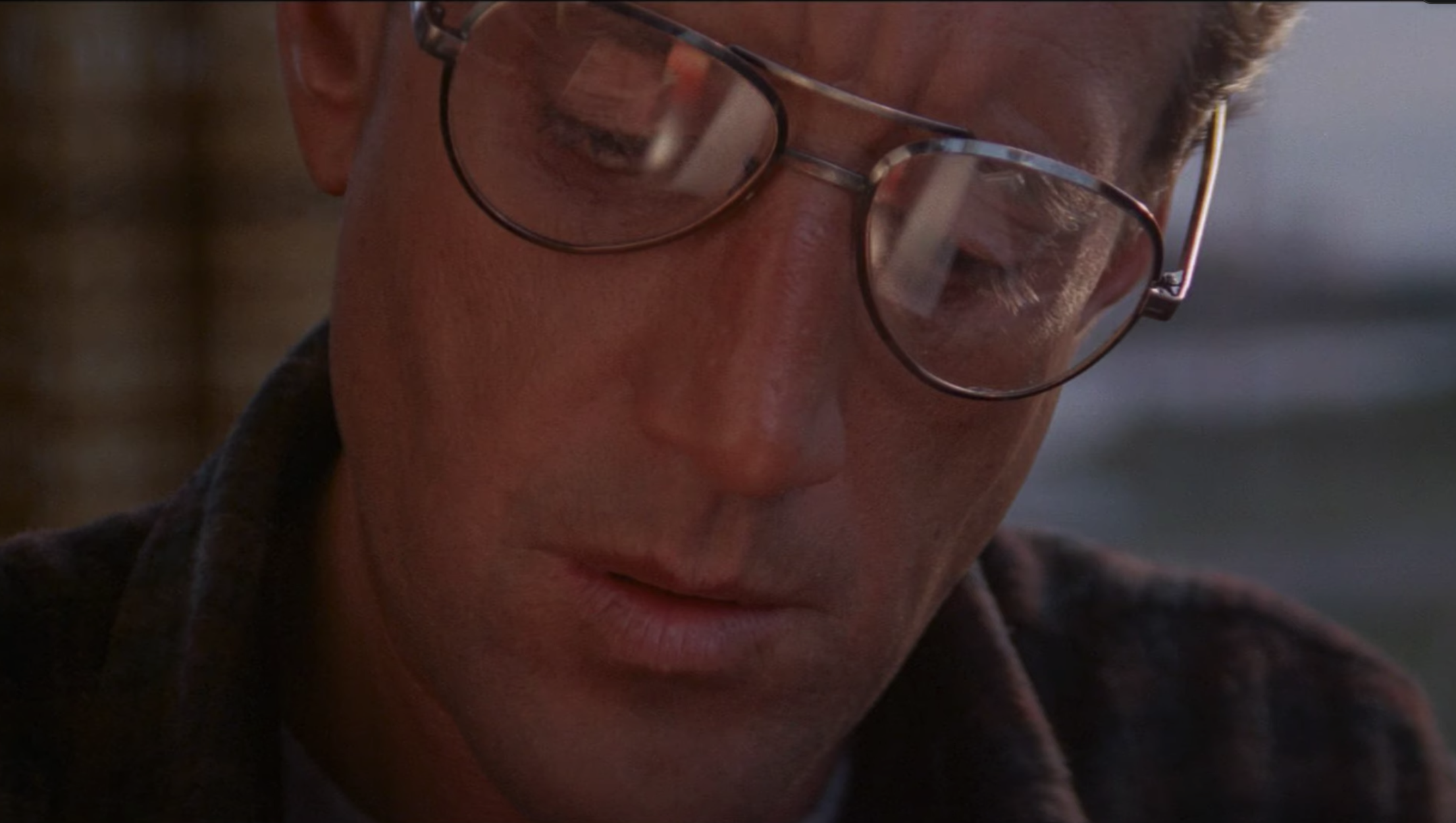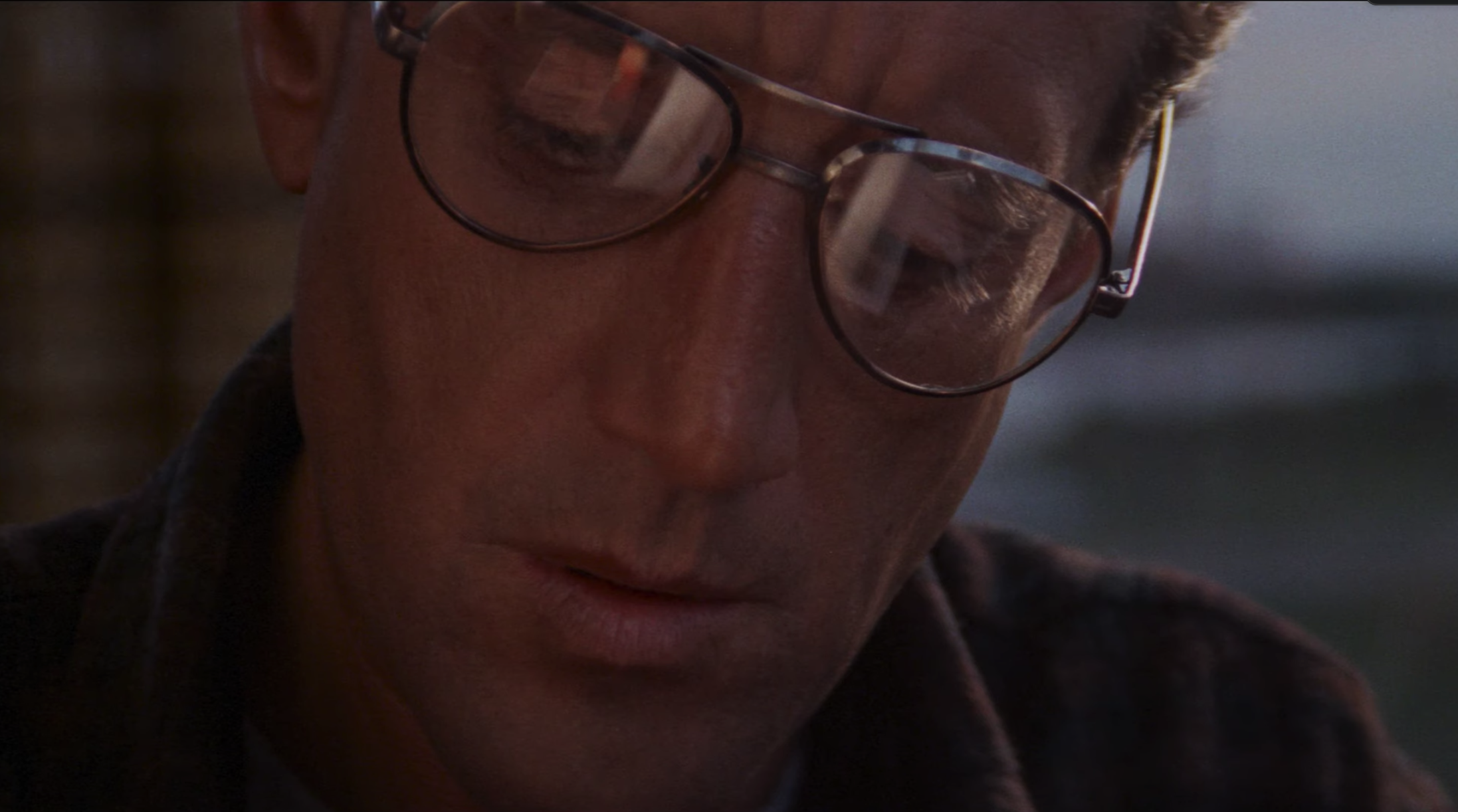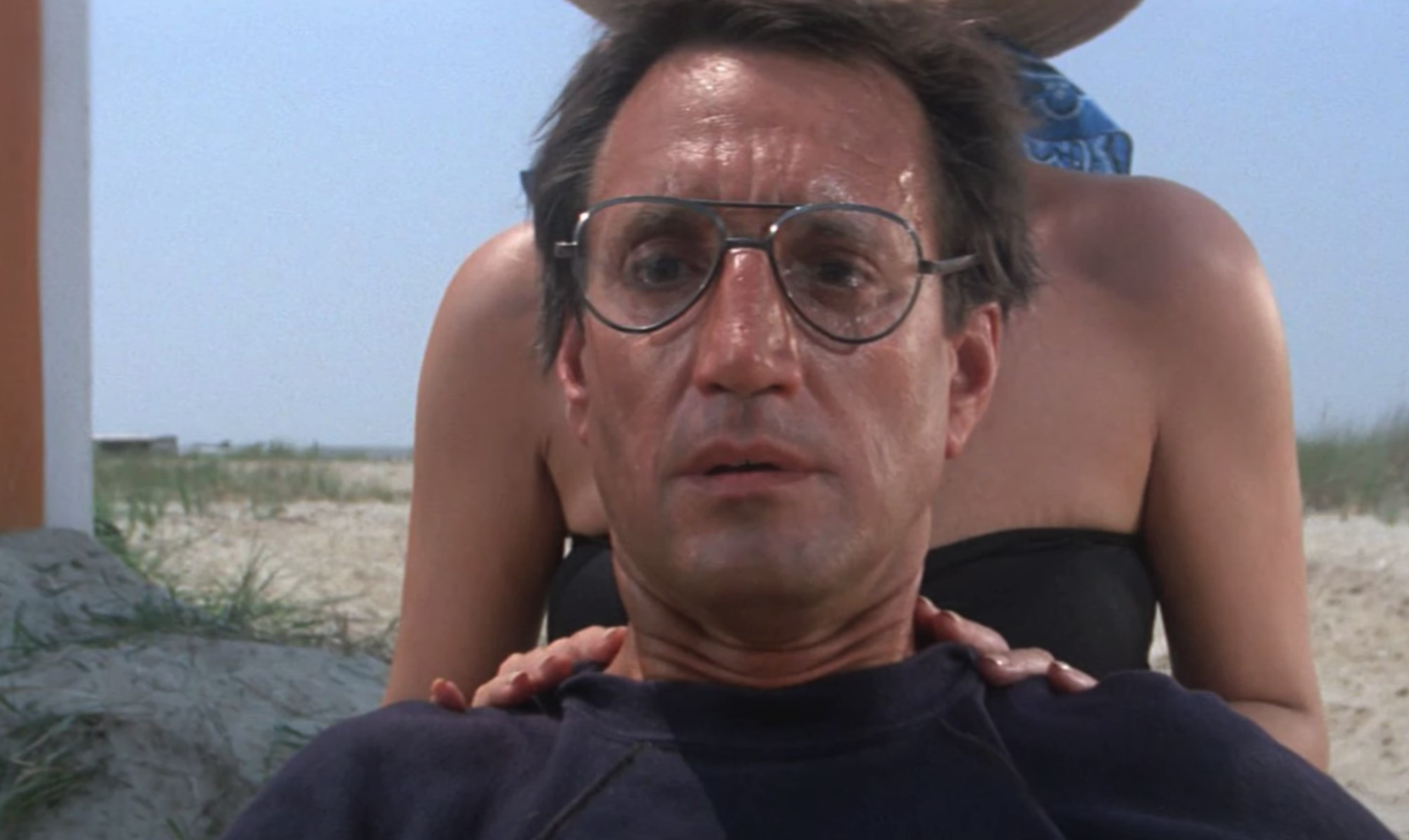
I own 10 or 15 4K UHD Blurays. And yes, the format is relatively young. But the thrill is gone.
I’ve watched 4K UHD discs of Lawrence of Arabia, Apocalypse Now, The Revenant, both Godfather films, Vertigo, 2001: A Space Odyssey, The Ten Commandments, Jaws, Jerry Maguire, T2: Judgment Day, Rear Window, Psycho, Mr. Smith Goes to Washington, The Sting, The Bridge on the River Kwai and so on. And every time I pop one in I’m vaguely bothered by the fact that the images, while looking very rich and dense and more film-like than the 1080p versions…I’m vaguely bothered by the darkness.
And while I’m happy that I’m watching these films with much higher pixel density, my inner peon keeps asking me “why do the 1080p versions seem a bit more satisfying to the eye?” I’ll tell you why. Because the 1080p images are not only sharp and robust and well-mastered, but also less murky and shadowed.
The fact is that 4Ks are darker looking — there’s no ignoring that reality. This is because “4K high-pixel density blocks the backlight more than lower resolutions,” according to Home Theatre Academy. “4K screens have four times more pixels than 1080p, thus making it harder to illuminate the image. Most TV and monitor screens use an LED backlight to illuminate the pixels that form the image. Since a 4K screen has a high pixel count, it’s hard for the backlight to illuminate the image effectively.”
Continuing: “4K can look super dark next to a 1080p or a 720p screen, if all other specs are the same. After all, there are four times as many pixels in the same size screen, but the backlight isn’t any stronger. If your new 4K TV or monitor has an HDR mode, it’ll be even darker.
“It’s worth noting that not all screens use standard LED screens with backlights. Most modern smartphones and even some high-end TVs and monitors often use OLED. Instead of a backlight, the pixels both illuminate and create the image that shows up on the screen. However, OLED screens are significantly dimmer than LED displays. The resolution doesn’t really affect the brightness of OLED screens.”
“4K HDR is so dark because HDR is trying to achieve a higher contrast between dark and bright scenes. HDR stands for high dynamic range. Since HDR makes dark places look even darker, it tends to become too dark to see anything. Additionally, 4K is harder to illuminate than HD in general.
“The whole purpose of HDR is to make movies, videos, and games appear more true-to-life. It gives the image more depth. With HDR enabled, caves actually look like dark, creepy caves, for instance. Unfortunately, an inherent quality of HDR is that the overall image appears much darker than in SDR (standard dynamic range).
“HDR on a 4K TV can make everything look darker than it really is. Disabling HDR is an effective workaround.”
So you know what? I respect what 4K distributors are offering but I don’t care that much about it. I’m basically a 1080p guy. Every time I’ve watched a 4K movie** I’ve gone “okay, very nice, wonderful resolution, I’m glad that the image harvest is much greater in terms of pixels and whatnot, but the hell with it. I’ll just stick with 1080p, thanks. Because, being a peon, 1080p makes me happier.”
** The 4K Dr Strangelove looks a little fuller and richer and more cinema-like to my eye than the 1080p, but what do I know?