

slider
When We Were Very Young

I wouldn’t know what to say if I was talking to Awkwafina and Taron Egerton about movies. If she said “yeah, when I was young, I loved A League of Their Own…it was the first movie I remember seeing, and I watched Gorillas In The Mist every day, and I would cry for it when it wasn’t on”…if she were to say this I would nod politely and go “uh-huh…really?” but inside my mind would be melting over toast and becoming a grilled-cheese sandwich.
I would also react politely if Egerton were to say “for me it was anything with Michael Caine, and I was also obsessed with the Fucking Muppet Christmas Carol.” But inside I would be wondering if he and Daisy Ridley had ever gotten together and discussed the films of Cary Grant. No offense but it sounds like Egerton had an undernourished childhood.
Egerton is six days older than Dylan (dob: 11.16.89) and a year and a half younger than Jett (dob: 6.4.88), but by the time my boys were four or five they’d watched and enjoyed Lawrence of Arabia, T2: Judgment Day, Beetlejuice, A Nightmare Before Christmas, E.T., the Extra Terrestrial, the Indiana Jones films, The Birds, Kong Kong…they’d really gotten their feet wet.
HE to Awkwafina: “Have you ever watched The Bad and the Beautiful?”

Love Your Son, Weaken Your Career
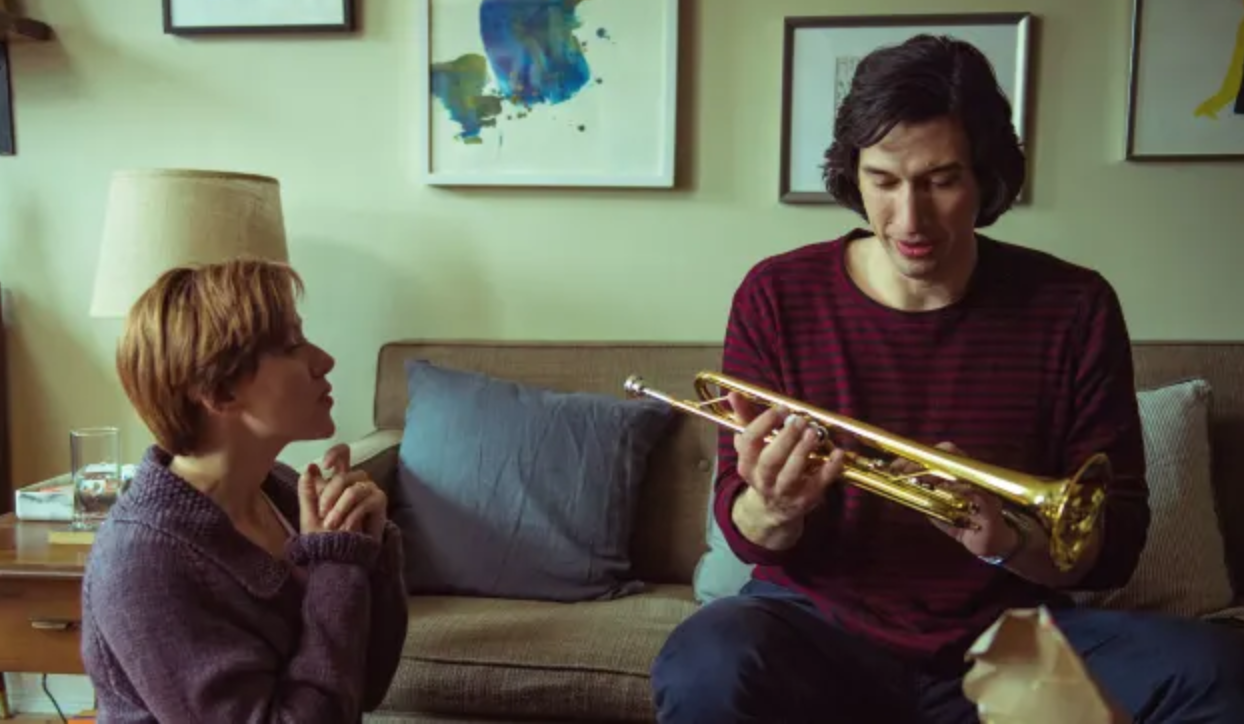
The divorce issue in Noah Baumbach‘s Marriage Story is mostly geographical. The separating couple is Adam Driver‘s Charlie, a hotshot New York theatre director, and Scarlet Johansson‘s Nicole, a frustrated actress who, feeling un-heard by Charlie, wants to re-charge her career with a starring role in a new Los Angeles-based TV series. The question is where will their young son Henry (Azhy Robertson) principally reside? In Charlie’s N.Y. apartment or Nicole’s Los Feliz (or wherever the hell it is) home?
But it’s also a matter of culture and spirit, at least as far as Charlie is concerned. If he decides to move to Los Angeles for Henry’s sake, and at the same time re-launch and re-purpose his theatre-directing career out of that sprawling burgh, he will be accepting a certain degree of cultural diminishment. For L.A. has always been and always will be a second-tier hive in the theatre realm. New York, London and Chicago are the top theatre towns — Los Angeles is strictly a satellite. Or, if you want to be harsh about it, a kind of balmy Siberia. At best a try-out town.
If Charlie was a movie director, like Baumbach, it wouldn’t matter as much (and it might even prove fruitful to move to L.A.). But that’s not the shot here. Charlie is a BAM or off-Broadway or Tin Pan Alley guy, steeped and swaddled in NYC theatre culture and mainlining the creative thrill of it all. He can move to West Hollywood and make a go of a West Coast theatre career, sure, but in the minds of many producers, actors and theatre-loving elitists he’d be doomed to fringe status for as long as his Los Angeles residence is maintained.
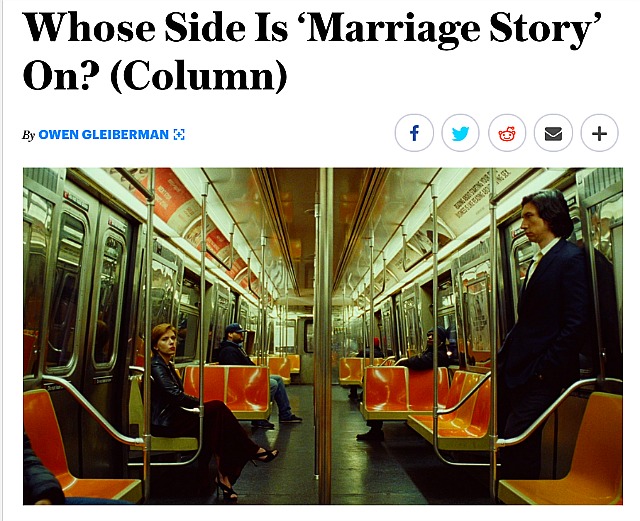
In an 11.17 piece titled “Whose Side Is Marriage Story On?,” Variety‘s Owen Glieberman passes along the conventional view that in the long arc of the story, Charlie is revealed as the bad guy who needs to grow and change and re-think his priorities.
“Almost any argument, within a marriage, can be about something larger than that argument,” OG writes. “Marriage Story makes the audience feel blindsided, too, as we can’t help, at first, but sympathize with Charlie. Yet the world that’s churning inside Nicole comes rushing into the drama during the scene where she first consults Laura Dern’s divorce lawyer to the stars. In a monologue that becomes an extraordinarily spontaneous and expressive piece of acting, Scarlett Johansson articulates the reasons — the stirrings of Nicole’s heart, the workings of her mind, the place they interlock — for why the East Coast-vs.-West Coast conflict in her marriage embodied something so much bigger.
“It wasn’t just a power struggle about where they were going to live. It was about the primal issue of whether Charlie, wrapped up in his cushy bohemian life, actually heard her. He didn’t. He wouldn’t. And that’s the wound, the sin, the problem. That’s why they’re getting divorced.”
And maybe, all things considered, that’s for the best. Let the custody battle go and get on with your life (as a father and a dynamic creative being) as best you can.
“Well, Bust My Buttons!”

Just before the 76th Academy Awards everyone was writing about the inevitability of Peter Jackson‘s Return of the King winning the Best Picture Oscar, myself among them. But I was the only one, I believe, to write that the only suspenseful question, Jackson-wise, will be “when will the studs in Jackson’s tuxedo shirt pop open and perhaps fly across the room like scud missiles” (or words to that effect).
Almost 15 years have passed since that highly questionable, impossible-to-watch-a-second-time film won the Big Prize, but last night I was the one dealing with a tuxedo shirt popping open — repeatedly — because of a sit-down bulky stomach issue.
It was mortifying, especially with fashion plate Roger Durling gently admonishing me for allowing this to happen.
If I was a baldly honest, no-holds-barred, Klaus Kinski type I would have confessed to Durling that when I bought my Kooples tuxedo shirt (which has black mini-buttons instead of stud holes) six or seven years ago, I was a good ten pounds lighter. And so the shirt was trying very hard to hold the line and maintain proper appearances, but my gut was a little too much to contain. Everything is cool when I’m standing, but when I sit down the middle button is struggling and swearing and saying to me “Jesus, this is tough…wait, hold on, can you suck your stomach in a bit?…you can’t?…oh, crap…oh, Jesus, I can’t…pop! Sorry, bruh…can you rebutton it? C’mon, hurry up…please, rebutton it before Durling comes over. Shit, here he comes!! Oh, you have re-buttoned it? Well, it popped again! Suck your stomach in, you fat fuck.”
Wells to Jackson: I’m sorry, bruh. I shouldn’t have said what I said back in early ’04. I should have contained myself. I’m nowhere near as gutty now as you were then, but I understand the pain you were going through. If someone were to write “the only question of the night will be when Jeffrey Wells’ Kooples shirt will pop open due to his inability to maintain the slim form that he enjoyed for so many years”…if someone were to write this I would be plunged into despair…it would be like a knife in the heart. The obesity epidemic is obviously real and yes, some people need to man up and stop eating for the wrong reasons, but from here on I solemnly pledge to never joke about someone’s tuxedo shirt popping open and metal studs flying through the air…never again.
Sidenote: What character in what late 1930s film said the line “Well, bust my buttons!”

Last Night’s Scorsese Hoo-Hah
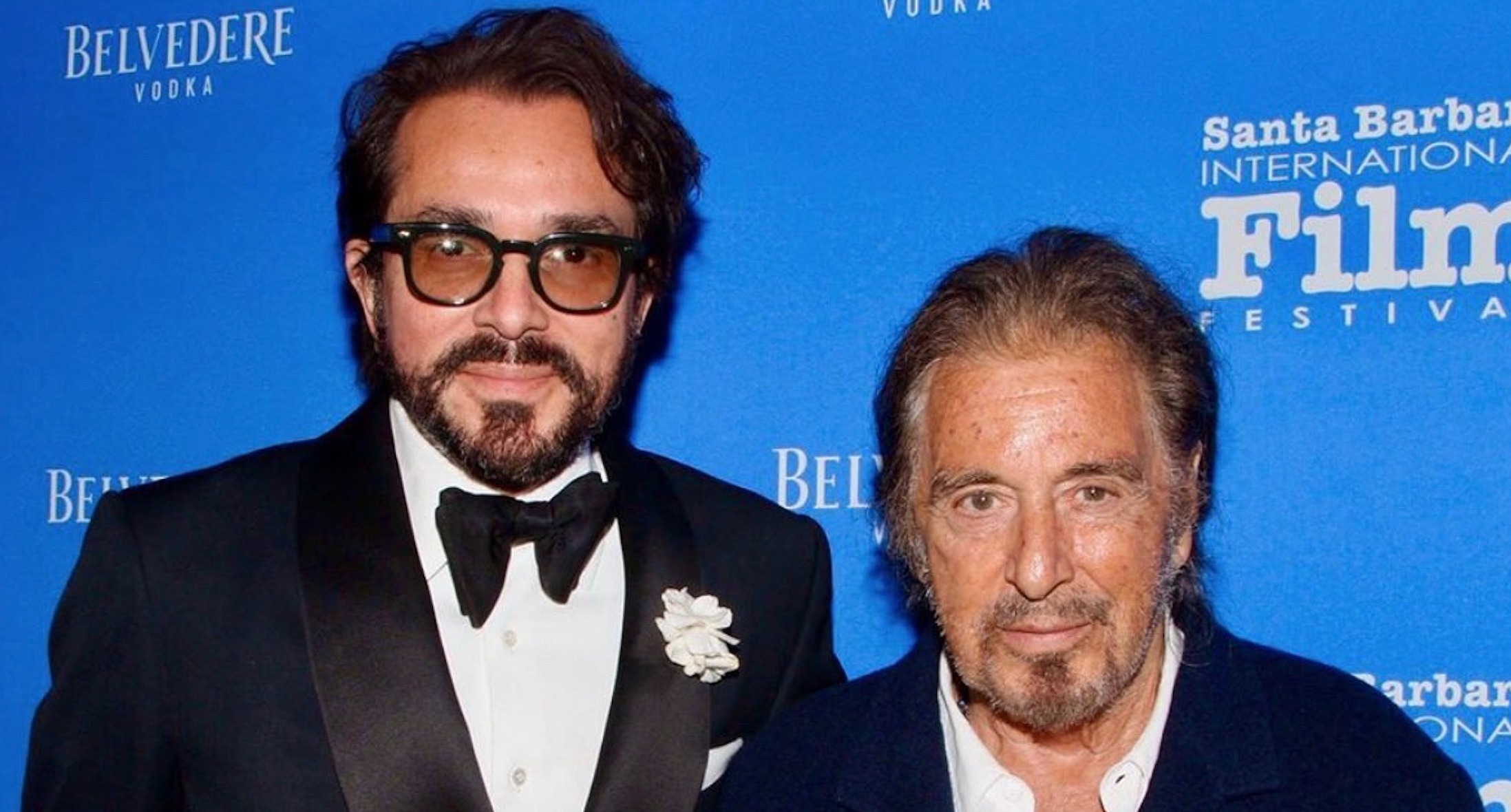
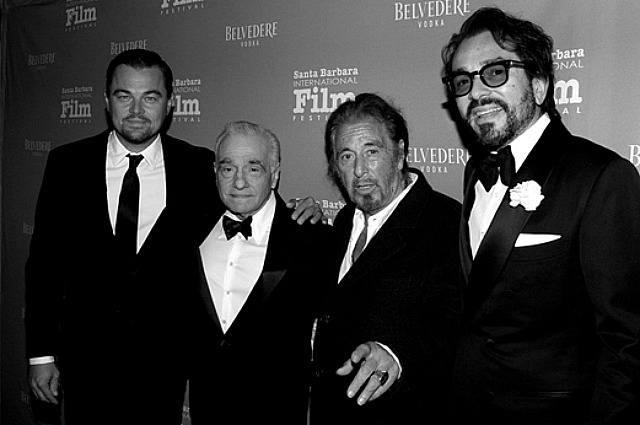
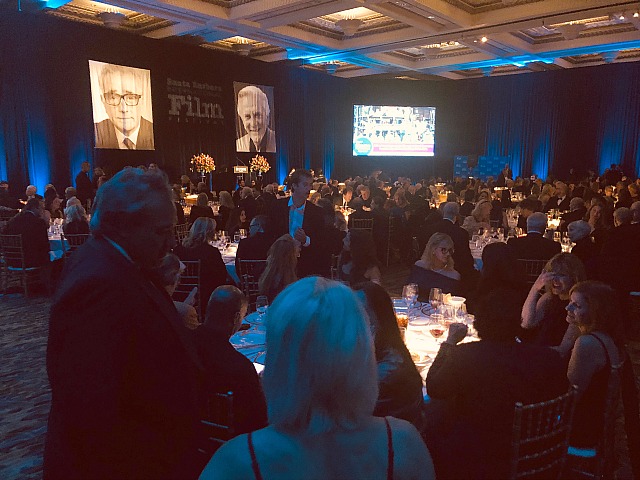
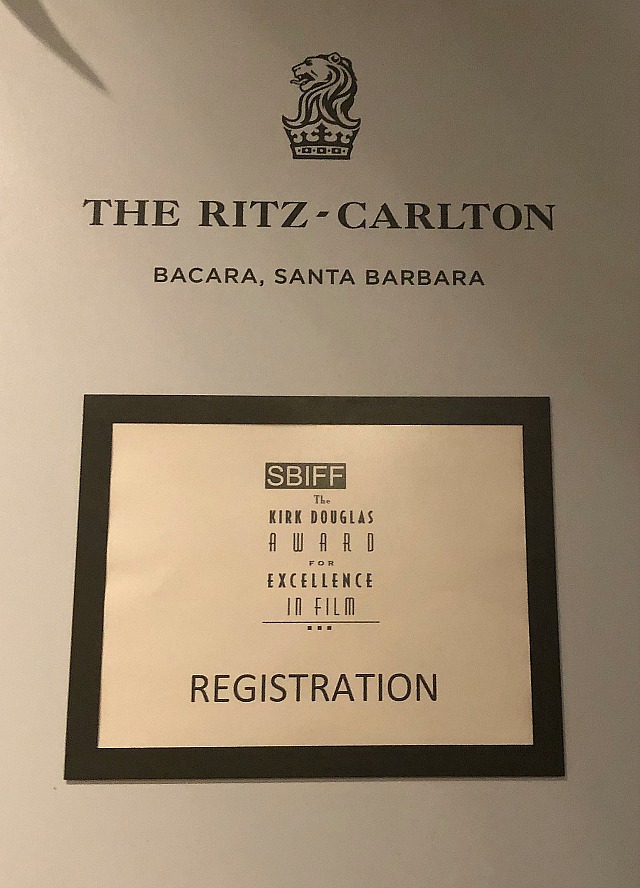
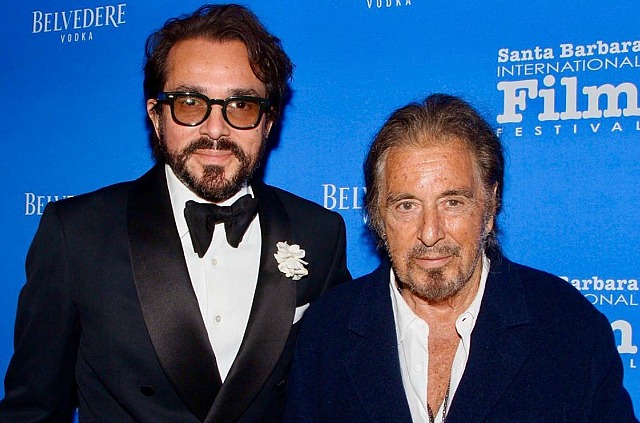
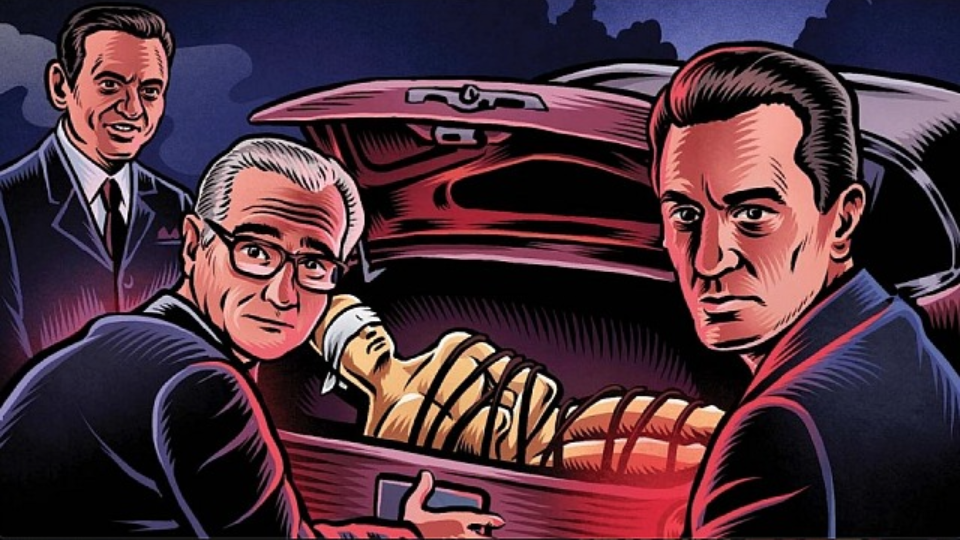
Leonardo DiCaprio, Al Pacino, Roger Durling, Sasha Stone, Anne Thompson, Tatyana Antropova, Lisa Taback, David Poland and yours truly attended last night’s Martin Scorsese tribute at the Ritz Carlton Bacara. Or, if you will, the presenting of the 2019 Kirk Douglas Award for Excellence in Filmmaking to the director of The Irishman, who of course was there also and full of the usual vim and vinegar and poetry and soulful sharings. The man is indefatigable…a locomotive.
The Irishman will win the 2019 Best Picture Oscar. It will, it should, it must, the Godz insist, etc. I’ve seen it three times now — at Netflix, at the Chinese premiere, and a few days ago at the Westside Pavillion.
Key Scorsese passage: “I realize that commitment and dedication to the art form are always rare so, you know, when you see it, this incredible commitment and dedication, please don’t take it for granted. It’s a new world today, of course, and we have to be extra vigilant. Some actually believe that these qualities that I’m talking about can be replaced by algorithms and formulas and business calculations, but please remember it’s all an illusion because there’s no substitute for individual or artistic expression…as Kirk Douglas knew and as he expressed through his long film career.”
The event was attended by roughly 300 rich people + four or five journalist blogaroos. Nice vibes, nice food, excellent video tributes, legendary speeches, etc.
Sasha picked me up at the corner of Laurel Canyon and Riverside at 3:50 pm, and we arrived two and a half hours later. Tatyana arrived maybe 15 minutes after we did. We decided against staying at the Villa Rosa Inn (the room was chilly and odorous and a bit haggard), so the Beetle carried us straight home. The return trip took about 90 minutes, Santa Barbara to West Hollywood.

Robert Altman’s “Images”
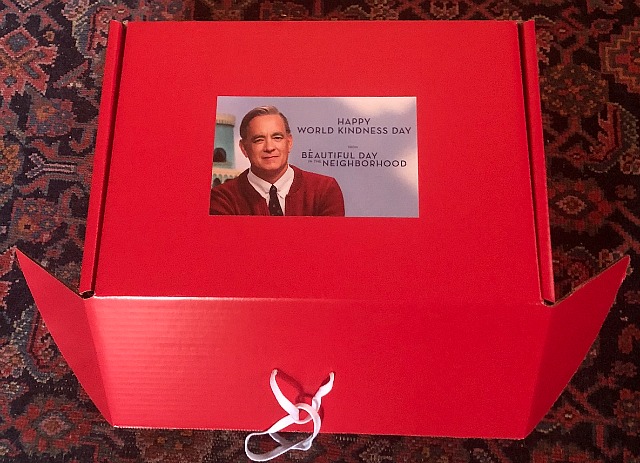
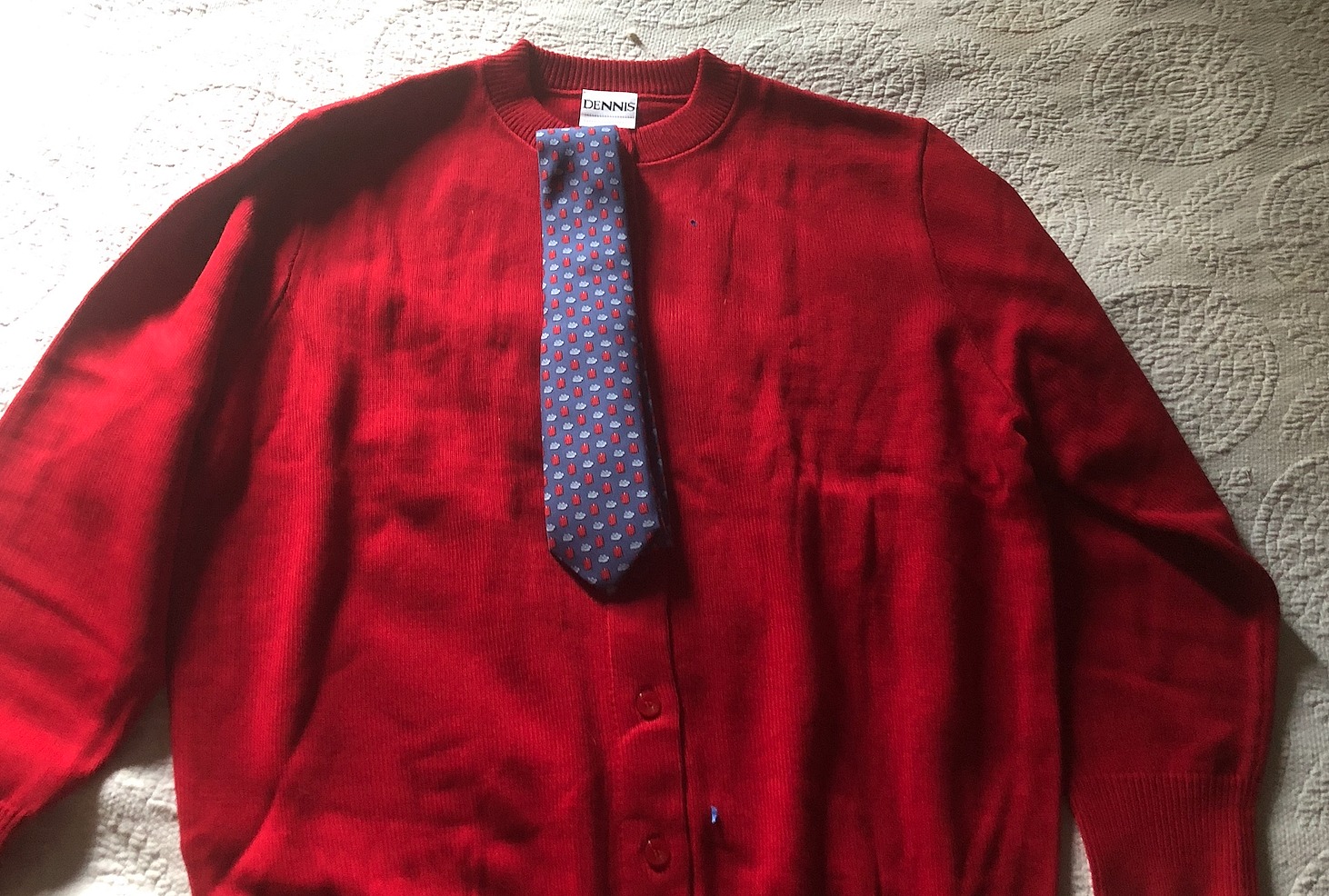
Thanks to Sony Pictures and the tireless p.r. team behind A Beautiful Day in the Neighborhood for the nice Mr. Rogers sweater. I’ll never wear it outside my home, but it’s very warm. (I regard thick red sweaters as an east-coast Republican thing — I’m more of a black Italian sweater type of guy.) But it’s very generous of Sony to send this over along with some other Rogers items. Thanks, guys.
No Suppression Allowed
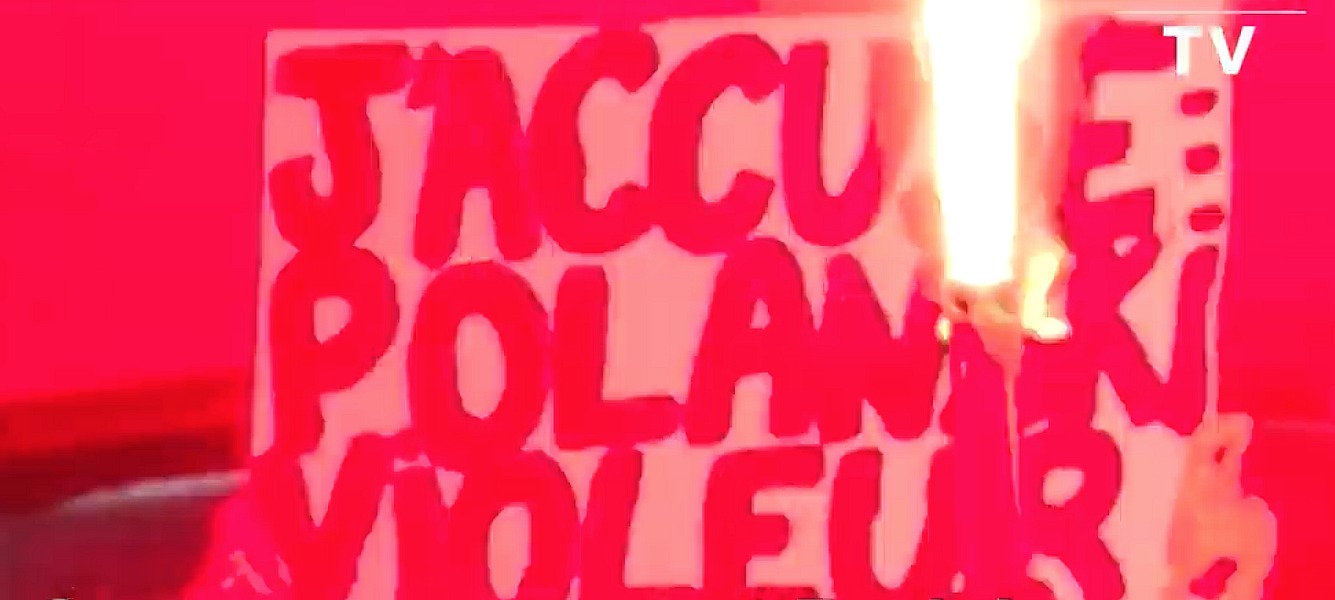
Whatever the time frame, sexual assault is without question hateful, criminal and tragic. Who isn’t repelled by the import of various allegations that Roman Polanski behaved abominably with certain younger women? True, Polanski has denied the recent rape allegation shared by Valentine Monnier, and he is apparently considering suing Le Parisien for publishing her allegation. But there have been other similar assertions, as we all know.
There’s no way to argue that the women who protested against last night’s Paris opening of Polanski’s An Officer and a Spy (aka J’accuse) are emotionally in the wrong. But at the same time it is wrong to try and censor or suppress art.
We’re talking about two separate realms here — that of Polanski the artist vs. the flawed and conflicted Polanski who’s allegedly brought trauma and harm to certain women. History tells us that many noteworthy artists have been, more often than not, intemperate and unruly in their emotional relationships.. Hurt people hurt people, and I wish it were otherwise. But great or formidable cinema should never be fucked with…ever.
Refreshing Biden Page
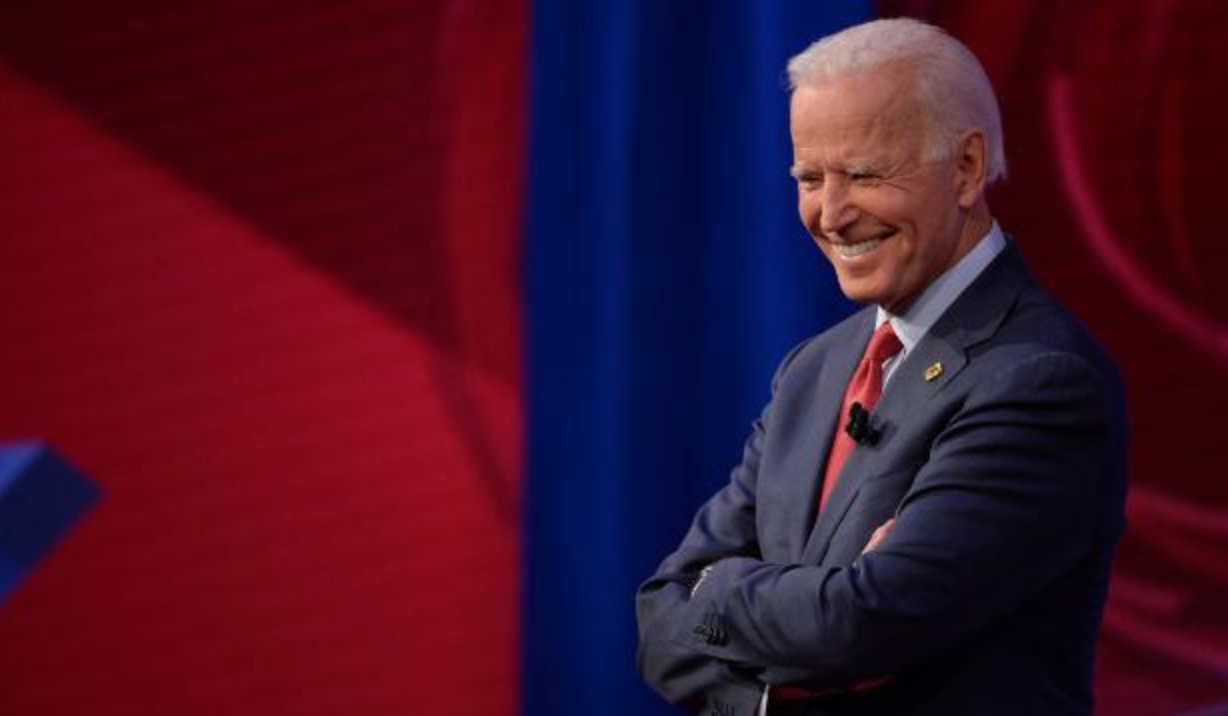
There’s no sensible reason to dislike or dismiss Joe Biden with any intensity. If he somehow snags the Democratic Presidential nomination (which probably won’t happen — it’s basically a Warren-vs.-Buttigieg race now), I’ll vote for him without question. But I won’t like the situation much.
[Click through to full story on HE-plus]

Still Have Issues With Criterion Bluray Version
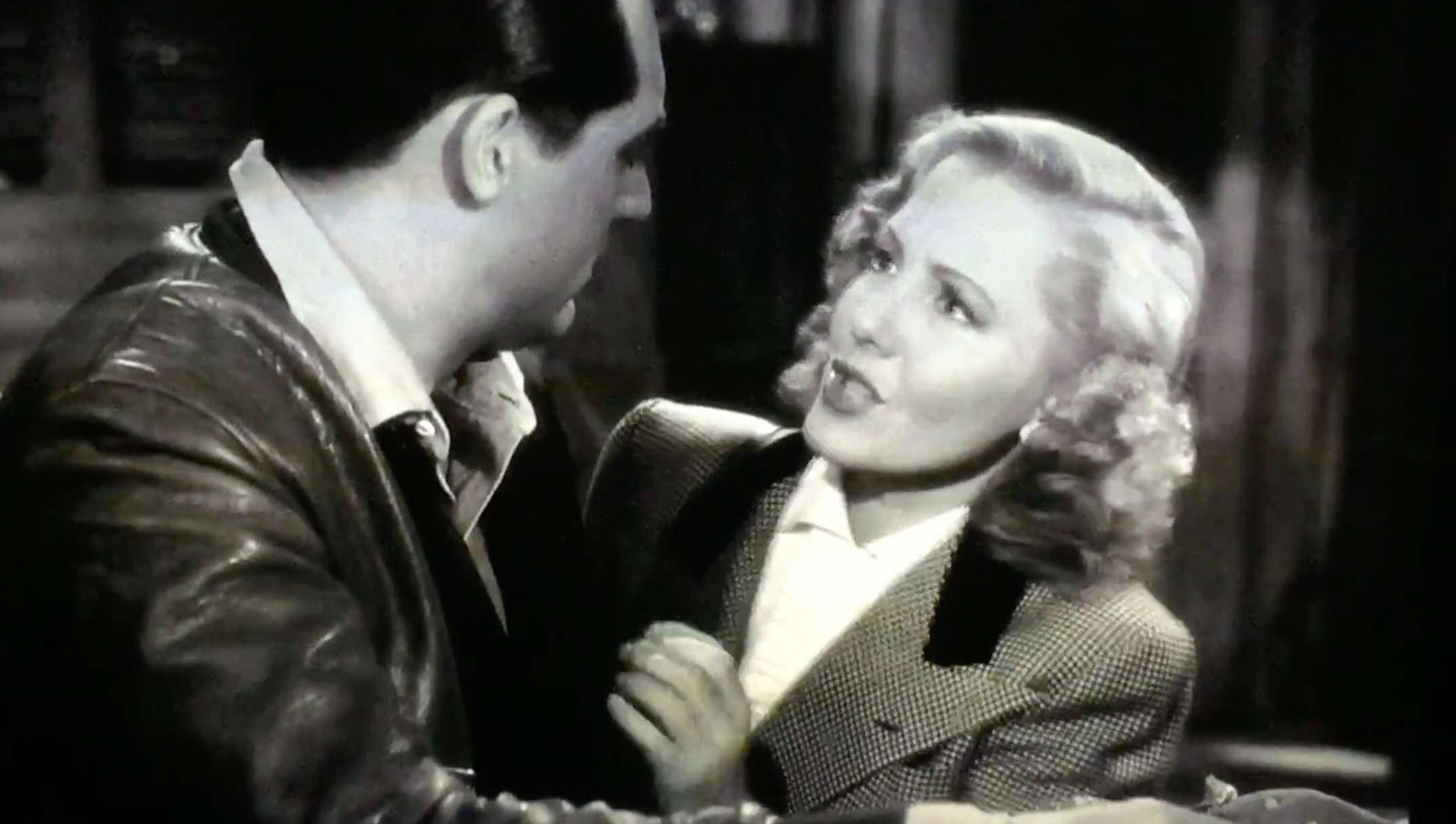
“Is this an aviation film directed by Howard Hawks or what? Yes, much of it takes place after dark but this is also a film with a certain merriment and esprit de service and drinks and songs on the piano. Why so inky?
“I lost patience after a while and turned the brightness all the way up, and it was still too dark. I much prefer the high-def Vudu version that I own; ditto the TCM Bluray that I bought a year or two ago. Mark this down as a case of Criterion vandalism — it’s just not the film I’ve been watching all these years.” — from HE pan of Criterion’s Only Angels Have Wings Bluray (“Dark Angels, Black Barranca, Noir All Over“), posted on 4.19.16.
The realm of Only Angels Have Wings is all-male, all the time. Feelings run quite strong (the pilots who are “good enough” love each other like brothers) but nobody lays their emotional cards on the table face-up. Particularly Cary Grant‘s Geoff, a brusque, hard-headed type who never has a match on him. He gradually falls in love with Jean Arthur but refuses to say so or even show it very much. But he does subtly reveal his feelings at the end with the help of a two-headed coin.
It’s not what any woman or poet would call a profound declaration of love, but it’s as close to profound as it’s going to get in this 1939 Howard Hawks film. If Angels were remade today with Jennifer Lawrence in the Arthur role she’d probably say “to hell with it” and catch the boat, but in ’39 the coin was enough. Easily one of the greatest finales in Hollywood history.
Son of Thinner, Intense, Floppy Mane, etc.
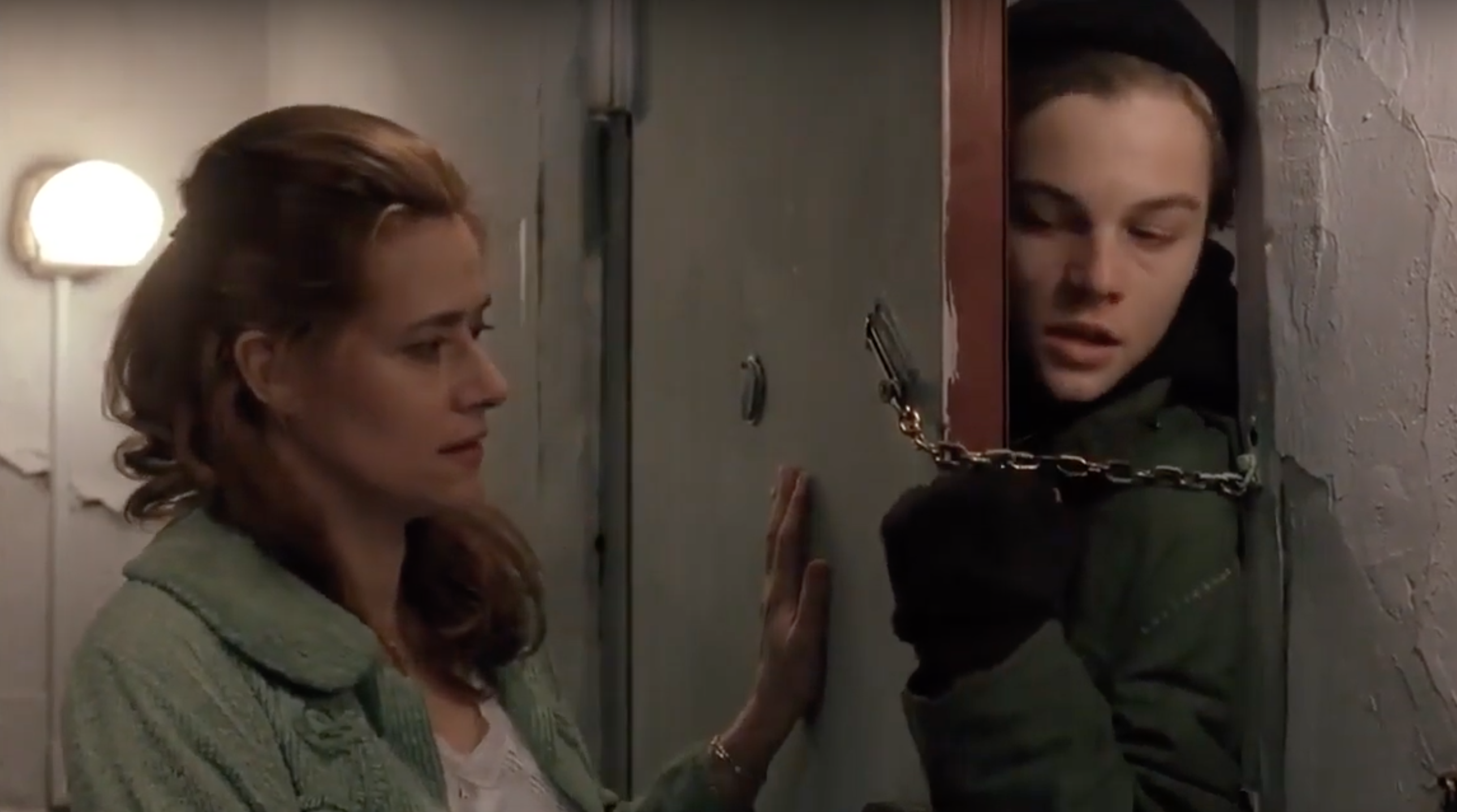
Leonardo DiCaprio turns 45 tomorrow. He’ll be 50 before you know it because time flies when you can’t get enough of the treadmill. I chatted with Leo a few days ago at a San Vicente Bungalows after-party, and between the lines I was thinking “wow, the train is moving faster and faster.”
DiCaprio has been a power-hitter and marquee headliner for 22 years now, or since Titanic. 26 years if you count The Boy’s Life. Nobody can ever diminish or take away the killer performances he’s given in Once Upon A Time in Hollywood, The Departed, Inception, Revolutionary Road and especially The Wolf of Wall Street…a lot to be proud of. And I can’t wait for what happens with Killers of the Flower Moon.
But when I think of vintage DiCaprio I rewind back to that dynamic six-year period in the ’90s (’93 to ’98) when he was all about becoming and jumping off higher and higher cliffs — aflame, intense and panther-like in every performance he gave. I was reminded of this electric period this morning that I watched the below YouTube clip of DiCaprio and David Letterman in April ’95, when he was 20 and promoting The Basketball Diaries.
I respected Leo’s performance in This Boy’s Life but I didn’t love it, and I felt the same kind of admiring distance with Arnie, his mentally handicpped younger brother role in What’s Eating Gilbert Grape, partly because he was kind of a whiny, nasally-voiced kid in both and…you know, good work but later. Excellent actor, didn’t care for the feisty-kid vibes.
But a few months before Gilbert Grape opened I met DiCaprio for a Movieline interview at The Grill in Beverly Hills, and by that time he was taller and rail-thin and just shy of 20. I was sitting in that booth and listening to him free-associate with that irreverent, lightning-quick mind, and saying to myself, “This guy’s got it…I can feel the current.”
Then came a torrent: a crazy gunslinger in Sam Raimi‘s The Quick and the Dead (’95), as the delicate Paul Verlaine in Total Eclipse (’95), as himself in the semi-improvised, black-and-white homey film that only me and a few others saw called Don’s Plum (’95), as the druggy Jim Carroll in The Basketball Diaries (’95), as a wild, angry kid in Jerry Zak’s Marvin’s Room, opposite Claire Danes in Baz Luhrmann‘s Romeo + Juliet, as Jack Dawson in Titanic and finally as a parody of himself in Woody’s Celebrity. Eight performances, and every one a kind of sparkler-firecracker thing.
Great Magical Leaps
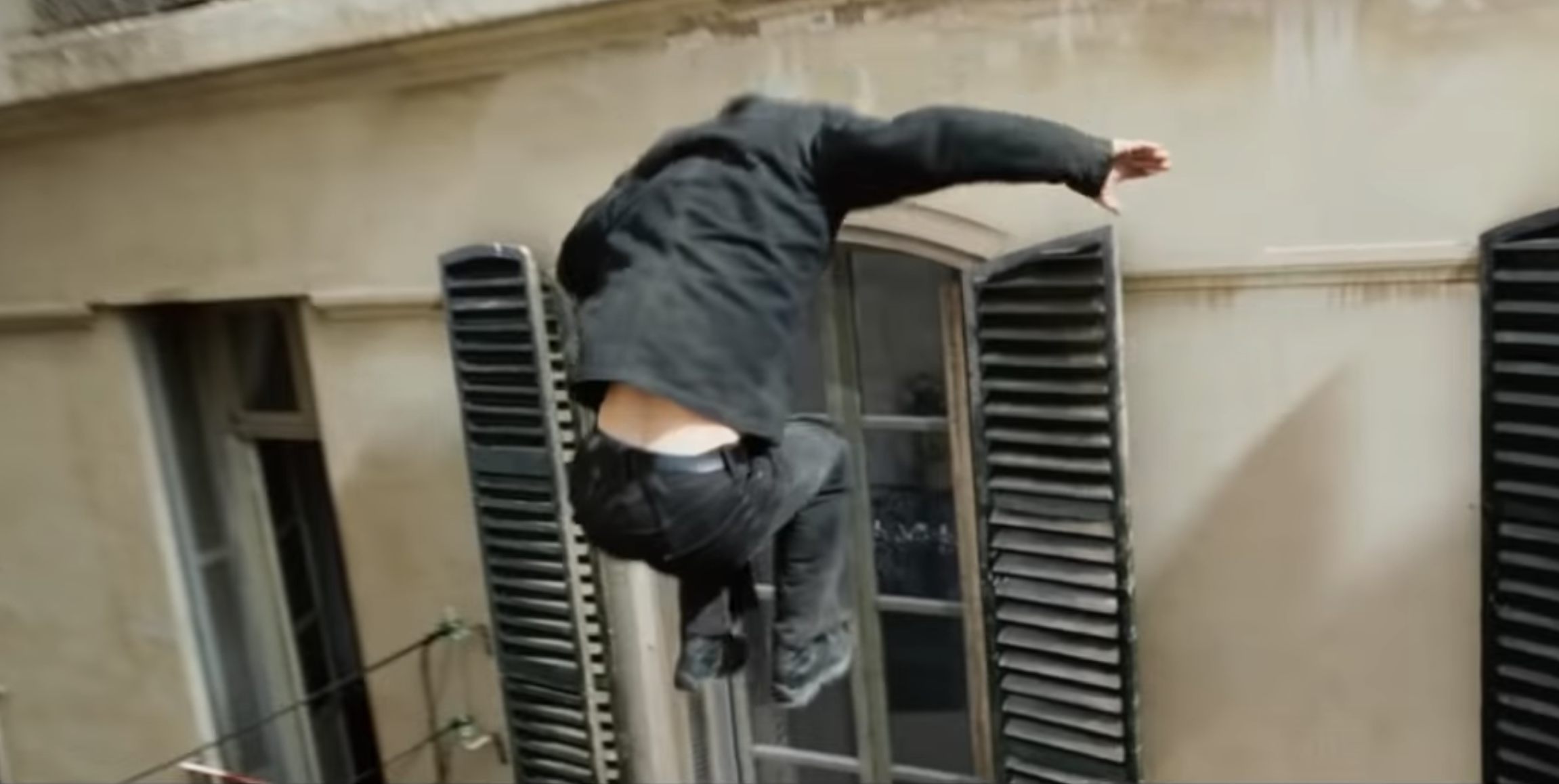
Action heroes making great, gravity-defying leaps across alleyways and narrow streets has become a bullshit cliche. It worked the best in The Bourne Ultimatum (’07), when Matt Damon leapt through the window of a Tangier apartment building, across a narrow alley and then crashed through a window of a neighboring building.
[Click through to full story on HE-plus]
Harris: “Joker” Is a Shut-Out or a Sweep

From Mark Harris‘s “What Will the Oscars Make of Joker?,” posted on Vanity Fair site on 11.6:
“Joker represents, depending on who’s making the argument, one or more of the following: (a) the belligerence of an entitled, largely male fan base demanding that its preferred genre be rewarded; (b) the most stentorian case yet that comic-book-based movies can be grim, dystopian, R-rated, spandex-free CINEMAAAHH; (c) an example of the kind of high-grossing smash the Oscars must nominate in order to stay relevant; (d) exactly the kind of movie Martin Scorsese is complaining about; (e) exactly the kind of movie Martin Scorsese would be making if he were 40 years younger; (f) a shallow, cosmetic appropriation of 1970s New Hollywood style; (g) a reactionary sneer at anti-capitalist protests; (h) an embodiment of the Trump era in its vague, loud, constantly shifting rage; (i) the kind of risk that too few studios are willing to take with their precious intellectual property; or (j) being the victim of people reading too much into something. (I believe about half of these.)”
Trust me — (c) is what will matter to most Academy and guild voters, and sway their votes accordingly.