

slider
Timelessness of Divinity?
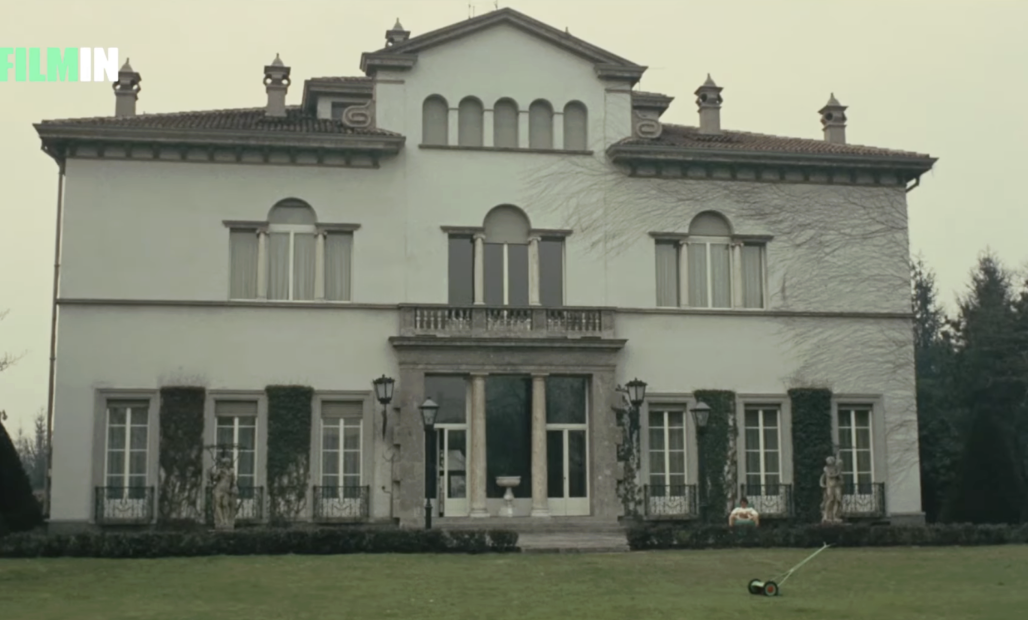
Last night and for the third or fourth time I re-watched Pier Paolo Pasolini‘s Teorema, and I swear to God it’s an even bigger wallop now. Expanded, deepened…a flotation experience.
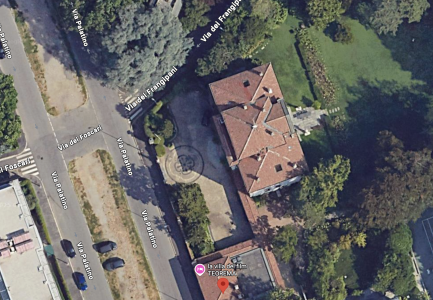
HE hereby pledges to visit the white Teorema mansion (Via Palatino, 16, 20148 Milano) when I return to Italy seven months hence.
Pasolini and the entire cast (Terence Stamp, Silvana Mangano, Massimo Girotti, Anne Wiazemsky, Laura Betti) have passed. Only the red-haired son, played by Andrés José Cruz Soublette, is still with us.


I Still Say Stacy Martin Is Too Hot To Portray A Sex-Averse Religious Zealot

In my Venice Film Festival review of Mona Fastvold‘s The Testament of Ann Lee, I noted that Shaker founder Ann Lee, who lived until age 48, “was flat-faced and rather ugly, and that Seyfried (who turned 40 in December) is, of course, beautiful, so the film’s realism is lacking in this regard.
“And as long as hotness is on the table, 35-year-old Stacy Martin, who plays Jane Wardley, a British born co-founder of the Shakers, is way too attractive to play a woman who’s into a no-sex, God-and-only-God lifestyle…one look at Martin and you’re thinking “what is she doing with this bunch?”
Kristi Coulter has tried to ridicule me for sharing this observation, but hot women rarely renounce the perks that are naturally and plentifully given to them. Guys too. The truth is that abundantly dishy persons never join secular oddball religious cults because…like, why? The world is at their feet so why turn inward?
John Huston got away with casting the prim and prudish Deborah Kerr as a nun in Heaven Knows, Mr, Allison (’57), but would any sensible director have cast Marilyn Monroe in a similar role? Attractiveness is as attractiveness does.
I’ve always had trouble believing the central premise of Alfred Hitchcock‘s I Confess, which was that a young guy who looks like Montgomery Clift would become a humble, soft-spoken priest in Quebec. He’s simply too pretty for that.
The fetching Jean Simmons played a version of 1920s evangelist Aimee Semple McPherson in Elmer Gantry (’60), but at the end of Act Two she began fucking Burt Lancaster. (Gantry was directed by Simmons’ husband, Richard Brooks.)
I’ve always respected Jeffrey Hunter‘s performance as the Nazarene in King of Kings (’61), but nobody accepted his being cast in the role. He was way too beautiful..those radiant blue eyes, that golden-brown hair, those perfectly pedicured toes.
“It’s Fine, Dude…I’m Not Mad At You”

BREAKING: POV footage from the ICE agent who was RAMMED by anti-ICE activist Renee Good in Minneapolis has been released
He was clearly not just hit, but hit HARD.
100% JUSTIFIED use of force. Walz and the Mayor are LIARS.
Glad this agent is safe! pic.twitter.com/dTLkxrr3jd
— Nick Sortor (@nicksortor) January 9, 2026
After the shooting some unseen guy says “fucking bitch“, a spiteful reference to Renee. Was this Jonathan Ross or…?
Good’s wife, Becca Good, was about to open the passenger door, but Renee pulled out so quickly that Becca was left standing.

Been Running Into Abel Ferrara Since The Early ’80s

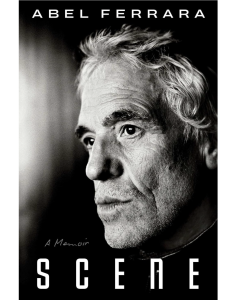
And especially since the first interation of Hollywood Elsewhere began way back in ’98, but I’d been slacking off, Ferrara-wise, over the last three or four years.
Then the Rome-residing Ferrara surfaced as an angry, snappy mafioso in Marty Supreme. And then Alex Vadukul’s N.Y. Times profile appeared yesterday (1.7). And then I took notice of last year’s Turn in the Wound, which is now streaming on the Criterion Channel. And then I bought Ferrara’s memoir, Scene, which popped a couple of months ago.
Tapper’s Tortured Expressions (Frustration, Impatience) Are Fairly Hilarious

“What is the basis of Denmark’s territorial claim? Obviously Greenland should be part of the United States. Military action? Greenland has a population of 30,00 people, Jake.”” — Stephen Miller to Jake Tapper earlier today.
HE to Miller: Greenland’s actual population is around 56.5 thousand, give or take.
Wiki: “Most residents of Greenland are Inuit, and it’s the least densely populated country in the world. The population is concentrated mainly on the southwest coast. Greenland is socially progressive, like metropolitan Denmark; education and healthcare are free, and LGBTQ rights in Greenland are some of the most extensive in the world”…not if Trump takes over!
Grizzled, Gray-Haired Robin Hood on Killing Spree
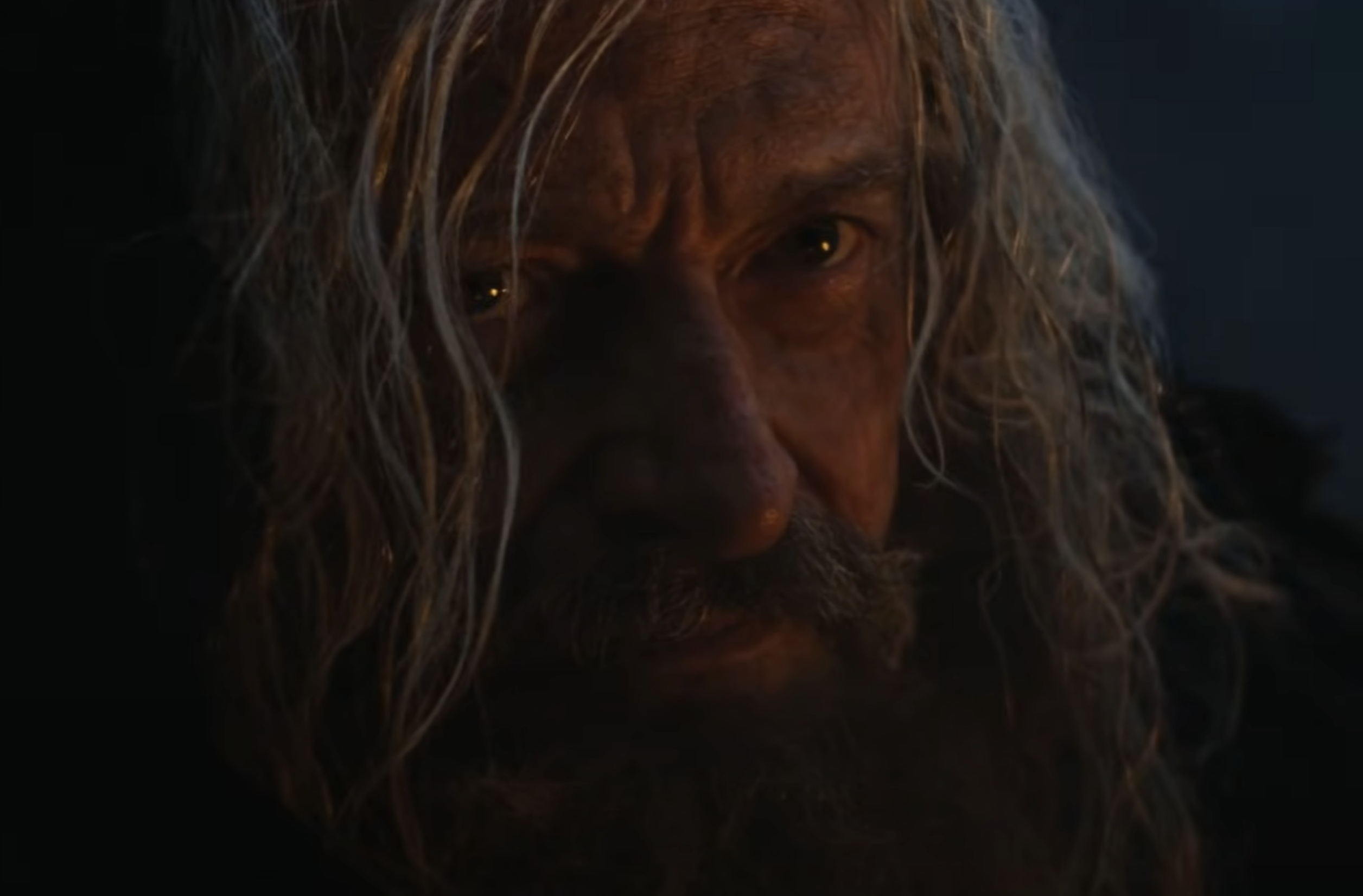
My first viewing was without subtitles, and I couldn’t understand a fecking word. I have a general aversion to dark medieval dramas in which main characters don’t take baths or even given themselves whore baths. Sorry, but I have my standards.
Neville’s “Breakdown: 1975” Is Okay, But Aimed At Simpletons
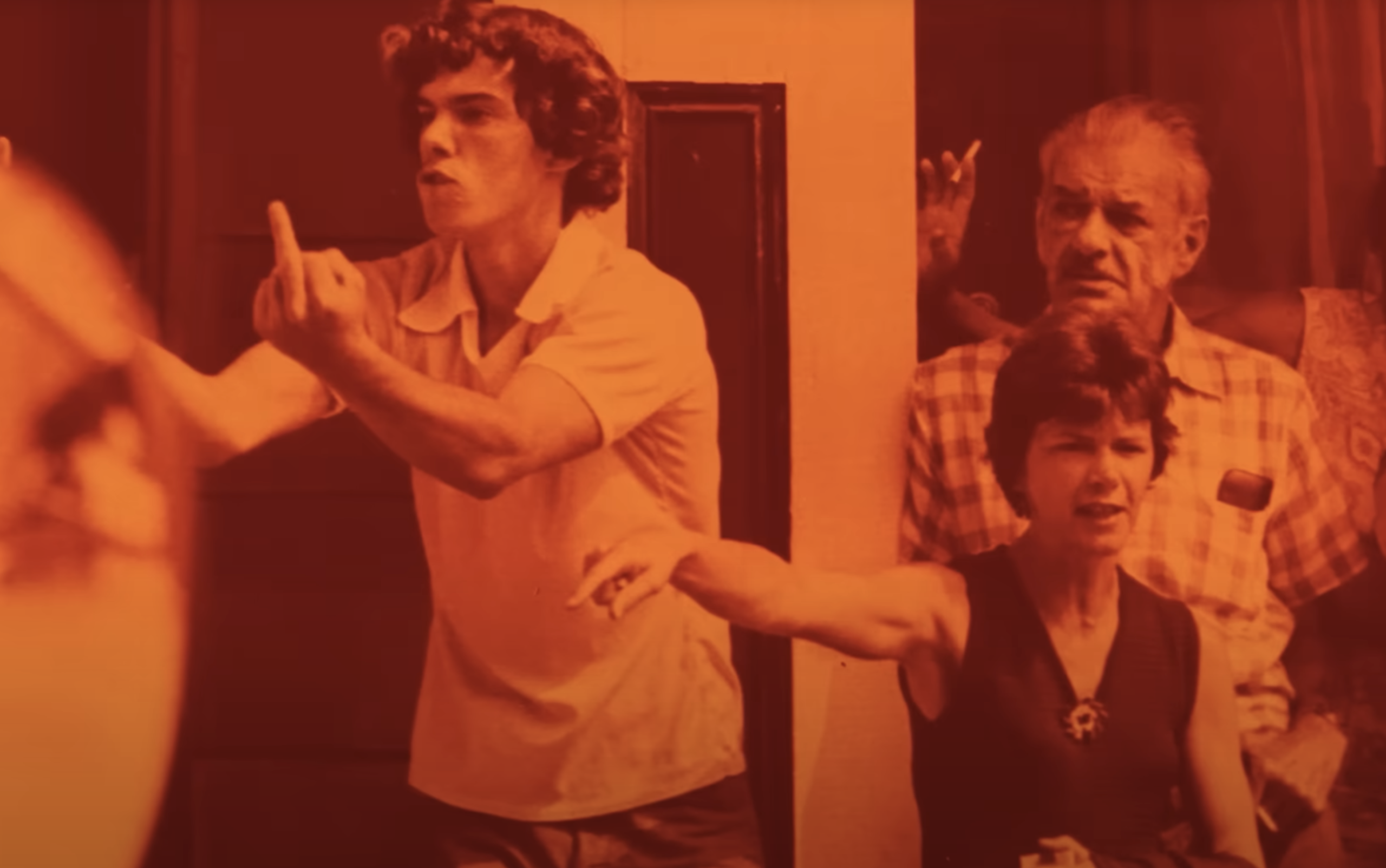
Last night I finally watched Morgan Neville’s Breakdown: 1975 (12.19.25), a 92-minute Netflix doc that hurriedly recaps and, in a sense, celebrates the fertile and provocative moviescape of the mid ’70s. Glorious times!
Except Neville doesn’t strictly focus on 1975 films. The doc covers ’74, ’75 and ’76, during which, Neville asserts, the real meat and marrow of New Hollywood came to fruition. But every so often the early ’70s pop through and then, at the end, the ’77 finale (Rocky, Star Wars) is heard from.
Plus anyone who had hit puberty by the late ’60s or who’s read Mark Harris‘s “Pictures at a Revolution” or Peter Biskind‘s “Easy Riders, Raging bulls” knows that New Hollywood was launched in ’67 with The Graduate and Bonnie and Clyde.
So let’s cut the crap — Breakdown: 1975 is really about the whole span of the mythical New Hollywood era. Neville should’ve called it Rough-and-Tumble ’70s Free-For-All! or Hollywood Neverland: When The Inmates Ran The Asylum or something in that vein.
The problem is that Breakdown: 1975 is generally too fast and loose and simple-minded — it just skims along and barely gets into any nitty-gritty specifics. It’s primarily aimed at your none-too-bright kids who are too lazy or ADD-afflicted to have paid the slightest attention to what Harris and Biskind were on about.
Is it a good thing that Neville has made a dumbed-down primer for younger folks (Millennials, Zoomers, Gen Alpha) who haven’t a clue about films that were made before the 1980s? Okay, yeah, I suppose.
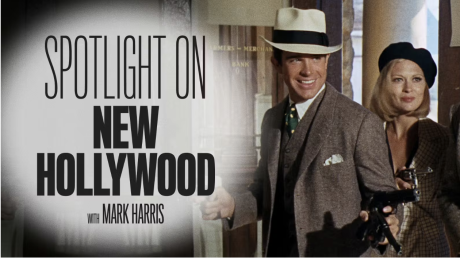
As I watched Neville’s doc I recalled that the same basic saga was concisely passed along in Spotlight on New Hollywood (‘24), a 15-minute Criterion Channel essay that was offered last summer as a supplement to Criterion’s streaming of The Graduate.
Alas, it has since been erased, at least according to a cursory Google + Criterion search.
Why can’t “Spotlight on New Hollywood” be offered as a stand-alone video essay on YouTube? That’s what I’m basically asking here. It would be terrific if readers of this piece could savor it.
The truth is that in 15 minutes Spotlight on New Hollywood delivers a much better, tighter, more sophisticated history of this fabled era than Neville, whom I know, respect and admire, manages in 92 minutes.
Such a shame that Harris’s 15-minute essay has been sent to the Criterion dustbin. Unless I’m missing something.
Seemingly Sappy, Family-Friendly, Conservative-Minded Saga
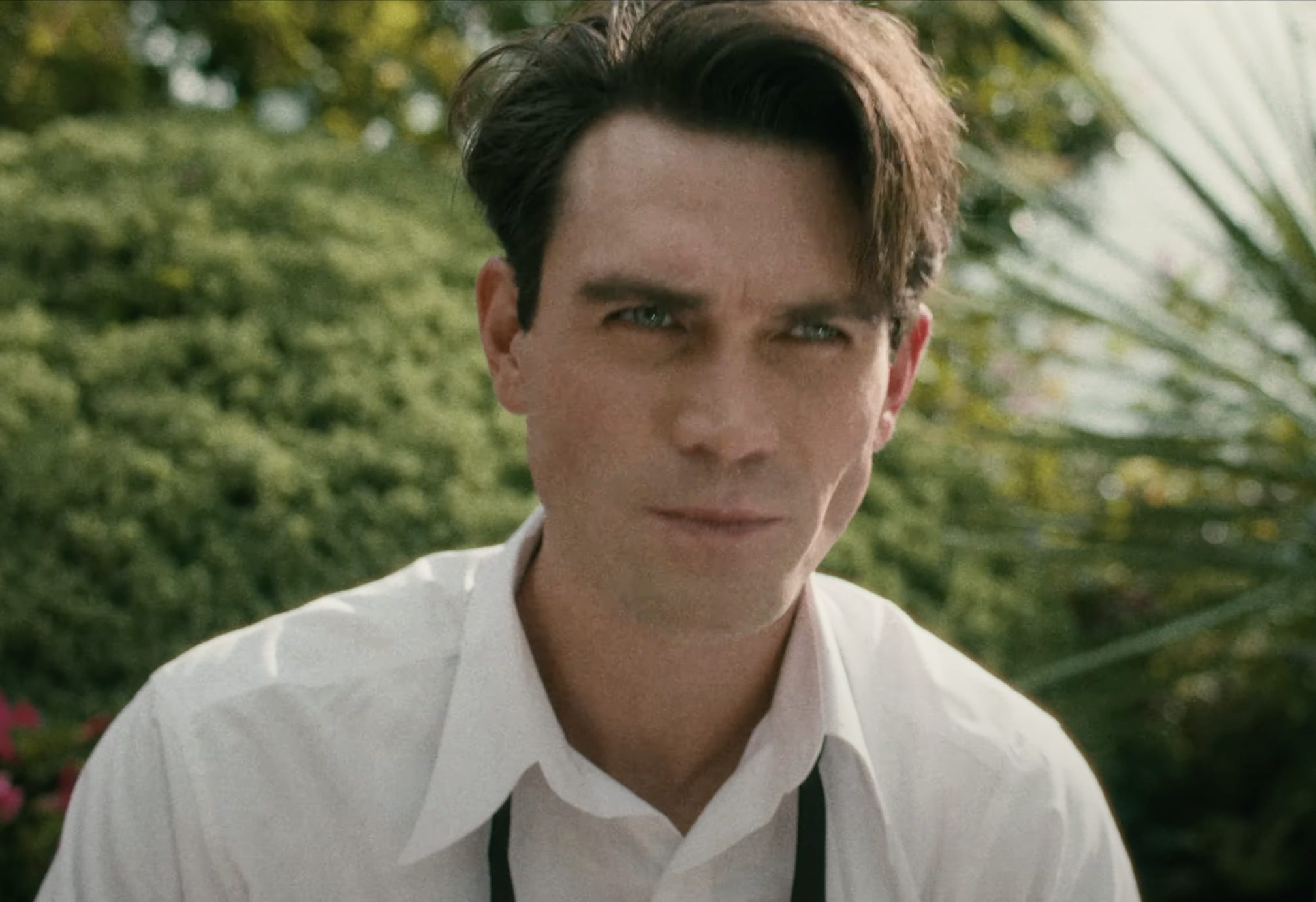
Jimmy (Burns & Co., 11.6.26) is obviously a sentimental, low-budget, family-friendly attempt at ennobling and glorifying James Stewart‘s World War II experience as a bombardier in the European theatre. Pic was directed by Aaron Burns, whose company Burns & Co. also produced.
Burns & Co. mission statement: “In the truest sense of the word, Burns & Co. is a company of creatives crafting timeless adventure films and stories for the enjoyment of families around the world.”
Another Unseen Bardot Film On My Checklist

Directed by Claude Autant-Lara, In Case of Adversity (En cas de malheur, titled Love Is My Profession in the U.S.) is a French-Italian film noir about a 50ish established attorney (Jean Gabin) falling for a hell-bent blonde hottie (Brigitte Bardot).
Pic was released in France on 9.17.58, nine months before the appearance of Francois Truffaut‘s The 400 Blows (5.4.59) and 22 months before Jean-Luc Godard‘s Breathless (5.16.60).
From Owen Gleiberman’s 12.28 Bardot essay: “Looking back and watching Bardot’s movies now, you see hints and echoes of so many of the actresses who would come after her, from Maria Schneider to Nancy Allen to Dominique Sanda to Uma Thurman to Adèle Exarchopoulos to Sydney Sweeney.
“She was marketed as a pin-up, yet she was a singular presence who forged a path of sensual and spiritual fearlessness. And part of it is that she insisted, just as the Madonna of the ’80s and ’90s did, that for a certain kind of performer (her kind), sexuality was inseparable from artistry. Bardot’s eroticized projection of female identity was itself a transcendent performance. If God created woman, Bardot made you feel like she had created herself. Only time will tell if the future is female. But once she’d made her mark, the future was most definitely Bardot.

Rally Round The Marty Flag, Boys!

Just-sent HE email….EXTRA SPECIAL, END-OF-2O25 “MARTY SUPREME” GATECRASHERS OPPORTUNITY…sent to Gatecrashers fraternity at 12:25 om eastern…
Happiest of holidays to Fellow Gatecrashers,
Don’t listen to my obnoxious bigmouth ranting….by all means vote only as you choose on your lonesome…but please consider the thrust of the following….because the spirit is upon me, I swear…I’m speaking not from my own determinations or from this or that tower of arrogant know-it-all-ism…I’m truly speaking for the revolutionary pitch of things…it’s definitely happening right now.
All good people of taste and conscience and especially those who recognize the value of NOT choosing a hard-left ideological film for the Best Picture Oscar as this would further stigmatize the Hollywood community as lefty fruit-loop fanatics who live on their own secular planet, and who have no understanding or appreciation of real life and real values as they exist outside the glitzy woke ghetto….
With Josh Safdie‘s MARTY SUPREME having broken though critically and box-office-wise over the just-finished Christmas holiday weekend, now is the time for The Gatecrashers to recognize the fundamentally populist, artistic and zeitgeist-driven truth of things and get behind SENOR SUPREME as a way of proclaiming the truth of things…of not only stopping ONE BATTLE AFTER ANOTHER’s Oscar momentum but tipping the balance of opinion away from PTA’s admittedly well made, hard-left, ludicrously-plotted, father-daughter fantasy….
MARTY SUPREME is this year’s ANORA, and ONE BATTLE AFTER ANOTHER is this year’s THE BRUTALIST….
Join Timothee Chalamet‘s orange-pingpong-ball crusade!…No politics, just pogo sticks ….jump on your steed, unsheath your saber and join Teddy Roosevelt‘s rough riders as they thunder up San Juan Hill…NOW IS THE TIME! Remember that T.R. nutter from Frank Capra‘s Arsenic and Old Lace? “CHAAAAAARGE!”
Obviously you guys are under no obligation to vote for MARTY SUPREME because I’m urging you to do so, but now is the moment….Chalamet’s First Army has blown a hole through the woke siegfried line and NOW IS THE TIME for General George S. Patton‘s Third Army to rush through and seize the initiative! MARTY SUPREME-OLA….yes!!
A week ago the Best Picture race was boring everyine to tears, and now, as Michael Caine would say, the bloody doors have been blown off.
Shut that OBAA shit down!…shut it the fuck down!
Please refresh your ballots ASAP so we can post the results just before or certainly just after New Year’s Day. Claude AI has made the balloting so easy, so snappy….a fucking breeze.
Jeffrey Wells, Hollywood Elsewhere
Mr. Freeze Outside My Door

I can handle cold temps in the low 40s and 30s, but forget the 20s and don’t even mention the teens. And no wind, for God’s sake! Half the time I dream about living in Key West or, better yet, Cuba or Belize or Turks and Caicos. I hate windy cold. Stuff of nightmares.