Words In Passing

We’re all presuming that Martin Scorsese’s Killers of the Flower Moon will be highly impressive, but it’s nonetheless encouraging to read an actual morsel of second-hand hearsay, to wit:

If you ask me the 2.23 debate thread that contains this short paragraph (Glenn Kenny vs. Daniel Rowland) is just as interesting as it addresses certain negatives that may emerge, depending on the breaks.
Read more

Honest Admiration

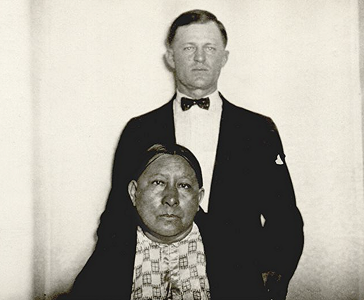
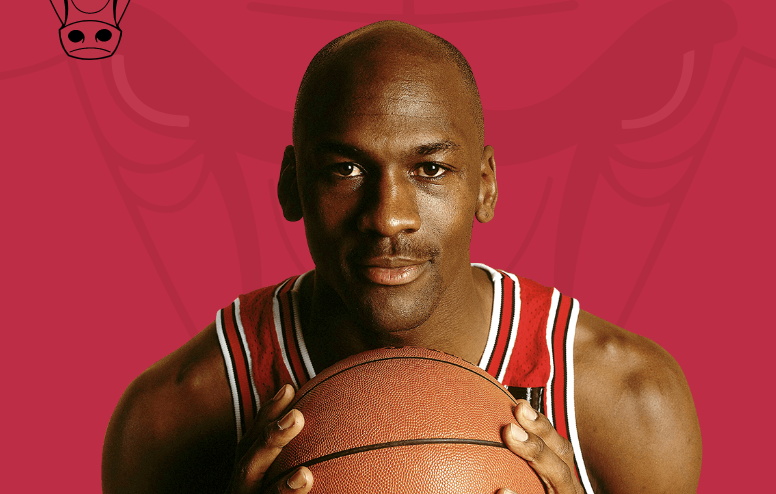
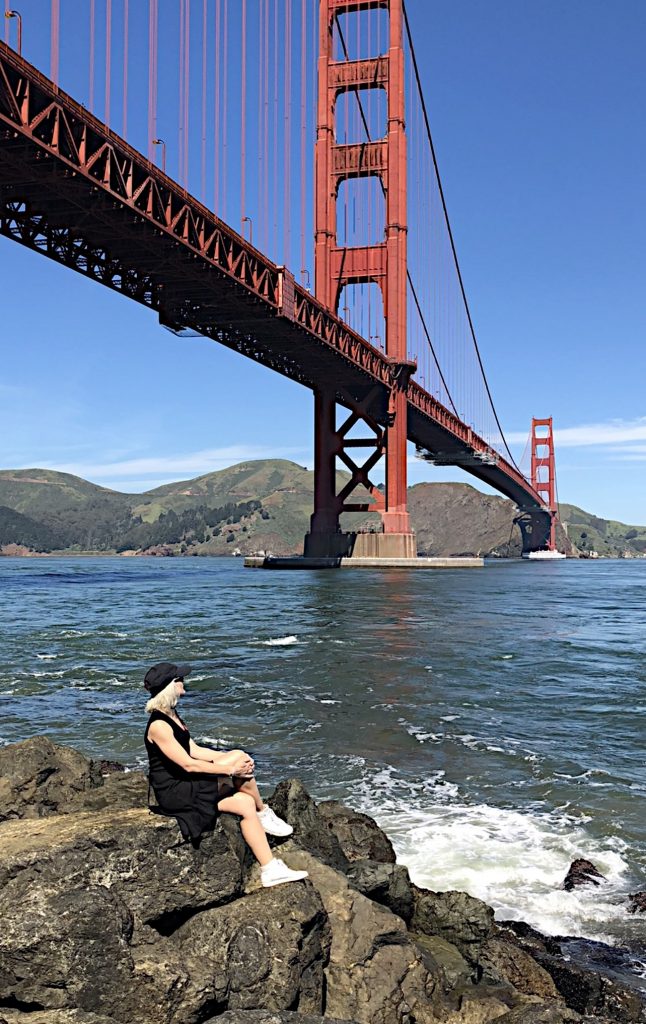
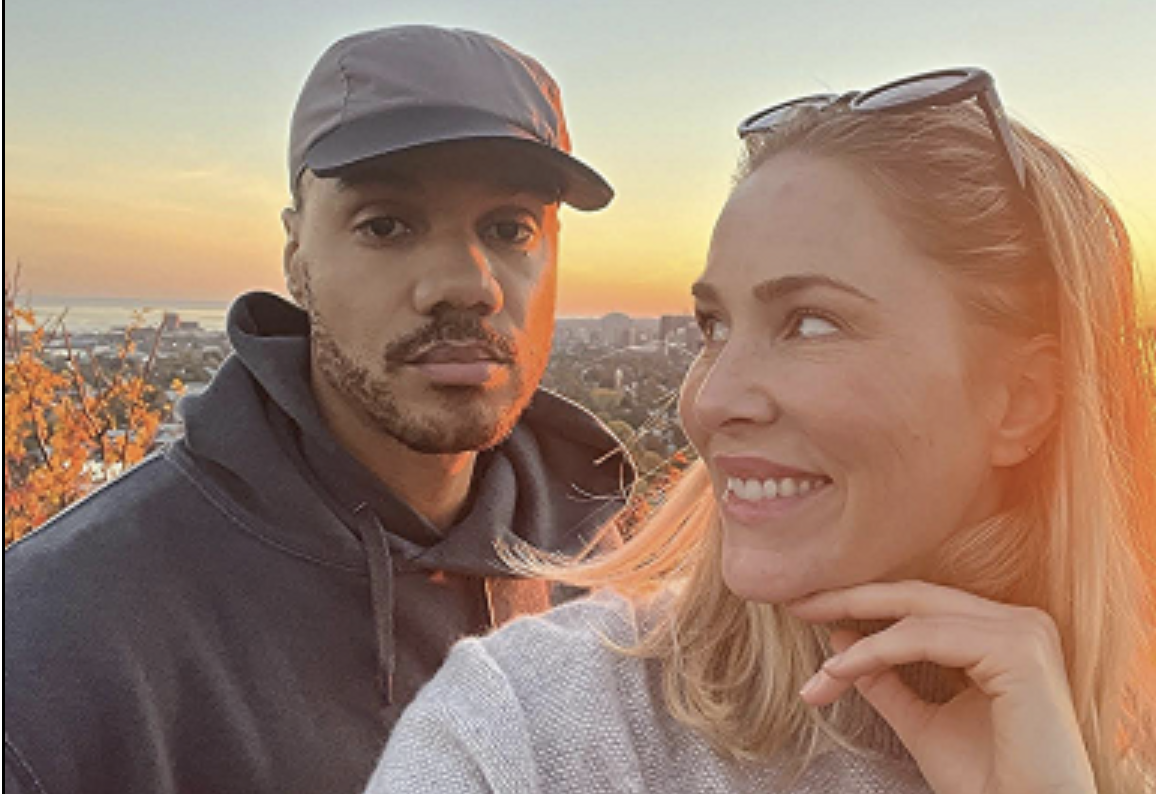
For the concept, the lighting, the wardrobe…each and every aspect. Usually you’re asking for trouble if you pose someone against hazy flooded sunlight, but this time it works.

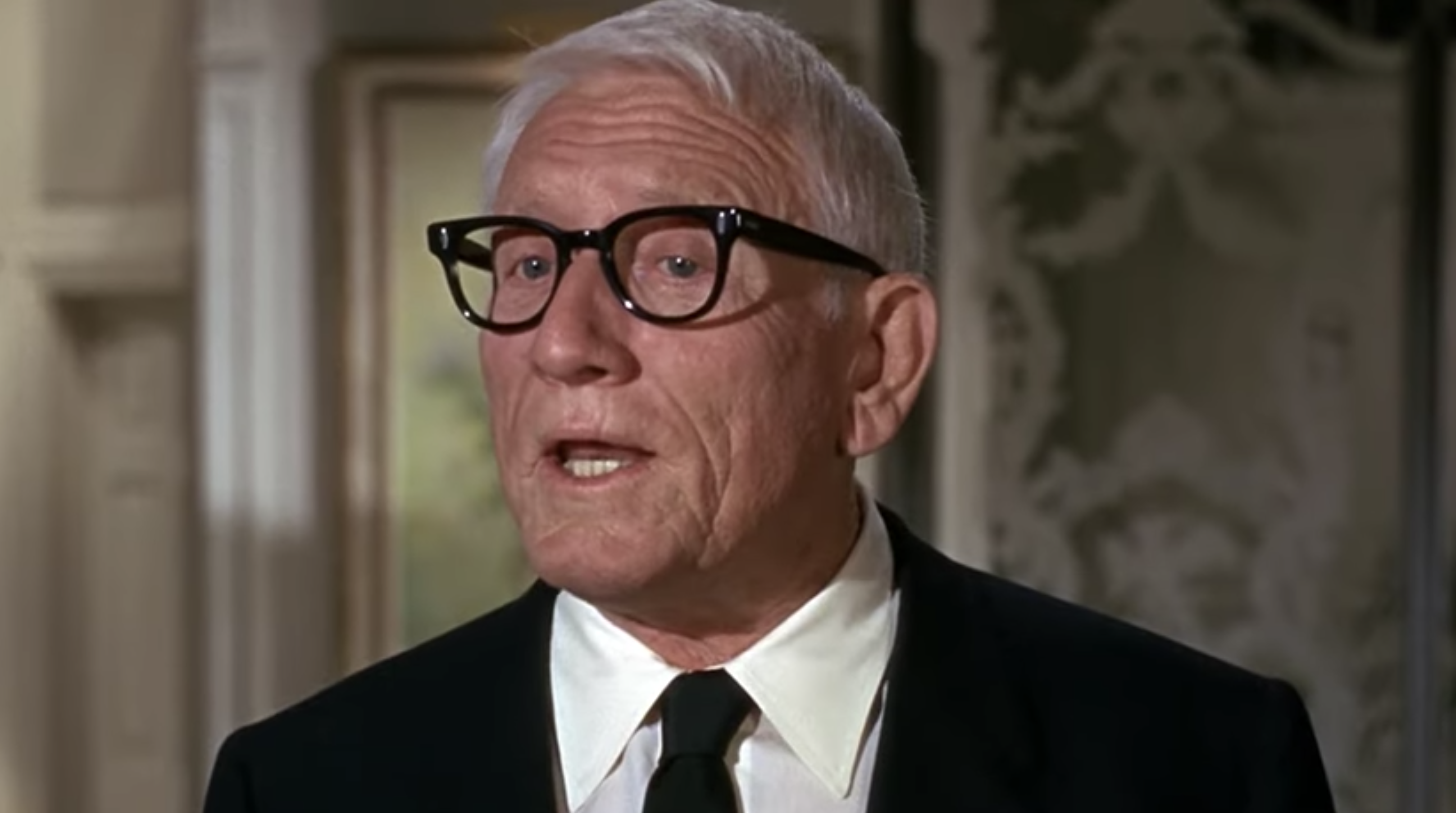
Thomson on Lemmon

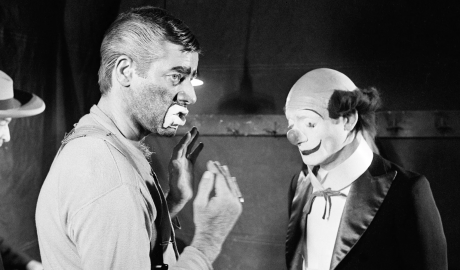
My honest opinion of Jack Lemmon (1925-2001) is that he was always an engaging actor and sometimes an extraordinary one, but his performances began to feel overly neurotic and mannered when he hit his late 30s, or roughly from ’64 onward. His best period began with Mr. Roberts (’55) and ended with The Fortune Cookie (’66) — an eleven-year stretch. His peak years amounted to only four — Operation Mad Ball (’57) to Some Like It Hot (’59) and The Apartment (’60).

Posted on 9.8.19: “Lemmon was the hottest guy in Hollywood after starring in the one-two punch of Some Like It Hot (’59) and The Apartment (’60), both directed and co-written by Billy Wilder. Because the latter mixed ascerbic humor and frankly sexual situations, Lemmon was offered almost nothing but frothy sex comedies for five years following The Apartment.

The only decent film he made during this period was Blake EdwardsDays of Wine and Roses (’62).

“The sex comedies were The Wackiest Ship in the Army (’60), The Notorious Landlady (’62), Irma la Douce (’63, minor Wilder), Under the Yum Yum Tree (’63), Good Neighbor Sam (’64) and How To Murder Your Wife (’65). He also costarred that year in The Great Race, a period costume comedy about arch humor, empty artifice and scenic splendor.

“Lemmon finally broke out of that shallow, synthetic cycle with Wilder’s The Fortune Cookie (’66). Not grade-A Wilder but certainly half-decent, and a great boost for Walter Matthau. And then Luv, The Odd Couple, The April Fools, The Out-of-Towners, Kotch, Avanti! and Save the Tiger. And then he hit another wall with Wilder’s The Front Page.

“The Lemmonisms are all over Save The Tiger (’72), but five or six scenes in that film are true and on-target, and that ain’t hay. His performance in The China Syndrome also made me snap to attention. Ditto Ed Horman in Missing.”

I relate to the Lemmon profile in David Thomson‘s “The New Biographical Dictionary of Film” (2002 edition), page 513:

“I have to confess that sometimes one squeeze of Lemmon is enough to set my teeth on edge. There’s no doubt that, as a younger actor, Lemmon could be very funny. He is very skilled, meticulous and yet — it seems to me — an abject, ingratiating parody of himself.

“Long ago worry set in. The detail of his work turned fussy, nagging and anal. His mannerisms are now like a miser’s coins. There have been a few films — like James Foley‘s Glengarry Glen Ross (’92) — that used this demented worryguts as necessary material. And Lemmon is very good in that film. But far too often, he stops his own roles and starts preaching anxiety, leading everything away from life and into the jitters.”

They’ve Never Forgotten

Last night some neo-Nazi hooligans protested the first preview performance of Jason Robert Brown and Alfred Uhry‘s Parade, a 1998 historical musical that’s being revived at the Bernard B. Jacobs theatre (242 West 45th Street).

It dramatizes the trial, imprisonment and lynching of Leo Frank, a Jewish factory superintendent who was falsely convicted of the murder of a 13-year-old employee, Mary Phagan, in 1913 Atlanta. After his sentence was commuted to life imprisonment in 1915, Frank was seized by an anti-Semitic mob and hanged from a tree in Marietta, Georgia — Phegan’s home town.

Ben Platt (Dear Evan Hansen) plays Frank in the stage revival. Last night he posted a statement about the anti-Semitic protest.

I don’t have much interest in catching Parade, but this morning I was recalling my one and only viewing of Mervyn LeRoy‘s They Won’t Forget, a 1937 drama based on the same tragedy.

Pic was based on Ward Greene‘s “Death in the Deep South,” a fictionalized account of the Frank case. It starred Claude Rains, Gloria Dickson, Edward Norris and — in her feature debut — Lana Turner.

For decades LeRoy successfully functioned as a smooth and dependable house director of big-studio features — The Wizard Of Oz (partially — Victor Fleming received credit), Thirty seconds Over Tokyo, Little Women, Any Number Can Play, Quo Vadis?, Million Dollar Mwemaid, Mister Roberts, No Time for Sergeants, The FBI Story, The Devil at 4 O’Clock, A Majority of One, Gypsy. But he made his best films in the early to mid ’30s — Little Ceasar, I Am a Fugitive from a Chain Gang and They Won’t Forget.

Consider how LeRoy concluded Forget‘s lynching scene — not with a literal depiction but a snagging of a mail sack as a train speeds by. That’s John Ford-level expressionism.

Parade will open on 3.16.

Repeating “Maverick” Mantra: Lightning Can Strike Again

A while back I tried to sell my Paramount homies on a special Top Gun: Maverick HE advertorial. The idea had already been written and posted on 1.13.23 — I just wanted to repeat it with a little Paramount dough behind me. The piece was titled “A Film That Saved Hollywood Could Also Save The Oscars.”

It seemed like the right pitch, and if you ask me this was underlined by the fact that Paramount recently launched a billboard ad campaign that echoed what my piece said.

At a time when the old energy current between Hollywood and mainstream audiences seemed to be dropping left and right, Top Gun: Maverick had pumped new life into the spirit of things, and should be roundly celebrated for reaching out and connecting…for making something actually happen in theatres at a time when too many films seemed to be limping along.

A Best Picture Oscar for a movie that had not only restored faith in exhibition but in Hollywood itself.

The current Paramount slogan says it all: BELIEVE IN MOVIES AGAIN. Which translates to BELIEVE IN HOW MOVES WERE DURING THE OBAMA ADMINISTRATION AND BEFORE. Which also translates into BELIEVE IN THE FUTURE and the distinct possibility that more films like Top Gun: Maverick could pop the champagne as long as Hollywood takes heed and acts upon the obvious.

Which is this: Joe and Jane Popcorn are sick of instructional woke content (identity politics, progressive guilt-tripping, historical presentism, torture-rack flicks like Last Night in Soho, a general aversion to anything rooted in straight-white-male perspectives, movies that constantly hammer the Millennial-Zoomer BIPOC gay trans #MeToo boogaloo…films that insist that entitled white assholes need to be scolded blah blah).

Joe and Jane Popcorn to Elite Hollywood Wankers: Whatever happened to movies like The Wedding Crashers, Tropic Thunder, Manchester By The Sea, Her, A Separation, Sicario, Leviathan, Hell or High Water, Call Me By Your Name, The Social Network, Superbad, Whiplash, The Witch, etc.? How about unwoke-ing your sorry asses and keeping it that way for the foreeeable future? And making more upcoming films like Ben Affleck and Matt Damon‘s Air? And while you’re at it, fire the Woke Award-Season Mafia goons and all the kiss-asses who keep pushing movies that make people miserable.

Alternate headline: “Make Joe & Jane Popcorn Happy, And They’ll Return The Favor In Spades.”

2nd Alternate headline: “Listen to Barry Diller!”

Read more

HE Puzzle-Gamed By “Knock At The Cabin”

Last night I finally saw M. Night Shyamalan’s Knock At The Cabin. It’s more of a mystifying situational conceit than what most of us would call a movie or even a campfire tale. It’s based on Paul Tremblay‘s “The Cabin At The End of The World,” which I haven’t read. But the screenplay, co-authored by Shyamalan, Steve Desmond and Michael Sherman, feels like a surreal dream (i.e., arresting impressions minus a compelling narrative) that was never developed into the kind of thing that most films need — i.e., a story that coheres.

Is it okay to defy conventional storytelling logic in order to create a conceptual horror film version of a Luis Bunuel film (i.e., a kind of Exterminating Angel set in a woodsy cabin)? Yeah, you can do that, sure. But guys like me don’t have to like it, much less recommend it to their readers.

There’s a fanciful notion here — i.e., a couple of guys being asked to sacrifice one of their lives in order to stop a worldwide apocalypse — and I’m telling you it doesn’t pay off or hang together. Not even a little bit. I realize I’m obliged to at least consider it as Bunuel-influenced but my gut still wants to call it precious bullshit.

And how, by the way, does a gay couple’s experience with homophobia from all sides….how does this connect with a global apocalypse or, for that matter, an invading foursome (Tankbod Ripplehead, Nikki Amuka-Bird, Abby Quinn, Rupert Grint) who are described near the end as the Four Horsemen of the Apocalypse?

Which reminds me: Has anyone even thought of, much less seen, Vincent Minnelli‘s The Four Horsemen of the Aoocalypse (’62)? A MGM release that ran 153 nminutes, it costarred Glenn Ford, Ingrid Thulin (they exchanged fluids off-screen), Charles Boyer, Lee J. Cobb, Paul Lukas and Yvette Mimieux. I’ve never seen it, but I presume it was problematic

Boiled down, Knock At The Cabin is just a single-location “who dies and who lives?” thing, fortified or ornamented with a series of spooky end-of-the-world panoramas.

The best performance by far comes from Kristen Cui, who plays the adopted daughter of Jonathan Groff and Ben Aldridge‘s married couple.

Speaking as a serious fan of Groff (especially his starring performance in Mindhunter, which is only five or six years old), I was horrified to notice that he’s losing that young-guy physique and is becoming a bit stocky…no! What’s next — he grows a beard, puts on another 10 or 15 pounds and becomes a bear?

After Cabin ended I bolted upright, walked out to the lobby and immediately read the Wikipedia synopsis to see if I’d missed anything. I hadn’t. There’s a term for a movie like this — burn.

Why is it called Knock At The Cabin? Why isn’t it called A Knock At A Cabin? Why isn’t it called Tankbod Has An Axe?

Read more

Great Cartoonist, Excellent Fellow

Cartoonist and longtime chum Chris Browne, son of Hi & Lois and Hagar the Horrible creator Dik Browne and the guy behind the Hagar strip since ’88, has gone to Valhalla. His ship left port sometime yesterday. He and the Viking God Odin are now equally eternal, and I really wish Chris was still mortal, not just for his sake but my own. I really loved the guy.

The Remembering,” posted on 4.6.18: “In the spring of ’80 I took cartoonist and longtime friend Chris Browne to an early press screening of The Shining. The old Warner screening room at 75 Rockefeller Plaza, I mean, on the eighth floor. Plush, nicely carpeted, 103 seats.

Browne has been drawing the “Hagar the Horrible” strip since ’88, and is quite the guy in cartoonist circles. But he was in a not-yet place back in ’80.

We were shown the slightly longer version that ended with Overlook manager Barry Nelson visiting Shelley Duvall in a hospital room after Jack Nicholson‘s frozen-icicle death. Like Steven Spielberg after his initial viewing, I wasn’t all that knocked out. It was only years later, having watched The Shining for the eleventh or twelfth time (who remembers?), that I realized it had seeped into my system and taken hold in some curious way.

A few critics were there along with Buck Henry (glasses, tan baseball cap), Malcolm McDowell and Mary Steenburgen.

As soon as the lights came up Browne whipped out his sketch pad and, in the space of two or three minutes, drew a cartoon of Henry and his friends in their seats, their eyes wide with terror and with little piss puddles on the floor below. Browne went up to Henry in the downstairs lobby and showed him the drawing. I can recall Henry’s dryly bemused expression with absolute clarity.

Yesterday I wrote Chris on Messenger and asked if he still had that drawing. If so I asked if there was a chance he could scan it and send it my way. Or, failing that, if could he re-draw it and send it along. (As noted, the original only took him three minutes to draw it inside the screening room.) Chris graciously agreed to re-draw it but (a) without McDowell or Steenburgen, and (b) without the pee puddles. So here’s Buck again, and here’s to the lightning-fast creative derring-do of Chris Browne.

Death on a Bender,” posted on 3.20.07:

A pass-along from renowned cartoonist and old-time (i.e, ’70s and early ’80s hangover) Connecticut friend Chris Browne, who’s been writing and drawing “Hagar the Horrible” since 1988.

By The Measure of Howard Hawks (’23 Edition)

Every year Hollywood Elsewhere subjects the leading Best Picture contenders to the Howard Hawks grading system. The legendary director is famed for having said that a good movie (or a formidable Oscar-seeker) always has “three great scenes and no bad ones.”

Hawks also defined a good director as “someone who doesn’t annoy you.” I don’t want to sound unduly harsh or dismissive but I’m afraid that the Daniels’ direction of Everything Everywhere All at Once…’nuff said.

How do the leading 2023 Best Picture contender films (numbering ten) rate on the Hawks chart? Here we go…

1. Edward Berger‘s All Quiet on the Western Front (Netflix): I’m thinking of several good or very good scenes that happen during the last 20 or 25 minutes, but no great ones. Paul (Felix Kammerer) and Kat (Albrecht Schuch) steal a goose from a farm they’d stolen from earlier, but Kat is shot by the farmer’s young son and dies. General Friedrichs (Devid Striesow) maliciously orders an attack to start 15 minutes before the 11 am ceasefire. And during the final battle Paul is killed with a bayonet, only a little before 11 am. AQOWF is indisputably urgent and compelling and often jarring, but I can’t honestly say that it contains a great scene, much less three of themk.

2. James Cameron‘s Avatar: The Way of Water (Disney): The climactic 45-minute battle aboard the sinking bad-guy craft — I think it’s fair to call this a great scene. But that’s the only one. Everything in this film is highly involving and proficient and certainly eye-filling, but emotionally and thematically it doesn’t really stay with you. Hawks shakes his head.

3. Martin McDonagh‘s The Banshees of Inisherin (Searchlight): It has a few weird scenes and a couple that stand out in a certain off-kilter way, but none that really sink in — not in a way that really kicks up the dust and feels great. If you disagree please tell me what I’m missing or have forgotten. The cute little donkey choking to death on one of Brendan Gleeson‘s stubby fingers? That was just weird. Kerry Condon gently rejecting Barry Keoghan‘s proposal to become Mrs. Village Idiot…kind of a gulp moment. Condon’s dialogue aside, everything said in this film is eccentric and moody and nhilist. And yet it stays with you after it’s over. How many great scenes? I’m sorry but none.

4. Baz Luhrman‘s Elvis (Warner Bros.): The first very good scene is when Colonel Parker (Tom Hanks) realizes that the unknown Elvis Presley (Austin Butler) is perfect rocket-fuel — a white guy who sings black, and who also has an intense sexual rapport with the girls in the audience. The second keeper is Presley’s 1968 NBC comeback special. The third is when fat Elvis sings “Unchained Melody” at the very end. These are certainly standout scenes, but I can’t honestly call them great. Hawks is underwhelmed.

5. Daniel Kwan and Daniel Scheinert‘s Everything Everywhere All at Once (A24): This alternate-universe hellscape subjects viewers to cruel and unusual punishment, regardless of whichever universe it may be happening in. For this is a 139-minute excursion into mind-boggling, brain-taffy torture. And yet it has one excellent scene, which happens inside Jamie Lee Curtis‘s IRS office at the end. Michelle Yeoh‘s Evelyn briefly slips into a daydream about her alternate selves and the multiverse blah blah, and when Deirdre asks if she’s paying attention Evelyn says, “I’m sorry…were you saying something?” Perfect! This is the only great scene though.

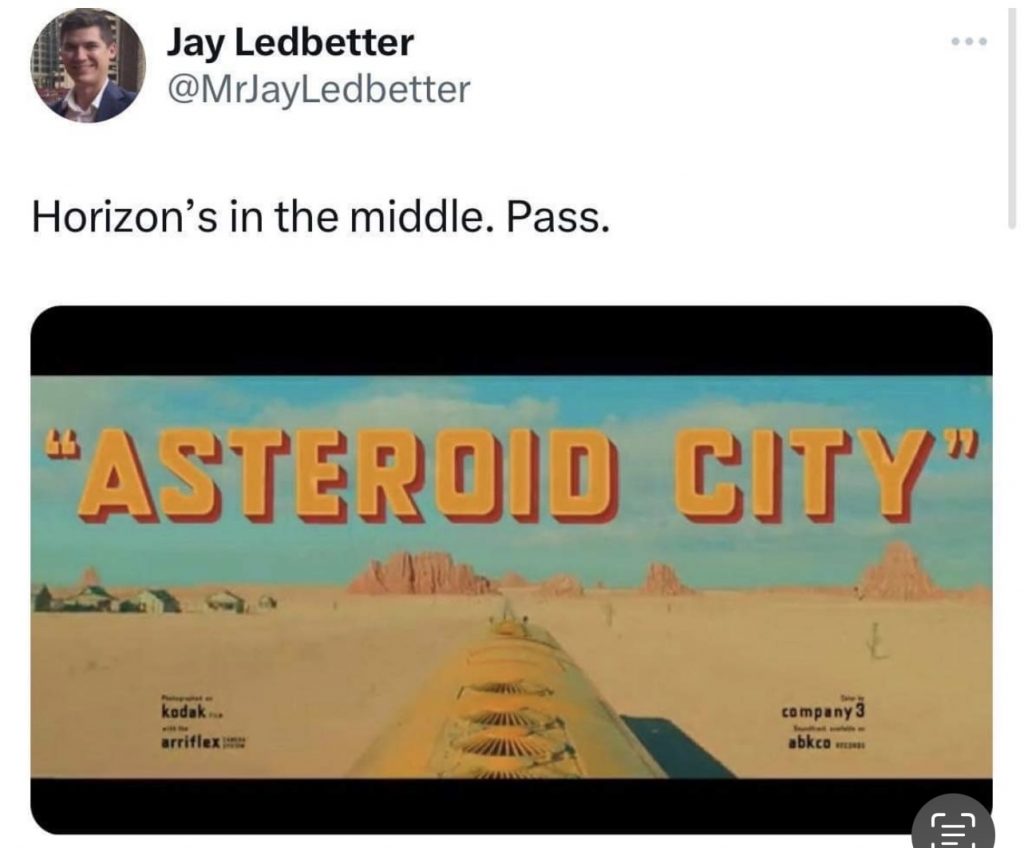
6. Steven Spielberg‘s The Fabelmans (Universal): Three strong scenes — Sammy giving direction to a young actor prior to shooting Nazis vs. good guys war footage, Judd Hirsch delivering his bedroom rant about destiny, and Sammy explaining to his dad that he created a muzzle-flash effect by sticking pins into certain frames in the celluloid. The one great scene is when blustery and cantakerous John Ford barks at Sammy about what constitutes interesting vs. shit-level horizon lines. Overall The Fabelmans isn’t a bad film, but it flunks the Hawks test.

7. Todd Field‘s Tár (Focus Features): One great scene: at Juilliard Lydia (Cate Blanchett) exchanges challenging, brittle words with Max (Zethphan Smith-Gneist) about his disdain for white cisgender composers like Johann Sebastian Bach. Intriguing creepy scene #1: Running through a Berlin park, Lydia is startled by a woman screaming in the woods, but she never explores what happened or who it was or anything. Intriguing creepy scene #2: While searching around in a dank basement of a rundown Berlin apartment building, Lydia is freaked by the sight of a huge black dog, or maybe a timber wolf. She runs up the concrete stairs and falls on her face. Shocking scene: The dismissed Lydia slips into a live performance of Mahler’s Fifth and violently assaults her replacement, Eliot (Mark Strong). Alas, Tar‘s one great scene equals a failing grade.

8. Joseph Kosinski and Jerry Bruckheimer‘s Top Gun: Maverick (Paramount): In a way the entire film is filled with “great” scenes, if you accept the idea that Maverick is perfectly fused and calculated — every scene is part of a single unpretentious, super-glammy, crowd-pleasing whole. Okay, it has no great scenes but is filled with dozens of good and very good ones. TG:M is the most satisfying, least problematic film of the year, plus it earned a shitload of dough.

9. Ruben Ostlund‘s Triangle of Sadness (Neon): An ascerbic social satire that has a few stand-out moments, but no great scenes…sorry.

10. Sarah Polley‘s Women Talking (UA Releasing): It’s a decent dialogue-driven film that should have been called Decision To Leave, but it has no great scenes…sorry. I don’t even think it has any extra-good ones. It’s just a sturdy, workmanlike thing with good performances all around.

In sum, not one of the ten Best Picture nominees satisfies the Hawks definition of a really good film. But of the ten, Top Gun: Maverick is easily the “best”.

Riseborough-Deadwyler Santa Barbara Kerfuffle

The woke take on the Danielle Deadwyler-Viola Davis-Gina-Prince Blythewood shut-out narrative is summed up in two articles — a 2.7.23 Hollywood Reporter piece by Woman King director Gina Prince-Blythewood and Rebecca Keegan, and a day-old BBC.com article by Steven McIntosh, based on a Deadwyler interview.

Friendo #1: “I don’t have a lot of skin in this game. I haven’t seen either Till or To Leslie. But I do have two thoughts regarding this issue.

“1. If anyone bumped Viola Davis or Danielle Deadwyler out of the five Best Actress slots, it was Michelle Williams. I don’t know a single person who likes her performance, and quite a few think she’s downright terrible in The Fabelmans, (I personally think she’s basically ‘meh’ in the film). So when I saw she was nominated, I was totally gobsmacked.

“2. The fact that an Asian woman (Michelle Yeoh) and a Latina (Ana de Armas) were nominated means 40% of the nominees in the Best Actress category are minorities. The fact that Gina Prince-Blythewood and Danielle Deadwyler are now accusing the Academy of being ‘so white’ again says to me that the people following this path are showing that they have little or no solidarity with other minorities and people of color. It’s not a good look, and I don’t think will gain them a lot of sympathy.”

Friendo #2: “In the grand scheme of things, who cares if Dave Karger interviews you onstage at the Santa Barbara Film Festival? And I do think that Riseborough had something to lose. The woke ‘take’ on this (I put take in quotes because I think the take is insane — absolutely psychotic) is that there was something racist in what went down. Who wants to show up for an interview, even with Dave ‘Softball’ Karger, and confront a hint of that kind of energy in the room? Riseborough was totally right to sidestep the whole thing until the ‘racist’ taint blows over.”

Friendo #3: “The Michelle Williams theory is dumb. She was ALWAYS a presumptive nominee. These Fabelmans haters really have a hard time with certain aspects of reality, and her performance is exactly what it’s meant to be.

“I certainly agree it wasn’t Riseborough’s intent to push Deadwyler out. But that’s the perception of what happened, and with Prince-Blythewood weighing in and all the other factors, the hurt feelings and accusations of systemic racism are gonna continue.

“And if people like Prince-Blythewood keep making simplistic gender and race-reversed stuff like The Woman King with the expectation that Hollywood is just gonna reflexively give them awards for them, the whole mess is only gonna get worse. Miss me with that nonsense.

“And yeah, if I were Deadwyler’s rep, I’d absolutely say ‘if Riseborough comes to Santa Barbara, we’re out.’

“It’s equally plausible that Santa Barbara honchos saw the writing on the wall and exercised prior restraint.”

Friendo #4: “Perhaps Deadwyler did’t push hard enough. She may have figured that she had a significant boxcheck in her favor — a woman of color playing a grieving mother of a victim on a hate crime — and that wasn’t enough. As far as the Santa Barbara thing goes, it’s a shame that there’s not going to be an intelligent discussion or maybe even a debate between Deadwyler and Riseborough…not a Maury Povich-Geraldo Rivera knock-0down, drag-out brawl but an elevated mutually respected woman-to-woman discussion about what they both did and how this has all played out.”

How To Talk Like A Woke Candy-Ass

The following suggestions are exercises in Orwellian neuter-speak, and Jeremiah Owyang, CMO of @rlynetworkassoc (advisor, speaker), is exactly the kind of fellow that I never, ever want to be or even get close to.

If you have any affection at all for vivid, arresting, semi-flavorful language or ripe figures of speech…please. Joan Didion, Tom Wolfe, William Styron, Toni Morrison, Dorothy Parker, Studs Terkel, Charles Bukowski, F. Scott Fitzgerald, Ernest Hemingway, Eugene O’Neil, Jack Kerouac, Truman Capote…they’d all be appalled.

Friendo: “Might as well just hand it all over to ChatGPT or whatever that open AI system is. I hate what has happened to the left.”