

Told by Bill Maher to Cedric the Entertainer…begins at zero and ends at 2:35.
slider
“Nope” Encounter
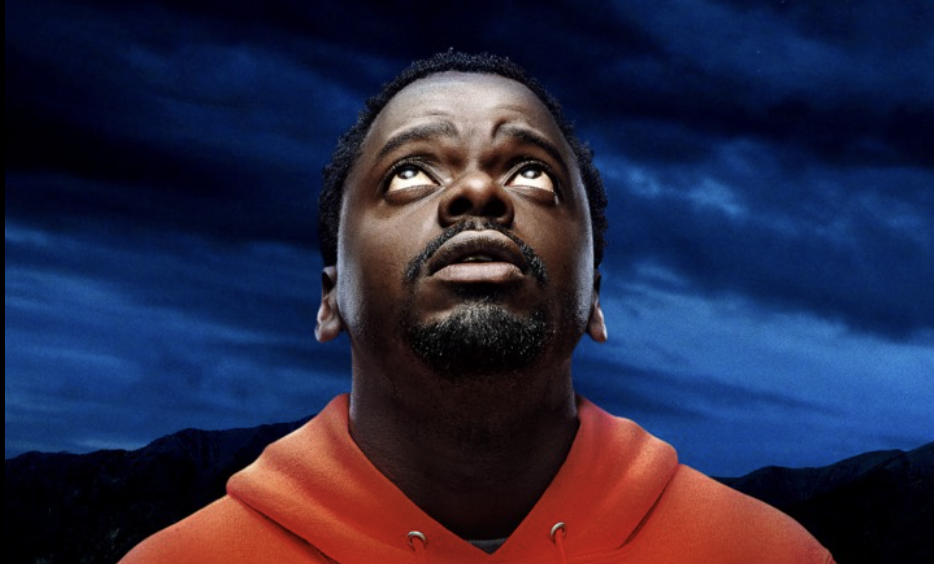
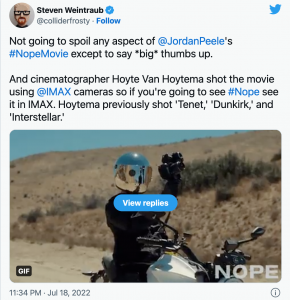
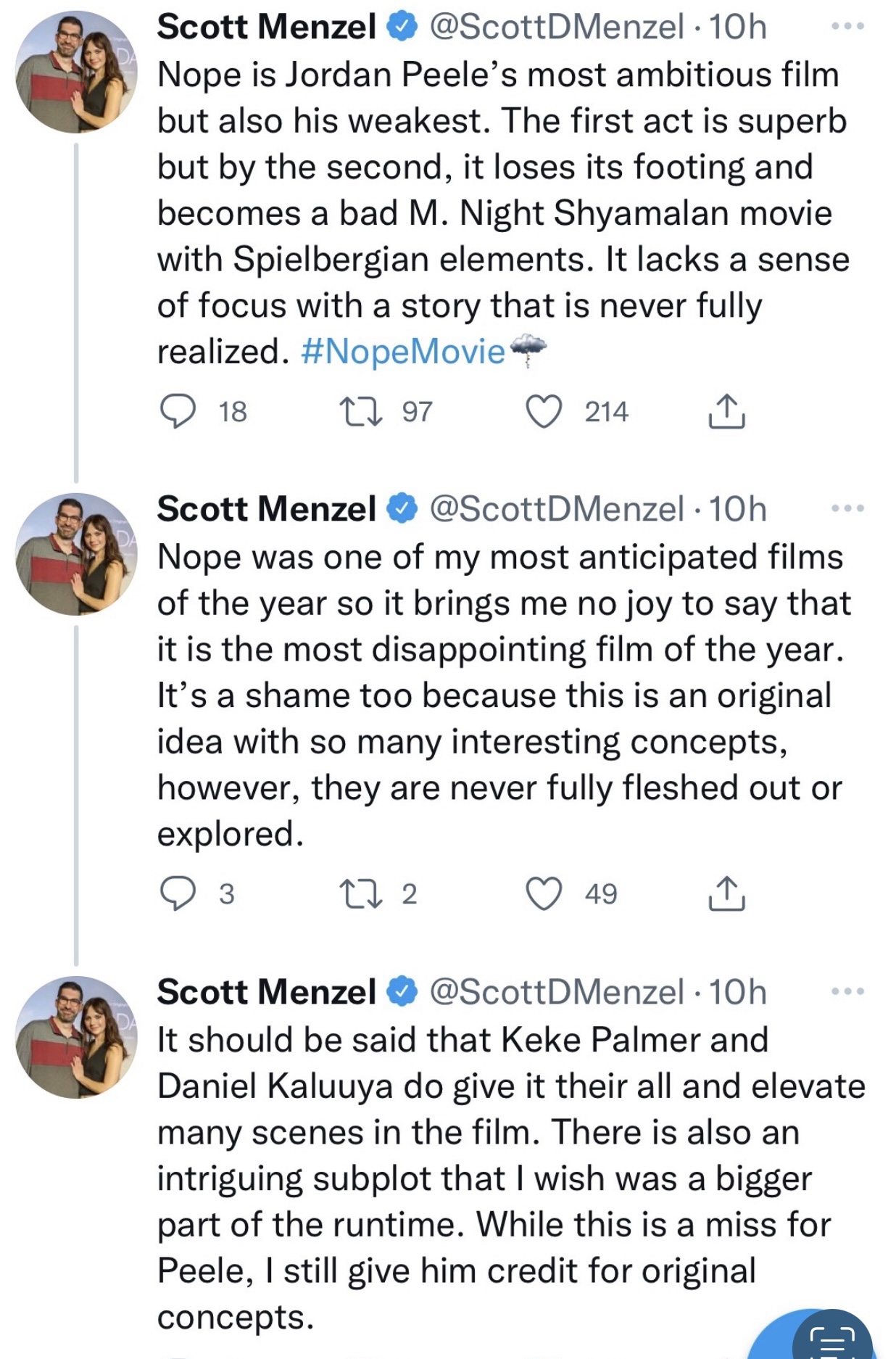
Jordan Peele‘s Nope opens on Friday, 7.22, which really means Thursday night. I’ll catch it at 7 pm this evening.
Premise: “After random objects falling from the sky result in the death of their father, ranch-owning siblings OJ and Emerald Haywood (Daniel Kaluuya, Keke Palmer) attempt to capture video evidence of an unidentified flying object with the help of tech salesman Angel Torres (Brandon Perea) and documentarian Antlers Holst (Michael Wincott).”
If your first name is Antlers, what do your friends call you — Ant? Anty?
A Mouse, A Pussy or a Wet Noodle?

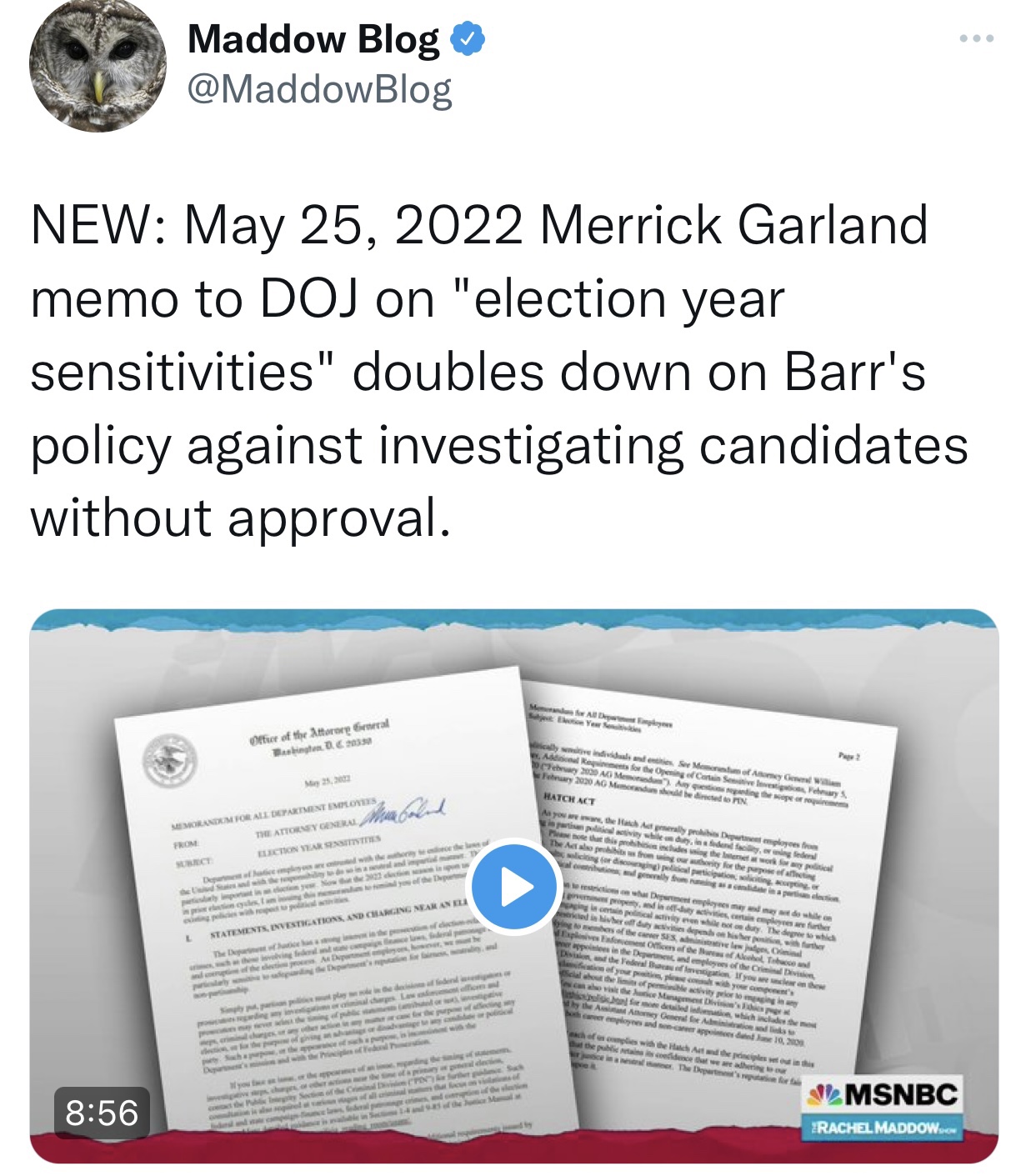
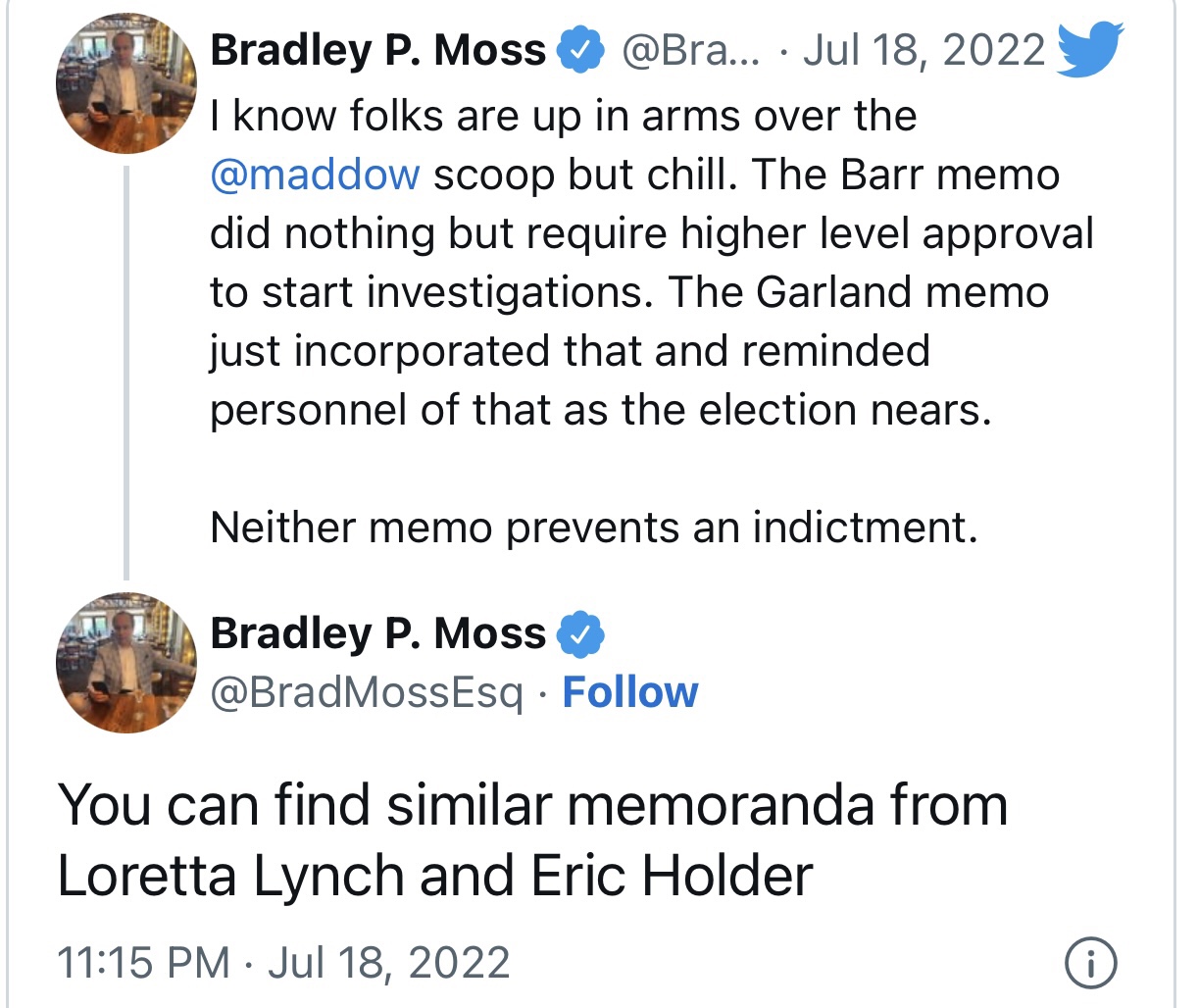
This is it, a document that contains smoking-gun proof that Attorney General Merrick Garland is committed first and foremost to political caution and squeamishness when it comes to the absolute necessity of prosecuting the only U.S. President in history to ignite mob rebellion against this country’s Constitutional system of transfer of Presidential power and scheme to overturn a legit election through manipulation and skullduggery. Donald Trump is an animal and a sociopath, and if the U.S. Justice Dept. doesn’t stand up and prosecute his loathsome ass then we are no longer a law-abiding Democracy and the concept of equal justice under law is meaningless — it’s that simple.

What’s Up With “Nope”?
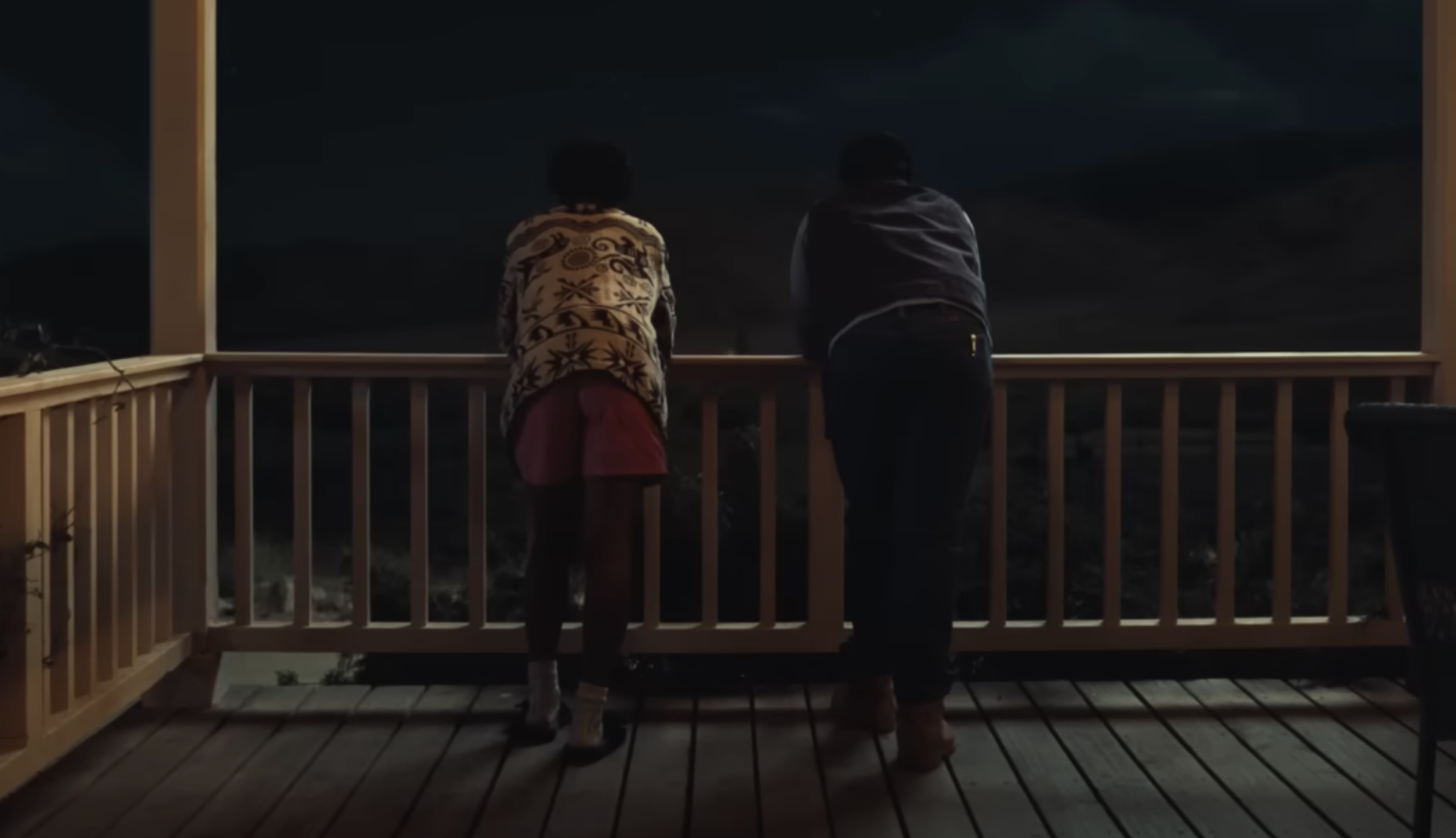
Jordan Peele‘s Nope opens seven days hence (7.22), and there’s no buzz at all. Donut. The first critics screenings begin next week. This doesn’t necessarily “mean” anything as distribs often screen horror films at the last minute.
Peele has made three features (Get Out, Us, Nope), has had two massive hits and become a brand, and many (including the absolutely relentless Bob Strauss) still swear by Get Out.
“It’s not Rosemary’s Baby but what is?,” a friend says. “But it’s infinitely better than The Stepford Wives.”
Peele, I replied, is a commercial filmmaker working in the thriller-horror-spooker field. He is what he is, but he’s not a 21st Century Rod Serling or Roald Dahl or Ira Levin.
Friendo: “The jury’s out, I think, on where he’s going.”
HE: “Strictly a genre tickler.
Friendo: “I think he’s very gifted. If he’s smart, he’ll make Nope his last horror film for a while.”
HE: “Due respect but I don’t think he knows how to do anything more than try to be the black Rod Serling. Except he never wrote anything like Patterns or Requiem for a Heavyweight.”
Friendo: “You think Get Out is decent but overrated, overly praised because of the woke factor, etc. I think it’s singular and gripping. Us didn’t quite work, but I think Get Out makes its mark.”
HE: “You know that story about Jordan having shot Get Out as a horror film AND as a comedy, and that he wasn’t sure which way to go but he finally figured it out in editing…right? This helps explain why Lil Rel Howery is clearly a character with comic attitude — the guy delivering comic relief.
Friendo: “That’s interesting. That would make it a rival to Ralph Rosenblum’s great story of how Annie Hall found its narrative form, its vibe, and its very identity as a romantic comedy through his editing of it. Of course, the thing about horror and comedy is that they’ve always gone together. The three greatest horror movies of the last 65 years — Psycho, Rosemary’s Baby and The Texas Chainsaw Massacre — are all, on some level, horror comedies.”
HE: “That’s a very sophisticated (as in highly perverse) viewpoint, calling Psycho and Rosemary’s Baby comedies. I’ll allow that if you stretch the idea of ‘comedy’ to its breaking point, you could say that these two films are flavored with exceedingly dry comedy here and there. They’re basically low-key, naturalistic horror films flecked with dry humor here and there, but they hardly qualify as comedies.
Roberts Career Overview
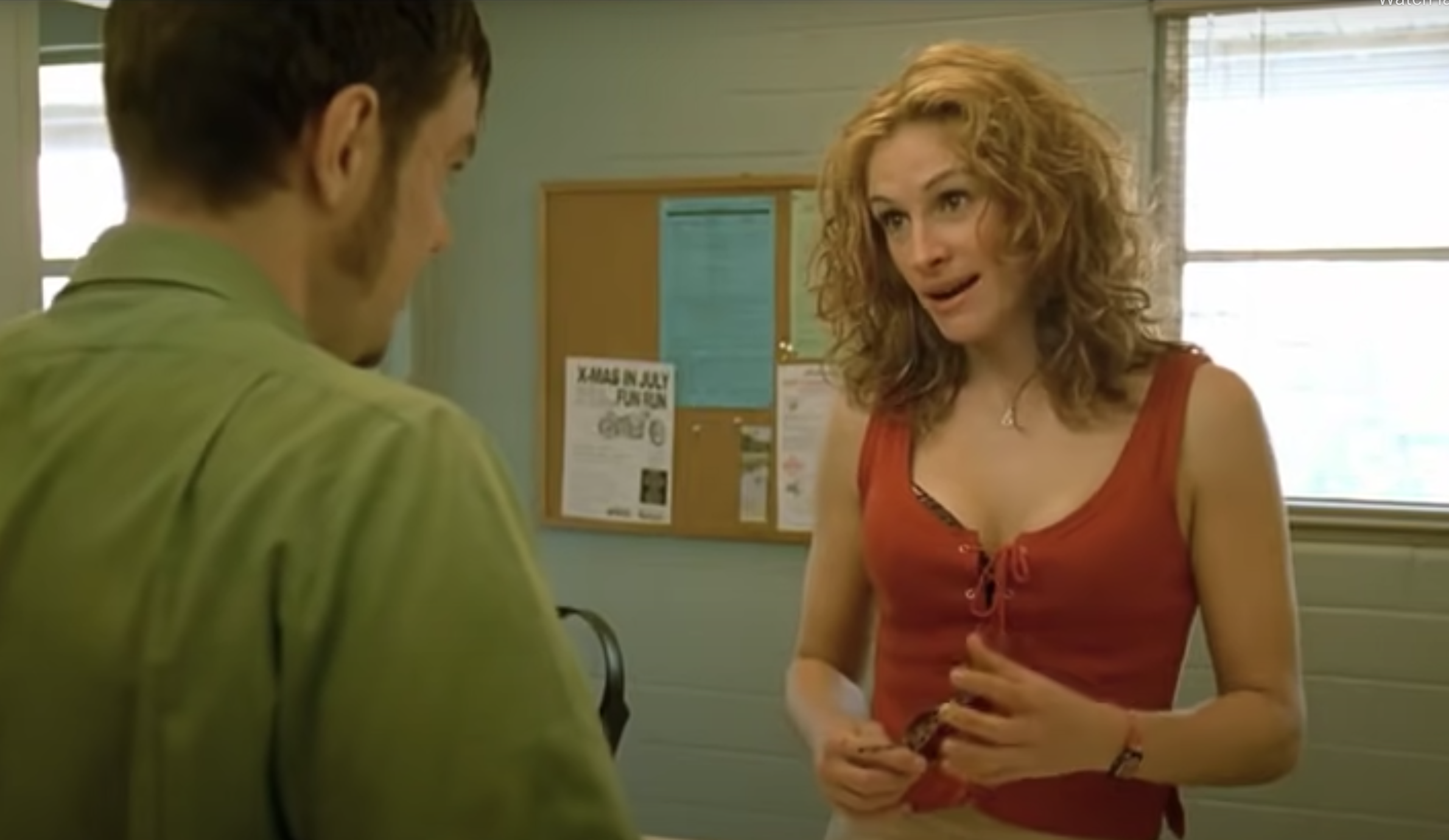
On 10.15.22 Julia Roberts will receive an Academy Museum Icon Award at a special gala fundraiser. Revenue from the event will benefit AMPAS and the Academy Museum (aka “Woke House“).
This is not an equivalent of Roberts (now in her mid 50s) receiving an AFI Life Achievement award, but it’s in the same ballpark. One of these years she’ll be so honored by the AFI; she might also one day receive a special career Oscar. So let’s ask what her career has really amounted to in terms of serious cred, and which performances are the real keepers.
For me the Roberts performances that really count are not her romcom and grounded-romantic-formula roles, because she’s been doing them since the late ’80s and can perform them in her sleep — Pretty Woman, My Best Friend’s Wedding, Runaway Bride, Notting Hill, Everyone Says I Love You, the forthcoming Ticket to Paradise. I’m not saying her romcom performances aren’t enjoyable or effective — I’m saying they don’t seem to represent any great effort on her part. Maybe it’s unfair to say that. I recognize that “comedy is hard.”
I respect her decent-enough thrillers — Sleeping With The Enemy, The Pelican Brief, Duplicity — but we all understand that Roberts’ manner of acting never seems to fit into the thriller mode.
I do, however, worship her real-pain performances in Steven Soderbergh‘s Erin Brockovich, John Wells‘ August: Osage County, Mike Nichols‘ Closer and her recent Martha Mitchell performance in Gaslit. To me these four are bullet-proof.
And I adore the scene in Ocean’s Twelve when she plays a Julia Roberts lookalike (Tess Ocean, the ex-wife of George Clooney‘s Danny Ocean) and then talks to her actual self on the phone…the one scene in her entire career that made me fall on the floor.


Deep Freeze

It was reported yesterday that a 64-year-old Florida woman has been charged with failing to report her mother’s death.
The charge was filed more than two months after the mother’s body was found in a freezer in the home they shared. The accused told investigators she bought the deep freezer and put her mother’s body in it so she could keep receiving her disability payments.
In short, real life has mirrored the plots of two interesting films.
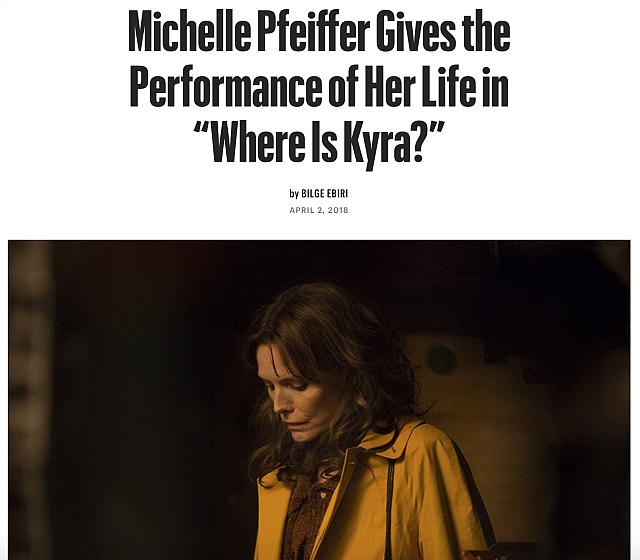
One, Andrew Dosunmu‘s Where Is Kyra? (’17), a funereal drama about a middle-aged woman (Michelle Pfeiffer) who not only doesn’t report her mother’s death but pretends to be her mother (i.e., dressing up like her, wearing a wig) so she can pick up those disability checks.
And two, Richard Linklater‘s Bernie (’11), about the 1996 murder of 81-year-old millionairess Marjorie Nugent (Shirley MacLaine) in Carthage, Texas, by her 39-year-old companion, Bernhardt “Bernie” Tiede (Jack Black). After killing Nugent Tiede hid her body in a large freezer inside their home.
Where Is Kyra? opened more than four years ago, and I’ll bet less than 10% of HE regulars have seen it. If that.
HE assessment of Where Is Kyra?, posted on 4.2.18: I’ve been saying all along that Where is Kyra? is “grade A within its realm” and that Michelle Pfeiffer‘s performance is quite the tour de force, but it’s the kind of film that will empty your soul and drain you of any will to live.
I’m not disagreeing with Village Voice critic Bilge Ebiri, whose article, “Michelle Pfeiffer Gives the Performance of Her Life in Where Is Kyra?“, teems with high praise. I’m saying “yeah, it’s very well made but don’t see it if you’re the type that occasionally thinks about suicide because it’ll push you into the abyss.”
I mentioned this impression to Ebiri this morning, and he replied “good…a movie that can convey the exhaustion and desperation of poverty to that degree is essential, and rare.” Yeah, it conveys that, all right, but I know if I consider this kind of creative deliverance to be “essential.”
Nobody Has A Perfect Marriage
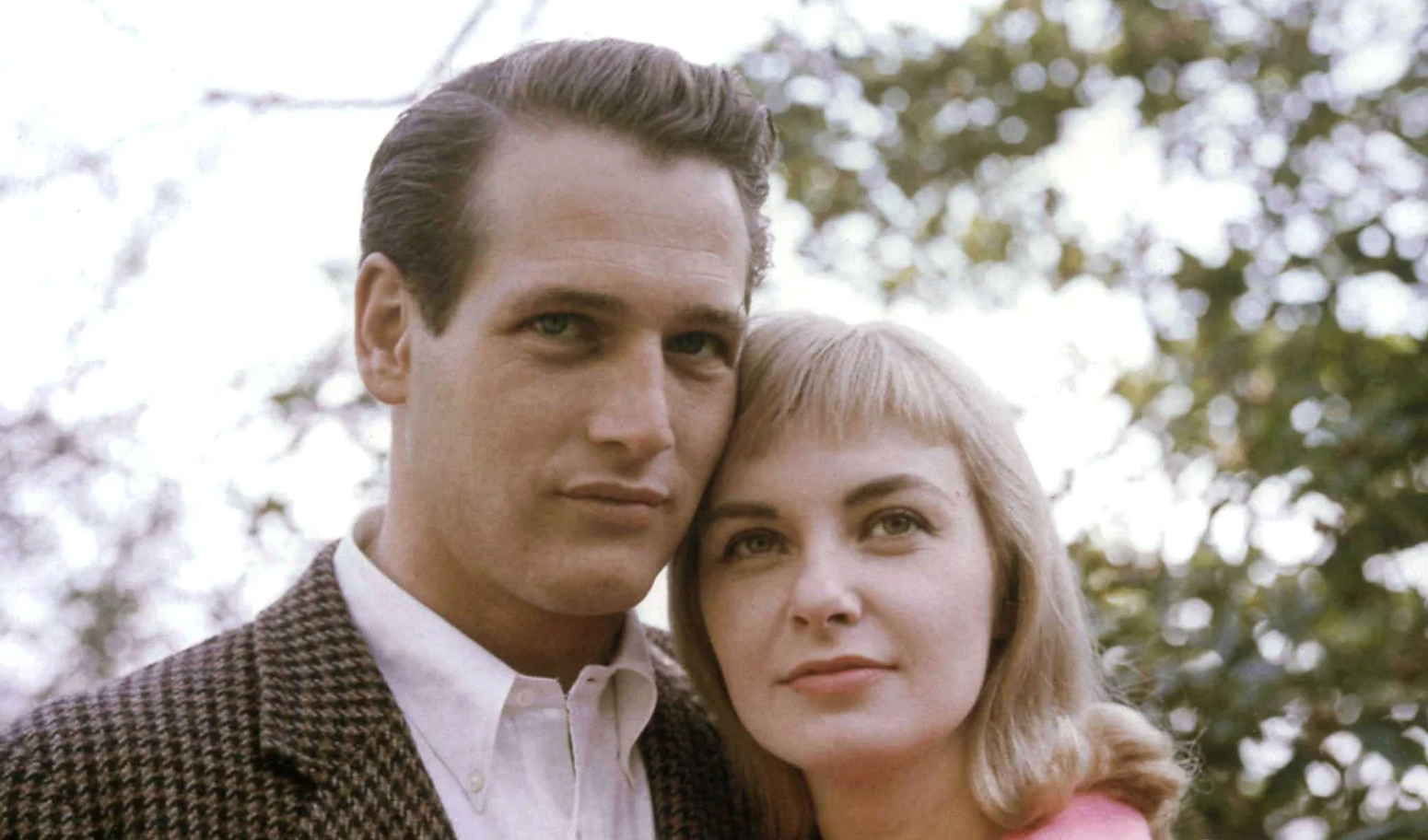
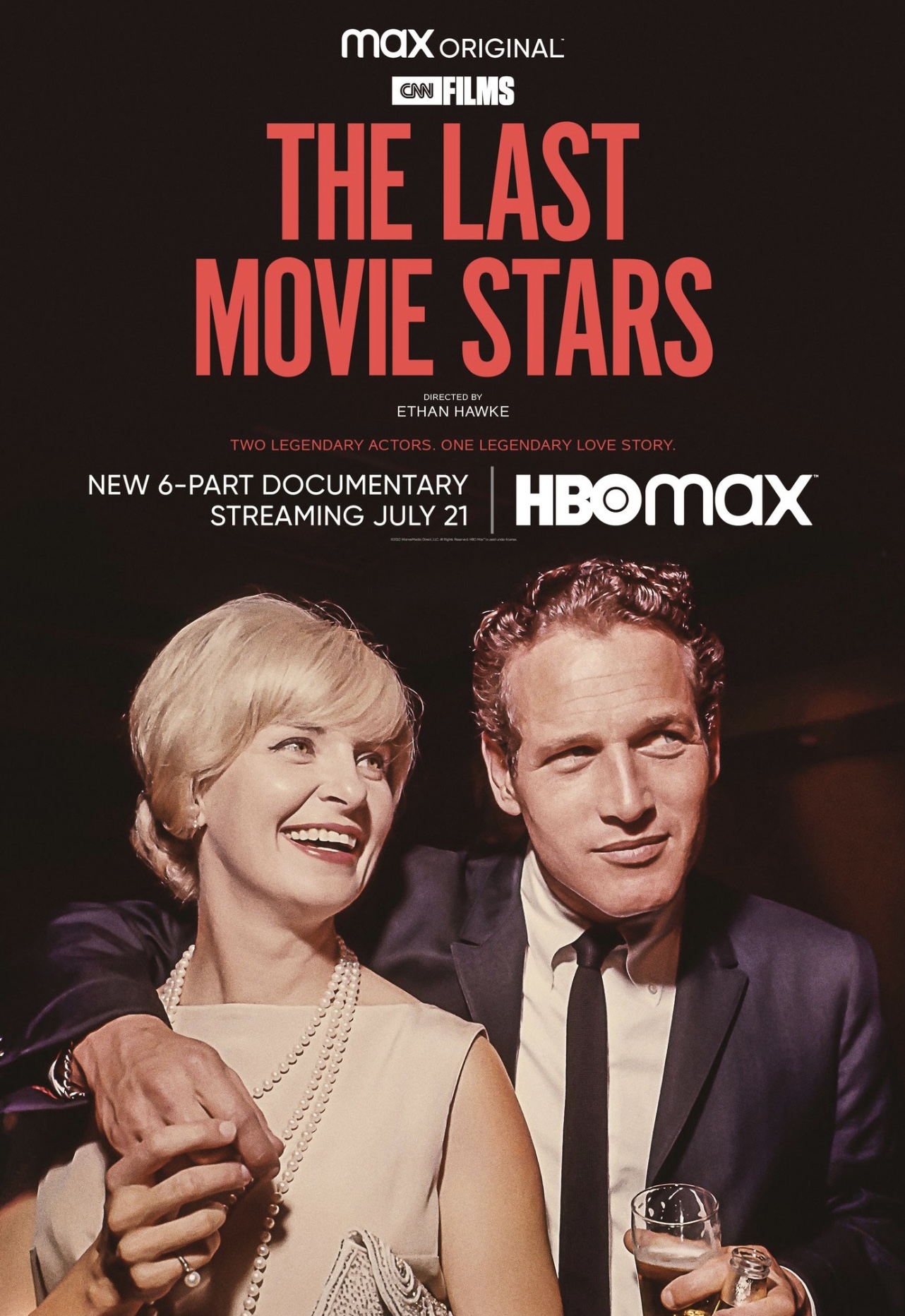
After debuting at SXSW last March, Ethan Hawke‘s The Last Movie Stars, a six-part doc about the lives and careers of Paul Newman and Joanne Woodward, will begin streaming on HBO Max on 7.21.
I watched the first episode last March, and it’s clear that the focus is on what a wonderful, cooler-than-cool, super-glorious relationship Paul and Joanne had. They first met in ’53 or thereabouts, got married in 1958 and stayed together for 50 years. Paul died on 9.26.08.
To me the relentlessly celebrated mythology of Paul and Joanne’s marriage has always felt a tiny bit bothersome. As in less than trustworthy.
No marriage is easy or perfect or without issues. A workable, tolerable marriage is almost always the result of very hard work — all kinds of soul-barings, renegotiations and reappraisals at the kitchen table. Which is why portrayals of the Newman-Woodward marriage never seemed quite real to me.
Did they in fact have a strong and healthy marriage? All the accounts say yes, but to me the only thing that makes their history recognizably human (which is to say flawed) is the affair that Paul had with journalist Nancy Bacon in ’68 and ’69. An account of the affair was included in Shawn Levy‘s “Paul Newman: A Life” (2009).
If Ethan’s miniseries goes there, fine. But if he avoids it, he’s a sidestepper.
Friendo who knows the Newman-Woodward story and has dealt with the Newman family: “I haven’t watched the doc, but I’m sure it’s authorized, and as the surviving Newmans don’t care for anything remotely negative being said about their patriarch, I’m confident that it will avoid all unpleasant or even circumspect episodes/behaviors.
“[That said], I do believe that it was a truly golden relationship, built on mutual respect, amusement, tolerance, even passion. So, yeah, too good to be true, but also — for the most part — true.”
And you know what? For the sin of mentioning the 18-month Bacon episode I’m going to be attacked. Because people want to believe what they want to believe.
Disbelief Isn’t Entertaining

I disengaged from the Ghost Protocol Burj Khalifa scene almost immediately.
Tom Cruise‘s right-hand grip glove stopped working after 90 seconds of use, he fell 15 or 20 feet but stopped the fall with one grip-glove (the left one), used a firehouse to run down the outside of the bulding and then, toward the end, rappelled along the outside of the building and then leapt toward the open, glass-free window panel. Bullshit. I was so overwhelmed by skepticism that I couldn’t enjoy it.
But Matt Damon’s telling of the “safety guy” story to Conan O’Brien, which I only just listened to this morning…this is entertaining. Why? Because it reveals a certain kind of character trait — hardcore and perfectionist and focused only on the prize — in a funny way.
Father & Son, Still Bickering
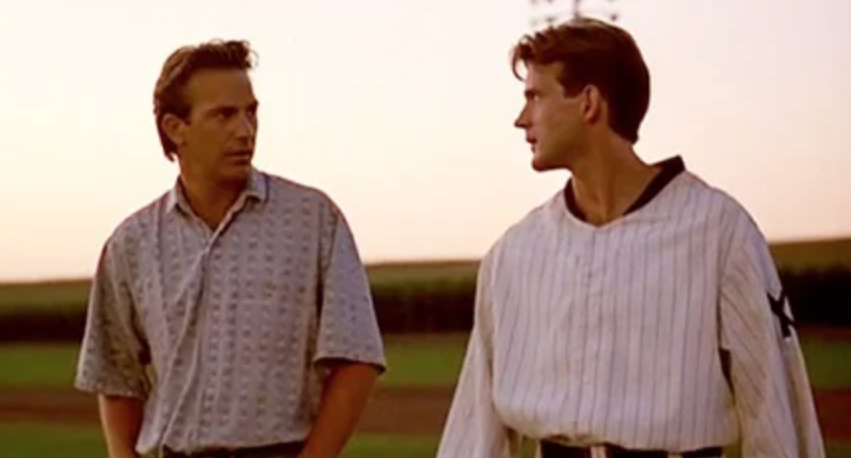
[Originally posted on 8.13.21] At the very end of Field of Dreams, a conversation between Ray Kinsella (Kevin Costner) and the ghost of his dad, John (Dwier Brown):
Ray: Is there a heaven?
John: I…I really wish I could tell you.
Ray: But you just asked me if this baseball diamond, upon which we’re both standing right now, is heaven.
John: Yeah.
Ray: But what could I possibly know? You’re dead and you don’t know the basic picture?
John: Okay…Ray?
Ray: You were alive once. You know what it’s like. Nobody really knows anything.
John: I don’t think we need to argue about this…do we, Ray? I’m just happy to be here. Let’s leave it at that. I love you and I’ve missed you. Being with you right now is a blessing.
Ray: Dad, you just asked me if this is heaven. In other words, since you died you’ve been somewhere else, so to speak. A place that didn’t feel like heaven. What was that place? Tell me a thing or two…c’mon.
John: Wow, we’re arguing.
Ray: I love you too, Dad, but would you please answer me?
John: I don’t know what happened when I died, Ray. Honestly, I don’t remember anything. I do know that all of a sudden I was in a baseball uniform and I had my old beat-up catcher’s mitt. It was wonderful, and then I walked through the cornfield.
Ray: Yeah?
John: And here we are.
Ray: This isn’t heaven, dad. It’s a beautiful place but it’s not. You just asked me a straight question and I gave you a straight answer. But you won’t reciprocate. You’re not going to answer my question because ghosts are too heavy-cat to address earthly concerns.
John: I can’t tell you what you want to know.
Ray: You won’t tell me, you mean.
John: I can’t.
Ray: Could you do something else?
John: Sure, Ray. What?
Ray: Try and fix things in heaven so I don’t have to make mortgage payments any more.
John: (eye roll) Ray…
There are two generally understood concepts of heaven. Concept #1 focuses on material-world stuff…pleasure, happiness, fulfillment, great sex, neck rubs, bags of money, great Italian food. Concept #2 is about a bullshit fairy tale after-realm that religious leaders have been selling to their parishioners for centuries, as in “be good and go to heaven.”
I’ve always said that if there’s a heaven, it certainly doesn’t work on a merit or virtuous behavior system. Upon dying everyone becomes Keir Dullea‘s space fetus at the end of 2001: A Space Odyssey, or nobody does.
Trenches and Chateaus

The Criterion Bluray of Paths of Glory looks absolutely perfect. I’ve seen a clean, grade-A print of this 1957 film projected in a first-rate screening room under optimum conditions, and the Criterion exceeds even that standard. It’s fine that Kino is releasing a 4K Bluray on 8.23, but how much better can it look? I’m trying to imagine this as we speak.

Twitter Jackals Determined to Slay Russell

We’re all familiar with David O. Russell‘s reputation for being high-strung and occasionally abusive on film sets, and I wish it were otherwise. And I can’t for the life of me understand how or why the 2011 feel-up incident with his transgender niece Nicole Peloquin occured, or why it resulted in Peloquin filing a police report. (A fair-minded person would at least consider Russell’s statement to the police that Peloquin was “acting very provocative toward him” and invited him to feel her breasts.)
The other side of the consideration coin is that Russell is a genius-level filmmaker — the director of five and arguably six classics of the ’90s and aughts — Flirting with Disaster (’96), Three Kings (’99), I Heart Huckabees (’04), The Fighter (’10), the masterful Silver Linings Playbook (’12) and American Hustle (’13).
We all understand that mentioning artistic accomplishment (i.e., the “some geniuses behave like assholes” argument) doesn’t matter to Twitter jackals and woke accusers. Right now they’re firing their opening salvos at Russell for being, they’re claiming, an all-around abuser and deserving of career death and industry expulsion a la Woody Allen and Roman Polanski. (Here’s a Twitter thread from yesterday, and a Reddit one.)
The feel-up incident was revealed by the 2014 Sony hack, so why wasn’t Russell raked over the coals for this when Joy, a biographical comedy-drama that he directed and wrote, was being promoted seven years ago? Because reputational takedowns and cancel culture weren’t a thing in ’15 — they didn’t manifest until the #MeToo ignition in late ’17.
This is the world in which we now live — if a famous film-industry person had been accused of sexual misconduct and especially if he/she has an unfortunate, years-long pattern of having been abusive to coworkers (which Russell definitely was on the sets of Three Kings, I Heart Huckabees and American Hustle), that person must be sent to the gallows.
And that’s what the jackals are going to try to make happen, apparently, when Russell’s Amsterdam opens on 11.4.22, or during the promotional build-up, I should say.
Abusive film-set behavior will never be excused away by this column. It’s highly unfortunate and, if you ask me, adolescent and inexplicable. Making a film come out right is hard enough without explosive tempers screwing things up.