Feel The Ugly

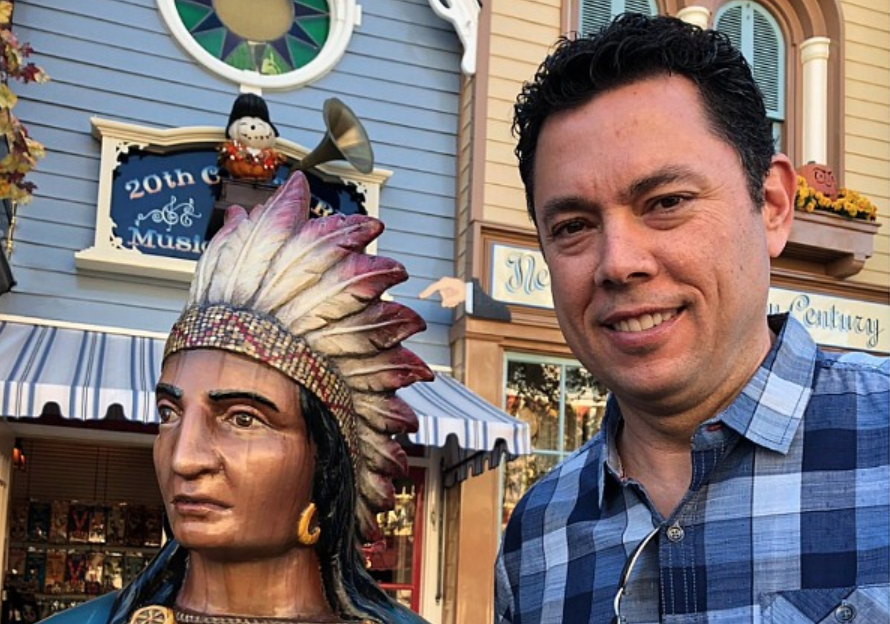
Because all media people are wimpy, mealy-mouthed liars who push fake news about Trump and the right, it’s an excellent thing to cheer and laugh about a belligerent Montana Congressman having assaulted a Guardian reporter a few months ago.

Imagine actually believing this, especially in the wake of Trump’s half-assed equivocation about the Saudi Arabian complicity in the murder of Washington Post journalist Jamal Khashoggi.

Sloppy Drunk

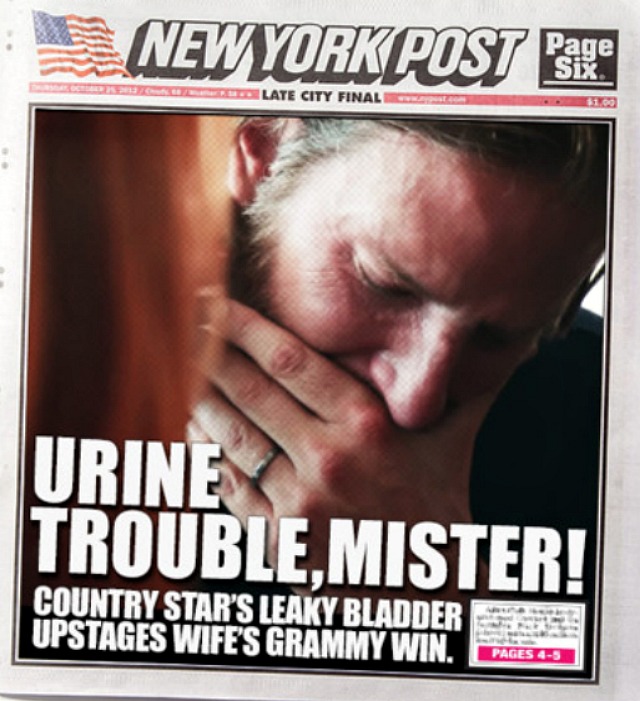
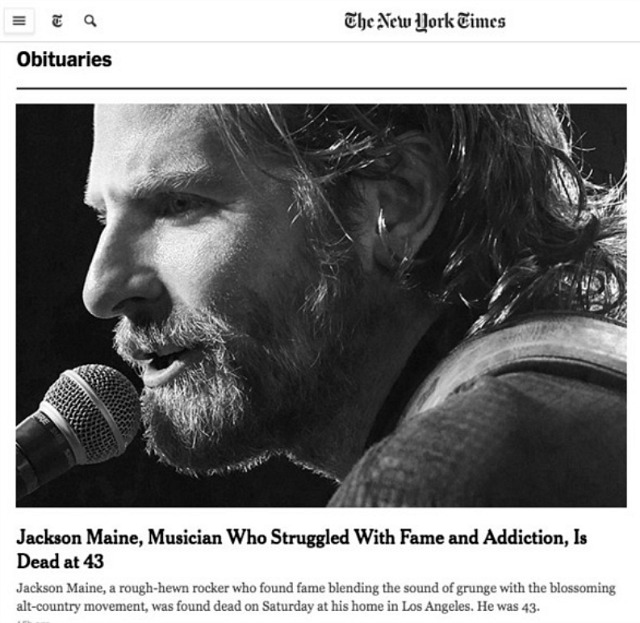
Nate Jones‘ “How the Media Would Have Covered the Events of A Star Is Born,” posted this morning on Vulture, is very funny and spot-on. It spoils the whole film but how can the fifth version of an oft-told showbiz tale possibly be spoiled? (I’m including 1932’s What Price Hollywood? in the rundown — without it there have been four Star Is Born films.) My favorite is the N.Y. Post headline.

A friend: “One of the movie’s biggest flaws is that it doesn’t exist in the world in which stories like this are written and passed around on Twitter, Facebook, Instagram, etc.” No one has any privacy anymore, but Bradley Cooper‘s film kind of ignores this fact. And now Jones has added an element of reality.

Barry Tank

How many ways are woke critics sprinkling raindrops of love upon Barry JenkinsIf Beale Street Could Talk (Annapurna, 11.30)? Answer: They’re workin’ it hard.

In Toronto I wrote that Beale Street is “a decent film in a sluggish, warm-hearted, ‘I love you baby’ sort of way. The two leads, Stephan James and Kiki Layne, are highly appealing in all respects, not the least being that they’re physically beautiful. And I agree that Regina King (who plays Layne’s mom) might land a Best Supporting Actress nomination, but no win.

Beale Street is all about mood and faith and dreamy lovers giving each eye baths. It has no narrative tension or snap, no second act pivot or third-act payoff or anything in the least bit peppy or spunky, much less reach-for-the-skies. It’s languid and sluggish and awash in feeling that isn’t pointed at anything but itself, which is to say Jenkins’ scrupulous loyalty to James Baldwin‘s 1974 novel.

“Not a disaster but definitely minor. James Laxton‘s cinematography and Nicholas Britell‘s musical score are probably the two best elements.”

A tweet this morning from Variety‘s Guy Lodge: “Every petal of memory here is perfectly placed, nested just so, each unfurling the other like the network of a rose. Swoonsome romanticism also teems with hot sociopolitical anger; both literal and sensually inventive in its allegiance to Baldwin.”

Less-than-sincere HE response: “I agree, and it’s so deeply satisfying, I might add, when things don’t break Fonny’s way in terms of his Puerto Rican accuser and he accepts a deal to do several more years in the slam for a crime he didn’t commit. But that’s okay because Tish and the family love him so much. Life is unfair, life is cruel but love endures. Or something like that. And when all else fails, there’s that gentle, amber-lit Wong Kar Wai vibe to soothe everyone’s spirits.”

Read more

Easily One of 21st Century’s Greatest Films

Is there anyone out there who hasn’t seen Cristian Mingiu‘s 4 Months, 3 Weeks and 2 Days (’07)? Or who doesn’t agree with the general consensus that it’s absolutely a genius-level, world-class drama that’s about much more than a couple of women trying to obtain an illegal abortion in socialist Romania in the late ’80s? (Although it certainly is that for starters.) The Criterion Bluray pops on 1.22.19


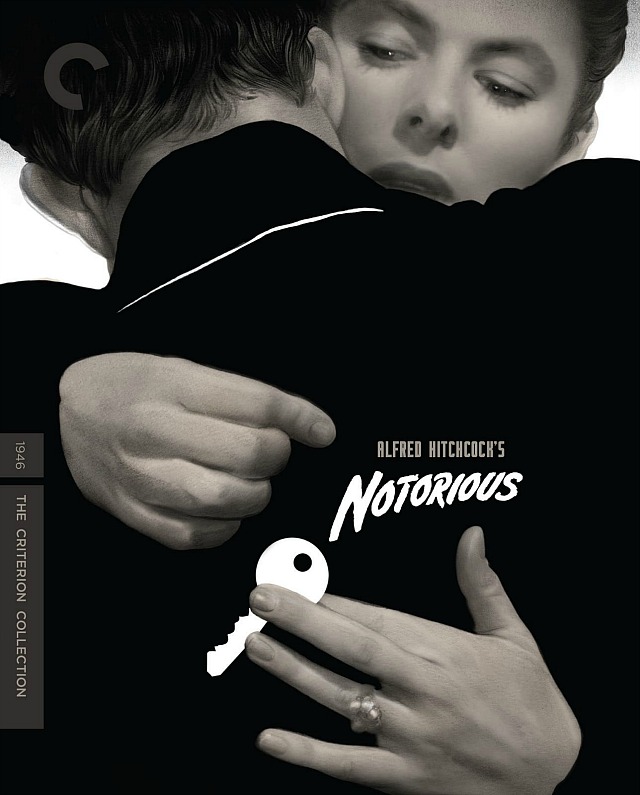
Let me guess: In giving Alfred Hitchcock’s 1946 classic a 4K digital restoration, the Criterion guys are going to make it look darker and inkier, like they did with Rebecca and Only Angels Have Wings…right?

Schrader’s Masterpiece Doesn’t Deserve Indie Ghetto Treatment

This morning I wrote a friend about Paul Schrader‘s First Reformed and the intensely Bressonian lead performance by Ethan Hawke, and how only a few short months ago they both looked like potential Oscar contenders. All the critics called First Reformed a major comeback for Schrader, remember, and all those smooth journos who interviewed Hawke spoke of his performance in hushed tones.

[Click through to full story on HE-plus]

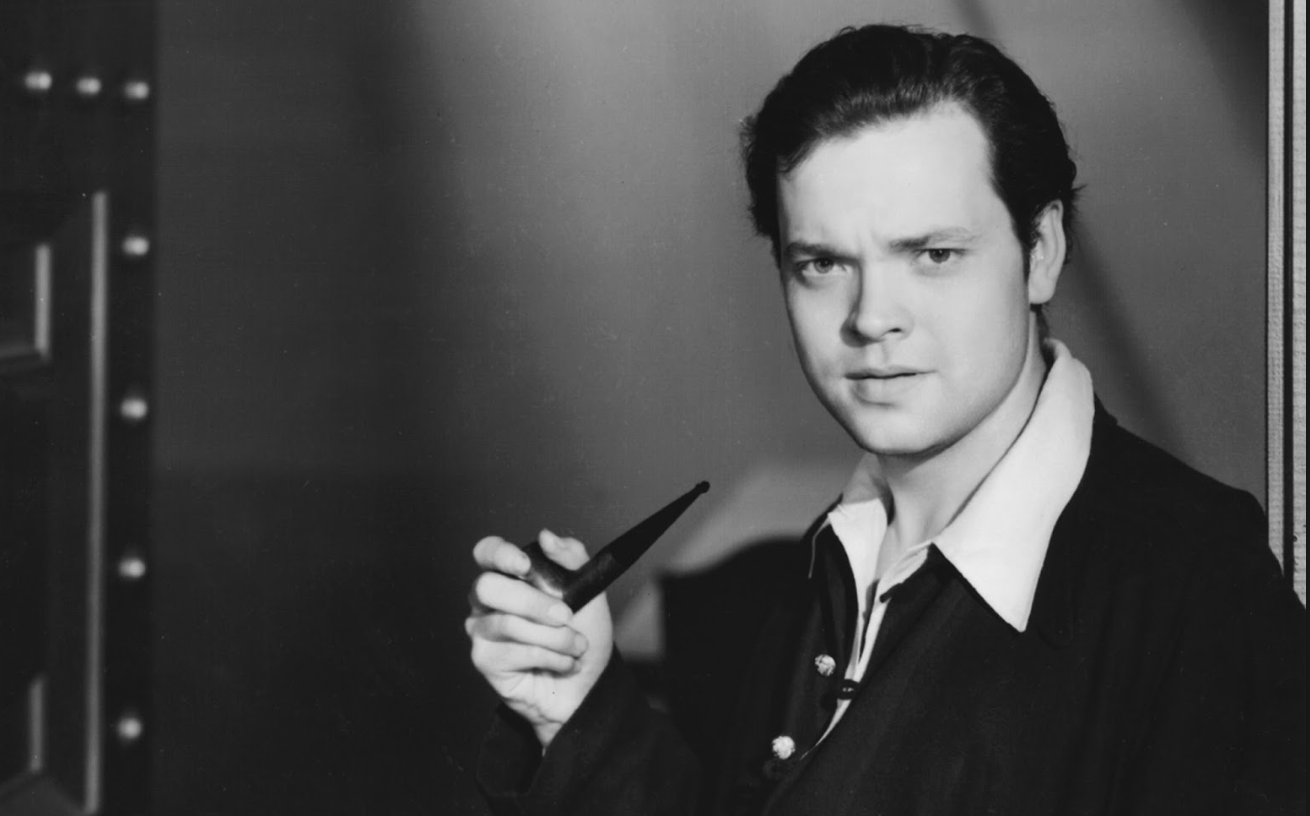
Orson Welles, Brian Wilson and God

Author, critic, film professor and Orson Welles scholar Joseph McBride knows who Orson Welles was as well as anyone, and probably better than most. He recently wrote a Sight & Sound piece about Welles and his final film, The Other Side of the Wind. McBride was personally friendly with Welles, has written three books about him, and played a film critic in Wind.

Last night on Facebook a guy named Michael Karoly asked McBride if Welles liked the films of Jean-Luc Godard. McBride’s posted reply: “I’m not aware of anything he said about Godard. He didn’t see a lot of contemporary movies.”

HE reply to McBride: Wait…WHAT? What serious filmmaker ducked Godard back in the ’60s and ’70s, or for that matter missed “contemporary movies”? Welles was a big fan of the Shaft TV series (according to Todd McCarthy) but as of the late 60s or early 70s, or when you began your friendship with him, he didn’t see many films that were being made back then? During Hollywood’s experimental golden age? To me this indicates that Welles was partly living in a state of vague spiritual nostalgia and withdrawal and in some sense coasting on the fumes of the past.

To paraphrase a Cameron Crowe observation, Orson really was Brian Wilson — on fire and cooking with genius gas from his early to late 20s (mid 1930s to mid 1940s, Wells having been born in 1915) and then…well, then he lived the rest of his life. And there was nothing wrong with that.

From the mid 40s to his death in ‘85, Orson lived large. Ups, downs and all-arounds. Tirelessly creative, always industrious, always writing & pushing, a great gabber. But the creative incandescence happened early in his life (NY theatre, “War of the Worlds” radio broadcast, Citizen Kane, Magnificent Ambersons), and everything he did from the mid 40s on was noteworthy, commendable, European, aspirational, admirable, Shakespearean, etc. But it was basically an aftermath to his brilliant “touched by God, years of lightning” streak.

Just as Brian Wilson’s monumental hot streak lasted four years, or from ‘64 to late ‘67 — from age 22 to 25 or 26. Obviously Orson’s streak lasted longer but the analogy holds.

Read more

Beto in 2020

Beto O’Rourke is going to lose to Ted Cruz in Texas next month, but that might work out because it’ll leave him in a position to run for president in 2020. I really think he should do it. The hour is getting late and the Democrats need somebody strong and flinty to run against President Trump, and the more I kick it around the more I realize it has to be Beto. The Texas Senate race has nationalized him in a positive light. He’s been a U.S. Congressman for five years. He has the moxie and the aura, and there’s no time like right now.

[Click through to full story on HE-plus]

[Click through to full story on HE-plus]

Hooray for Keegan But…

I always want the whole story when I read about someone switching jobs or getting promoted. Example: this morning’s announcement (first reported last night by Brian Stelter) about Vanity Fair Hollywood columnist Rebecca Keegan joining The Hollywood Reporter as senior film editor.

Keegan had written VF’s “Letter From L.A.” and “HWD” newsletters, so who’s taking her place? And her senior film editor title means that Gregg Kilday, a dug-in THR veteran, is…what, suffering a downgrade of some kind? No, I’m told. Keegan simply merited an impressive title. Kilday is ultimately still the film editor and isn’t going anywhere.

Hirings are always described in trade stories as occasions for praise and celebration, but the undercurrent is occasionally about cruel Darwinian process (survival of fittest, dog eat dog, dog won’t return other dog’s phone calls).

Unshaven Armpits

Prior to last night’s London premiere of Suspiria Dakota Johnson flashed her partially unshaven armpits for photographers. Different grooming disciplines for different folks, I suppose, but we all know that the general tendency over the last 15 or 20 has been to trim, snip and shave. Among both genders, I mean. Dakota is an outlier. There’s no way wage-earning women are going to start walking around with bushy armpits…no way. Any more than they’re going to abandon the genital airstrip or chean-shaven aesthetic. When was the last time any woman or man went bushy in any respect? I forget how many years ago it was that Howard Stern spoke about using a razor all over, but he’s not alone.