Schrader Is Done With Sirk

Just over 14 years ago I posted a relatively short riff called “Respectful Sirk Takedown” (2.22.10). Through the ’70s, ’80s, ’90s and aughts I had been constantly berated and belittled by elite film mavens. telling me it was my fault, not Sirk’s, that his films had never come together in my head as wondrous servings of lush “ironic” cinema.

So in my head I finally said “enough!” and posted my critique, and boy, did I get shat and spat upon by the dweebs. I was called a lowlife troglodyte, a vomiting dog, a man without a soul.

So it feels very gratifying that Paul Schrader has just posted along the same lines, saying in effect “is it time for a reassessment of this overpraised mofo?” For years I’ve stood alone against the fiercest of winds. Now, at long last, I have good company.
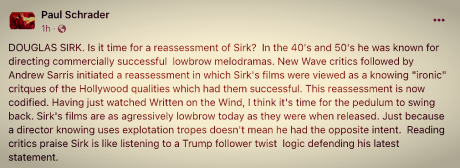
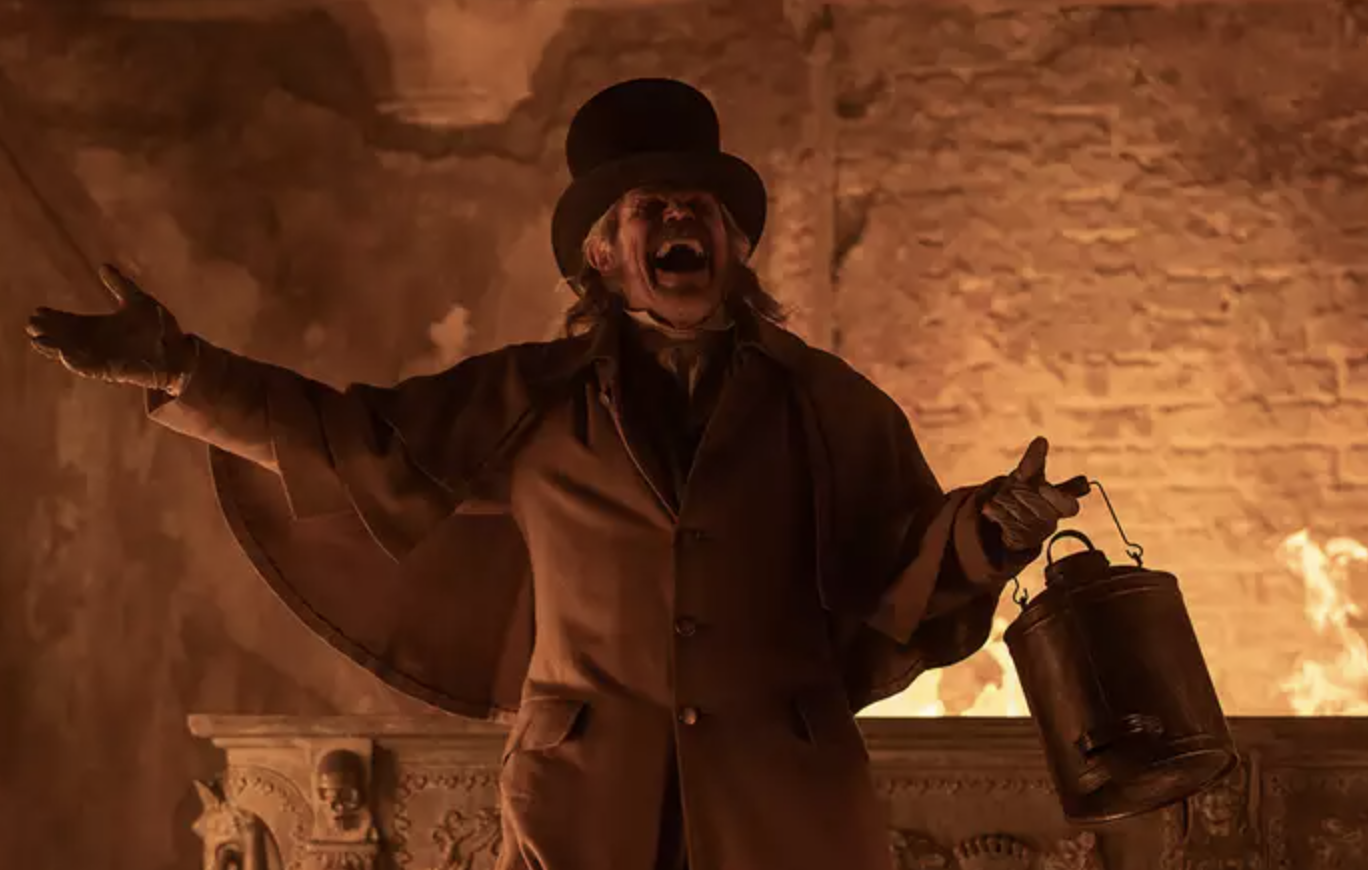
HE’s original piece: The German-born Douglas Sirk has long been considered a world-class, pantheon-level filmmaker. That’s because the film dweebs have been telling us for years that the dreadfully banal soap-opera acting, grandiose emotionalism and conservative suburban milieus in his films are all of an operatic pitch-perfect piece and are meant as ironic social criticism. (Or something like that.)

The dweebs are playing an old snob game. They’re basically saying that you have to be a serious cineaste to recognize Sirk’s genius, and that if you don’t recognize it then you need to think things through because you’re just not as perceptive as you need to be.

There’s no winning against this mindset, which is somewhere between a schoolyard bully move and an intellectual con. The dweebs (and I’m talking about a very small and cloistered group of big-city critics) have put one over on us. And I’m suggesting, due respect, that the time has come to push back on Sirk and to consider him once again as the Guiding Light-level director that some (myself included) believe that he always was.

Sirk was mostly dismissed by critics of the ’50s and early ’60s for making films that were no more and no less than what they seemed to be — i.e., emotionally dreary, visually lush melodramas about repressed women suffering greatly through crises of the heart as they struggled to maintain tidy, ultra-proper appearances.

In his praise of Written on the Wind, Roger Ebert wrote that “to appreciate [this film] probably takes more sophistication than to understand one of Ingmar Bergman‘s masterpieces, because Bergman’s themes are visible and underlined, while with Sirk the style conceals the message.”

Aaaah, the old concealment game! For this is the essence of the Sirk con. John Ford used to “conceal” also, but you can watch Ford’s films, or at least savor what’s good about them (despite the Irish sentimentality). If Ebert’s comment isn’t Orwellian film-dweeb speak, I don’t know what would be.
Comic Relief

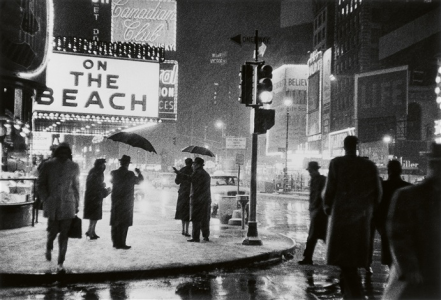
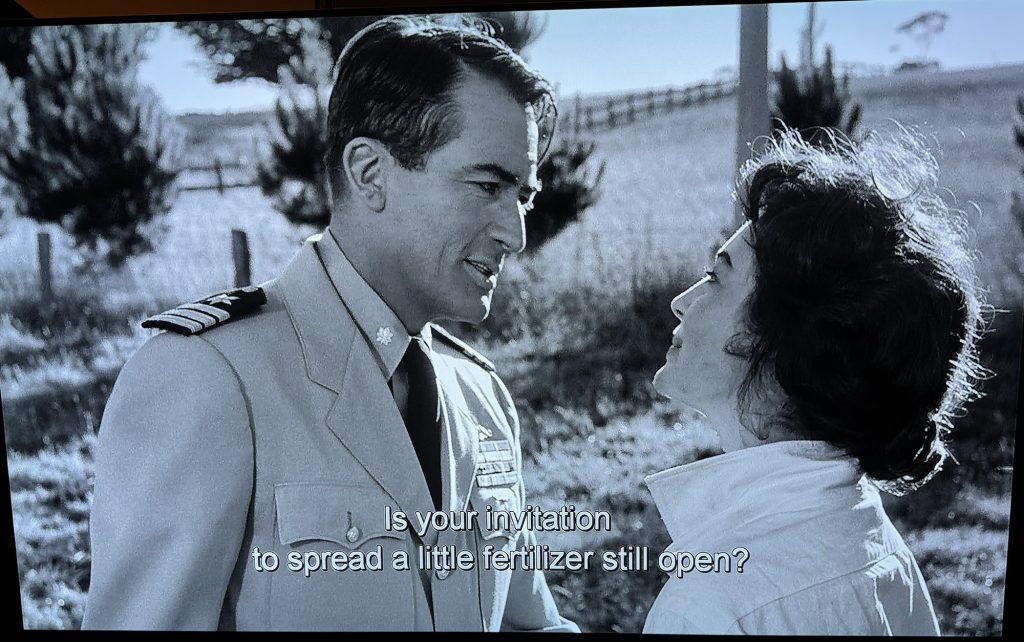
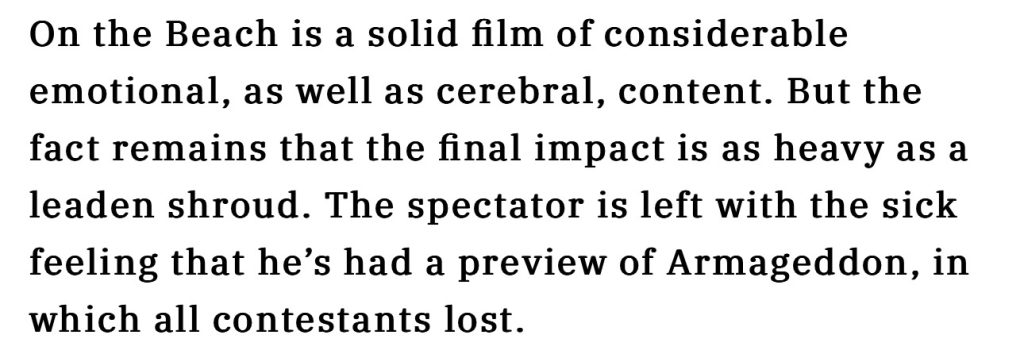
Poor Ava Gardner had recently turned 36 when the filming of On The Beach began in January of ‘59. She looked at least 45…more than a bit puffy, the ravages of a fast life. Stanley Kramer’s apocalyptic drama opened 11 months later, and it lost money, you bet — $700,000 in the red. Educated folk gave it a tumble; Joe and Jane Popcorn mostly said “no thanks”. The fertilizer line is still a howler.

Young Slimeball

Of all the films allegedly destined to play at the 2024 Cannes Film Festival, the only one I’m exceptionally interested in is Ali Abassa‘s The Apprentice. Co-written by Gabriel Sherman and Abassa. Sebastian Stan as Donald Trump, Jeremy Strong as Roy Cohn, Maria Bakalova as Ivana Trump and Martin Donovan as Fred Trump.

I’m A Devout Fan of Bean Sweeney

…but not his granddaughter Sydney…no offense. There’s much, much more to the feminine mystique than the mere possession of a nice rack.

An excerpt from Bernard Girard‘s Dead Heat on a Merry Go-Round (66) in which James Coburn‘s Eli Kotch is speaking to Camilla Sparv‘s Inga Knudson, his love interest:

Coburn: “Bean Sweeney? Did you ever read him?”
Sparv: “Who?”
Coburn: “Bean Sweeney! Fantastic. The first time I read him, I couldn’t write for six weeks. Beautiful man. Said it all.”

I Don’t Like Mondays

Before global warming March in the tristate area tended to prompt morose meditations — more wintry than springy, damp, occasionally mild but just as often a climate best ignored. Daydreams of South Beach, Key West, Turks & Caicos.

But within the last few days the air has become warmish, standing on the Westport train station platform feels less miserable and trees are starting to think about sprouting leaves.

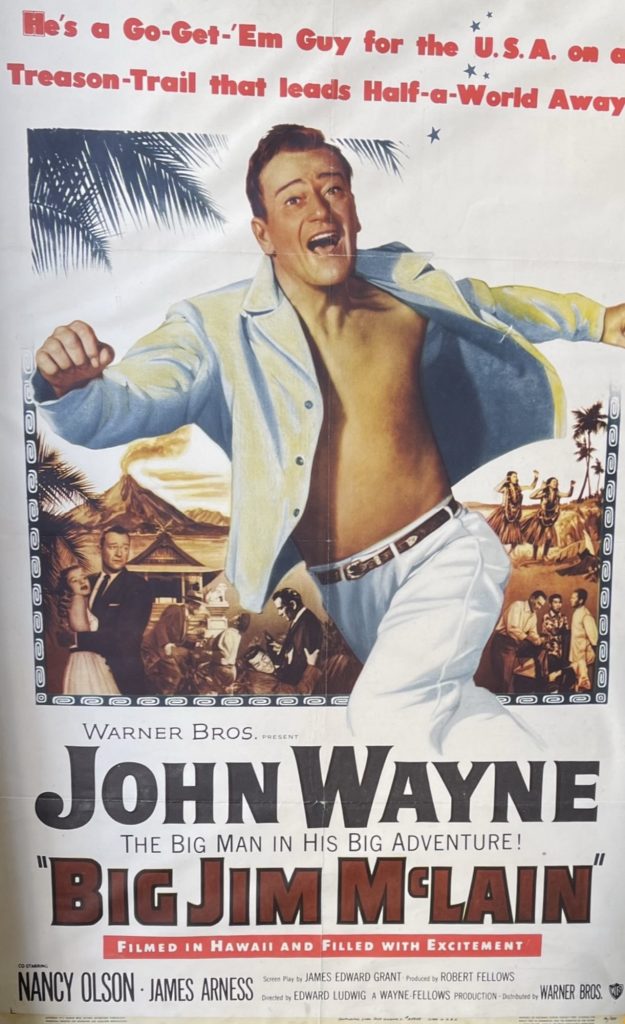
I’ve never seen Big Jim McClain (‘52 — John Wayne vs. Hawaiian Communists) but the term “treason trail” has recently become a mental irritant. James Arness and Nancy Olson costarred.

Robert Downey, Jr.’s bordering-on-bizarre evening wear (maroon tuxedoes, broadly flared suit pants, heavy-soled shoes) should be cause for alarm among decent Americans everywhere.

Wednesday, 3.13Westport, CT.

Attempting To Explain “Horizon” Unity Thing

Some have been saying over the last 48 hours that if Kevin Costner‘s two-part Horizon: An American Saga is deemed Best Picture-worthy, guild and Academy members will have to either vote for Part One (which is opening on 6.28.24) or Part Two (opening on 8.16.24)j, but they can’t vote for Horizon as a single long film with two parts. One or the other.

What are they talking about? Of course they can vote for Horizon as a single entity!

The unified Lawrence of Arabia that we all know is a 227-minute, two-part film separated by an intermission.

After Part One ended at the two-hour mark, the music swelled, the word “Intermission” appeared, the film came to a stop and the lights came up. And then, 15 minutes later, Part Two began and ended 107 minutes later. That’s how it was shown. A lot of industry people voted for it in early ’63, and Lawrence would up winning the Best Picture Oscar.

But let’s imagine that instead of showing Lawrence in one big nearly-four-hour package (including intermission), Lean and Columbia Pictures decided to release Part One in early October of ’62 — a two-hour, World War I-era film about T.E. Lawrence, titling it Lawrence: Cairo to Aqaba. And then in early December they released Part Two, an 107-minute film called Lawrence: Despair and Downfall.

Lean and Columbia explain that they simply felt that the film could be better appreciated in two separate viewings. It’s still the same 227-minute movie — they just decided to show Part One and Part Two separated by two months rather than 15 minutes.

What kind of idiot would say “oh, no…you can’t do that! You can’t show Part One and Part Two eight weeks apart. If you show these films as a pair on a single evening, separated by a 15-minute intermission, fine, But if you can’t show two separate parts and expect us to vote on them as a single film experience….no way!”

What’s the difference between this and how Costner is planning to unveil Horizon, as a two-parter separated by several weeks between openings? Who would prefer it if Costner announced that both parts of Horizon will screen as a single experience, except it will last nearly five hours or maybe longer with an intermission? That sounds like a sore ass to me. I would rather see it in two separate viewing experiences.

Death In A Strip Club

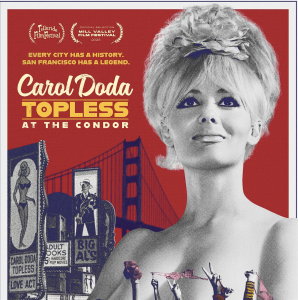
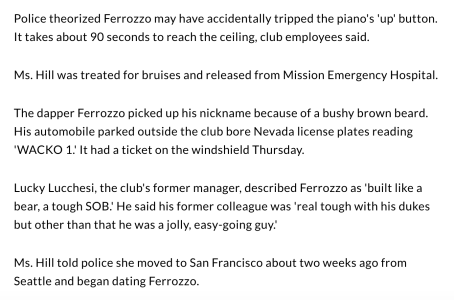
I’ll soon be catching a 3.22 screening of Jonathan Parker and Marlo McKenzie‘s Carol Doda Topless At The Condor. Due respect to the life and legend of the late Carol Doda (i.e., the first-ever topless club dancer), but I’m mostly interested in the bizarre death of Condor Club manager Jimmy Ferrozzo. It happened right around Thanksgiving of 1983. The “beefy” 40-year-old Ferrozzo was crushed to death by a white, hydraulically-lifted piano while he was doing the deed with one of the club’s strippers, 23 year-old Theresa Hill.

Read more

Will You Listen To This Malignant Life Form?

39,000 TikTokers have watched and presumably approved of this childish, pathetic and deeply racist video. The message, obviously, is that the world has too many whiteys, but this drooling moron doesn’t mention the various percentages of white people vs. communities of color in various countries. It’s the percentages that matter. Of the 120 million people living in Brazil, for example, 56% are Black. 14.2 % of the U.S. population identifies as Black, and roughly 59% are white.

@jacobmhoff Follow here and Instagram @jacobmhoff @Samantha Wynn Greenstone ♬ original sound – Jacob Hoff

Obviously Missed A Few

This isn’t a definitive, comprehensive correction of yesterday’s “Eliminating 2024 Best Picgture Contenders” piece, but just a post that adds a few titles. The idea, remember, was to differentiate between films that might have a shot at being in the late ’24 and early ’25 Oscar race, and those that obviously haven’t a prayer.

I didn’t mention Jon WattsWolfs, a George Clooney-Brad Pitt “psychological thriller” of some kind. Why they’ve gone with the non-grammatical Wolfs rather than Wolves is anyone’s guess.

Nor did I mention Robert EggersNosferatu (how many damn Dracula films
have I sat through?…how many more to come?), Justin Kurzel’s The Order (white supremacist baddies),
Duke Johnson’s The Actor,
Ron Howard’s <em>Eden and Richard Linklater’s Nouvelle Vague (currently filming).

I should have included Alex Garland‘s Civil War as a possible Best Picture contender. Obviously my error but as I mentioned a couple of days ago that there’s no trusting SXSW buzz.

I also should have mentioned Terrence Malick’s The Way of the Wind but any film that’s been in post since 2019 has to be regarded askance or at least with a degree of suspicion.

Speaking as a huge fan of Audrey Diwan’s Happening, her forthcoming Emmanuelle…well, who knows but it appears to be a sapphic variation on Just Jaeckin’s 1974 original, which was primarily about softcore titillation.

Clint Eastwood’s Juror No. 2 also should have been mentioned; ditto Luca Guadagnino’s Queer, a script version of which I’ve been sent and have read about half of.

When Chris Halverson had the temerity to suggest that David Leitch‘s The Fall Guy might become this year’s Barbie or Top Gun, I responded as follows: “You’re farting around by even mentioning this kind of flotsam in an award-season context. You can totally, absolutely forget The Fall Guy, obviously a wank-off, jizz-whiz distraction, in any sort of award-season context. Leitch (John Wick, Bullet Train) is clearly a soul-less popcorn exploiter who’s only in it for the money and the cheap highs.”

I was need to repeat this passage: “Paul Mescal and Barry Keoghan are problematic, anti-charismatic actors who alienate as much as attract. At least from HE’s perspective. In my view they are human torpedoes with a bizarre gyroscopic mechanism that causes the cylindrical device to do a 180 once fired and head right back towards the launching submarine. Beware of Keoghan and Mescal!”

The best HE comment about Kevin Costner’s Horizon came from Naido: “Costner is more woke than people remember — he’s just not a post-2016 obsessive. I think his movie will be 10-years-ago-liberal, which will sail by in 2024 though it would’ve taken a beating from 2016-2022. Winds are changing just a bit.”

“Complete Unknown” Chickenshit Nose Strategy

Back in the bad old 20th Century “hook nose”, a perjorative term about Jews, was used here and there. Wikipedia has a “Jewish nose” page, and the first sentence reads as follows: “The Jewish nose, or the Jew’s nose, is an antisemitic ethnic stereotype, referring to a hooked nose with a convex nasal bridge and a downward turn of the tip of the nose.”

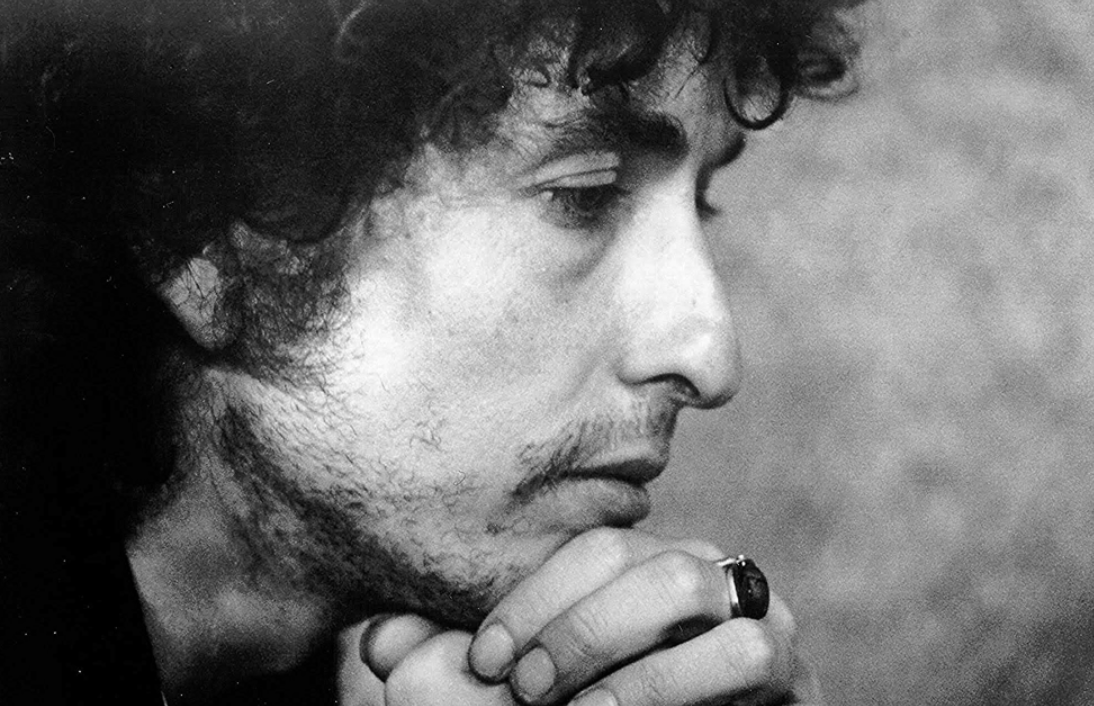
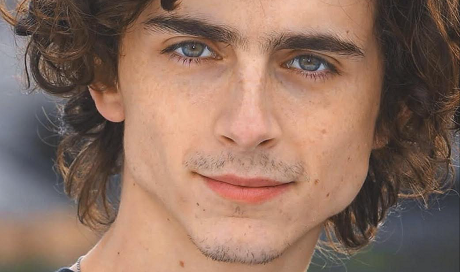
And yet some people of various Middle Eastern tribes (Hebrew, Arab and others) do have hook noses — they’re an anatomical fact of life. And one of them, inescapably and undeniably, belongs to Bob Dylan. Look at the two photos below — there’s no debate.

And yet the fake (i.e., prosthetic) Dylan nose currently being worn by Timothee Chalamet as the filming of James Mangold‘s A Complete Unknown gets underway, is clearly a modified Dylan schnozz — i.e., definitely not hooky.

Why is it an “almost” Dylan nose rather an actual, accurate one? Because Complete Unknown director James Mangold is terified of igniting the same kind of negative social media reaction that slightly tarnished Bradley Cooper‘s Maestro, despite the fact that his Leonard Bernstein prosthetic nose looked totally fine in the film — it just seemed a wee bit extreme in a single black-and-white photo.

Mangold is still taking no chances. He undoubtedly told his makeup department to err on the side of caution. They’ve apparently succeeded.

A Complete Unknown is a ’60s biopic about Dylan transitioning from acoustic folk to electric rock. It costars Elle Fanning, Edward Norton, Nick Offerman, Monica Barbaro and Boyd Holbrook.

>