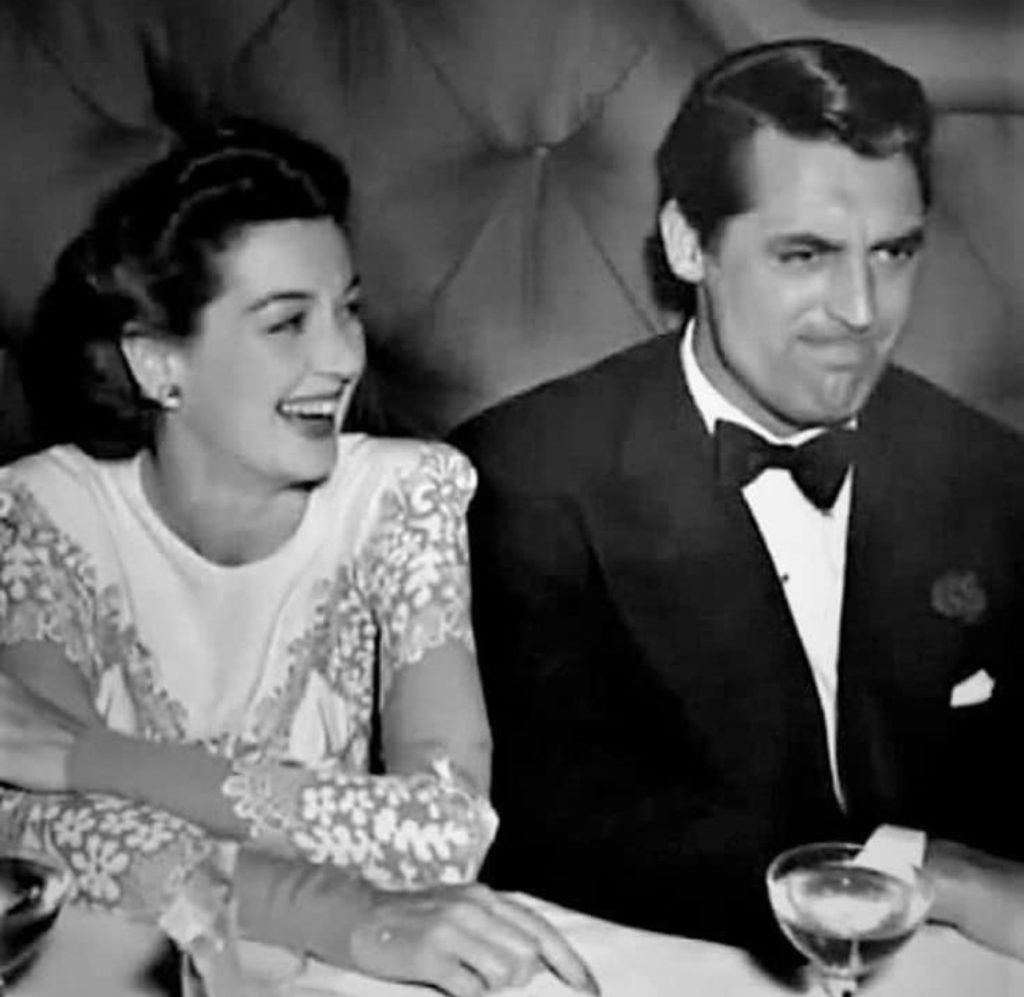
“Staid and Diagrammed”? No…Boooo!!

In an 11.12 Variety essay Variety‘s Owen Gleiberman conveys general of Alexander Payne’s The Holdovers. But he also discretely pisses on its pants leg or, you know, its desert boot.

“I like The Holdovers fine; I just don’t love it,” Gleiberman states. “Like Sideways, it’s a journey of redemption. Yet Paul Giamatti‘s ancient history teacher, in his mournfully witty and gnarled misanthropic way, is such a controlled, hemmed-in character that it’s hard to feel the force, however buried, of anything wild in him.”

Gleiberman laments that Giamatti’s Paul Hunham, like SidewaysMiles Raymond, doesn’t have more volcanic turbulence inside him. But Hunham is roughly 15 years older than Raymond, and isn’t even a struggling would-be novelist. His arc, obviously, is about somehow putting aside the knee-jerk disdain and behaving more like a human being.

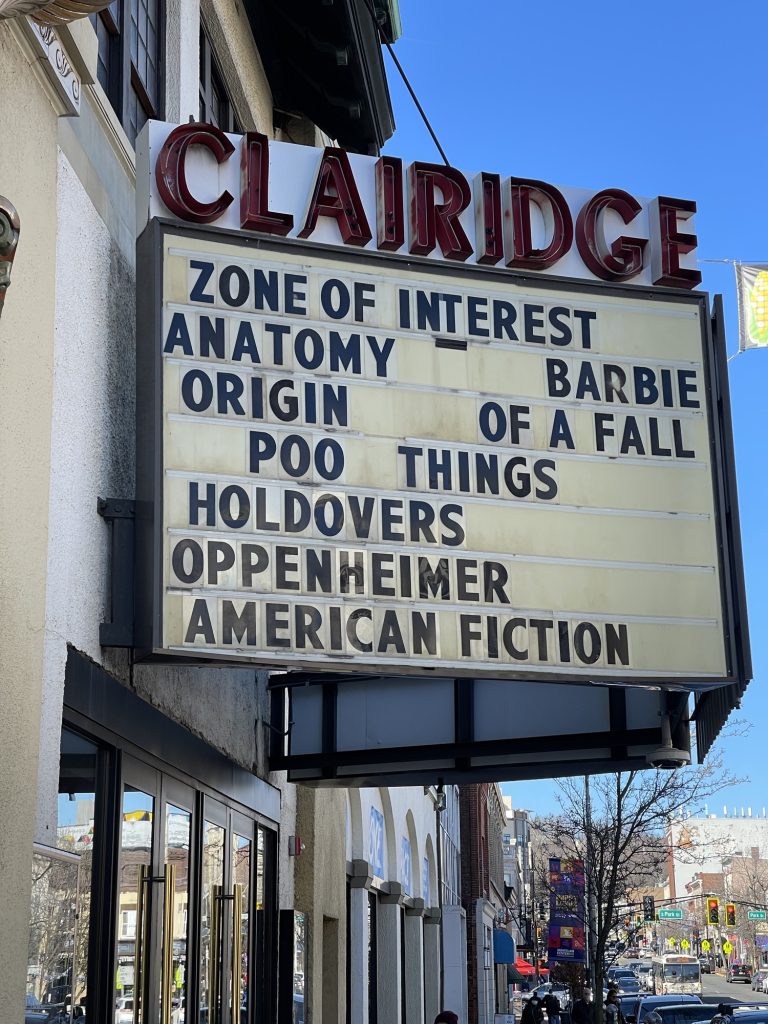
“But in terms of how it stacks up in this year’s awards sweepstakes, I think The Holdovers now occupies a very ironic place,” Gleiberman goes on. “It’s competing with films, like Oppenheimer and Poor Things and Maestro and Barbie and Killers of the Flower Moon, that feel far more of their own time (even though several of them are rooted in history).

“Will The Holdovers have traction, at the box office and in the awards race? If so, it could be the contender that occupies what you might call the Green Book niche — a kind of retro comfort-food zone destined to appeal to more traditional Academy voters.

“For The Holdovers is at heart an odyssey of nostalgia that’s being sold as a holiday feel-good movie. The grand and rather nagging paradox at the heart of the film is that it’s a planned-out version of a ‘free form’ movie. The ’70s film it most recalls is The Last Detail, the Hal Ashby classic about three sailors, led by Jack Nicholson, wandering from city to city on a quiet odyssey of remorseful discovery.

“Watching The Last Detail, you always feel like you’re glimpsing lives that extend beyond the frame of the movie itself. The Holdovers, by contrast, is a movie where you can feel the calculation that went into every last detail.”

That’s not fair. Are you going to tell me, Owen, that Last Detail screenwriter Robert Towne didn’t carefully rewrite and hone and chisel every last line so it would deliver just so? Of course he did, and then Ashby and Nicholson probably chiselled and refined and maybe improvised a bit more on a page-by-page basis.

Read more

Appalling Taste

Will you look at that flaming eyesore of a jacket or shirt that Travis Kelce is wearing? Red, white and green blobs on a black background? It’s a clown garment.

@thatnursetina I’m at work happy crying like a little bawl bag rn, hiw about everybody else? #greenscreen #greenscreenvideo #CapCut #สปีดสโลว์ #สโลว์สมูท #Meme #VozDosCriadores #screammovie #WheneverWherever #fyp #trending #chiefs #chiefskingdom #kansascity #kansascitychiefs #byeweek #traviskelce #kelce #kelcetok #taylorswift #swift #swifties ♬ Lover – Taylor Swift

Sinking Into Article-Writing Quicksand

[Originally posted on 8.13.16]: There’s an anecdote in David Handleman‘s 1985 California piece about Terrence Malick (titled “Absence of Malick“) that has always amused me. It’s a brief recollection about Malick having landed a New Yorker assignment in the late ’60s to write a piece about Che Guevara, and his having travelled to Bolivia to research it. But he over-researched it, Handleman wrote, and “got drowned in it, and never turned [the piece] in.”

The story made me chuckle and shake my head because I did the same damn thing in ’84. I had pitched an article to an American Film editor, Jean Callahan, about the inner lives of film critics — who they were deep down, what had lit the initial spark, what drove them on, whether they’d become corrupted by their access to film industry titans and were nursing dreams of becoming screenwriters or producers.

For a while I called it “The Outsiders”; I also called it “The Big Fix.” I knew it had the makings of something really good. So I talked to many, many critics and transcribed the interviews and wound up with at least 25 or 30 pages of single-spaced pages, all typed out and corrected with side notes and thoughts about structure and whatnot.

I got into it more and more, and it became a small mountain. And then a bigger one. And then it became quicksand and I began to sink into it. The feeling of having gotten myself into this kind of trouble was awful. I was unsure about whether to keep trying or to forget it and walk away. I felt like I was covered in glue or tar. I finally gave up. The guilt was agonizing. I’d never worked so hard on something to no avail.

Today I came upon a letter — a confession of defeat — that I sent to Callahan in December of ’84. The letter was sitting in a manila folder in the bottom drawer of a small wooden chest filled with magazines from early to mid ’90s. It was mortifying to write and certainly to send.

But at least the experience taught me three things.

One, never churn out that much research about a single topic ever again without writing anything down — write as you go along. Two, forget about big subjects and grand designs — always choose a topic that appears to be small or smallish and then make it bigger or richer with your interpretation of it. And three, always listen to what people say and let that material point the way.

The title of this piece is a quote from the late Stuart Byron, former movie columnist for the Village Voice and development exec for producer Ray Stark. In ’89 or thereabouts I briefly partnered with Byron in a venture called re:visions, which was about analyzing the problems of screenplays that had gotten stuck in development and weren’t going anywhere.

Read more

In The Matter of Anne Archer

Friendo: Was there ever an actress who graced more blockbusters but had less to show for it than Anne Archer? Adrien Lyne‘s Fatal Attraction. and Phillip Noyce‘s Patriot Games and Clear & Present Danger. Big hit movies, and she was even Oscar-nominated for her performance in Lyne’s thriller. But she never seemed to reap the appropriate benefit. Now 76, Archer was very talented, beautiful and quite likable, but was there finally just something a tad insubstantial going on?

HE to friendo: Archer was a classy and respected second-tier actress, and of course she peaked during her late ’80s to mid ’90s heyday. She’s been acting since the early ’70s, and at least she peaked during the Poppy Bush and Clinton eras! Plus she’s still with us at age 76 or thereabouts.

Archer was always a highly skilled actress, but there was always something a bit conservative and Fairfield County about her. I saw her in John Ford Noonan‘s “A Coupla White Chicks Sitting Around Talking” at a theatre across the street from the Public at Astor Place, and thought she was excellent. But she mainly seemed to play bland, nurturing wife-mothers who were married to corporate, upper-middle-class alpha-males.

Archer never played cold corporate types on her own steam or sexual dynamos or murdering bitches a la Glenn Close or action sidekicks or frosty district attorneys. Like almost every young actress of yore she performed in the requisite number of sex scenes, but nothing in the 9 1/2 Weeks realm.

Noyce and Lyne cast Archer in her most commercially successful films, but in so doing she kind of became known as the consummate classy wife. In a way these castings seemed to vaguely suppress her career. Or do I mean that she was too convincing as the classy homemaker, such that no one could see her as anything but?

Wiki excerpt: Since the 2000s, Archer has sporadically worked in acting. She appeared in the film Lullaby (2014) and made her stage debut as Mrs Robinson in the West End production of The Graduate in 2001. She played the eponymous actress in The Trial of Jane Fonda at the 2014 Edinburgh Festival Fringe, and had recurring roles on television shows such as Boston Public (2003), It’s Always Sunny in Philadelphia (2006) and Ghost Whisperer (2006–2008).

Friendo to HE: Maybe JoBeth Williams is another of her ilk (and from roughly the same time period): Attractive and talented, but, as the producers and agents are fond of saying, “She’s just not a lead.” I’d love to have seen Archer playing an amoral Maddy Walker-type (i.e., Body Heat). Or someone whose warm, nurturing demeanor masked a heart of ice.

I Don’t Feel Safe

…around people who say “see this movie only with people you feel safe with.”

What might happen of an unwelcome nature if you were to see, say, an ethnically-focused film with someone or a group of people you didn’t feel “safe” with? What would these imagined threat people do that might mess with your heads or feelings? How would they malign your viewing experience?

Remember that 20something TikTok woman who called upon white moviegoers to not attend commercial showings of Black Panther: Wakanda Forever on opening night?

I’ve been watching films all my life (starting at age four or five) without knowing or caring to know if people sitting around me were “safe” or not. As long as they don’t talk or text or take their smelly shoes off I can watch films with anyone.

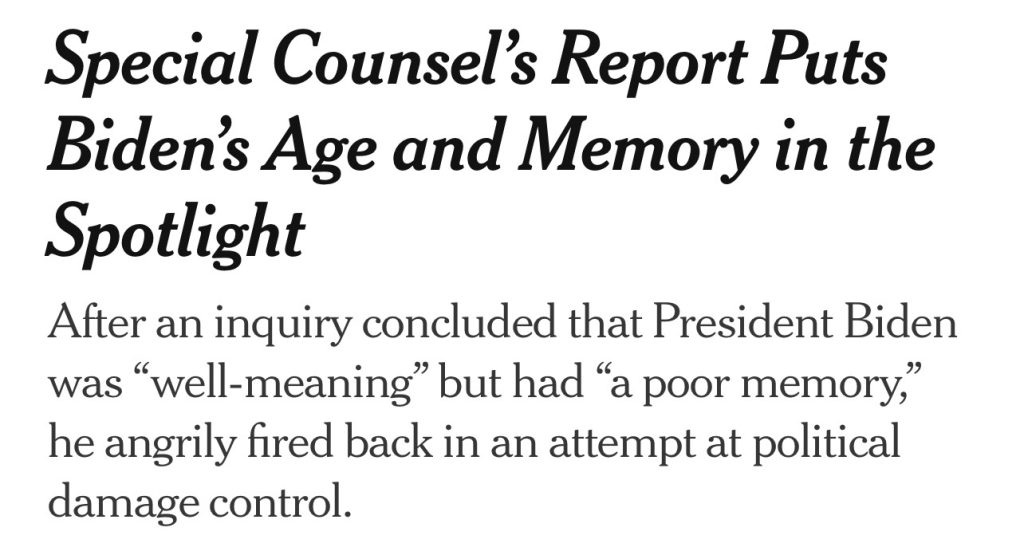
I Don’t Want Biden To Die

Because I really don’t want Kamala Harris to take over. Really. I’m a center-lefty (i.e., a centrist with a classic liberal history before the scourge of wokeism) but I’d honestly feel better about Nikki Haley. She’s a better candidate now than Harris was in ‘19 and early ‘20.

“That’s the one thing that Democrats and Republicans have in common — they’re both waiting for their [likeliest Presidential] candidates to die.” — Bill Maher monologue, 11.10.23.