
For the first time, you might want to listen to a drag queen. pic.twitter.com/o2r9jbbUak
— Dr. Anastasia Maria Loupis (@DrLoupis) June 12, 2023

For the first time, you might want to listen to a drag queen. pic.twitter.com/o2r9jbbUak
— Dr. Anastasia Maria Loupis (@DrLoupis) June 12, 2023
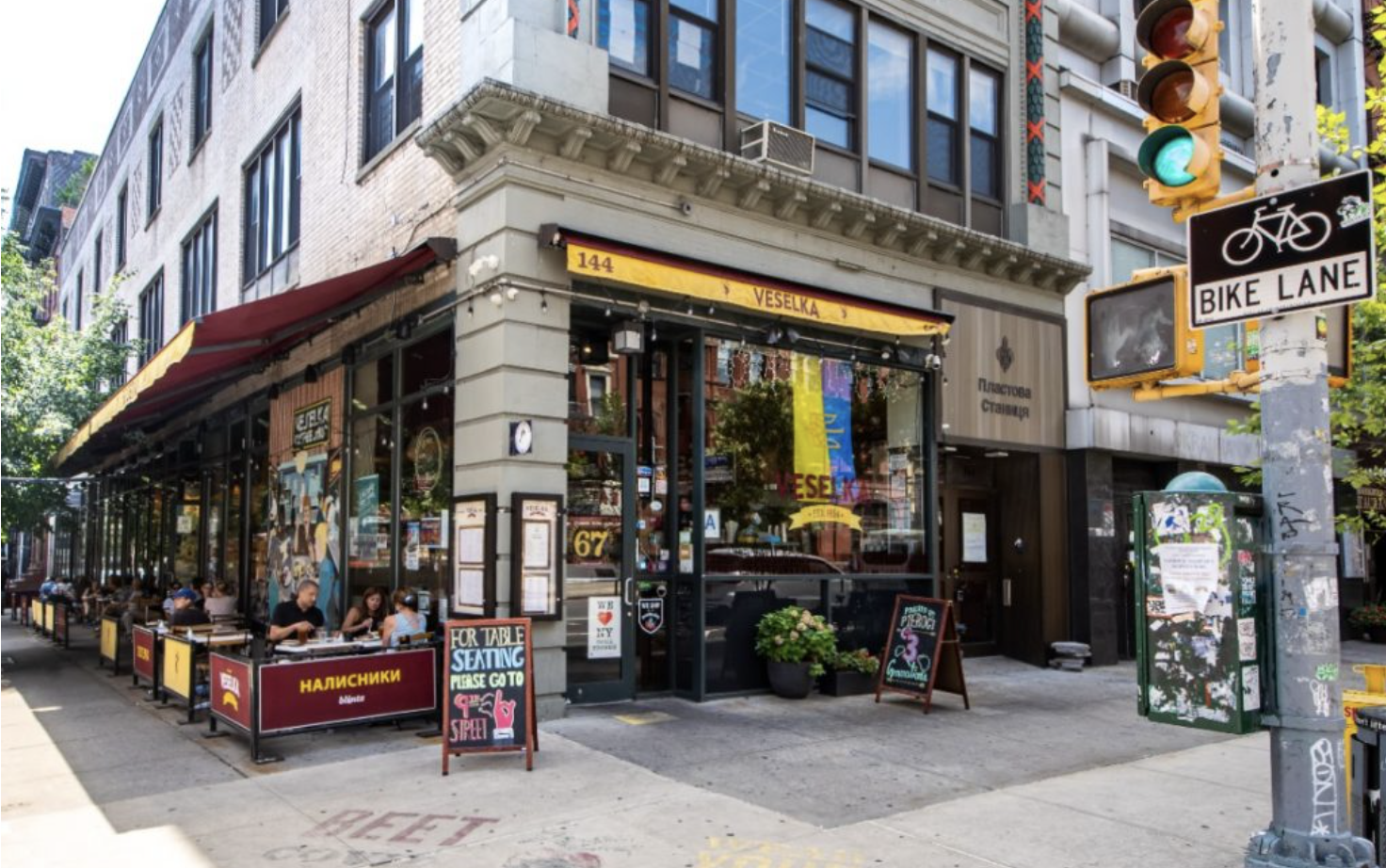
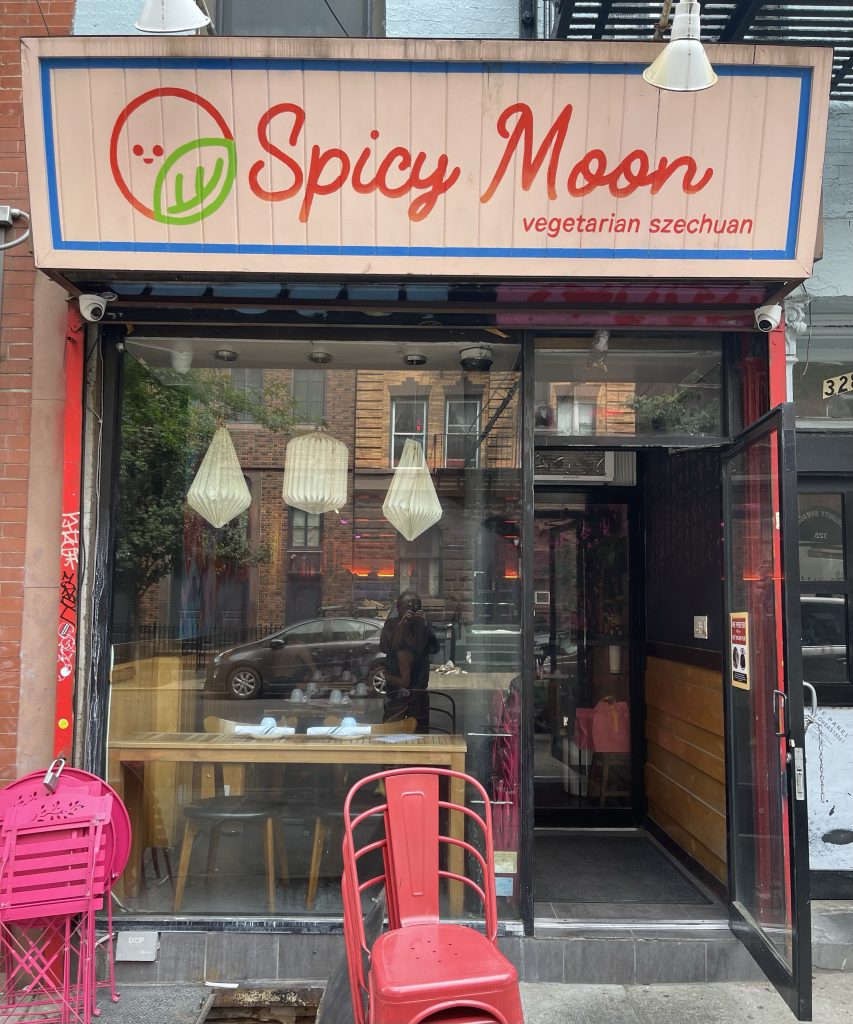
A new expression entered my vocabulary yesterday — “hate-eating.” That’s when you’ve ordered something you really don’t like but you eat it anyway because it would be too much toil and trouble to send it back. That was me yesterday, sitting inside the Spicy Moon cafe and eating the worst-tasting vegetable dumplings I’ve ever had in my life. I wrote yesterday that they tasted like “hot mashed-up Brussels sprouts and filled with a kind of seaweed green gloop.”
HE commenter Zoey Rose: “Seriously Jeff, look for the things you enjoy [and] not the things you hate. Time on this planet is winding down so why not find pleasures in life instead of being the epitome of the cliched old fart complaining about kids,” blah blah.
HE to Zoey Rose: “Speak for yourself regarding the ‘winding down’ of time. Nothing’s winding down on this end, I can tell you. And what do you know of the future, by the way? About as much as anyone else does, which isn’t much except for generalities.”
If there’s one serving of advice I have consistently rejected and in fact despised all my life, it’s “invest in love rather than disdain,” “glass half full rather than half-empty,” “always look on the bright side,” etc.
Do you think Mark Twain or George Orwell or Paul Morrissey ever bought into that happy-faced crap?
I’ve always looked at things as they are or seem to be, and free of vibes of forced smiley-face happiness or rose-colored glasses or any of that jazz. Life is not Disneyland.
Yesterday’s world of the streets of the Lower East Side — warmer than warm, in some ways bland, shade-less, somewhat sticky and certainly dreary — was what it fucking was. It was certainly no cultural blessing to be there, I can tell you. The architecture mostly lacked intrigue and character, certainly compared to the nabes of Paris, Rome, Prague, Bern, Barcelona, Cefalu, San Francisco, etc.
Manhattan has always been a must-to-avoid on summer days. Stay the hell out of town until after Labor Day. They’ve all said that for decades. Nothing cranky about it — just the way it is.
I wrote about the Lower East Side yesterday with exactly the same spirit and attitude with which I wrote about Buenos Aires 18 years ago, in March 2005.
Posted on 2.3.22: “Sometime in 2009 or ’10 I was seated next to Morrissey at a Peggy Siegal luncheon in some plush Manhattan eatery. I recognized him right away, but even if I hadn’t I would’ve felt instantly at home with the sardonic attitude and the seen-it-all, slightly pained facial expressions. I love guys like this. They’ve lived long enough and have met enough people of consequence to know that much of what constitutes modern life (even in a first-class town like New York City) is distasteful or disappointing or phony. And yet they soldier on with their squinty smiles and witty asides.”
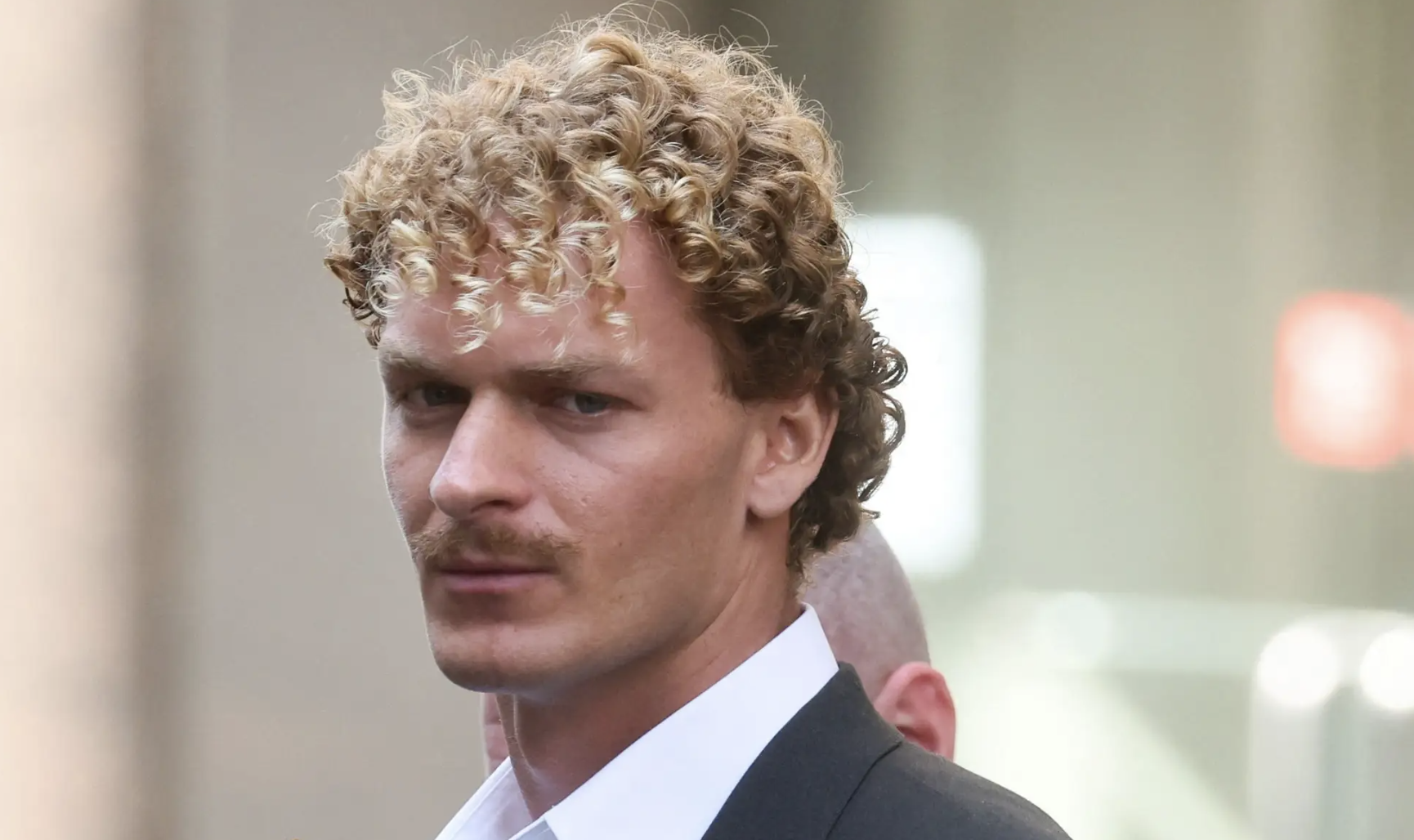
F train choker Daniel Penny didn’t exactly act heroically on 5.1.23, but he did, I think, act bravely and selflessly in deciding to restrain the belligerent Jordan Neely. What’s in dispute is whether or not the amount of force he used was needlessly excessive.
All along I’ve felt that Penny should have shown more caution in trying to restrain Neely. I don’t think he intended to kill this allegedly threatening, mentally unstable guy. I think the situation just got away from Penny, and before he knew it (five minutes — three minutes captured on video) Neely was dead.
It’s very easy to make Monday morning armchair judgments, and it’s a different thing altogether when you’re in a tough situation in the heat of the moment. Neely was, by all accounts, sounding and acting like a dangerous asshole, and if I had been in that subway car a voice is telling me I wouldn’t have had any objection to Penny holding him down.
There are people, of course, who will accuse me of coming from a racist place — me and and others holding a similar opinion. I don’t agree, of course. If you start shit by scaring people and acting like a dangerous asshole, you’re obviously asking for trouble. What happened wasn’t entirely Neely’s fault but it was mostly his.
That said, Penny should have shown more caution as Neely didn’t deserve to die. Then again it’s very easy to say whatever from the comfort of a home or an office.
Daniel Penny is a hero.pic.twitter.com/3EYtithrac
— Michael Knowles (@michaeljknowles) June 12, 2023
…are not, I would say, “impressive” in their appearance. Not by any conventional standard.
The percentage of serious standouts by average go-getter criteria —- people who seemed unusually attractive or were exceptionally cool dressers or possessed of a certain X-factor special-tude — seemed miniscule. Most of them looked like Ukrainians who’d been living through bombings. Plain, drained, unexceptional, stressed, diminished, haggard…in some instances like the ragged end of nowhere.
Very few looked like Tom Verlaine, Patti Smith, Darren Aronofsky, Lady Gaga, young James Cagney, young Walter Matthau, Harvey Keitel’s “Sport” in Taxi Driver, Lou Reed, Rosario Dawson, Jim Carroll, Ben Gazzara, Sidney Lumet, Luís Guzman, Alan King, young Joe Dallesandro, Hilly Kristal, Liev Schreiber, etc.
I spent most of Sunday afternoon eyeballing people on First, Second and Third Avenues, mostly south of 12th Street and north of 4th Street, and mostly I was muttering to myself “these people don’t look like finalists or dynamic achievers or upper-echelon types…the older ones look like stooped-over schlubs and the 20somethings seem older than their (apparent) years.”
And fairly horribly dressed for the most part — dreary shorts, nothing T-shirts, sandals and slip-ons…an absence of style, normcore drab. And relatively few looked like workout Nazis…bulky, scrawny, pudgy, drinker bods.
Okay, it was warm and humid and, Sunday being Sunday, nobody was trying to look their best but still…
Mick Jagger ‘78:”To live in this town, you must be tough tough tough tough tough tough tough.” Jeffrey Wells ‘23: “Lower East Siders look creased and worn to the nub nub nub nub nub nub nuhb.”
I’m comparing Lower East Siders to rank-and-file residents of West Hollywood, where I lived for nearly 40 years, and Venice, where I lived for three years, and Westfield, where I grew up, and Wilton, where I went to high school and where I currently live. I’m sorry but the people of these towns all looked (or currently look) better — healthier, less hassled, good genes, a certain spiritual buoyancy, etc.
Sorry but these were my impressions.
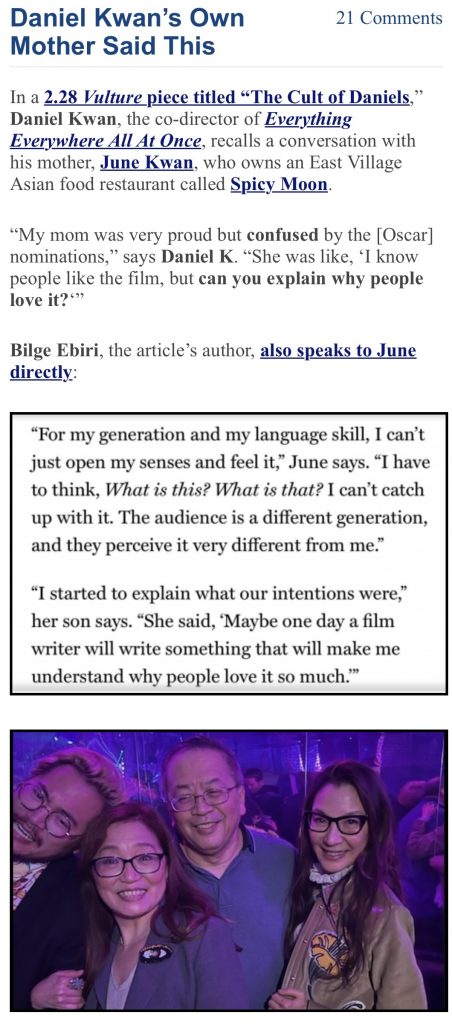
I was so full of despair this afternoon, I decided to really sink into the swamp by visiting Spicy Moon, the vegetarian Asian food cafe on East 6th between 1st and 2nd Avenues.
The owner, June Kwan, is the mother of EEAAO’s co-director and co-writer Daniel Kwan.
Few films have made me feel more sick in the soul…a deeply loathed Oscar-winner that truly heralded the apocalypse. If and when the waiter hands me a paper check, I’m going to write “good food but no fan of the film!”…something like that.
Honestly? I didn’t much care for the vegetable dumplings. They tasted like hot mashed-up Brussels sprouts and were filled with a kind of seaweed green gloop. Did I leave a nice tip anyway? Yes, but…

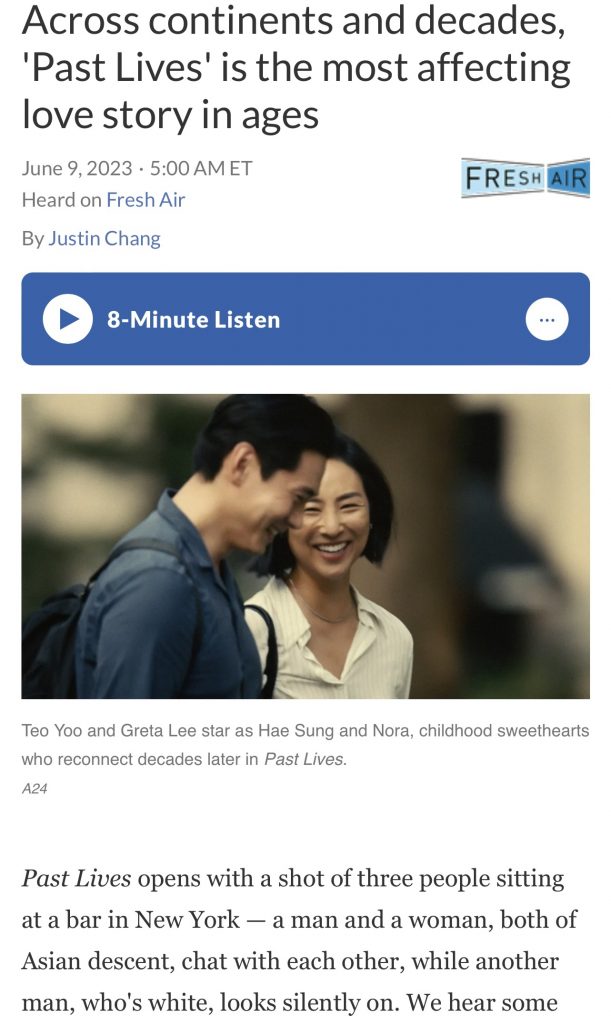
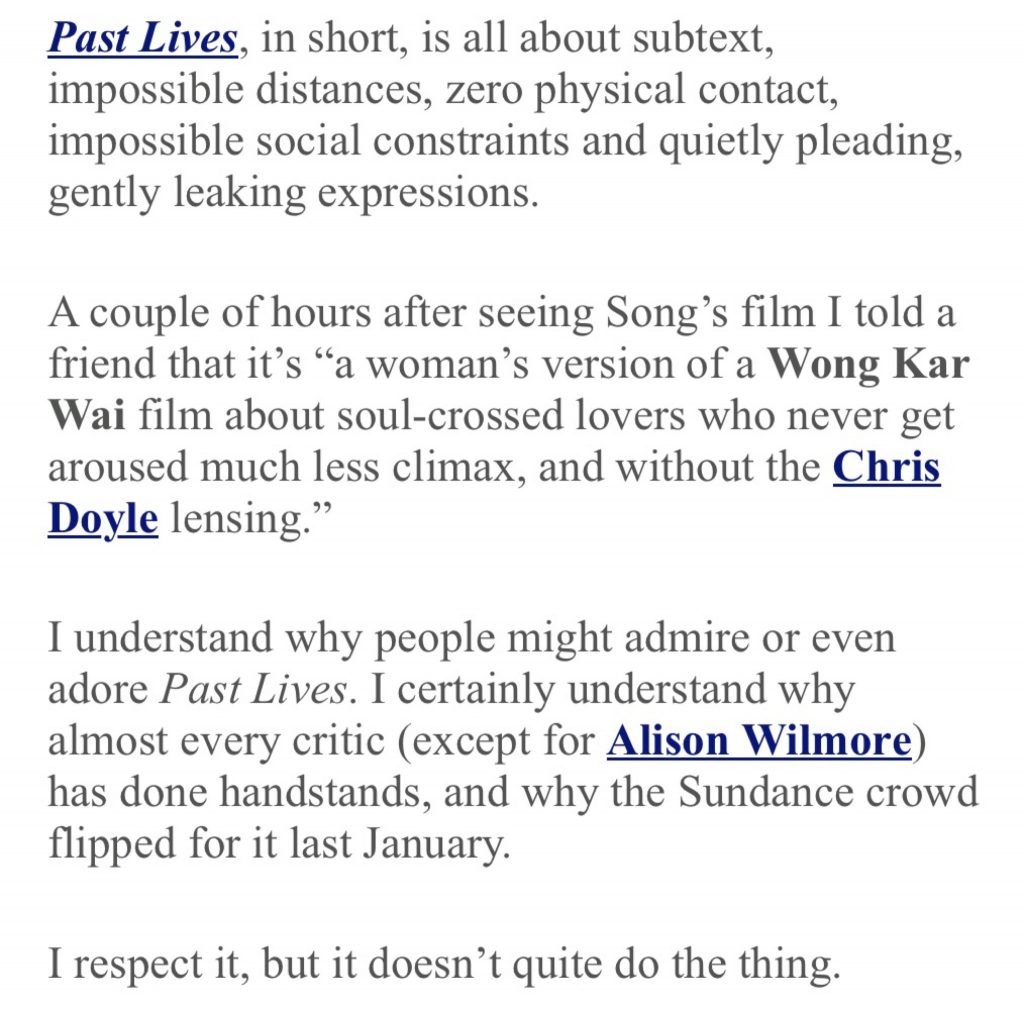
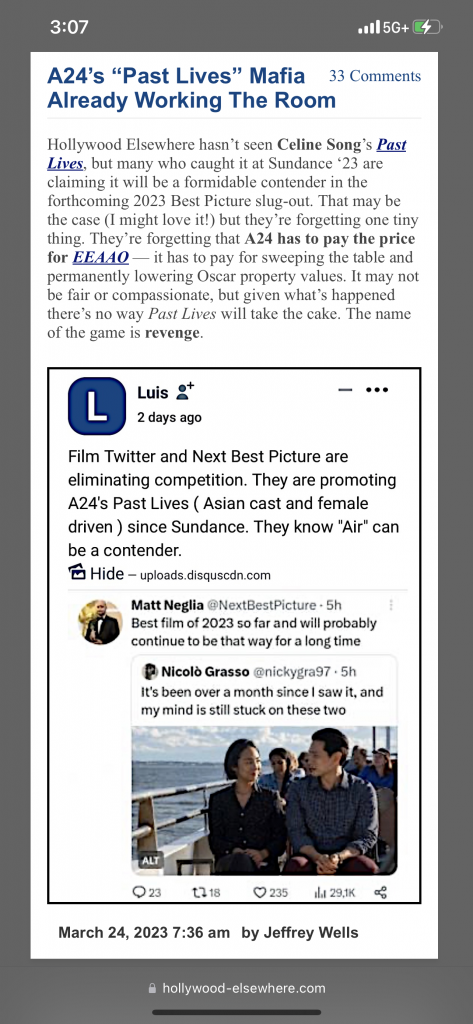
No, Justin Chang — Celine Song’s Past Lives is not “the most affecting love story in ages.”
Song tries to finesse this gently agreeable but wispy, faint-pulse love story into a kind of continent–traversing Brief Encounter, but she doesn’t quite have the chops or…whatever, the somersaulting, pole-vaulting panache.
A recently premiered film that actually deserves this effusive praise is Tran Unh Hung’s The Pot au Feu.
I’m trying to understand why Chang and several other elite critics are so over the moon over this thing. They’re just undercutting their cred by over-praising it…doing themselves no favors.
Chris Christie is, of course, like many politicians, a transactional opportunist, but of all the declared candidates for the Republican presidential nomination right now, Christie is the only one to call a spade a spade as far as Donald Trump‘s sociopathic conduct and mentality are concerned.
All the other candidates are too afraid of alienating the MAGA voters — only Christie is manning up by saying “this guy is really truly bad news.”
Steve Schmidt: “There’s a lack of appreciation about how quickly democracies, indeed our democracy, can fail….one side is completely delusional and fantastical, generating constant propaganda all the time…we’re in the middle of a backlash…we are living through a backlash…if an extremist movement took power once, it can happen again, and if it does again, our demoocracy as we’ve known it will be over.”
Two or three years old. Blown water pump, late ’60s, Bakersfield, watermelons…before cell phones…Chevron gas card…fried chicken, corn on the cob, “keep the faith,” etc.
On Friday (6.9) HE commenter “The Multiplex” reported the following: “For what it’s worth, in Disney’s DCP asset list the currently-streaming version of The French Connection is listed as ‘2021 William Friedkin v2.'”
HE reply: “May I ask precisely where you read the term ‘2021 William Friedkin v2‘? I thought it might be at the tail end of the currently streaming version on the Criterion Channel. I checked and it’s not. I also Google-searched “2021 William Friedkin v2” + French Connection…zip.”
And yet this info is seemingly fortified by a statement from The Criterion Channel, passed along by “The Connection” in a 6.9.23 HE story titled “HE to Friedkin re Censorship Fracas.” CC’s statement said that “according to our licensor [Disney], this is a ‘Director’s Edit‘ of the film.”
If this is legit info, the obvious implication is that after a half-century of The French Connection being presented in its original form, ugly racial dialogue and all, director William Friedkin has woke-censored or otherwise desecrated his own film.
I am personally horrified by this possibility. But if this has indeed happened, there can only be one response from the film’s worldwide community of fans and scholastic admirers, and that response is “what the living hell, Billy?” Followed by “please tell us you didn’t approve this!”
Because deleting the racially offensive scene in question is worse than “Greedo shoots first” or Steven Spielberg changing those government agent guns to walkie-talkies at the end of E.T., which he later apologized for.
If Friedkin initiated or approved the deletion, he did so not because he had a creative change of heart (which is always a bullshit move to begin with) but in order to appease the woke scolds — a mob clamoring for a transitional political-cultural statement that suits their current agenda — and nothing more.
Friedkin knows (or at least he used to know) that art is made of sterner and more endurable stuff.
Still, the idea of Friedkin being the chief culprit doesn’t make sense if we consider what he said on the occasion of The French Connection‘s 50th anniversary, or a year and a half ago.
In a 11.11.21 chat with Forbes‘ Simon Thompson, Friedkin said the following about making his 1971 classic:
“I had both Gene Hackman and Roy Scheider ride around with Eddie Egan and Sonny Grosso, the real cops their characters were based on. They mimicked what they saw, which is what I wanted. I had seen all that behavior months before, and they were seeing it fresh before they did the film. Gene did not want to go that far. He thought the guy was really racist, but I didn’t — I thought it was an act that he was doing to survive in the street. Gene actually found the character very tough to play.”
“[And yet] Friedkin says that if he were to remake The French Connection today, not much would change. His goal was to portray policing as he saw it and leave it to audiences to decide for themselves, not to valorize or critique it. Still, amid national conversations about police reform and police brutality, he wouldn’t be eager to tackle the subject matter again.
In an 11.7.21 EW.com article, Friedkin was quoted by Maureen Lee Lenker as follows:
“I don’t think I’d make a cop film today,, but if I did, it wouldn’t be much different. And I would try to capture the action and the dialogue that persists and exists today. You’d be amazed how very close it is to what it was. I don’t celebrate that behavior, but I’m fascinated by it.”
How could Friedkin have said the above and approved a deletion of the scene in question?
I asked Friedkin on Friday if he could please explain what’s going on. Nothing so far.
Glenn Kenny has stated that he’s researched and is writing a forthcoming article that gets to the bottom of things, or at least which allegedly absolves The Criterion Collection from responsibility in this mucky matter. I just checked Criterion’s streaming of The French Connection this morning, and it still offers no warning about the missing footage. Until such a warning appears, The Criterion Collection is most definitely not off the hook.
Wow. Disney+ changed the ending of Raiders of the Lost Ark… pic.twitter.com/JWWLTs9CYt
— Jesse McLaren (@McJesse) June 9, 2023
Glenn Kenny tweet (5.7, 7:53 pm) responding to those who’ve been trashing Criterion for passing along Disney’s censored French Connection stream without warning or comment: “You [guys] really have no idea what’s going on. I’m reporting this story, and will have [it] finished next week. You’re way off base here, as will be demonstrated.”
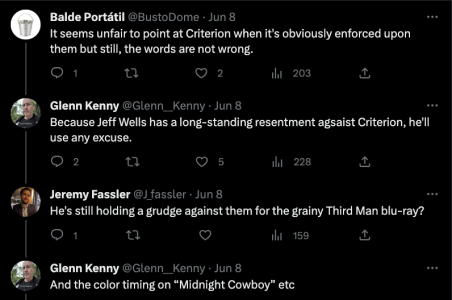
HE to Kenny: Criterion vandalized Adam Holender‘s original Midnight Cowboy color scheme with a vulgar teal saturation, and I’m an asshole for pointing out the obvious?

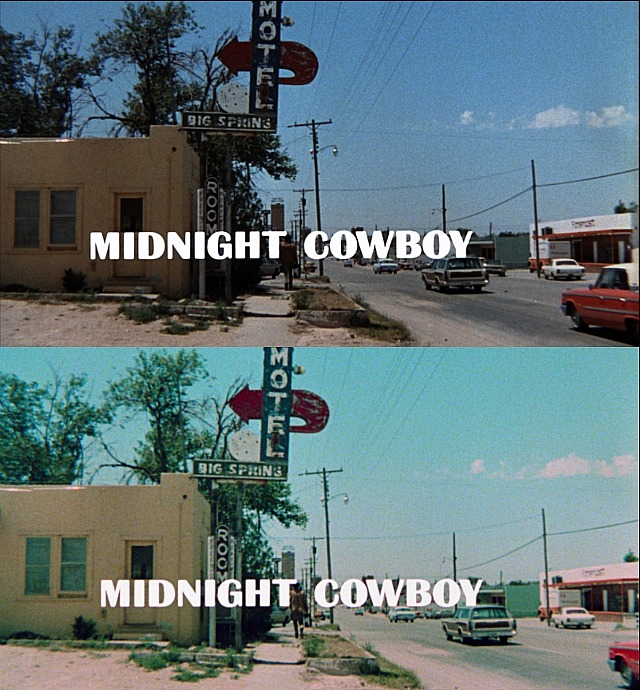
Are you reading what Tooze is saying? He found the color-tint desecration of Midnight Cowboy to be somewhat off-putting and what-the-fucky, but then he “got used to it.” He decided to succumb to the greenish teal re-imagining because Criterion served it up and they know best, right?
Look at the main title image comparisons above — the browner, dustier, desert-tan version from the 2012 MGM Bluray is obviously more natural than the greenish Criterion version beneath it…c’mon! Look at the color of Jon Voight‘s shirt below this — blue in the older shot, blue-green in the Criterion. Look at the kitchen dishwasher — more or less natural looking in the MGM Bluray version, soaked in muddy green in the Criterion.
A little more than three years ago Criterion screwed up in a similar way when they horizontally compressed Brian De Palma’s Dressed To Kill while adding a greenish-yellow tint to the color. A public outcry led to a correction. Will fans of this legendary Best Picture winner go along with Criterion’s greenish-teal re-do, or will they grab their pitchforks and torches and march down to Criterion’s Manhattan headquarters?