Filed late last week by Vogue’s Eileen Kelly:

I’m sorry but it was simply too cold (17 degrees before wind chill) during Sunday’s visit to Mount Peter to experience any concept of enjoyment. Biting, jagged-steel cold exacerbated by gusty breezes…later.
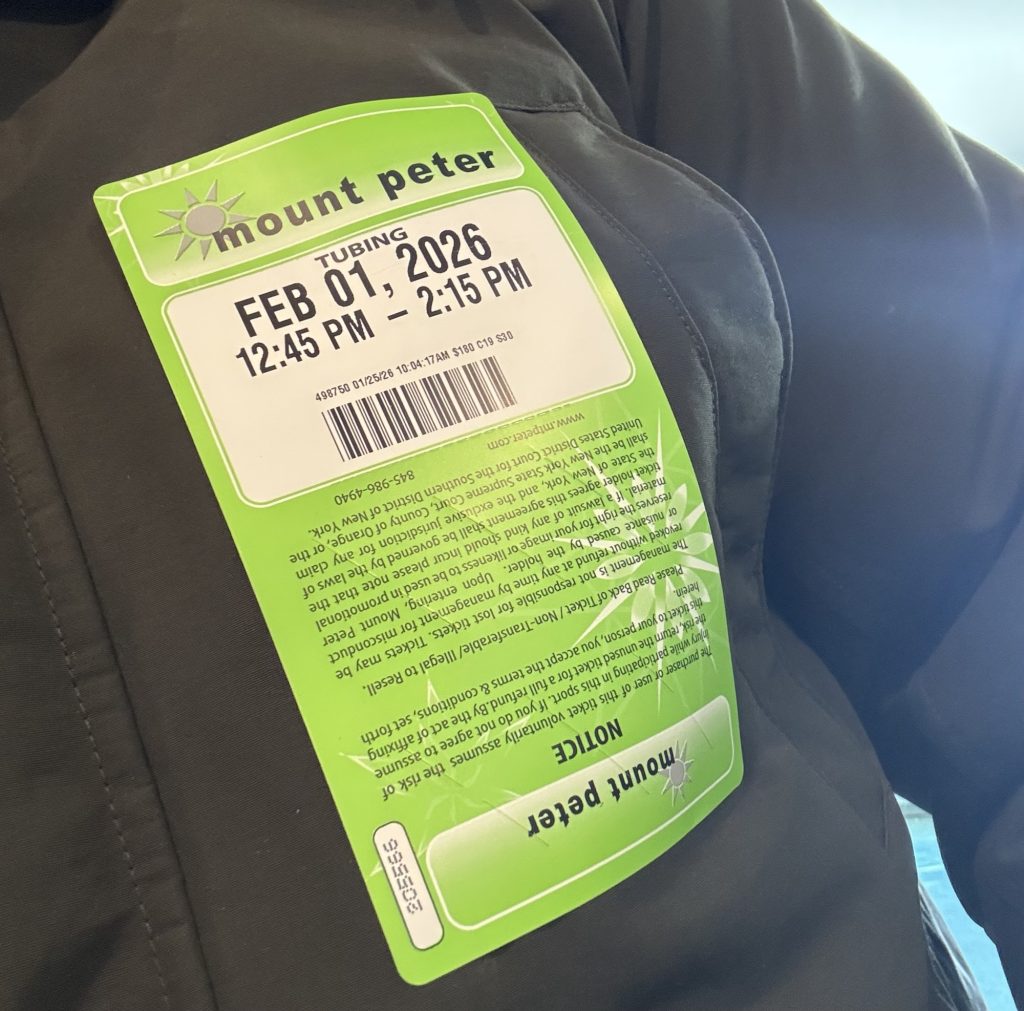
We went tubing down semi-steep slopes. My tube was a subdued orange color, and that in itself was a problem. Neurotic on my part, but generally true.
Just before pushing off a 17-year-old slope monitor told me to park my butt on the edge of my tube and not in the center of it — advice I didn’t like and therefore ignored.
Halfway down the slope the tube whirled around and I was suddenly speeding backwards at 25 mph or thereabouts, unable to see what was coming. Exhilaration + potential collision = EDGLRD!
I’m glad we went but next time the temps need to be in the 30s or at least the high 20s, and no wind.
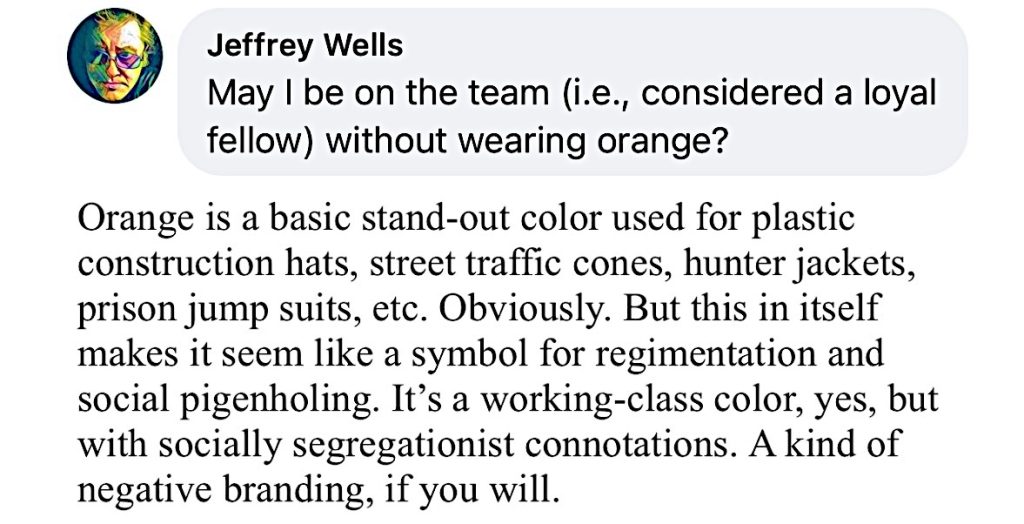
I’m not a fan of crab-apple green either..
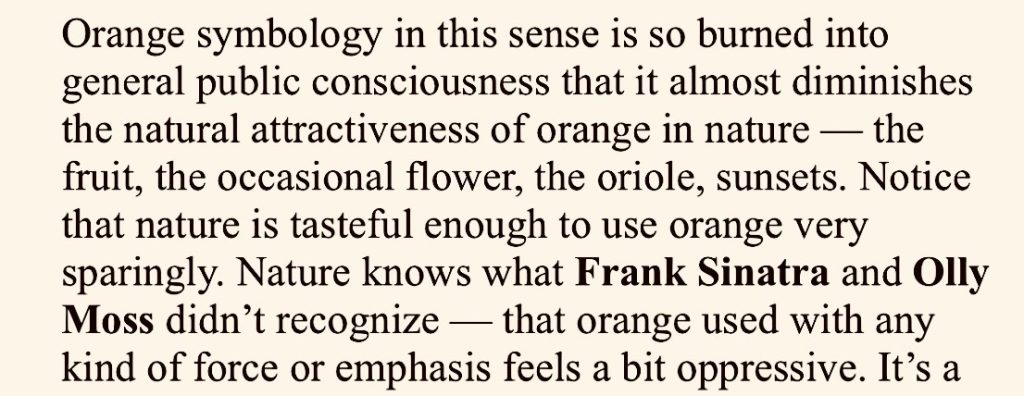

A total waste of time and money…willfully submitting to spiritual pollution.


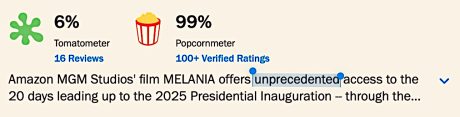
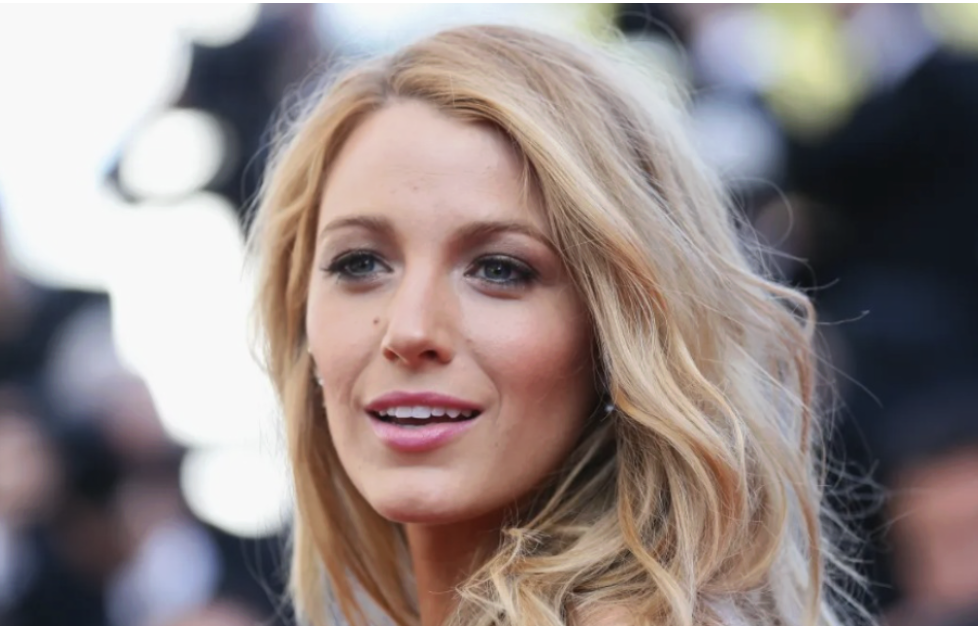
Reid Rosefelt on Facebook: “Even though I don’t know her, it pains me to see Blake Lively being attacked with snarky comments online by people who have never had any direct encounter with her. If there is somebody who had an issue with her on a movie, well, okay, let them have their honest say. But a lot of what I read is anonymous people on the internet. Just piling on, being mean. Because they can.”
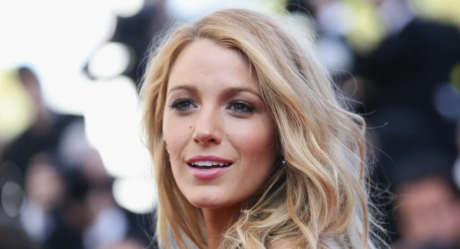
HE to Rosefelt: Blake Lively is deeply loathed for trying to use a good portion of her (i.e., principally Ryan’s?) considerable wealth and power to try and murder the career of the far less famous, much less powerful Justin Baldoni.
Was her cut of It Ends With Us more commercial than his? Apparently so, but she certainly steamrolled and dragon-ed and butch-bossed her way into basically snatching away Baldoni’s film. They rubbed each other the wrong way? Apparently so, but this happens from time to time. Sensible people usually say “okay, THAT happened” and move on with their lives. But not Blake.
All I know is that Lively has almost certainly earned whatever grief she may be coping with now. She’s been using pumped-up #MeToo hyperbole as her knife or cudgel, and has scarred herself as a troublemaker. And now she’s basically “unemployable”, as a recent trade headline stated.
Who would be so clueless or reckless as to want to work with Blake now? If she had any practical sense she would have let this battle go last year and just moved on. Her point had certainly been made, but she’s STILL hammering away as we speak. (Team Baldoni also.) The Manhattan court date is four months away, and then the appeals will kick in. God help us all.
Posted on 10.8.12: If you want to know how radiantly aware and plugged-in Blake Lively is, read this excerpt from Ben Affleck‘s Details interview with Mark Harris:
“When I was doing The Town, I’d tour the actors around Boston,” Affleck tells Harris. “I was with Blake [Lively], and I saw Matt’s childhood home. And I said, ‘Oh yeah, that’s where Matt grew up.’ And she said, ‘Who?’ And I said, ‘Matt Damon.’ And she said, ‘Oh my God! You know Jason Bourne?!’ She really didn’t know. And I thought, ‘There it is. The first age of people who are adults who missed the whole Matt-and-Ben propaganda campaign!’ Mostly, it just made me feel old.”
Lively, born in August 1987, was ten when Good Will Hunting came out and also when Affleck and Damon won their Best Screenplay Oscar, so she wasn’t paying attention. But she never once heard or read about their collaboration and friendship in the years that followed? And when she got hired to be in The Town (which came out in ’10), she never went online to learn about Affleck’s past? Even if she’s not engaged or curious enough to do online searches, her agent or manager never gave her the rundown? Breathtaking.
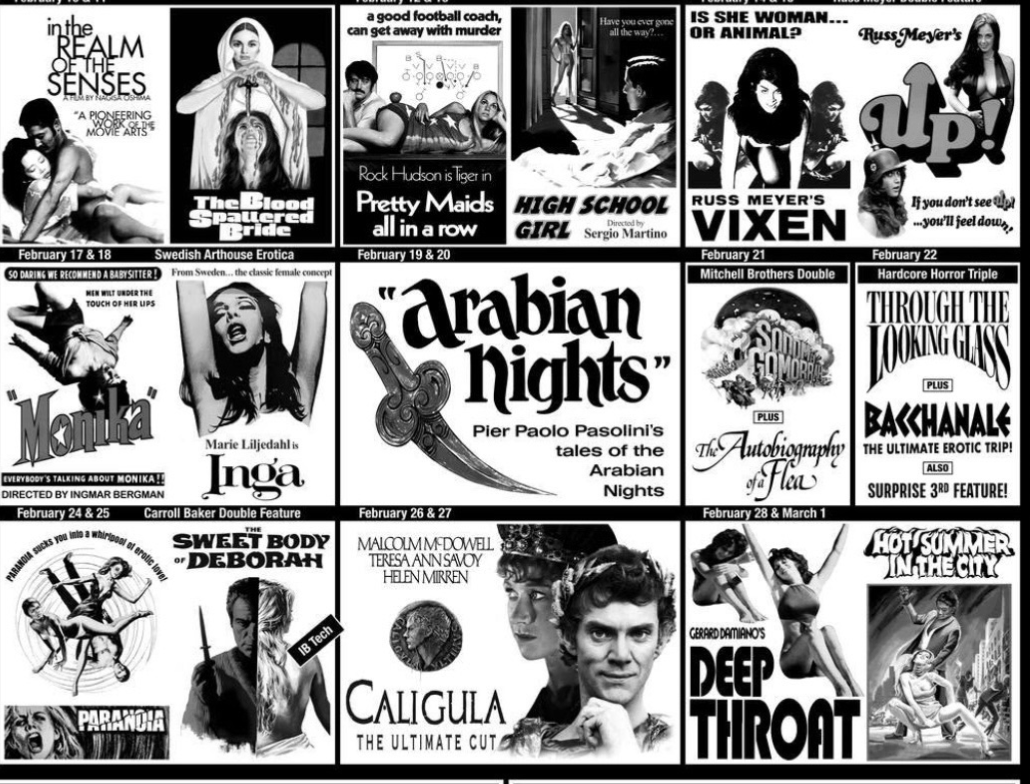
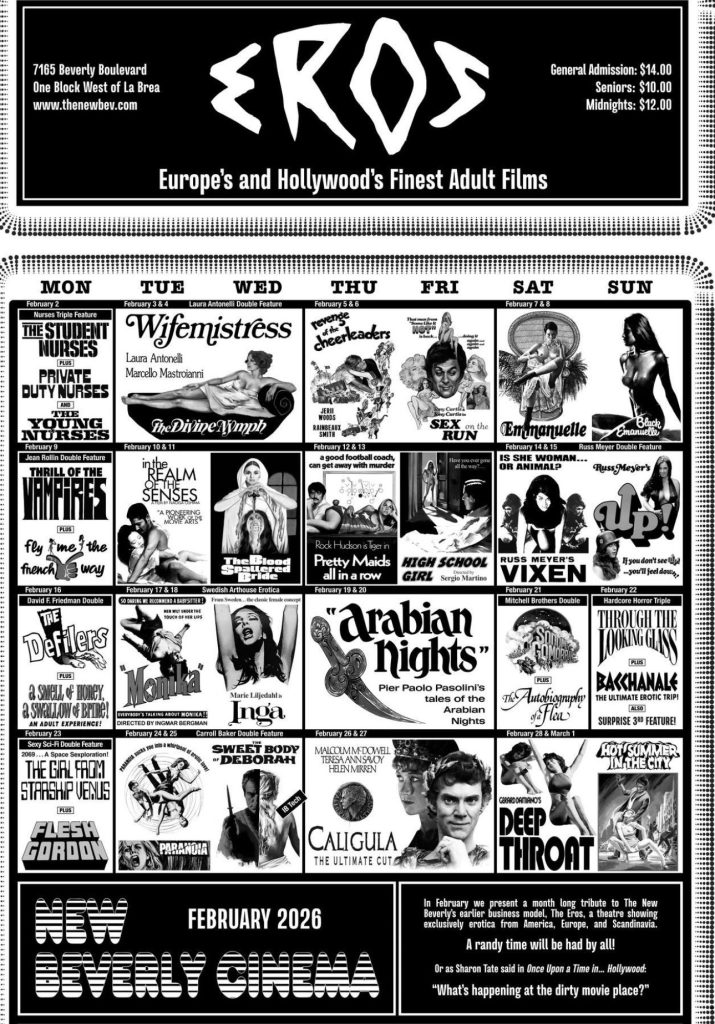
A New Beverly tribute to the Eros, a stroke-house that operated out of the same auditorium between ‘70 and ‘77, will launch on Monday, February 2nd. A grim place but mere tumescence has always been a tonic in itself. The films are mostly hard-R grindhouse fare, all released in the ’70s.
The Eros became the Beverly Cinema in ‘78 or so. Quentin Tarantino took ownership in 2007, rechristening it as the NewBev.
Of the 23 films showing throughout February, HE approves of relatively few.
Marco Vicario‘s Wifemistress (’78) with Laura Antonelli (a sublime object of desire for relatively well-educated thinking men of the ‘70s) and Marcello Mastroianni.
Nagisa Oshima‘s In The Realm of the Senses (’76), of course.
Roger Vadim‘s cynical and depraved Pretty Maids All In A Row (’71)…Angie Dickinson has a couple of fetching nude scenes, or is it just one? And she was just turning 40 to boot. (Dickinson reached inside and truly touched the heart of Junior Soprano, aka “Johnny Ola”.)
Pier Paolo Pasolini‘s Arabian Nights (’74) isn’t all that good, but it’s not bad.
Tinto Brass and Bob Guccione‘s Caligula (’79) is trash.
Deep Throat (’72) is absolute garbage…I felt so sorry for poor Linda Lovelace being “coerced” into blowing all those low-rent, homely-ass guys.
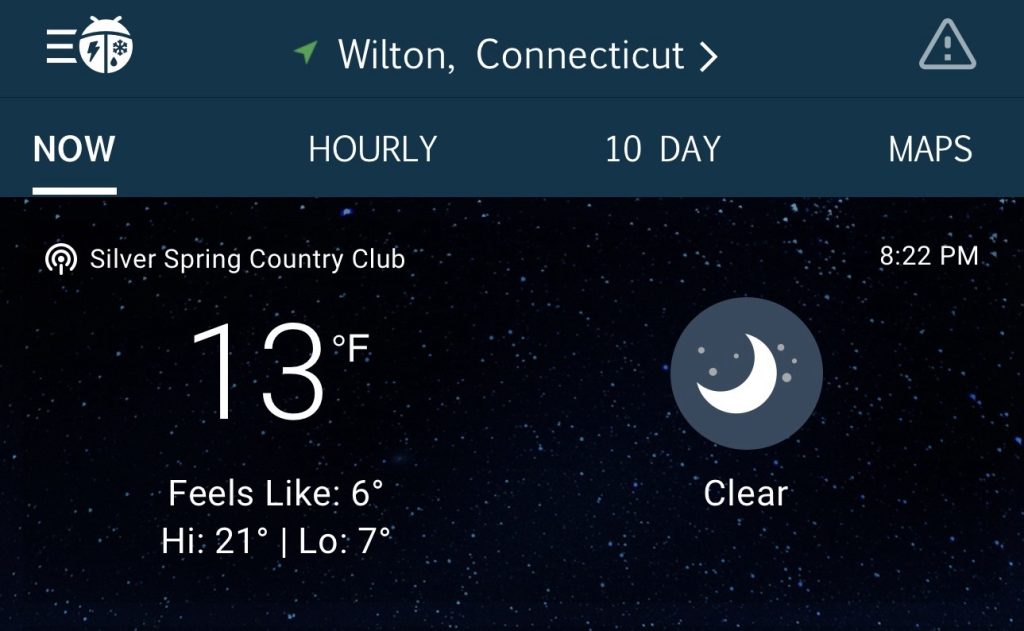
I’m not adapting to the reality of the ghastly cold. All I’m feeling is anger and resentment. Can’t stop thinking about Key West or Belize or Turks and Caicos. Which one of these?
Hasan Hadi‘s The President’s Cake is finally about to open theatrically in the U.S (2.6.26)…finally! Just under three weeks from now. Sony Picture Classics is banking on Cake being honored on Thursday, 1.22, as one of the five choice nominees for the Best Int’l Feature Oscar.
Cake is an upscale crowd-pleaser in the finest, richest, most culturally authentic sense of the term…my idea of an instant classic and all but guaranteed to be nominated, etc.
I tend to be impatient with movies about young kids but this handmade Iraqi film (the first from that formerly turbulent, war-torn country to be shown in Cannes) is different…it has an impoverished but compassionate Bicycle Thief atmosphere with just a tiny little touch of The Red Balloon and maybe a slight spritzing of Hector Babenco‘s Pixote. You can tell almost immediately that it’s a grade-A, pick-of-the-litter pearl.
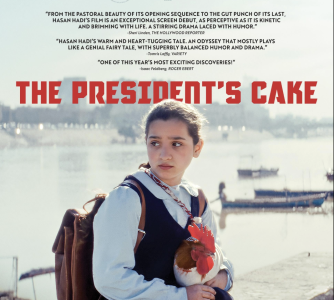
The President’s Cake world-premiered on 5.16.25 under Directors’ Fortnight at the 2025 Cannes Film Festival. It won both the section’s Audience Award plus the Caméra d’Or. It was thereafter selected as the Iraqi entry for Best International Feature Film at the 98th Academy Awards, and made the December shortlist.
Partially set in the wetland marshes of southern Iraq (which for the 37th time is not pronounced EYE-rack but Uhraq) but mostly in a big city (not precisely identified as Bagdad but shot there) and all of it occuring just before the 2003 U.S. invasion.
It’s basically about a nine-year-old girl, Lamia (Banin Ahmad Nayef), who lives in a floating straw hut upon the Mesopotamian marshes with grandmother Bibi (Waheed Thabet Khreibat).
The plot comes from Hadi’s childhood memory of a school event in which one member of each class is chosen to bake a cake for Saddam Hussein‘s birthday (4.28). Lamia is selected to be her class’s cake-baker. She and Bibi are dirt poor and can barely afford, much less find, the chief ingredients (eggs, flour, sugar) but failing to deliver or, worse, refusing this honor is out of the question.
…would he be a grumpy-ass liberal, a fanatical progressive leftie, a Trumpie (HST was heavily into firearms, of course) or, like me, a sensible centrist?
Well, he certainly wouldn’t have any truck with the wokeys…I can tell you that. He would despise them with every fibre of his being. Plus I somehow can’t imagine Dr. Gonzo approving of Trump…can’t go there. Maybe he’d find Trump’s perverse egoism amusing on some twisted level.
I don’t know who or what HST would be according to the bizarre social-political terms of 2026.
Why am I mentioning Thompson, who apparently committed suicide just under 20 years ago (2.20.05)? Because of a 12.18.26 N.Y. Times Sunday Magazine piece by Tim Arango, titled “Did Hunter S. Thompson Really Kill himself?”
I read it early this morning and dashed off some reactions to the guy who sent me the link:
“Did you read this thing? It’s not just thin and coy and teasing but…what’s the term?….infuriating. The notion is that somehow Hunter didn’t shoot himself all on his lonesome. Arango dances and tiptoes around this possibility, but that’s all. He certainly doesn’t plant his feet and just say it, whatever it is. He doesn’t even offer possible scenarios.
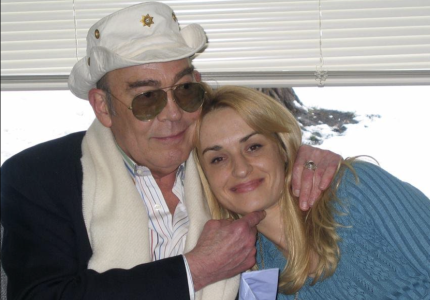
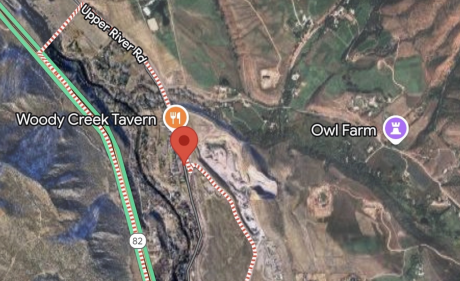
“Plus there’s not a single mention of the fact that the Owl Farm, the Aspen-adjacent property where Thompson lived for decades, is located in Woody Creek and is quite close to the famed Woody Creek tavern, which I visited in the mid ‘90s. Yes, there are ample mentions of Aspen, which has great slopes and is top-heavy with billionaires but so what?
On top of which Arango’s writing is so compressed and turgid and pretzeled it drives you nuts.
What is the exact evidence or even the loose-talk suppositions that indicate “something more than suicide” or “assisted suicide” may have occurred? Arango doesn’t say diddly squat.
It is faintly hinted that either Anita Thompson, Hunter’s widow, or his son Juan might not be letting on about something or other
Last year Anita, now 53, passed along some presumably compelling evidence to Michael Buglione, the sheriff of Pitkin County, and in so doing triggered a three-month-old, still-unfolding investigation by the Colorado Bureau of Investigation. The fact-digging has been simmering since last September.
But wait…whoa…two thirds through the piece Arango parenthetically mentions that Anita declined to speak with him for the article. Well, why? Anita wants some deep, dark secret to be revealed by going to the authorities, clearly, but she ducks the probing eye of the N.Y. Times? Arango doesn’t even speculate about her motive[s] in blowing him off.
Articles like this make me want to take a swing at someone. Has Arango ever heard of plain declarative sentences? Or, you know, basic instructional story construction?
After catching Eva Victor‘s Sorry, Baby at a Director’s Fortnight screening on 5.22.25, I enthused about it and then some. The review was titled “Another Pleasant, Highly Admirable Surprise“.
At the recent 2026 Golden Globes ceremony Julia Roberts called Victor “my hero” and begged audiences to see it.
Again: Apart from an unfortunate, vaguely annoying decision to tell yet another story about a brutish toxic male raping a woman — certainly the reigning or default narrative of present-day feminist cinema — Eva Victor’s Sorry, Baby (A24, 6.27) is really quite good.
In terms of being lulled and led along into a lesbian way of thinking to the point of feeling vaguely charmed and kind of fascinated, Sorry, Baby operates in a manner that’s more or less equivalent to Luca Guadagnino’s Queer, and that, for me, is quite an achievement.
I caught this Quinzaine headliner around 8:20 pm.
Not only are Victor’s writing and direction top-tier, but her performance as lead protagonist Agnes, a brilliant literature professor who seems to be mostly gay or certainly bi (i.e., not averse to hetero coupling when candidates like the soft and vaguely squishy Lucas Hedges come along) is about as captivating as such a performance could be.
Victor’s dialogue leaks out in the manner of someone exceptionally bright and introspective and given to thinking out loud — confessional and candid in a cautious and hesitant way, but not overly so. It feels straight and true at every turn.
Sorry, Baby is infused with guarded but self-accepting attitudes that are basically lezzy, for sure, but it’s a quietly realistic small-town social drama that wins you over early on, and then keeps earning more and more points.
I knew it had won raves after debuting at last January’s Sundance Film Festival, but I went into tonight’s screening with doubts and trepidations. They evaporated fairly quickly.
It also delivers excellent supporting perfs from Naomi Ackie (Agnes’s totally gay, male-loathing lover during the first half), John Carroll Lynch, Kelly McCormack, Louis Cancelmi (a Scorsese guy playing the evil animal rapist), Hettienne Park as a whipsmart civil servant in a jury-selection scene, etc.
Produced by Adele Romanski and Barry Jenkins, this is definitely a goodie.
AI sez: Sorry, Baby has limited screenings in NYC, with scheduled times at Nitehawk Cinema Prospect Park for midnight on Friday and Saturday nights. It was also listed for screenings at the Roxy Cinema New York. Other listings indicate it is not currently playing at many AMC locations.
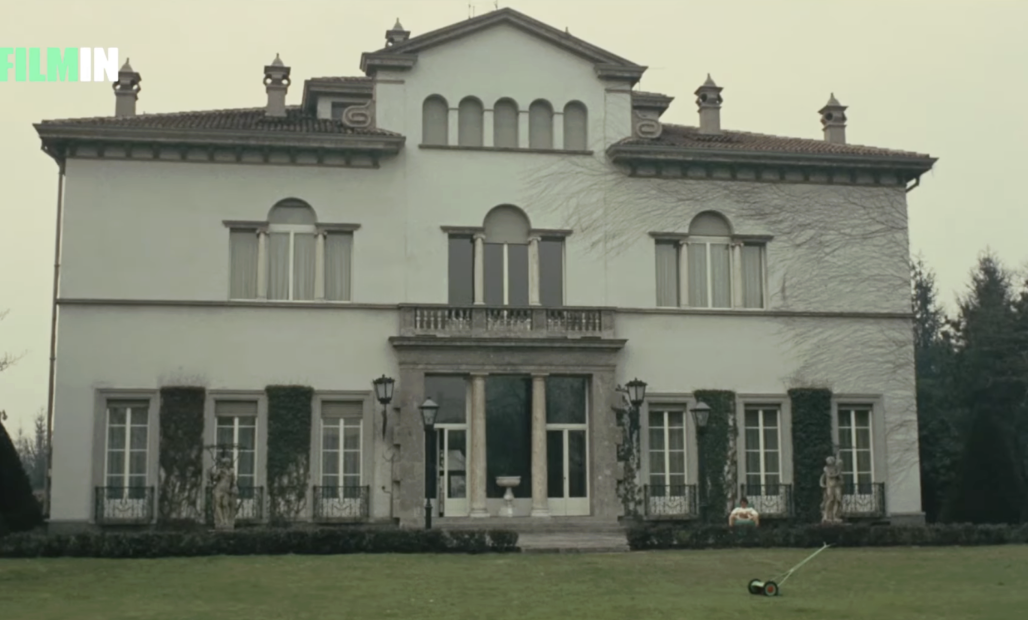
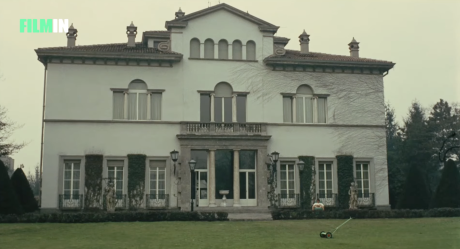
Last night and for the third or fourth time I re-watched Pier Paolo Pasolini‘s Teorema, and I swear to God it’s an even bigger wallop now. Expanded, deepened…a flotation experience.
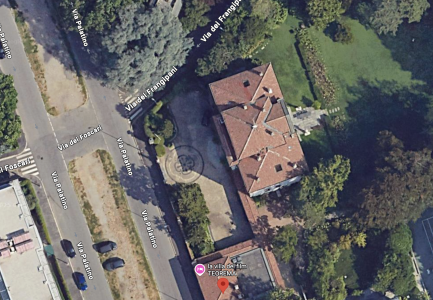
HE hereby pledges to visit the white Teorema mansion (Via Palatino, 16, 20148 Milano) when I return to Italy seven months hence.
Pasolini and the entire cast (Terence Stamp, Silvana Mangano, Massimo Girotti, Anne Wiazemsky, Laura Betti) have passed. Only the red-haired son, played by Andrés José Cruz Soublette, is still with us.

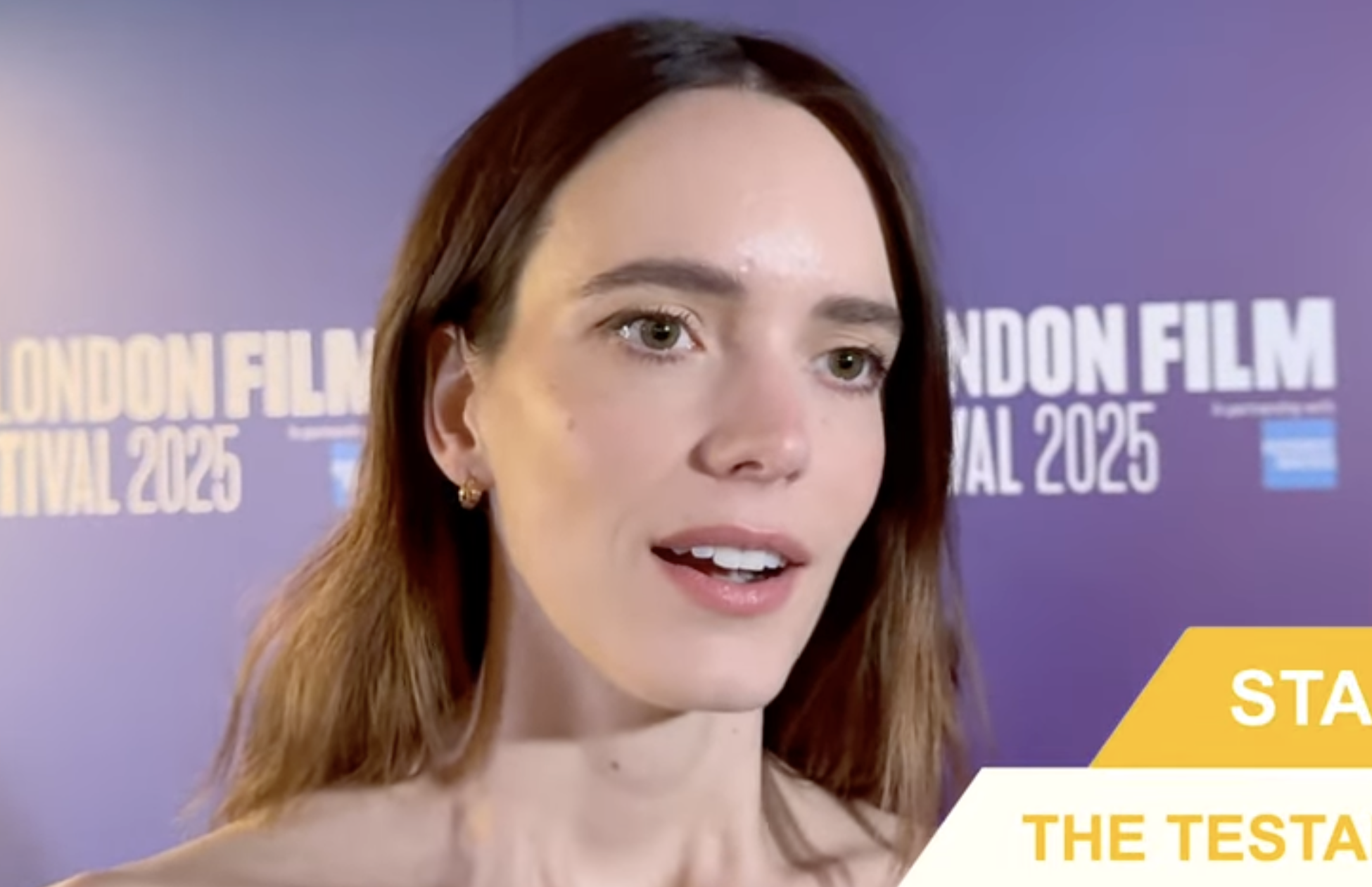
In my Venice Film Festival review of Mona Fastvold‘s The Testament of Ann Lee, I noted that Shaker founder Ann Lee, who lived until age 48, “was flat-faced and rather ugly, and that Seyfried (who turned 40 in December) is, of course, beautiful, so the film’s realism is lacking in this regard.
“And as long as hotness is on the table, 35-year-old Stacy Martin, who plays Jane Wardley, a British born co-founder of the Shakers, is way too attractive to play a woman who’s into a no-sex, God-and-only-God lifestyle…one look at Martin and you’re thinking “what is she doing with this bunch?”
Kristi Coulter has tried to ridicule me for sharing this observation, but hot women rarely renounce the perks that are naturally and plentifully given to them. Guys too. The truth is that abundantly dishy persons never join secular oddball religious cults because…like, why? The world is at their feet so why turn inward?
John Huston got away with casting the prim and prudish Deborah Kerr as a nun in Heaven Knows, Mr, Allison (’57), but would any sensible director have cast Marilyn Monroe in a similar role? Attractiveness is as attractiveness does.
I’ve always had trouble believing the central premise of Alfred Hitchcock‘s I Confess, which was that a young guy who looks like Montgomery Clift would become a humble, soft-spoken priest in Quebec. He’s simply too pretty for that.
The fetching Jean Simmons played a version of 1920s evangelist Aimee Semple McPherson in Elmer Gantry (’60), but at the end of Act Two she began fucking Burt Lancaster. (Gantry was directed by Simmons’ husband, Richard Brooks.)
I’ve always respected Jeffrey Hunter‘s performance as the Nazarene in King of Kings (’61), but nobody accepted his being cast in the role. He was way too beautiful..those radiant blue eyes, that golden-brown hair, those perfectly pedicured toes.