Ding-Dong, Gary Barber Is Gone

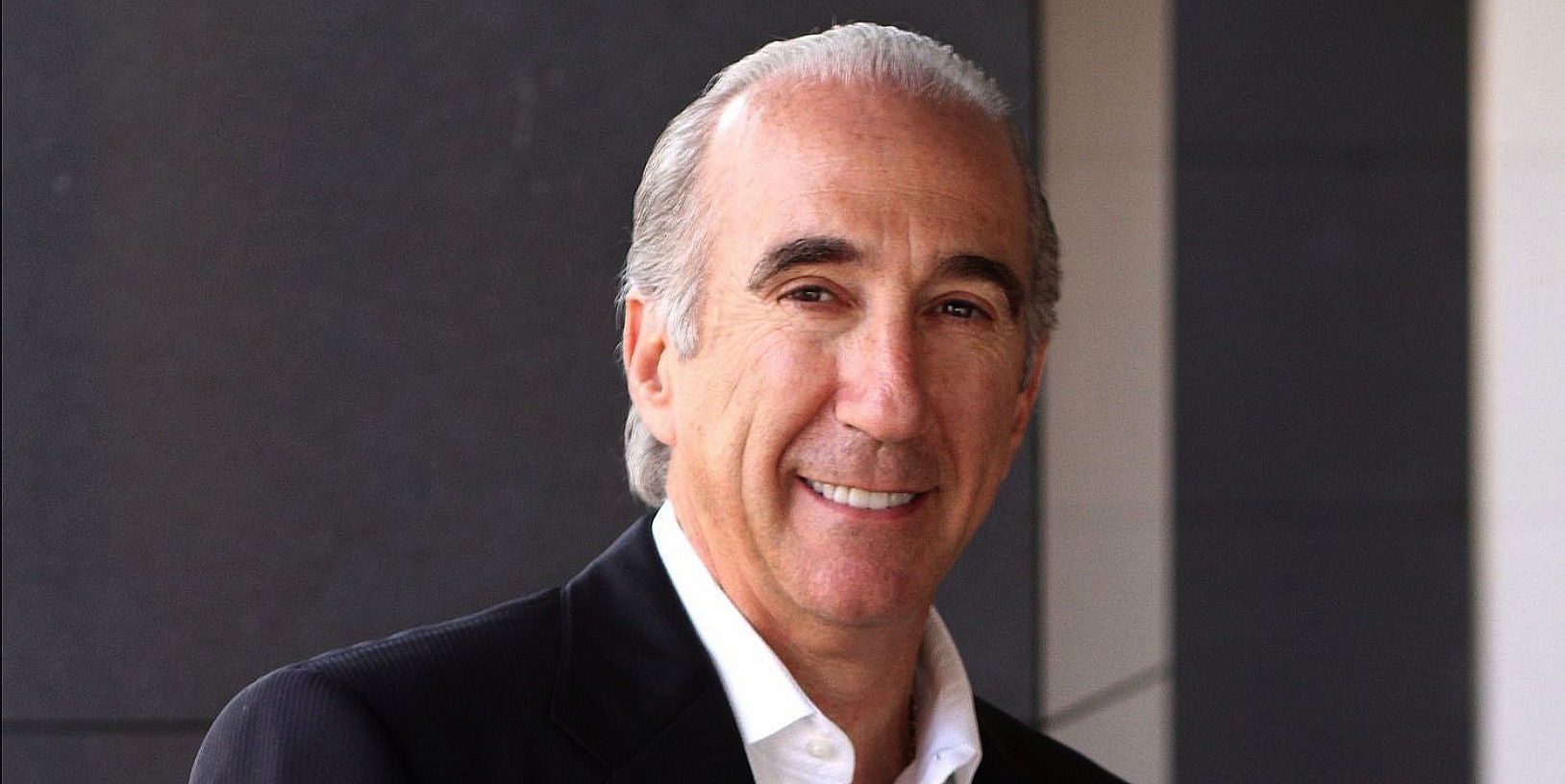
Gary Barber, the narrow-faced, George Washington-resembling chairman/CEO of MGM and MGM Holdings Inc., has been whacked or, put more politely, “asked to leave.” Deadline‘s Anita Busch has reported that MGM Holdings deep-sixed Barber, who had run the company since 2010 and had four years to go on his current contract, “over disagreements on strategy about the future direction of the company,” whatever that means.

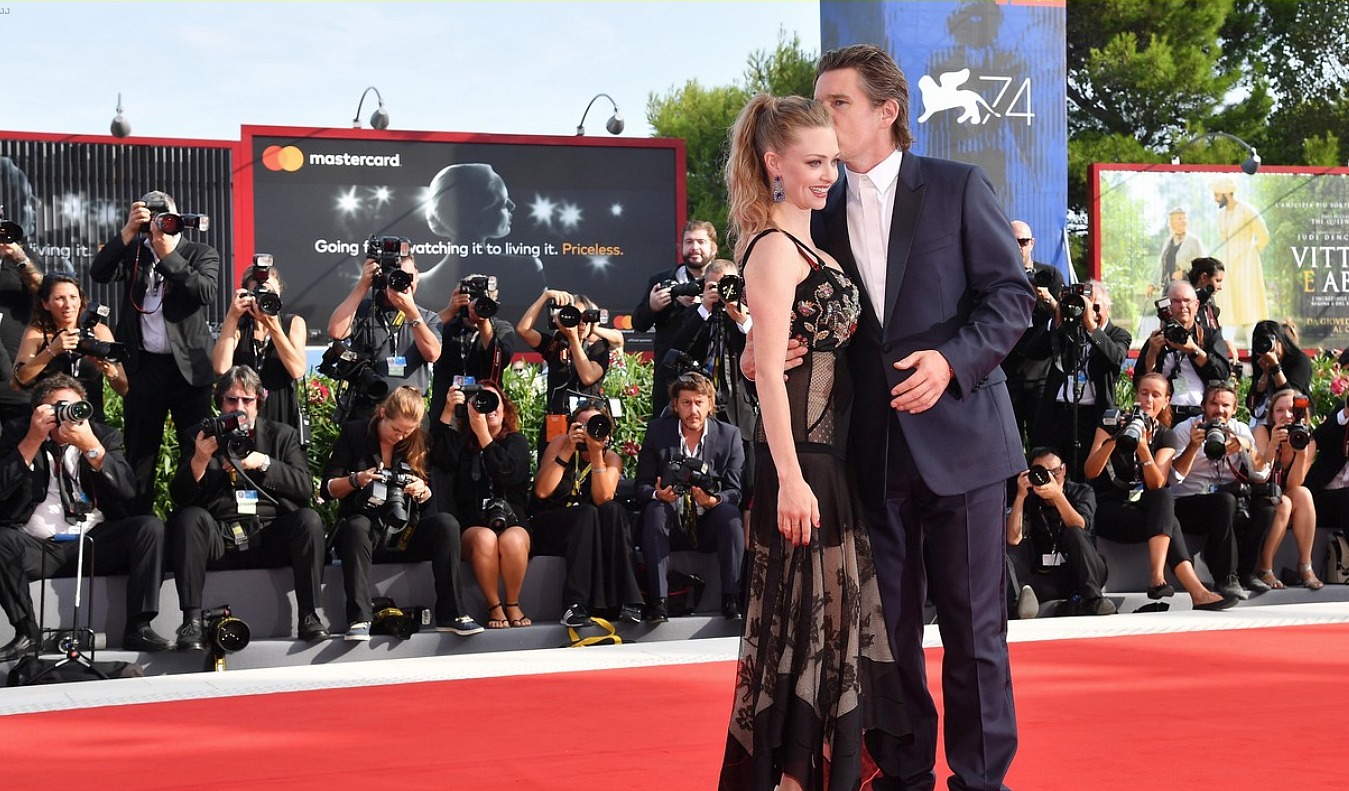
Hollywood Elsewhere says that Barber’s dismissal is an emotionally satisfying thing. Barber may have rejuvenated MGM to some extent and he may have been loved by his now-former employees, but he was an arrogant asshole when it came to the faith and creed of film restoration. For at least the last four years Barber stood in the way of the way of Robert Harris‘s attempt to independently fund a restoration of John Wayne‘s The Alamoa thoughtless and callous act from any responsible perspective.
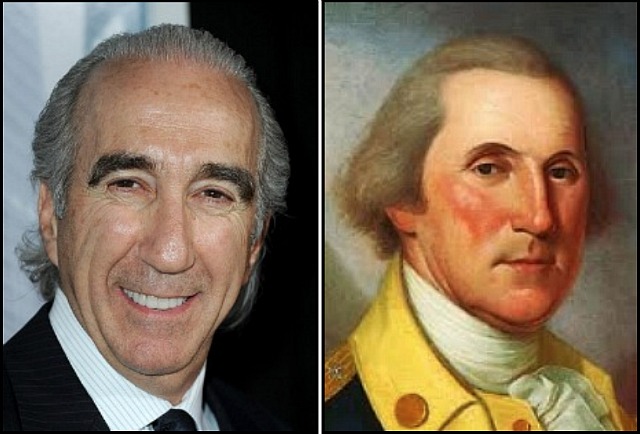

(l.) Former MGM chairman & CEO Gary Barber; (r.) George Washington sometime during the French and Indian War.

Yes, outside the Alamo situation Barber appeared to be a smart, aggressive, well-organized exec who knew how to get things done. Great. Then why did he show such callous disregard for the condition of a not-great but generally respected film that could have been saved in its original 70mm form, but is now lost for the most part? What kind of South African buccaneer, unwilling or unable to spend MGM’s money to restore the 70mm version of Wayne’s film, refuses to allow a restoration of said film to be independently funded?

12.26.14 quote from a “Save The Alamo Facebook page: “Gary Barber is the worst thing to happen to MGM since Jim ‘The Smiling Cobra’ Aubrey systematically sold off the old company in the early 1970’s. Worse, the film library is at stake this time. MGM seems intent on not only having no interest in restoring and preserving [The Alamo], but in actively seeing it destroyed. Unbelievable that this kind of practice is still going on.”
“It’s No Good Fighting An Election Campaign On The Facts…”

“…because it’s actually all about emotion.”

This observation, spoken by Cambridge Analytica managing director Mark Turnbull, is actually fairly astute. Elections primarily are about emotion, and any parties looking to explore the whys and wherefores of “hidden fears and concerns” and then spread information to agitate and exploit these feelings is up to something devious, and yet probably effective.

Turnbull and other Cambridge Analytica execs (including CEO Alexander Nix) were secretly filmed for a Channel 4 News investigative undercover report that was aired in England on Monday, 3.19, and now the world is saying “these guys are skunks.”

Cambridge Analytica is a rightwing data-mining and political intelligence outfit, founded by Steve Bannon and Robert Mercer, that covertly campaigns in elections all over and has claimed a good amount of credit for Donald Trump’s presidential victory.

Channel 4’s report followed stories in The New York Times (posted on 3.17) and London’s The Observer that CA had harvested data from more than 50 million Facebook profiles in its bid to develop techniques for predicting the behavior of individual American voters.

Full Bestiality

The above headline is lifted from the script of The Spy Who Came In From The Cold (’65). It’s from a line spoken by Oskar Werner‘s Fiedler in a special East German tribunal convened to investigate charges of high treason against Peter Van Eyck‘s Hans Dieter Mundt. Speaking to the three judges, Fiedler says “do not shrink from recognizing the full bestiality of this traitor’s crime.” He was speaking of Mundt, but he could just as well be addressing all of us right now.

All Pablo’d Out

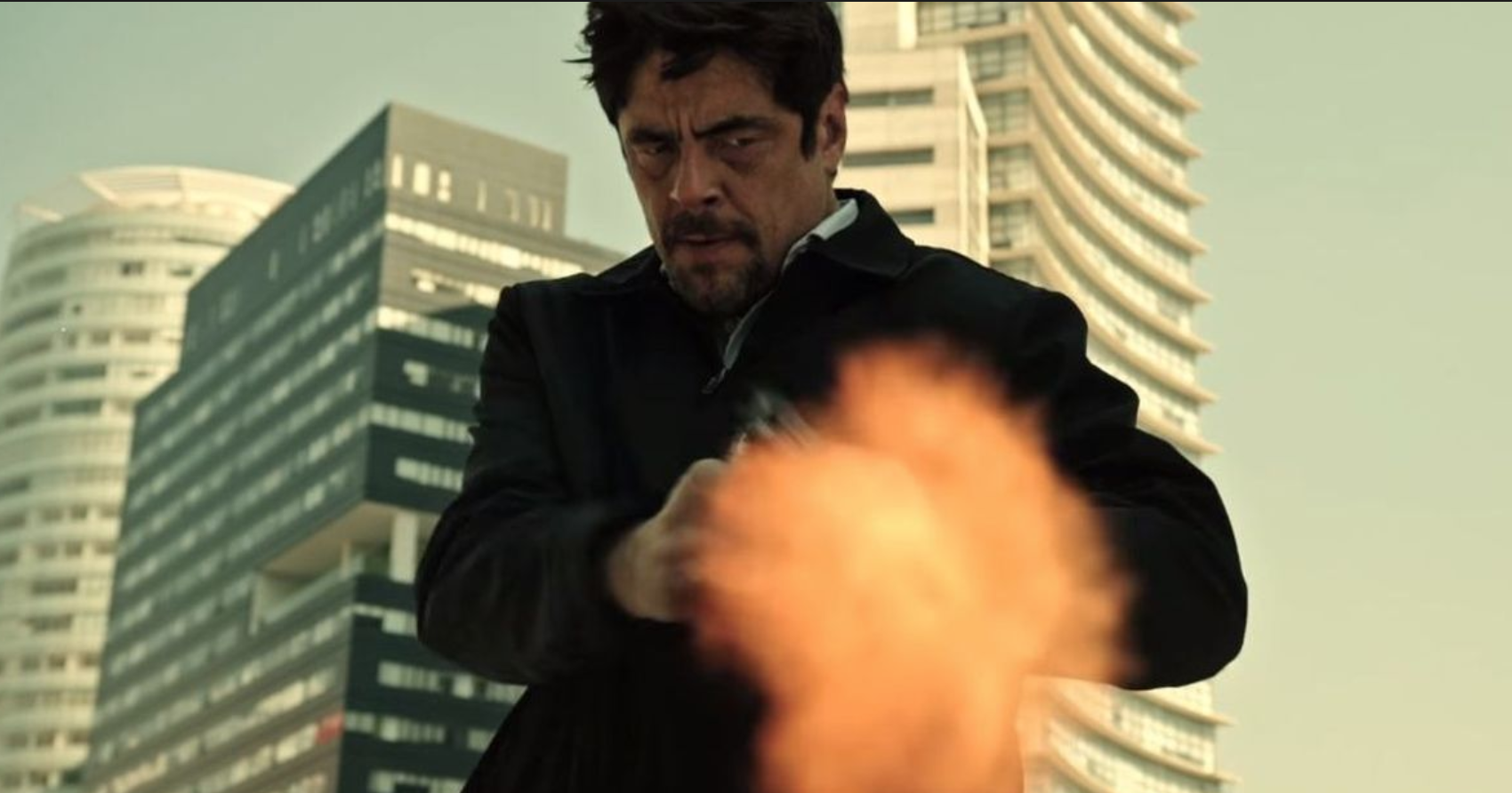
According to most critics, Loving Pablo, which was screened at last September’s Venice and Toronto film festivals, isn’t good enough. Basically a hold-your-nose-and-cash-the-paycheck thing for costars Javier Bardem, Penelope Cruz and Peter Sarsgaard. 27% on Rotten Tomatoes, 44% on Metacritic. Based on Virginia Vallejo´s memoir, directed by Fernando León de Aranoa and, of course. no American theatrical distributor. Netflix’s Narcos series, Escobar: Paradise Lost with Benicio del Toro, The Infiltrator, this thing…how many Pablo Escobar dramas can the market support? I’d like to see it anyway — one of the streaming services should step up.

Killed By Glitchy Software

Is there anyone who didn’t know for a dead cold fact that sooner or later a driverless Uber would kill a pedestrian? Last night’s “autonomous” slaying in Tempe happened around 10 pm. It involved a 49 year-old woman who was walking with her bicycle.

Funniest N.Y. Times paragraph: “Autonomous cars are expected to ultimately be safer than human drivers, because they don’t get distracted and always observe traffic laws. However, researchers working on the technology have struggled with how to teach the autonomous systems to adjust for unpredictable human driving or behavior.”

The above news report says that the woman was “not using the crosswalk.” The autonomous Uber had undoubtedly been programmed — instructed — to not hit pedestrians walking in designated crossing areas, so technically the woman may have been at fault by crossing in a wide-open zone. If George C. Scott‘s General Buck Turgidson was involved in this situation, he would say “the human element seems to have failed us here.”

Yes, I’m kidding. Of course it’s the technology’s fault.

The movie I’m thinking of mostly right now is George Lucas‘s THX-1138. I’m imagining the relatives of the deceased woman going to their computers to talk about their grief, and the heuristically programmed algorithmic computer saying as they log on, “What’s wrong?”

God Is My Tormentor

What defines a spiritual film? In my dictionary it’s any movie in which the main character is constantly communing with (i.e., pondering, meditating, wondering about) his/her inner life or more particularly that voice that seems to be talking to him/her in such a way that the main character is haunted, bothered, unsettled, off-balance and searching for the right thing to do or the right way to be.

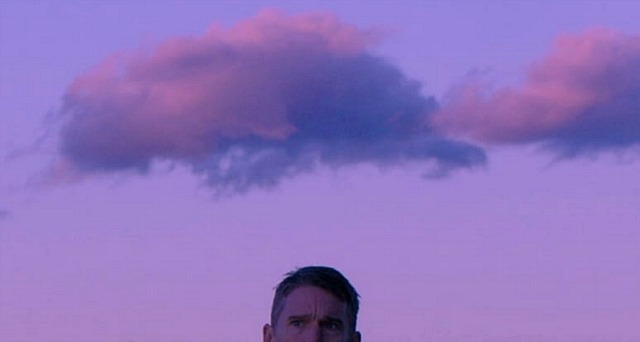
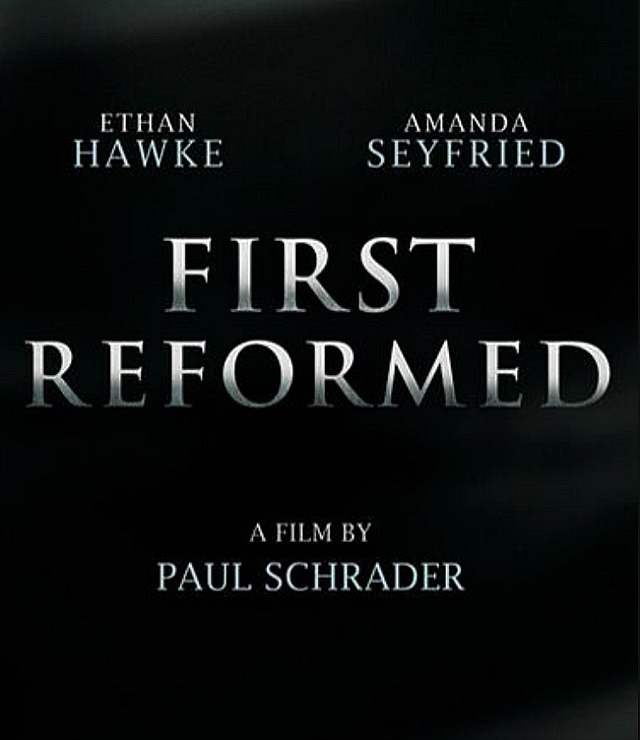
In this sense Paul Schrader‘s First Reformed (A24, 6.22) — an absolute must-see — is a spiritual film in spades. But then so is Taxi Driver, which Schrader wrote some 43 or 44 years ago. And so are a bunch of others.

I don’t want to sound like an easy lay, but I regard Field of Dreams as a spiritual film. I think The Exorcist is a spiritual film, at least as far as Damian Karras‘s character is concerned. Days of Heaven is a spiritual film; ditto The Tree of Life. Obviously Martin Scorsese‘s The Last Temptation of Christ (the screenplay for which was written by Schrader) and Pier Paolo Pasolini‘s The Gospel According to St. Matthew, but not — I repeat, not — Scorsese’s Kundun. (Too suffocating.) It would piss me off to hear someone call Batman Begins a spiritual film, but I suppose the argument could be made.

Is Bernardo Bertolucci‘s Little Buddha a spiritual film? I haven’t decided. Is Moby Dick a spiritual film as far as Gregory Peck‘s Captain Ahab is concerned? I’m still mulling that one over.

I got into this after reading a 3.15 Den of Geek interview with Schrader, the director-writer of First Reformed, and star Ethan Hawke. The sit-down happened last week in Austin during South by Southwest, where First Reformed (A24, 6.22) screened once or twice. It was showered with hosannahs last fall when it played the Venice and Telluride festival; it also played Toronto.

Make no mistake — First Reformed is Schrader’s best film in ages.

From my 9.1.17 rave: “I can’t over-emphasize how amazing it feels to watch a fully felt, disciplined, well–ordered film by a brilliant guy who had seemingly lost his way or gone into eclipse, only to be startled when he leaps out from behind the curtain and says ‘Hah…I never left!'”

Read more

Ball vs. Arthur: The Unfairness of Things

Life is unfair in many ways, but especially in the matter of genetic inheritance. You get what your parents give you and that’s that. If you’re lucky it’s smooth sailing, and if you’re unlucky it’s no picnic. Some, obviously, are dealt “better” or — what’s the best term? — more gracious genetic hands than others. Luck of the draw and all that.

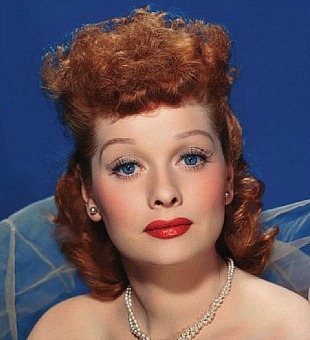
In a comment thread under yesterday’s “Hodgepodge”, HE commenter Brenkilco said that “the Lucille Ball we all recall from I Love Lucy was already in her mid 40s.” Well, later in the 50s she was, but she’d just hit the big four-oh when the original half-hour Desilu show premiered on 10.15.51. Anyway, as Ball’s youthful beauty was the original topic, I was inspired to riff on Ball’s appearance and aging process as she got into her 40s, 50s and beyond.


(l.) Lucille Ball in the early ’40s; (r.) Jean Arthur in 1951.

Lucille Ball was born in 1911. Her bloom-of-youth years were in the 1930s and early ’40s, when she was in her 20s and early 30s. I Love Lucy began in ’51, when she’d just turned 40. She looked older, yes, but partly because she was quite the smoker and drinker, or so I’ve always understood. As Ball aged she was known for having developed one of those gravelly, sharp-edged, deep-pit voices that can only be achieved from decades of of smoking unfiltered cigarettes.

Ball was 45 when the final episode of the initial I Love Lucy series aired on 5.6.57. The Luci-Desi Comedy Hour aired for roughly two and half years, between 11.6.57 and 4.1.60. Ball was 49 in the spring of ’60.

Some people hold on to their looks and keep themselves in shape into middle age, and others don’t. Most of the time it’s simply a matter of genes, sometimes it’s genes + lifestyle, and sometimes it’s genes + lifestyle + deciding against paying for touch-ups.

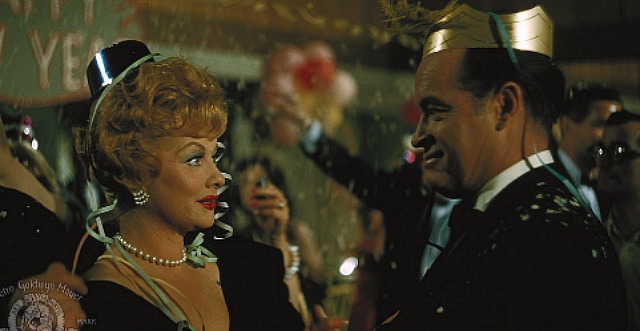
By the time Ball played a would-be suburban infidel in Melvin Frank and Norman Panama‘s The Facts of Life (’60) she was pushing 50 and looked it, even by the standards of the day. By 2018 standards Ball could be in her late ’50s or even her early 60s in that film. On top of which a good portion of Ball’s glamorous image was attributable to makeup, especially eye-makeup. With her fair skin, carroty complexion and less-than-aeorobicized form, she’d developed a somewhat weathered appearance.

Ball was 29 when she married the 23 year-old Desi Arnaz in November 1940.

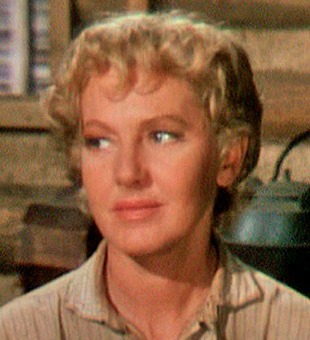
By the same token Jean Arthur was 51 when she made Shane (it finished filming about 16 or 17 months before it opened in April ’53), and she looked a good 10 or even 15 years younger. Arthur was roughly 41 or thereabouts when she shot The Talk of the Town (’42 — directed by Shane helmer George Stevens), but she easily could’ve been 29 or 30 or 31.

Life is unfair, but it doesn’t help if you smoke like a chimney and throw down highballs on a fairly routine basis. I’m referring again to Ball…hell, to almost every mature person of that era. (Almost everyone smoked in the ’50s and ’60s.) No, I don’t know if Arthur was a smoker and drinker also…maybe she was. But if so, she had the genes to withstand the effects of tobacco and alcohol. Ball didn’t.


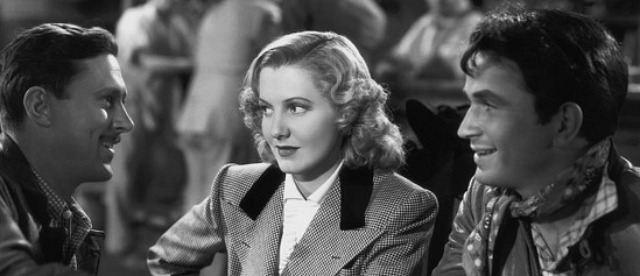
Jean Arthur in Howard Hawks’ Only Angels Have Wings, shot when Arthur was 38 or 39.

Lucille Ball, Bob Hope in The Facts of Life.