Almost Started A Fight on Sunset

I was driving west on Sunset and singing “Honky Cat” with all the skill and deep-down feeling I could muster. Well, I wasn’t actually “singing” as much as singing along with Elton John, but I was holding my end up. I can sing pretty well when I’m in the right mood, and the notes were all within my range and my phrasing and voice control were pretty good if I do say so myself.

So there I was as I approached the Bel Air gate, cruising in Elton heaven. It was sometime in the mid-summer of ’83, a week or two after I’d moved to Los Angeles to work at The Hollywood Reporter, and all seemed right with the world.

[Click through to full story on HE-plus]

Fat Batman vs. Drug Dealers

A friend saw J.C. Chandor‘s Triple Frontier (Netflix, 3.6) last night. First HE question: “Ben Affleck looks almost as fat as Harvey Weinstein in the trailer. Does he look this tubby all through the film or…?” Answer: “This is the biggest I’ve ever seen him.”

2nd HE question: “So how is it?” Answer: “Well, it’s pretty good. I was okay with it. The first two acts really deliver. The photography is excellent.”

3rd HE question: “I’ve heard it’s a little bit in debt to Treasure of the Sierra Madre in that greed gets the better of the main characters.” Answer: “Yeah, that’s an element.”

4th HE question: “I’m presuming not everyone makes it out alive.” Answer: “Uh-huh.”

5th HE question: “I’m presuming Affleck dies and maybe Oscar Isaac also. Those two anyway. Because they divert from the plan and try to steal too much.” Answer: “You know how this works.”

Hollywood Elsewhere will be catching Triple Frontier tomorrow (Sunday) evening.

Read more

Tapley’s Departure

For some undisclosed reason Kris Tapley has walked away from his Variety gig. No, he didn’t go down with the Star Is Born ship — he just wanted to move on. But to what? The immediate question is “but he’s got a kid — why would he bail on a good gig with Variety?” I’m told it’s all cordial and no biggie. Tapley has long bemoaned the Oscar handicapping racket and has long wanted to shift into full-time screenwriting. But again, moving on to what? A father can’t quit a good job unless he has another one waiting.

2020 Best Picture Contenders — Revised

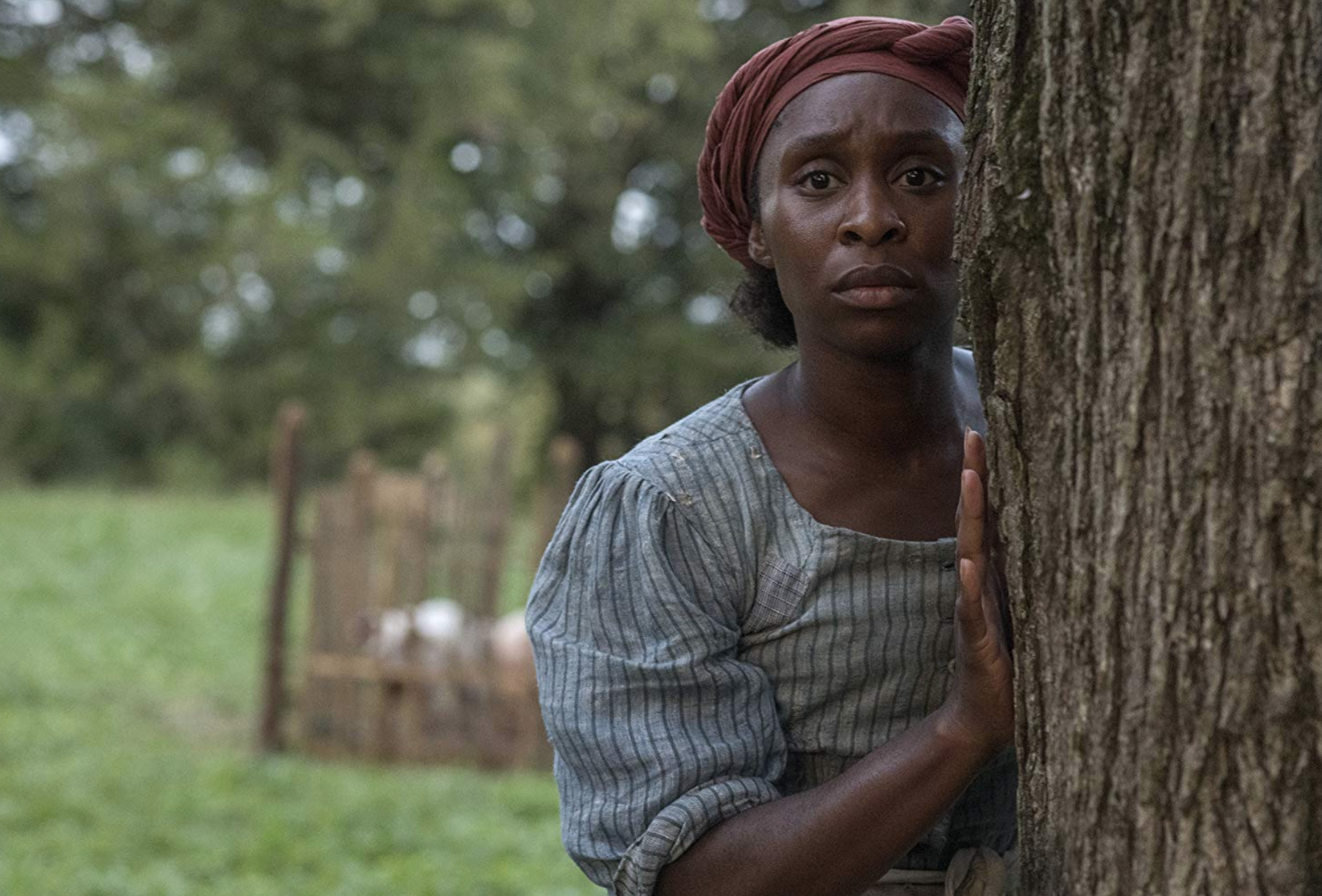
Right now I’ve got nine likely Best Picture nominees for 2020. What am I forgetting? Which of these nine seem dicey (if any)? I have a notion that if Harriet is well acted and carefully crafted (and who knows if it will be?), it’s going to be a big contender. And don’t forget Soderbergh’s The Laundry.

1. Martin Scorsese‘s The Irishman (Netflix, sometime in October) — A mob hitman recalls his possible involvement with the slaying of Jimmy Hoffa. (Robert De Niro, Al Pacino, Joe Pesci, Jesse Plemons).

2. Quentin Tarantino‘s Once Upon A Time in Hollywood (Sony, 7.26) — A faded TV actor and his stunt double embark on an odyssey to make a name for themselves in the film industry during the Helter Skelter reign of terror in 1969 Los Angeles. (Leonardo DiCaprio, Brad Pitt, Margot Robbie, Al Pacino).
3. Marielle Heller‘s A Beautiful Day in the Neighborhood — The story of Fred Rogers, the honored host and creator of the popular children’s television program, Mister Rogers’ Neighborhood. (Tom Hanks, Matthew Rhys, Susan Kelechi Watson, Tammy Blanchard)

4. Greta Gerwig‘s Little Women (Sony, 12.25) — Four sisters come of age in America in the aftermath of the Civil War. (Florence Pugh, Timothée Chalamet, Emma Watson, Saoirse Ronan)

5. Jay Roach‘s Fair and Balanced (Lionsgate) — Fox honcho Roger Ailes and sexual harassment allegations that resulted in his resignation. (Charlize Theron, Nicole Kidman, Margot Robbie, John Lithgow, Allison Janney, Kate McKinnon, Malcolm McDowell, Mark Duplass)

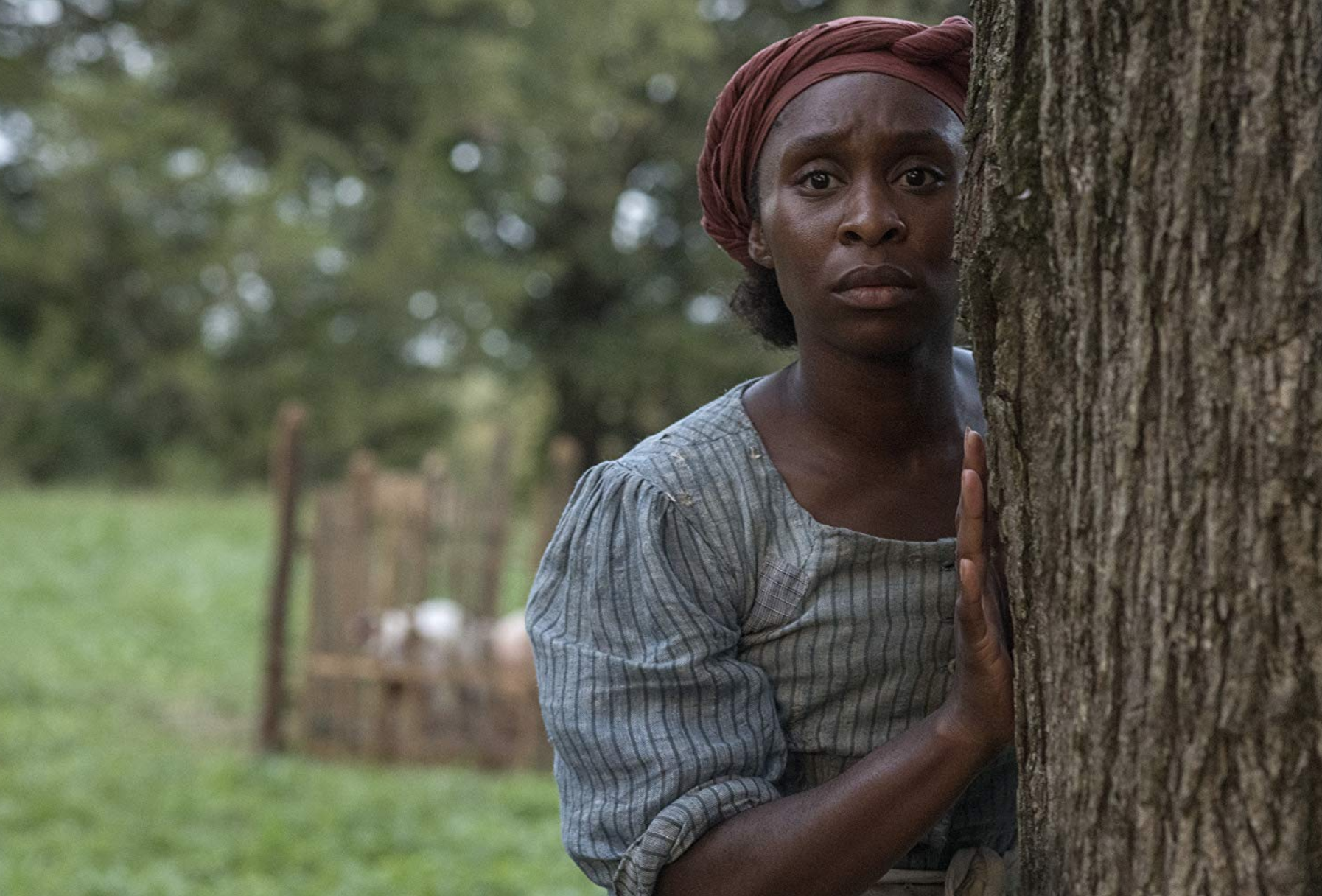
6. Kasi LemmonsHarriet (Focus Features) — A feminist 12 Years A Slave, based on the story of freedom fighter Harriet Tubman (Cynthia Erivo), her escape from slavery and subsequent missions to free dozens of slaves through the Underground Railroad in the face of growing pre-Civil War adversity. Cynthia Erivo, Janelle Monae, Joe Alwyn, Deborah Ayorinde, Clarke Peters, Leslie Odom Jr., Tory Kittles, Vondie Curtis-Hall.

Read more

One of Best Edited Films Ever

The guys who edited Oliver Stone‘s JFK (’91) — Joe Hutshing (Born on the Fourth of July, Jerry Maguire) and Pietro Scalia (Good Will Hunting, Gladiator, Black Hawk Down) — deserved their Best Editing Oscar and then some.

Two years ago a You Tube commenter said, “Sometimes I wonder how many times in my life I’ve seen JFK’s head explode.” Ten months ago another wrote, “Whenever I watch President Kennedy die, it deeply saddens me.” Around the same time another guy wrote, “I’ve probably seen JFK’s head explode a million times.”

Honestly? I’ve probably watched this grotesque footage at least a couple of hundred times, and despite what certain conspiracy buffs have been claiming all along I know for a damn fact there was no occipital back-of-the-head blowout — the spillage was strictly limited from the top of the head down to the right-side temple.

After Tomorrow, Jackson’s Name Will Be Mud

Dan Reed‘s Leaving Neverland (HBO, Sunday and Monday night) is fascinating stuff — you can sense right away that nobody’s lying, that this stuff really happened. About 40 or 45 minutes into the first half, the first stirrings of nausea will be felt in your stomach. By the end of this segment you’re going to feel a lot sicker — trust me.

“You should have seen the faces of the audience members during the ten-minute intermission of Leaving Neverland at the Egyptian. They had that look of hollowed-out nausea, submerged disgust…trying to hide their revulsion.” — “Sweet Gentle Monster,” posted from Park City on 1.25.

Hardcore Jackson loyalists need to face up to this. If they want to call it bullshit after it’s over, fine — but they need to man up and watch it and look deep into the faces of Wade Robson and Jimmy Safechuck and just fucking listen. And then think about it after. And then watch Robson and Safechuck talk it over with Oprah Winfrey. After they’ve done that, they can think or believe anything they want.

From “10 Undeniable Facts About the Michael Jackson Sexual-Abuse Allegations” by Vanity Fair‘s Maureen Orth:

1. There is no dispute that, at age 34, Michael Jackson slept more than 30 nights in a row in the same bed with 13-year-old Jordie Chandler at the boy’s house with Chandler’s mother present. He also slept in the same bed with Jordie Chandler at Chandler’s father’s house. The parents were divorced.

2. So far, five boys Michael Jackson shared beds with have accused him of abuse: Jordie Chandler, Jason Francia, Gavin Arvizo, Wade Robson and Jimmy Safechuck. Jackson had the same nickname for Chandler and Arvizo: “Rubba.” He called Robson “Little One” and Safechuck “Applehead.”

3. Jackson paid $25 million to settle the Chandlers’ lawsuit, with $18 million going to Jordie, $2.5 million to each of the parents, and the rest to lawyers. Jackson said he paid that sum to avoid something “long and drawn out.” Francia also received $2.4 million from Jackson.

Read more

Spielberg Isn’t Fooling Around

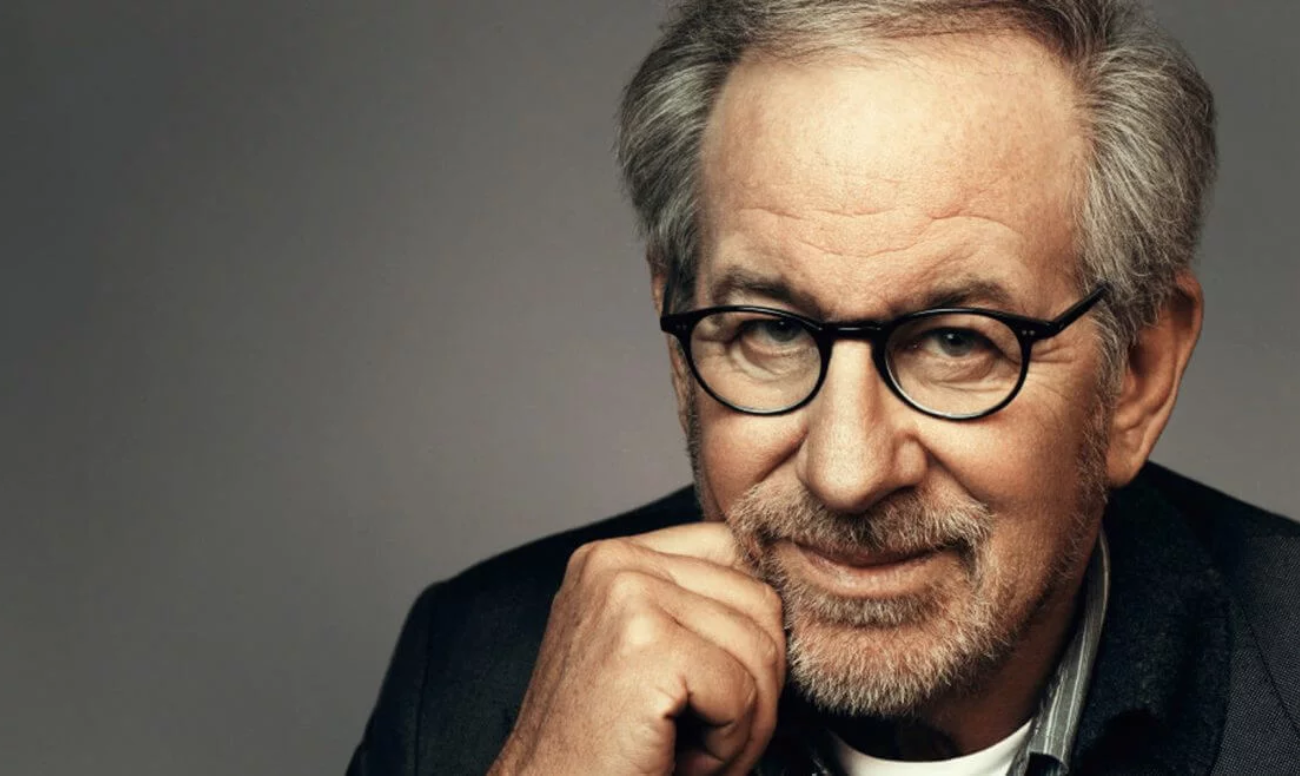
Steven Spielberg really and truly wants to ban all future awards-hungry Netflix films from the Oscar party, including Martin Scorsese‘s The Irishman. Unless, that is, Netflix gets serious about extended theatrical bookings.

Spielberg has flat-out said that “films given token qualifications in a couple of theaters for less than a week shouldn’t qualify for the Academy Award nomination.” Now, at the annual Academy Board of Governors meeting in April, he intends to propose a rule change that would make Netflix films ineligible for Oscar consideration.

Amblin spokesperson: “Steven feels strongly about the difference between the streaming and theatrical situation. He’ll be happy if the others will join [his campaign] when that comes up [at the Academy Board of Governors meeting]. He will see what happens.”

Hollywood Elsewhere agrees with what Spielberg is trying to do here. He’s just trying to implement strict but fair award-season rules, and to guard against future Roma-styled spending blitzkriegs, and at the same time take steps that will protect (in a very precise and limited way) theatrical exhibition during award season.

In other words Hollywood Elsewhere would definitely prefer that Netflix honchos commit to serious 90-day theatrical bookings before going to streaming. I for one genuinely hope they’ll be forced to do this for their award-season contenders. Amazon is loosening its theatrical attitudes and procedures, but Hollywood Elsewhere stands foursquare behind the idea that serious award-season contenders need to be held to three months in theatres before going to streaming. Really.

I’m not talking about garden-variety, day-to-day streaming — that’s obviously the main way that people see movies these days. But award-season contenders should be subjected to different rules.

The Academy governors will listen politely to Spielberg, but let’s get real — the toothpaste is out of the tube and there’s no putting it back in. What are the odds that the Academy is going to exclude The Irishman, a total Netflix package, from Best Picture competition later this year (and into ’20)? Right now I would say they’re not high, but at the same I recognize that Netflix won’t bend its operational strategy unless the Academy totally puts its foot down about award-season theatrical commitments.

I just hope that enough people join Spielberg in insisting on this award-season stipulation.

For The Record

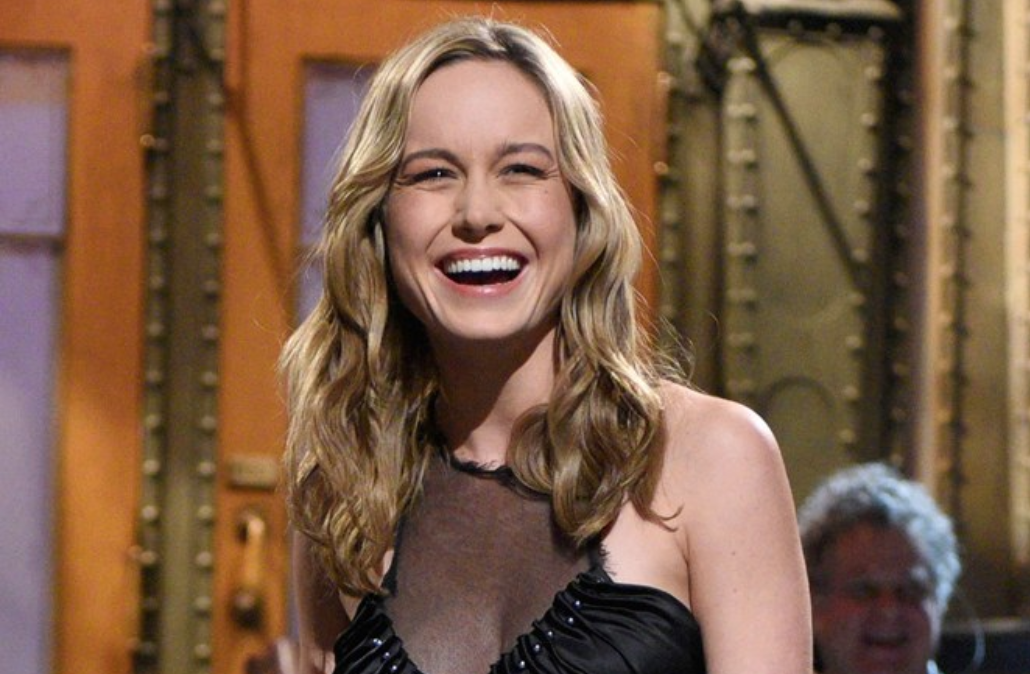
With the opening of Captain Marvel days away, I need to reiterate that Brie Larson was dead-ass wrong when she said the following last June: “I don’t need a 40-year-old white dude to tell me what didn’t work about A Wrinkle in Time. It wasn’t made for him. I want to know what it meant to women of color, biracial women, to teen women of color.”

In other words, if a movie wasn’t specifically “made” for you or your demo — if a film’s theme or subject doesn’t address your gender, age group or ethnic identity — you might want to see something else because you might have difficulty appreciating its finer aspects.

Larson’s statement also implies that there’s no such thing as a seasoned critic being able to recognize whether or not a filmmaker knows what he/she is doing in terms of implementing a vision by way of craft, technique and artful dodging. She seemed to be saying that subjectivity — gender, age, identity — is as important as learned perception, and perhaps a bit more so.

I’ve been in this racket since the late ’70s and there really is a thing called “being smart, educated and experienced enough to really know what you’re talking about.” Being white or over 40 is not necessarily a hindrance in this regard (the over-40 part actually helps for the most part), and being female or a person of color is not necessarily a plus when it comes to assessing films like Captain Marvel, A Wrinkle in Time or Ava DuVernay‘s When They See Us.

I know this is the wrong thing to say in our highly politicized environment, but a good film is a good film.