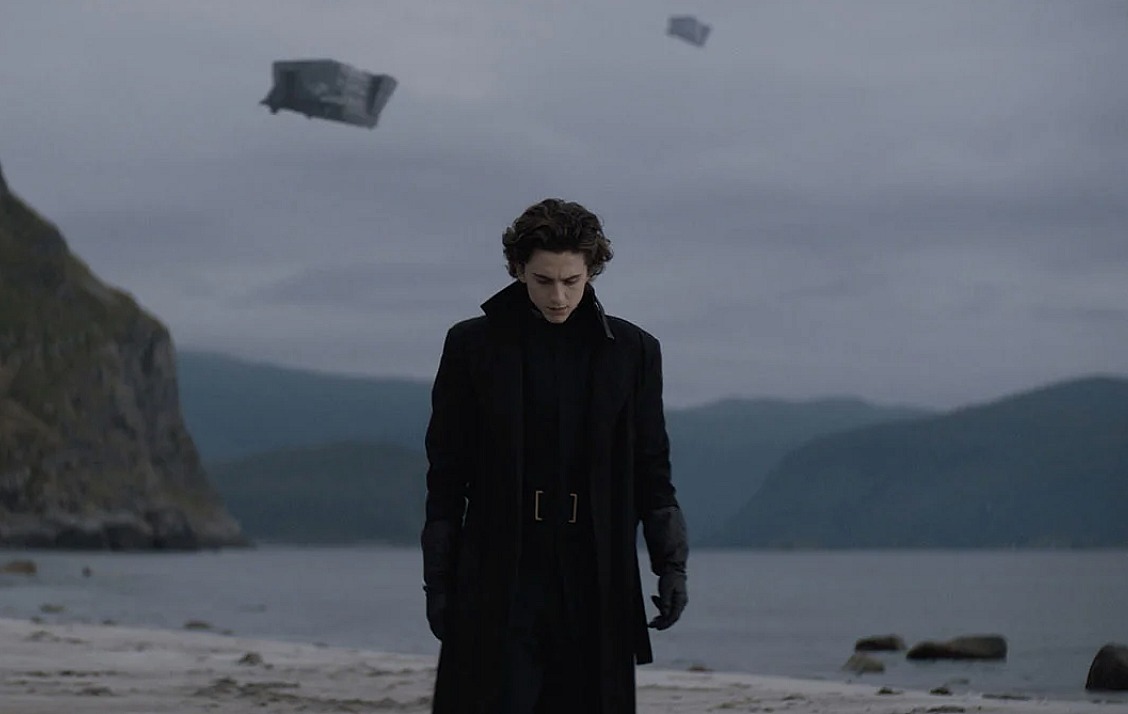
Who in a besieged pandemic realm is in a mood to contemplate Denis Villeneuve and Timothee Chalamet‘s forthcoming Dune (Warner Bros., 12.18)? My first reaction was to instantly dismiss whatever the flying devices may be or represent or what-have-you. My second was “another seaside-cliff image in the wake of Portrait of a Lady on Fire and the forthcoming Ammonite?” My third was “why is Chalamet wearing a dark blue Barney’s winter overcoat circa 2005?”
J.C. Chandor‘s Margin Call (Lionsgate/Roadside) was one of the big highlights of the 2011 Sundance Film Festival, or a decade ago. There’s no way that a film like Margin Call (a story about white financial elites grappling with a 2008-like Wall Street crisis, and costarring an accused sexual predator) would premiere at the Sundance Woke Festival of today, 95% of which focuses almost entirely on films about women’s issues, people of color, the LBGTQ community, etc.
This is why Sundance is essentially over — why it has come to the end of a long history of success and vitality (early ’90s to 2017) after succumbing to HUAC-style Khmer Rouge wokeness mixed with strong currents of punitive #MeToo consciousness. Not for being progressive, but for creating and feeding a political environment that (not absolutely but to a large extent) frowns upon the white-guy (and especially the older white guy) realm.
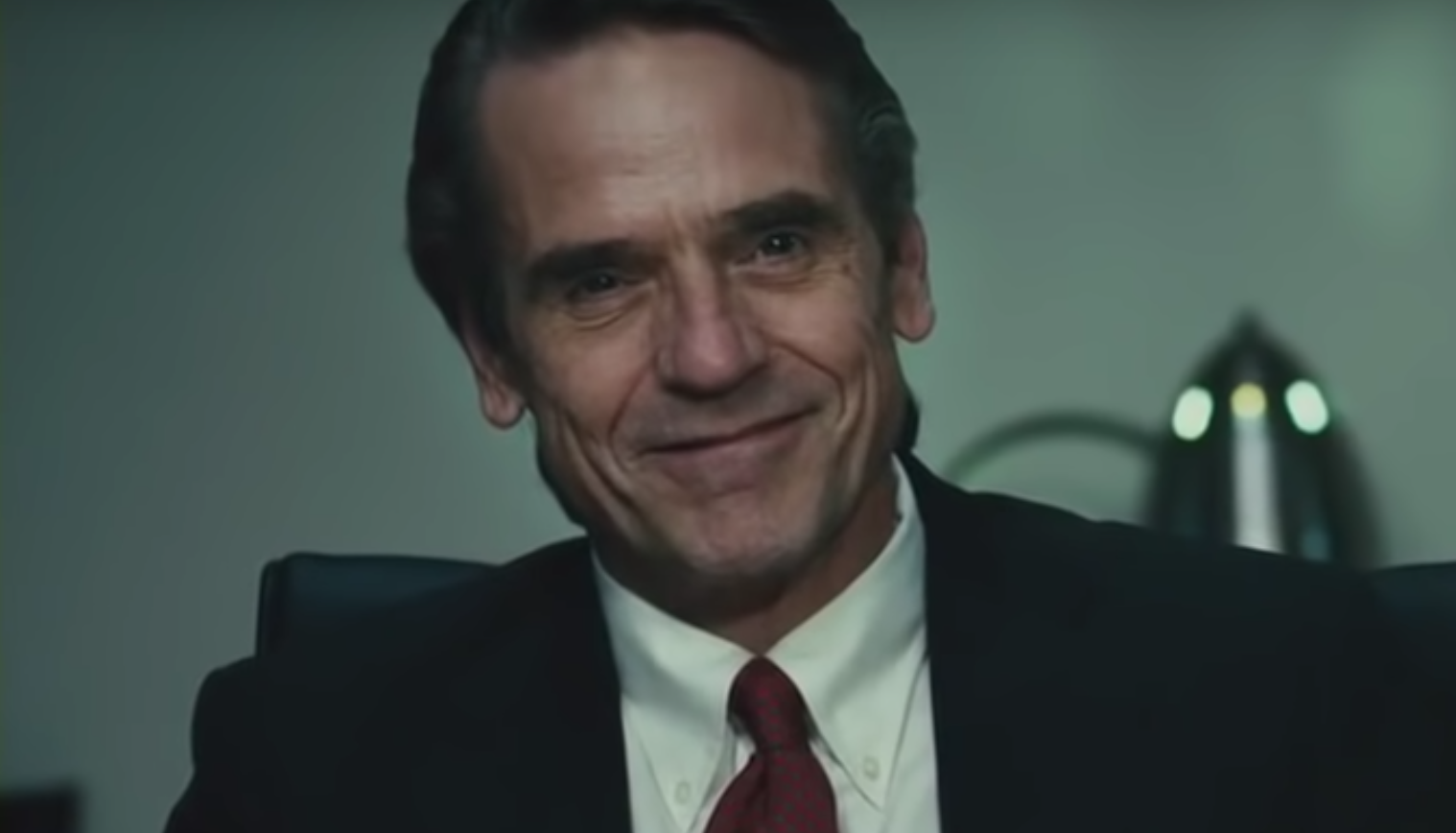
Margin Call is arguably Chandor’s best film ever, and it contains one of the finest Kevin Spacey performance of the 21st Century. Not to mention the performances by Jeremy Irons, Zachary Quinto, Simon Baker and Paul Bettany.
HE commenter: “Worked in investment banking during the 80’s. Most of the guys at the top tier (Spacey/Bettany characters) don’t know how to ‘read’ the numbers. The film drilled it home that they are salesmen. They wine and dine bright and aggressive young men and bring them in to the business. The boardroom scene hinges on the idea that all these financial geniuses look to a rocket scientist (Quinto) for confirmation that their business plan is screwed. 2008 is summed up with the correct conclusion — nobody knows anything. One of the year’s best.”
Senator Bernie Sanders has endorsed Doddering Joe Biden for the Democratic nominee for president — not a major thing. Who believes that the Bernie Bros. will turn the other cheek and endorse Biden now? Who believes that Michael Moore will become a staunch Biden guy? Get outta town.
Sanders: “We need you in the White House, Joe, and I will do all that I can to make that happen.” Biden: “Bernie, I uh…I want to thank you…that means a great deal…your endorsement means a great deal. I’m gonna need ya…not just to win the campaign but to govern.”
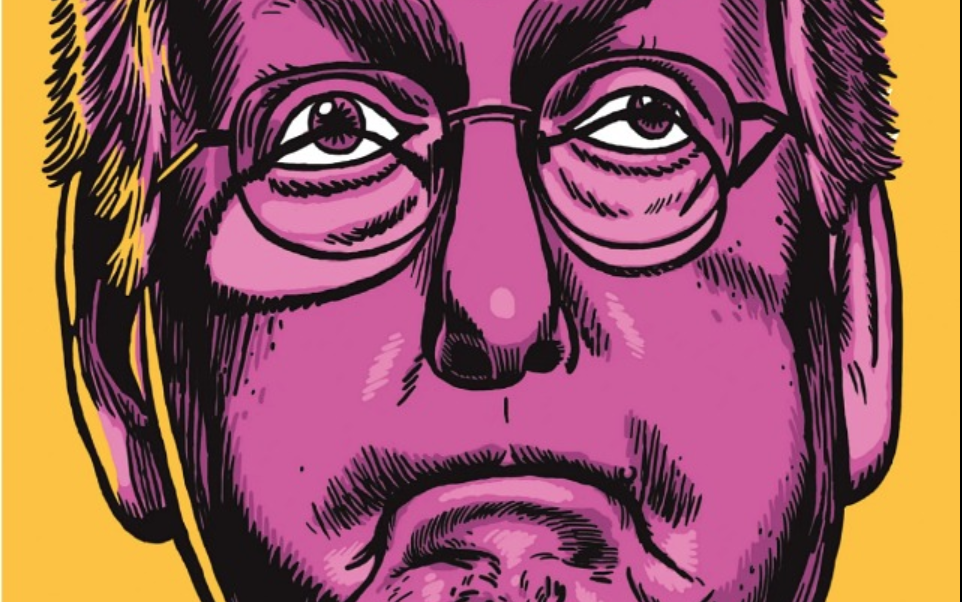
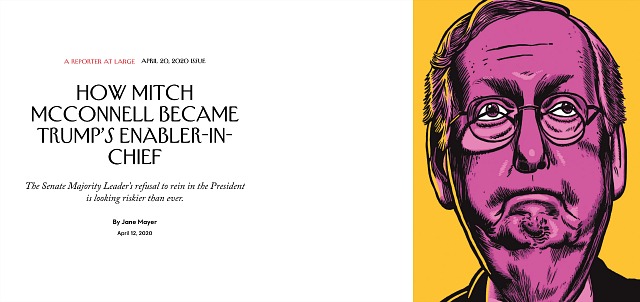
The differences between the internals (political allegiances, character, guiding philosophy, ethics) of Senate Majority Leader Mitch McConnell and ’50s-era Senate Majority Leader (and then Vice-President and U.S. President) Lyndon B. Johnson are stark.
During his mid ’50s to mid ’60s heyday Johnson was a tough and wily politician who pushed through progressive legislation.
Since he became Majority Leader in early ’15 McConnell has done nothing of significance except (a) block Barack Obama’s nomination of Merrick Garland to the Supreme Court, (b) block pretty much all legislation that doesn’t serve corporate interests and (c) serve the agenda of an Oval Office sociopath.
For most of his Congressional political career Johnson hid his liberal-moderate colors while being fairly unscrupulous in his pursuit of naked power.
Every day McConnell coughs up hairballs of cynicism and serves the agenda of the most dangerous president in the history of this nation.
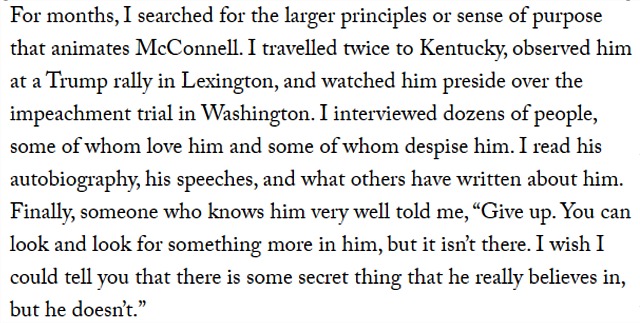
But I have to say (and it gives me no pleasure to do so) that while reading Mayer’s piece I was reminded of descriptions of Johnson in Dave Grubin‘s American Experience doc “LBJ” — descriptions offered by former aides and friends during Johnson’s Senate Majority days.
Howard Schuman, U.S. Senate Aide: “Well, one doesn’t know whether he was a liberal or a reactionary. Probably he was neither. He probably was just an extraordinarily skillful parliamentarian who was an opportunist and who sensed the wind and then went in that direction.”
Ronnie Dugger, LBJ Biographer: “…the absolutely unqualified opportunism of a successful politician of this particular mold.”
John Connally, LBJ Campaign Aide, LBJ Advisor: “He had no interests, really, except politics. That was his whole life. He was totally committed to it. He never read anything except politics. He didn’t care about any sports. He didn’t read any books. I don’t know of one book he read in all the years I’ve known him.”
Joseph Rauh, Jr., Americans for Democratic Action: “My opinion was that he was destroying the Democratic Party and not doing his job. His job was the opposition to the Eisenhower Administration and he didn’t do it. They were just playing hanky-panky with each other and there was really no Democratic opposition.”
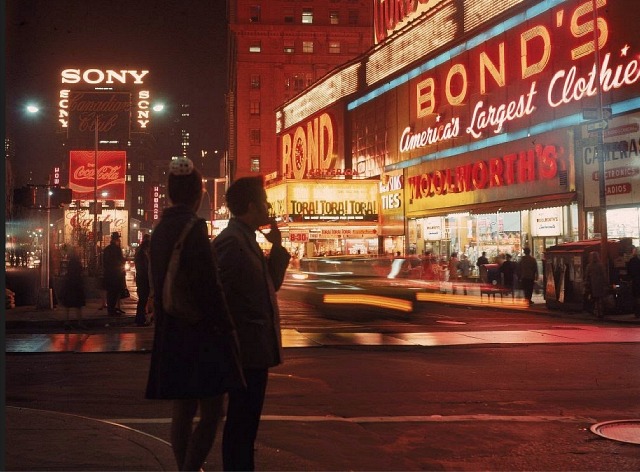
With nothing much to say, a couple of shots from earlier today plus 17 or 18 images of life as it was not long ago…pre-masks, pre-surgical gloves, pre-incessant hand washings, etc.
I’ve always loved that creeping green mist in The Ten Commandments…death from the sky that crawls through streets, up walls and along palace floors. Presumably a physical effect but how was it achieved? I’ve never read a good explanation or discussion.
During last night’s SNL quarantined monologue Tom Hanks mentioned that his head had been shaved for Baz Luhrman‘s Elvis Presley movie, which is presumably still on hold during the pandemic. The idea was for Hanks to closely resemble Colonel Tom Parker, who was Presley’s slippery manager from the mid ’50s until Presley’s death in ’77.
If Luhrman and Hanks are going for 100% realism Hanks would have to wear a fatsuit as Parker became something of a lardbucket in the ’60s.
I’m a sucker for well-honed films like Incitement (Greenwich, 4.20), a subdued but fascinating Israeli-made thriller about what Yigal Amir, the Israeli law student who murdered Israeli Prime Minister Yitzhak Rabin on 11.4.95, went through in the year leading up to the slaying.
Kudos to director-writer Yaron Zilberman, co-writer Ron Leshem and an altogether excellent Israeli cast (Yehuda Nahari Halevi, Amitai Yaish, Anat Ravnitzki, Yoav Levi) on a job well done.
Unfolding in a fashion vaguely similar to Fred Zinneman‘s Day Of The Jackal (about the failed assassination of Charles De Gaulle) and Mark Robson‘s Nine Hours to Rama (a fictionalized account of the murder of Mahatma Ghandi), Incitement is one of those “here’s how and why a misguided fanatic carried out an infamous deed” flicks.
An exacting, confident, carefully measured narrative.
We obviously know going in that Amir will succeed in murdering Rabin over the divisive Oslo Peace Accord. And yet the film holds our attention while laying on the suspense. The pleasure is all in the assembling.
Incitement boils down to a character study of Amir — devout, soft-spoken, fiercely intelligent — and the influences that led to his carrying out the killing. The film condemns his enablers, principally the fanatical, ultra-nativist Israeli zealots (soldiers, rabbis, political activists) who agree that Rabin has betrayed Israel by trying to “give peace a chance” via the Oslo pact.
An aspect that vaguely annoyed me was Amir’s intense passion for Nava (Daniella Kertesz), a beautiful fellow student who admires and cares for him but feels increasingly skittish about his hardcore rightwing views. Her parents are also skeptical and disapproving.
Amir wants to marry Nava, but also seems increasingly hellbent on murdering Rabin from an early stage in the film. So what’s the point, I was wondering, of getting seriously involved with anyone? Yigal eventually loses Nava’s allegiance, which seems to nail his fate down all the more. If Nava had agreed to marry him he might have decided against murdering Rabin, but, as noted, Amir seems determined early on.
Incitement tasted brief theatrical exposure earlier this year. The big North American debut happened in Toronto last September.
The disaster film cycle of the ’70s consisted of roughly 20 titles, beginning with Airport and The Poseidon Adventure in ’70 and ’72, peaking with The Towering Inferno and Earthquake in ’74, and ending ignominiously with films like The Swarm, Meteor, Hurricane, The Concorde: Airport ’79 and When Time Ran Out. The genre was finally killed off in 1980 by the comic spoof Airplane!.
All popular genre films have reflected real-life social undercurrents — fantasies and fears that Joe and Jane Popcorn were grappling with deep down. Superhero films were essentially ignited by 9/11. The popularity of early ’30s romantic musicals and screwball comedies was fed by the Great Depression. Patriotic war films in the early to late ’40s surged for obvious reasons. The fatalistic film noir genre was about post-WWII gloom (i.e., ex-servicemen and their wives grappling with the loss of spirit and complex social realities). ’50s sci-fi and monster flicks were about cold-war paranoia, fear of Russian atomic bombs, shifting social mores.
What were disaster films essentially about? In a nutshell the fear of late ’60s social upheavals (drugs, rejection of straight-laced values by the counter culture, radical anti-war street demonstrations) by dutiful, lawn-mowing, mortgage-paying middle-class schmoes. The same people who voted for Richard Nixon in ’68 and ’72 and who loved films like That’s Entertainment! and Broadway shows like No No Nanette were especially receptive to disaster films.
Engaged X-factor audiences loved the early to mid ’70s, of course — Hollywood’s greatest creative surge happened between The Graduate and Easy Rider at the launch, and Jaws and Star Wars at the bitter end. But the polyester-wearing middle class was fairly terrified of the noirish mood of the early ’70s era and all the social convulsions.
Which is why a certain amount of credit should be given to Krakatoa, East of Java (’69) for being the first disaster film of that era, the elements having fermented in the mid ’60s and the film shot in ’68.
Krakatoa was unsuccessful critically and commercially and it was a closer relation of The Devil at Four O’Clock than anything else, but on some level producer Philip Yordan was the first to pick up signals that the climate of the late ’60s would be receptive to this kind of fare.
I still don’t want to watch it. It looks like crap.
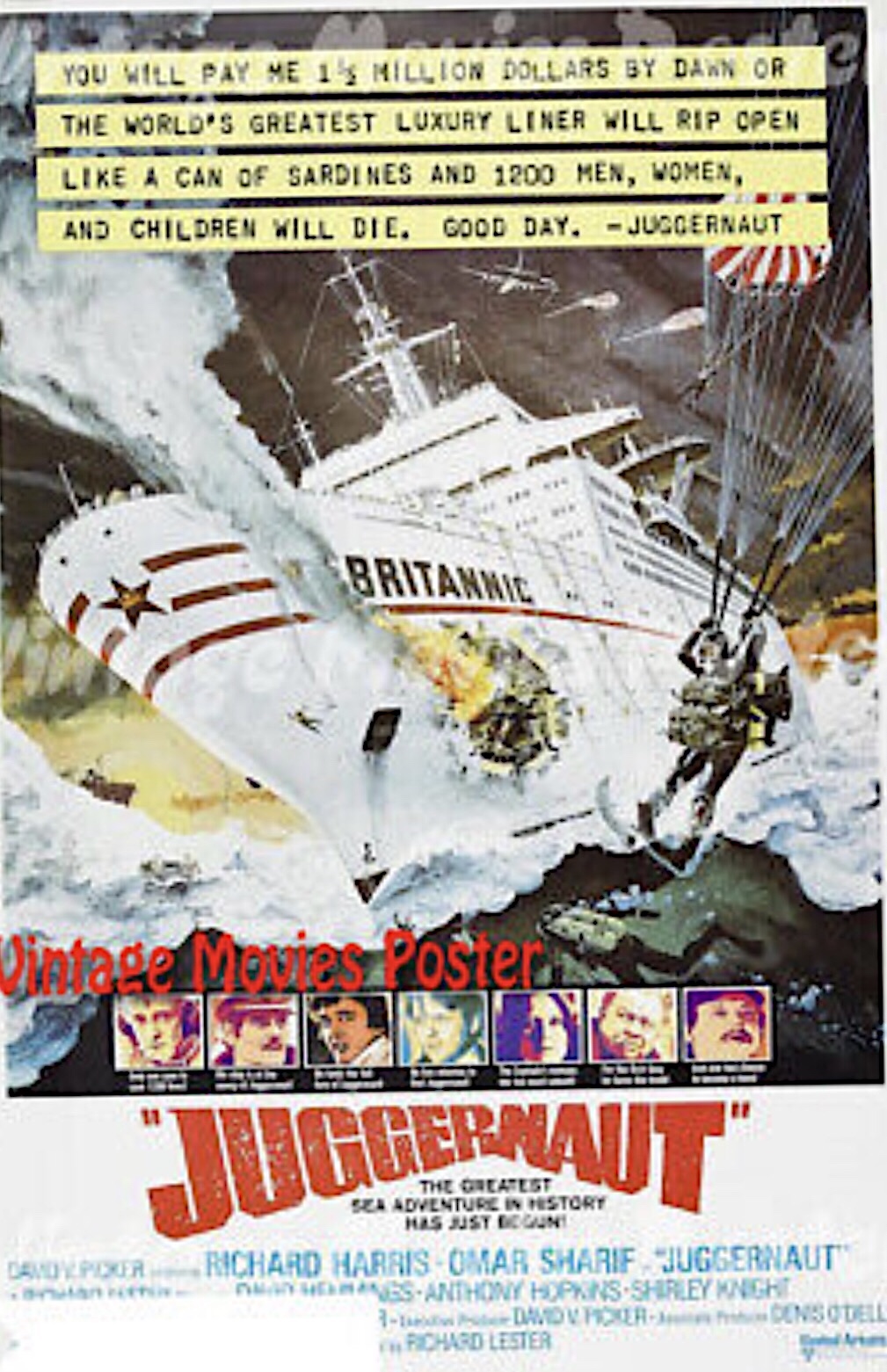
Juggernaut was a kind of sardonic attitude dramedy mixed with subtle, built-in suspense along with a “catch the bad guy” sideplot. It was driven by impending disaster (i.e., bombs aboard a cruise ship), and was therefore first, last and always a disaster film. The difference was that Juggernaut wasn’t aimed at your typical disaster flick audience but film sophisticates who had loved Lester’s The Three Musketeers, Petulia and A Hard Day’s Night.
After the commercial opening Lester was quoted saying that Juggernaut was hurt by people thinking it was a disaster movie “when that wasn’t what it was at all.” Due respect but it was a disaster film. It just happened to be a really good one.
Pauline Kael: “The only disaster picture that has redeemed the genre is Richard Lester’s Juggernaut, which kidded the threadbare pants off the same clichés that the other pictures still try to make work.”
The Juggernaut Wiki page describes it as a “British crime suspense film” — bullshit. The film’s late producer David Picker, with whom I spoke three or four years ago, explicitly recalled that it was greenlit because of the popularity of the disaster cycle.
Excerpt: “Original screenwriter Richard Alan Simmons would have produced and Bryan Forbes was to direct with Richard Harris starring [and the] film starting in January 1974.
“Forbes left the project, however, as did his replacement, Don Medford. Picker then turned to Lester, with whom he had made a number of films at United Artists. Lester was finishing work on the Musketeers films in Spain when he got a call from Denis O’Dell saying “We just fired our second director and I’ve got a Russian ship and we’ve got to leave on 18 February. Will you take it on?”
“Lester completely rewrote the script with writer Alan Plater. With Harris, Omar Sharif and David Hemmings already cast, Lester cast the rest. He wound up filming three weeks after his original call.
“‘I think if I’d sat carefully and thought about it I wouldn’t have done it,’ said Lester later. ‘It was very exciting. And I think that energy of getting it right carried it through. It was a wonderful experience, great fun.’
“Simmons was so unhappy with the reworked script that he had himself credited as Richard DeKoker on the finished film.”
Juggernaut opened on 9.25.74. It wasn’t a commercial disaster but it under-performed ($3.4 million gross) by disaster movie standards. Average audiences looked at the trailers and read the reviews and said, “Not schlocky enough!”
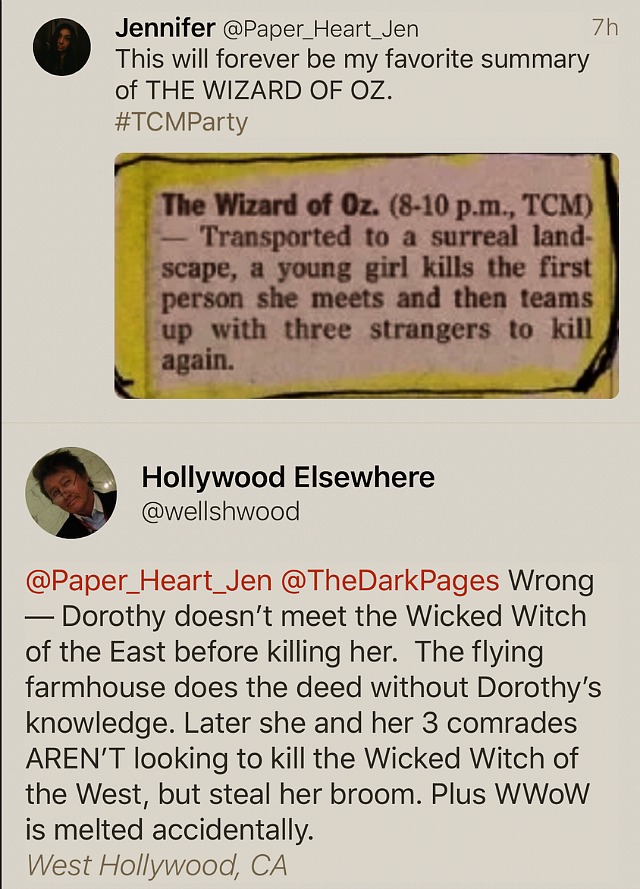
The Wizard of Oz TV blurb has been a meme for years, but I posted the below reply last night.
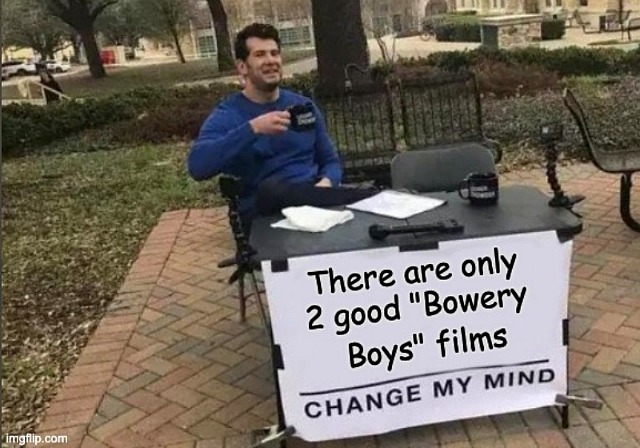
William Wyler and Lillian Hellman‘s Dead End (’37 — based on a 1935 hit play by Sidney Kingsley) and Michael Curtiz‘s Angels With Dirty Faces (’38) were the only decent films costarring the Bowery Boys, but then you knew that. Largely, I would say, because the Bowery Boys weren’t the leads in either film — they were used as social context, attitude flavor, etc.
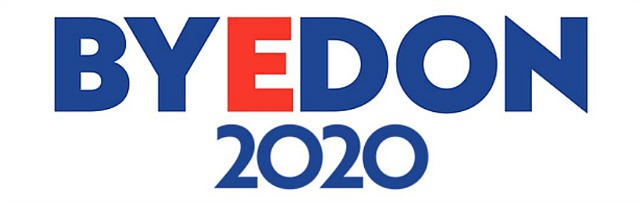
The blending of Biden and “Bye Don” isn’t bad, but the most effective Biden slogan — DECENCY ’20 — doesn’t need his name. Because it emphasizes a positive value rather than the negative specter of Trump and the removal of a dangerous sociopath from office. It isn’t essential to mention One-Term Joe. We all know he’s the only well-fortified, trust-inspiring person whom we can reasonably expect to fill the Oval Office slot as a temporary stopgap, and that his victory in ’20 will pave the way for Newsom or Cuomo or Gretchen Whitmer in ’24.
I realize there’s a decent chance of Biden picking Kamala Harris for his vp, and if so she’s locked in for the ’24 race. But why didn’t she catch on at least somewhat during the recent Democratic primaries? You have to ask yourself that — she had one moment when she challenged Biden on his decades-old busing policies, and that was it. I always liked and admired Harris as far as it went but…