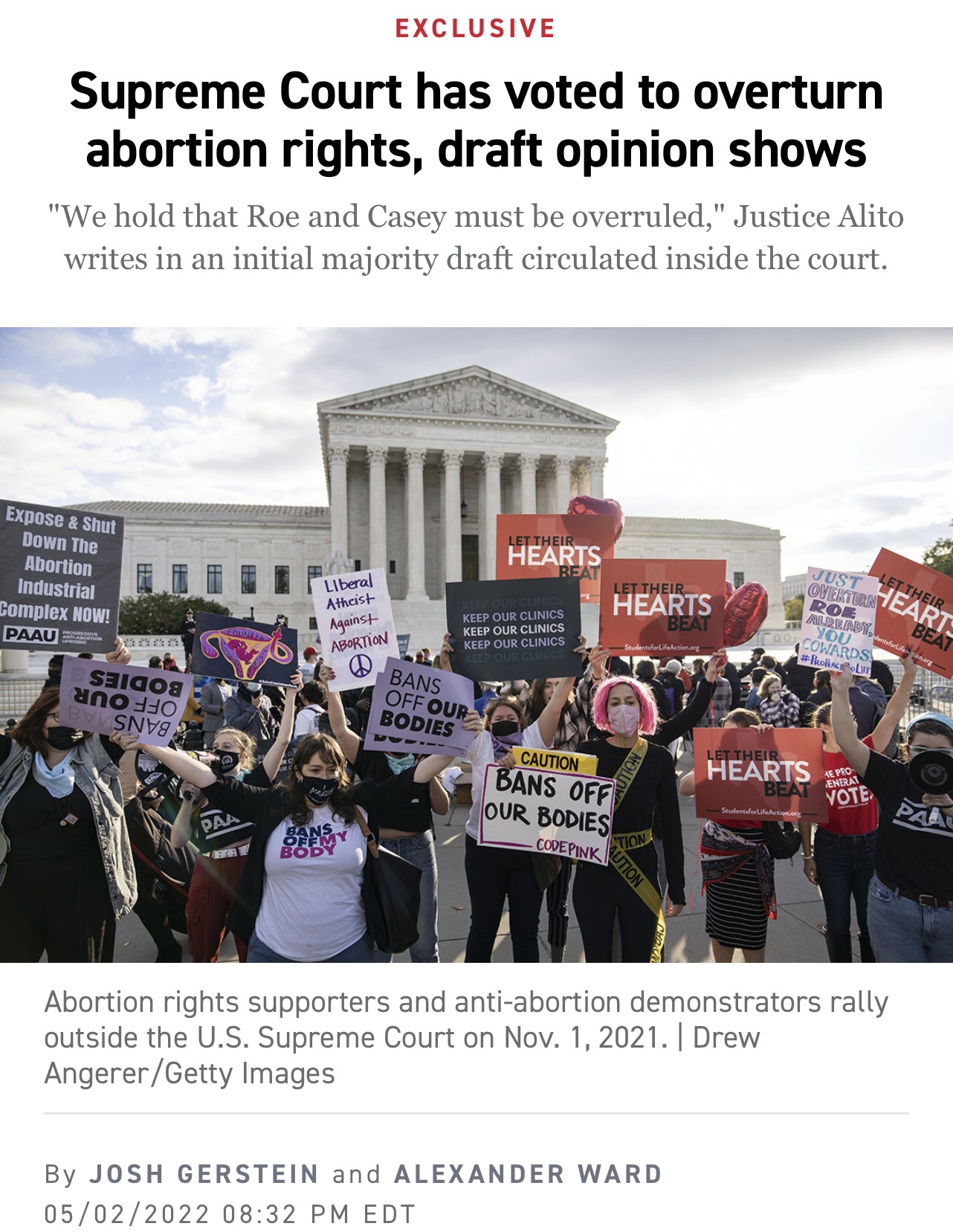
We all knew it was inevitable, and now, according to an exclusive Politico report, the 1973Roev.Wade pro-abortion ruling has officially been trashed as the Supremes have voted against it. The decision was conveyed in a leaked letter draft by Justice Samuel Alito.
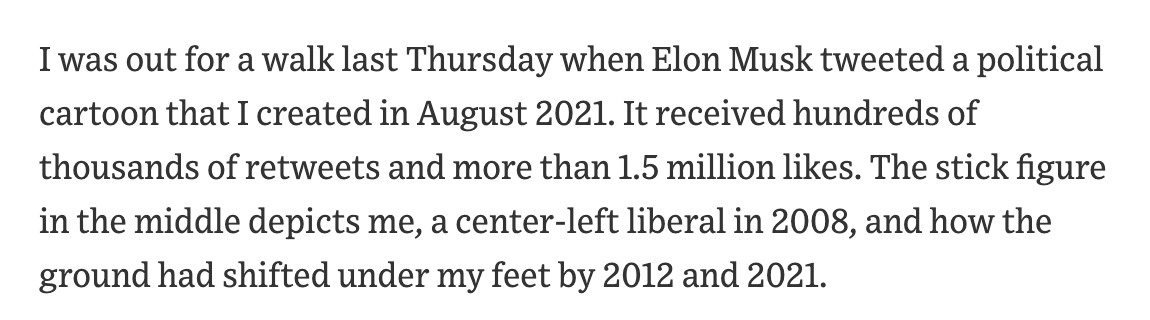
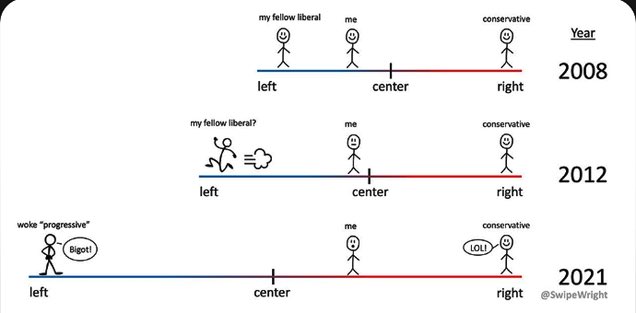
From “Elon Musk Tweeted My Cartoon,” a 5.2 opinion piece by Colin Wright. The subhead reads “Commentators on the left set about debunking my ‘lived experience’ with charts and abstractions.”
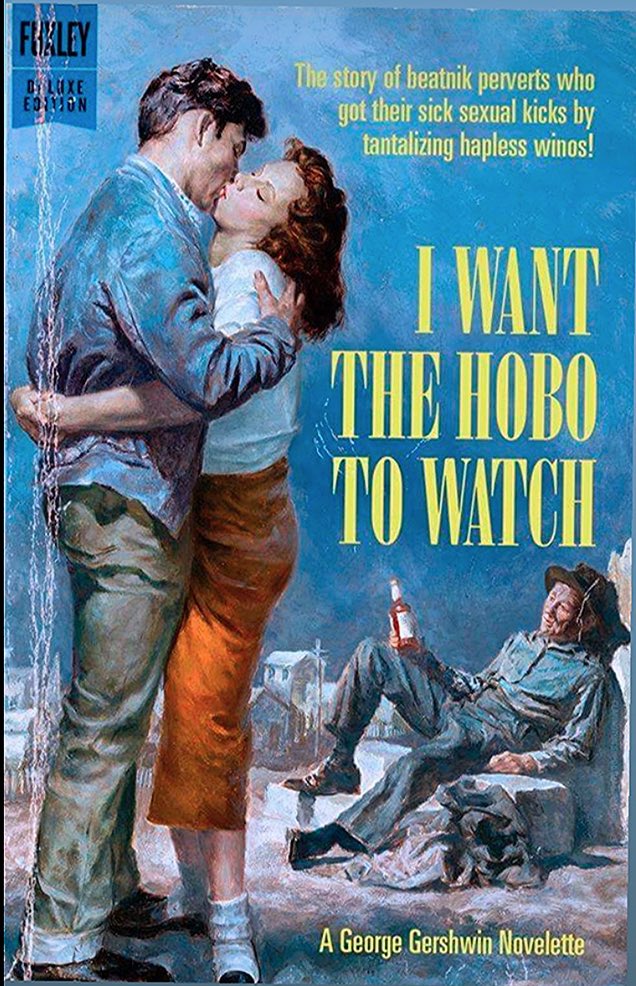
One glance and I said to myself “please, please make a feature out of this….better yet a 10-episode Hulu series. I’m serious — I would watch anything about teens taunting poor hapless winos with cruel sexual exhibitionism…I would watch it in a New York minute. Powerful metaphor. The brand is Fuxley.
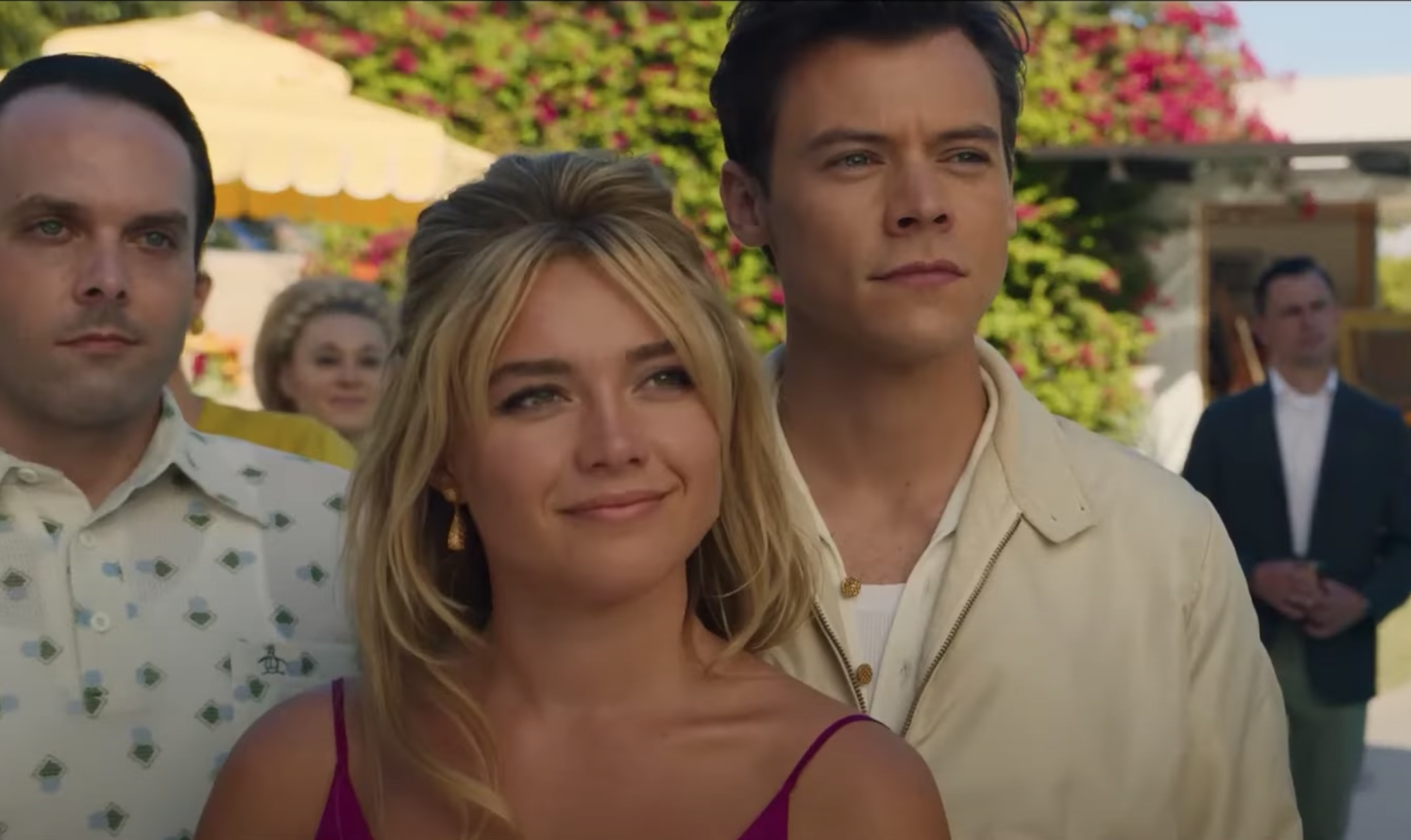
Thenewtrailerfor Olivia Wilde’s Don’tWorryDarling (Warner Bros., 9.23) suggests a sexy, high-style period creep-out about middle-class conformity and submission to Big Corporate Brother.
Seemingly set in the ‘50s or early ‘60s. A mood similar to that of Martin Ritt‘s NoDownPayment (‘57), and clearly a metaphorical kin to Don Siegel’s Invasionof theBodySnatchers (‘56).
And right away they blow the mood by playing Brenton Wood’s “TheOogum BoogumSong,” which came out in ‘67 — an era in which fretting about cookie-cutter conformity had been left behind and people were into a whole ‘nother doobie-toke realm.
So right away you know that Wilde’s film is…uhm, playing by its own rules.
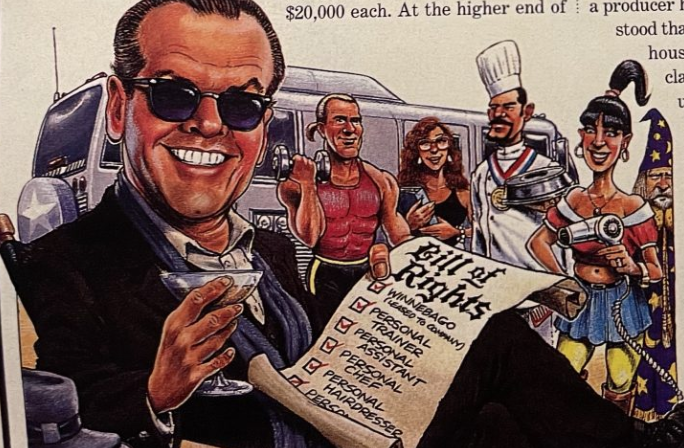
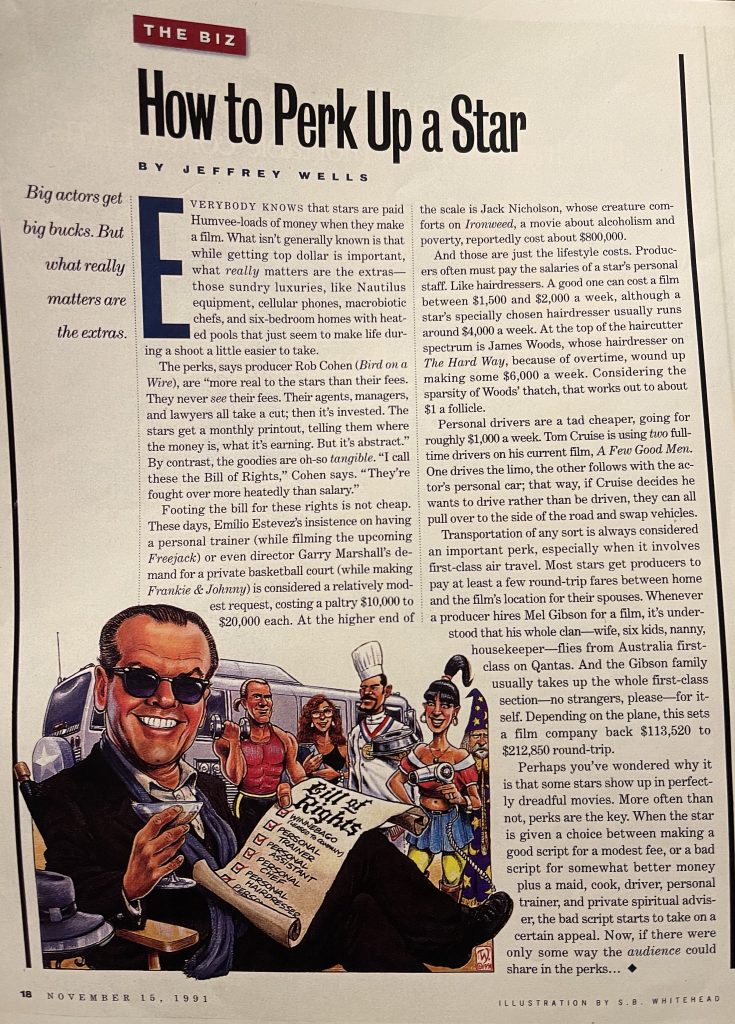
30 and 1/2 years after the appearance of this catchy little piece, an HE tribute to former Entertainment Weekly illustrator S.B. Whitehead — truly tops in his field.
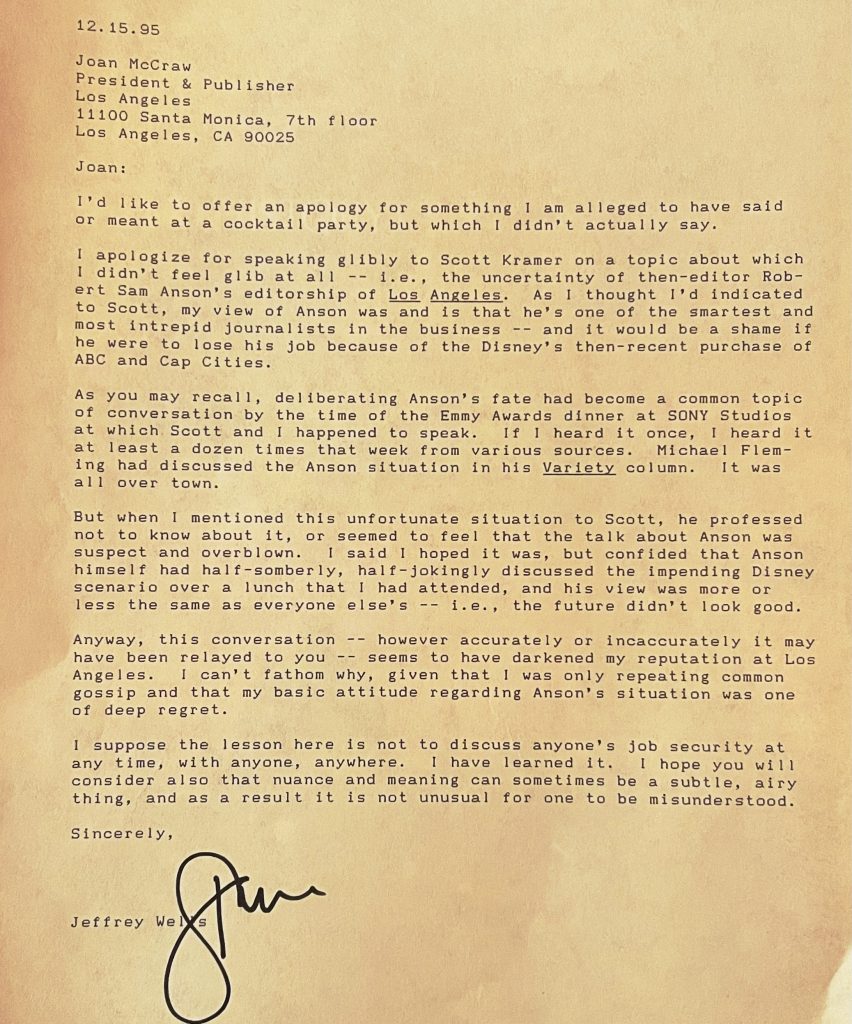
Roughly 26 and 1/2 years ago I sent the attached to Los Angeles magazine publisher Joan McGraw.
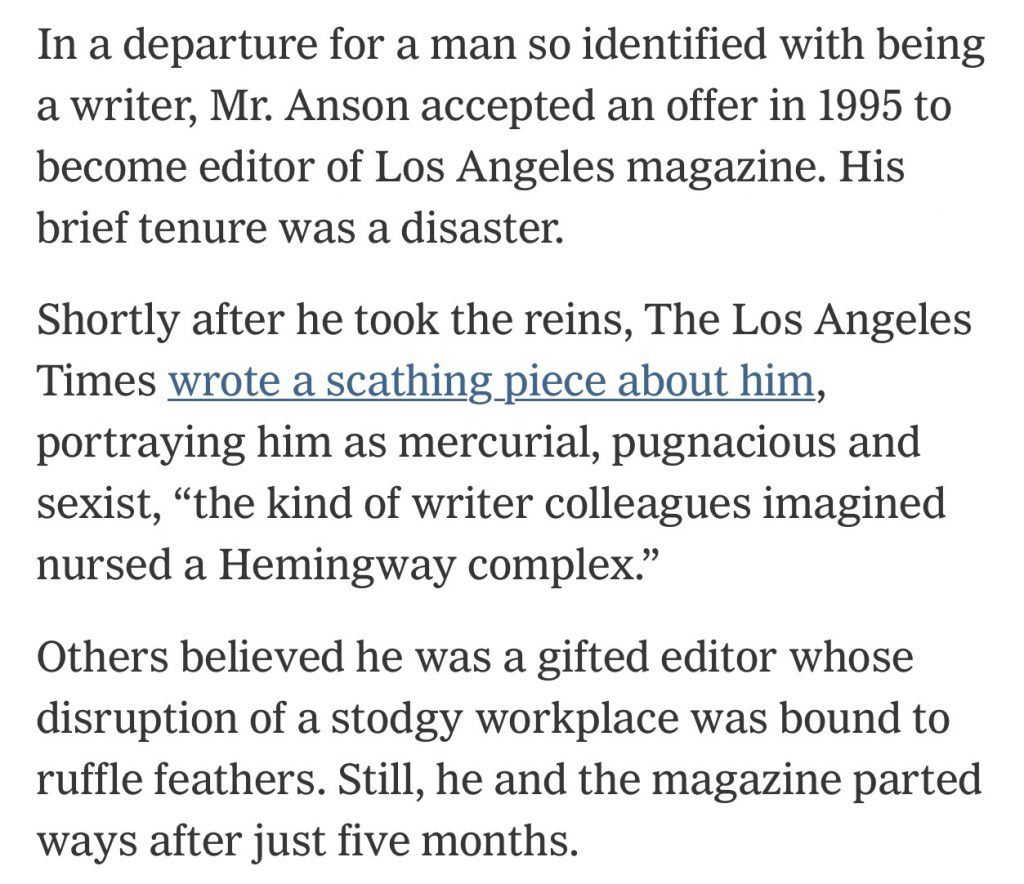
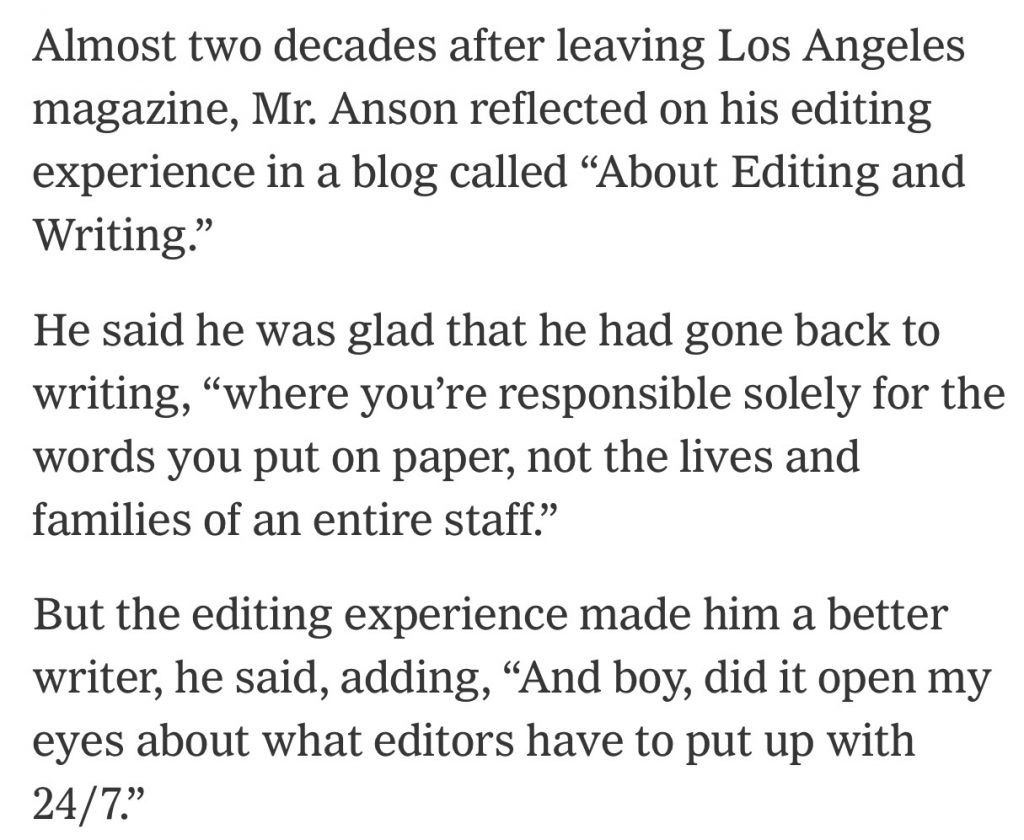
Party chatter between myself and a certain fellow about then-editor Robert Sam Anson (who passed on 11.6.20) was shared with McGraw, and word got back that she didn’t care for my candor about a then-delicate subject.
The bad guy, of course, wasn’t me but the person who passed along loose talk to the boss. If you’re cool you never tattle-tale about what a colleague said while sipping Pinot Grigio.
I’m sharing this because it’s an honest, specific, well-written apology letter that doesn’t really apologize. It says “I’m technically sorry but…”
I like Bill Burr‘s general fuck-this attitude, but sometimes he can sound overly guy-ish. (Close to flirting with sexism.) But he voices an idea in this clip that has merit. It basically says “dueprocessbeforeTwitter.” Guys who’ve been accusedofthisorthat deserve anonymity until the accusations have been thoroughly vetted. If the accused turns out to be guilty, tar-and-feather him, Burr says. But what if the facts are not so clear cut? (Taken from last Monday’s “Bill’s Monday Morning Podcast.”)
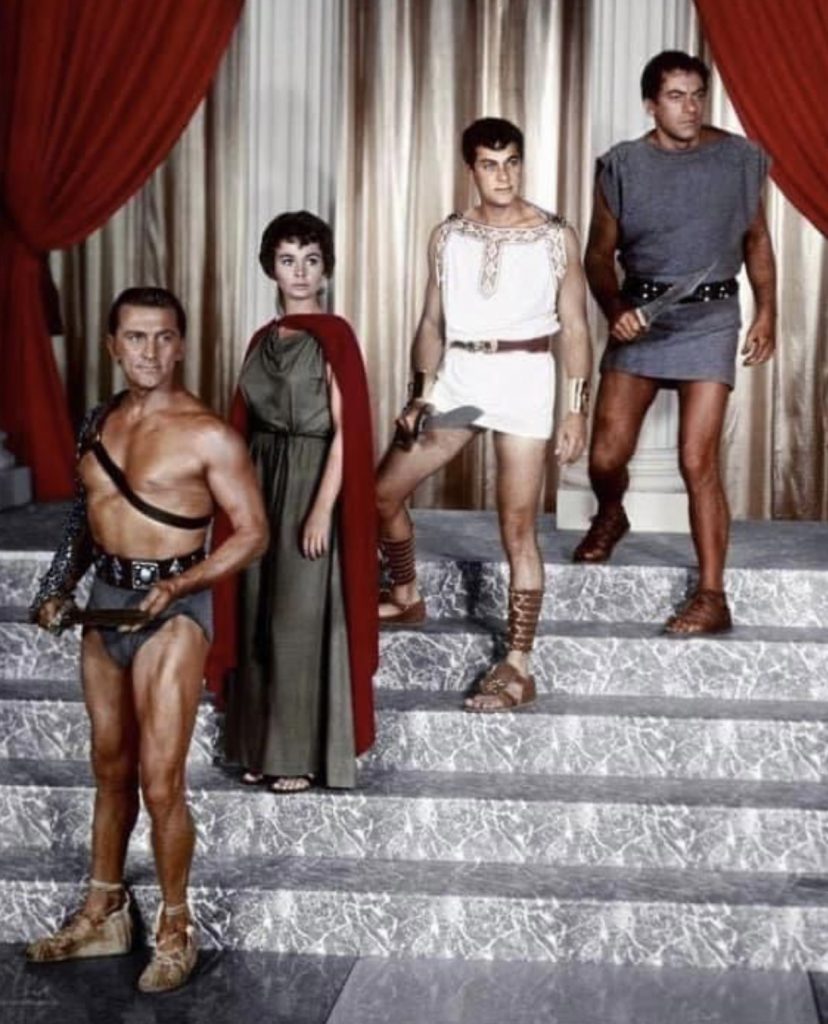
Please note a similarity between the platform-heeled, ankle-strap sandals worn by Kirk Douglas in this Spartacus publicity still and a pair worn earlier today by Tatiana Antropova. Okay, her heels are higher but still.
Everyone presumably knows that Hulu’s The Girl From Plainville is an eight-part series about an infamous texting-suicide case that went to trial in 2017. The real-life Michelle Carter (Elle Fanning), an ice-cold sociopath, goaded her unstable teenage boyfriend, Conrad Roy (Colton Ryan), into committing suicide.
Based on Jesse Baron’s Esquire article of the same name, the series explores how and why the suicide happened and how Carter was eventually busted, prosecuted and convicted of manslaughter. She would up serving 11 months or something like that, but she’sthedevil and presumably knows it. This will be on her back for the rest of her life, and that’s a good thing.
Fanning plays Carter as such a revolting drama queen and contemptible attention whore that you can’t wait to see her get popped and cuffed, but it takes too long. I made it through two episodes before quitting. Okay, I may watch a couple more but this is a three-hour movie expanded into eight hours. It’s very well acted and all (special shout-out to Chloe Sevigny‘s performance as Conrad’s mom) but sometimes a miniseries just feels too stretched out.
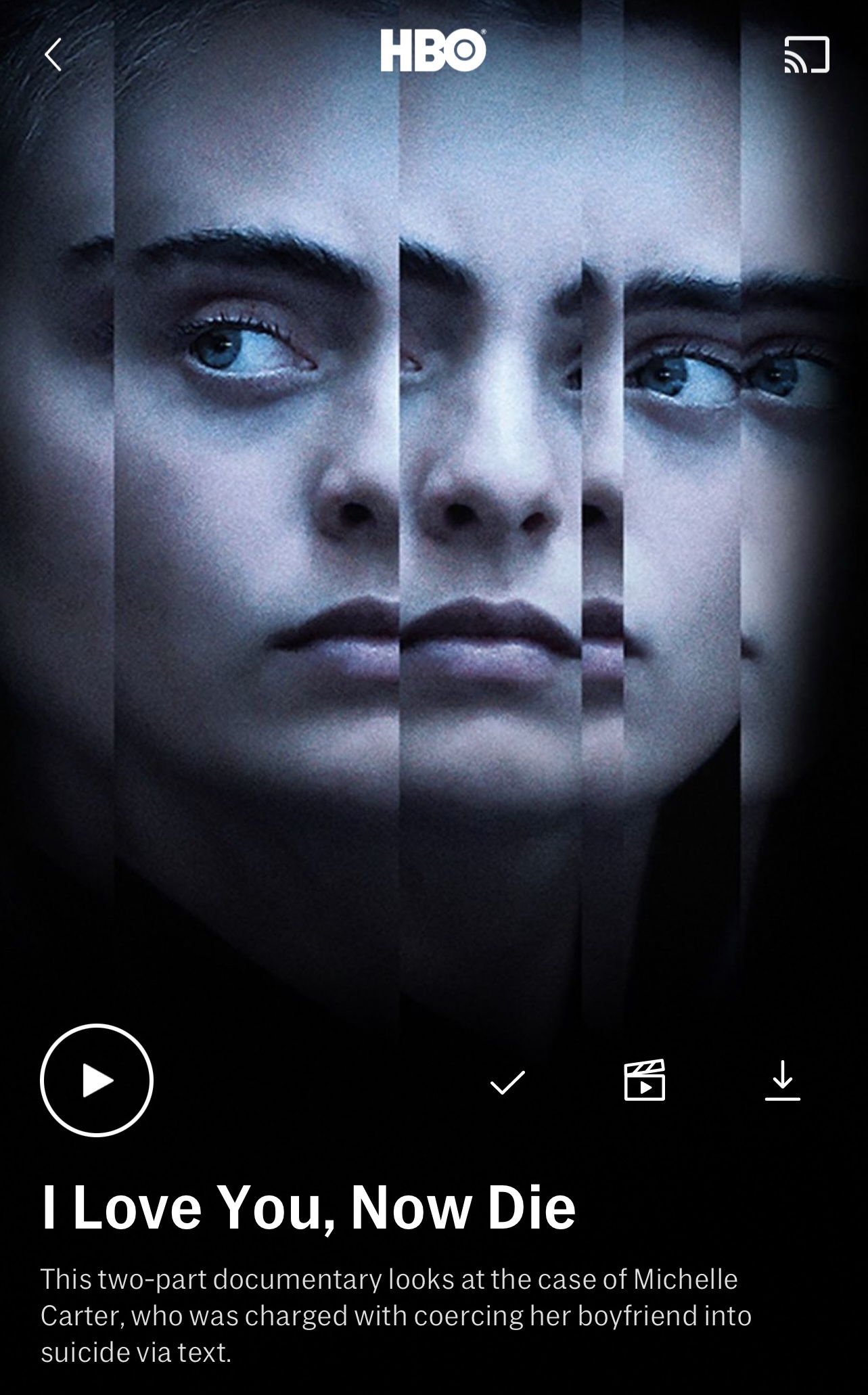
I’m more interested in sitting through Erin Lee Carter‘s 143-minute I Love You, Now Die, which is on HBO Max.
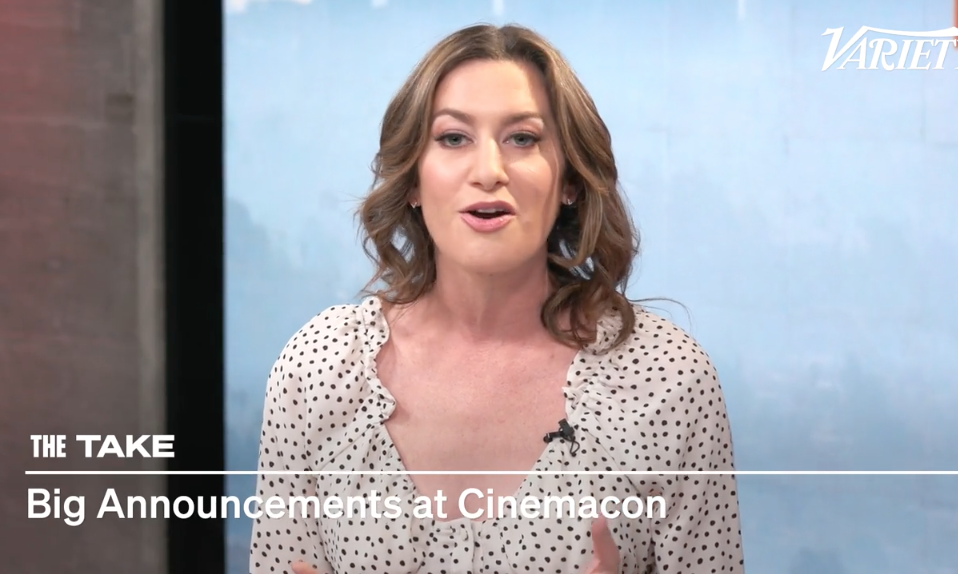
Two or three days ago The Take co-host Elizabeth Wagmeister stepped out of her usual rah-rah, chipmunk-voiced enthusiasm mode to express annoyance at the endless corporate stream of IP sequels, prequels, remakes and retreads.
HE readers presumably understand that Wagmeister and The Take co-host Clayton Davis are catty, upbeat, chuckling cheerleaders…everything Hollywood does gives them an ostrich-feather ass tickle at the very least and often jump-for-joy feelings…”oh wow oh wow oh wow!”
Every thinking industry person has been lamenting IP megaplex suffocation for at least a decade, of course. But when Wagmiester complained about it I damn near fell out of my chair. It happened during a discussion of recently seen Cinemacon trailers:
Wagmeister: “What’s interesting is, we’re just talking about all these films. There’s a Part 1, there’s a Part 2, there’s a Part 10. It just feels like this trend in movies in movie theatres is that we’re seeing sequel upon sequel and franchise upon franchise. I’m not saying that’s a bad thing. We do want to bring people back to theatres. But (exhales)…you know, it’s just like ‘really?'”
Davis: “It is stretching the dollar out but blah blah blah blah I love geek movies, I love franchises, I love IP superheroes, just keep it coming, I love it, I’m happy, this is what I live for…more more more plus in a couple of weeks I’m going to Europe and the Cannes Film Festival for the first time, and boy oh boy, am I going to plant a huge wet smooch on Elvis‘s ass!” [HE note: This is not an actual transcription of Davis’s response but a summary of what he meant and who he is, etc.]
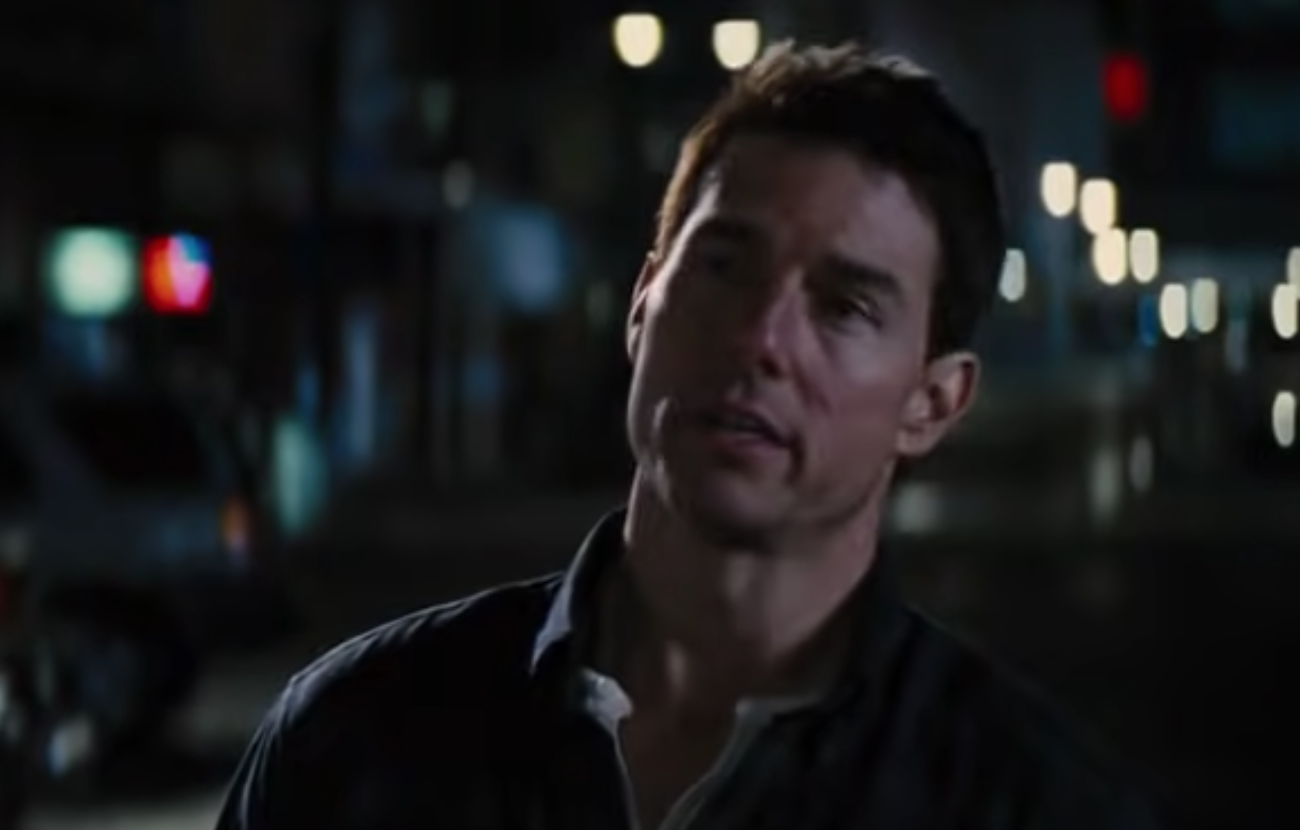
“Within the last week I read a comment about Chris McQuarrie‘s Jack Reacher (Paramount, 12.21) being “a ’90s urban actioner,” which the commenter intended, I gathered, as some kind of putdown. Well, take out the negative inference and he’s dead right — Reacheris a kind of old-fashioned actioner in a ’90s or ’80s or ’70s vein (can’t decide which) but in a highly refreshing, intelligent, follow-the-clues-and-watch-your-back fashion.
“It has no digital bullshit, no explosions, and none of that top-the-last-idiot-action-movie crap. Jack Reacherbelieves in the basics, and I for one was delighted even though it doesn’t exactly re-invent the wheel.
“Honestly? I was fairly satisfied but not that blown away by the final 25%, but the first 75% plays very tight and true and together, and Tom Cruise, as the titular character, has the confidence and presence and steady-as-she-goes vibe of a hero who doesn’t have to reach or scream or emphasize anything in order to exude that steely-stud authority that we all like.
“Reacher is just a bang-around Pittsburgh dirty-cop movie with a kind of Samurai-styled outsider (Cruise) working with a sharp-eyed, straight-dope attorney (Rosamund Pike) trying to uncover who stinks and what’s wrong and who needs to be beaten or killed or whatever.
“It’s just an unpretentious, elegantly written programmer that’s nowhere near the class or depth of Witness, say, certainly not in the matter of departmental corruption and general venality, but it does move along with an agreeably lean, get-it-right attitude. I love that Cruise’s Reacher doesn’t drive a car or carry an ID or even a modest bag of clothing and toiletries. He washes his one T-shirt and one pair of socks every night in the sink.
I somehow got the idea that the Jack Reacher character, as written by Jack Grant/Lee Child, was some brawny badass who strode around and pulverized the bad guys like he was Paul Bunyan or something, largely because he was a mountain-sized 6′ 5″.
“I’ve never read a Reacher novel but the movie is not some brute kickass machismo thing but a largely cerebral whodunit that believes in dialogue and playing it slow and cool and holding back and pausing between lines and all that less-is-more stuff. It has a bit of a Sherlock Holmes thing going on between the beatings and threats and car chases.
“Jack Reacher basically delivers what urban thrillers used to deliver before John Woo came along in the early ’90s and fucked everything up with flying ballet crap and two-gun, crossed-arm blam-blam. It has a little bit of a nostalgic Walter Hill atmosphere going on, particularly in the fashion of The Driver (’78). It also reminded me of the stripped-down style and natural, unhurried pacing of John Flynn‘s The Outfit (’73), which starred Robert Duvall (who plays a small but key supporting role in Jack Reacher).
“If you know The Outfit, you know what I’m talking about.”