Why Malick’s Jesus Flick Is Still In Post

Seven or eight years ago the late James Horner recalled his frustrating attempts at composing the score for Terrence Malick The New World (’05). Writing the score wasn’t the problem, he said, but Malick’s salad-toss approach to editing. We’ve all read and heard eccentric Terry stories over the years, but if you’re wondering why Malick’s latest, The Way of the Wind, is still being edited two and two-thirds years after completing principal photography, Horner explains it all.

Way of the Wayward,” posted on 3.30.22: “Almost three years after starting principal photography in June 2019, Terrence Malick‘s The Way of the Wind is still shrouded in secrecy with no whispers, much less expectations, about any festival bookings this year.

“Definitely not Cannes, of course, and with the warm weather fast approaching you’d think the Venice/Telluride crowd would be hearing about possibly getting a peek at Malick’s film down the road. But no — ‘big circle of silence.’

“Malick tends to spend about two years in post-production on his films. Presuming that The Way of the Wind wrapped sometime in the early fall of ’19, the two years of post-production would have been completed last September or October, or five or six months ago.”

Try It On For Size,” posted on 11.20.20: “In June 2019 Terrence Malick began shooting The Last Planet, which is some kind of Jesus movie. The cast includes Géza Rohrig as Christ, Matthias Schoenaerts as Saint Peter, and Mark Rylance as four versions of Satan. It was announced today that the title has been changed to The Way of the Wind.

Read more

“The Witch” With Subtitles

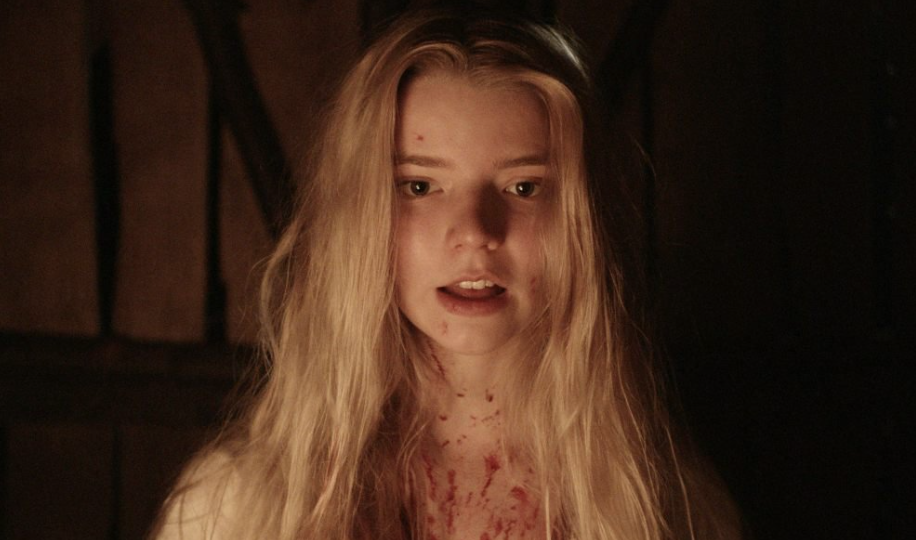
Having missed the Sundance ’15 debut of Robert Egger‘s The Witch, I didn’t see it until a year later. Boy, was I won over! For me, the film’s critical praise and box-office success ($40 million gross vs. $4 million budget) crystalized my understanding that elevated horror had become a thing — a respectable sub-genre as well as an assurance that not all horror films needed to be aimed at primitives.

A year earlier Jennifer Kent‘s The Babadook had defined the 21st Century template; in 2018 Kent’s The Nightingale and Ari Aster‘s Hereditary fortified things, followed in 2019 by Aster’s Midsommar.

I have this idea that elevated horror was launched by the German expressionists (Robert Wiene‘s The Cabinet of Dr. Caligari, F. W. Murnau‘s Nosferatu) in the early 20s. Was Val Lewton‘s Cat People the first American-made flick to suggest creeps rather than show them? The prize for the best E.H. flick of the ’60s was split between Jack Clayton‘s The Innocents (’61) and Robert Wise‘s The Haunting (’63). The most explosively popular E.H. of all time, of course, was William Friedkin‘s The Exorcist (’73).

Anyway, last night I re-watched The Witch, and this time with subtitles. From my original review: “I’m very much looking forward to the subtitle option when the Bluray comes out. Ralph Ineson, blessed with one of those magnificent deep voices with a timbre that can peel wallpaper, was the only one I fully understood on a line-for-line basis. To my ears everyone else spoke 17th-Century dithah-moundah-maaaysee-whatsah.”

Now that I’ve “read” Eggers’ script, so to speak, my respect for The Witch‘s period-authentic language is greater.

More review excerpts: “This little creeper (which was projected last night at a 1.66:1 aspect ratio!) is set on an isolated farm in 17th Century New England, when the lore of witches and sorcery was at an all-time high. I was seriously impressed by the historical authenticity and the complete submission to the superstitious mythology of evil in the early 1600s and the panicky mindset of those God-fearing Puritans who completely bought the notion that demonic evil was absolutely manifest and waiting in the thicket.

Read more

Every Five Years Or So

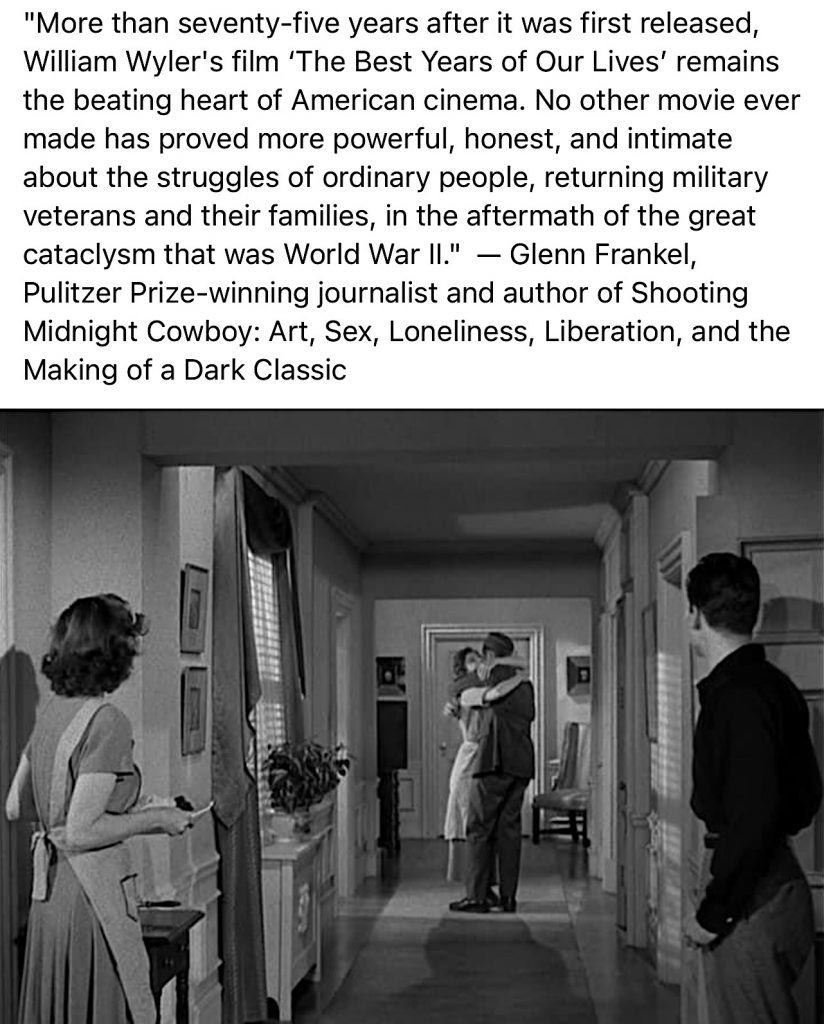
…I post a little tip-of-the-hat mention of William Wyler’s The Best Years of Our Lives (‘46). Because it’s a truly great film, because the last half-hour delivers one home-run scene after another, and because it feels good to at least consider that one Millennial or Zoomer who’s never seen it…that one Philistine might give it a first-time looksee and become a serious fan.

I’m especially fond of a letter-reading scene between Pat Derry (Roman Bohnen) and Hortense (Gladys George). George owns this scene — it’s all about the emotions that she tries to suppress as she listens to her alcoholic husband read a letter of commendation about his son, Fred (Dana Andrews).

Sober Guy Confronts Boozing Parents

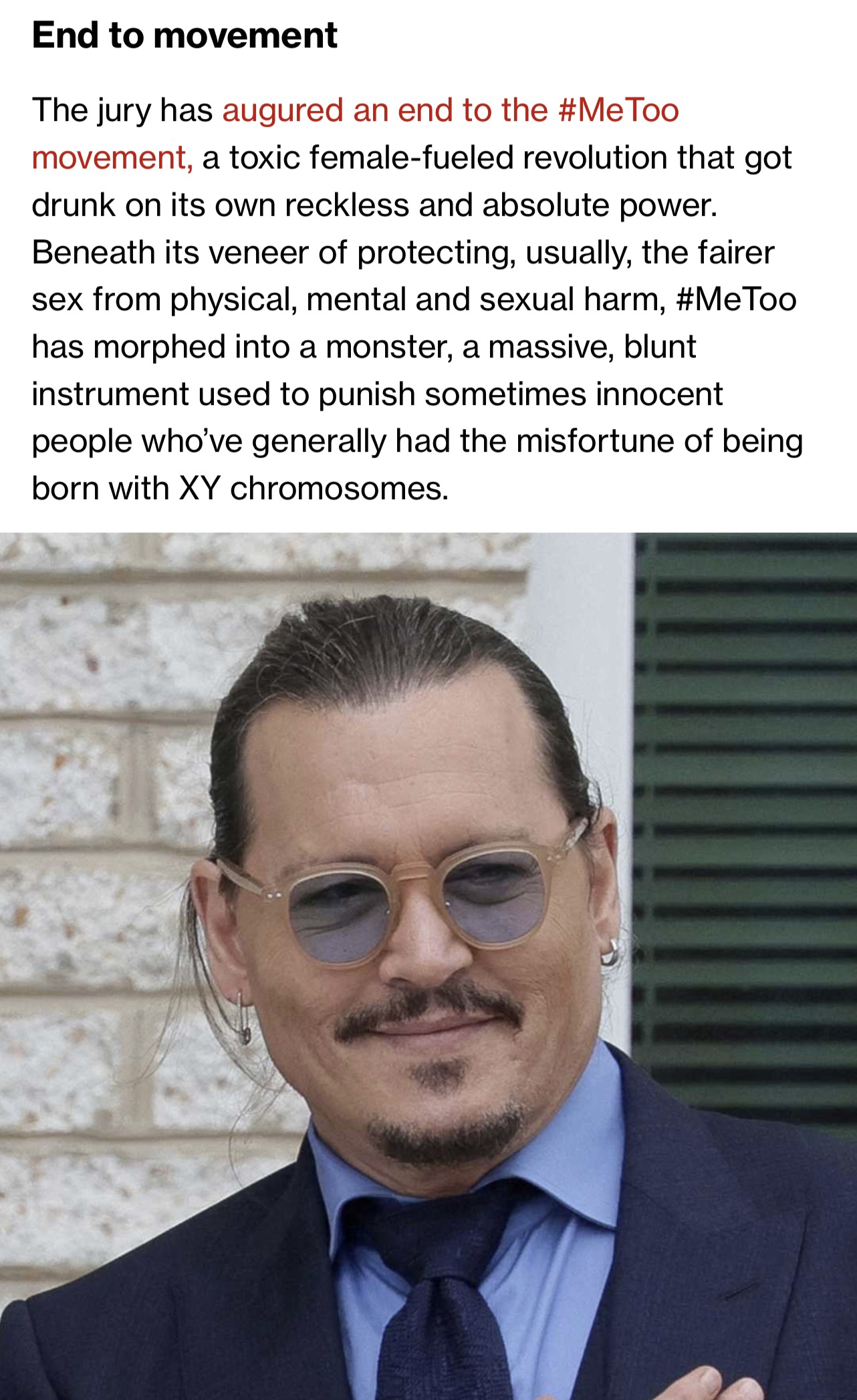
I’m trusting a suspicion that Louis C.K.‘s Fourth of July, a seemingly smart dramedy about a recovering alcoholic musician (Joe List) confronting his dysfunctional, alcohol-embracing parents during a visit to their home, is a good film. I can just smell it. The usual suspect distributors, of course, are too terrified of angering Louis C.K.’s #MeToo detractors to even think about partnering with him, so the comedian-director and cowriter is distributing the film himself.

As a gesture of support for Louis C.K., List and the metaphor of transcending past mistakes, I’ve bought a ticket to see the film on June 30th at Manhattan’s Beacon Theatre.

“The Horse Solders” Has Style and Substance

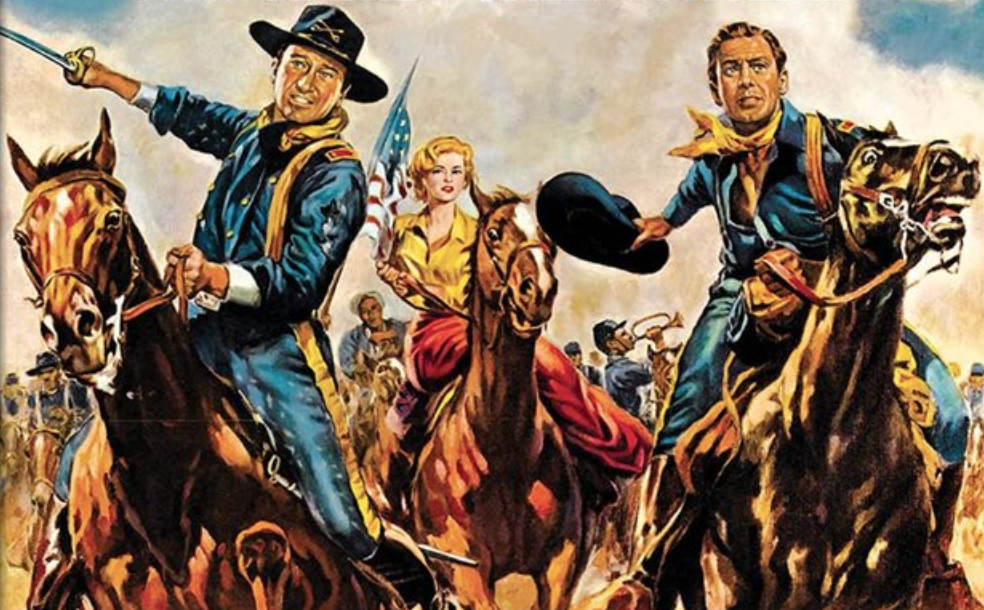
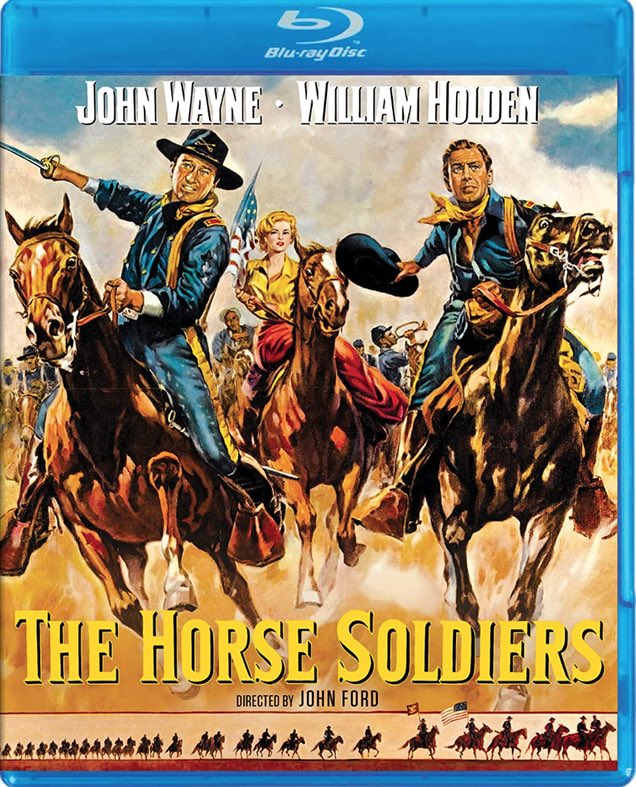
I’ve had it up to here with the standard narrative about The Horse Soldiers being one of John Ford‘s lesser efforts. I know this sounds like heresy, but it may be my favorite post-1945 Ford film. I know that She Wore A Yellow Ribbon and The Searchers and The Man Who Shot Liberty Valance are widely regarded as more substantial and therefore “better”, but I don’t like watching them as much as The Horse Soldiers, and anyone who doesn’t like that can shove it.

A Civil War drama based on Grierson’s Raid of 1863, The Horse Soldiers is steady, solid, midrange Ford — well-produced and well-acted with good character arcs and flavorful Southern atmosphere. Plus it gets extra bonus points for being set in the South (green trees, green grass, plantations, swamps, bridges, rivers) and not in godforsaken Monument Valley.

Handsomely shot by William H. Clothier in a 1.66 aspect ratio, its very easy to watch — every time I pop it in I feel comfortable and relaxed. Partly because it has a minimum of Ford-bullshit distractions. My only real problem is a scene in which rebel troops are heard signing a marching tune exactly like the Mitch Miller singers. I also don’t like a scene in which a furious John Wayne throws down eight or nine shots of whiskey in a row — enough to make an elephant pass out.

There’s a scene in which a boys’ military academy is asked to attack Wayne’s Union regiment — a scene in which a mother drags her 10-year-old son, Johnny, out of a line of marching troops, only to lose him when Johny climbs out of his second-floor bedroom window to rejoin his fellows. It reminds me of that moment when Claudette Colbert collapses in a grassy field as she watches Henry Fonda marching off to fight the French in Drums Along The Mohawk.

I also love that moment in Newton Station in which Wayne senses something wrong when costar William Holden, playing an antagonistic doctor-surgeon, tells him that perhaps a too easily captured Confederate colonel (Carleton Young), an old buddy, isn’t the submissive, easily captured type — “He’s West Point, tough as nails…the man I knew could lose both arms and still try to kick you to death.”

Kino Lorber’s new 4K version of this 1959 film (which lost money, by the way, partly due to exorbitant salaries and producer participation deals) streets on 6.14.22

Noah Bambach + $100 Million Budget = Contradiction In Terms

In a perfect world, how much should it cost to make a film out of Don DeLillo‘s “White Noise“, a nearly 40-year-old satire of academia (or, in the present context, deranged wokesters) and a general meditation about the inevitability of death?

We’re talking, of course, about the Noah Baumbach film (directed and written by) that was shot last summer and fall in various Ohio college towns (including Oberlin), funded by Netflix and starring Adam Driver as perturbed Hitler Studies professor Jack Gladney and Greta Gerwig as his neurotic wife Babette. It costars Raffey Cassidy, Alessandro Nivola, André Benjamin, Jodie Turner-Smith and Don Cheadle.

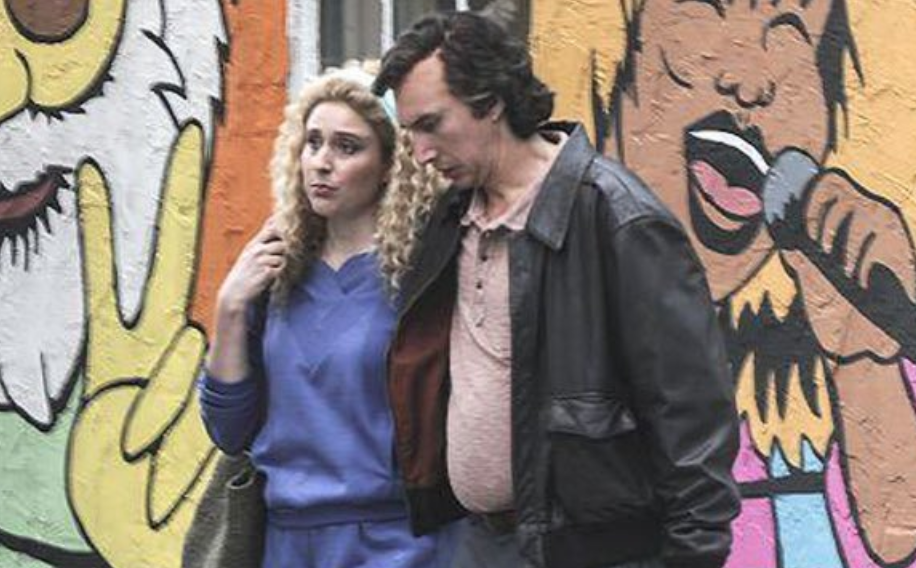
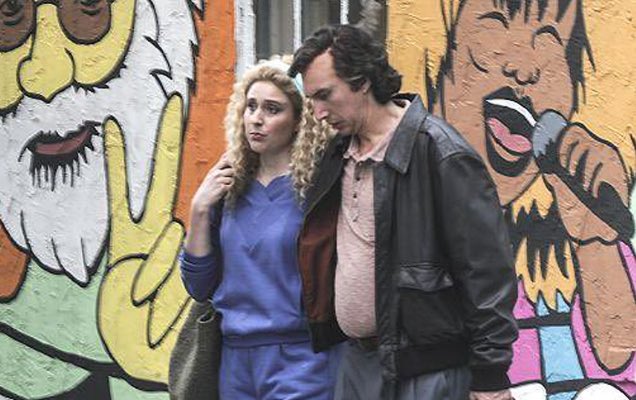
If I was to spitball the budget, I would guess (especially given the tendency of Netflix films to cost more than anyone might expect) something in the range of $40 million plus, maybe a touch higher. But it appears as if White Noise might be an ’80s period piece**. I’m basing this on a set photo of Gerwig wearing big ’80s hair. Shooting period (clothes, cars, signage) is always costly.

If you know anything about Baumbach’s films and more particularly his writing and shooting style, White Noise most likely will be medium close-ups of dialogue, dialogue, dialogue and more dialogue. White Noise‘s big visual element is a depiction of a big train accident that spreads toxic waste all over the place; there’s also a car accident scene involving a lake or pond in which the car sinks. But it mainly sounds like a boilerplate Baumbach talkathon.
I’m asking because there’s a Twitter rumor (linked to last night by World of Reel‘s Jordan Ruimy) that the White Noise tab is over $100 million, and perhaps as high as $140 million.

The latter figure comes from a film-set worker named “Saul Atreides” (a Jewish nom de plume inspired by Paul Atreides). This calls for a serious trade-reporter inquiry, because as the above headline states, “Noah Baumbach” and “$100 million budget” are a serious contradiction in terms.

On top of which Driver has been made up to look late 40ish or early 50ish, and to this end Baumbach has given him a prominent pot belly. Is it prosthetic or did Driver do a “Robert DeNiro as Jake LaMotta” by going to Italy and tanking up on pasta?

Ruimy: “How does a budget on a smallish, intimate drama, set on a Midwestern college campus, balloon to $100 million plus?! This is madness. I liked Marriage Story and Kicking & Screaming, but this isn’t a guy with a big enough name or following to justify that kind of spending. It’s no wonder Netflix is cutting back now — they’ve been spending like drunken sailors for about a decade now.”

HE’s all-time favorite Baumbach film is still Greenberg (’10), but I wouldn’t like it as much if it had cost $100 million.

Paul Kolas: “It was a fool’s errand to even attempt to make a movie out of White Noise. It may be a brilliant novel, but an apt metaphor would be Ahab chasing the White Whale, and if this turns out to be Baumbach’s Heaven’s Gate, l can just see critics calling it Noah’s Flood.

“I want this to be a great movie, do I ever, but this news is most distressing. Notice that Netflix is not promoting it, or Blonde, and focusing on more commercial audience-friendly films like The Gray Man and Knives Out 2. And look at the way they are already promoting the living daylights out of Maestro, which you know will be their biggest Oscar bait movie to date, and we’ll most likely have to wait until October-November-December of next year to see it. I don’t know what the budget is on Maestro, but I seriously doubt it’s anywhere near $140 + million. No wonder Netflix is in a panic.”

** If White Noise is, in fact, an ’80s period thang, we can obviously scratch the “deranged campus wokester” angle.

“Mystery-Plagued” Is More Like It

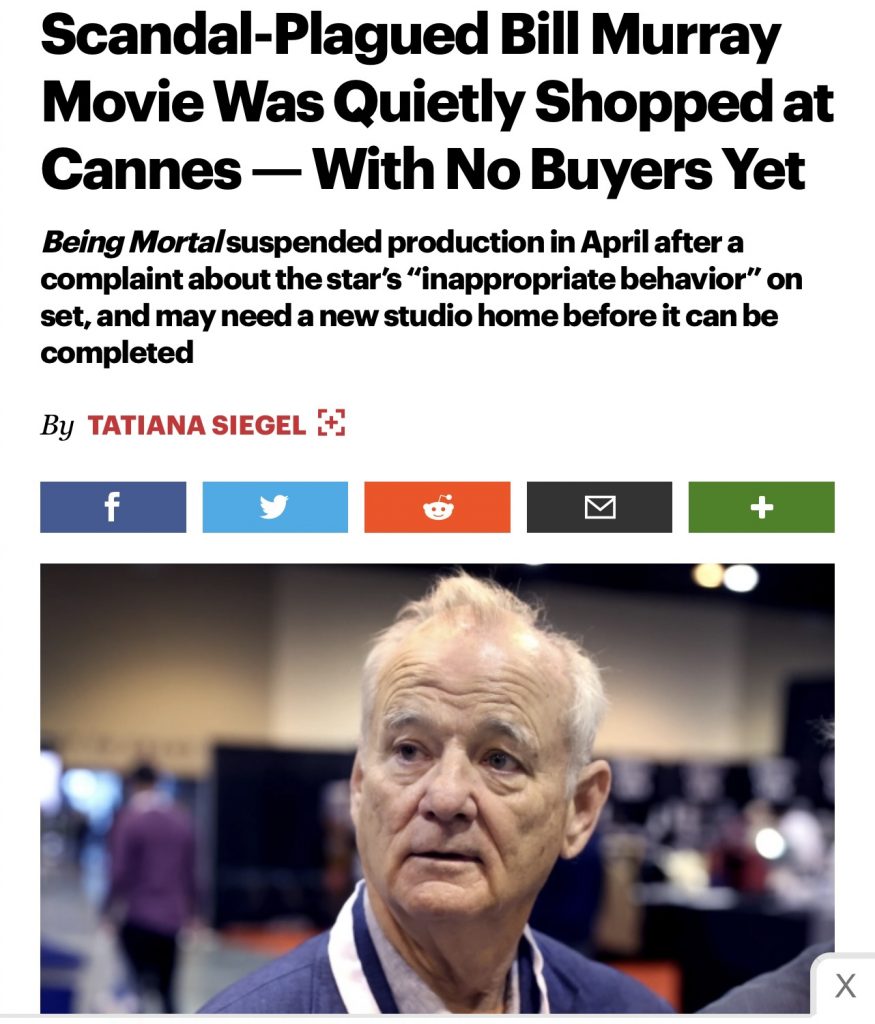
In a 6.2 article Rolling Stone ‘s Tatiana Siegel refers to Aziz Ansari’s Being Mortal as “scandal-plagued”. But how is it even remotely scandalous if it all began with costar Bill Murray angering a costar or co-worker (possibly Keke Palmer, possibly not) by inappropriately joking around on the set?

The actual scandal is not so much that Mortal has failed to resume filming after several weeks of shutdown, but that things have seemingly stalled over (wait for it) hurt Millennial feelings. Even in the wake of a sincere Murray apology…not enough!

Has this incident become the all-time winner of the Hollywood Mountain-Out-of-a-Molehill award or what? Hasn’t Palmer-or-whomever’s offense-taking compounded this minor situation beyond any concept of rational behavior or sensible scale?

No More Fake “Choke Under Pressure” Moments…Ever

This, of course, is the famous Few Good Men money scene…the climactic Tom Cruise-vs.-Jack Nicholson testimony dispute that many know by heart, because it’s almost perfectly written and beautifully directed by Rob Reiner.

Except the first 40 seconds are atrocious — a phony-ass tease in which Cruise seems to choking or otherwise freezing up…until he suddenly isn’t.

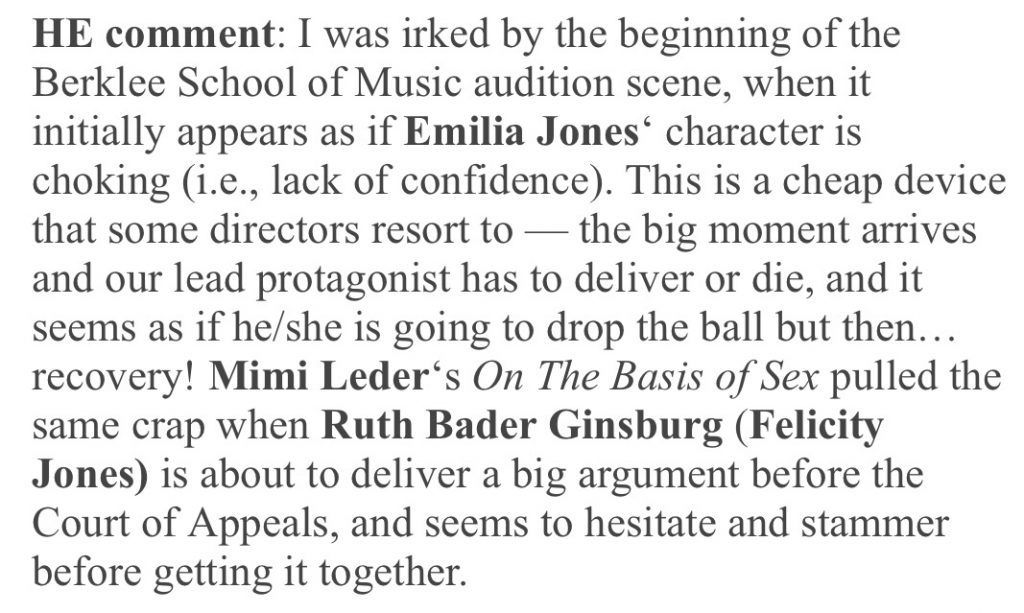
This same device was used in Shan Heder’s CODA and Mimi Leder’s On The Basis of Sex. No more of this — just saying.

Posted after the August ‘21 release of CODA:

My Legs Are Wimpering

5:35 am: Not aching or groaning or crying, but definitely unhappy. My cheeks also, partly because the seats are made of confetti’ed cardboard. (Bus seats are much softer and more ass-friendly in Europe.) Thank God for the stretching-and-bathroom stops.

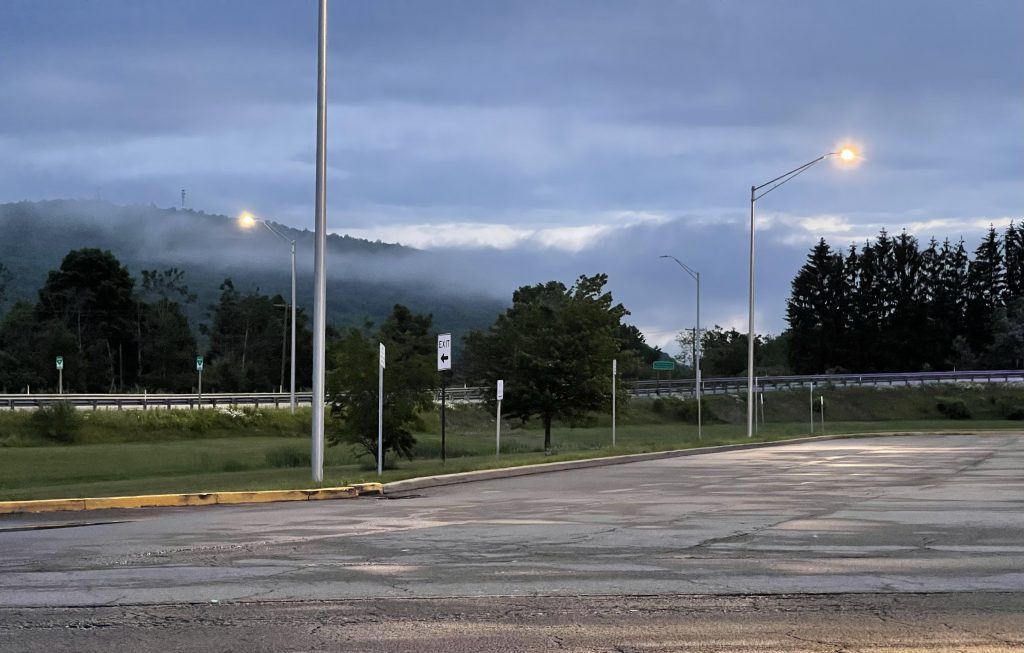
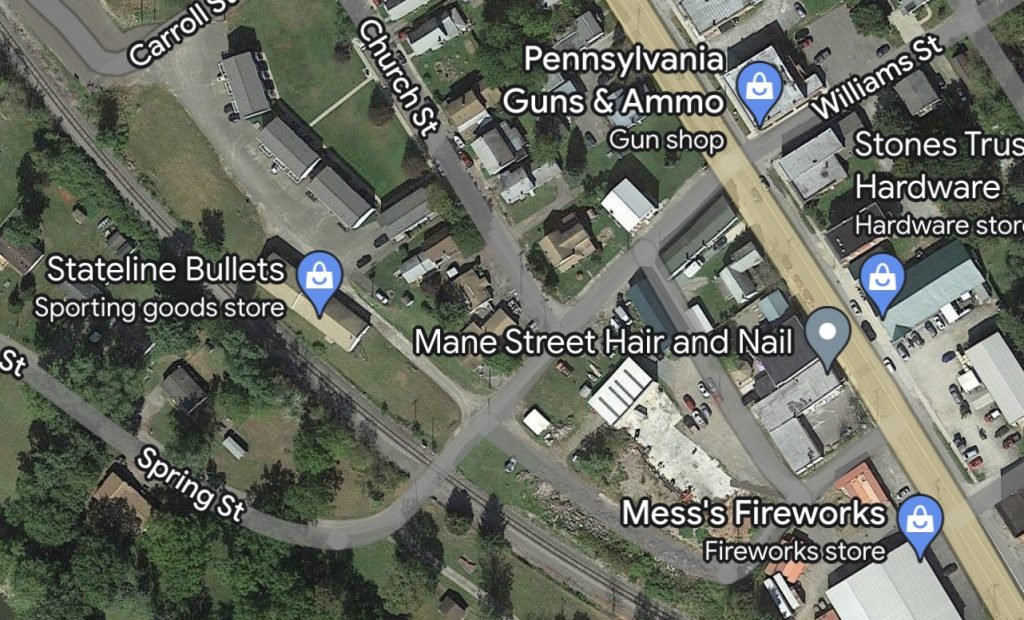
A half-hour ago we were at a rest stop in Great Bend, Pennsylvania, home of two retail stores that are very much part of our current national moment — Pennsylvania Guns & Ammo and Stateline Bullets.

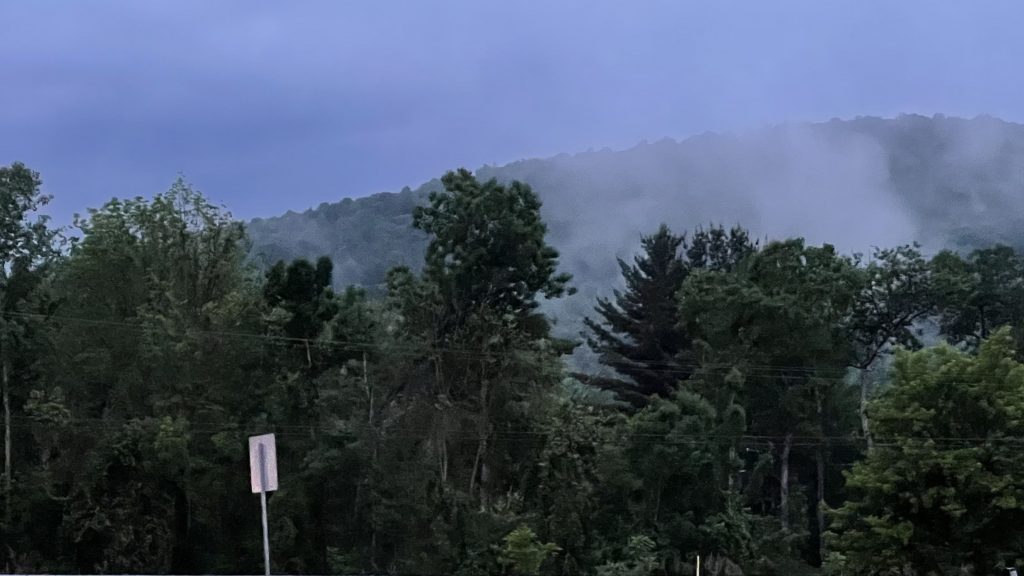
I was standing in a parking lot and thinking about being shot to death by an enraged 19 year old, and I suddenly felt spelled by spooky little white cloud formations in the nearby woods. The smell of grass, trees and asphalt coated with pre-dawn moisture…upvote that.