Chilean Vampire

Tony Manero (’08), Post-Mortem (’10) and especially No (’12) made me an ardent Pablo Larrain fan. But Jackie (’16) left me frustrated and dismayed (I much referred Noah D.Oppenheim‘s original 2010 script) and I hated Spencer (’21).

Pablo’s Diana movie left such a bad taste in my mouth, in fact, that I immediately and instinctually decided to avoid his latest, a comedic vampire flick about Augusto Pinochet, at Telluride.

A King in Venice

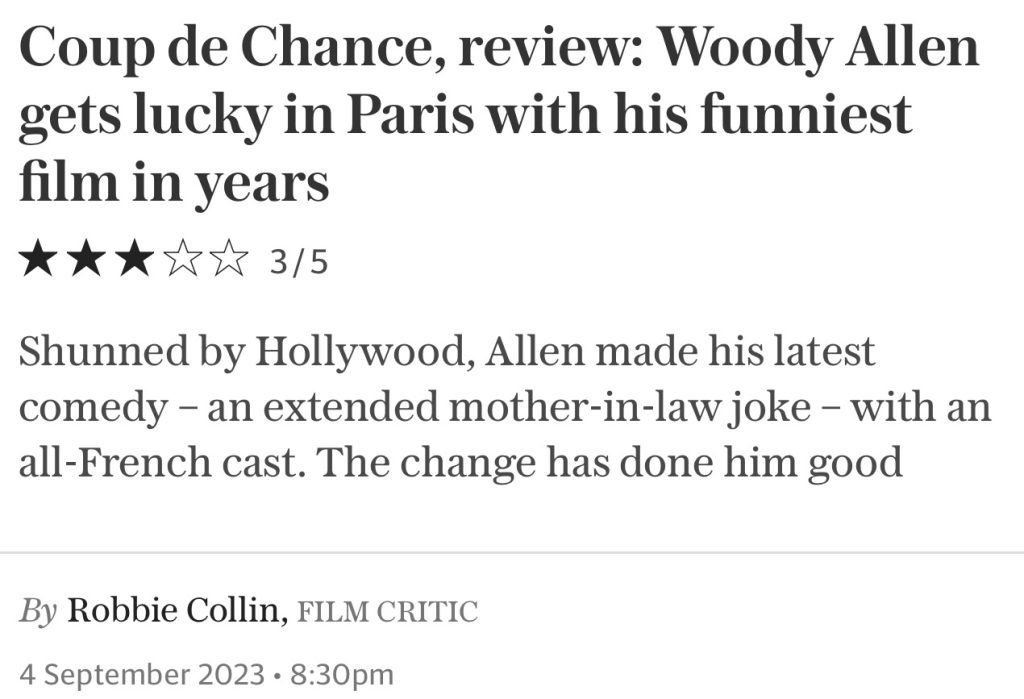
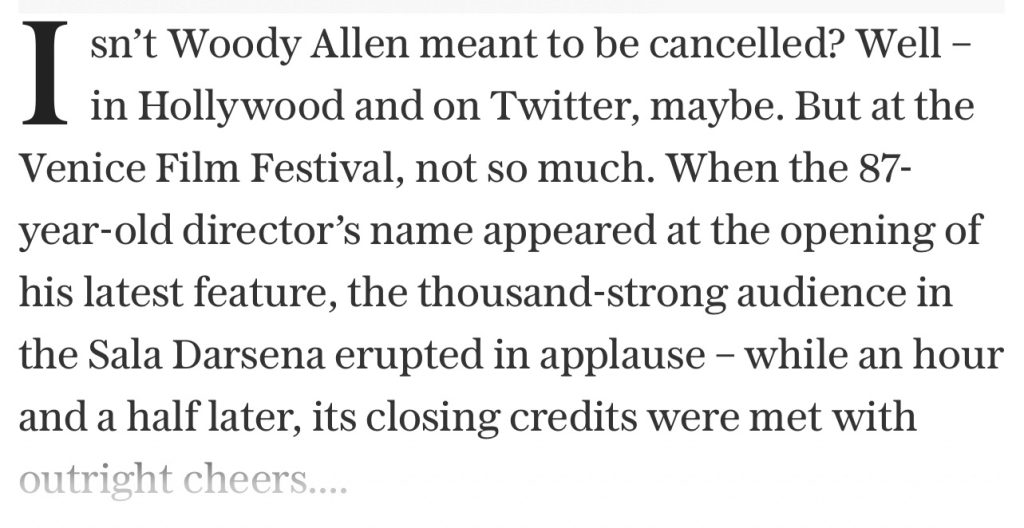
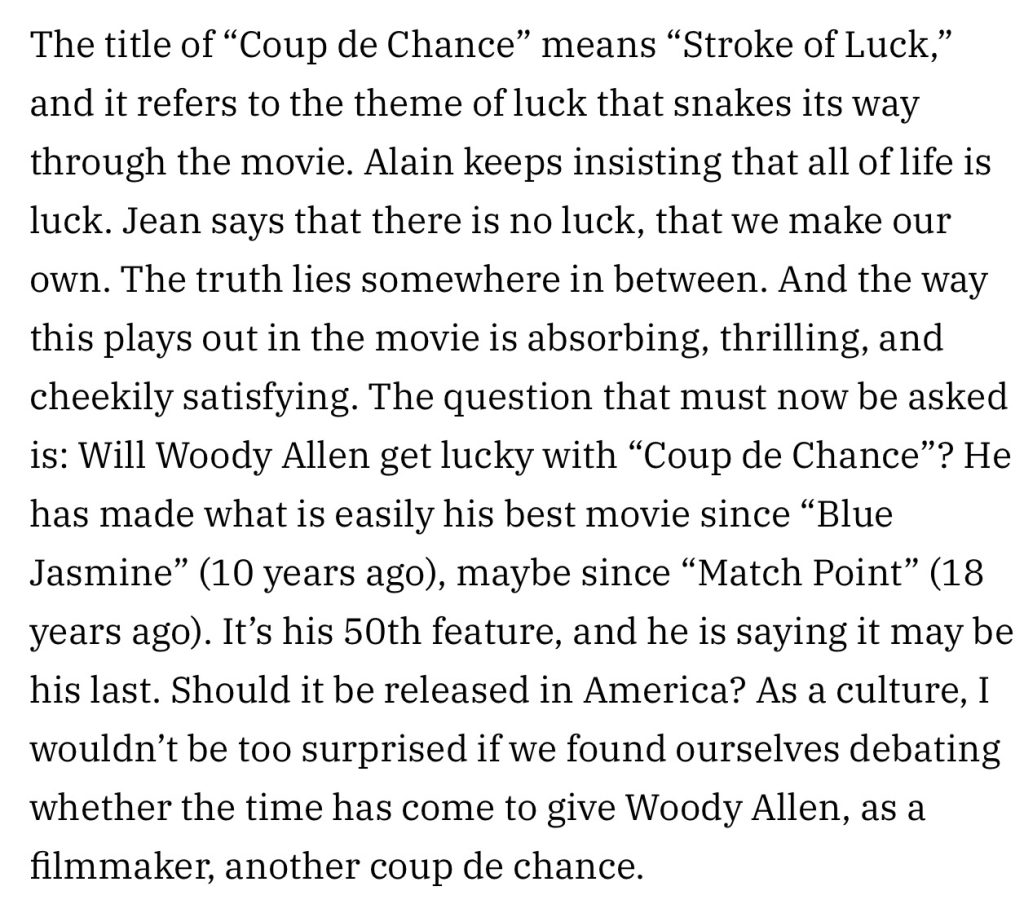
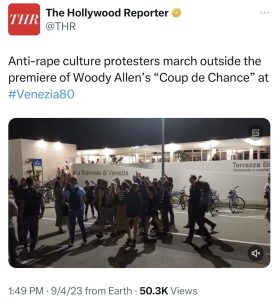
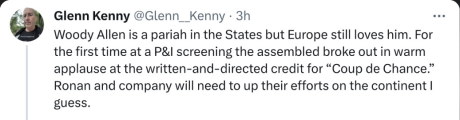
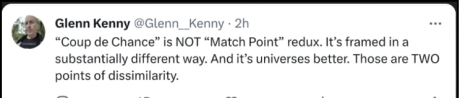
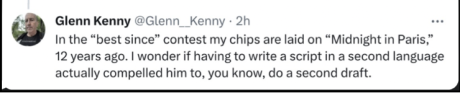
Considering the likelihood that at least a few Venice Film Festival critics have tried like hell to respond as negatively as possible to Woody Allen’s Coup de Chance in order to satisfy the haters, it’s hugely exciting and satisfying to read how positive the overall response has been.

HE loves the idea of the #DeathtoWoody villains gnashing their teeth and muttering “drat! curses! foiled again! “We’ve managed to kill Allen’s domestic career, and now you’re telling us…what, that he’s back from the dead? Well, we won’t have it!! We’ve been terrorizing Hollywood and generally making everyone miserable for the last five or six years, goddamit, and we don’t want this to stop!”

Owen Gleiberman:

Last Two Telluride Films

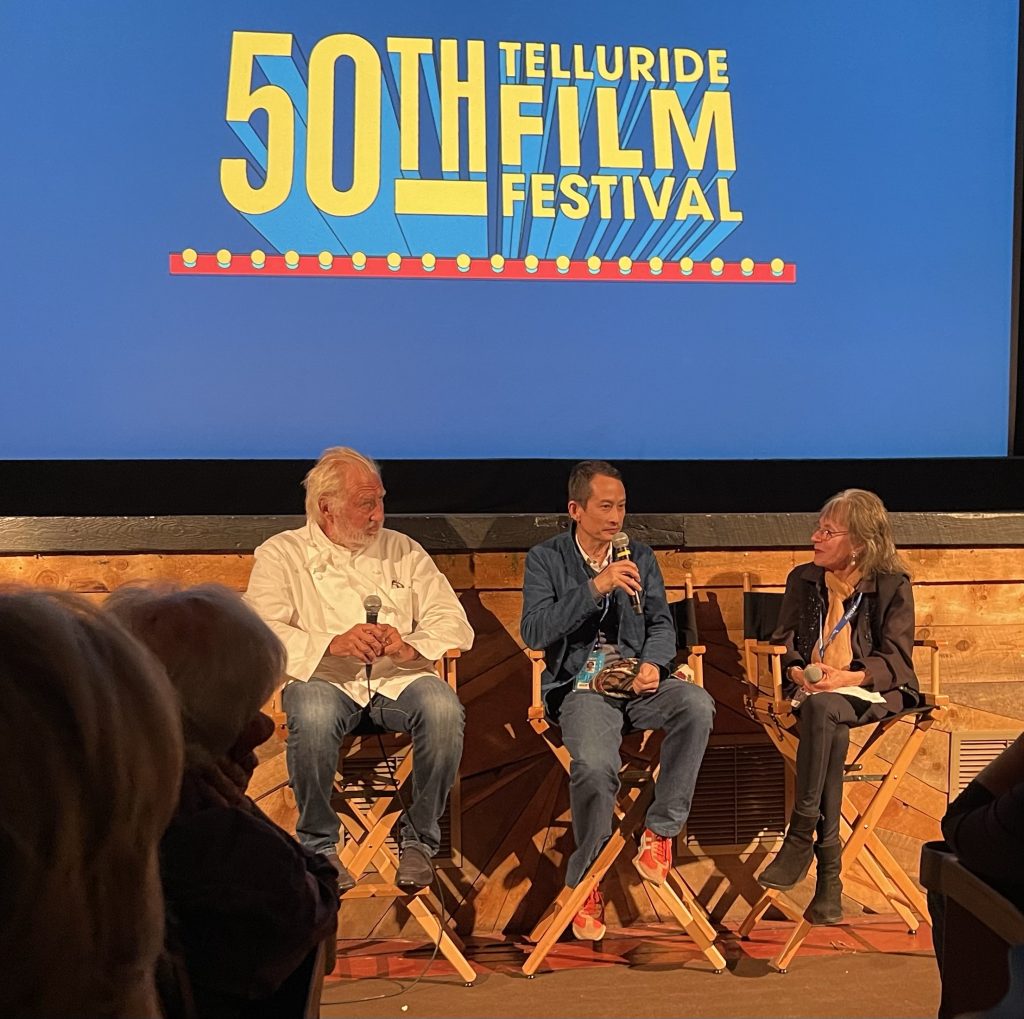
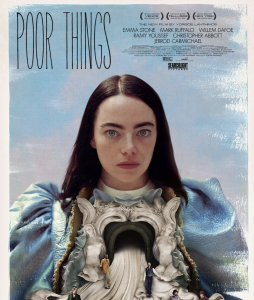
The big crescendo of the 50th Telluride Film Festival was Saturday night’s Werner Herzog theatre screening of Poor Things. The energy levels began to lessen the next morning (Sunday, 9.3) — the only screening I caught was The PotauFeu.

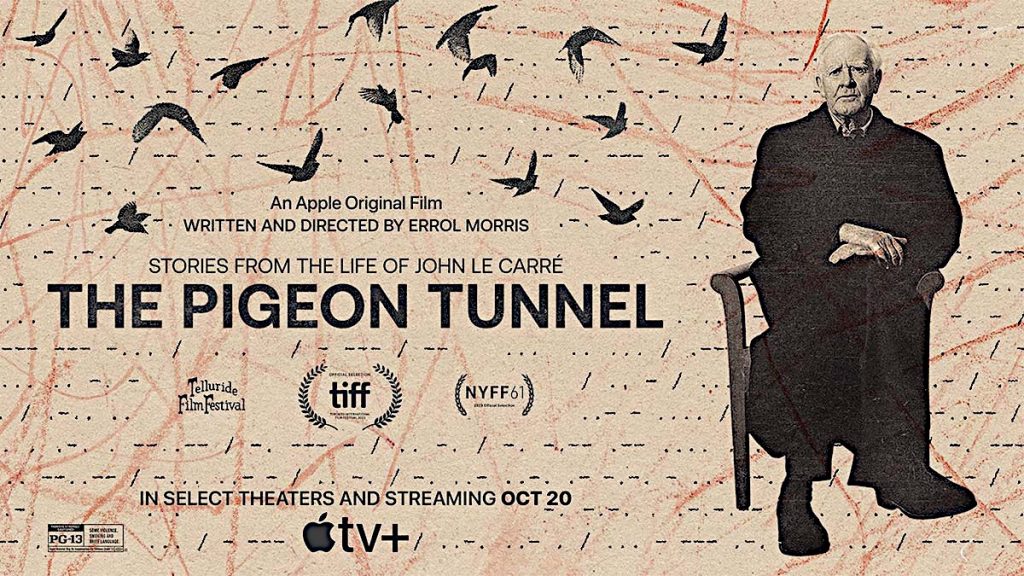
Today (Monday, 9.4) is my last and final. Paso Dorji’s The Monk and the Gun at 2 pm, followed by Errol Morris’s The Pigeon Tunnel at 4:30. Then I’ll be driving down to Dolores for a nice cozy night at a creekside motel before driving the next day (Tuesday, 9.5) down to Albuquerque, and then a red-eye flight back to LaGuardia, arriving Wednesday at 6 am.

Woody’s “Coup de Chance” Moment in Venice

Variety‘s Elsa Keslassy has never made a secret about seeing the world (and reporting about it) through woke-colored glasses.

At the start of the May ’22 Cannes Film Festival, for example, she was one of a trio of Variety reporters (along with Elizabeth Wagmeister and Matt Donnelly) who were shocked to discover that Woody Allen, Gerard Depardieu and Johnny Depp are featured in a celebrity mural on the 2nd floor of La Pizza, a popular eatery adjacent to the Cannes marina.

Keslassy’s co-bylined story, by the way, stated that Allen “was accused of rape by his then 7-year-old adoptive daughter, Dylan [Farrow], in 1992″ — dead wrong.

Keslassy has now posted a Venice Film Festival interview with Allen, ostensibly about Coup de Chance (which screened for press this morning) but more importantly, or at least from Keslassy’s perspective, an opportunity to try and persuade Allen to fall upon the church steps and finally admit that he’s guilty of being the unregenerate monster that wokesters have accused him of being for several years.

Alas, Keslassy was only successful in changing Allen’s mood during their chat.

When she brought up the Farrow molestation charge, “Allen’s tone and demeanor [shifted] noticeably,” she notes. “He was jovial and talkative when discussing his film and his love for French cinema classics, looking enraptured. [But] his mood suddenly turned gloomy, however, [when] I asked him to comment on Farrow, as well as the impact that her claims has had on his reputation in the U.S.

“By the end of our interview, Allen [had] became pensive, gazing off into space.”

Get him, Elsa! Or at least, you know, make him emotionally suffer. Woody haters worldwide are counting upon you to wield a terrible swift sword. What are facts compared to this historic responsibility?

“Allen [has] returned to the Venice Film Festival for the world premiere of Coup de Chance, a romantic thriller that marks his 50th, and he suggests, quite possibly his last feature film,” Keslassy writes. “Coup de Chance represents the continued mutual embrace between the director and the [European] continent, after controversies have limited his funding stateside.

“This accounts for his pondering retirement: Allen says that producing a new movie means hustling to secure backing and at 87, he’s not sure he still wants to do that kind of work.”

“I have so many ideas for films that I would be tempted to do it, if it was easy to finance,” Allen told Keslassy. “But beyond that, I don’t know if I have the same verve to go out and spend a lot of time raising money.”

Read more

Kohn’s Last IndieWire Podcast

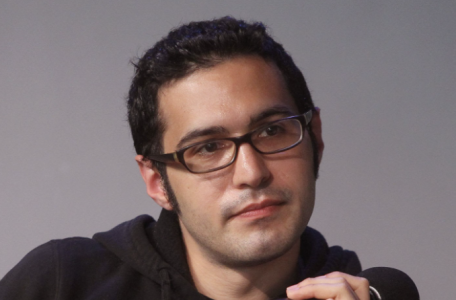
I forgot to mention a few days ago that IndieWire‘s influential film critic and editor Eric Kohn has flown the coop. He’s now working as a film strategy and development exec for Harmony Korine‘s EDGLRD, and HE wishes him all the best. A job with serious creative potential, a better salary, slicker threads, more security for his family, etc. Good for him.

That said, EDGLRD is a completely nonsensical compression of EDGELORD that no one will ever be able to spell without double-checking, or perhaps even remember. You look at it and nothing kicks in. You can hear Korine saying “I need a company name that sounds extra cool or at least can be spelled in a cooler way than EDGELORD but at the same time can’t be cooler because it’s pronounced edd-glurrd.”

That’s Korine for you — in the name of edgeness and hipster chops he simultaneously attracts and repels.

In the context of journalism, it’s now necessary to speak of Kohn in the past tense.

Eric was always a nice guy (as in congenial, nebbishy, mild-mannered, smoothly spoken). He was always a reliably smart critic and an engaging writer who (a semblance of honesty is allowable) frequently soft-pedalled his opinions or praised films so obliquely or described them so blandly that sometimes a reader couldn’t be entirely sure if he liked a film or not.

But I was always grateful to Eric for his all-around warmth and graciousness, and for having gotten me into the Key West Film Festival for three or four years. A fine fellow in many respects.
Eric’s nice-guy credentials aside, I have to add that I found his refusal to admit to even the existence of wokesterism since the woke plague kicked in five or six years ago….that was infuriating.

And in his capacity as an influential New York Film Critics Circle member and chairman of that group during 2018 and ’19, it has to be acknowledged that Kohn and fellow IndieWire critic David Ehrlich (whom Kohn hired) did a lot to change the image of the NYFCC from that of a gold-standard critics org to one strongly associated with woke eccentricity.

From “Not Necessarily The Bad Guys,” posted on 1.9.23:

“In addition to their sometimes well-grounded, highly perceptive praising of stellar filmmaking and performances, the New York Film Critics Circle has (be honest) been in the grip of woke theology over the last four or five years. Most of us understand this, and the NYFCC honchos and spokespersons will deny it to their dying day.

“For decades a NYFCC award was a gold-standard honor — a classy, triple-A stamp of irrefutable big-city approval. But since ’18 or thereabouts the NYFCC members have sought to integrate notions of quality with “the sacralization of racial, gender and sexual [identity],” as Matthew Goodwin put it in February 2021.

“In short, they’ve become known as a contender for the most reliably eccentric, woke-flakey critics group, neck and neck with the occasionally wokejobby Los Angeles Film Critics Association. (Note: HE has agreed on certain occasions with LAFCA award calls, hence the term “occasionally woke-jobby.”)

“For me the syndrome seemed to begin in 2018 when the NYFCC handed their Best Actress award to Support The Girls‘ Regina Hall. For me there was no contest among the Best Actress contenders that year — Melissa McCarthy‘s performance in Can you Ever Forgive Me? was heads and shoulders above Hall’s, and yet the NYFCC allowed themselves to be guided by identity politics. They disputed this, of course.

Read more

“Obsession With Technique”

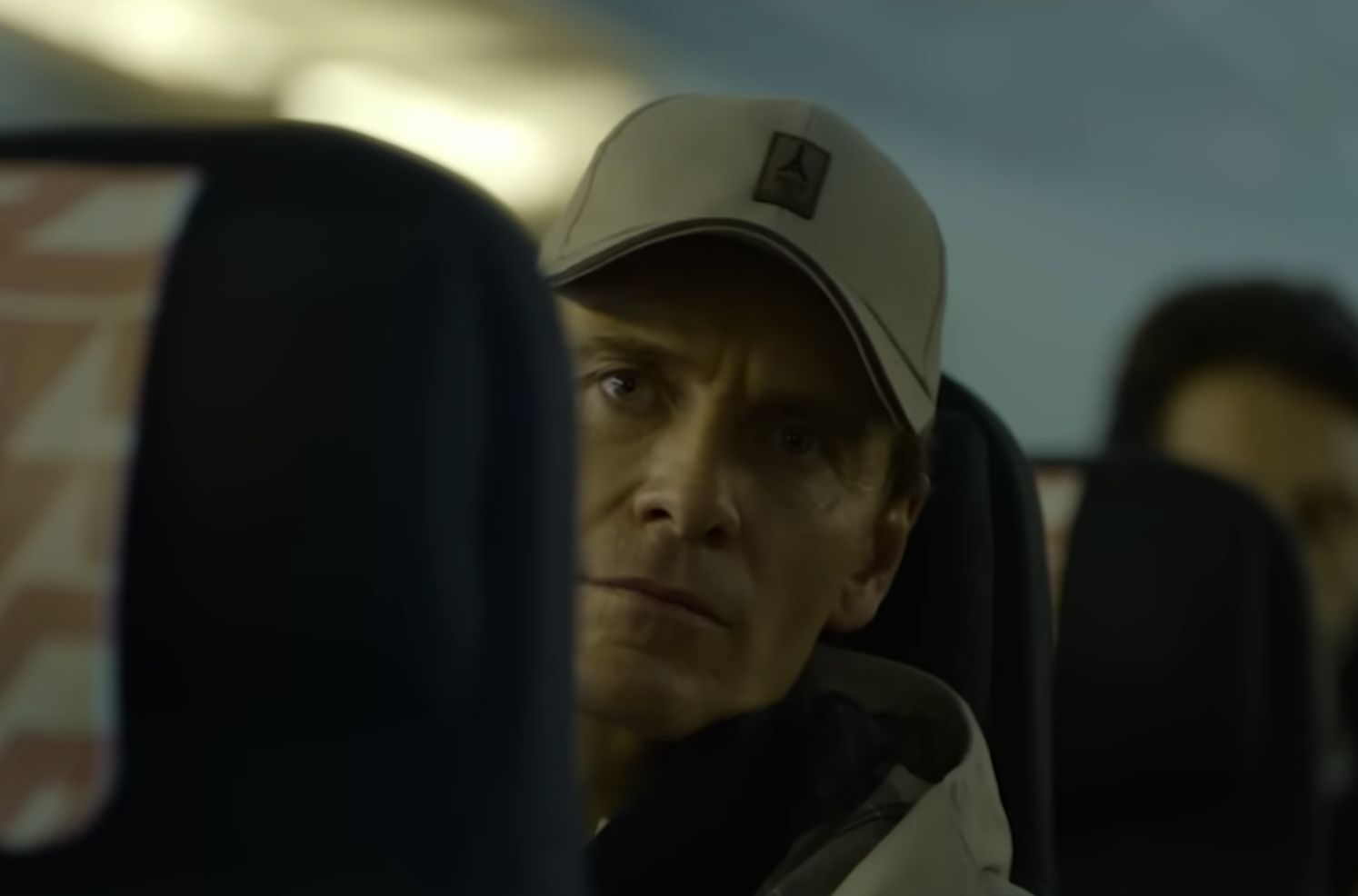
“The driving idea of The Killer is that Michael Fassbender’s hit man, with his cool finesse, his six storage spaces filled with things like weapons and license plates, his professional punctiliousness combined with a serial killer’s attitude (the opening-credits montage of the various methods of killing he employs almost feels like it could be the creepy fanfare to Se7en 2), has tried to make himself into a human murder machine, someone who turns homicide into a system, who has squashed any tremor of feeling in himself.

“Yet the reason he has to work so hard to do this is that, beneath it all, he does have feelings. That’s what lends his actions their moody existential thrust. At least that’s the idea.

“But watching the heroes of thrillers act with brutal efficiency (and a total lack of empathy for their victims) is not exactly novel. It’s there in every Jason Statham movie, in the Bond films, you name it.

The Killer is trying to be something different, something more ‘real,’ as if Fassbender were playing not just another genre character but an actual hitman. That’s why he has to use a pulse monitor to make sure his heartbeat is down to 72 before he pulls the trigger. It’s why he’s hooked on the Smiths, with their languid romantic anti-romanticism. As catchy a motif as that is, you may start to think: If he’s such a real person, doesn’t he ever listen to music that’s not the Smiths?

“In The Killer, [director] David Fincher is hooked on his own obsession with technique, his mystique of filmmaking-as-virtuoso-procedure. It’s not that he’s anything less than great at it, but he may think there’s more shading, more revelation in how he has staged The Killer than there actually is.” — from Owen Gleiberman’s 9.3 review.

What If “Barbie” Had Been Directed by the Marquis de Sade?

WARNING: CONTAINS A POOR THINGS SPOILER OR TWO:

Telluride friendo (after reading my brief Poor Things review): “You seriously thought this movie was better than Lanthimos’s The Favourite? Yeah, I guess Poor Things is ‘wild’ but in its undeniably interesting and audacious way I found it to be an ungainly, overlong didactic art thing.

“It’s like Barbie directed by the Marquis de Sade.

Emma Stone is excellent, but she’s playing the only interesting character (apart from Dafoe’s scarred freak). Mark Ruffalo seems interesting at first, but grows duller as the movie goes on. He becomes one more oppressive male in a movie that’s programmatically full of them.

“How can you object to Barbie being an anti-male jeremiad and not object to this one?”

HE to friendo: “Every festival film, it seems, is misandrist except for Alexander Payne’s The Holdovers. Filmmakers are generally not allowed to not hate white guys. Then again Scarface Dafoe and his loyal assistant weren’t depicted as ugly diseased males. In any event I felt that the mad nutso Terry Gilliam paintbrush aspect overwhelmed my reservations about anti-male portraiture. Oh, and I wasn’t knocked out by The Favorite.”

Telluride friendo: “Poor Things is visually entrancing, no doubt, but once Stone’s character gets out into the world (and becomes a less and less interesting character as she grows more intelligent and just becomes…a normal Englishwoman!), the storytelling becomes very basic and kind of stilted. It’a a drag that Ruffalo’s character turns out to be such a run-of-the-mill asshole. How much better it would have been had there really been something to their relationship, or to Stone’s relationship to anyone else in the film.

“I had no moral objection to Stone’s descent into prostitution, but what’s the point? You’re right that Dafoe and his assistant weren’t depicted as ugly diseased males, but by the end of the movie, every other male in the film is. That’s the whole point. That’s why that shot of her husband [redacted] is such a money shot. It’s sealing the deal on the movie’s misandry.

“My real objection isn’t that I found it so offensive — it’s that it’s so thin. The movie is the fairy tale as (woke) allegory, and I really wish that it could’ve been more of a greater fairy tale and less allegory. After a while, I was almost bored by it. Seemed like it would never end. This is not a movie that needed to be 140 fucking minutes.

“But I guess the machine has already decided that it’s this year’s woke/eccentric/Off-Hollywood Best Picture winner…”

HE to friendo: “It did become less interesting when Stone became a professional woman of diminished virtue. And yes, it does feel increasingly thin. And yes, it’s lamentable that Ruffalo’s louche wastrel character is written as such a vain and pathetic figure.

“My absolute favorite sequence was the dance number that Stone and Ruffalo perform.”

Telluride friendo: “That was a great scene, but not as great as Jenny Ortega‘s dance sequence in the streaming series Wednesday.

“What I don’t get is how this film — thinner as it goes along, Barbie by a Greek postmodern Tim Burton, a perverse Terry Gilliam-esque takedown of the patriarchy — is being hailed as the new Citizen Kane. I guess we’ve living in a post-Jeanne Dielman-as-greatest-film-of-all-time universe.”

Buried Alive

I’ve suddenly decided to re-watch Roger Corman‘s Premature Burial (’62), in which a mid-50ish Ray Milland played Guy Carrell, a cataleptic, death-obsessed British aristocrat. (Milland was at least 15 years too old for the part.) My chief recollection is a dream sequence in which Carrell, having seemingly but not actually died, awakes inside his burial vault and finds that none of the escape mechanisms work.

Poor Milland — in ’54 he had played the elegant ex-tennis star Tony Wendice in Hitchcock’s Dial M For Murder, but eight years later under Corman he was staring into a silver chalice filled with maggots.

From “‘The House Is the Monster’: Roger Corman’s Poe Cycle,” posted on 8.25.23.