The previous teaser for Lin-Manuel Miranda and Steven Levenson‘s Tick, Tick…BOOM! (Netflix, 11.12), about the struggle of Rent creator Jonathan Larson to get up and over in the late ’80s, was a wee bit scary. But this trailer is encouraging. It’s certainly more engaging.
It seems to suggest, by the way, that Larson was something other than a cisgendered hetero**, as it highlights two or three heart-to-heart advice discussions between guys (Joshua Henry in particular).
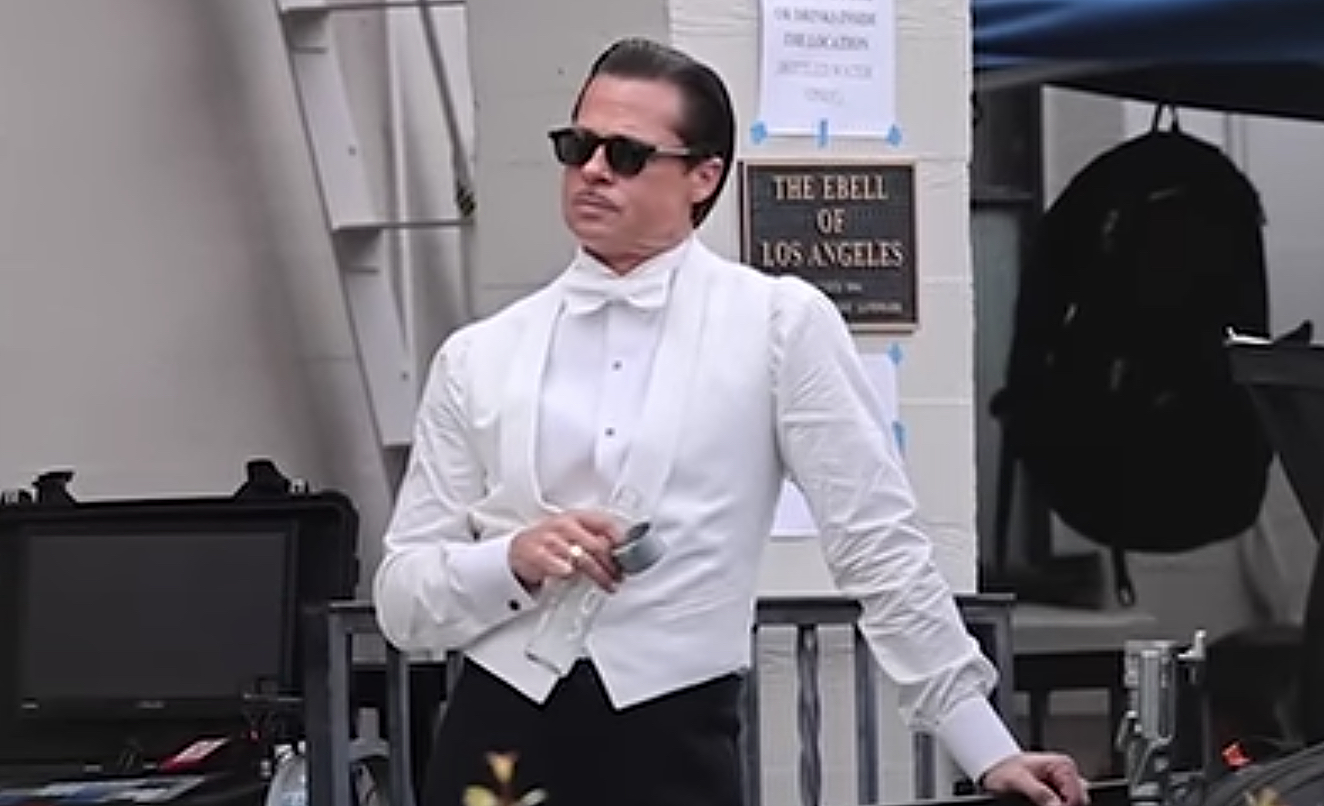
In Damian Chazelle‘s Babylon (Paramount, 12.25.22), Brad Pitt plays a dapper, in-some-ways-John Gilbert-resembling movie star who, shall we say, runs into some difficulty during Hollywood’s transition from silents to sound in the late 1920s to early ’30s. Margot Robbie plays Clara Bow, according to the IMDB.
Pitt was captured yesterday during a break from filming at The Ebell of Los Angeles (743 So. Lucerne Blvd, Los Angeles, CA 90005), which is often used for period filming. The Ebell includes a clubhouse building and the 1,270-seat Wilshire Ebell theatre.
“Fellini Satyricon meets Day of the Locust,” posted on 7.21.19: “I’ve partially read a May 2019 draft of Damien Chazelle‘s Babylon, his theatrical follow-up to First Man. Babylon is a late 1920s Hollywood tale about a huge sea-change in the nascent film industry (i.e., the advent of sound and the up-and-down fortunes that resulted) and about who got hurt and those who survived.
“A la Quentin Tarantino‘s Once Upon A Time in Hollywood, Babylon offers a blend of made-up characters and a few real-life Hollywood names of the time — Clara Bow, Anna May Wong. Paul Bern and an “obese” industry fellow who represents Fatty Arbuckle. (I’m presuming there are many others.) I’ve only read about 40% of it, and I’m certainly not going to describe except in the most general of terms. It runs 184 pages, and that ain’t hay.
“Most of Chazelle’s story (or the portion that I’ve read) is amusingly cynical and snappy, at other times mellow and humanist, and other times not so much. It takes place in the golden, gilded realms of Los Angeles during this convulsive, four or five-year period (roughly 1926 to 1931, maybe ’32) when movie dialogue tipped the scales and re-ordered the power structure. Everyone above the level of food catering had to re-assess, re-think, change their game.
“It starts out with a long, bravura sequence that will probably impress critics and audiences in the same way La-La Land‘s opening freeway dance number did. Except Babylon is darker, raunchier. The first 26 or 27 pages acquaint us with the main characters (one of whom may be played by Emma Stone) while diving into the most bacchanalian Hollywood party you’ve ever attended or read about. Cocaine, booze, exhibitionist sex, an elephant, the singing of a lesbian torch song, heroin, blowjobs, and a certain inanimate…forget it.
“Unless Chazelle embarks on a serious rewrite, the 27-minute opening of Babylon is going to seem like quite the envelope pusher. It’s basically Fellini Satyricon meets Day of the Locust meets the secret orgy sequence in Eyes Wide Shot meets the Copacabana entrance scene in Goodfellas. Plus Baz Luhrmann‘s The Great Gatsby meets The Bad and the Beautiful meets Singin’ in the Rain meets The Big Knife…that’ll do for openers.”
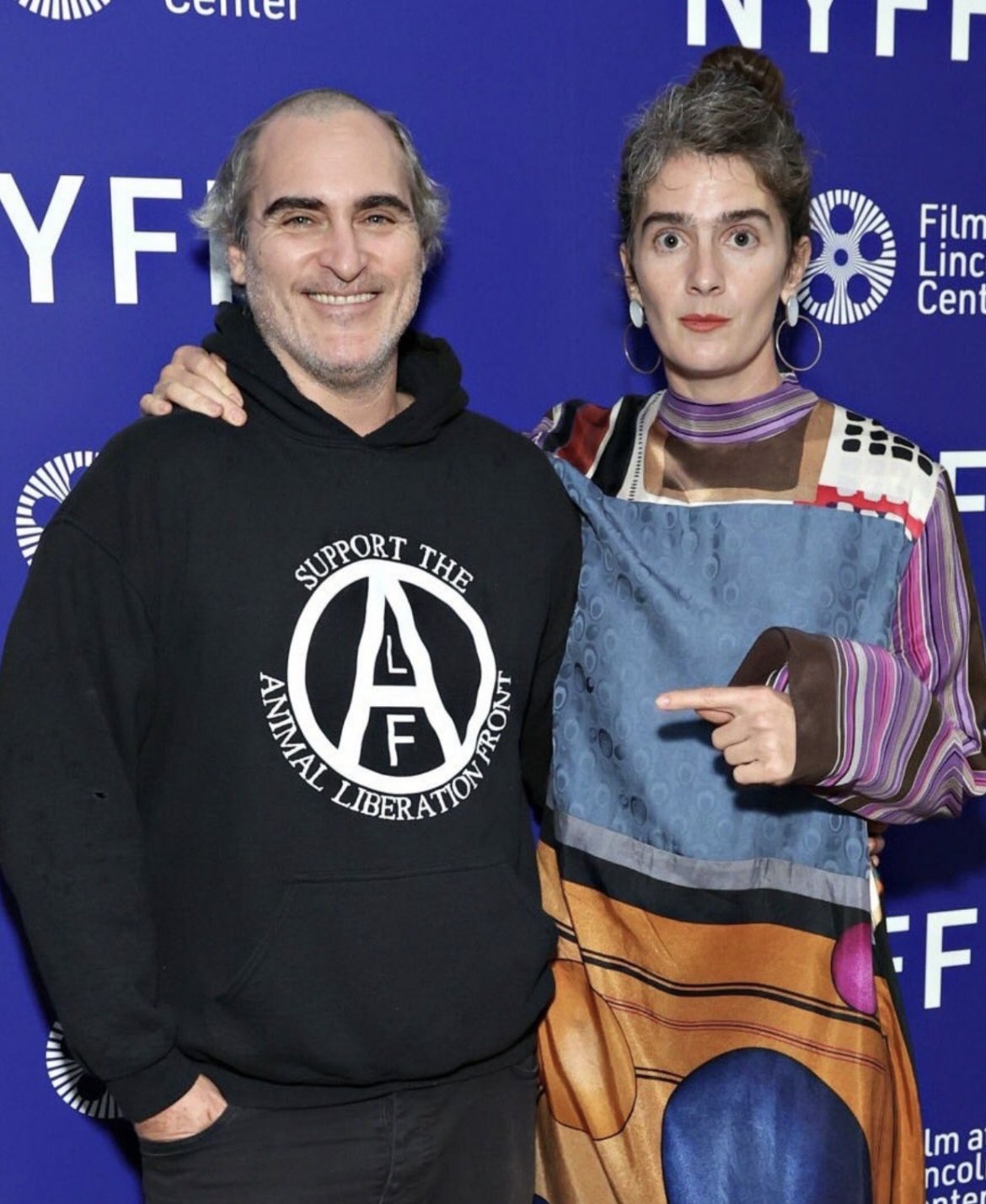
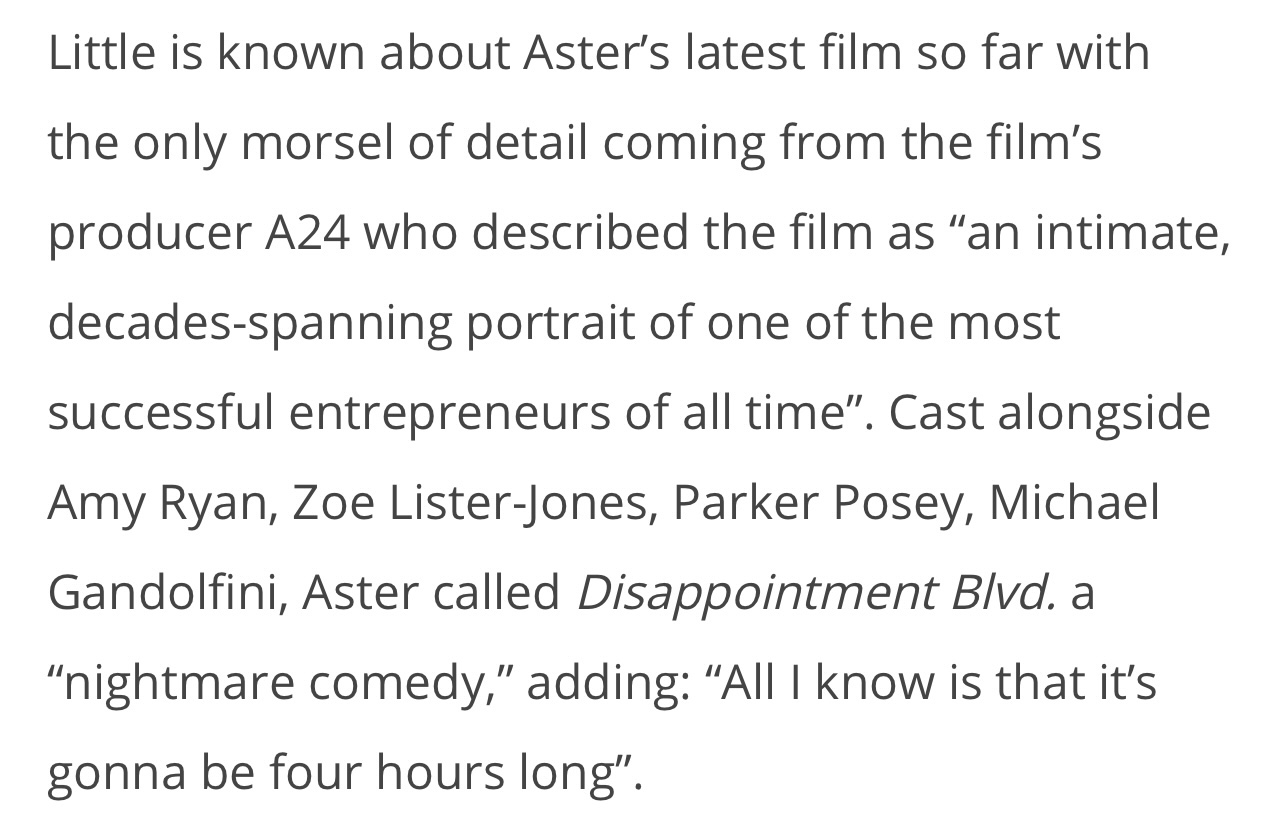
Is “balding, gray-haired pudgebod” one of JoaquinPhoenix’s looks for AriAster’sepic–scaledDisappointmentBlvd. (my presumption) or is it a recent aspect of JP’s own day-to-day? Either way the black, bulky Animal Liberation Front hoodie is, no offense, a problem in the “normcore” sense of that term. Pic has been described as a “nightmare comedy.”
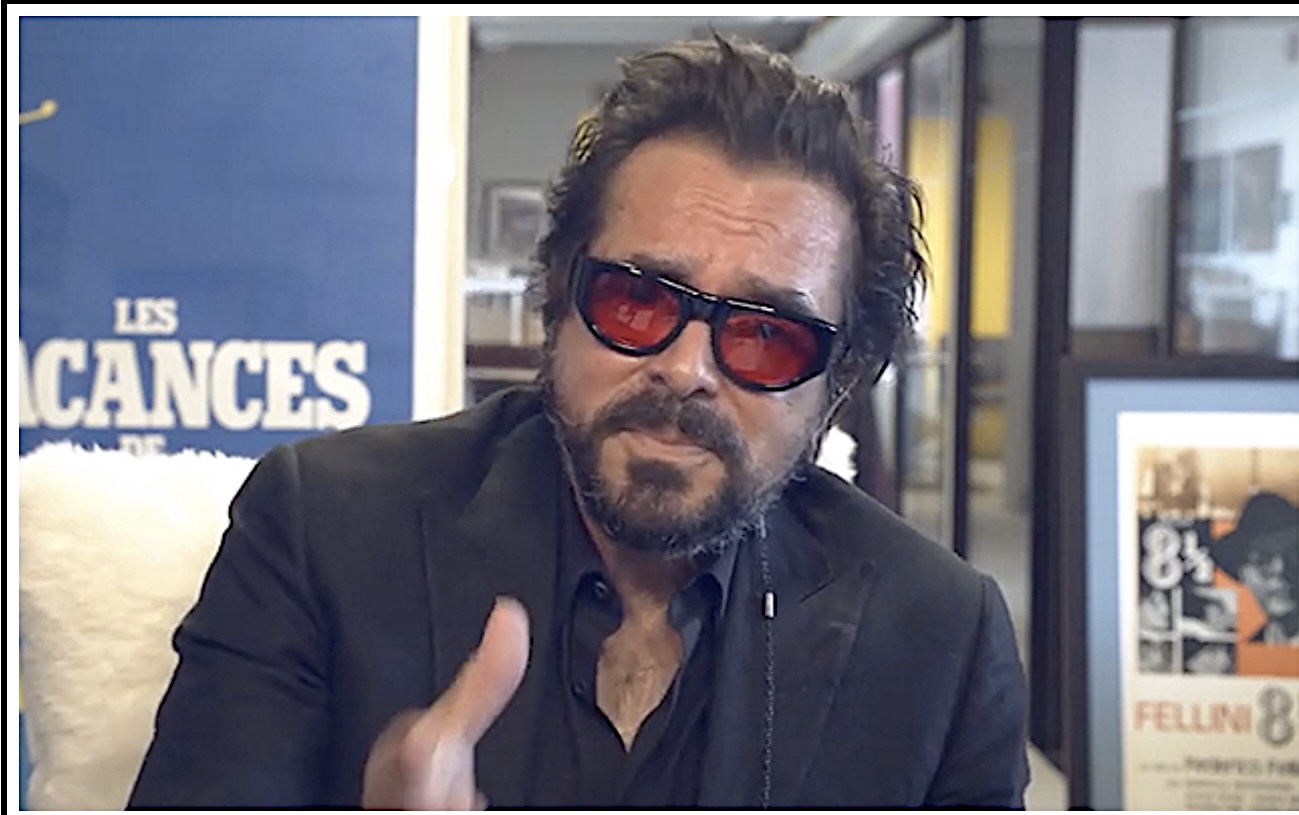
On 9.17 I conveyedadmiration for Roger Durling’s costly amber-red JackNicholson glasses. 16 days later I received a poor man’s version of Durling’s costly red specs (Blubox, $125, made in Australia), and I’m very happy with them.
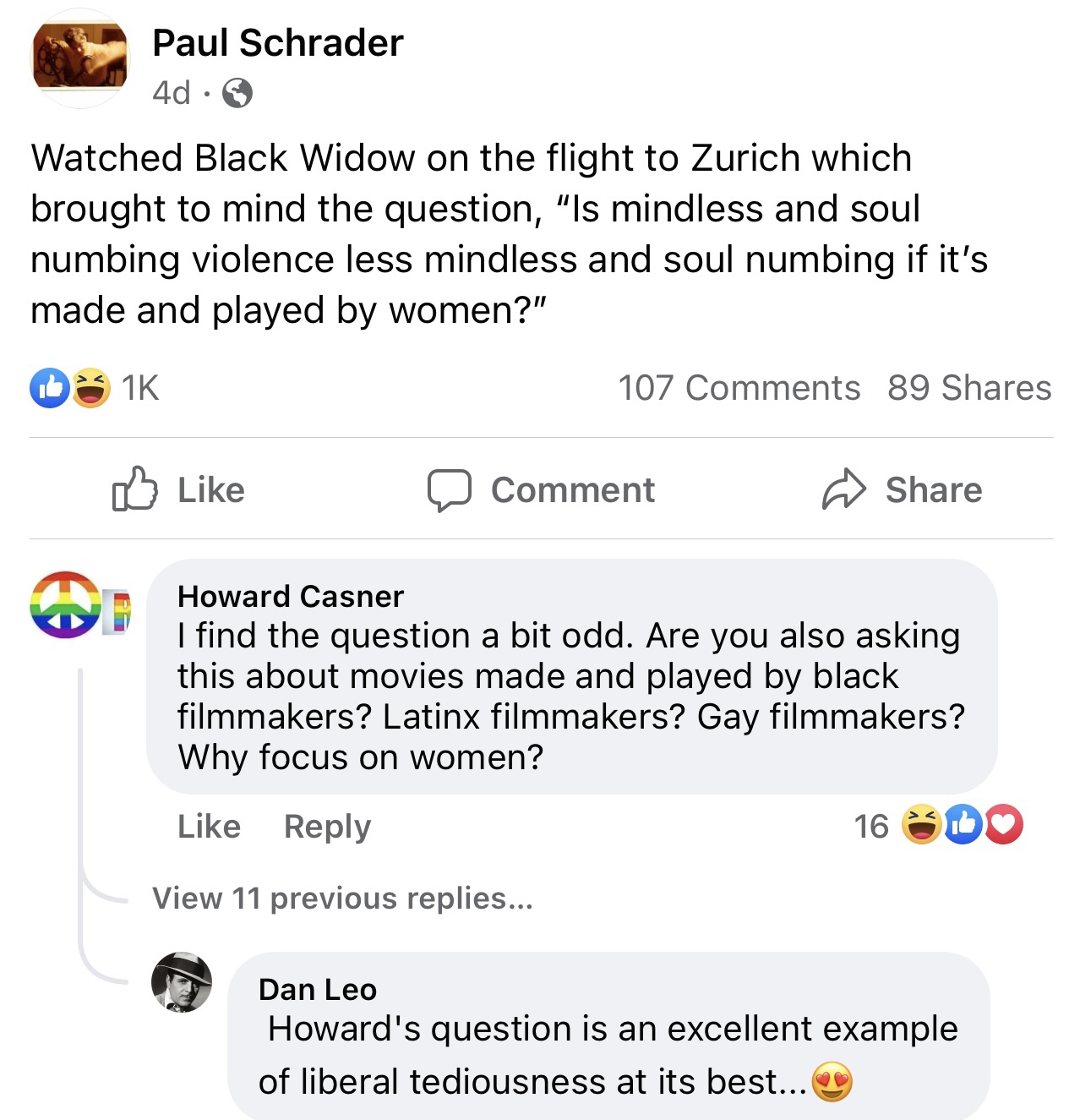
This recent exchange between PaulSchrader and HowardCasner is a concise capturing of what I hate about lefty kneejerk accusers and what I can’t stand about 70% of HE comments — that reaction that boils down to “why aren’t you more sensitive and supportive of certain social causes?” blah blah. For what it’s worth I will alwayshateBlackWidow. And thank you, DanLee.
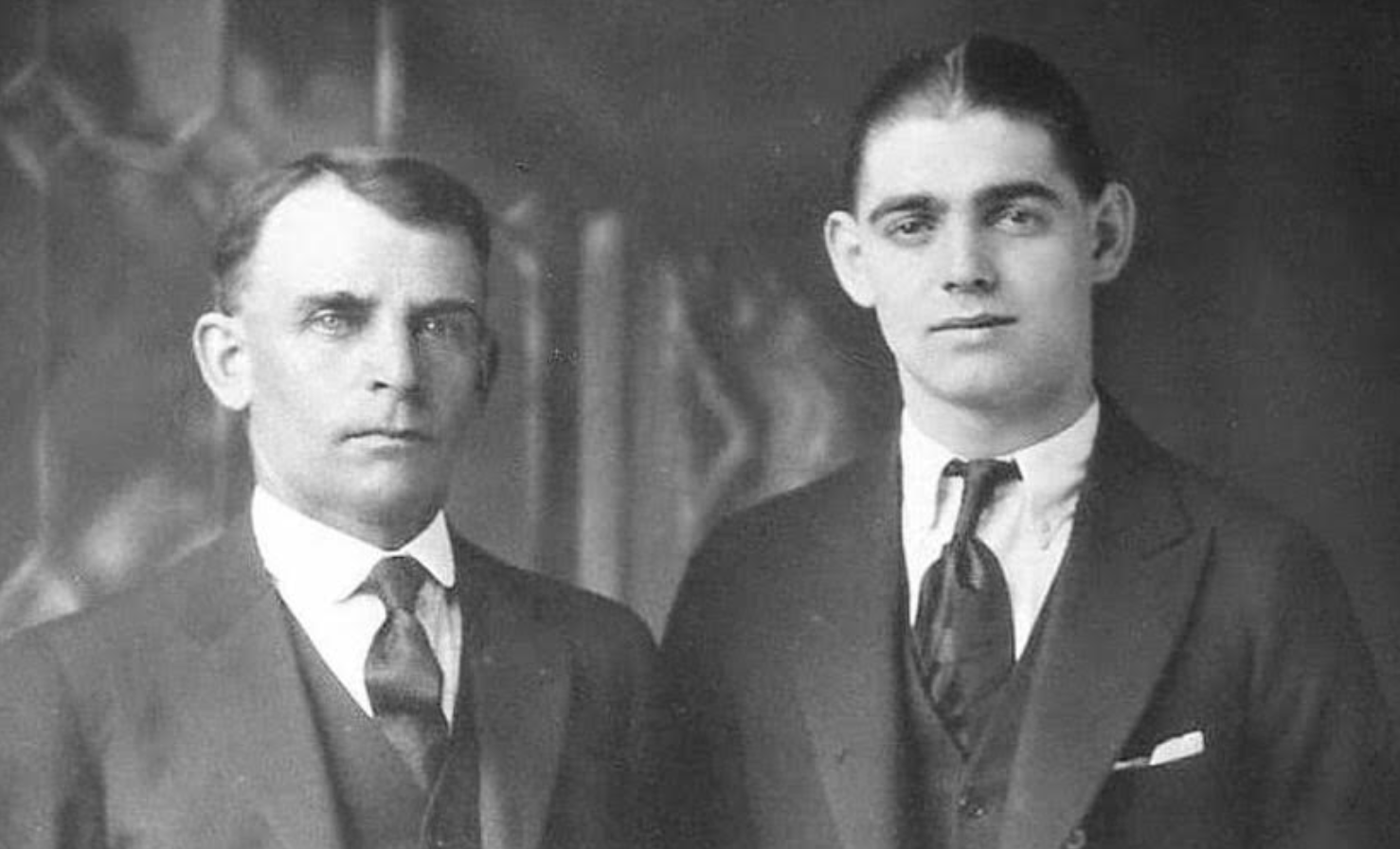
Clark Gable was in his late teens when this photo was taken with his dad around ’19 or ’20. He’s almost freakish looking. Baby Huey-ish, over-fed or even chubby. Imagine if Gable’s head was shaved and he was wearing a Dan Aykroyd conehead. I’m fairly sure he had his ears surgically pinned back when he began to happen as an actor in the mid to late ’20s. And yet by the mid ’30s Gable was a huge matinee idol. It just goes to show that sometimes actors don’t really become their iconic selves until they hit 30 or 35 even, and have acquired a few creases and character lines.
Please post photos of actors or actresses who really didn’t look attractive or have that X-factor thing in their mid to late teens, but grew into it later on.
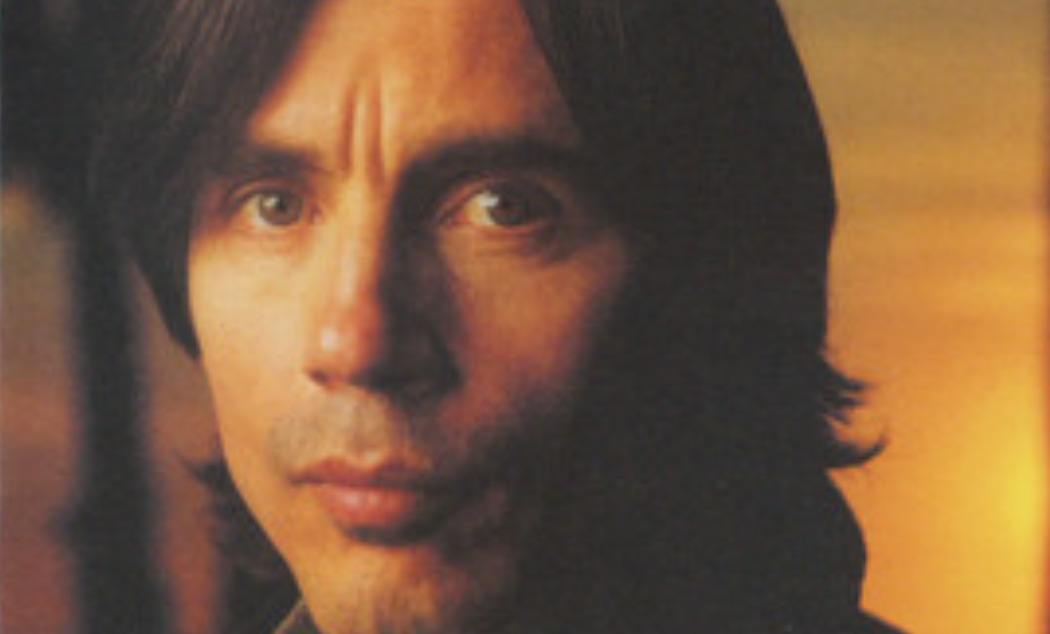
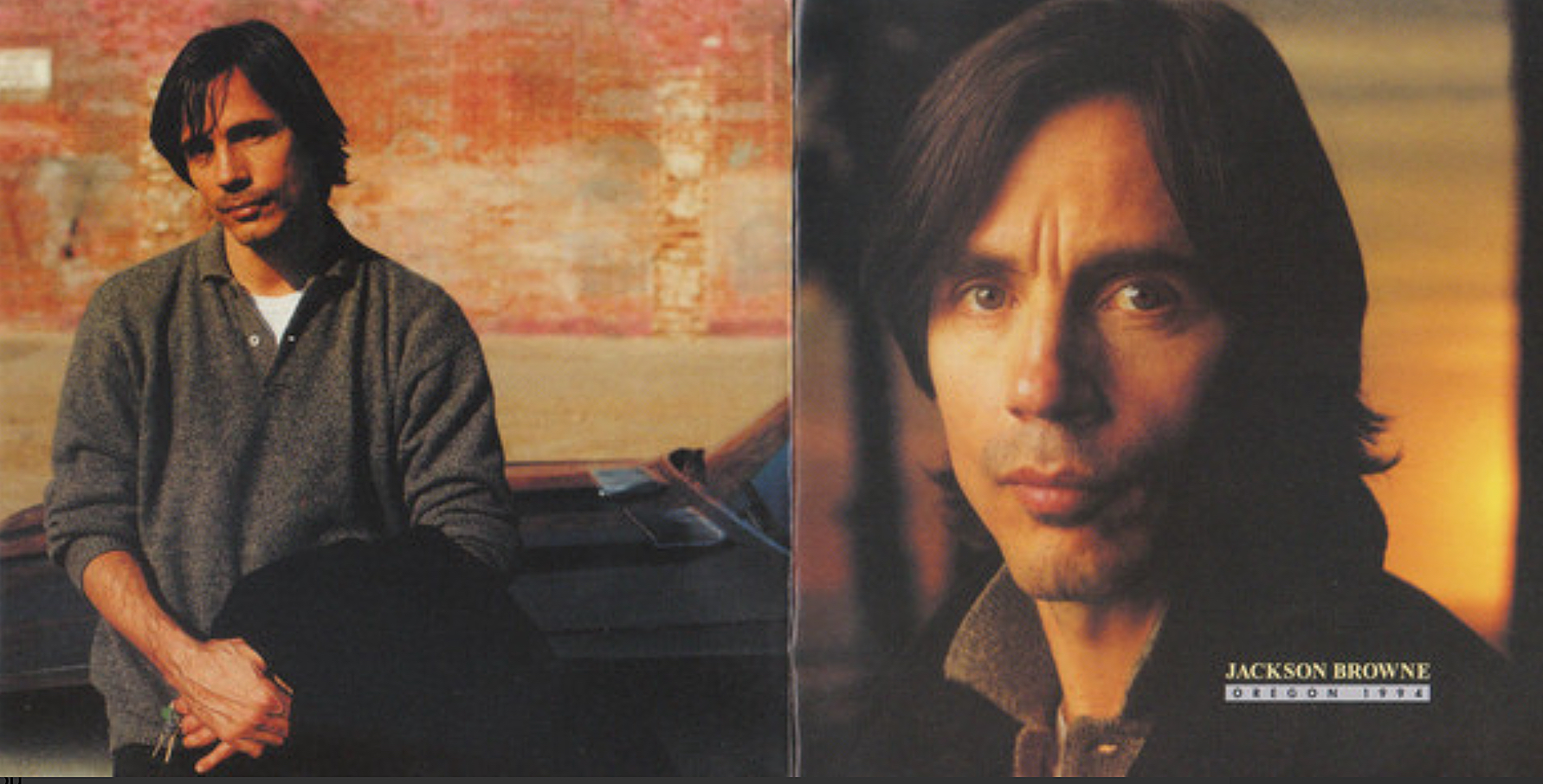
On 6.5.12 I posted about a chat I had with Jackson Browne way back when. (It was actually a four-way — Browne, myself and a couple of pretty ladies.) It was at some kind of political fundraiser that Tim Robbins and Susan Sarandon were attending. (Or so I recall.) It was at the Mondrian on Sunset, around late ’94 or early ’95. And I was very favorably impressed by Browne’s manner and focus.
When you collar a celebrity at a party, it’s understood that you’ll have his/her attention for maybe two or three minutes, and then someone else will move in. Browne was different in that we were talking about something political, and he didn’t respond to others trying to wheedle in on the conversation. We all stayed focused and just hung in there for 20 or 25 minutes, which is an eternity at a party.
I liked how Browne seemed to think in long sentences, and how he stayed with a thought (his or someone else’s) and how he tried to develop it and push it along, and how he really seemed to listen and engage and make an effort to stay away from the usual chit-chat. Yes, he may have been persisting in the conversation because he liked the ladies. But one can usually sniff out hounds and their personalities, and my sense was that Browne wasn’t one.
For years I’d been a fan of Browne’s songs like everyone else, but after that night I knew first-hand that he was genuine and grounded as far as it went, and that he really disliked being glib or skirting or going “yeah, yeah, uh-huh” without really listening.
I can’t recall if it was a post-Oscar party, but it might have been. The subject may have been the Gingrich revolution and the piece I had just written Hollywood conservativbes for Los Angeles magazine, which was eventually called “Right Face“.
Pete Hammond says Barbra Streisand is like Browne in this respect. Engage her in a good political discussion and she’ll stick with it.
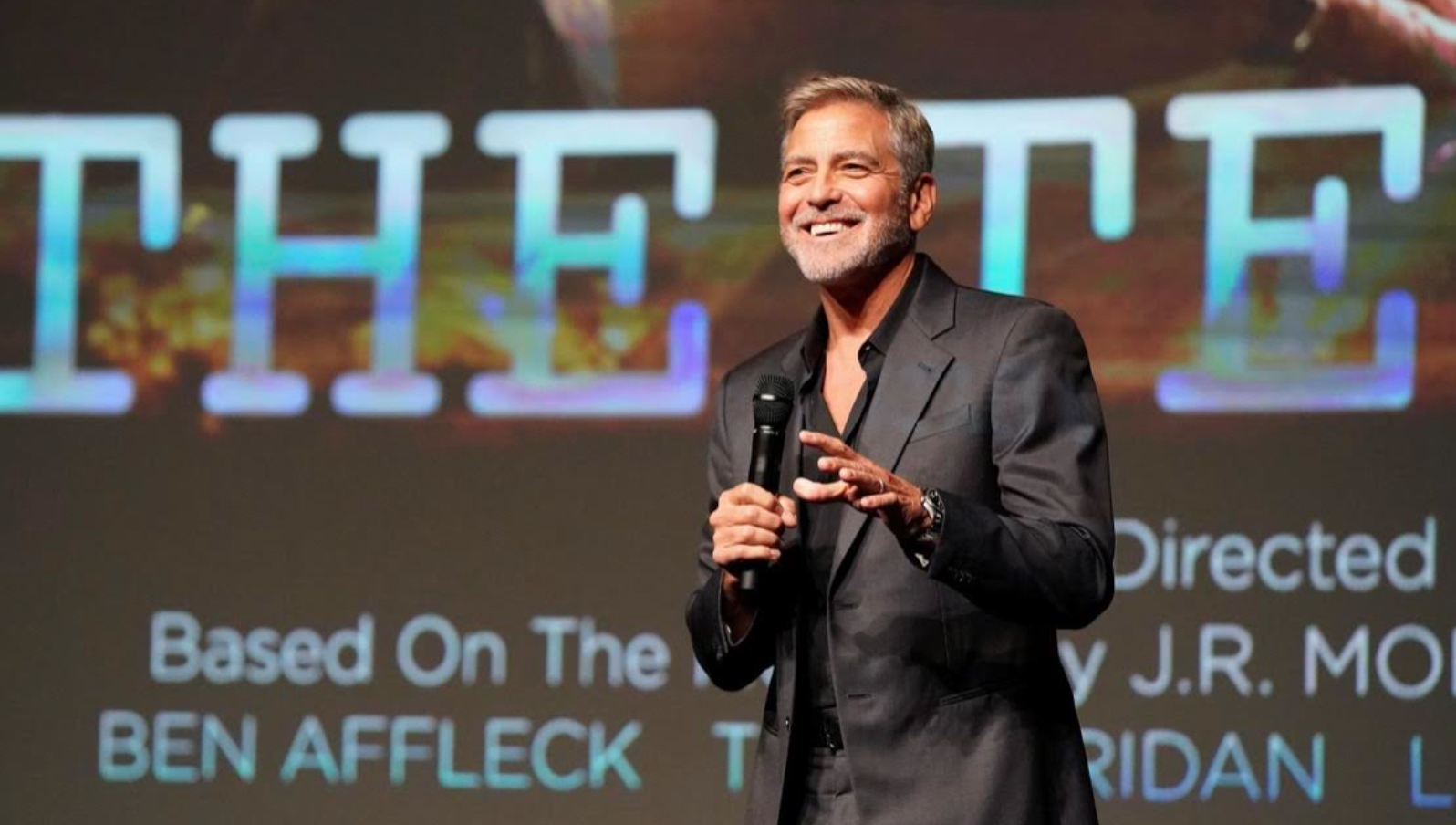
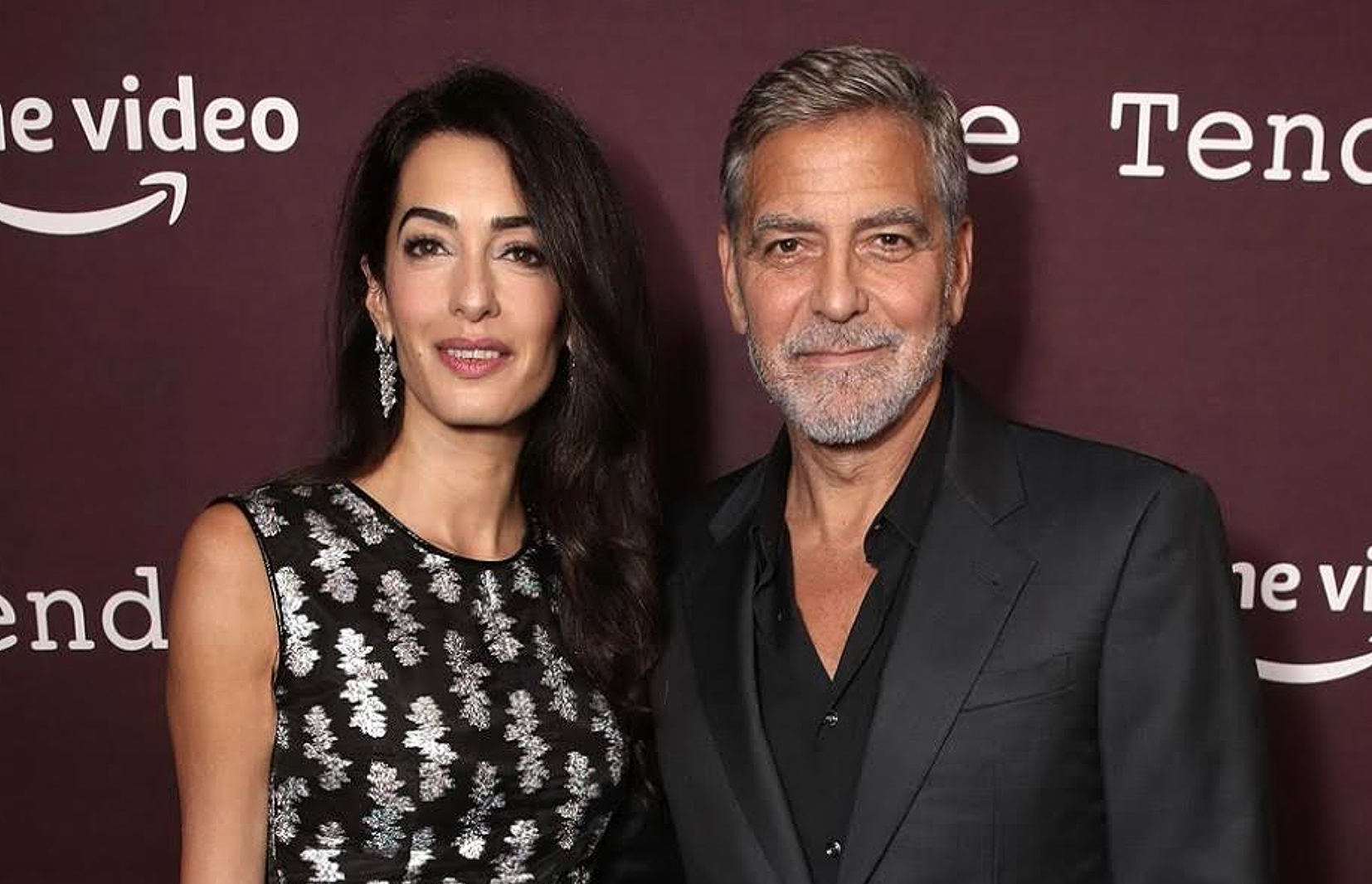
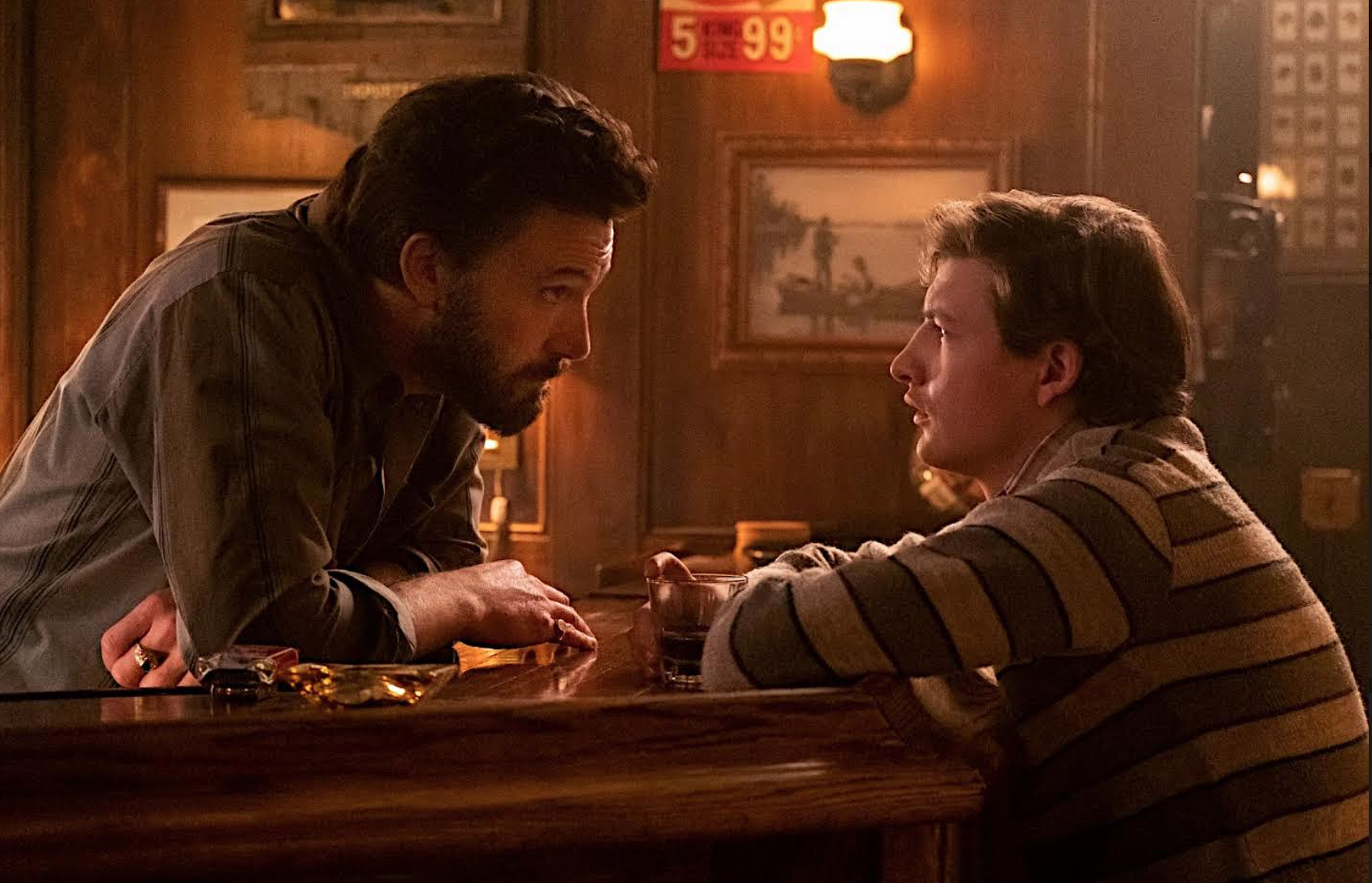
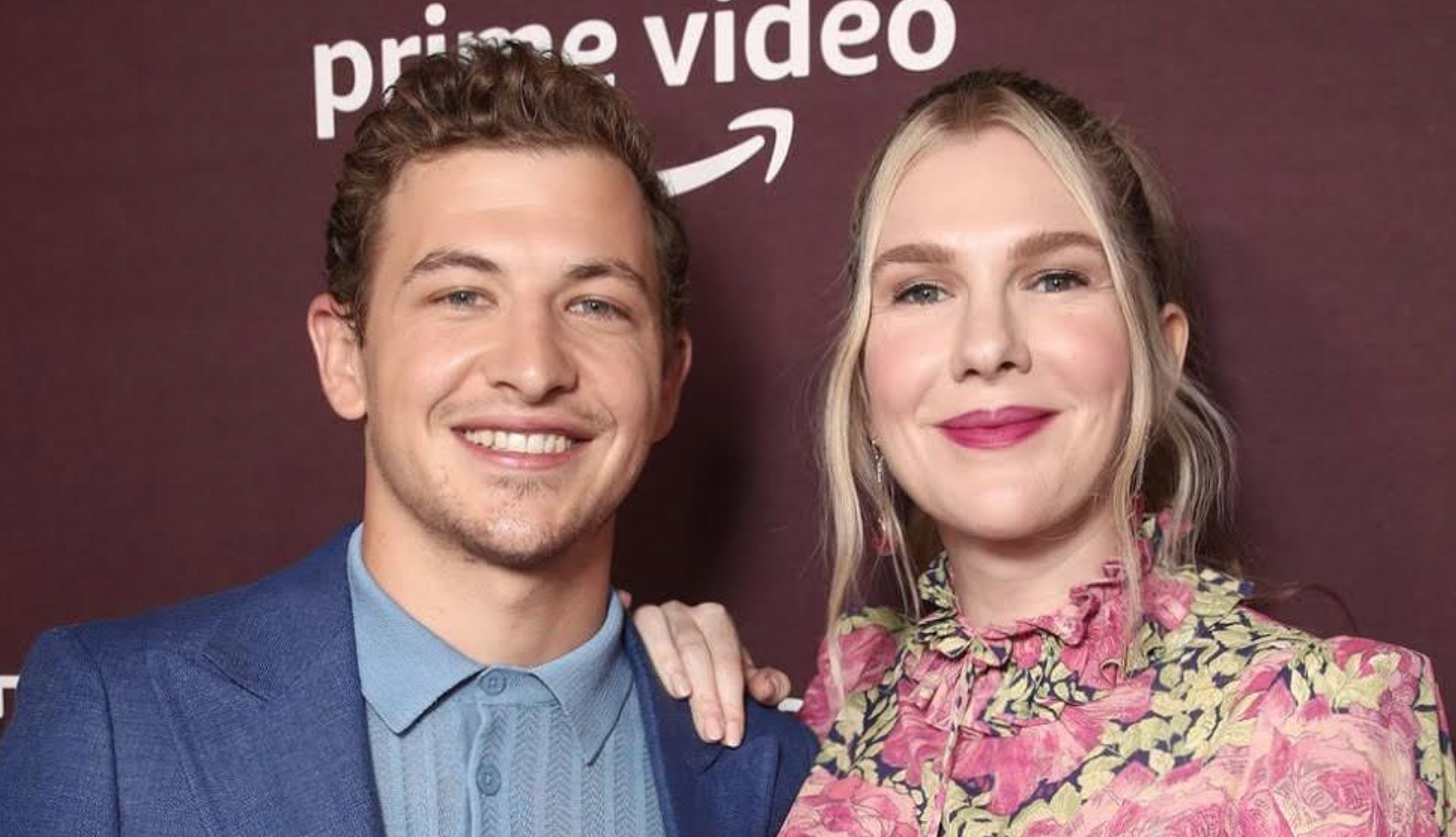
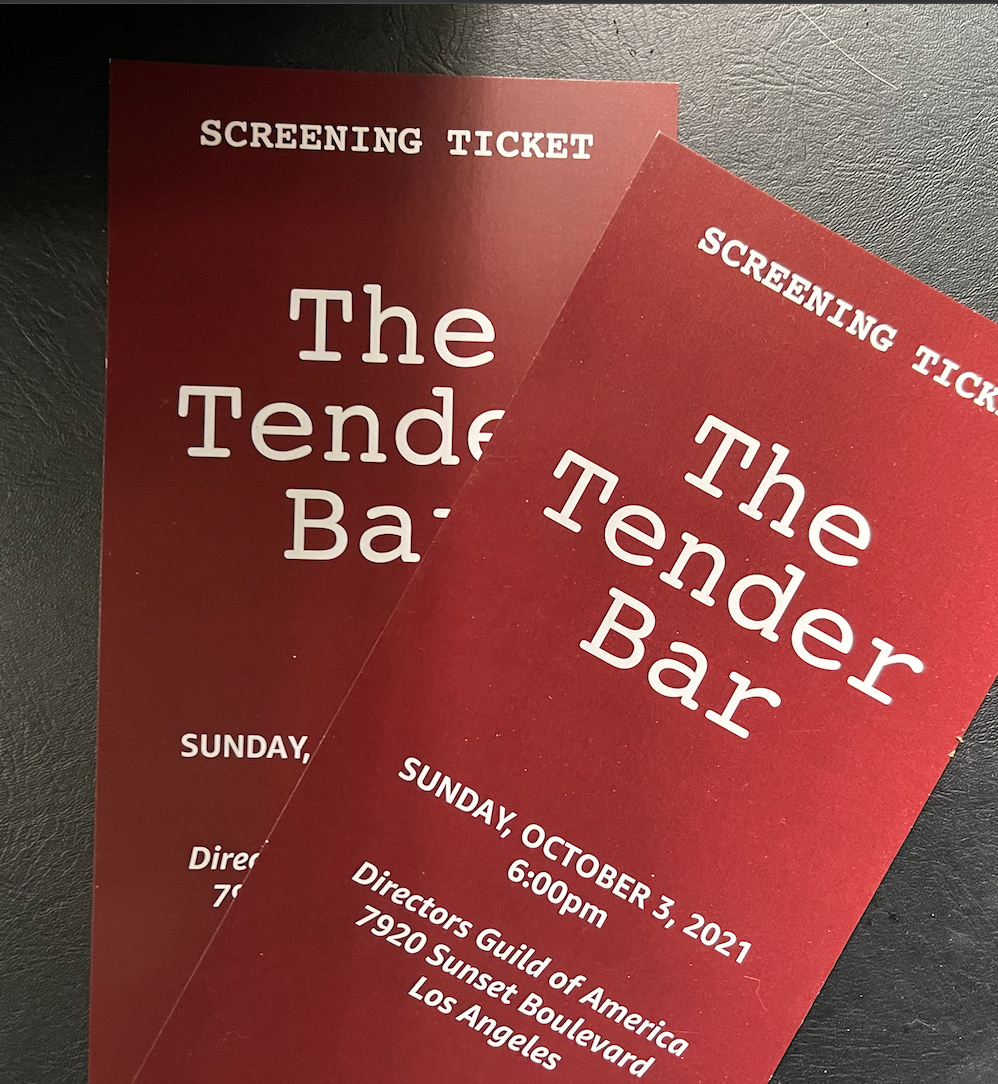
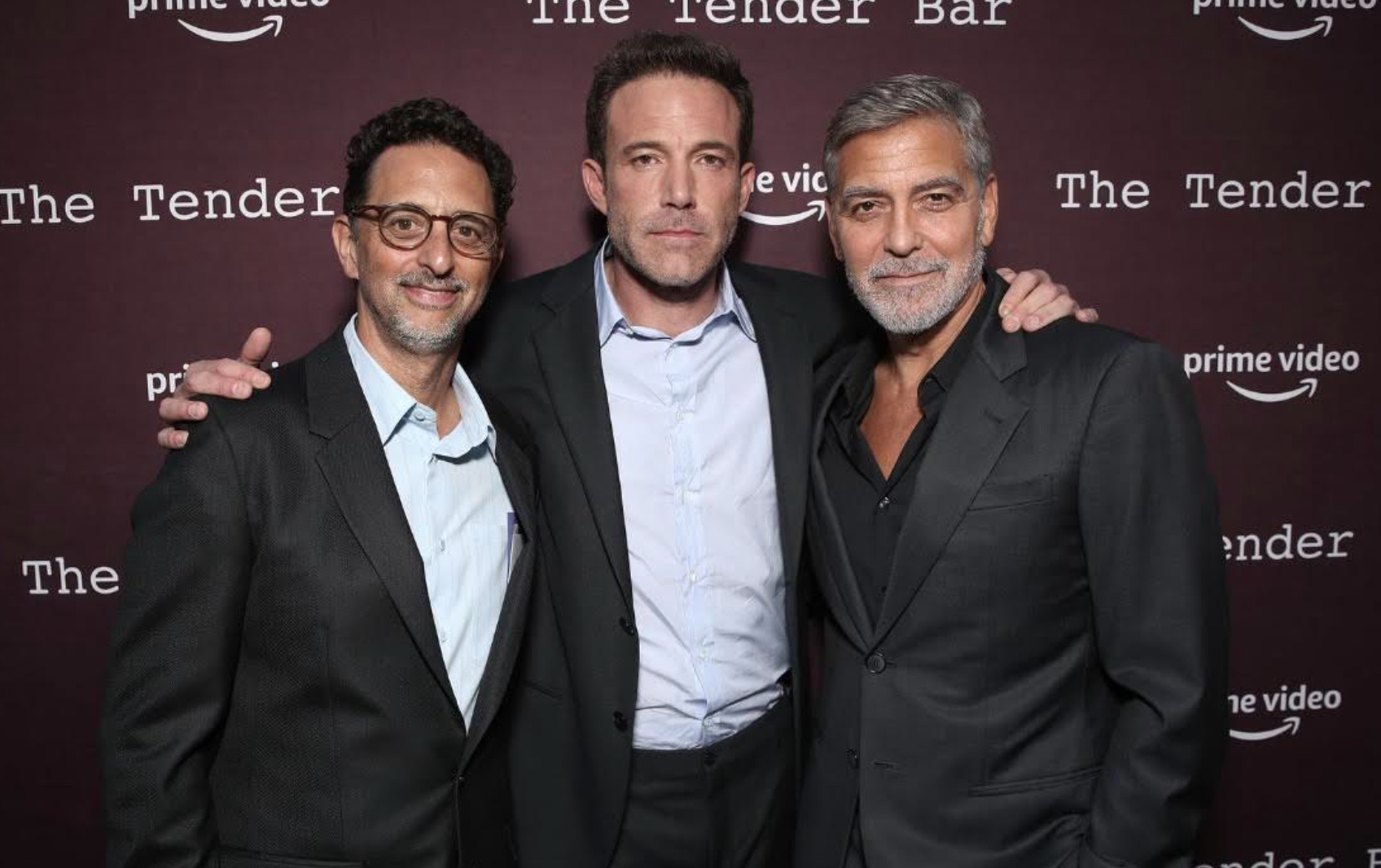
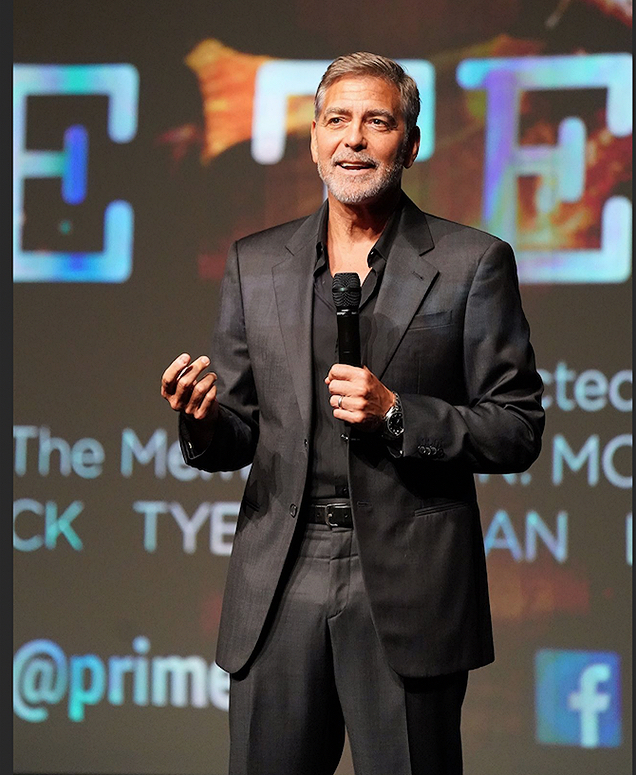
Tatiana and I attended last night’s 6 pm screening of George Clooney and William Monahan‘s The Tender Bar (Amazon, 12.17 theatrical, 1.7 streaming) at the DGA. Then we hit the after-party at the Sunset Tower hotel.
Set in Manhasset and Connecticut in the ’70s and ’80s, the movie is a warm, occasionally jarring family affair about the usual dysfunctions and obstacles…nurtured in a bar, romantic yearnings, toil and trouble, struggling to be a writer, etc.
Tye Sheridan‘s performance was the best element for me; Ben Affleck delivers an “amiable boozy uncle with a distinctive Long Island accent” performance that might result in a Best Supporting Actor nom. This, at least, was the general consensus at the Sunset Tower.
Tatiana says The Tender Bar is going to emotionally connect like Kenneth Branagh‘s Belfast has. Sid Ganis wasn’t at the screening or the party so I couldn’t check about this, but if Tatiana likes a film, attention should be paid.
The food, drink and company were all wonderful, and we were especially delighted by a three-song performance by Jackson Browne, which included one of the all-time favorite songs of my life, “These Days.”
SPOILERS FOLLOW: A day or two ago I wrote that Leslie Odom’s Harold McBrayer struck me as the most compelling character in The Many Saints of Newark. Or at the very least the most centered — he just “was” in a Zen sense — a character with a thing or two to prove to the goombahs, but an actor with nothing to prove to the audience.
I also mentioned that Harold’s rising in the ranks with impunity and murdering a certain prominent Italian guy without apparent reprisals seemed a bit of a stretch.
There’s also the matter of Odom’s affair with a certain well-connected Italian woman, which seems unlikely given the deeply embedded racism in Newark’s Italian mob culture of a half-century ago.
Even more so this Italian woman inexplicably confessing this affair to her significant other, knowing as she surely did that Italian mob attitudes about black dudes were extremely toxic, not to mention the Italian machismo factor and territorial attitudes when it came to wives and girlfriends.
This really doesn’t calculate. A woman in her position would never confess to this, as in NEVER EVER as it would be tantamount to suicide.
Friendo spoiler: “I can believe that Giuseppina would have slept with a black guy, but no way would she have ever confessed this to Dickie. In that time period, when this kind of thing was hugely verboten among urban Italians? Just no way.”
Most of the British YouTubers are discussing spoilers as the film opened in England on Thursday, 9.30. It opens here in select, early-access venues on Wednesday, 10.6.
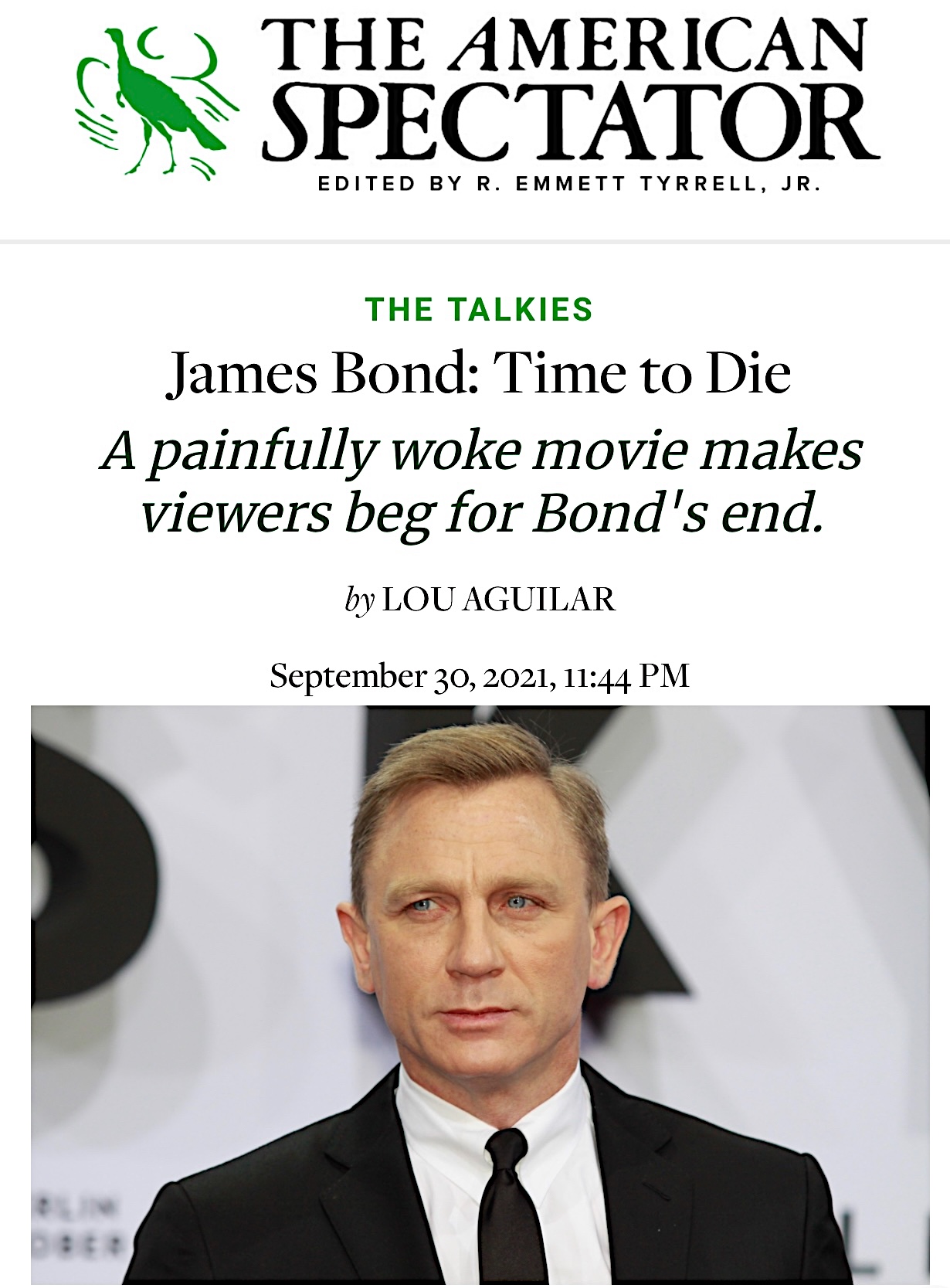
The Critical Drinker sidesteps the obvious conclusion that your progressive purists wanted James Bond, the smooth, martini-sipping pig chauvinist from MI6, dating back to the Kennedy era and before…they wanted him finished and finalized. In this climactic sense No Time To Die is, from a certain perspective, definitely wokey-wokey.