
slider
Plummer In The Saddle
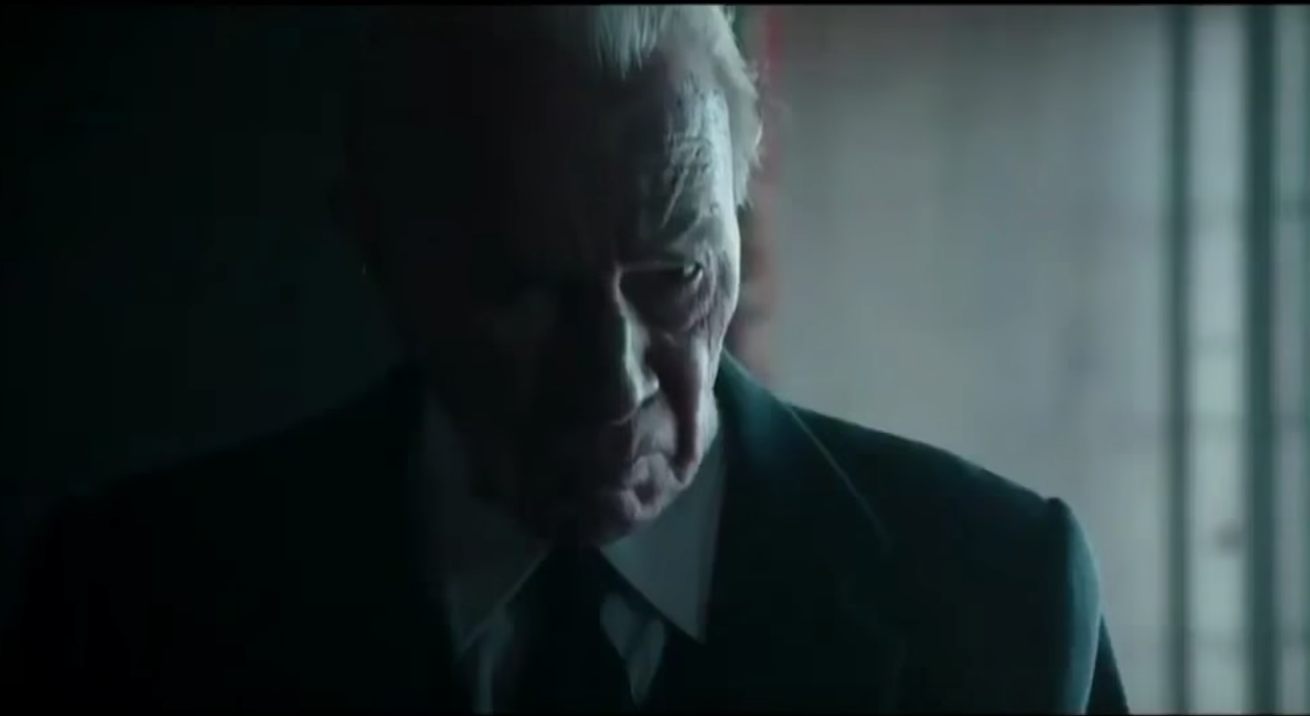
All The Money In The World director Ridley Scott flew to Rome and re-shot Kevin Spacey‘s scenes with Christopher Plummer between 11.20 and…are they still shooting? If they are the task will surely be completed by today or Thursday, 11.30 or Friday, 11.1. And then they’ll have two weeks to edit in the new footage before screening the film for press by Friday, 12.15. Astonishing yeoman work by Scott and his team, and an extra round of applause for Plummer.
Update: Variety is reporting that a “rough” version of All The Money in the World will screen in New York next Monday, 12.4, for members of the Hollywood Foreign Press Assn. in order to qualify for Golden Globes consideration. Sony/TriStar Pictures still plans to screen the finished film for domestic press by 12.15, as previously expected, or perhaps even earlier than that.
HE to Scott: Said this before, saying it again. Please, please don’t toss the Spacey footage. He turned out to be a creepy predator, okay, but he’s also a brilliant actor. Don’t throw history into the trash bin. Include the Spacey performance as a Bluray extra.
“A Great Sadness”? Get In Line, Pal
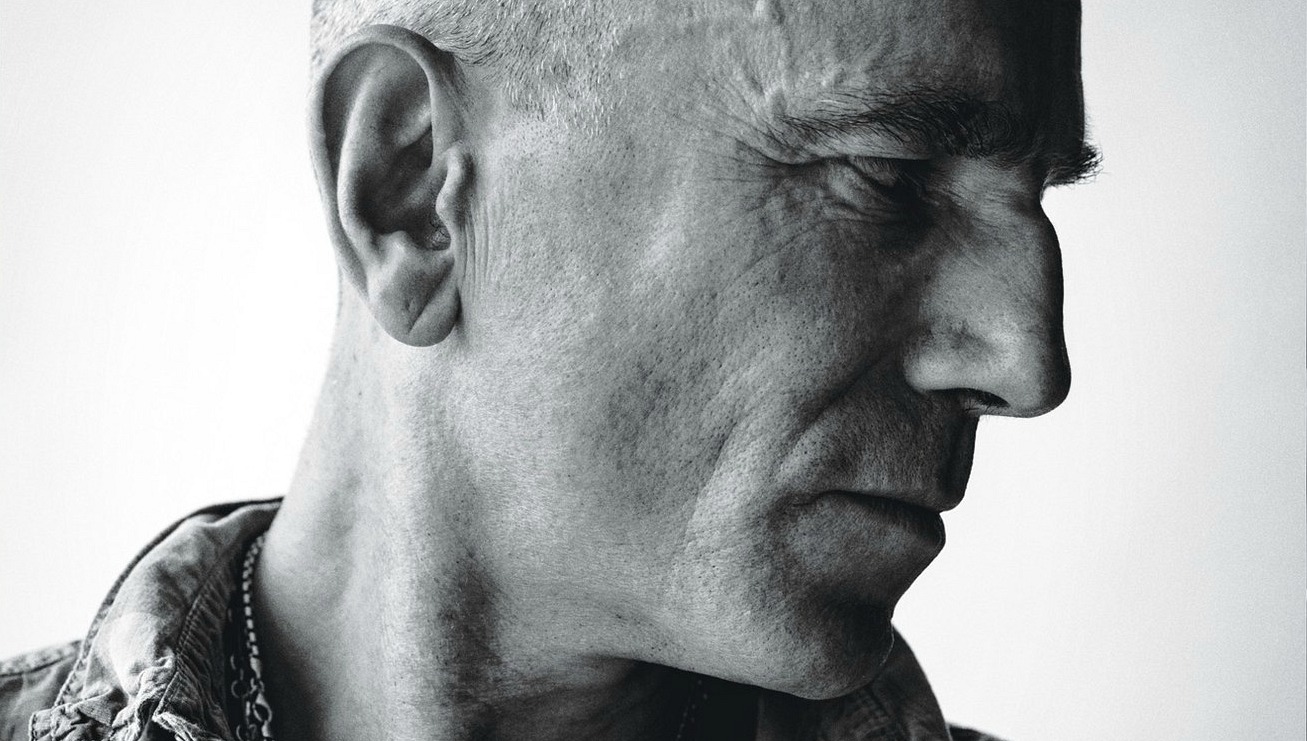
In an 11.28 W profile by Lynn Hirscherg, Phantom Thread star Daniel Day Lewis took a stab at explaining why he’s decided to retire from acting. Well, he didn’t actually explain it but he said that a certain soul-draining ennui had seeped into his system as a result of making Phanthom Thread. It had dropped him into a mysterious and enveloping mood pocket that he didn’t want to settle into. Or something like that.
But many of us feel this way at one point or another. Our lives or professional callings are no longer fulfilling us and or have become draining. But very few of us retire or quit our jobs as a result. Why? Because quitting or retiring will require that we live on a smaller income, and most of us don’t want to sacrifice the quality-of-life factor. So we grim up and put up with our frustrations and disappointments and push on.
Why then is Daniel Day Lewis actually retiring? Because he can afford to. He’s got enough put away or enough invested or what-have-you. If he couldn’t afford it he wouldn’t be doing it. Simple as that.
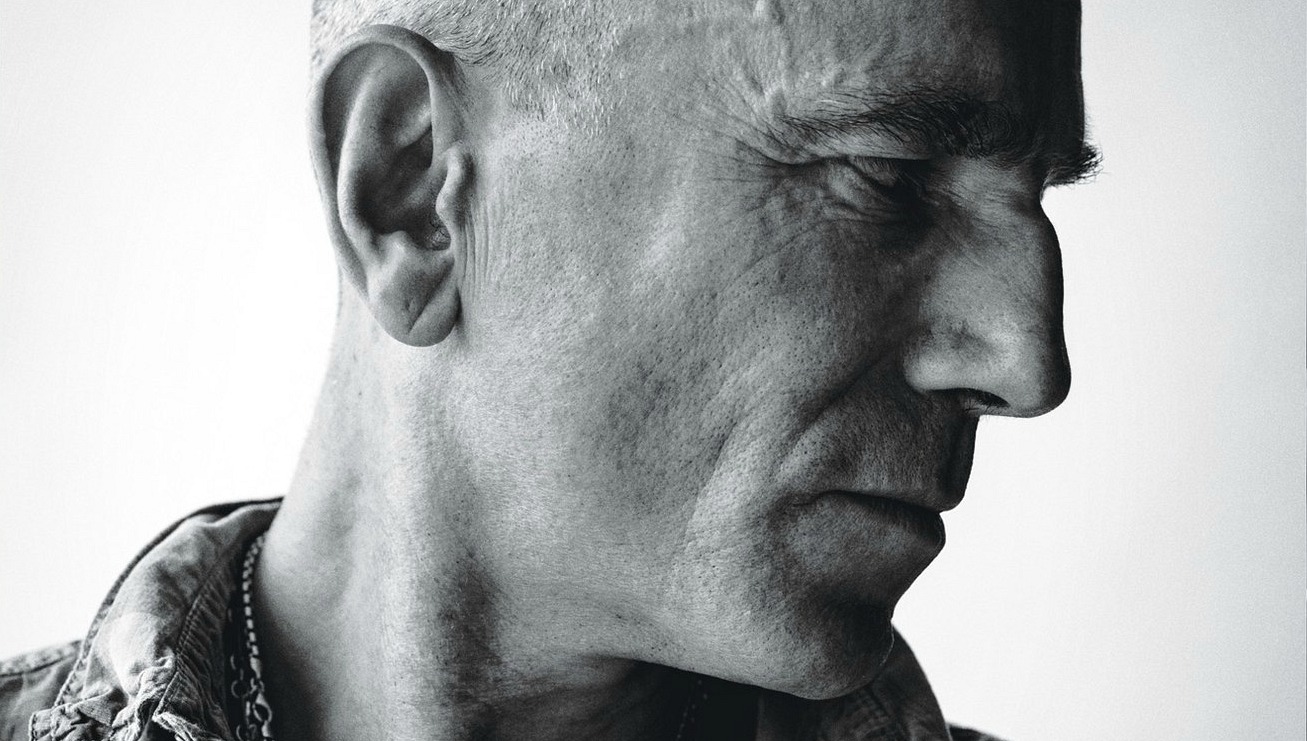
Ostensible reason #1: “Before making the film, I didn’t know I was going to stop acting. I do know that Paul and I laughed a lot before we made the movie. And then we stopped laughing because we were both overwhelmed by a sense of sadness. That took us by surprise: We didn’t realize what we had given birth to. It was hard to live with. And still is.” HE comment: Poor baby.
Ostensible reason #2: Hirschberg reports that Jim Sheridan, the director of My Left Foot and two other Day-Lewis films, once remarked that “Daniel hates acting.” Day-Lewis to Hirschberg: “I’ll think, is there no way to avoid this? In the case of Phantom Thread, when we started I had no curiosity about the fashion world. I didn’t want to be drawn into it. Even now, fashion itself doesn’t really interest me. In the beginning, we didn’t know what profession the protagonist would have. We chose fashion and then realized, What the hell have we let ourselves into? And then the fashion world got its hooks into me.” HE comment: So the fashion world flew down like an eagle and pounced on poor Daniel and dug its sharp talons into his back and carried him away. Poor baby.
Ostensible reason #3: “There are spells in these films that you can’t account for,” DDL tells Hirschberg. “Paul and I spoke a lot about curses — the idea of a curse on a family, what that might be like. A kind of malady. And it’s not that I felt there was a curse attached to this film, other than the responsibility of a creative life, which is both a curse and a blessing. You can never separate them until the day you die. It’s the thing that feeds you and eats away at you…gives you life and is killing you at the same time.”
2018 Hotties Prioritized
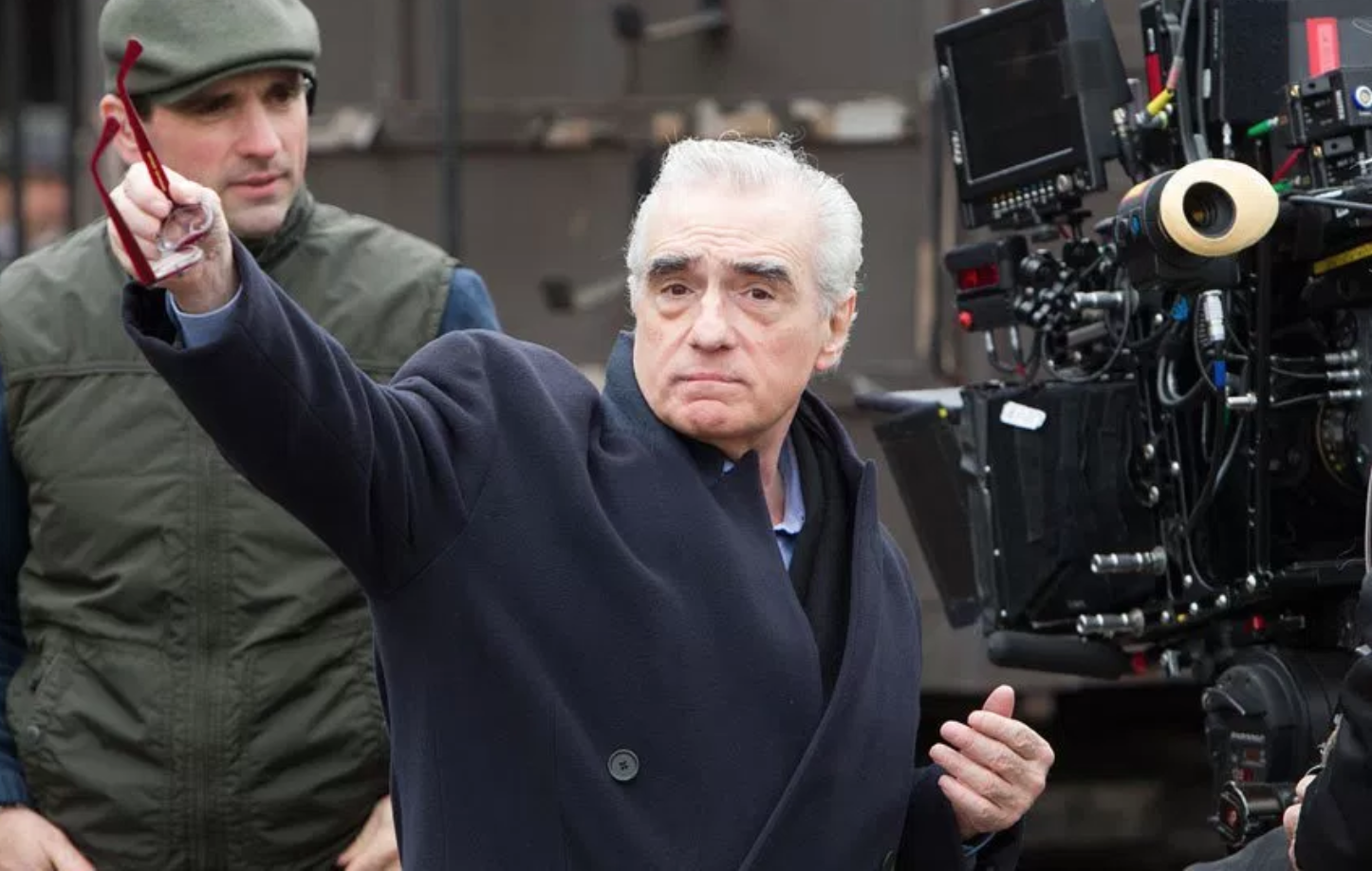
After last Saturday’s “2018 Hotties” post, I added several titles and then tried to reorganize the whole thing. Right now I’ve got 20 strong-sounding features, a good percentage of which could end up as awards-bait fall releases (The Irishman, Roma, Back Seat, First Man, Bohemian Rhapsody, The Wife). Plus 7 upmarket genre films plus 13 likely standouts from (in no particular order) Benh Zeitlin, Yorgos Lanthimos, Laszlo Nemes, Clint Eastwood, Garth Davis, Richard Linklater, David McKenzie, Joel Edgerton, Robert Zemeckis, Wes Anderson‘, John Curran, Jennifer Kent, Paolo Sorrentino and Paul Verhoeven.
That makes for a total of 40 noteworthy 2018 films to look forward to, of which maybe 20 or 25 will deliver the real goods…who knows? But the year is already looking pretty nifty. And none of these fall under the category of mind-melting, idiot-brand, superhero franchise CG Asian-market slop. And yet I am looking forward to Ryan Coogler‘s Black Panther as well as Peyton Reed‘s Ant Man and the Wasp.
Topliners: 1. Martin Scorsese‘s The Irishman (Robert De Niro, Al Pacino, Joe Pesci, Bobby Cannavale, Harvey Keitel, Ray Romano); 2. Adam McKay‘s Backseat (Christian Bale, Amy Adams, Steve Carell, Sam Rockwell); 3. Damien Chazelle‘s First Man, a space drama about NASA’s Duke of Dullness, Neil Armstrong (Ryan Gosling, Claire Foy, Corey Stoll, Kyle Chandler, Jason Clarke); 4. Saoirse Ronan in Mary, Queen of Scots (w/ Margot Robbie, David Tennant, Jack Lowden, Guy Pearce); 5. Clint Eastwood‘s The 15:17 to Paris (Jenna Fischer, Judy Greer, Bryce Gheisar, Alek Skarlatos, Thomas Lennon, Jaleel White, Tony Hale, P.J. Byrne).
6. Steve McQueen‘s Widows (Viola Davis, Cynthia Erivo, Andre Holland, Elizabeth Debicki, Michelle Rodriguez, Daniel Kaluuya, Liam Neeson, Colin Farrell); 7. Terrence Malick‘s Radegund (August Diehl, Valerie Pachner, Michael Nyqvist, Matthias Schoenaerts, Jürgen Prochnow, Bruno Ganz; 8. Alfonso Cuaron‘s Roma (Marina de Tavira, Marco Graf, Yalitza Aparicio, Daniela Demesa, Enoc Leaño, Daniel Valtierra); 9. Jacques Audiard‘s The Sisters Brothers (Jake Gyllenhaal, Joaquin Phoenix, Rutger Hauer, Riz Ahmed, John C. Reilly); 10. Barry Jenkins‘ If Beale Street Could Talk (Kiki Layne, Stephan James, Teyonah Parris, Regina King, Colman Domingo, Brian Tyree Henry, Diego Luna, Dave Franco).
11. Bryan Singer‘s Bohemian Rhapsody (15-year period from the formation of Queen and lead singer Freddie Mercury up to their performance at Live Aid in 1985) w/ Rami Malek, Ben Hardy, Gwilym Lee, Joseph Mazzello, Allen Leech, Lucy Boynton. 20th Century Fox, 12.25.18; 12. Bjorn Runge‘s The Wife (Glenn Close‘s Best Actress campaign + Jonathan Pryce, Christian Slater, Annie Starke. Max Irons); 13. Felicity Jones as Ruth Bader Ginsburg in On The Basis of Sex; 14. Gus Van Sant‘s Don’t Worry, He Won’t Get Far on Foot (costarring Joaquin Phoenix, Rooney Mara, Jonah Hill, Jack Black, Mark Webber); 15. Felix von Groeningen‘s Beautiful Boy with Steve Carell and Timothy Chalamet.
Everyone Loved Tom Jones
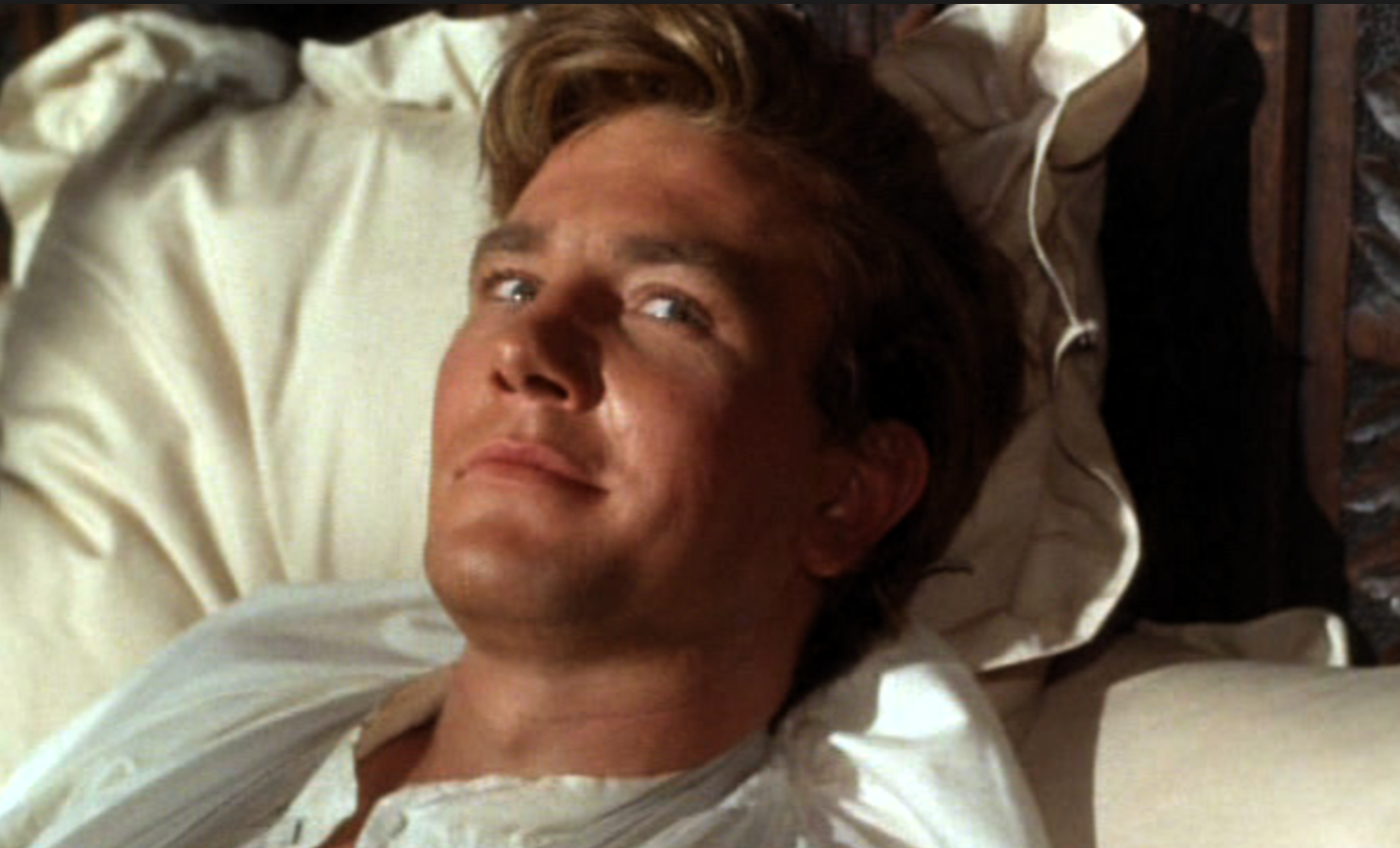
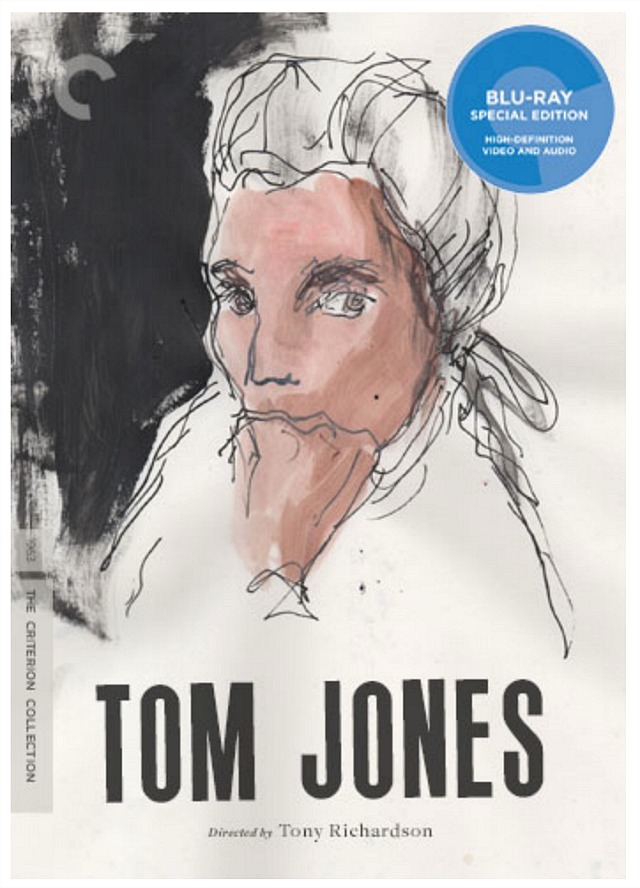
A 4K Criterion Bluray of Tony Richardson‘s Tom Jones (’63) will pop on 2.27.18. A rompy, infectious, occasionally bawdy 18th Century comedy-adventure, it was one of the first critically respected films to break the fourth wall. Or was it the first? To audiences in JFK’s America it was really quite the amusing stunner when Albert Finney interrupted a conversation with some 18th Century character to glance at Richardson’s lens and offer a side quip or two.
Full of rude energy and goaded by the spirit of the British New Wave, Tom Jones also used jumpy handheld photography, freeze frames, whimsical narration and, as I recall, at least one instance of speeded-up photography. It felt like a prank, a lark, a mad bomb, and it completely jettisoned the steady-as-she-goes, well-regulated tone of mainstream cinema that was par for the course back then. On 4.13.64 it won the 1963 Best Picture Oscar along with Oscars or Best Director (Richardson), Best Adapted Screenplay and Best Original Score.
A 2014 Backstage piece listed 14 films that broke the fourth wall (Annie Hall, Funny Games, Fight Club, Amelie, High Fidelity, Ferris Bueller’s Day Off, etc.) but didn’t mention Richardson’s film…weird.
Time To Forecast ’18 Hotties
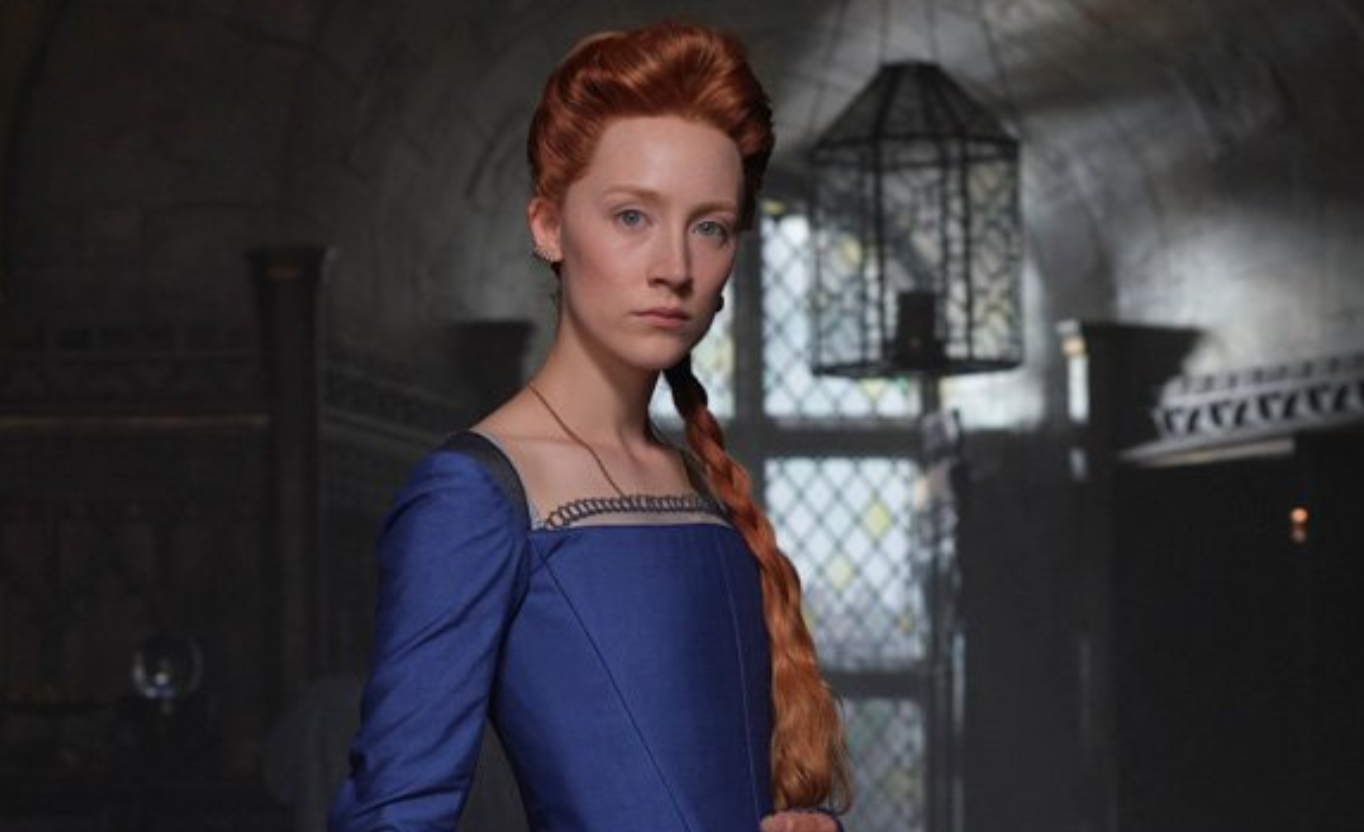
Adam McKay‘s Dick Cheney biopic with Christian Bale, Amy Adams, Steve Carell and Sam Rockwell. Damien Chazelle‘s First Man, a space drama about NASA’s Duke of Dullness, Neil Armstrong. Luca Guadagnino‘s Suspiria. Saoirse Ronan in Mary, Queen of Scots. Richard Linklater‘s Where’d You Go, Bernadette? Glenn Close‘s Best Actress campaign for The Wife. Joel Edgerton‘s Boy Erased starring Lucas Hedges. Lynne Ramsay‘s You Were Never Really Here. Alex Garland‘s delayed Annihilation.
Not to mention Clint Eastwood‘s The 15:17 to Paris. Felicity Jones as Ruth Bader Ginsburg in On The Basis of Sex. Garth Davis‘s Mary Magdelene. Gus Van Sant‘s Don’t Worry, he Won’t Get Far on Foot. Robert Zemeckis‘s The Women of Marwen. Felix von Groeningen‘s Beautiful Boy with Steve Carell and Timothy Chalamet. Xavier Dolan‘s The Death and Life of John F. Donovan. Wes Anderson‘s Isle of Dogs. Yorgos Lanthimos‘ The Favorite. And John Curran‘s Chappaquiddick.
All of them 2018 releases, and numbering 19. Not bad for a starting roster.
What follows is a copy of an 11.20.16 piece about likely award-season contenders of 2017, but with the links changed to 2018 forecasts:
It’s time to spitball what the Best Picture hotties will be twelve months hence, or just after the 2018 Thanksgiving holiday.
Every January I begin to compile a list of likely or at least promising-sounding goodies. I thought I’d start a little earlier so that by New Year’s Day I’ll have a half-decent 2018 roster to build from. It’s always hard to cut through the smoke and try to figure out what might poke through. Right now I can’t see much out there. If you check the usual sites and sources (Wikipedia, Box-Office Mojo release schedule) it’s all the same old nauseating crap — the usual mind-melting, idiot-brand, animal-friendly superhero franchise CG Asian-market slop.
Theatrical films are slowly dying, certainly if you go by the product being cranked out by the five families these days, but never say die. Netflix, Amazon, Megan Ellison, A24, Scott Rudin, Sony Pictures Classics…anyone and anything that turns the key. Ambitious theatrical fare…what is that these days? Most believe the form can only go downhill, but the discipline of having to put it all together and cram it into 95 or 110 or 125 or 140 minutes (as opposed to the relative ease of sprawling Westworld-like longforms)…there’s something so vivid and extra-feeling when movies somehow manage to do that thing and deliver like it matters. I wouldn’t want to live in a realm in which people aren’t trying like hell to keep doing this, each and every year.
Hold Your Tongue
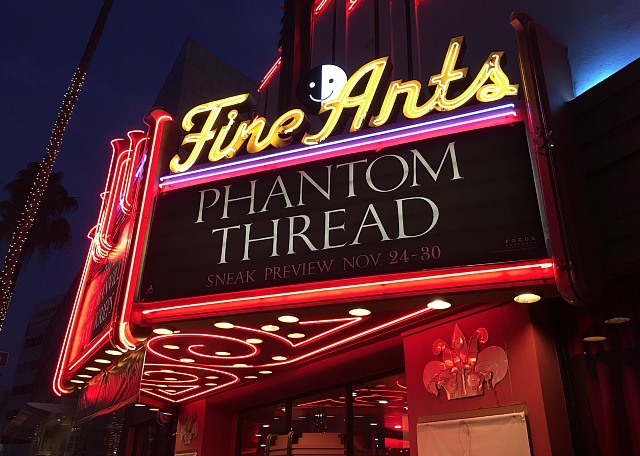
Paul Thomas Anderson‘s Phantom Thread (Focus Features, 12.25) screened this afternoon at Laemmle’s Fine Arts. The show began at 2:03 pm, and was over roughly 95 minutes later. No one’s allowed to say anything until 12.7, but the film was applauded when it ended. The Fine Arts marquee looked spectacular with red-toned Phantom Thread title art on both sides. The post-screening q & a featured Anderson and costars Vicky Krieps and Lesley Manville. A large designer drawing of a 1950s-era gown was hanging in a poster window.
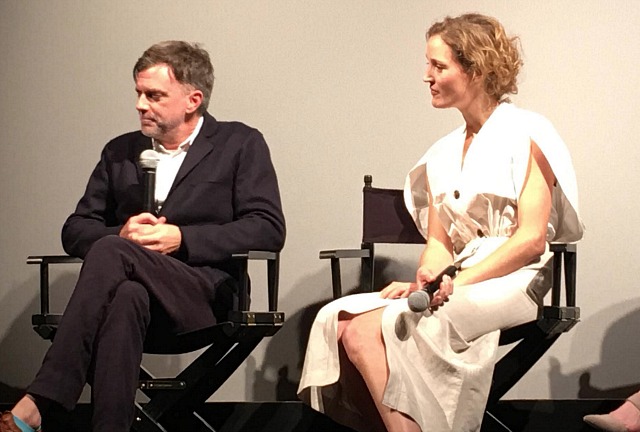
Paul Thomas Anderson, Vicky Krieps.
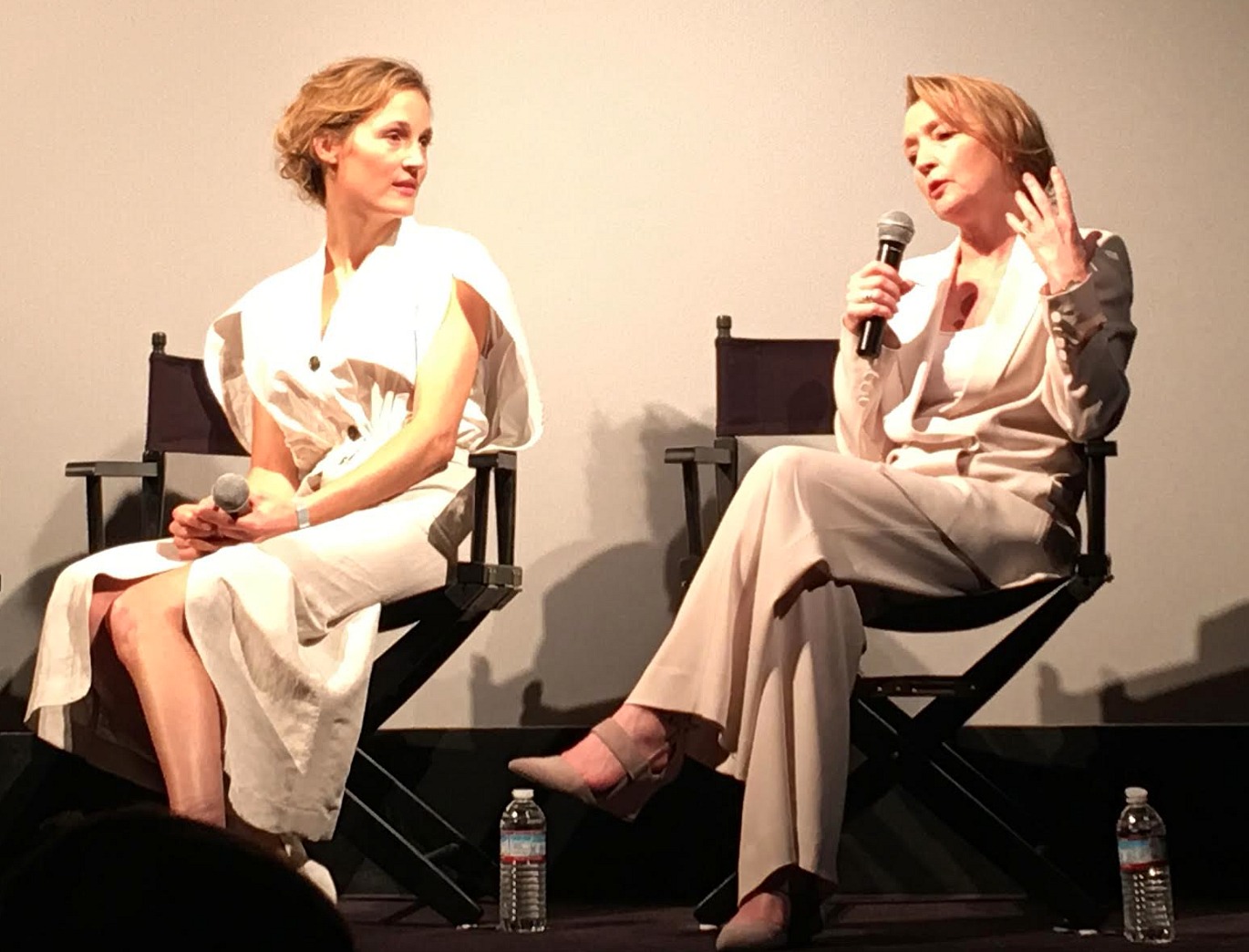
Krieps, Lesley Manville.
The Underground Scene
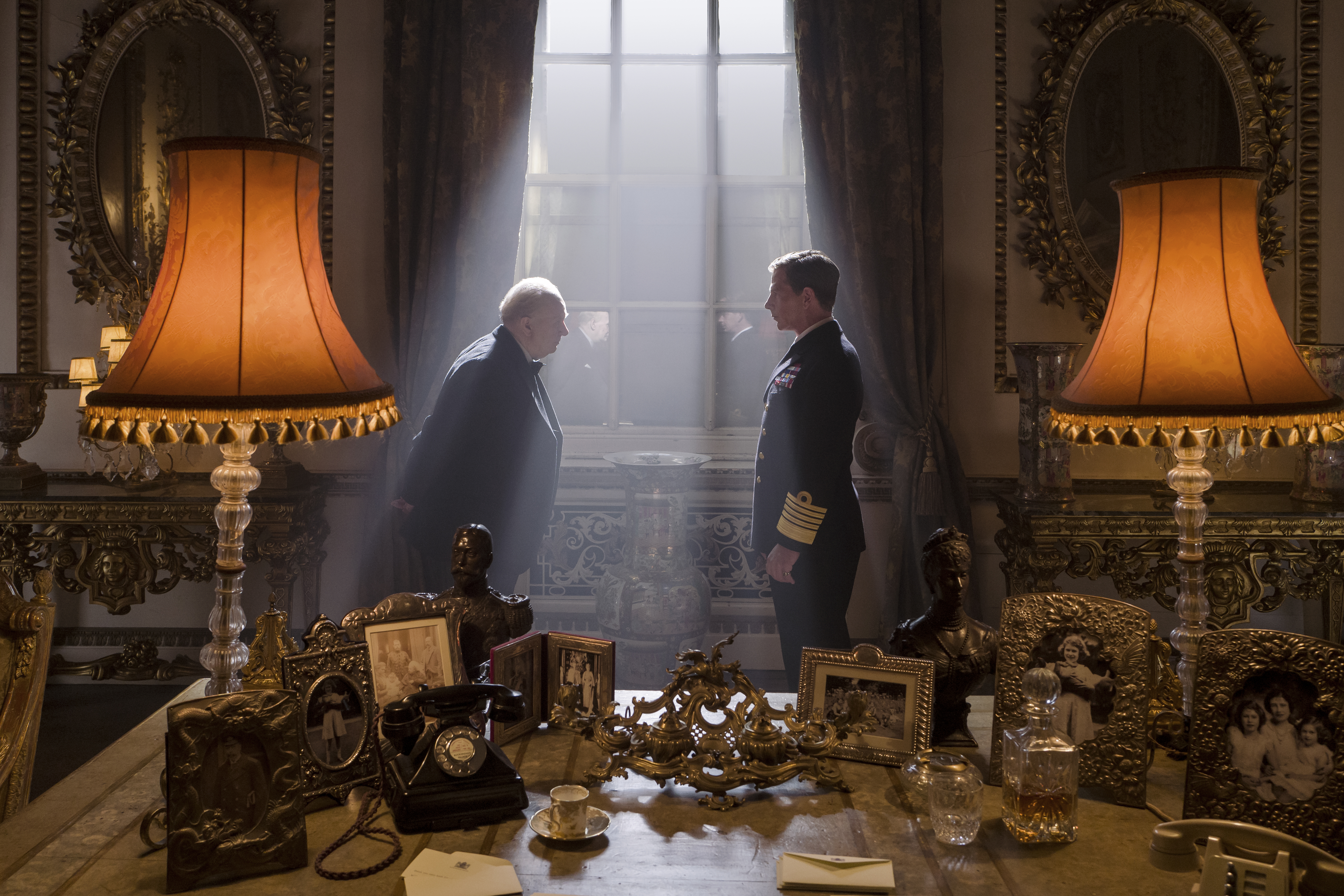
From A.O. Scott’s 11.21 review of Joe Wright‘s Darkest Hour: “The challenges facing Winston Churchill are of lethal seriousness, but the key to his effectiveness is his capacity for pleasure. He enjoys the push and pull of politics, the intellectual labor of problem-solving and the daily adventure of being himself.
“In grasping that joy, Gary Oldman partakes of it and passes it along to the audience. He is having fun, playing the part in every sense. And his blustery, blubbery charm, backed as it is by a sly and acute intelligence, is hard to resist.”
From HE 9.2.17 review: “Churchill is winningly played by Gary Oldman in a colorful, right-down-the-middle, straight-over-the-plate performance. Will this flamboyantly twitchy turn result in a Best Actor nomination? You betcha, but honestly? Oldman has delivered in a classically actor-ish, heavily-made-up way that could have been performed 30 or 50 years ago. There will be no ignoring Oldman’s work here, but it’s not wedded to the present-day zeigeist. It’s a golden-oldie performance, but delivered fresh with plenty of zing.”
Scott: “Like The King’s Speech, Darkest Hour is a serviceable enough historical drama. But like Dunkirk, it falls back on an idealized notion of the English character that feels, in present circumstances, less nostalgic than downright reactionary.”
HE: “Darkest Hour is a stirringly square, well-handled audience movie…it feels familiar and well-trod (how could it not be given all the recent Churchill portrayals?) but rousingly straightforward.”
Personality Shifts
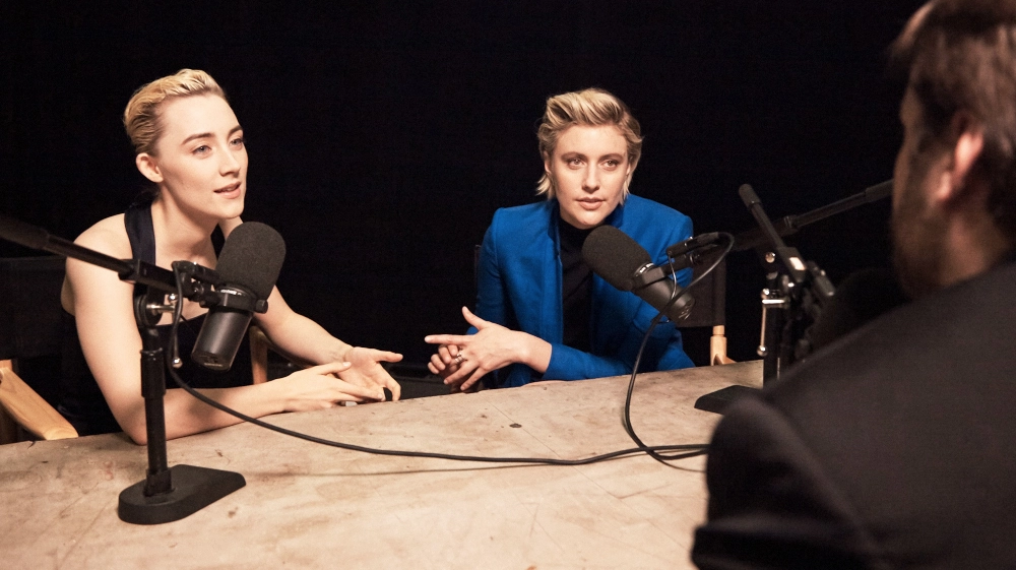
Variety‘s Kris Tapley has posted a Thanksgiving Day “Playback” interview with Lady Bird director-writer Greta Gerwig and star Saoirse Ronan. It’s aimed at people who’ve seen the film, but that’s fine. I love Ronan’s Irish accent, and I adore Lady Bird. It deserves all the appropriate Oscar nominations — Best Picture, Best Director, Best Original Screenplay, Best Actress (Ronan), Best Supporting Actress (Laurie Metcalf), et. al.
The aspect that really stands out, for me, is Tapley’s engaging manner — gently chatty, streetcorner friendly, smooth. I listen to his voice and think “yeah, nice guy, cool personality…sounds like he’d be good to know.” Except I’ve known Tapley for 10 or 12 years, and have discussed stuff with him numerous times but (and I don’t mean this as a put-down) I’ve never met the guy who’s talking to Greta and Saoirse here. Honestly, not once.
And that, trust me, is totally par for the course. Guys never talk to other guys the way they do to women. Every guy is like this, myself included.
We all turn it on when we interview talented hotshots, but male interviewers really turn it on when the hotshots are brilliant, attractive ladies. The Tapley in this discussion — warm, chuckly, gentle-voiced — is way different from the guy I occasionally run into at industry parties. That Tapley is downbeat, a bit sullen, rarely a smile and sometimes a vibe that indicates he’d rather be elsewhere.
I’m also describing my own personality when I run into colleagues and whatnot. I’m much friendlier — perkier, smiley, even giggly — when I’m interviewing someone or talking to some director or screenwriter or actor I admire. When the interview ends I turn off the “sell” and default to my basic personality, which is on the wry, sardonic, occasionally glum side. But when a pretty woman enters the room that personality will vaporize in less than two seconds.
We all act like phonies at parties, but guys will sometimes outdo themselves. I’ll sometimes watch a guy I know talk to a woman at a party and think to myself “Jesus, man…are you going to just completely bullshit her or are you going to turn it down and get just a little bit real?”
On the other hand I’ll sometimes force myself in social situations to turn on my interview personality because I occasionally get tired of myself and all of my creations.
Breezy Eason Was Bad Guy, Not Michael Curtiz
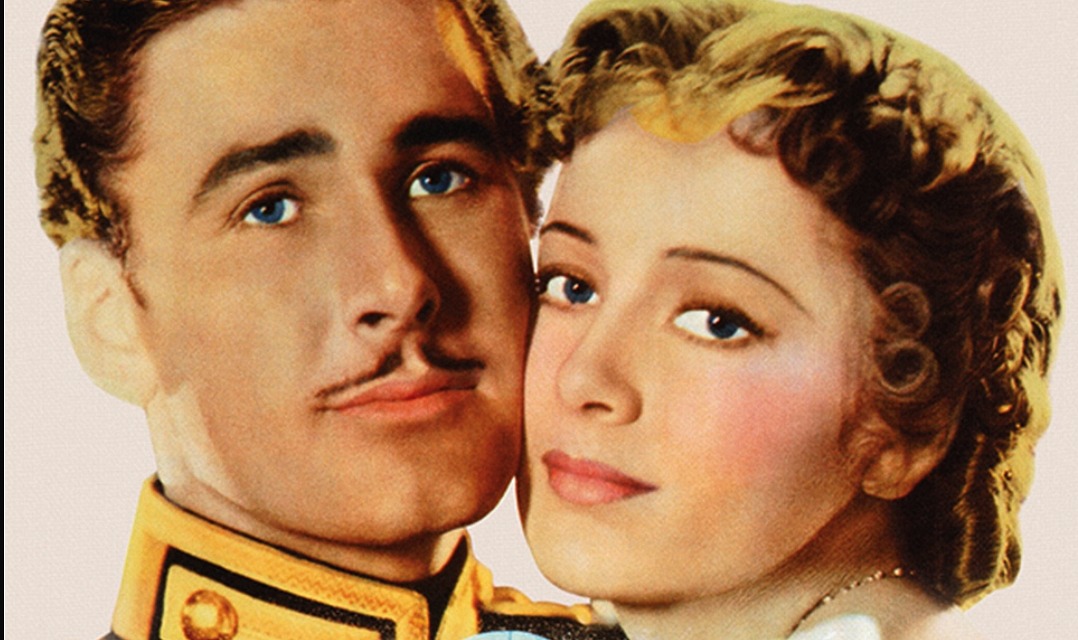
Yesterday I posted a short piece titled “When Horse Cruelty Was Common.” It was sparked by an interest in Alan K. Rode‘s just published “Michael Curtiz: A Life In Film,” a reputedly excellent biography. Yesterday I focused on allegations about the tripping of horses during a military attack sequence in Curtiz’s The Charge of the Light Brigade (Warner Bros., 10.20.36). A Wikipedia account contends that “125 horses were tripped with wires; of those, 25 were killed or had to be put down afterward.”
Unable to reach Rode yesterday afternoon, I repeated the Wiki account along with a comment about Curtiz from a critic friend.
This morning, however, I learned that the Wikipedia report, which partly stems from a tale about the Light Brigade shoot by David Niven in his book “Bring On The Empty Horses,” is exaggerated and erroneous. Rode, who got in touch this morning, calls it “a myth.” Only four horses were killed during the shoot, Rode contends, and the real bad guy in the Light Brigade horse tragedy was second-unit director “Breezy” Eason.
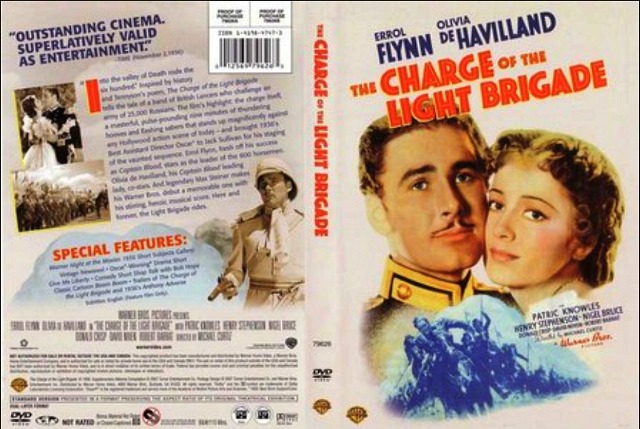
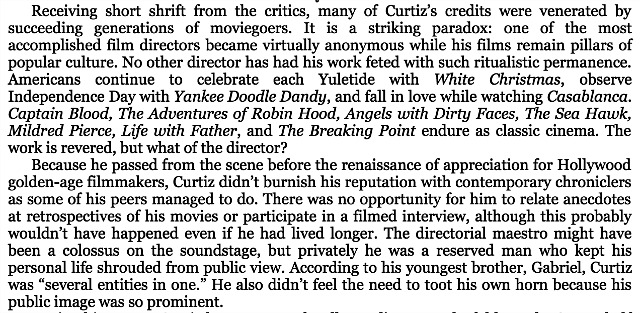
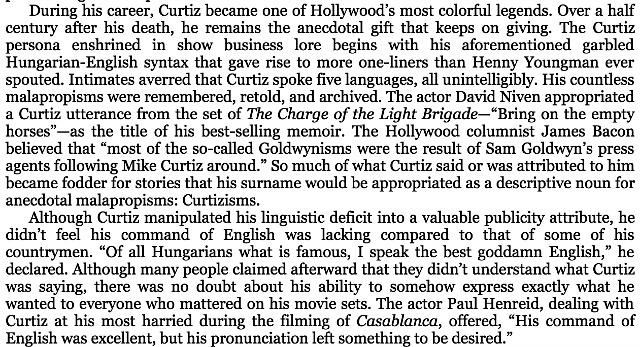
To explain his case Rode sent along a couple of pages from his book. He also gave permission to reprint them.
“Several horses did die during the filming of The Charge of the Light Brigade,” Rode wrote in an email, “but the stories of the mass killing of horses propagated by David Niven and other sources including Wikipedia appears to be yet another anecdote that has fossilized into the bedrock of Hollywood folklore.
“Curtiz could be quite merciless when it came to putting ‘realism’ on screen, but, as you indicated, this was in keeping with the times. The more notorious story is his alleged drowning of three extras during the filming of Noah’s Ark (’28).
“I’ve attached an extract from my unedited manuscript that discusses the Light Brigade horse situation in some detail. My research on this matter was quite thorough. All of my writing about Curtiz is traceable to a verifiable source.”
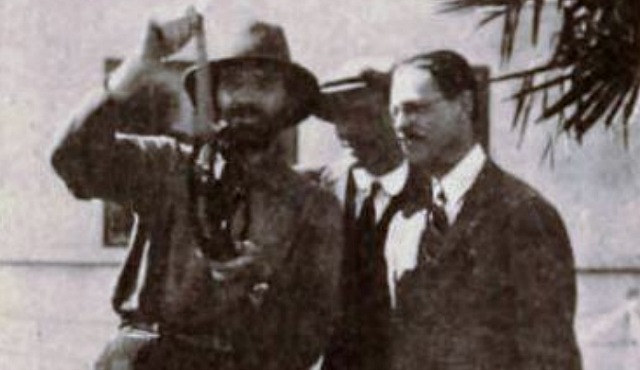
2nd unit director “Breezy” Eason (hat, beard), sometime in the 1930s.
Final Key West Film Festival Hooplah
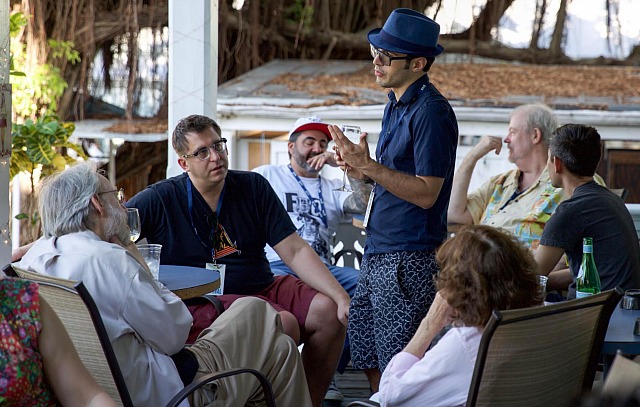
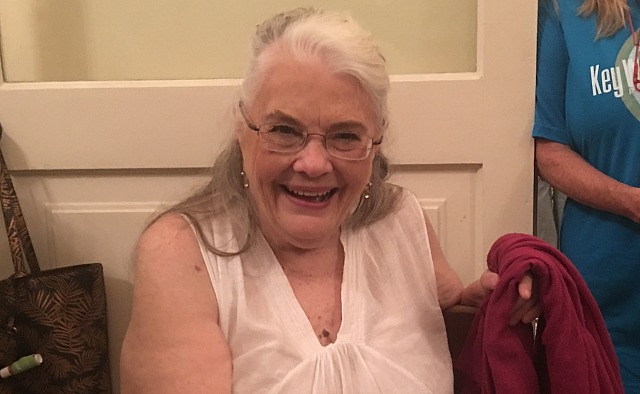
Best Supporting Actress contender Lois Smith, star of Michael Almereyda‘s Marjorie Prime, attended last night’s festivities for the 6th annual Key West Film Festival. Almereyda was also present.
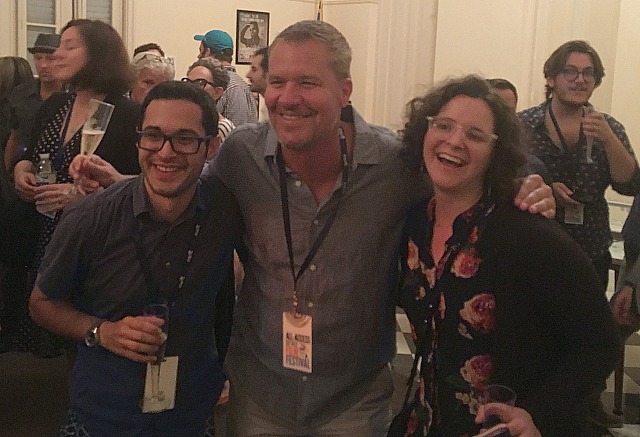
Last night Indiewire‘s Eric Kohn and wife Liz Bloomfield celebrated their one-year anniversary with Key West Film Festival honcho Brooke Christian at the closing award ceremony.
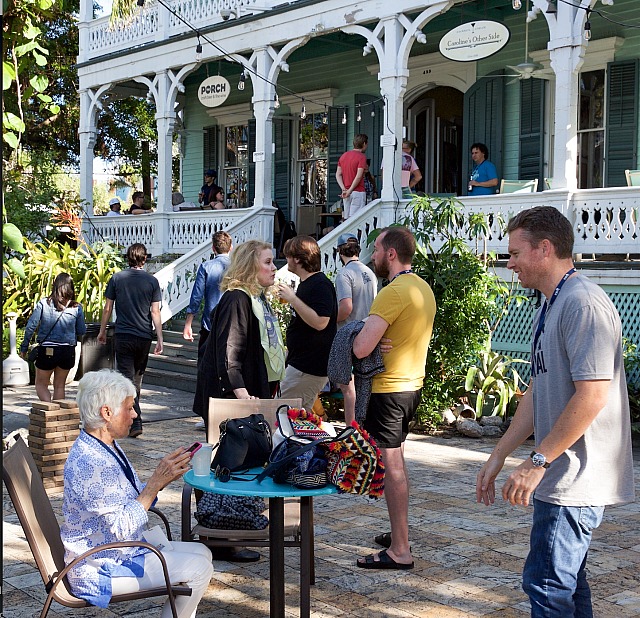
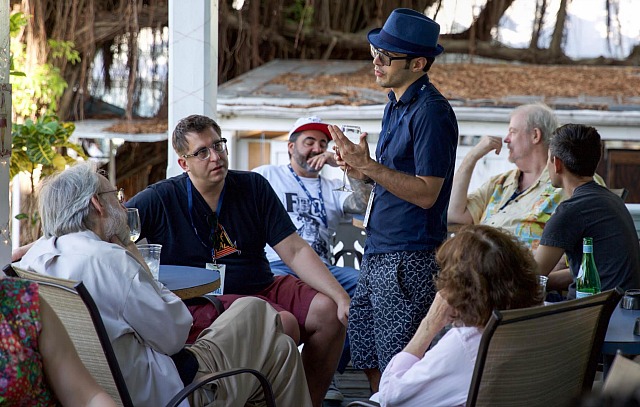
Indiewire‘s Eric Kohn (standing), L.A. Times critic Kenneth Turan (seated left), Time Out‘s Joshua Rothkopf (seated).
Supremely Skilled Hollywood Craftsman
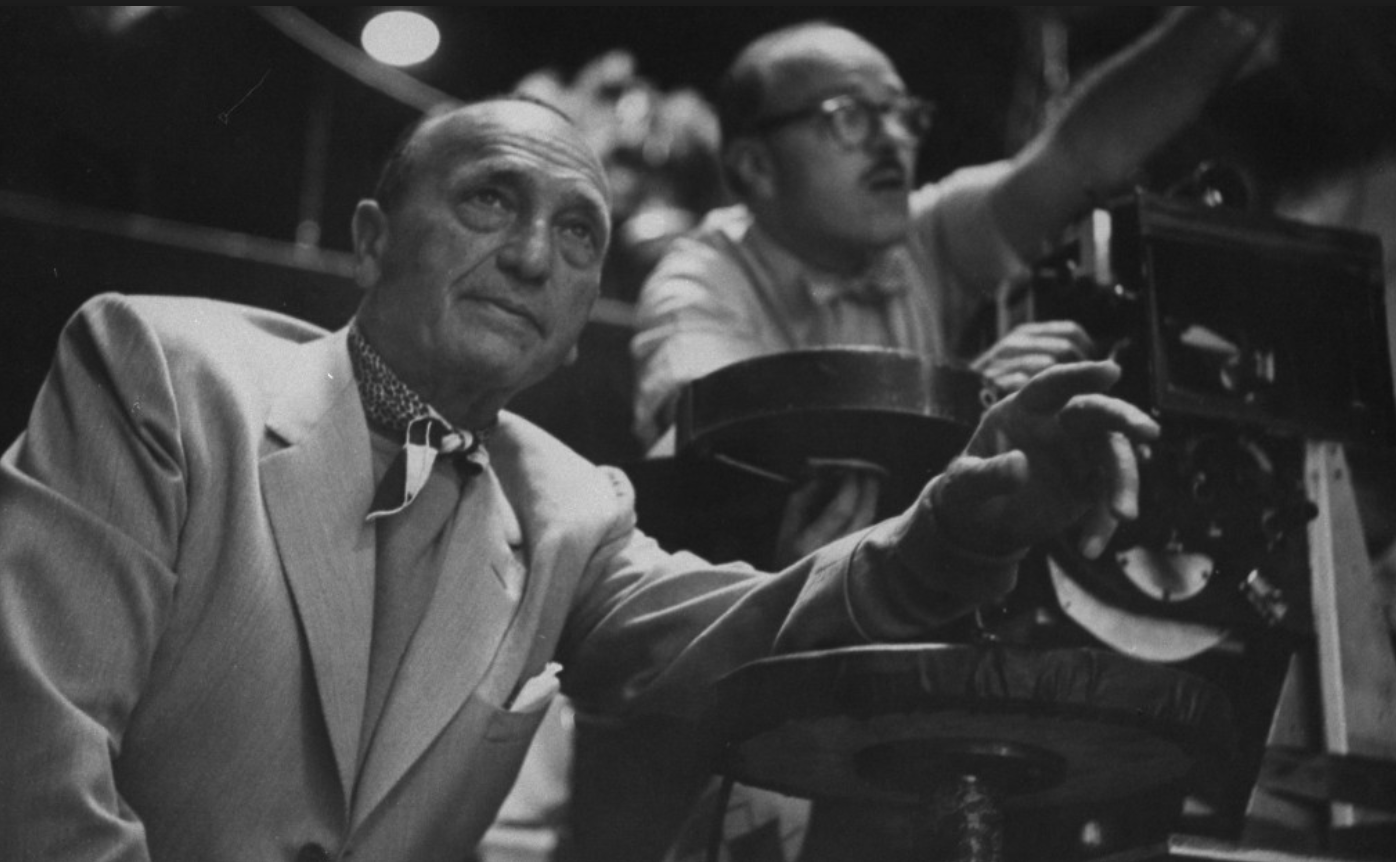
I’ve always wanted to settle into a candid, well-written biography of Hollywood uber-director Michael Curtiz, whose vigorous, efficient, well-honed direction of The Adventures of Robin Hood, Yankee Doodle Dandy and Casablanca made me perk up at an early age.
Now, it seems, that book has finally arrived — Alan K. Rode‘s “Michael Curtiz: A Life in Film” (University Press of Kentucky). Amazon says it’s been out since 10.16.17, but the promotional push is just starting to seep through.
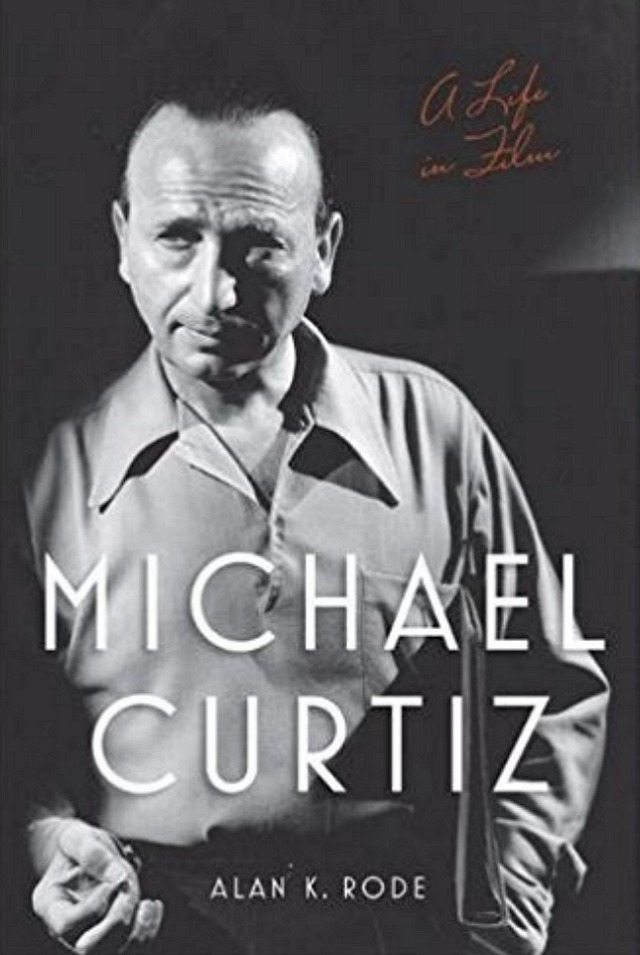
I’ve been reading a sample section via Amazon. Spry and confident, pulsing with tasty quotes and catchy prose…anecdotes, side-shots (Curtiz was a hound), insights, ironies. An abundant, 698-page, six-course meal.
The Hungarian-born Curtiz had directed 64 films in Europe when he arrived in Hollywood in 1926, at age 38. He directed 102 films during his Hollywood career, most of them at Warner Bros.
HE’s Curtiz picks: Captain Blood, The Charge of the Light Brigade, Angels with Dirty Faces, The Private Lives of Elizabeth and Essex, The Sea Wolf, Dive Bomber, Captains of the Clouds, the afore-mentioned Robin Hood, Yankee Doodle Dandy and Casablanca (for which he won a Best Director Oscar), Mildred Pierce, Young Man with a Horn, Jim Thorpe — All-American, White Christmas (Paramount’s first VistaVision film), We’re No Angels, King Creole (arguably guiding Elvis Presley to his best-ever screen performance) and The Comancheros (which John Wayne finished directing when Curtiz’s cancer left him bedridden — Wayne naturally took no credit).