Somewhere Walter Cronkite Is Chuckling

Last weekend two manly, fully mature critics, Joe Leydon and Stephen Whitty, took Hollywood Elsewhere to task for expressing garden-variety hormonal enthusiasm over what I carefully chose to describe as a “hot lesbo” scene in Margaret BettsNovitiate, or more precisely an erotic third-act scene between two lesbian nuns. Echoing the tedious viewpoint expressed last January by Glenn Kenny, Leydon lamented the adolescent associations with the term and more or less said that seasoned, worldly fellows with gray hair and commendable accomplishments should never go there. Whitty said roughly the same, arguing that “thinking like a man” means “not thinking and feeling like a boy.”

They don’t get it. When a truly erotic scene suddenly happens in the midst of an otherwise “decent but no great shakes” film, the blood warms up and the viewer is suddenly awake, alive and attuned. This is what happened when the Sundance audience saw Novitiate at the Eccles last January, and why everyone was talking about “that scene.” Leydon and Whitty can trot out their “tut-tut” and “harumph” routines all they want, but I was there. And if experiencing hormonal surges by way of a film are a mark of adolescent immaturity, and if denial or suppression of same is a mark of seasoned maturity, I’ll take the former, thanks. And if I choose not to mask said surges with harumphy, tut-tut terminology, that’s what many of us would call “acceptance.” Life is short, allow for the occasional gusto moment, let it in, etc.

Final remark to Leydon, Whitty: I didn’t write and direct the third-act lesbian scene in Novitiate — Margaret Betts did. If you have a problem with this sort of thing, take it up with her. I just sat down and watched it and shared what I shared.
Read more

Dancer, Prancer, Acrobat

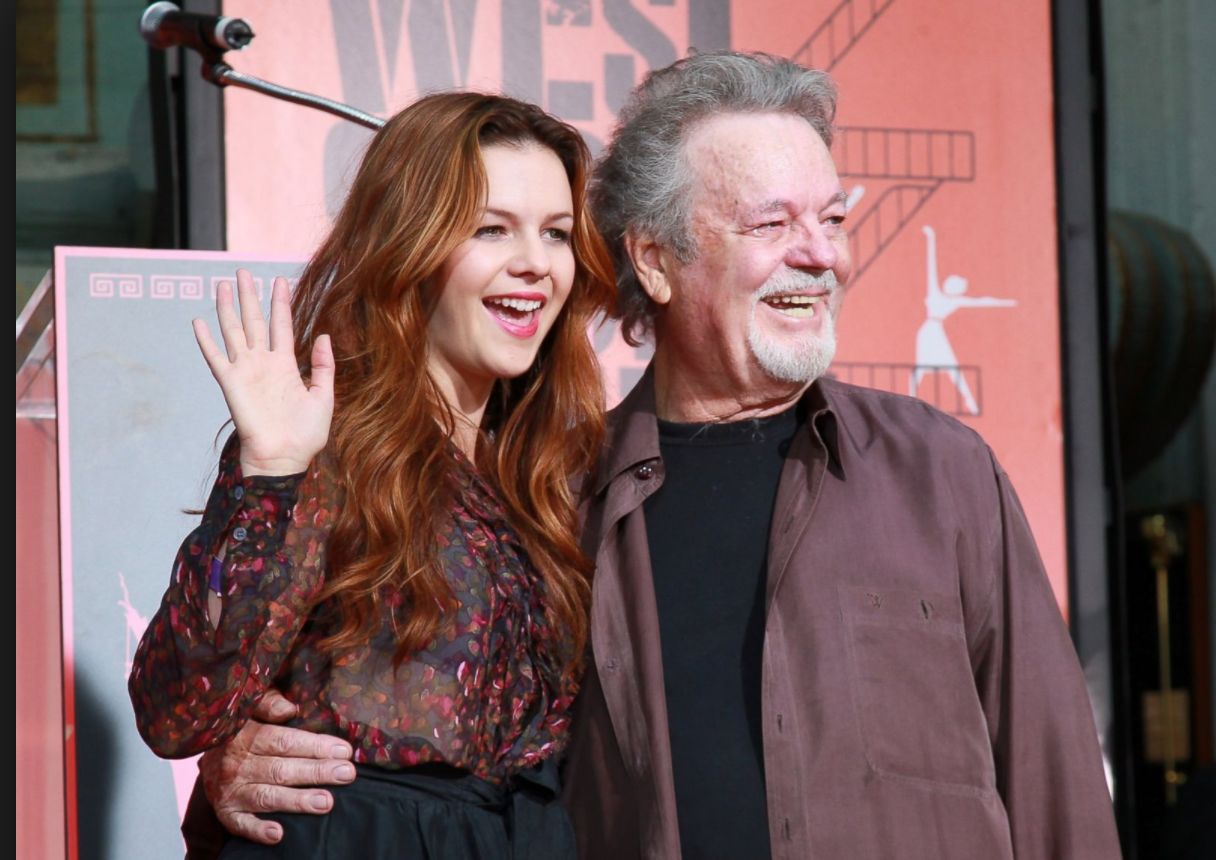
Until yesterday I’d never even heard of The Fastest Gun Alive (’56), a western programmer with Glenn Ford, Jeanne Crain and Broderick Crawford. But thanks to a YouTube clip of Russ Tamblyn‘s bravura dance sequence, I have now.  It seems to be from a musical but isn’t. A story about a guy related to a hot-shot gunslinger but lacking the skill himself, The Fastest Gun Alive was apparently a blend of Henry King‘s The Gunfighter (’50) and Don McGuire‘s Johnny Concho (’56). I always knew Tamblyn was a gifted hoofer, but until I saw this clip I didn’t realize he was just as good as Donald O’Connor was in Singin’ In The Rain. (Thanks to a Twitter heads-up from Amber Tamblyn.)

Read more

Suffered For His Sanity

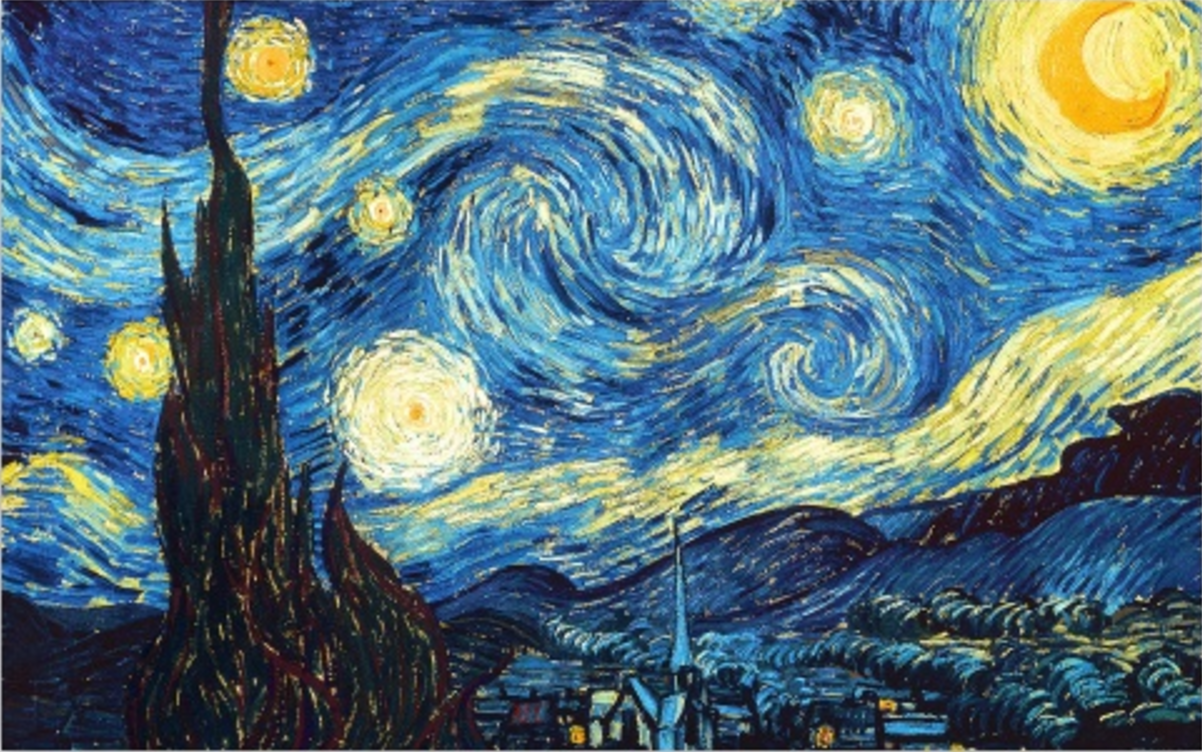
In his 6.18.17 Variety review, Peter Debruge noted that Dorota Kobiela and Hugh Welchman‘s Loving Vincent (BreakThru/Trademark, 9.22) “boasts the distinction of being ‘the world’s first fully painted feature film.’

“That means every one of the nearly 65,000 frames in this near-lunatic labor of love (it took seven years to complete) was rendered by hand with oil paints, following a style intended to mimic that of the master. [It] has precisely the effect you might imagine, pulling audiences into the delirious, hyper-sensual world suggested by van Gogh’s oeuvre.

“As lovely as the animated-painting technique is to behold, the approach involves a kind of rotoscoping (where the frames are painted over live-action footage — a variation on the way Richard Linklater tackled Waking Life). Although this technique isn’t ‘cheating’ per se, it shackles the crew of 120-odd oil painters to what the camera sees, functioning as a kind of high-end PhotoShop filter as the individual artists are tasked with applying a van Gogh-like impasto to the underlying reference footage.

“With any luck, audiences won’t dwell on the particulars of how the effect was achieved, concentrating instead on the content of the story, which brings a poetic sense of tragedy to the last act of van Gogh’s life, and fresh insight into the kind of man he was.

Loving Vincent may exist as a showcase for its technique, but it’s the sensitivity the film shows toward its subject that ultimately distinguishes this particular oeuvre from the countless bad copies that already litter the world’s flea markets. To the extent that van Gogh’s style permitted him to capture a deeper sense of truth, he makes a noble model for the filmmakers to follow.”

Read more

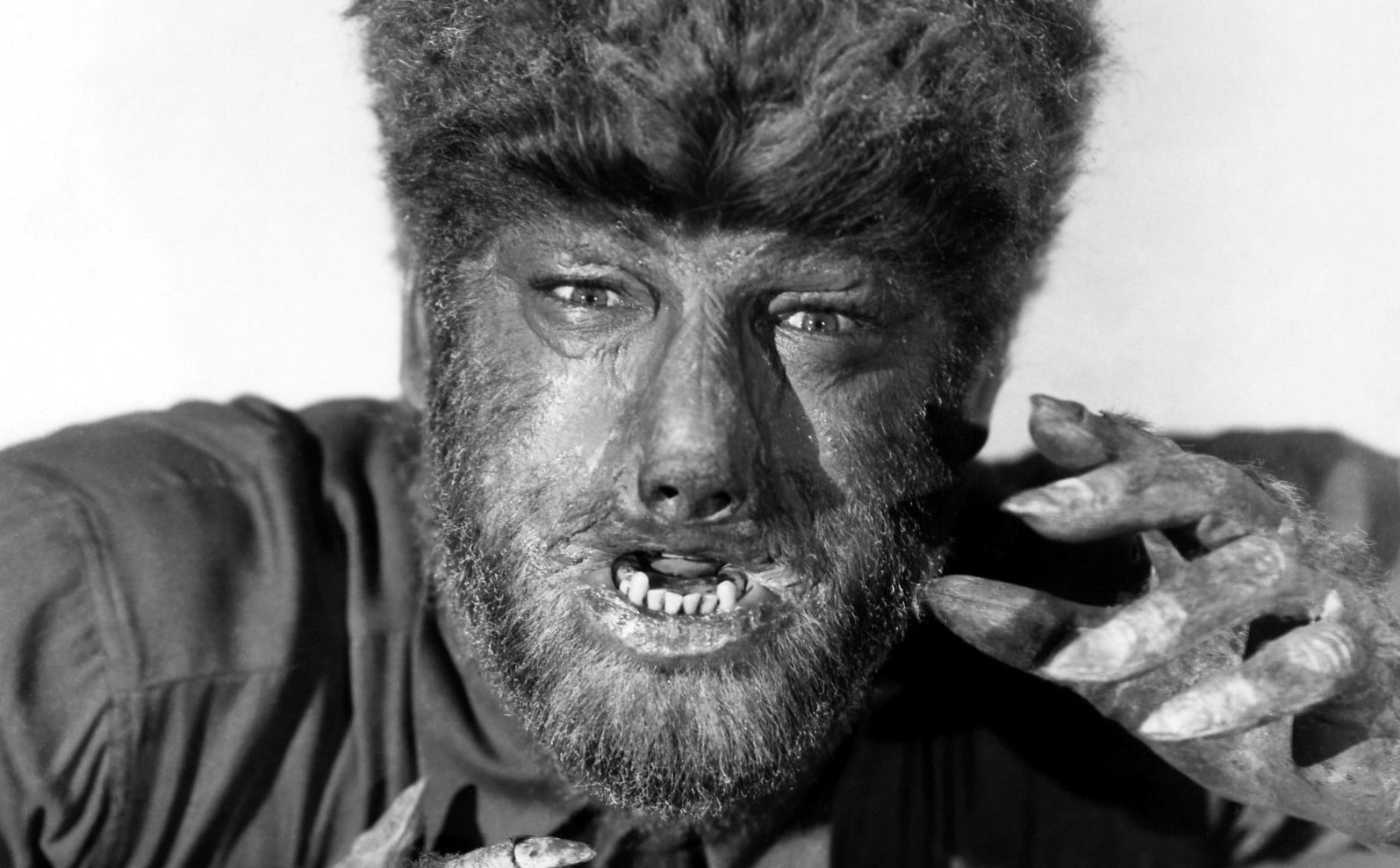
Werewolves Lon Chaney

As I understand it, working-class Mexicans and residents of Spain speak the same language in the same way that natives of rural Arkansas and Cambridge-educated Brits both speak English. I wouldn’t know, but street-level Mexicans allegedly speak Spanish with mumbled, guttural inflections. Long ago I read that the word huevos (eggs), which Spaniards pronounce as “WAYvos”, is pronounced as “werewolves” in non-tourist regions. So the next time you’re ordering breakfast in Monterrey or Vera Cruz you need to say “werewolves rancheros.”

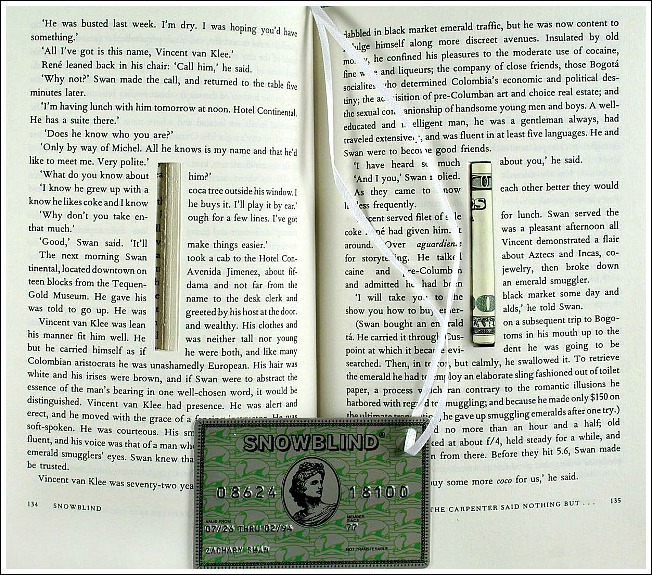
I mentioned this a couple of years ago in a piece about the Riviera Maya Film Festival. I first learned about real-deal Mexican pronunciations in Robert Sabbag‘s “Snowblind: A Brief Career in the Cocaine Trade,” which I read…oh, probably around ’77 or thereabouts. (The hardbound edition popped in ’76.) Sabbag’s dealer character, Zachary Swan, mentions that a Mexican waiter didn’t understand him when he ordered “dos huevos,” and a friend explains he would’ve been perfectly understood if he’d said “dos werewolves.”

Read more

My Heart Was Lighter Then

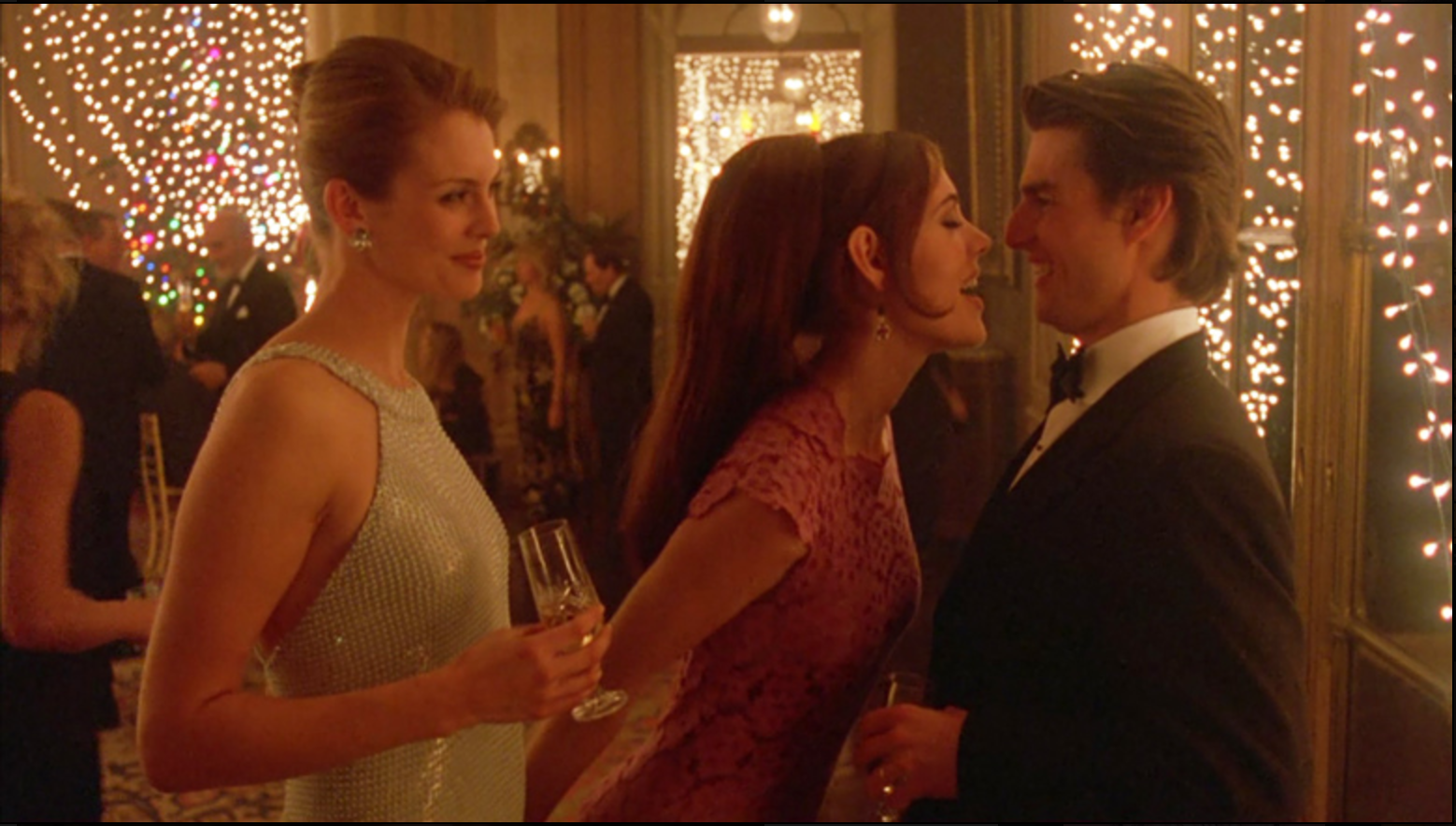
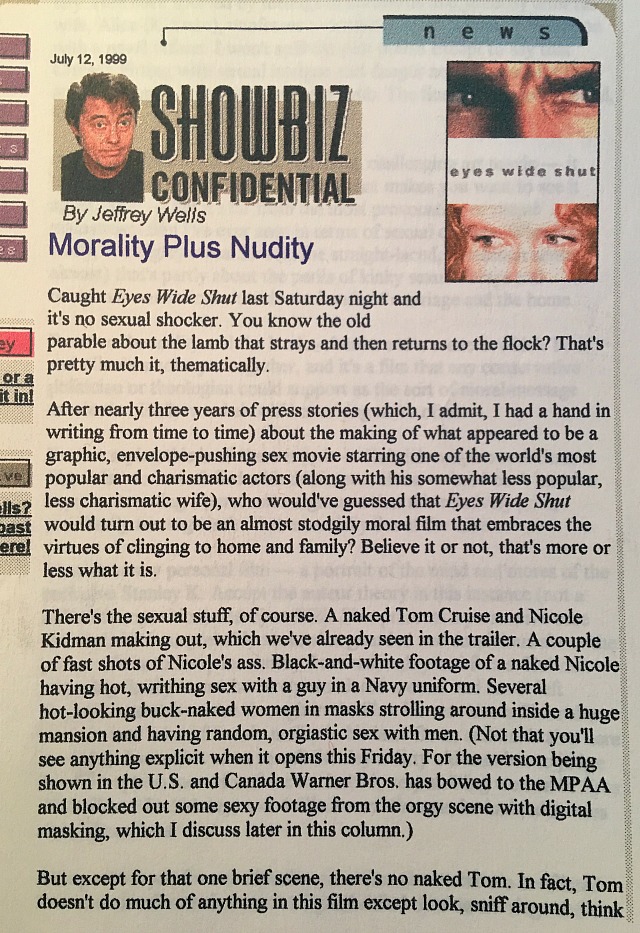
I’m finding it vaguely alarming that Eyes Wide Shut opened 18 years ago. I clearly remember seeing the unrated, uncensored-orgy version out at the Warner Bros. lot, and then being shown the censored version and producer Jan Harlan taking questions about this. I swear that didn’t happen more than 13 or 14 years ago, despite what the calendar says. Time seems to be rushing along at greater and greater speeds.

20th Anniversary Approaches

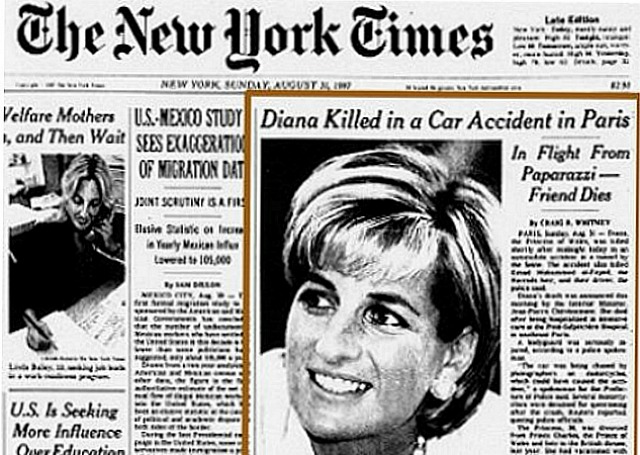
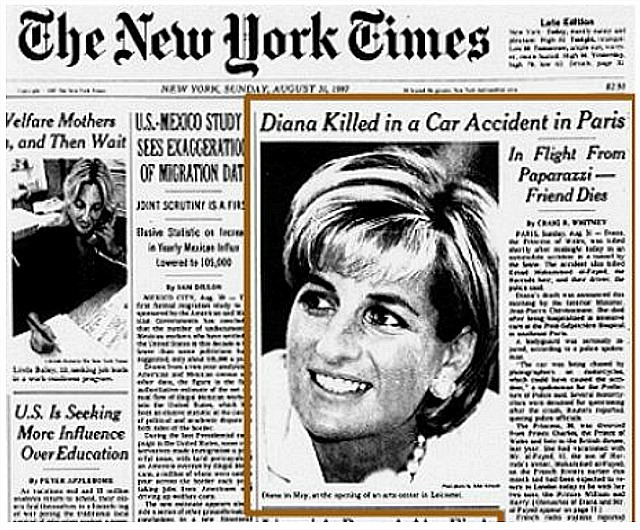
Diana, the former Princess of Wales, died on 8.31.97. I was attending the Montreal Film Festival when the news broke. I remember talking it through with colleagues and then retreating to my hotel room and tapping out a reaction piece for my L.A. Times Syndicate column. The next day Rod Steiger, a guest of the festival, delivered a rant about how the papparazzi had killed her. Which they did in a way. But the primary villain was Dodi Fayed, the millionaire asshat whom Diana had been fucking for a few weeks.

I was working at People when Diana began seeing Fayed in July 1997. Two or three of us were asked to make some calls and prepare a file on the guy. Within three or four hours I’d learned that Fayed was an irresponsible playboy, didn’t pay his bills on occasion, lacked vision and maturity and basically wasn’t a man. And yet Diana overlooked this or didn’t want to know. And that’s why she died. She orchestrated her demise by choosing a profligate immature asshole for a boyfriend.

Fayed was just foolish and insecure enough, jet-setting around with his father’s millions and looking to play the protective stud by saving Diana from the paparazzi, to put her in harm’s way. It all came to a head on that fateful night in Paris. Fayed told his drunken chauffeur to try and outrun a bunch of easily finessable scumbag photographers on motorcycles, and we all know the rest.

Read more

Up Against The Wall Blues

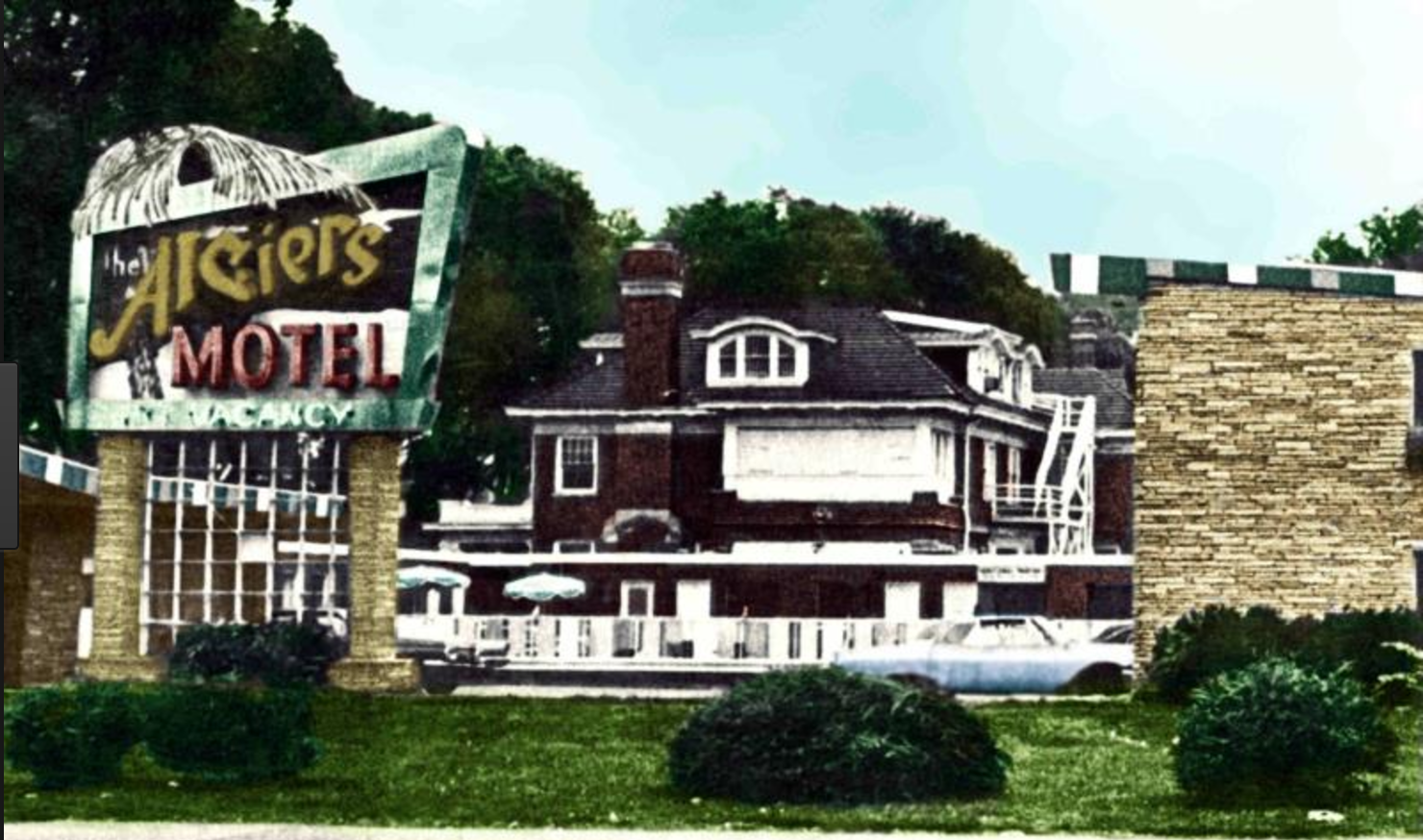
Last night Paul Schrader posted a Facebook lament about Detroit (i.e., the Algiers Motel brutality goes on forever). It drew the following reply from Tony Joe Stemme: “It’s an oddly structured movie. The first 20 minutes or so lead the viewer to believe they are going to see an overview of the Detroit riots. Then we are plunged into the horrid events at the Algiers for at least an hour (might even be longer if you add the intros leading up to it). And then we get another half-hour of the aftermath including trials. Sadly, I don’t think it works, but it’s a daring strategy.”

The best reply came from Savas Alatis: “The Passion of the Detroit.”

Logan Lucky: Smooth, Clever, Casual Escapism

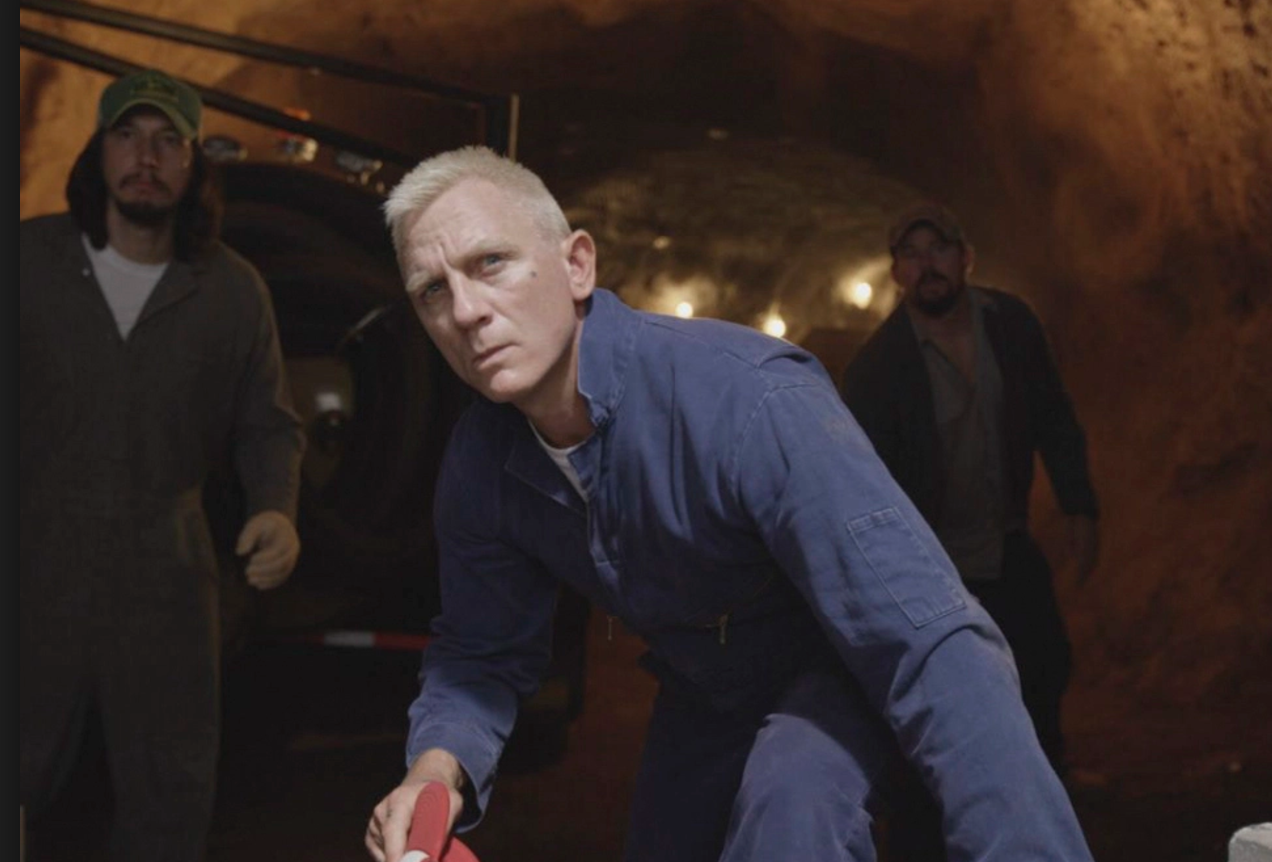
I saw Steven Soderbergh‘s Logan Lucky (Bleecker Street 8.18) this morning, and I came out fairly happy or soothed or whatever. I wasn’t exactly dazzled or blown away but I don’t think was the intention. It’s a mild, easygoing entertainment. Yes, it’s Ocean’s Eleven in a rural, lower-middle-class realm, except the principal thieves (Channing Tatum, Adam Driver, Daniel Craig) are unassumingly brilliant in both the planning and execution of a big heist, or the removing of millions from Charlotte Motor Speedway.

So far most critics are delighted with Logan Lucky. It has a 100% Rotten Tomatoes rating as we speak, and an 81% rating from Metacritic. But what about Joe and Jane Popcorn, not to mention rural shitkicker types?

Soderbergh is such a master, such an exacting orchestrator. This has been said repeatedly about many films, but Logan Lucky has really and truly been assembled like a fine Swiss watch. I really love hanging in Soderberghland. I relish his dry sense of humor, his laid-back naturalism and low-key way of shooting stuff, plus his cool framings and cutting style, etc. A total pro.

I’m too stupid to understand all the logistical and strategic maneuvers, double-backs and fake-outs. To this day I don’t entirely understand every last thing about how the heist was pulled off in Soderbergh’s Ocean’s 11, and I don’t care enough to see it again anyway. I’m just not very smart when it comes to this stuff.

Part of the problem today was that I was unable to hear about 35% or 40% of the dialogue because of the horrible sound system in the Wilshire Screening Room.

But I loved so much about Logan Lucky. I really did. It’s such a nicely assembled alternate-reality caper piece. It’s a light cultural fantasy thing, and is quite funny here and there. Very droll and low-key and plain spoken. But I mainly love it because it’s so well made. All hail cinematographer Peter Andrews!

And yeah, I loved the surprise appearance of Hillary Swank, but I’m too dumb to…forget it.

Of course, Logan Lucky is set in a version of Bumblefuckland that’s not quite real. Because the characters aren’t real Bumblefucks but Hollywood hybrids pretending to be the Real McCoy. Skilled, clever, laid-back smoothies performing with yokel accents and wearing the clothing and all the rest of it in a casual, pocket-drop way, and at the same time handling their complex robbery scheme in a much smarter way than you might expect garden-variety Bumblefucks to do, or anyone for that matter who isn’t an Einstein-level genius at pulling off robberies.

George Clooney‘s Danny Ocean would be seriously impressed by these guys.

Read more

Screening Room Where Movies Go To Die

My mood always sinks when a film I want to catch is showing at the dreaded Wilshire Screening Room (8670 Wilshire Blvd., Beverly Hills, CA). The sound isn’t awful there, but it’s bad enough that I’m often unable to decipher some of the dialogue. Sometimes half of it and sometimes less than half, but there’s always a little bit of a problem when I see a movie there. Because the sound just isn’t sharp or trebly enough, and so I can’t hear some of the consonants all that clearly. You can respond with the usual bullshit about how I need to get my ears checked, but I’ve heard dialogue just fine in dozens of other venues. Okay, maybe I’m slightly at fault and maybe I need to clean the wax out, etc. But why do I always have problems with the Wilshire and almost never anywhere else? I’ve seen two films at the Wilshire within the last couple of days (Only Living Boy in New York, Logan Lucky), and both times I was muttering to myself, “Why can’t I hear what they’re saying half the time?”

“Based On The 1974 Movie by Wendell Mayes”?

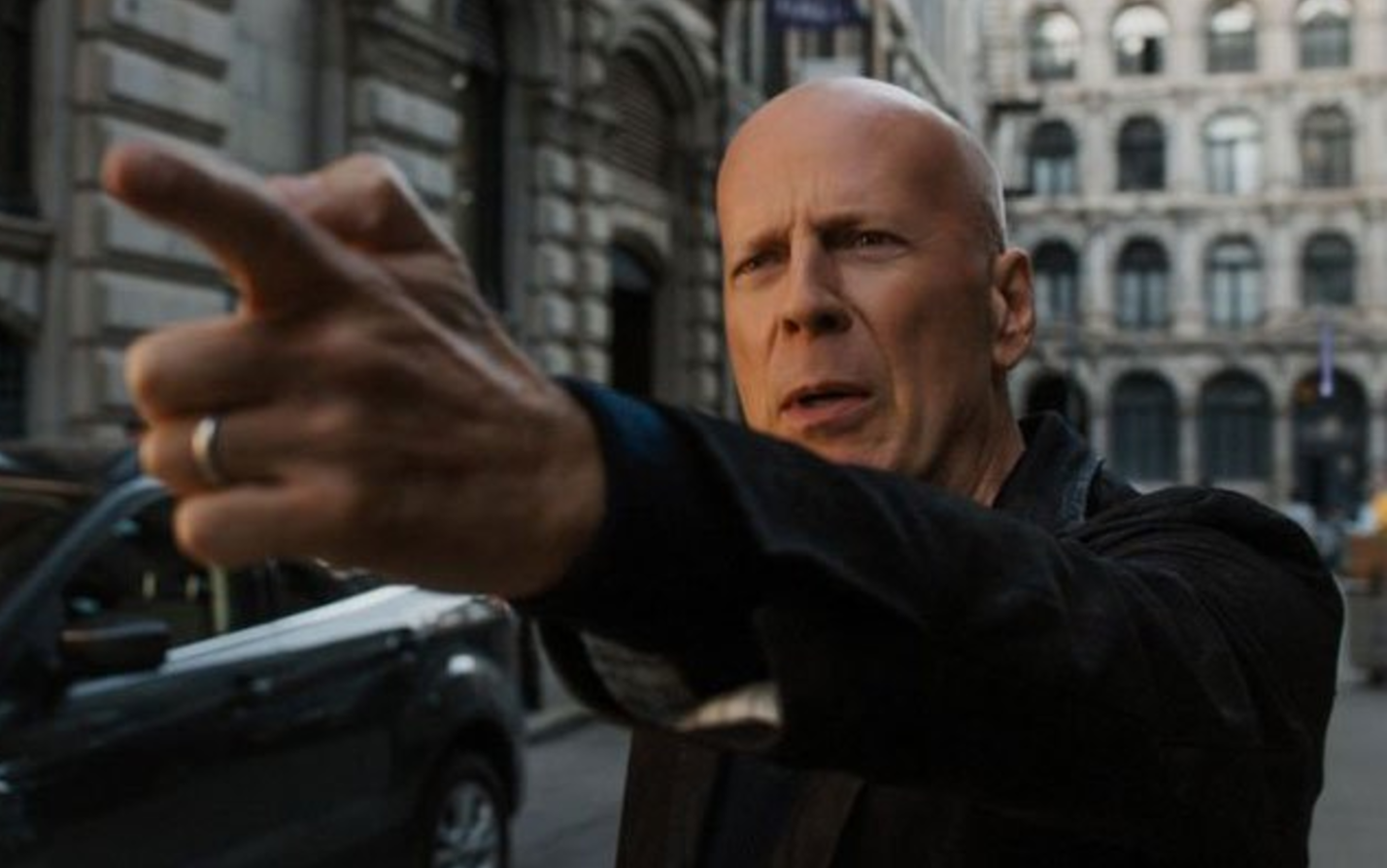
Forbes‘ Scott Mendelson on Twitter (posted early this morning): “Fair or not, I can’t think of a more tone-deaf and thematically pointless idea in this political/social environment than white male filmmakers remaking Death Wish.”

Jeffrey Wells reply: What you’re saying is that a movie about a middle-aged vigilante shooting ethnic gang members in 1974 was a crude Nixon-era exploitation piece about lawlessness and racial tensions in a city that was succumbing to urban rot and going downhill fast. But a movie telling more or less the same tale in 2017 or ’18 will be a flat-out racist screed trying to appeal to angry Trump voters and other thoughtful types who believe that black lives might matter in a certain sense (i.e., not too specifically or militantly) but that blue lives matter also, and that young men of color had better not cause any trouble or pull out guns or argue or run away when a cop pulls them over.

Read more

Call Me By Your Cocktail

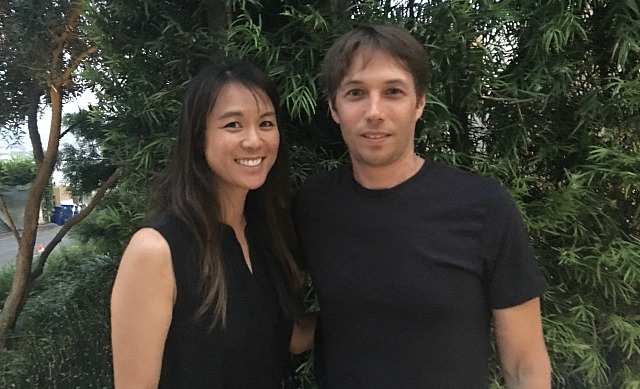
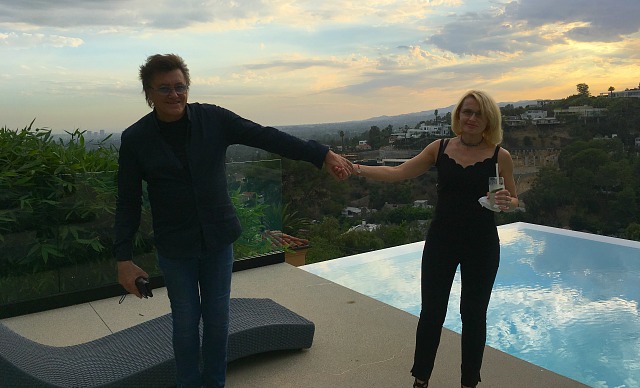
This evening Tatyana and I attended a Hollywood hills party for Roger Durling‘s Santa Barbara Film Festival. It was held at a beautiful, ultra-modern mini-manse on Oriole Way**. The owner-hostess was longtime festival supporter and former Lynda.com owner Lynda Weinman. We chatted with Florida Project and Tangerine director Sean Baker. I told him I’d missed TFP in Cannes but wanted to catch it sometime in August, if at all possible. Baker was with Florida Project associate producer and actress Samantha Quan. Many of the usual journo suspects were there — Anne Thompson, Scott Feinberg, Peter Rainer, John Horn, etc. An elegant event, startling Belvedere vodka cocktails, an exquisite infinity pool and a knock-your-socks-off view.


Producer-actress Samantha Quan, Florida Project director Sean Baker at Tuesday evening’s Santa Barbara Film Festival party, hosted by Roger Durling and Linda Weinman. (I’m just as bothered by the fuzzy, non-focused appearance of Baker and Quan as you are.)


(Photo courtesy of Scott Feinberg.)

Read more