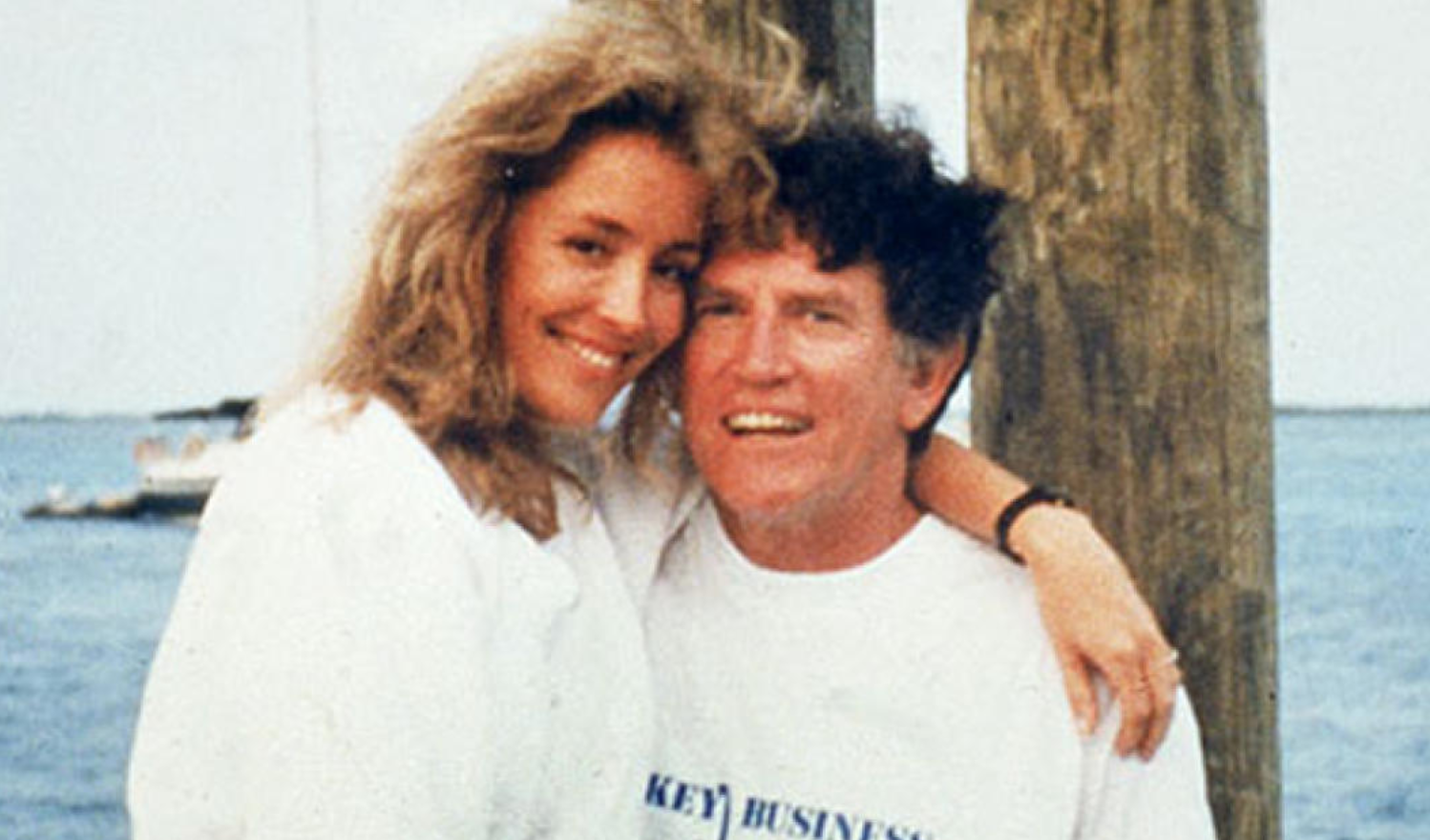
A new Atlantic piece by James Fallows passes along a first-hand conspiracy story from Democratic strategist James Strother. The gist is that the late Republican torpedo specialist Lee Atwater (the guy behind the Willie Horton ad) confessed to Strother on his death bed in ’91 that he “set up” 1988 Democratic presidential candidate Gary Hart. The cancer-stricken Atwater, 39 years old, allegedly told Strother that “I did it!…I fixed Hart.” The whole Monkey Business episode with Donna Rice, Atwater meant, and that damning photo of Rice sitting on Hart’s lap. All of it a political trap.
Atwater somehow took advantage of and/or worked with Billy Broadhurst, the “political groupie and aspiring insider” who had taken Hart on the fateful Monkey Business cruise. Rice and another woman were invited to join the cruise, and the photo of Rice on Hart’s lap was planned and of course used after Hart suspended in his 1988 campaign. Fallows writes that there’s no proof of this other than Strother’s account.
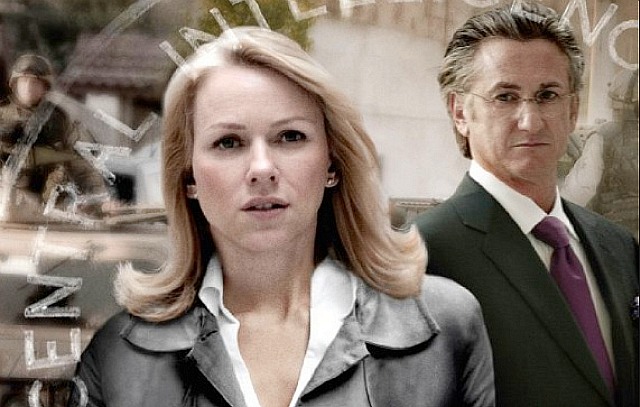
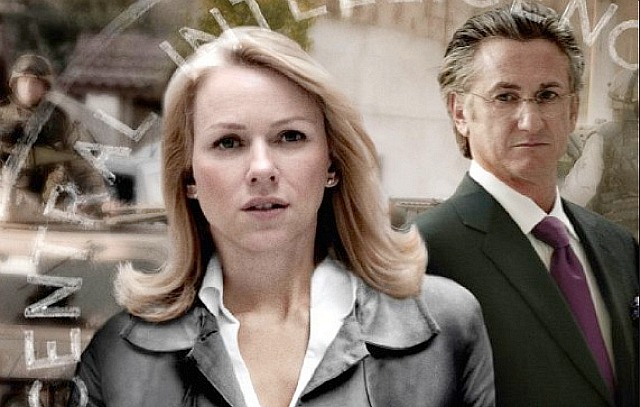
As much as I admire Jason Reitman‘s The Front Runner, which is all about how Hart’s campaign was destroyed by allegations about a possible Rice affair, it would have been that much stronger a film if the Strother-Atwater story had been woven into the plot. Right now the movie has two hand-of-doom elements — Hart’s cavalier self-destructiveness in not hiding his indiscretions more covertly or skillfully, and the Miami Herald reporters who were tipped off about Hart’s affair with Rice. If the Strother-Atwater story has been used, it would have trumped both of these elements.
Did Hart have certain extra-marital tendencies before the Rice scandal? According to legend, yes. Would he have gotten into trouble with some other lust object if the Rice thing hadn’t happened? Possibly. But the Atwater confession certainly adds spice to the brew.
Strother and Atwater had the mutually respectful camaraderie of highly skilled rivals. “Lee and I were friends,” Strother told me when I spoke with him by phone recently. “We’d meet after campaigns and have coffee, talk about why I did what I did and why he did what he did.” One of the campaigns they met to discuss afterward was that 1988 presidential race, which Atwater (with Bush) had of course ended up winning, and from which Hart had dropped out. But later, during what Atwater realized would be the final weeks of his life, Atwater phoned Strother to discuss one more detail of that campaign.
Atwater had the strength to talk for only five minutes. “It wasn’t a ‘conversation,’ ” Strother said when I spoke with him recently. “There weren’t any pleasantries. It was like he was working down a checklist, and he had something he had to tell me before he died.”