“Soho” Is A Bust…Finished

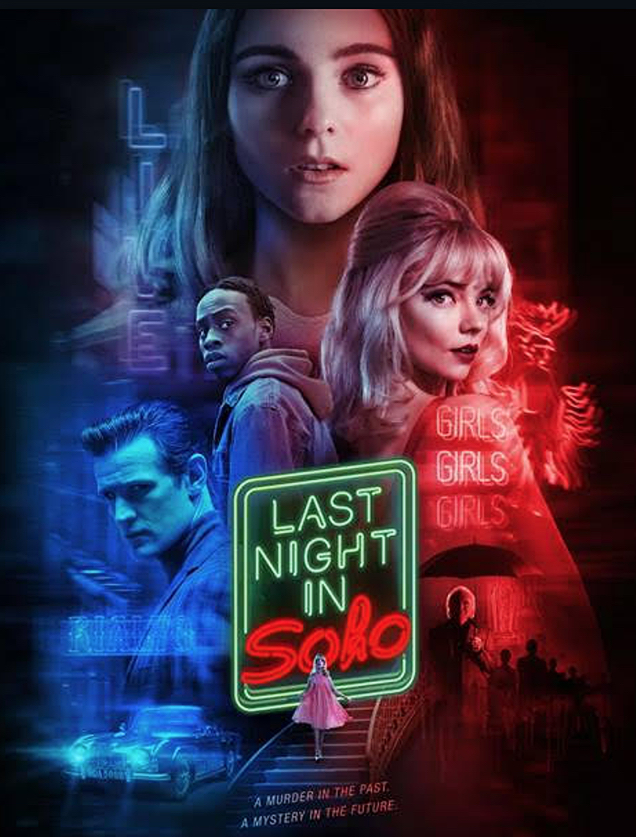
Edgar Wright‘s Last Night in Soho is “struggling” at the box-office. That’s the polite way of putting it. In fact it’s a flop. It cost $43 million to make plus God knows how much to market, and the total domestic haul is somewhere around $4.2 million. Last Night in Soho opened with $993K in the UK for a lousy eighth place showing. $2.296 million earned in 19 international territories…phffft.

The thinking seems to be that Soho might have performed better if it wasn’t up against Antlers and The French Dispatch. My personal suspicion is that Millennials and Zoomers took one look at the ’60s time-trip plot and figured it had nothing for them.

Pick Your Poison

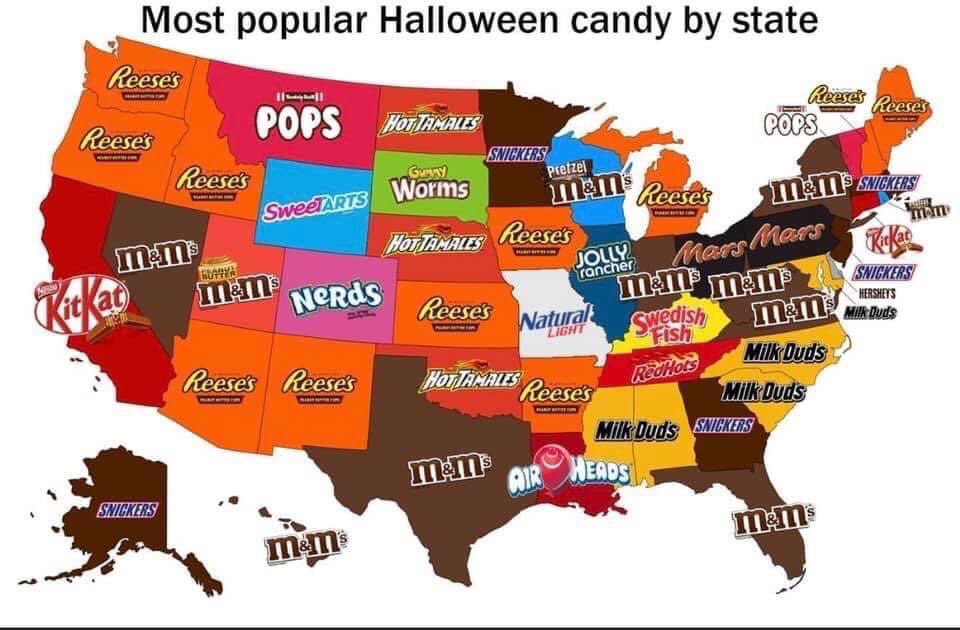
I’m basically a Hot Tamales man, followed by Good & Plenty, Jujyfruits, Red Twizzlers, Swedish Fish and cinnamon bears. I despise anything chocolate-y. Especially Reese’s peanut butter cups.

When I was 14 or 15 I was sitting next to a fetching blonde filly (same age) in a movie theatre. We were chatting and flirting, but then she started eating Reese’s peanut butter cups. Our relationship went south.

Wolf Howls In Misty Forest

If you ignore the final 20 to 25 minutes, the finest werewolf film ever made is Mike NicholsWolf (’94). An adult, Manhattan-flavored, A-grade enterprise. Enjoyable performances by Jack Nicholson Michelle Pfeiffer, Christopher Plummer, James Spader. A first-rate script by Jim Harrison. Wesley Strick, an uncredited Elaine May. Who wrote the peanut butter scene?

But steer clear of the original The Wolf Man (’41). Produced and directed by George Waggner, it runs 70 minutes but feels like 110. Generally tedious, often boring, sluggishly paced, clunky dialogue. It’s obvious that Larry Talbot (Lon Chaney, Jr.) has something to do with the gruesome mutilations as they only begin when he arrives at his father’s (Claude Rains) mansion. Plus he acts guilty and shifty when the murders are discussed. Plus he has the jowly face of a drinker. Plus he’s a foot and a half taller than Rains — how’d that happen?

And it makes no sense that Evelyn Ankers would be “interested” in Talbot, as he’s clearly unstable with erratic, hair-trigger mood swings. (Ankers and Chaney didn’t get along off-camera.)

The best character is Maria Ouspenskaya‘s gypsy lady…she wants Larry to fulfill his wolf destiny…she’s in his corner, supports him, cares for him.

via GIPHY

No Hipster Whiskers in ‘40s

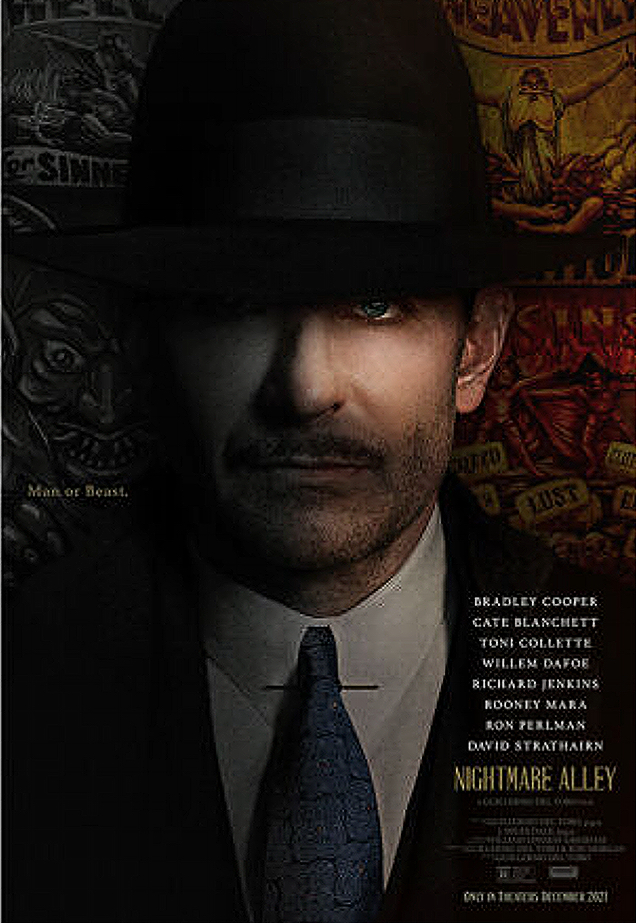
If you google the various photos of Bradley Cooper in Nightmare Alley (Searchlight, 12.17), you’ll notice that aside from a natty moustache he’s otherwise clean-shaven. (Okay, maybe a little chin stubble here and there.). For a film set in the mid ’40s, which is when William Lindsay Gresham’s novel along with the original Tyrone Power film version were released, this is period appropriate.

The poster, however, is something else. Cooper is wearing a 14-day grubby manbeard, which was unheard of in the ’40s. Nobody and I mean nobody adopted this look until the debut of grubby-chic manbeards in the mid to late ’80s (GQ, Don Johnson, Miami Vice).

Anyone who wore two weeks of whiskers before the Reagan era was universally regarded as an alcoholic bum, a hobo, a down-at-the-heels loser, a beatnik or a hippie.

Cooper’s Stan Carlisle, remember, works as a kind of psychic-slash-fortune teller with a carnival, and later as a black-tie nightclub performer in this regard, and so he has a certain spiffy appearance to maintain.

Juggling Boyfriends

I’m not saying all high-school girls are fickle and flighty, but a lot of them are. Or they were, at least, when I was an awkward, insecure WASP schlemiel.

I’ve mentioned this once or twice before, but in my senior year I had it bad for a luminous Irish blonde named Sally Jo Quinn. Short, slender, magnificent blue eyes, straight blonde hair, smallish feet, slender hands with chewed nails. No dad at home; just her single mom who worked as an administrative something-or-other at the high school. I can’t recall if the parents had divorced or if the father had died or what.

Anyway Sally had several concurrent boyfriends. I was fourth in line, I gradually learned. (Or was I fifth?) The others included a football jock (since deceased), a wealthy man’s son from Ridgefield (dead from drug overdose) and a local cop in his mid to late 20s. I was strictly backup. Scraps, leftovers. For someone already beset with low self-esteem, this situation fit perfectly.

Flash forward to the mid ’80s, when I had a brief thing with an extremely dishy lady who was dealing with an unstable ex. So unstable, in fact, that when I visited her one night he called up and came over and rang the bell (she told me to ignore him) and then started pacing back and forth on the front lawn, calling out to her and talking to himself and generally creating a neighborhood spectacle.

Girls sometimes choose badly, some guys can’t handle rejection, and sometimes you have to put up your dukes.

It did occur to me as this psychodrama was unfolding, of course, that anyone with a looney-tunes ex might be a little screwy themselves, or might be a little dishonest or manipulative or flaky. You are who you go out with.

This ex-boyfriend episode wasn’t enough to put me off (she was beautiful and curvaceous and breathtaking in bed), but it did give me pause. I know that if she’d had two ex-boyfriends knocking on the door I would have said “wow, this is really weird” and “something isn’t right.” And if she’d had three guys pleading for forgiveness and restitution I would have said “okay, she obviously likes guys fighting for her affections” and taken a hike.

Divine Edgar

Director-writer pally: “What’s interesting is that despite the forehead-slapping quality of Last Night in Soho…what’s interesting is how the whole industry and especially every young exec…they’re all still lined up to work with Edgar Wright.”

HE to director-writer pally: “They don’t care how shitty his films are? Okay, the first two thirds of Baby Driver works, but have you seen Last Night in Soho? Once you get past the concept and the 1966 time-trip design, it’s really awful. Stupid, crude, ham-fisted, tedious, repetitive.”

Director-writer pally: “Edgar is a really nice, engaging, genteel person and every comedy executive, especially in TV and streaming, hold him in messianic esteem. He’s Teflon — even Scott Pilgrim tanking didn’t harm his rep, and is now viewed as some sort of classic. The mantra from his fans is ‘he’s one of us.’

HE to director-writer pally: “Yes, Wright is very likable and personable, very easy to chat with, a good bullshitter. I’ve listened to Edgar in interviews. He talks a good game.

“Unfortunately, his movies (the first two-thirds of Baby Driver aside) are awful to sit through. So things like taste, clever plotting, refinement, dialogue that makes sense, cinematic coherence, directorial finesse…none of that stuff matters to these guys, you’re saying? Because Scott Pilgrim vs. The World s one of the worst films I’ve ever seen IN MY LIFE.”

Read more

Strange Purgatory

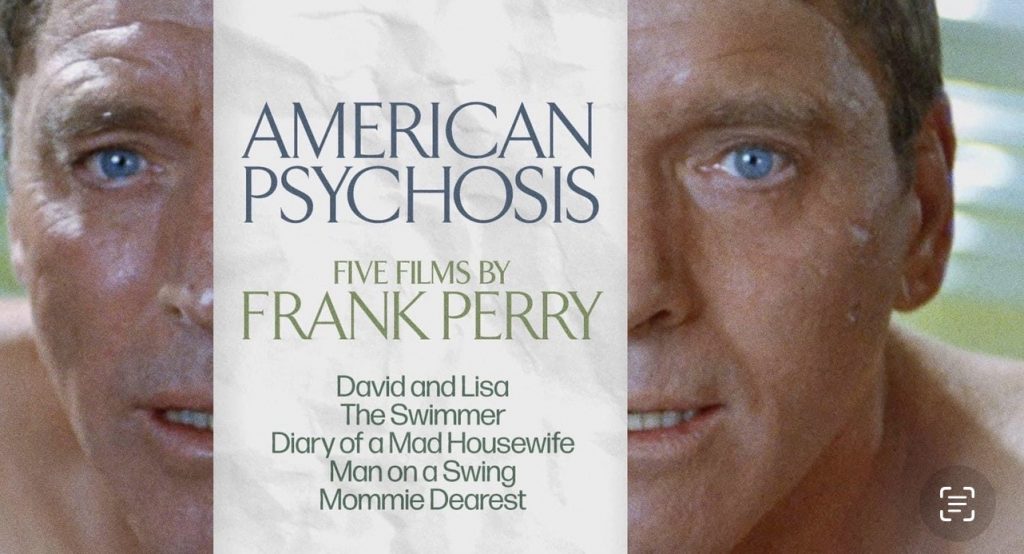
In my book, Frank Perry’s Play It As It Lays (‘72) is easily the most accomplished, mesmerizing and zeitgeistcapturing film he ever made. Hands down, no question. So did Criterion Channel programmers include this dark-heart-of-Hollywood film when they decided to pay tribute to the Perry canon? Of course not.

One significant reason is because this Universal release has apparently never been HD-scanned, and definitely never released to home video. To this day you can’t stream a quality-level 1080p. PIAIL It surfaced on the Sundance channel many years ago, and you can still watch a 480p version on YouTube, but that’s all. So bizarre.

Read more

Boiled Down

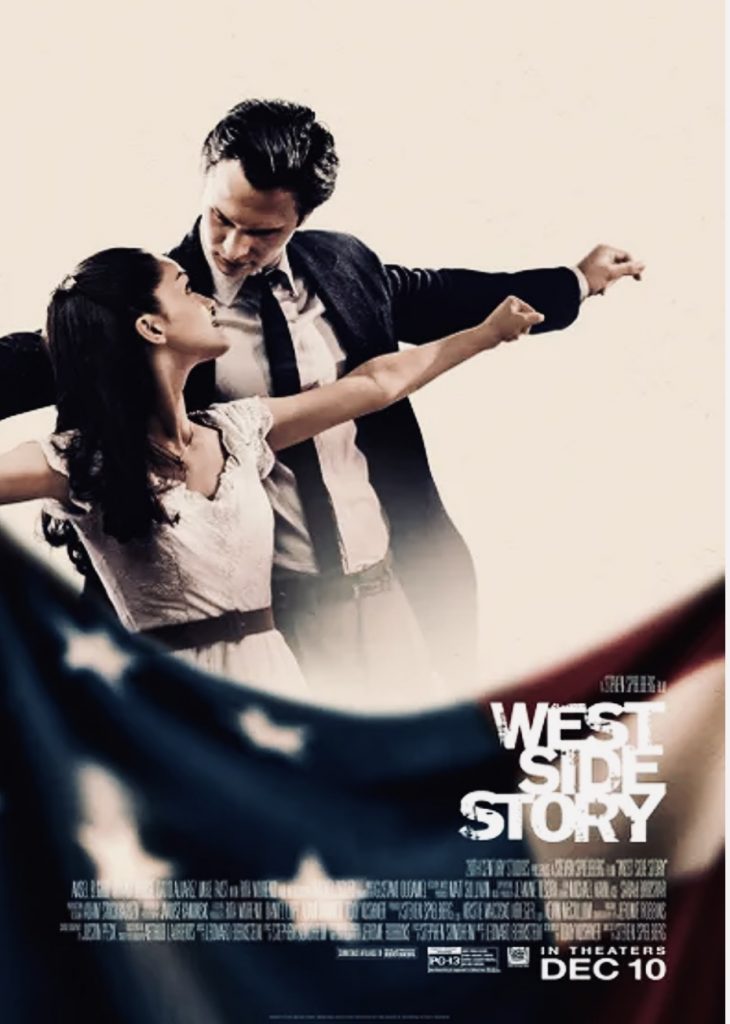
[HE comment on yesterday’s “What The Hell?” piece about West Side Story’s American flag poster]

“West Side Story — the ‘57 musical, the ‘61 Oscar-winner, the forthcoming Steven Spielberg movie — is about conflict between feuding families in a very particular Manhattan neighborhood within a particular 20th Century chapter. It’s not a generic red, white & blue thing or a U.S. of A. thing but a 1950s urban thing writ large.

“The original Eisenhower-era stage musical converted the tribal battle between Romeo and Juliet’s Montagues and Capulets in 16th Century Verona into a resentful white trash vs. Puerto Rican immigrants animosity in New York City’s upper west side slums — a fair and apt analogy.

“Was all of 16th Century Italy consumed by warring families thrusting swords and daggers? No, but the apparent idea behind using the U.S. flag in the poster for Spielberg’s film is to suggest that WSS represents some kind of vast American saga about warring tribes being at each other’s throats, not merely in a poor section of 1950s NYC but right effing now…a tragedy about 21st Century America (reds vs. blues, heartland bumblefucks vs. urban wokesters, define it however you like).

“I’m not at all convinced that the tragic saga of Romeo and Juliet can or should support that kind of broad social metaphor. The flag is a reach — a bridge too far.”