Variety‘s Gleiberman Agrees

Yesterday (1.21) I posted a lament piece called “Sundance ’18 Feels Sluggish, Listless, Agenda-Driven.” It basically said that so far the festival feels like weak tea, and that there’ve been no knockouts, and that all the p.c. agenda films make you feel like you’re attending a socialist summer camp in the snow.

I spoke too soon, of course. This morning I saw a major-league indie breakthrough called We, The Animals, and last night I finally saw Lynne Ramsay‘s You Were Never Really Here, which is my idea of a brilliant arthouse thriller.

Today Variety‘s Owen Gleiberman followed suit with a piece titled “Sundance 2018: Where Are the Masterpieces? Sorry, There Are None.”

Excerpt: “Even if you forget the politics of awards season, my own feelings about any given year at Sundance, going back to the first time I attended (in 1995), tend to hinge on whether I find at least one special movie to fall in love with, a film that’s not just good but great.

“This year, five days into the festival, it’s been a place where I haven’t seen anything like that.

“What’s more, I’ve heard this sentiment echoed, over and over, from just about everyone I’ve spoken to. There doesn’t seem to be a movie people are getting high on. The home run hasn’t been hit. The Christmas tree lacks a star. I promise, that’s my last metaphor. But you get the point.”

Ashby File

Earlier today I saw Amy Scott‘s Hal, a smart, comprehensive doc that sent some mixed signals. By which I mean it could or should have been a little tougher than it is. I’m not saying that a director pulling his or her punches is a great crime, but viewers can always sense when they’ve done this.

The story of Hal Ashby‘s Hollywood career — assistant editor in the ’50s, Norman Jewison’s editor in the ’60s, influential director of seven great films in the ’70s, an angry and declining director of mediocre films in the ’80s — is exhilarating, colorful and not, if you’re going to be honest (as Nick Dawson‘s “Being Hal Ashby: Life of a Hollywood Rebel” was and is), altogether tidy or pretty.

My sense of Hal, as much as I enjoyed it, is that every so often it’s a little too gentle.

Scott has covered the chapters in dutiful form, and spoken to a few people who really loved and admired Hal, or at least worship his legacy. Her film moves right along, pushes more than a few emotional buttons, and makes you feel as if you’ve come to know the guy pretty well. I liked it just fine, but a little voice kept whispering that Scott has softballed the extent of Ashby’s cocaine and booze problems during his career-decline period.

Yes, he rarely slept and probably worked harder than anyone, and he had an awful time with the corporate-minded studio heads in the ’80s (particularly with Lorimar). A lot of stress and struggle. I’m not saying Ashby was a total druggie, but no one dies at age 59 unless they’ve been doing something to hasten their decline.

Four days ago I wrote that “with any kind of half-fair perspective, Ashby’s decade of ’70s glory definitely out-classes and outweighs the tragedy of the ’80s and how the derangement of nose candy enveloped and swallowed the poor guy.” But you have to get into that downswirl stuff a little bit.

Scott’s film isn’t hagiography, but my sense is that roughly 90% is a touching, fascinating, no-holds-barred, this-is-who-he-really-was portrait and the other 10% is a little blowjobby here and there.

Read more

“We, The Animals”: Drawn, Imagined, Ripe

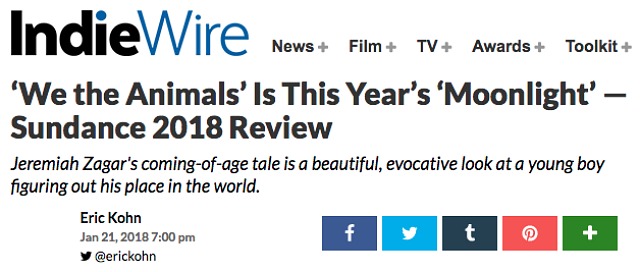
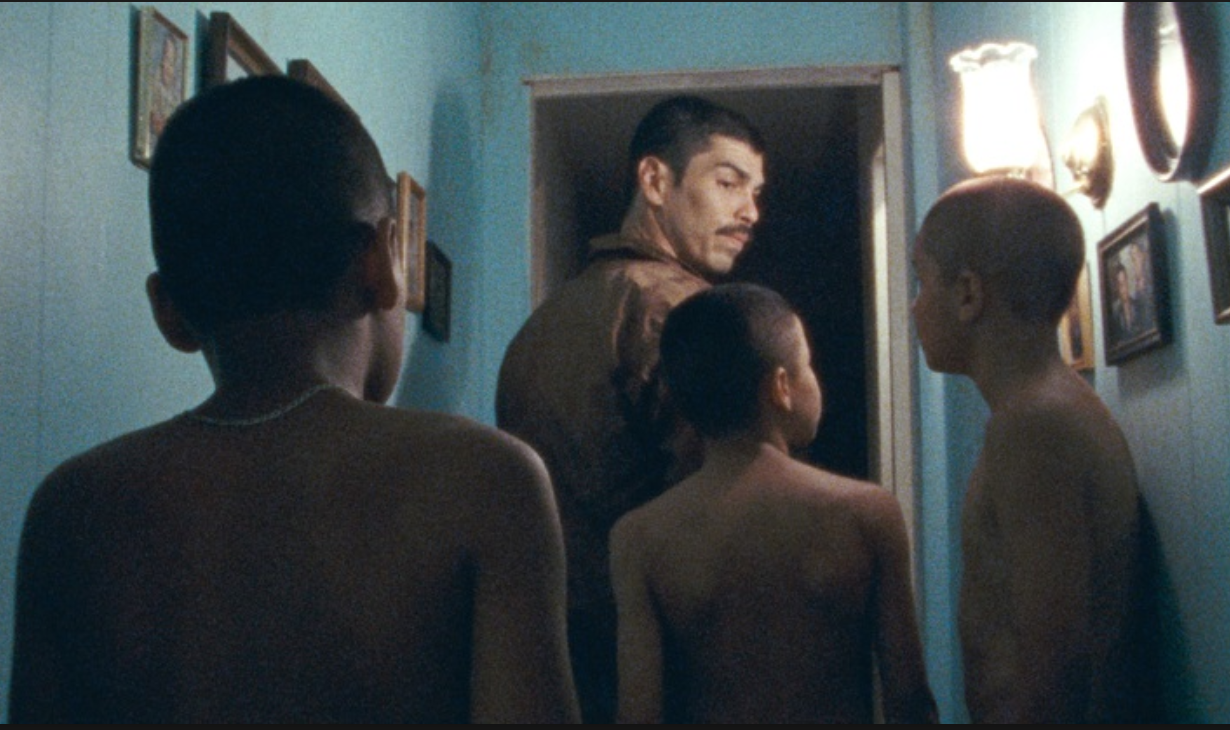
This morning Jordan Ruimy and I caught Jeremiah Zagar‘s We, The Animals, an imaginative, altogether excellent film about an unusual ’80s boyhood in Upstate New York. We had decided to attend this morning largely due to Indiewire‘s Eric Kohn having called it “this year’s Moonlight.”

Before the film began I briefly spoke to Cinetic’s John Sloss. He said that the Moonlight analogy had set the bar too high. But when it was over I was persuaded that We, The Animals, based on a 2012 Justin Torres novel, is trippier and more affecting than Moonlight ever dreamed of, and in a way that recalls Beasts of the Southern Wild with a little Tree of Life mixed in.

I re-read Kohn’s review as I was leaving the theatre, and I felt a little irked about his emphasizing the gay aspect. “As with Moonlight, Zagar taps into a cinematic toolbox for representing an outsider’s struggles,” Kohn wrote, “particularly as it pertains to a developing queerness within the confines of a world in which marginalization is baked into everyday life.”

My email to Kohn: “The analogy is not Moonlight, Eric, but magical realism, Beasts of the Southern Wild, flying above the trees, animated drawings, Malick-like impressionism a la The Tree of Life, family conflict, dreamscapes.

“The gay factor is incidental, almost negligible. Same-sex boners are not the thing here. It’s the levitation, the book of drawings, the careful editing, the apartness, the challenges faced by a ‘different’, artistic kid…the Malick of it all.”

This is easily the best film of Sundance ‘18 along with Lynne Ramsay’s plus those four docs I like (Ashby, Fonda, Williams, Studio 54).

Sundance boilerplate: “With a screenplay by Dan Kitrosser and Jeremiah Zagar, We, The Animals is a visceral coming-of-age story propelled by strikingly layered performances from its astounding cast, elements of magical realism and unbelievable animated sequences.”

The Way It Was

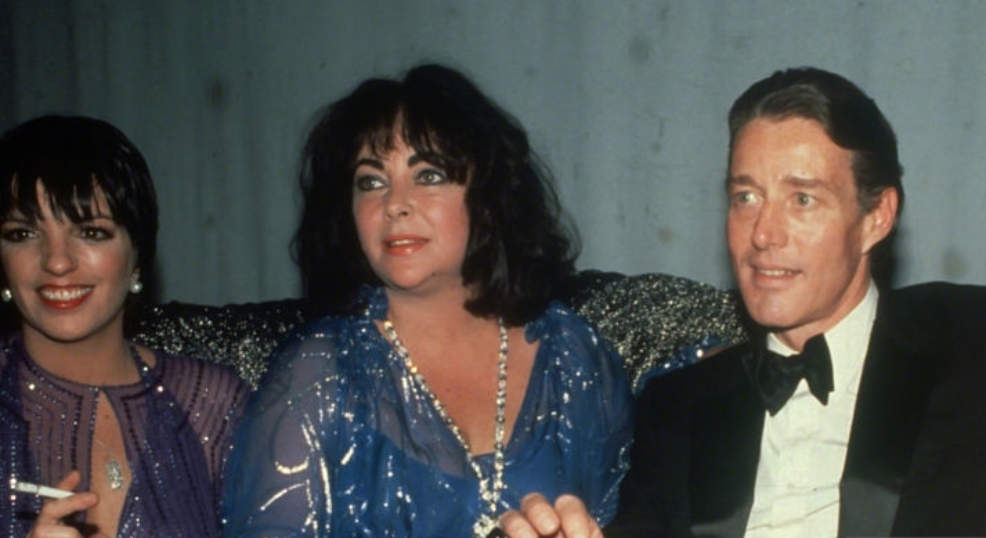
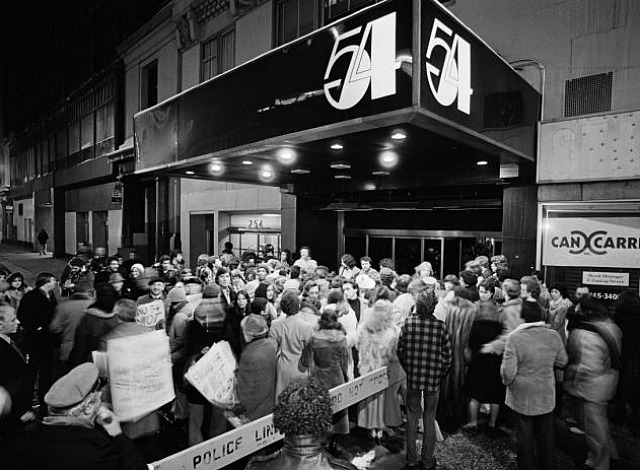
The ironclad rule about gaining entrance to the original Studio 54 (i.e., Schrager-Rubell, April ’77 to the ’80 shutdown over tax evasion) was that you had to not only look good but dress well. That meant Giorgio Armani small-collared shirts if possible and certainly not being a bridge-and-tunnel guinea with polyester garb and Tony Manero hair stylings.

As I watched Matt Tyrnauer‘s Studio 54 I was waiting for someone to just say it, to just say that Saturday Night Fever borough types weren’t even considered because they just didn’t get it, mainly because of their dress sense but also because their plebian attitudes and mindsets were just as hopeless.

It finally happens at the half-hour mark. One of the door guys (possibly Marc Benecke) says “no, the bridge-and-tunnel people never got in“…never.” I can’t tell you how comforting it was to hear that again after so many years.

Another thing: Bob Calacello or somebody mentions how Studio 54 happened in a glorious period in American culture that was post-birth control and pre-AIDS. The film explains how liberal sexual attitudes were particularly celebrated by urban gay culture, which was just starting to sample freedoms that today are more or less taken for granted. Guys couldn’t hold hands on the street but they certainly could once they got inside Studio 54.

But one thing you can’t say in today’s climate (and which Tyrnauer’s film doesn’t even mention in passing) is that the ’70s were also a glorious nookie era for heterosexual guys. It was probably the most impulsive, heavily sensual, Caligula-like period (especially with the liberal use of quaaludes) to happen in straight-person circles since…you tell me. The days of Imperial Rome?

This kind of thing is now a verboten topic, of course, with the 2018 narrative mainly being about how guys need to forget “impulsive” and turn it down and be extra super careful in approaching women in any context. But things were quite different back in the Jimmy Carter era. I’m not expressing any particular nostalgia for those days, but the new Calvinism of 2018 couldn’t be farther away from what the social-sexual norms were 40 years ago. Just saying.

Stands Alone

In an update to last night’s post about how Sundance ’18 so far feels inconsequential and weak-tea-ish (“Sluggish, Listless, Agenda-Driven“), I said that Lynne Ramsay‘s You Were Never Really Here (which I saw late last night) is easily the strongest film — half narrative, half fever-dream — I’ve seen so far in Park City, hands down.

“It’s bloody and gooey, bothered and nihilistic, but it’s so beautifully shot and unto itself, so self-aware and finely controlled — an arthouse rendering of a Taken-style flick.”

So even though it’s not so much a Sundance ’18 film as a Cannes ’17 hangover and apart from the three brilliantly conventional Sundance docs that I’ve admired so far (Studio 54, Jane Fonda in Five Acts, Robin Williams: Come Inside My Mind), the Ramsay is far and away the strongest thing I’ve seen since last Thursday — the only Sundance ’18 film that has been applauded as the closing credits begin, the only one that has found the kind of acclaim that Call Me By Your Name and The Big Sick did last year.

It’s so good I wasn’t even bothered by Joaquin Phoenix‘s dad bod.

Lessons of SAG Awards

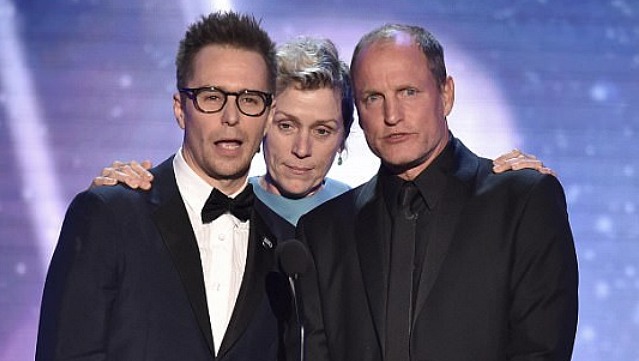
Guillermo del Toro‘s Creature From The Love Lagoon took a back seat as Three Billboards outside Ebbing, Missouri won three SAG awards last night (Sunday, 1.21).

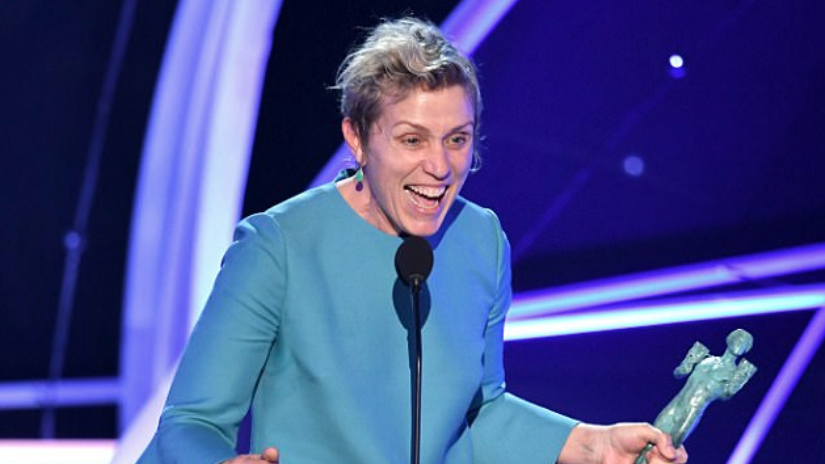
Martin McDonagh‘s film won Outstanding Performance by a Cast, Outstanding Performance by a Female Actor in a Leading Role (Frances McDormand) and Outstanding Performance by a Male Actor in a Supporting Role (Sam Rockwell). Here are my lessons and takeaways:

#1: The Florida Project‘s Willem Dafoe is really and truly finished — Rockwell has the Best Supporting Actor Oscar in the bag.

#2: I’ve been thinking that when it comes to the general Academy vote, the votes for The Shape of Water (a.k.a. Aqua Man) and 3BB might split and come up short, allowing Lady Bird to sneak in for the Best Picture win. Now I’m wondering if Greta Gerwig‘s film has any shot at all. Lady Bird didn’t win a damn thing last night.

#3: 3BB‘s Frances McDormand totally owns the Best Actress Oscar. Nothing’s going to change — she’s got it.

#4: Ditto Darkest Hour‘s Gary Oldman and I, Tonya‘s Allison Janney, locked. It’s a real shame that Lady Bird‘s Laurie Metcalf, who should win, isn’t going to make it. I’m very sorry.

Sundance ’18 Feels Sluggish, Listless, Agenda-Driven

After four days of the 2018 Sundance Film Festival, I’m tempted to call it weak tea. So far there’s been no Call Me By Your Name, no Mudbound, no Big Sick. By my sights the only moderately pleasing narrative films have been Tamara Jenkins‘ lightly comedic Private Life and Jessie Peretz‘s Juliet, Naked. And that’s it.

Update: I saw Lynne Ramsay‘s You Were Never Really Here late Sunday evening, and it’s easily the strongest film — half narrative, half fever-dream — I’ve seen so far in Park City, hands down. It’s bloody and gooey, bothered and nihilistic, but it’s so beautifully shot and unto itself, so self-aware and finely controlled — an arthouse rendering of a Taken-style flick.

Otherwise this festival seems to be largely about “woke”-ness and women’s agenda films — healings, buried pain, social ills, #MeToo awareness, identity politics, etc. Sundance ’18 is like being at a socialist summer camp in the snow.

Headstrong critics have been embracing this or that narrative film and trying to make hay, but generally speaking the ones I’ve seen (or have read or heard about from trusted colleagues) have fallen under the headings of “not bad, awful, meh, fair” or “extremely tough sit”…none have that special propulsion.

You can’t count Mandy, the Nic Cage wackjob thing. Too specialized, cultish, bloody.

Tweeted last night by MCN’s David Poland: “Sundance has never really been a sausage party, as films go. It’s also embraced inclusion for decades. The festival business is changing…full stop. The crazy amounts streaming companies are paying is one thing. But also, high-quality unseen product gets more and more rare.”

So far the only films I’ve felt truly touched and levitated by are three highly intelligent, smoothly assembled but very conventional documentariesSusan Lacy‘s Jane Fonda in Five Acts, Marina Zenovich‘s Robin Williams: Come Inside My Mind and especially Matt Tyrnauer‘s Studio 54.

I’m pretty familiar with the Studio 54 saga (I went there three or four times in ’78 and again in the early ’80s after it reopened under Mark Fleischman), but Tyrnauer’s doc has landed the elusive Ian Schrager, one of the two founding partners of this legendary after-hours club (the other being the late Steve Rubell). This perspective alone is worth the price.

The film itself is a brilliant, levitational recapturing of a quaalude dreamland, a pre-Reagan, pre-AIDS vibe, a culture of nocturnal abandon that bloomed and thumped and carried everyone away but is long past and gone forever. (Naturally.) It’s sadly beautiful in a certain way.

I liked Studio 54 so much I’m thinking of catching it a second time on Friday morning, just before I leave town.

I wish I could say I’ve been aroused or energized by something more daring, but so far the reachy stuff has felt flat or frustrating or slightly disappointing. Tell me I’m wrong.

Granik’s Latest Is A Bust

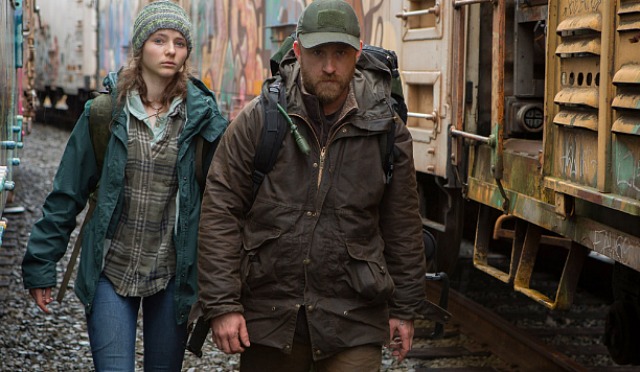
I didn’t “hate” Debra Granik‘s Leave No Trace, but I bailed around the two-thirds mark. I am therefore not panning Granik’s father-daughter drama altogether. But I really didn’t give a shit about watching a quietly seething asshole dad (Ben Foster, who else?) insisting on living in the damp, chilly woods with his intelligent, coming-into-her-own teenaged daughter (Thomasin Harcourt McKenzie).

I saw no charm, no appeal, nothing intriguing in this absurd approach to life and living. It’s one thing to live without TV or smartphones, but eating mushrooms and shitting in the woods without toilet paper?

I’ve never liked Foster much to begin with. Does he do anything besides play intense wackjobs?

Really, what possible good can come from hanging with another naturalist asshole a la Viggo Mortensen‘s dad in Captain Fantastic? Seriously — fuck these pater familias and their oppressive, Thoreau-like parenting theologies. Poor McKenzie is becoming curious about the world and wants to socialize a bit and maybe see what it’s like to have a boyfriend, but her scowling dickhead dad, whose damaged background Granik can barely be bothered to explain, wants none of it.

So after the authorities intercede at the end of Act One and try to prompt Foster to allow his daughter a chance to adapt and socialize and find her way into a structured, work-oriented rural life, Foster’s Will says “c’mon, daughter, we’re going back to the pine cones.” He loves her, but what a hopelessly deranged prick. Of course his daughter will stand up to him and go her own way by the end of Act Three — we knew that going in.

So I was sitting there telling myself “I can write something based on the 65 minutes I’ve seen thus far…I just have to admit that I left before it ended.” And that’s what I’ve done.

Sunday Planner

I more than half-liked Jesse Peretz‘s Juliet, Naked after catching it yesterday afternoon, and I loved the ending to death. But for reasons best not explained or not fully understood, I couldn’t bring myself to write about it, and I mean not even a tweet. It didn’t really arouse or provoke me except in the matter of Ethan Hawke‘s pudgebod graybeard appearance and atrociously ill-chosen wardrobe (a blind man visits Goodwill).

Seeing Susan Lacy’s Jane Fonda in Five Acts at 9 am, and then Matt Tyrnauer’s Studio 54 at 11:30 am, and Debra Granik’s Leave No Trace at 3 pm. The finale will either be Rupert Everett‘s Oscar Wilde film, The Happy Prince, at 9 pm, or Lynne Ramsay‘s You Were Never Really Here at 8:30 pm, which I already have a ticket for.

Guillermo’s Ascent Continues

Guillermo del Toro‘s Creature From The Love Lagoon (a.k.a. Gill Man, a.k.a. Aqua Man, a.k.a.The Shape of Water) has won the PGA’s Daryl F. Zanuck award for Outstanding Motion Picture of 2017. So the apparent descent of Three Billboards outside Ebbing, Missouri proceeds as the heat lessens…right? What else does this mean?

The Handmaid’s Tale won Producers Guild Award for Best Drama Series. Brett Morgen‘s Jane, the Jane Goodall documentary that screened at the Hollywood Bowl last summer (i.e., the event at which I spilled red shrimp sauced all over my jeans), has won the Producers Guild Award for top movie doc. The PGA’s Danny Thomas Award for episodic comedy went to Amazon’s The Marvelous Mrs. Maisel And Last Week Tonight with John Oliver won the PGA’s live entertainment and talk prize.