The DeBonting

Sometime in mid-July of ’99, or 18 and 1/2 years ago, I suffered through an all-media screening of Jan DeBont‘s The Haunting. I went with the hope that DeBont, whose stock had plummeted two years earlier after the catastrophe of Speed 2: Cruise Control, might rebound if he would only pay tribute to Robert Wise‘s The Haunting (’63) by relying on eerie suggestion rather practical and CG effects. Alas, he ignored Wise’s approach entirely.

The Haunting isn’t merely bad,” I wrote in my Mr. Showbiz column. “It’s one of the emptiest, most ineptly plotted, synthetically programmed, pointlessly overdone summer movies I’ve ever seen. I’m now completely convinced that this is the movie that drove Liam Neeson to the brink of retirement. The film’s final close-up is of Neeson and Catherine Zeta Jones wearing looks of utter exhaustion with a hint of self-loathing, and you have to figure that gearing themselves up emotionally for this shot couldn’t have been much of a stretch.”

The Haunting wasn’t a financial wipeout — it cost $80 million to make, earned $91.4 million domestically and $177 million worldwide. But it was so grueling to sit through…well, I don’t know that The Haunting was the reason behind DeDont not landing another directing gig until three years had elapsed — Lara Croft Tomb Raider: The Cradle of Life (’03). But it sure didn’t help.
Read more

Kubrickian Abyss

This ScreenPrism essay about the films of Stanley Kubrick is only six days old — it was posted on 2.18. Boiled down it basically says that Kubrick’s films all say the same thing, which is that humans are ignoble, disruptive and untrustworthy creatures consumed by self-denial and various foolish mythologies and delusions, but that the visual framings used by Kubrick to tell variations of this same sad story can be deeply lulling and at the same time transporting. Similarly, this essay is so soothing on a certain level that it will engage your mind and especially your memory while at the same time putting you into a kind of trance. I stopped listening to the young woman’s narration after two or three minutes, and yet I continued to absorb what she was saying by a kind of osmosis, by sinking into the clips like some kind of heated pool or bathtub. An amazing process.

Say It Ain’t So, Joe

Barry Levinson‘s Horsing Around In The Shower is based on a script by Debora Cahn, John C. Richards and David McKenna. It seems to primarily be a journalism saga, pitting the late Joe Paterno (Al Pacino), Penn State’s legendary football coach who disgraced himself by looking the other way while Jerry Sandusky (Jim Johnson) did what he did with God-knows-how-many young guys, against real-life Patriot News reporter Sarah Ganim (Riley Keough), who’s now working for CNN.

To go by the trailer Joe’s wife Sue (Kathy Baker) looked the other way also. HBO will debut the 102-minute film, which is actually called Paterno, on 4.7.

Again — you have to see Amir Bar-Lev‘s Happy Valley (’14) before watching the Levinson version.

Read more

Colored People

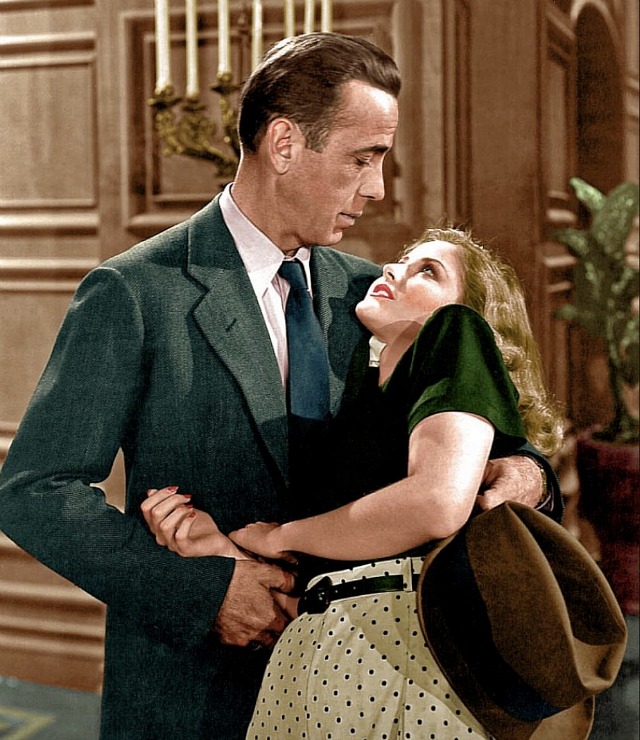
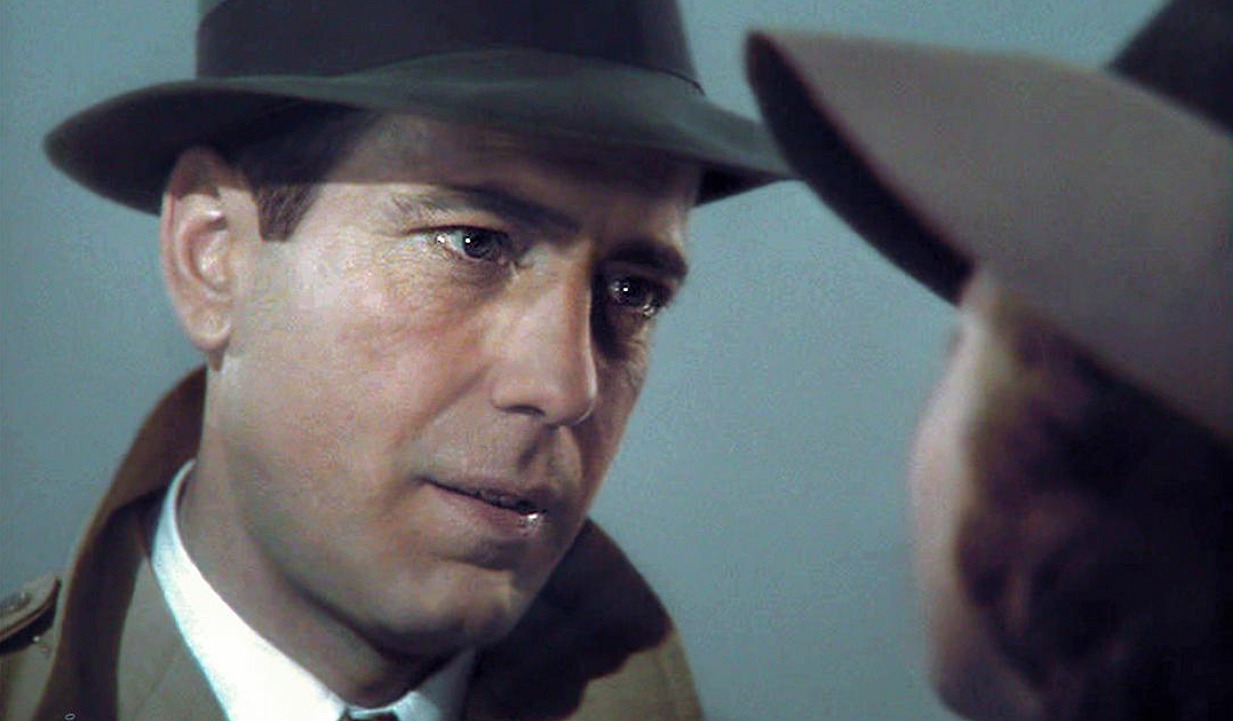
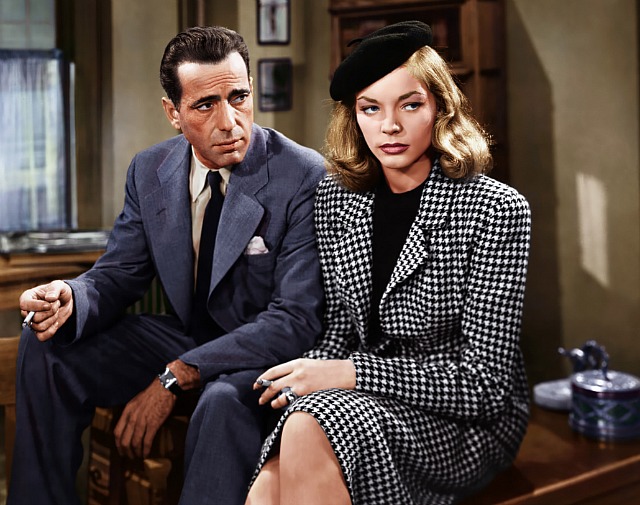
“No self-respecting cinefile approves of colorizing black-and-white movies,” I wrote on 10.28.17, “but colorizing monochrome stills can be a respectable thing if done well.”

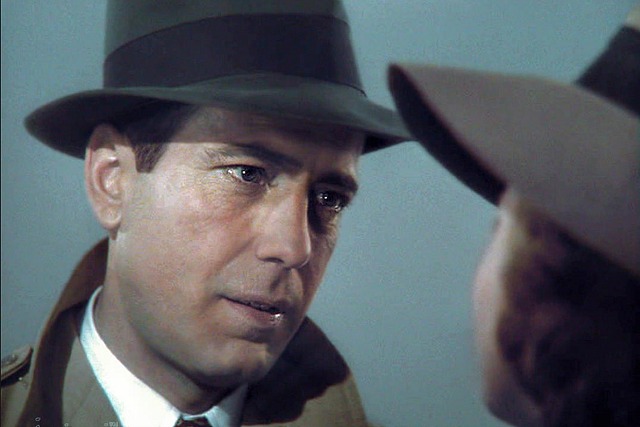
The Humphrey Bogart-Lauren BacallBig Sleep still below is probably the best colorized b&w image from a Hollywood film mine eyes have ever beheld — ditto the Bogart-and-Ingrid BergmanCasablanca shot below it. I’m aware that monochrome films of the ’30s and ’40s were shaded and lighted to deliver maximum impact in terms of a certain silvery compositional aura, but these really look good.

Okay, not so much the Bogart-and-Martha Vickers shot from The Big Sleep, but even that isn’t too bad.

Ditto: “Remember how colorized images used to look in the bad old days? I don’t know if it’s a matter of someone having come up with a better color-tinting software or someone’s willingness to take the time to apply colors in just the right way, but every so often a fake-color photo can look really good. Incidentally: I approve of carefully tinted black-and-white newsreel footage.”

Read more

Was I Right Or…?

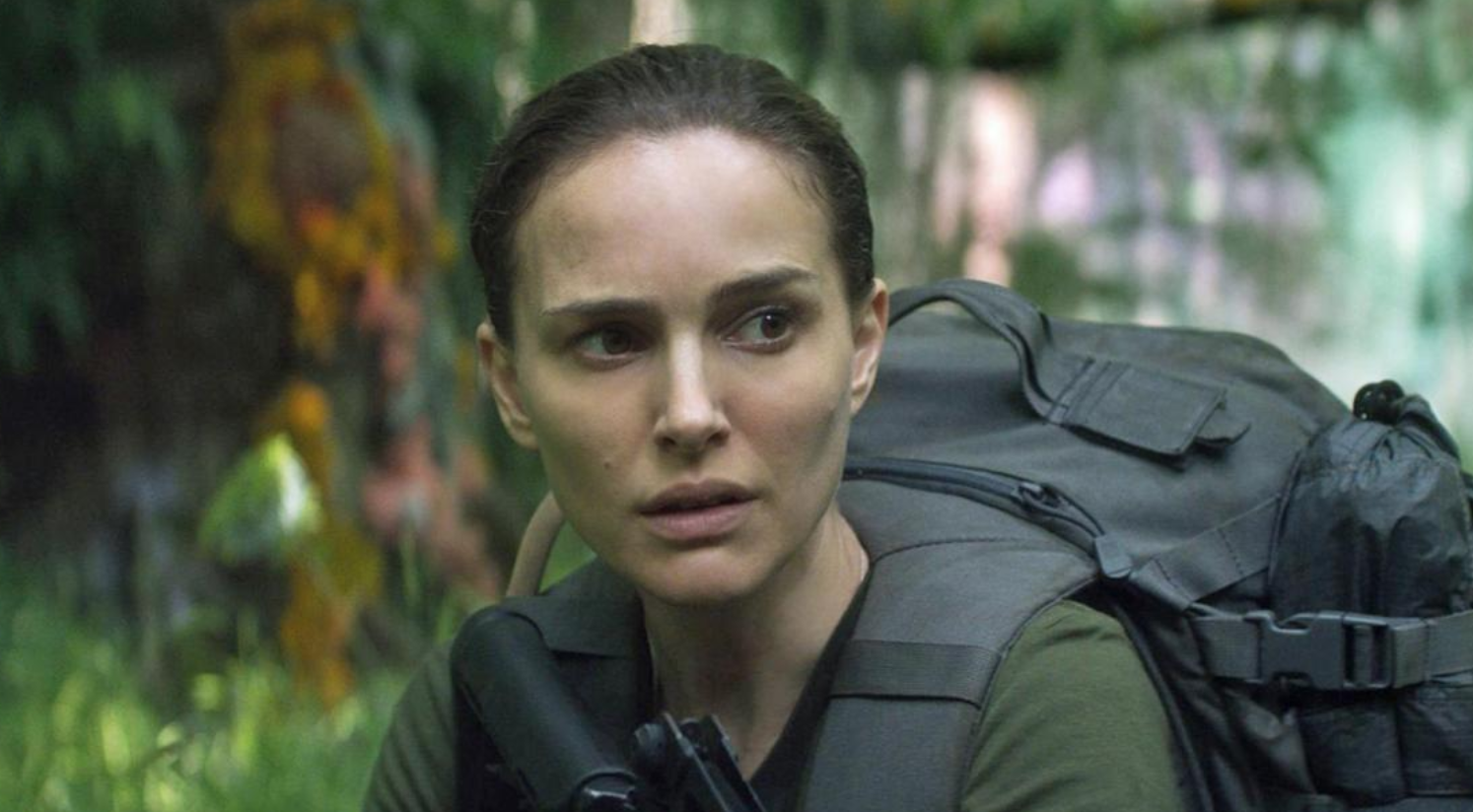
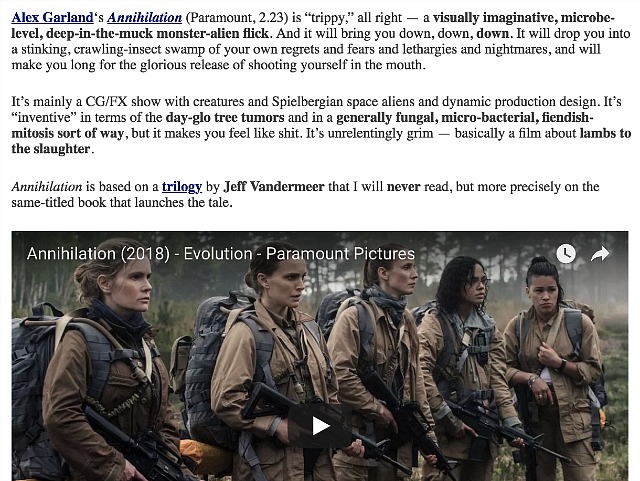
More than a little dodging and sidestepping went into the Annihilation aggregate critic ratings — 87% on Rotten Tomatoes, 80% on Metacritic. Critics are always afraid of appearing unhip or clueless — even if a movie confounds or irritates or pisses them off, it’s safer to convey knowing approval or respect for what it seems to be attempting. Presumably a good portion of the HE community saw it last night and has seen through the bullshit. And if some “liked’ it, I know they’re also bothered by it. Please share whatever reactions you may be struggling with.

Read more

Before Muschietti Became A Hack

I was reminded this morning of what a brilliant scary-movie director Andy Muschietti used to be. A little less than six years ago, I mean, when he was directing Mama in Toronto with producer Guillermo del Toro by his side. I’m speaking of a classic Mama bit that belongs in the annals of classic high-craft horror. The film is worth seeing for this alone.

From my January 2013 Mama review (“Battle of the Mommies“): “It involves an older sister stealing her younger sister’s blanket, and then a static hallway shot showing the two of them wrestling for control of the blanket in their bedroom but with only the younger sister visible. And then we see something unexpected. I laughed out loud. I mostly hate the geek realm, but for that moment I was in geek fucking heaven.

Mama is a light-touch horror pic. A concoction that sneaks in with hints and teasing cuts and, okay, an occasional shock cut or shock-music prompt, but mainly little cinematic games that turn you on if you’re attuned, and if not you’ll just sit there like a popcorn-munching wildebeest and going ‘okay, okay but…c’mon, dude, where’s the really crazy shit? Where are the blood-soaked carpets?”]’

“All I know is that Mama is made for guys like myself. It’s not in the least bit gross or revolting, and it’s seriously, fundamentally scary.

“It’s also one hell of a calling card for first-time-director Muschietti as it feels like it was directed by a middle-aged pro. That’s a nod to Del Toro as he developed Mama, finessed it, worked on every aspect (it was shot in Toronto around the time of principal photography of Pacific Rim), and perhaps held Muschietti’s hand the way Howard Hawks held Christian Nyby‘s during the making of The Thing. It’s just that Mama feels so smooth and commanding and sure of itself.”

That was then, this is now.

Jessica Chastain recently explained her interest in wanting to work with Muschietti on an IT sequel, in which she’ll play a grown-up Beverly Marsh:

“Well, I love Andy and [his sister/producer] Barbara Muschietti,” she told Screenrant‘s Padraig Cotter. “I worked with them on Andy’s directorial debut, Mama. So we’ll see. They’re friends, they’re family. Anything that they’re doing I want to be a part of, so I hope we can make it happen.”

Except IT wasn’t nearly as creepy as Mama. IT actually made it clear, if you ask me, that the Muschietti who’d made Mama, a fellow who seemed to believe in the less-is-more Val Lewton approach, had been replaced by a studio-kowtowing hack.

Read more