Burrowed In

It would appear that some 54,000 Facebook habitants visit a “private group” called Dylanology. Semi-regularly, I’m guessing. Just to look at photos and share stories about this or that Dylan song, album, concert. Or pass along some personal observation or anecdote.

Over and over they drop into Dylan Land, and to what end? I really dislike the rabbit-hole vibe in this community of obsessives, and I’m saying this as a serious admirer of Martin Scorsese‘s No Direction Home (’05), which I own a Bluray of. Plus I’ve visited the Big Pink house in Saugerties. Plus I spoke to Dylan once during a Sundance Film Festival party. But enough already.

“Okay” Is A Word

I hate it when people spell “OK” rather than “okay.” The origin of this 181-year-old idiom (stemming from “Old Kinderhook”, a nickname that came out of the 1840 reelection campaign of President Martin Van Buren, who was born in Kinderhook, N.Y.) means nothing. And don’t mention Soho’s OK Harris gallery, which closed in 2014.

You can say “stop being obstinate and just abide by the majority view,” but answer me this. If there’s no legitimate word spelled “okay” and you can only write “OK,” how then do you spell “okey-dokey” or “okey-doke”? Obviously you can’t prohibit the “okay” spelling while approving “okey-dokey.”

And don’t tell me it’s not a real word because back in ’85 I delivered a hand-written invitation from Pee-Wee Herman to Johnny Carson at the latter’s Point Dume home, and when I rang the bell and explained over the intercom who I was and what I had in my hand, Carson said “well, okey-dokey”. So I win the argument.

From this point on stop using “OK”…ban it from all English language dictionaries. You can still spell ID (nobody spells it “eye-dee“) when you’re alluding to identification. But OK is over and out.

Once Again…

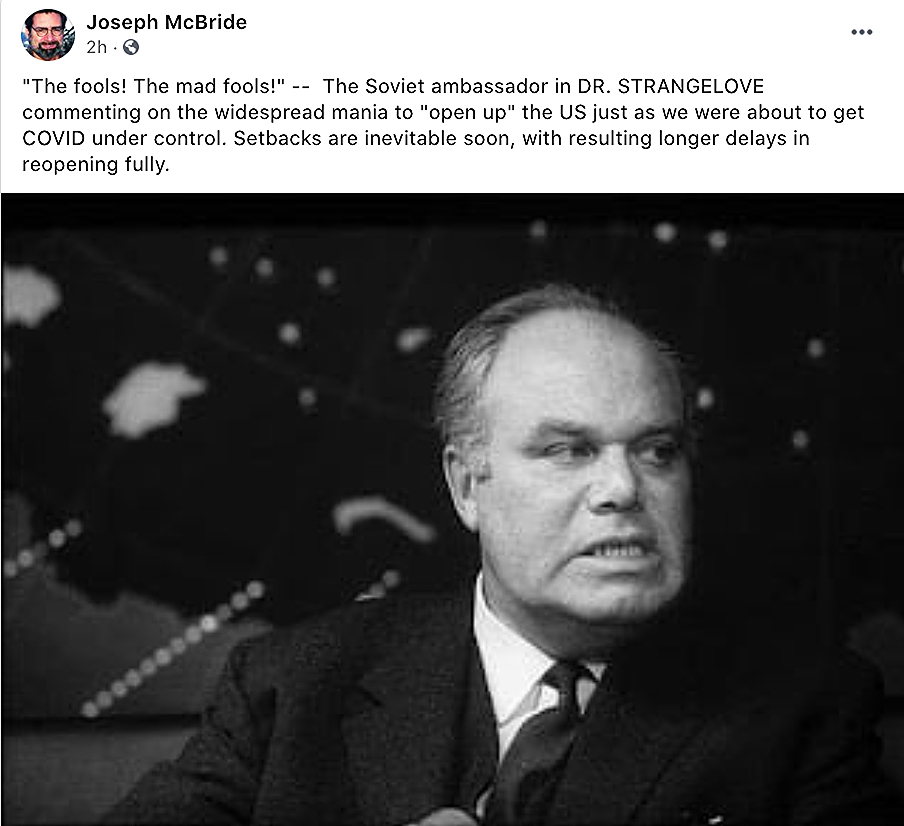
Hold your horses, keep your activities in check, maintain Covid protocols, get your vaccine ID cards and extend the misery until at least May or thereabouts. Better safe than sorry. True herd immunity won’t activate until September.

Woodsy Habitat

The 2021 Telluride Film Festival will be a five-day event (Thursday, 9.2 through Monday, 9.6) or one day longer than usual. For four years straight (’16 through ’19) Hollywood Elsewhere stayed at the Mountainside Inn, or the poor man’s Telluride lodging option. (I was also booked there last year until Covid stepped in.)

In ’16, ’17 and ’18 a four-day Mountainside rental was $1100. It went up a hundred or so in ’19, and then last year it jumped to $1400 and change. The Mountainside’s five-day fee for next September’s festival including taxes is $1700, I’ve just learned. And all you get is a modest-sized motel room with a king-sized bed, a bathroom, no closets, a little freezer and a crummy little writing table and a chair.

So I’ve put a deposit on a bigger, roomier place in the woods. It’s a mile or two beyond the Telluride airport (about a 12-minute drive) — two bedrooms, two bathrooms, living room, outdoor deck, nice kitchen, etc. $1600 and change but I’ll probably be splitting the expense so I’m only looking at $800-something. A short drive in and out of town every day in not a problem.

Read more

Obvious Telluride Necessity

Each and every person attending the 2021 Telluride Film Festival (Thursday, 9.2 through Monday, 9.6) needs to carry a coronavirus vaccine certification card (Pfizer, Moderna, Johnson & Johnson). Some kind of laminated driver’s license-sized card with a bar code — one that you can attach to your festival pass. No, such cards haven’t been issued but they clearly need to be to allow certain dormant businesses to reactivate in the summer and fall. Not just film festivals but any business or civic gathering that involves close proximity — indoor restaurants, cinemas, town halls, airlines, convention centers. A 1.18.21 CNBC story reported that “Microsoft, Apple and Google have shown interest in developing vaccine passports or certificates to usher in safer travel.”

Oscar Poster Doesn’t Get It

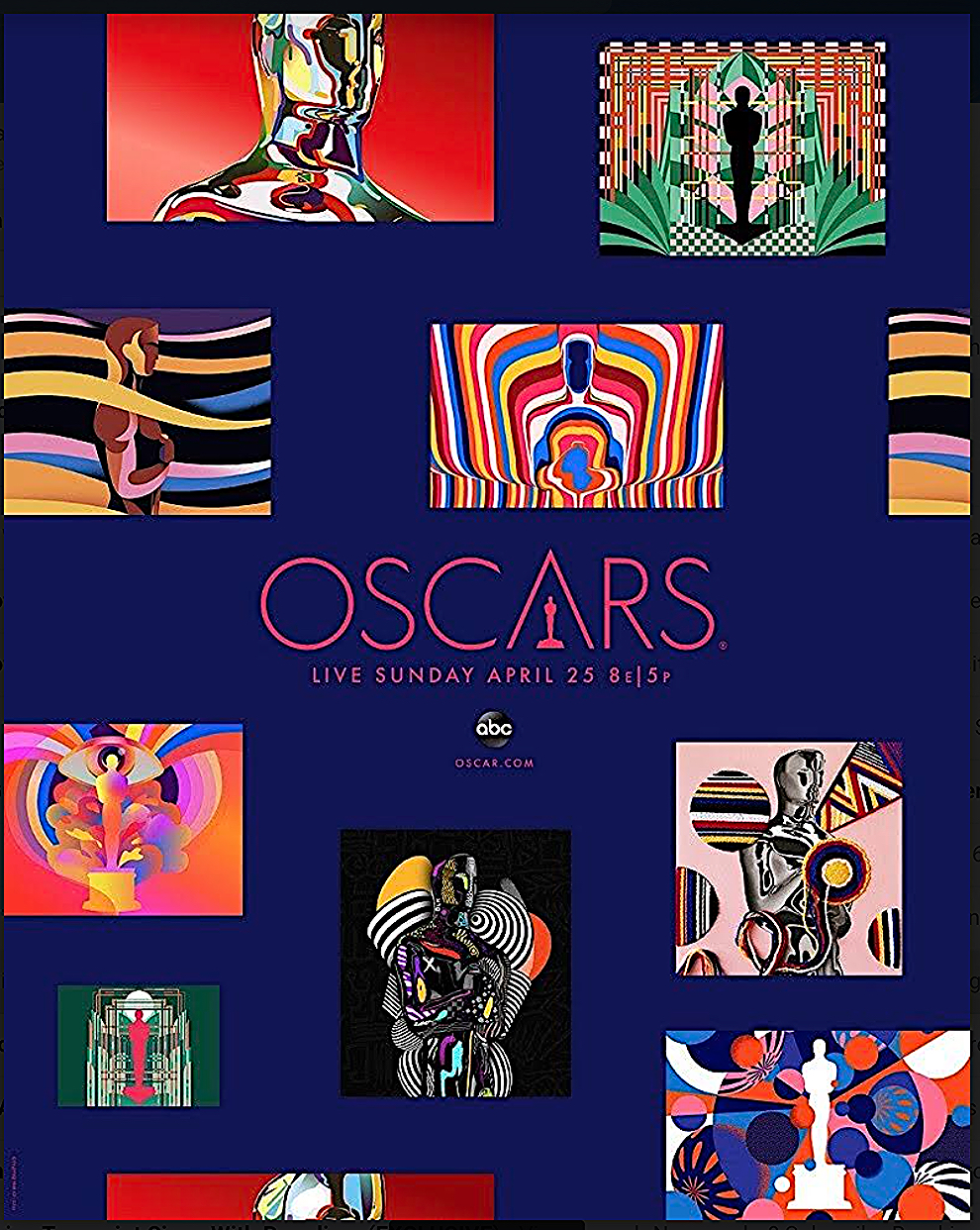
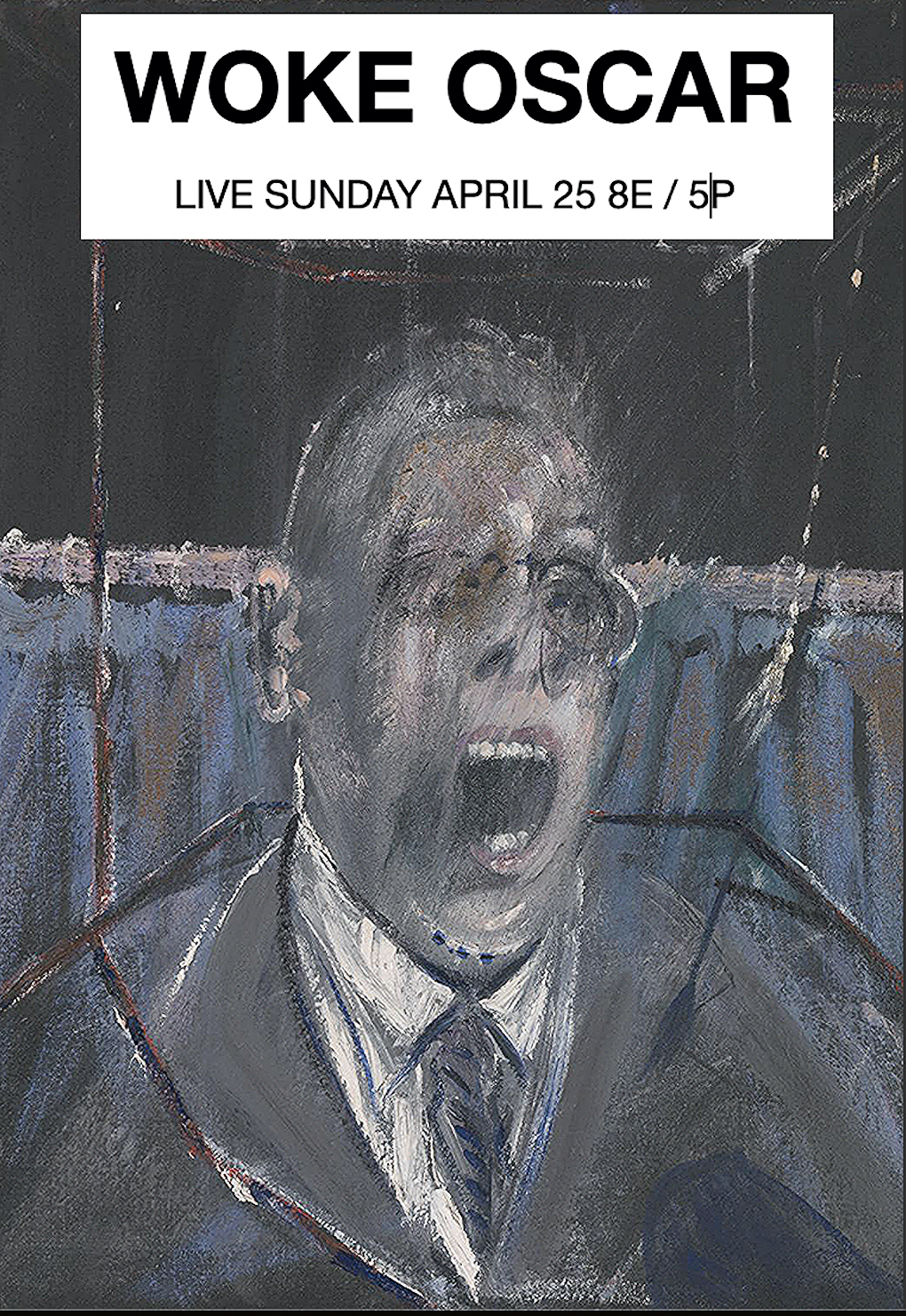
The official 2021 Oscar poster has been unveiled, and it mostly conveys a feeling of vague fear — a hodgepodge of different design concepts intended to “say” as little as possible about anything.

It certainly says nothing at all about what’s happening in Hollywood culture right now, and particularly about the woke psychology among the vanguard of Academy voters — a collective owning up to past and current sins (toxic white masculinity, systemic racism, predatory old-boy behaviors that suppress women) by advocating a certain corrective favoritism.

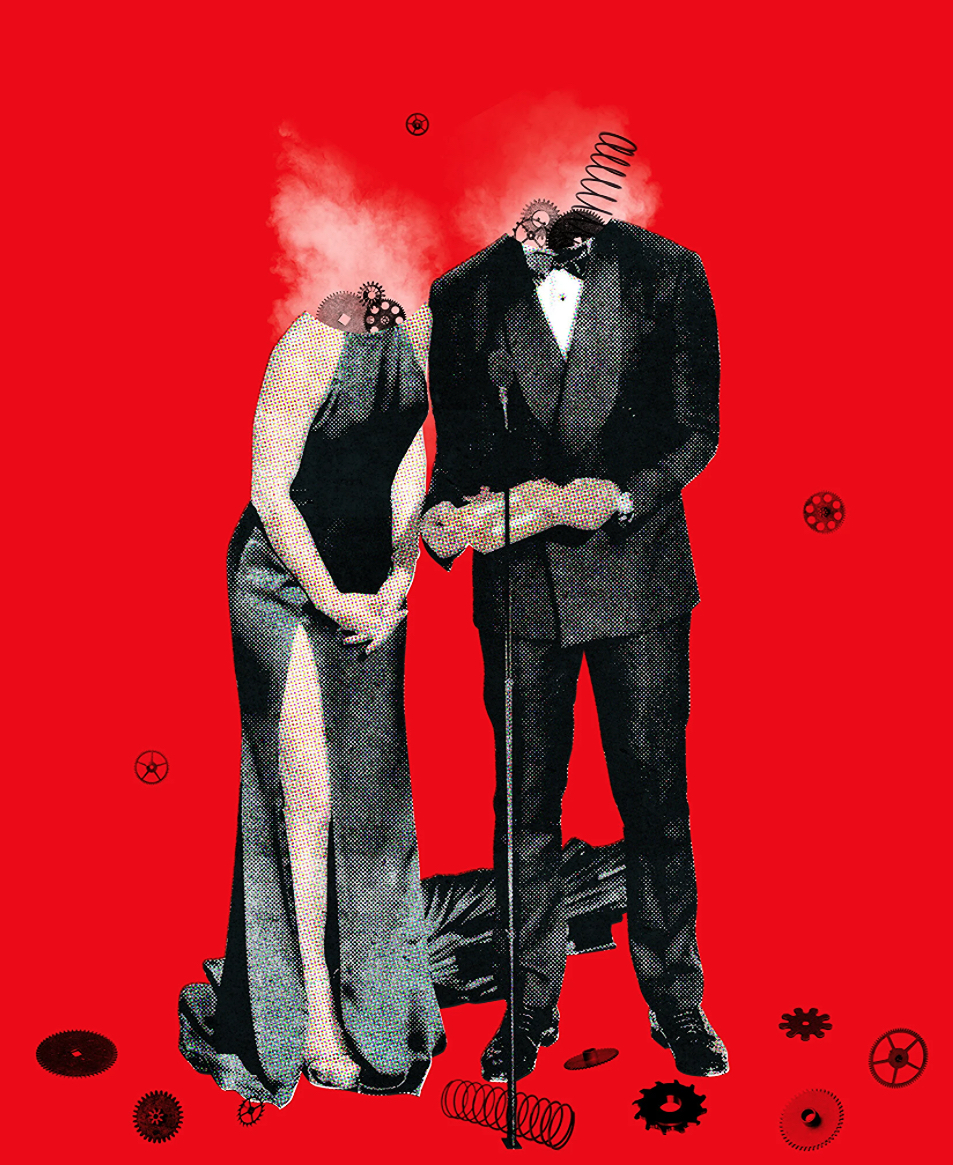
I prefer a concept that was created by Edmon de Haro [below] for a 1.27.21 N.Y, Times piece called “How Can the Oscars Be More Entertaining?

I’m not much of a designer but I’d also love to see an Oscar poster (unlike the below Francis Bacon nightmare) that visually conveys the power that women and POCs are currently, justifiably wielding along with (here’s the tricky part) some nebulous conveyance of cancellation terror a la ’50s blacklisting. Something in that realm.


N.Y. Times poster concept by Edmon de Haro.

Read more

Jonathan Shields Metaphor

Speaking about the “teenaged Spielberg in early ’60s Arizona” film (aka Young Beardo) that Spielberg has been co-writing with Tony Kushner and intends to direct this summer, HE commenter Manwe Sulimo posted the following this morning: “I’d rather watch a James Cameron biopic focusing on his legendary behind-the-scenes antics. This Mother Courage shit [i.e., Michelle Williams as Spielberg’s mom Leah] sounds boring.”

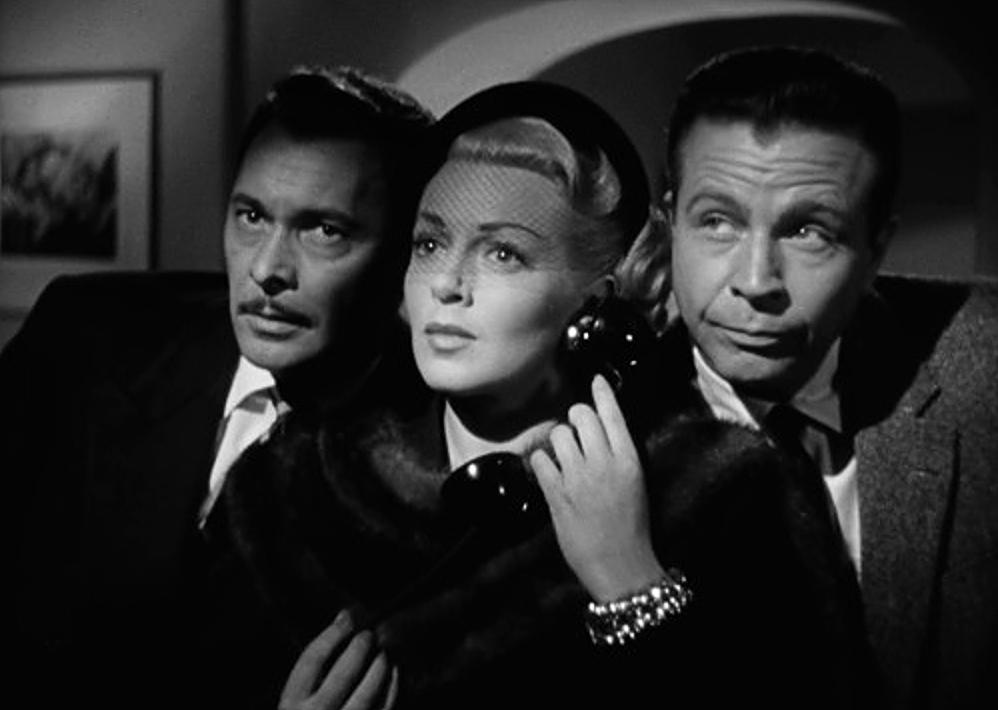
HE reply: I would DEARLY LOVE to see a behind-the-scenes James Cameron film. Perhaps a making-of-Titanic movie. Or perhaps one about making the original 1984 Terminator. A film about Cameron’s creative methodology, force of personality and blitzkrieg approach. Because Cameron is (or could at least be portrayed as) a real-life version of Jonathan Shields.

A hard-driving and manipulative Hollywood producer played by Kirk Douglas in The Bad and the Beautiful, Shields was demanding and overbearing but at the same time devoted to filmmaking excellence — 85% David O. Selznick, 15% Val Lewton. Cameron has long exuded this same powerhouse approach, and I love the idea that a backstage Cameron film might deliver the same theme or psychology conveyed in the very end of Vincente Minnelli‘s 1952 classic — i.e., while some might complain that Shields/Cameron is no day at the beach, at the end of the day they still want to work with him because he’s “got it.”

I’m sorry but I would much rather see a “look out, here comes the steam-rolling Cameron!” film than Young Beardo.


Barry Sullivan, Lana Turner and Dick Powell at the very end of The Bad and the Beautiful.

Read more