“Blues” Bloat, Nose Candy, etc.

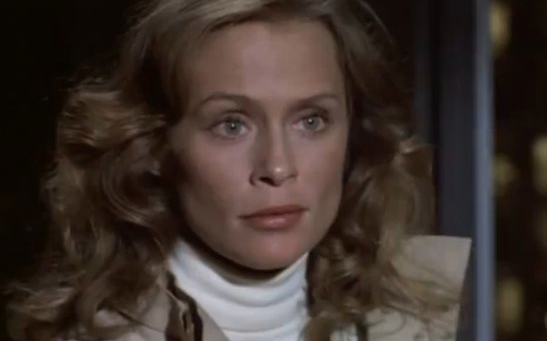
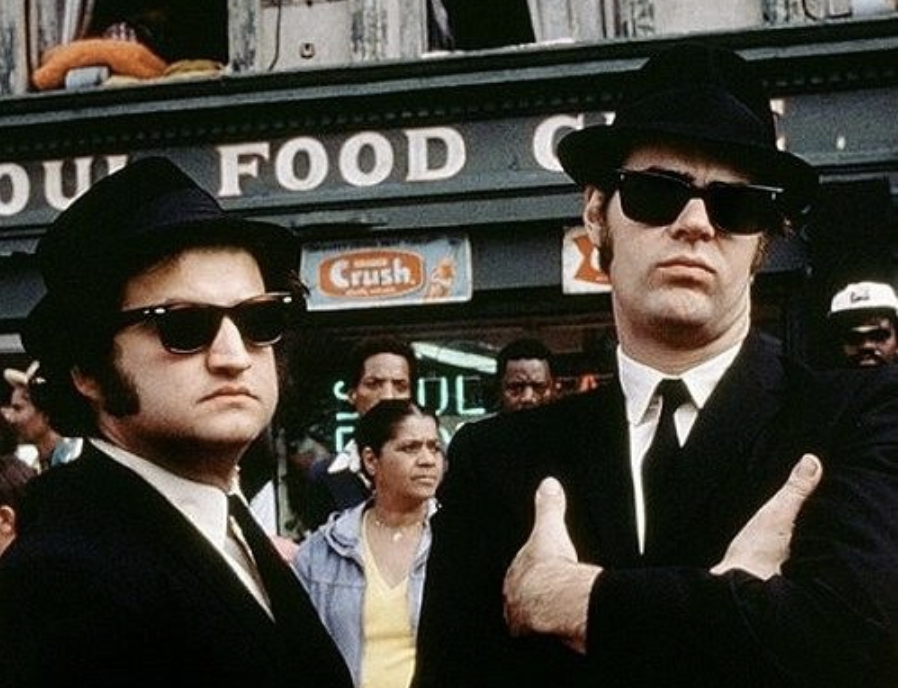
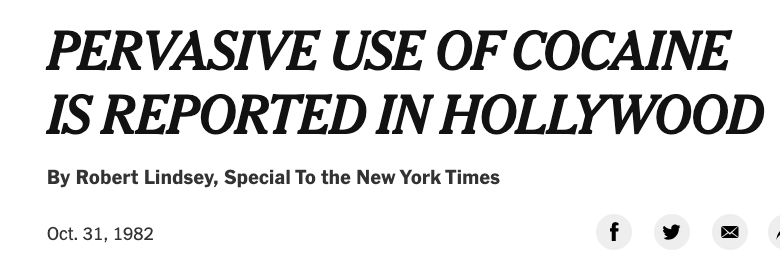
2020 marks the 40th anniversary of John LandisThe Blues Brothers (‘80), allegedly one of the biggest and most unmitigated cocaine movies ever made. HE is trying to recall other significant cocaine flicks of that era. Martin Scorseses New York, New York, for sure. Let’s try and come up with a fairly comprehensive list. The HE community can do this!

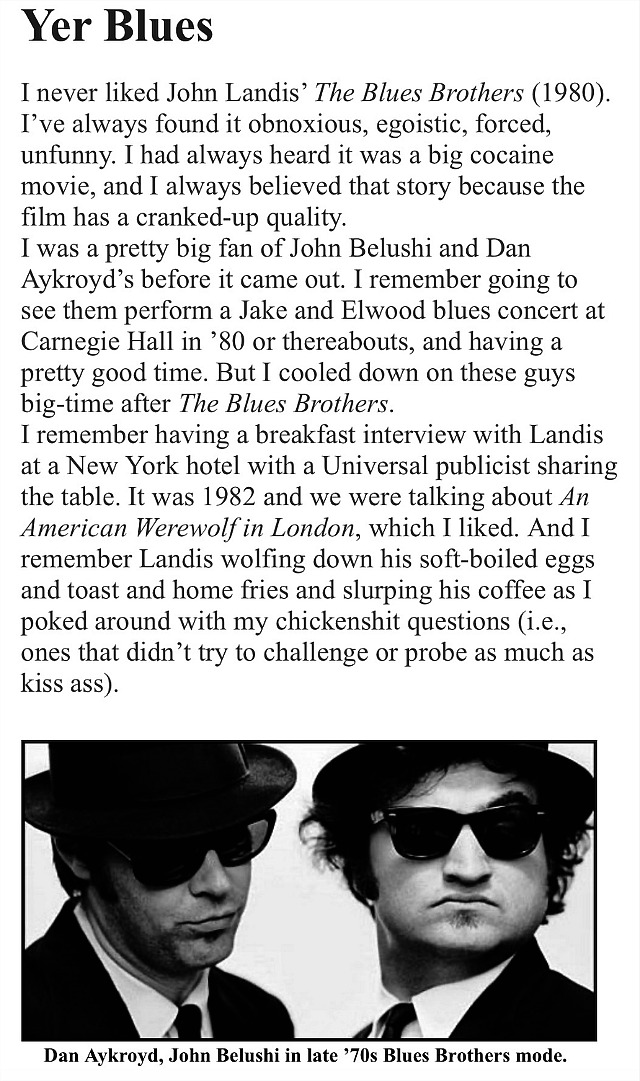
It’s also worth recalling, I think, the elephant-fart aroma that this film spread across the land. It was a comedy, of course, and so a certain raucousness was unavoidable. But it was also about a couple of Paul Butterfield-like devotees of Chess records, Muddy Waters and Howlin’ Wolf. Poseurs, certainly, but sincere about it. Guys who’d responded to the heart, ache and grit of the Chicago blues and were looking to spread the gospel, so to speak. On SNL and in live shows John Belushi and Dan Aykroyd‘s Blues Brothers act was funny and cool, but when Landis stepped in it all turned brazen and soul-less — over-produced, over-scaled, over-emphasized.

From Janet Maslin’s 5.20.80 N.Y. Times review: “There isn’t a moment of The Blues Brothers that wouldn’t have been more enjoyable if it had been mounted on a simpler scale. This essentially modest movie is reported to have cost about $30 million, and what did all that money buy? Scores of car crashes. Too many extras. Overstaged dance numbers. And a hollowness that certainly didn’t come cheap.

“A film that moved faster and called less attention to its indulgences might never convey, as The Blues Brothers does in all but its jolliest moments, such unqualified despair.”
Read more

“Just You Wait, Henry Higgins…”

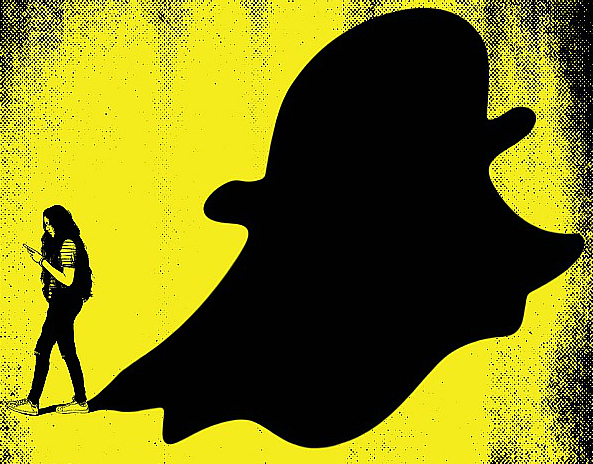
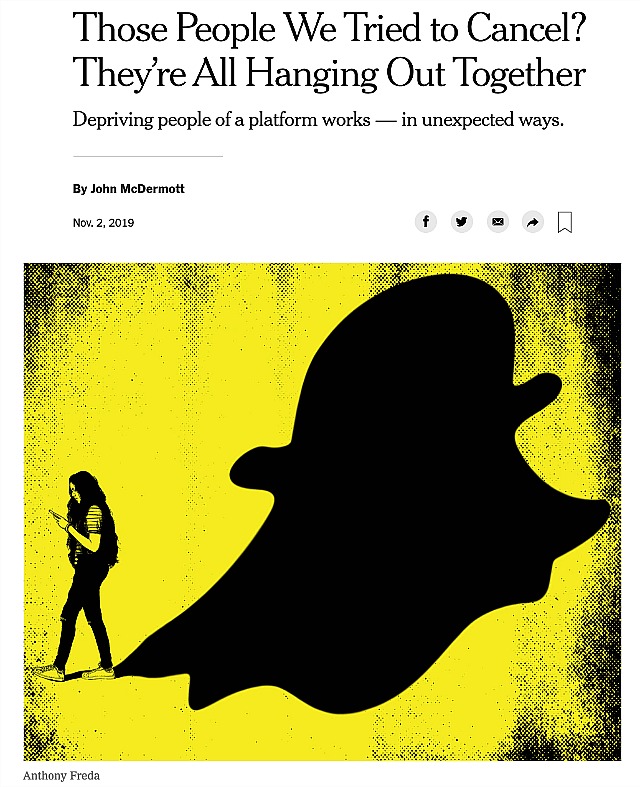
Anthony Freda‘s illustration says it all — cancel culture fanatics are the ogres of our time. I can’t wait until the culture swings back and around and everyone starts coming for them.

No, not punitively — I don’t want to see anyone’s career threatened or damaged — but wokesters deserve to be exposed for who and what they are, as no different in temperament or attitude than the rightwing legislators of the early to mid ’50s who destroyed the careers of several reputable screenwriters for being ex-Communists.

The 11.2 N.Y. Times article, written by John McDermott, is called “Those People We Tried to Cancel? They’re All Hanging Out Together.”

The best portion of the article focuses on the remarks of Jonathan Kay, an editor of Quillette, “an online publication that touts itself as a defender of free speech and has emerged as a home for the canceled to plead their cases.”

Excerpt: “Mr. Kay clarified that Quillette will not publish just anyone, however. ‘Being canceled is like autism — it’s a spectrum,’ he said. Harvey Weinstein would be a ‘no’ for him.

“’We’re much more interested in the opposite end of the spectrum, where you have people who have been accused of things that are much less serious, and don’t nearly approach a criminal level,’ Mr. Kay said.

“Readers want to hear from the canceled, but the larger motivation is philosophical. Quillette’s editorial point of view is that so-called cancel culture is overly punitive and lacks nuance.

“’When I went to law school, in the ’90s, the presumption of innocence was seen as a progressive value,’ Mr. Kay said. ‘Because who is mostly wrongly accused of crime? Racialized minorities. Blacks, Hispanics, the poor. More often than not, it protects marginalized communities. And now the presumption of innocence is seen as a conservative value. And that troubles me.’”

Brain-Dead “Irishman” Assessment

All great or extra-impact films say something that audiences recognize as truthful — things they’ve learned and accepted through their own travails, and which prompt a muttering of at least two things — (a) “Yup, that’s how it is, all right” and (b) “this movie knows what goes.”

The Social Network said that even cold-hearted geniuses have emotional needs and vulnerabilities. The Godfather, Part II said that close-knit families were drifting aport and falling into spiritual lethargy, especially given the fact that mafia karma is a bitch. High Noon says you can’t trust your fair-weather friends — only yourself. The Spy Who Came In From The Cold says that little people will always get squashed in the eternal battles between ruthless governments. Prince of The City says that you can’t purify your soul without ratting out your friends so live with your misdeeds. Shane says that being a gunslinger is a stain that can’t be erased. Sunset Boulevard says we all need to live in the present and that constantly looking back will kill you. North by Northwest says you can’t live a life of shallow, affluent diversion — that you have to man up and do the brave and noble thing. Raging Bull says that if you live like an animal, you’ll end up a lonely animal in a dressing room. Unforgiven says you can’t escape your basic nature, and that no one blows guys away like snarling Clint.

The Irishman says a lot of things, but the most profound takeaway is you can’t lie to your children or keep them at arm’s length. Well, you can but at your peril. Because old age, walking canes, Depends and death are just around the corner, and you might want a caring someone to talk to and hold your hand during the downswirl. Nobody gets out of life alive.

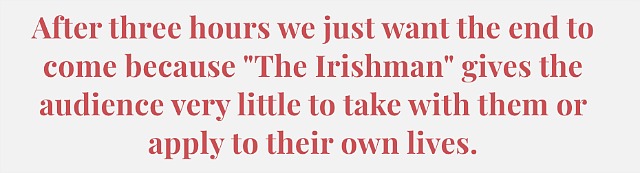
Consider the following capsule assessment of texasartfilm.net‘s Dustin Chase: “Two good performances and some technical wizardry doesn’t warrant [The Irishman‘s] excessive running time and crippled pacing. [For it] gives the audience very little to take with them or apply to their own lives.”

The natural, obvious, fall-on-the-floor response is “WHAT?” Followed by “what kind of a life has Dustin Chase lived?” God knows, but it hasn’t involved much in the way of mortal meditation. When I staggered out of that first Irishman press screening everyone was feeling gut-punched and gobsmacked by those last 30 to 40 minutes. An older actress friend had tears in her eyes.

And “two good performances”? Try 11 or 12, minimally — Robert De Niro, Al Pacino, Joe Pesci, Stephen Graham, Marin Ireland and the wordless Anna Paquin are the stuff of instant relish and extra-level pulverizing. Not to mention Harvey Keitel, Ray Romano, Bobby Cannavale, Kathrine Narducci, Domenick Lombardozzi as “Fat Tony” Salerno, Sebastian Maniscalco as “Crazy Joe” Gallo, etc. Everyone in this film is perfect. The awareness that you’re watching actors giving performances goes right out the window almost immediately. You’re just there and so are they and vice versa.

Excessive running time“? The Irishman feels like two, maybe two and a half hours, max.

“Crippled pacing”? Who is this guy?

Ignoring Crosby Doc Is Borderline Criminal

A few days ago the Broadcast Film Critics Association announced its Best Documentary nominations. The awards will be presented on Sunday, 11.10, at BRIC in Brooklyn, per longstanding tradition.

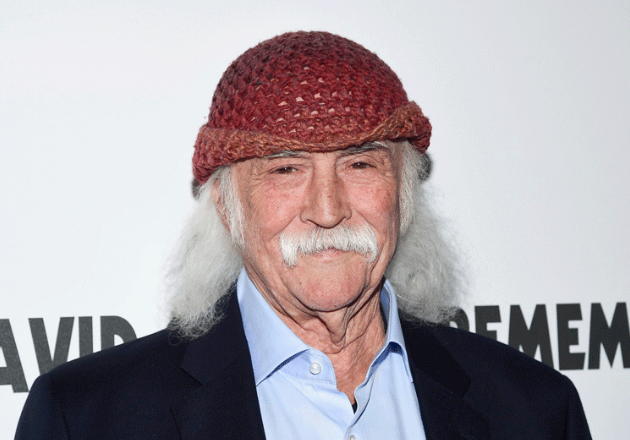
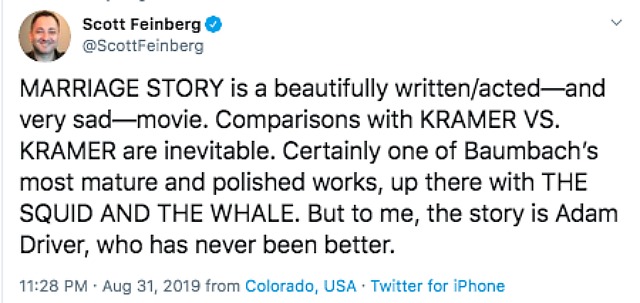
The org’s top nominees are The Biggest Little Farm, Apollo 11 (an HE fave) and Peter Jackson‘s They Shall Not Grow Old (ditto). I’m a loyal and respectful BFCA member, but ignoring A.J. Eaton and Cameron Crowe‘s David Crosby: Remember My Name is, no offense, deranged. The film is mystical, mythical, uplifting and brazenly honest — it restoreth your soul. And it doesn’t matter if Crosby didn’t get along with Scott Feinberg two or three months ago. Please…a non-issue.

HE’s list of the finest and most award-deserving 2019 documentaries, 14 in all and in this order:

(1) David Crosby Remember My Name, (2) Martin Scorsese’s Rolling Thunder Review (except for the fantasy fake-out interviews), (3) Madds Bruger‘s Cold Case Hammarskjold, (4) Asif Kapadia’s Diego Maradona, (5) Rob Epstein and Jeffrey Friedman‘s Linda Ronstadt: The Sound of My Voice, (6) Untouchable, (7) Mike Wallace Is Here, (8) Alexandre O. Philippe‘s Memory: The Origins of Alien, (9) Apollo 11, (10) Dan Reed‘s Leaving Neverland, (11) Peter Jackson‘s They Shall Not Grow Old, (12) Matt Tyrnauer‘s Where’s My Roy Cohn?, (13) Ken BurnsCountry Music and (14) The Edge of Democracy.

Evans In Heaven

The spirit of the great Robert Evans has left the earth and risen into the clouds. A fascinating character, a kind of rap artist, a kind of gangsta poet bullshit artist, a magnificent politician, a libertine in his heyday and a solemn mensch (i.e., a guy you could really trust).

For a period in the mid ’90s (mid ’94 to mid ’96), when I was an occasional visitor at his French chateau home on Woodland Drive, I regarded Evans as an actual near-friend. I was his temporary journalist pally, you see, and there’s nothing like that first blush of a relationship defined and propelled by mutual self-interest, especially when combined with currents of real affection.

There are relatively few human beings in this business, but Evans was one of them.

You’re supposed to know that Evans was a legendary studio exec and producer in the ’60s and ’70s (The Godfather, Chinatown, Marathon Man) who suffered a personal and career crisis in the ’80s only to resurge in the early ’90s as a Paramount-based producer and author (“The Kid Stays in the Picture”) while reinventing himself as a kind of iconic-ironic pop figure as the quintessential old-school Hollywood smoothie.

From my perspective (and, I’m sure, from the perspective of hundreds of others), Evans was a touchingly vulnerable human being. He was very canny and clever and sometimes could be fleetingly moody and mercurial, but he had a soul. He wanted, he needed, he craved, he climbed, he attained…he carved his own name in stone.

The Evans legend is forever. It sprawls across the Los Angeles skies and sprinkles down like rain. Late 20th Century Hollywood lore is inseparable from the Evans saga — the glorious ups of the late ’60s and ’70s and downs of the mid ’80s, the hits and flops and the constant dreaming, striving, scheming, reminiscing and sharing of that gentle, wistful Evans philosophy.

He was an authentic Republican, which is to say a believer in the endeavors of small businessmen and the government not making it too tough on them.

Rundown of Paramount studio chief and hotshot producer output during the Hollywood glory days of the late ’60s, ’70s and early ’80s — (at Paramount) Rosemary’s Baby, Love Story, Harold and Maude, The Godfather, Serpico, Save The Tiger, The Conversation; (as stand-alone producer) Chinatown, Marathon Man, Black Sunday, Urban Cowboy, Popeye, The Cotton Club, Sliver, Jade, The Phantom, etc.

Not to mention “The Kid Stays in the Picture” (best-selling book and documentary) and, of course, Kid Notorious. Not to mention Dustin Hoffman‘s Evans-based producer character in Wag the Dog.

And you absolutely must read Michael Daly‘s “The Making of The Cotton Club,” a New York magazine article that ran 22 pages including art (pgs. 41 thru 63) and hit the stands on 5.7.84.

Read more

“Marriage Story” Power Chords

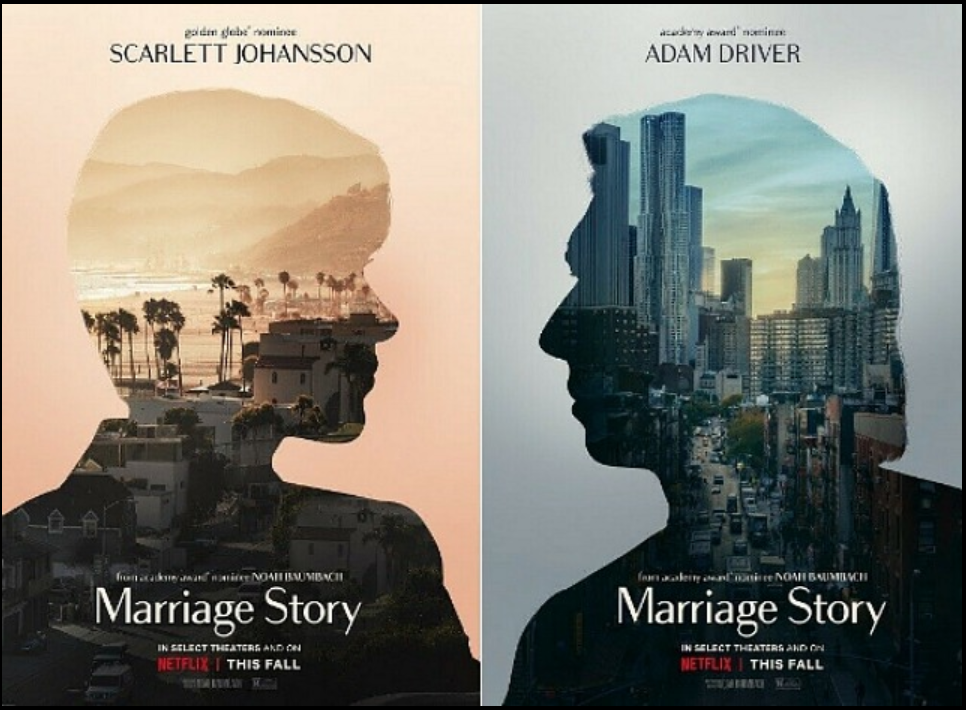
I finally caught Noah Baumbach‘s Marriage Story Saturday evening. With all the buzz I was more or less expecting the moon, I suppose, but I wasn’t disappointed. It didn’t quite melt me down like Kramer vs. Kramer did 40 years ago, but it sure softened me up. Which it to say I felt “met” on adult terra firma, and within a fully recognizable realm.

It’s more Ingmar Bergman than Robert Benton-esque. But sensibly so. Like all fine, steady, smart films that open between October and December, Marriage Story delivers the goods in a way that seems to fundamentally apply. It’s “one of those.” And I didn’t think of it as Black Widow vs. Kylo Ren. Well, if their defenses were considerably lessened.

I felt vaguely unsure where it was going or what it was up to a couple of times, but I mainly felt like I was in good, safe hands — gripped, touched, respectful, comfortable (because it never goes crazy or overly dark, it never breaks the trust) and always recognizing the truth of what’s on the plate.

Marriage Story is easily Baumbach’s best film, above and beyond The Squid and the Whale, and surely contains the best, most fully felt, deep-from-within performances that Adam Driver and Scarlet Johansson have given thus far. It’ll be really, really difficult for them to top this.

Best Picture nom, Best Director/Original Screenplay noms (Baumbach), Best Actor and Actress (Driver, ScarJo) and maybe a Best Supporting Actress nom for Laura Dern because of a single, third-act rant she delivers about society’s unfair attitudes toward women in terms of idealized “male gaze” expectations, and probably a nomination for composer Randy Newman.

The costar performances are just right — Azhy Robertson as Henry, Alan Alda and Ray Liotta as attorneys with radically different styes, Merritt Wever, Julie Hagerty, et. al.

It’s an honestly felt, emotionally complex (and sometimes convulsive) marital-downswirl drama, but with a rather middle (moneyed) class attitude…acrimony tempered by sensible sensibilities. Fundamentally decent people with the usual issues and shortcomings, but nobody’s a raving lunatic Nobody throws up or gets busted in some lewd, embarassing infidelity or throws a frying pan or drives a car off a bridge or runs naked into a traffic jam.

Driver and ScarJo are the married, Brooklyn-residing Charlie and Nicole, the latter a successful theatre director and the former his star performer who feels overshadowed by Charlie’s egocentric attitudes and looking to possibly re-launch her acting career in Los Angeles with a promising TV series.

Read more

Wyatt In The Sky

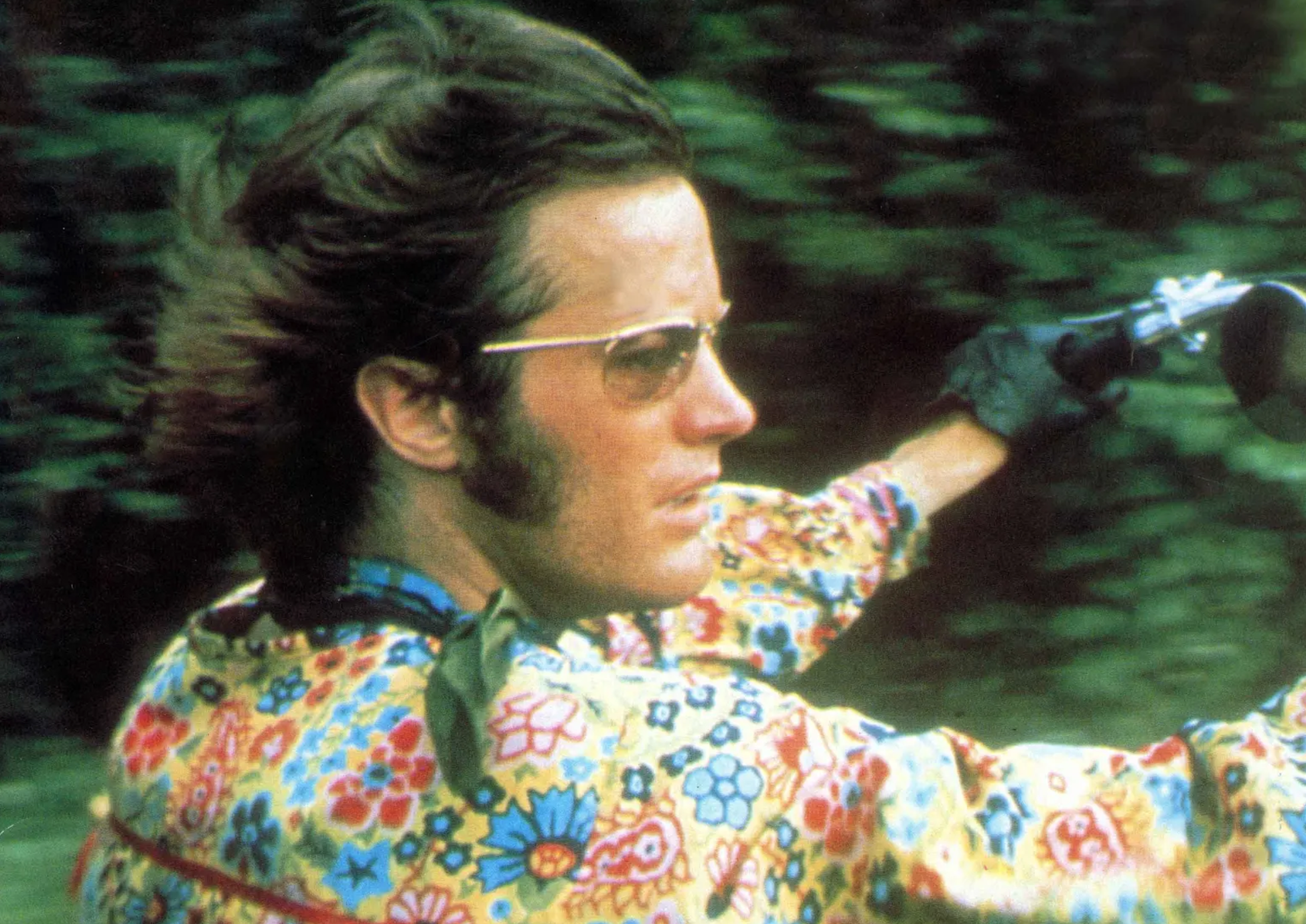
The iconic and legendary Peter Fonda (or “Peter Fondue,” as Dennis Hopper once called him) passed this morning at age 79. Now Wyatt and Billy are in biker heaven together, cruising on some two-lane blacktop somewhere in New Mexico. No, they’re not actually — death has simply paid them both a visit now, and I’m very sorry. Hugs and condolences to the Fonda family (Jane in particular), Peter’s filmmaking colleagues, friends (in Los Angeles as well as Paradise Valley, Montana) and fans.

Like anyone else Fonda had his up and down periods, his dark or fallow or inactive periods, but during the heyday of the ’60s, man, or more precisely between mid ’65 and the release of Easy Rider on 7.14.69, Peter knew the language…he knew his way around.

By HE calculations Fonda created, participated in or partly authored six culturally important events in his life.

One, when he told John Lennon that “I know what it’s like to be dead” while they were tripping (along with a few others) in a Benedict Canyon hillside home in August ’65. This inspired Lennon to write “She Said She Said.”

Two, when Fonda starred in a pair of influential mid ’60s counter-culture flicks — Roger Corman‘s The Wild Angels (’66) and The Trip (’67).

Three, when Fonda, Dennis Hopper and Jack Nicholson re-ordered the motion picture universe with Easy Rider (’69).

Four, when Fonda directed and starred in The Hired Hand (’71), easily his finest directing effort and arguably the second best film he ever starred in.

Five, his near-perfect performance as Terry Valentine in Steven Soderbergh‘s The Limey (’97).

And sixth, his performance in Victor Nunez‘s Ulee’s Gold, which I saw at Sundance in January ’97.

Fonda was always cool if you had something to say. He was with me, at least, on three or four occasions. The first time we spoke was when I interviewed him about his Split Image role (a cult leader) for the N.Y. Post. (One of the sub-topics was Biker Heaven, a proposed sequel to Easy Rider that would have costarred Fonda and Hopper.) Then at a Toronto Film Festival party for The Limey in September ’97. The last time I saw Fonda was toward the end of a party for Silver Linings Playbook at the Chateau Marmont, six or seven years ago. You’d say whatever came to mind and Fonda would return the volley if you were making any sense.

He loved his aloof dad, Henry Fonda, and in fact told me so when we did that ’82 interview in Manhattan. Peter would look right at you and hold the stare when he said stuff like this. He had kind, trusting eyes and what seemed to me like a fairly large heart.

Read more

Silverman Heroically Stands Up To Cancel Culture

“Cancel culture”, which has been calling the shots for the last two or three years, is basically about a consensus view among p.c. progressives that ruining careers of this or that sexist abuser or criminal will send the strongest message to other potential abusers to stop and desist. Younger progressive women are understandably the main believers and drivers. Certain abusers obviously deserve cancelling, others are or were more deserving of temporary ostracism (Aziz Ansari), and a third group arguably doesn’t deserve to be on anyone’s hit list at all.

I’ve heard and read that “cancel culture” would love to deepsix Bill Maher, to mention one example, but they don’t have the horses.

As HE readers know, cancel culture deep-sixed my Sundance press pass late last year. I still covered Sundance ’19 by the good graces of my publicist pals, but it’s creepy nonetheless. I haven’t abused anyone — I’m just an opinionated bigmouth. Have I written five or six ill-advised or clumsily-phrased posts that I regret putting to pen? Yeah, but nothing I can’t mount a vigorous defense of if you wanna get into it. (Which I don’t at this point.) I’ve behaved like an asshole now and then, sure. The heaviest hits came from a couple of posts that surfaced a decade ago (partly due to an imbibing lifestyle I was leading at the time). I wish I could wipe it all away.

But these are zing blips on the screen compared to the torrents of material I’ve posted since the launch of HE in August ’04, not to mention the previous column material (Mr. Showbiz, Reel.com, Movie Poop Shoot) that I posted from ’98 to ’04. Not to mention my mainstream reportings in the bigtime ’90s and before.

Anyway, having actually felt the hot breath of the p.c. Stasi on the back of my neck, I damn near melted with love and gratitude when I read Sarah Silverman’s recent comments about cancel culture, as shared on an 8.8 Bill Simmons podcast.

Silverman: “I recently was going to do a movie, a sweet part, then at 11 pm the night before they fired me because they saw a picture of me in blackface from that episode. I didn’t fight it. They hired someone else who is wonderful but who has never stuck their neck out. It was so disheartening. It just made me real, real sad, because I really kind of devoted my life to making it right.”

However, Silverman said, cancel culture, which she has called “righteousness porn,” is “really scary and it’s a very odd thing that it’s invaded the left primarily and the right will mimic it.

Read more

Wrong

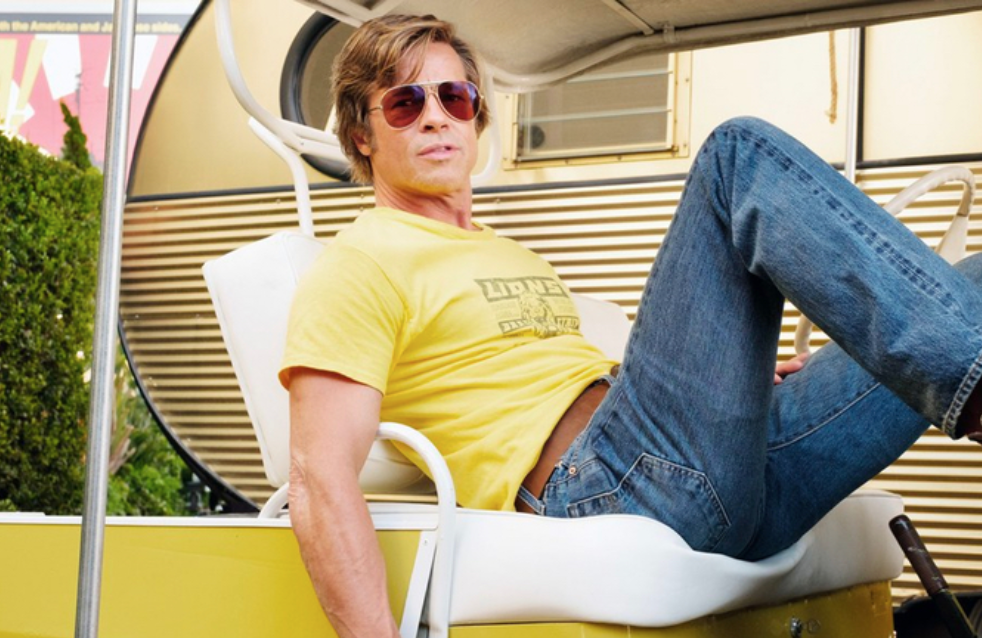
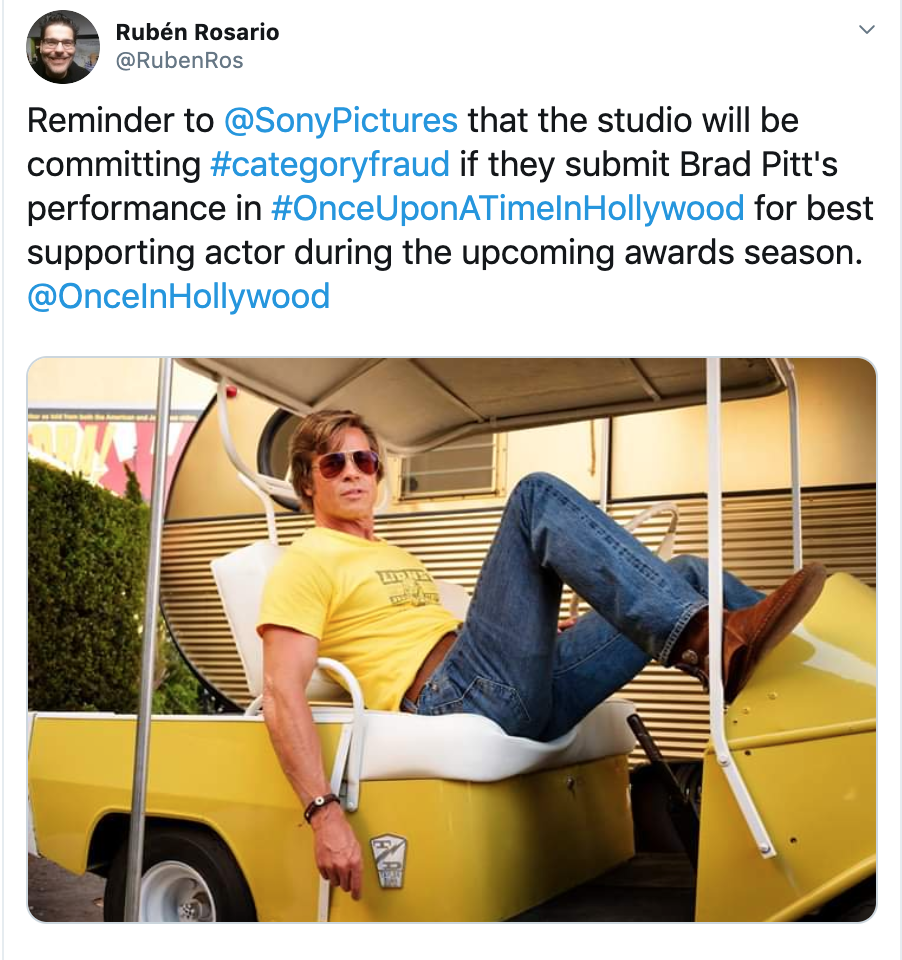
Leonardo DiCaprio‘s Rick Dalton is obviously the lead, and Brad Pitt‘s Cliff Booth is the cool best friend. In other words, a supporting character.

Affectionate Thievery

Two or three weeks before the 2.8.80 opening of The Fog, I did a sitdown interview with director/co-writer John Carpenter.

I told him I was a big fan of Somebody’s Watching Me, a voyeurism-and-stalking flick that Carpenter made right before Halloween (but which aired on 11.29.78, or a month after Halloween opened). I noted, however, that the main-title sequence — bold color, aggressive music, white parallel lines blending into a shot of a high-rise — was clearly “lifted” from the beginning of Alfred Hitchcock‘s North by Northwest.

My observation was offered in the vein of that famous T.S. Eliot remark: “Immature poets imitate; mature poets steal.” All enterprising artists “take” from the masters, and Carpenter had stolen from one of the best…no biggie.

For some reason Carpenter took umbrage. “Lifted?” he said. “Well, yeah,” I replied. “Borrowed from, inspired by, affectionately stolen…that line of country.” Carpenter frowned, grumbled, hemmed and hawed. But after some discussion he finally blurted out, “Okay, fine…I stole it!”

Shout Factory released a Somebody’s Watching Me! Bluray on 8.7.18.

Refreshable Boxy Fetish

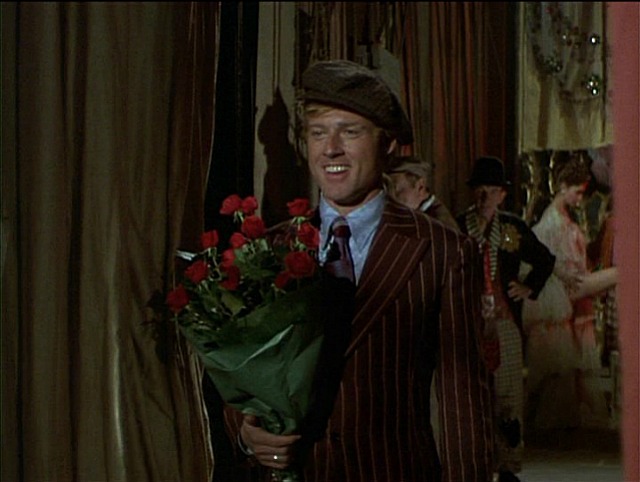
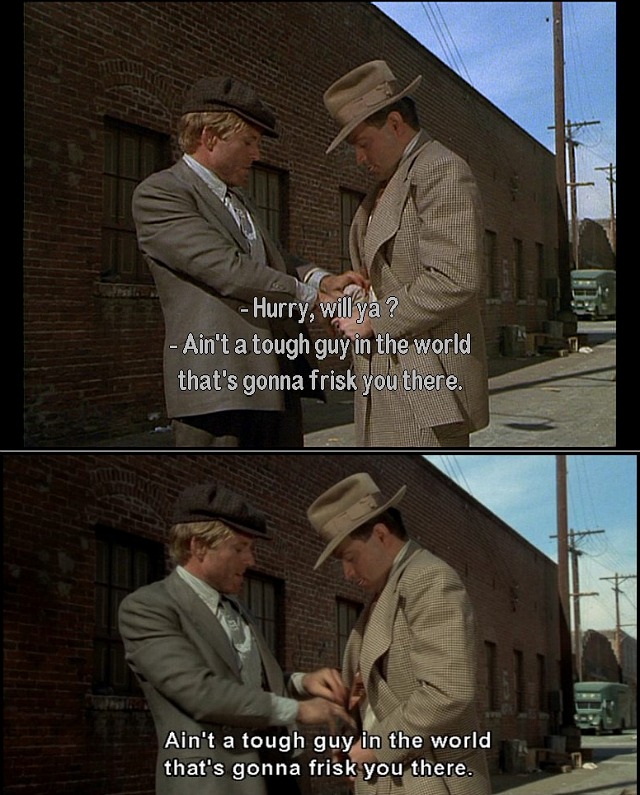
I’ve just bought the very last Amazon copy of a DVD containing a 1.33:1 aspect ratio version of The Sting. Which I’ve never seen in my life. Every time I’ve watched this 1973 George Roy Hill classic it’s always been cropped to 1.85. As the film takes place in 1934 or thereabouts, a boxy aspect ratio (standard Academy ratio back then) is a perfect complement. Acres and acres of extra visual information (tops and bottoms)…I’ve already got the chills. The DVD in question was released in 2010.

Young Frankenstein, which also apes the mood and ambience of the early to mid ’30s, would have been another perfect boxy, especially in high-def. I’m not expecting to see any overhead boom mikes dropping into the frame — that’s a phony disinformation meme circulated by 1.85 fascists.

Note: Comparison shots stolen from DVD Beaver.

Crocodile Butt Cheeks

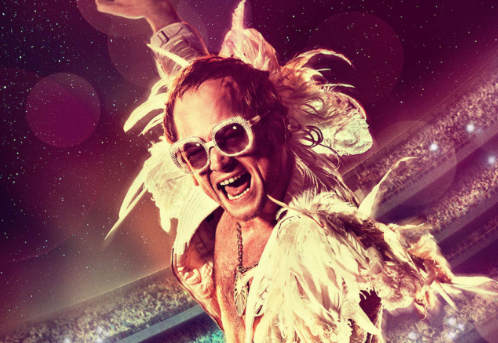
If I was in charge of maximizing Rocketman revenues, I would simply split the difference — for the more liberal-minded U.S. and European markets, I would include the 40-second scene in which Elton John (Taran Egerton) and his manager John Reid (Richard Madden) exchange a little erotic current, but for the allegedly homophobic territories in question I would distribute a version of the film without these 40 seconds.

I wouldn’t feel very good about this, but Paramount stockholders would approve, I think. And gay culture would be in fine shape the morning after.

Guy Lodge sez: “Please tell me again how homophobia isn’t the default position for absolutely everything. Egerton and Madden should refuse to do any promo for the film if that scene is cut. Simple as that.”

Ștefan Iaonco sez: “The problem [always] arises if companies want to distribute films in places like China, Africa, the Middle East. They either go ‘true to the gay’ and accept it [as a] North America & Europe-only distribution [situation], or, if they want global sales, they straight-wash. It’s art vs. commerce.”