Finally Honoring The Unsung Mort Glickman

Yeah, I know…Mort who?

It’s been asserted for years by people seemingly in the know that the actual composer of the famously eerie Invaders From Mars score is not Raoul Kraushar, as I’ve stated a few times on HE, but longtime Republic Pictures composer Mort Glickman.

Reporting has it that Kraushar was a Hans Zimmer-like operator and compiler who would hire guys to ghost-write scores, which Kraushar would then take credit for.

I’ve been persuaded that the claims about Glickman may have merit. Okay, that they’re probably legit.

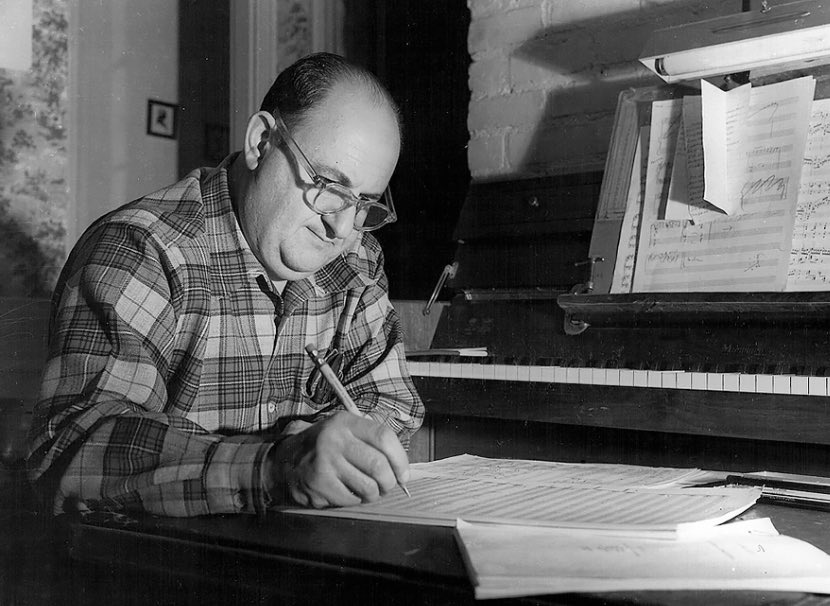
I am therefore apologizing if in fact (as it appears) I have passed along bad intel. Kraushar was apparently not the Invaders From Mars composer, and I apologize for previously failing to report that Glickman, a stocky, bespectacled guy who looked like a 1950s grocery-store clerk and could have played a behind-the-counter colleague of Ernest Borgnine‘s in Marty…Glickman was the maestro!
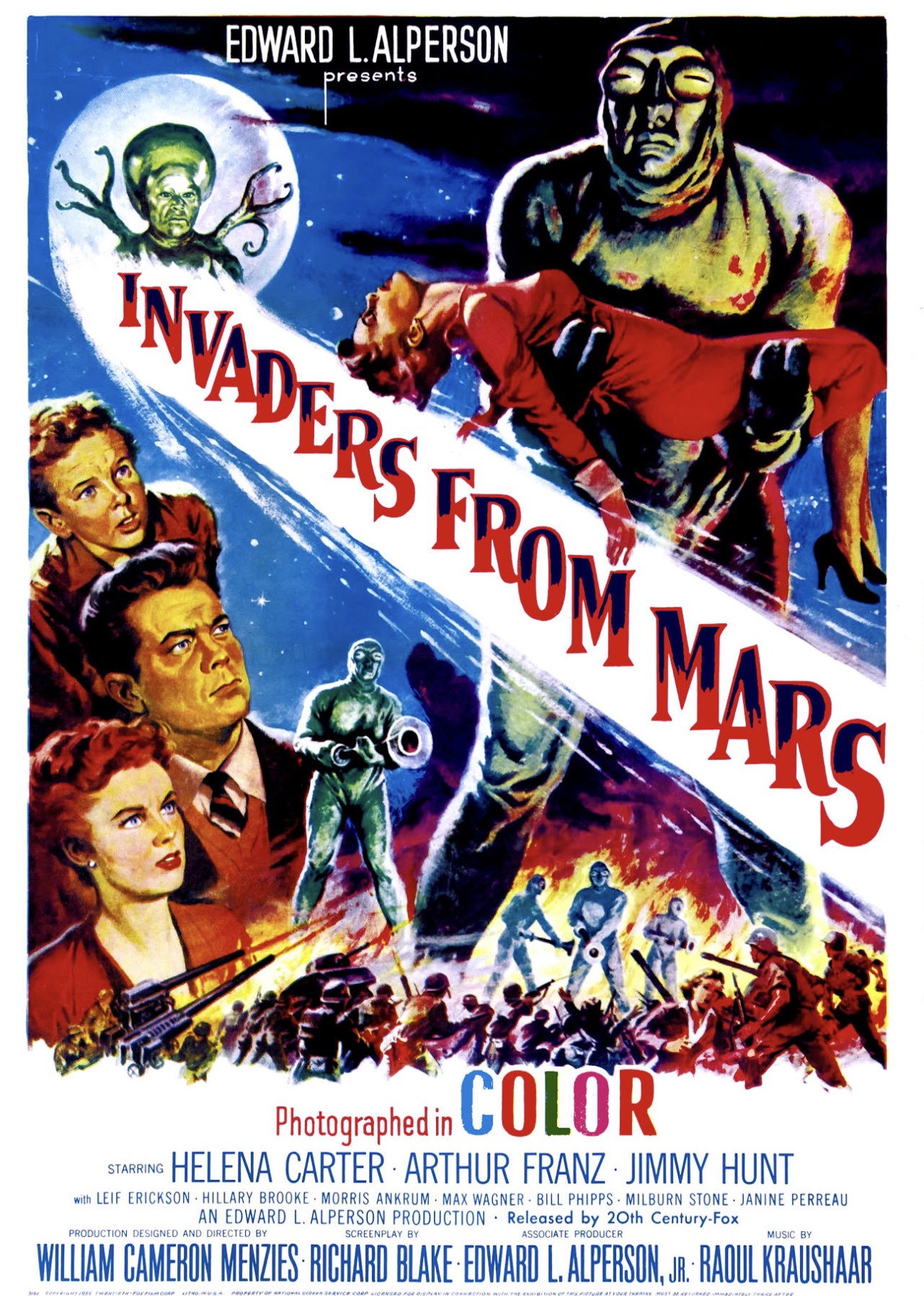
Three people have made the case — (1) David Schecter, co-producer of Monstrous Movie Music, a “series of re-recordings which feature a wealth of classic music from many of everyone’s favorite science fiction, horror and fantasy films”, (2) Janne Wass in a 2016 article for scifist.wordpress.com, and (3) William H. Rosar, author of a 1986 CinemaScore article titled “The Music for Invaders From Mars.”

Rosar excerpt: “Credited to Raoul Krau­shaar, a Paris-born composer who was educated in the United States and began working in films in 1928 as a musical assistant and later music director, the music for Invaders From Mars has frequently been singled out as one of the best 1950s science fiction film scores, its eerie choral arrange­ments and bleak aca­pella ‘conjuring up visions of a dying Mar­tian land­scape or the wailing of fright­ened minds in hell,’ as one reviewer wrote.

“Recently, however, it has come to light through several reliable sources that Krau­shar may not have scored Invaders From Mars at all, but instead only conducted it, the score having been written instead by Mort Glickman, a con­tracted ghost writer.”

The first heads-up came from Schecter, who wrote the following in a 3.31.22 HE comment thread about the restored, soon-to-premiere Invaders From Mars:

“Raoul Kraushaar couldn’t compose his way out of a paper bag. I work in the film music industry and am considered one of the experts in classic sci-fi and horror music. I even spoke to Raoul, who was very good at ‘skirting the issue.’ Kraushaar was notorious for using ghost-writers, and I knew some of the composers who wrote for him, including Bert Shefter (who wrote with Paul Sawtell).

“And all the composers back then knew that Kraushaar wasn’t a composer — he was a ‘compiler.’ It was legal to use ghost-writers, but that doesn’t mean people shouldn’t know the real story.


Read more

Emoji From Hell

A perverse billionaire seeks me out and say he’s a huge fan of Hollywood Elsewhere, and in return for the good writing and rich observations and recollections over the last 19 years he wants to do me a favor.

He offers me the option of living for free in a two-story, old-world villa in the Trastevere section of Rome — a place he’s owned for decades but never visits. He says I can stay there as long as I want. Which I like the sound of right away — easy travels to various top-tier European film festivals (Cannes, Venice, Berlin) plus I’ve always loved Rome, etc. I thank him and tell him the invitation is highly alluring.

However (here’s the catch) the billionaire insists that a massive blowup of the below emoji must hang on the living room wall, and can’t be taken down. He says it’ll be good for my soul, and will make me a kinder, gentler person. An employee of the billionaire will come to inspect the place randomly, he says, and if the emoji is ever removed I’ll be obliged to move out.

After thinking about living with this emoji I realize that billionaire is not just perverse but the devil himself. I reach out and thank him for his incredible generosity and good heart, but I politely decline the offer.

To Carry Guilt, or Not Carry Guilt

One of the finest HE posts ever, a little more than six years old and titled “Tear-Assing Down To Rome Under A Night of a Thousand Stars.” The best part is excerpt #2 [after the jump] — a parable about how to live and not live.

Jean Stein‘s “West of Eden: An American Place” is a great literary time trip about four Hollywood legends and an also-ran– Edward Doheny, Jack L. Warner, Jane Garland, Jennifer Jones and Jules Stein (i.e., Jean’s dad) — told through a series of oral-history passages. It’s a saga of the spirited, bent-out-of-shape Hollywood royals of the ’40s, ’50s and ’60s — intimate tales of eccentricity, flamboyance and (putting it very mildly) curious, compulsive behavior.

I bought a copy during the Santa Barbara Film Festival but I’m only just getting around to reading it now. I’m passing along two excerpts from the Jennifer Jones chapter — both from the memory of Robert Walker, Jr., the son of Jones and actor Robert Walker (i.e., Bruno Antony in Strangers on a Train). Walker, Jr. (Stein refers to him as “Bob Walker) was the guy who said grace (a kind of prayer) during the hippie commune passage in Easy Rider.

Excerpt #1, about the 13-year-old Walker’s experience during the 1953 filming of John Huston‘s Beat The Devil, portions of which happened in Ravello, Italy, on the Amalfi Coast: “Roberto Rossellini and Ingrid Bergman were also down there to do a movie [i.e., Journey to Italy/Viaggio in Italia], not that many miles from us. At the time I was madly in love with Ingrid Bergman. At some point during a break in the filming, we all went to Capri for a few days, and she was with us. I remember her lying above the blue grotto in this beautiful, light blue bathing suit, and her blonde Swedish hair blowing in the wind. I thought she was a vision of loveliness.

“Then we were all in Naples and heading to Rome, probably to do some more work for the film. I remember Mother got into a limo, but [my younger brother] Michael and I ended up piling into Rossellini’s big Ferrari convertible. We all little goggles on, and those little cloth helmets that they used to wear to keep their hair in place. The Ferrari looked very racy and sporty and had a number on the side, I think. Rossellini was driving. He took off and must have been going 120 miles an hour to Rome. I must have been in some kind of hog heaven, little kid heaven.

Read more

World of Reel’s Best of ’70s Poll

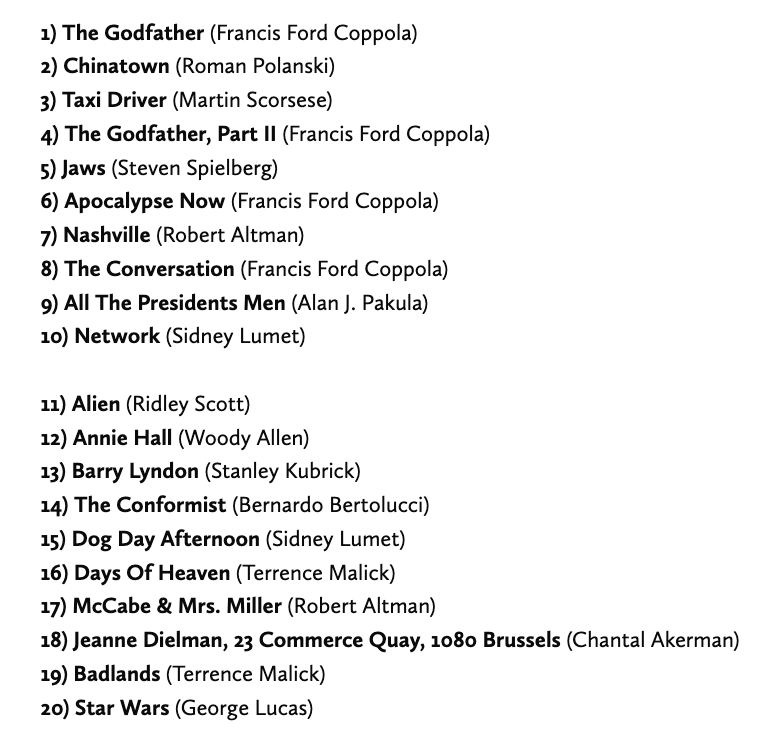
A day or two ago World Of Reel‘s Jordan Ruimy posted results of his own “best of the ’70s” poll, fortified by the opinions of 150 critics, filmmakers and historians.

Francis Coppola’s The Godfather was #1, of course, but one of HE’s ’70s favorites — John Carpenter‘s Assault of Precinct 13 — was ignored by this crowd. And two legendary Hal Ashby films — Shampoo and Being There — were ranked below Dawn of the Dead….c’mon!

Jaws is not the fifth greatest motion picture of the ’70s…obviously crafty and impactful but it’s a popcorn film. And get Nashville out of the #7 slot (Larry Karaszewski disagrees!) and install The Long Goodbye in its place.

Four Coppola films cracked Ruimy’s top 10: The Godfather. The Godfather, Part II (#4), Apocalypse Now (#6) and The Conversation (#10).

Here’s my top 15 (previously posted):

1. The Godfather (’72), 2. The Godfather, Part II (’74). 3. The French Connection (’71), 4. All The Presidents Men (’76), 5. Assault on Precinct 13 (’76), 6. Network (’76), 7. Serpico (’73), 8. The Last Detail (’73), 9. Chinatown (’74), 10. The Hospital (’71), 11. McCabe and Mrs. Miller (’71), 12. The Friends of Eddie Coyle (’73), 13. Mean Streets (’73), 14. Days of Heaven (’78), 15. Annie Hall (’77).

Best & Slightly Blemished ’70s Films“, posted on 2.18.22.

Don’t Disappointment Me…Thanks

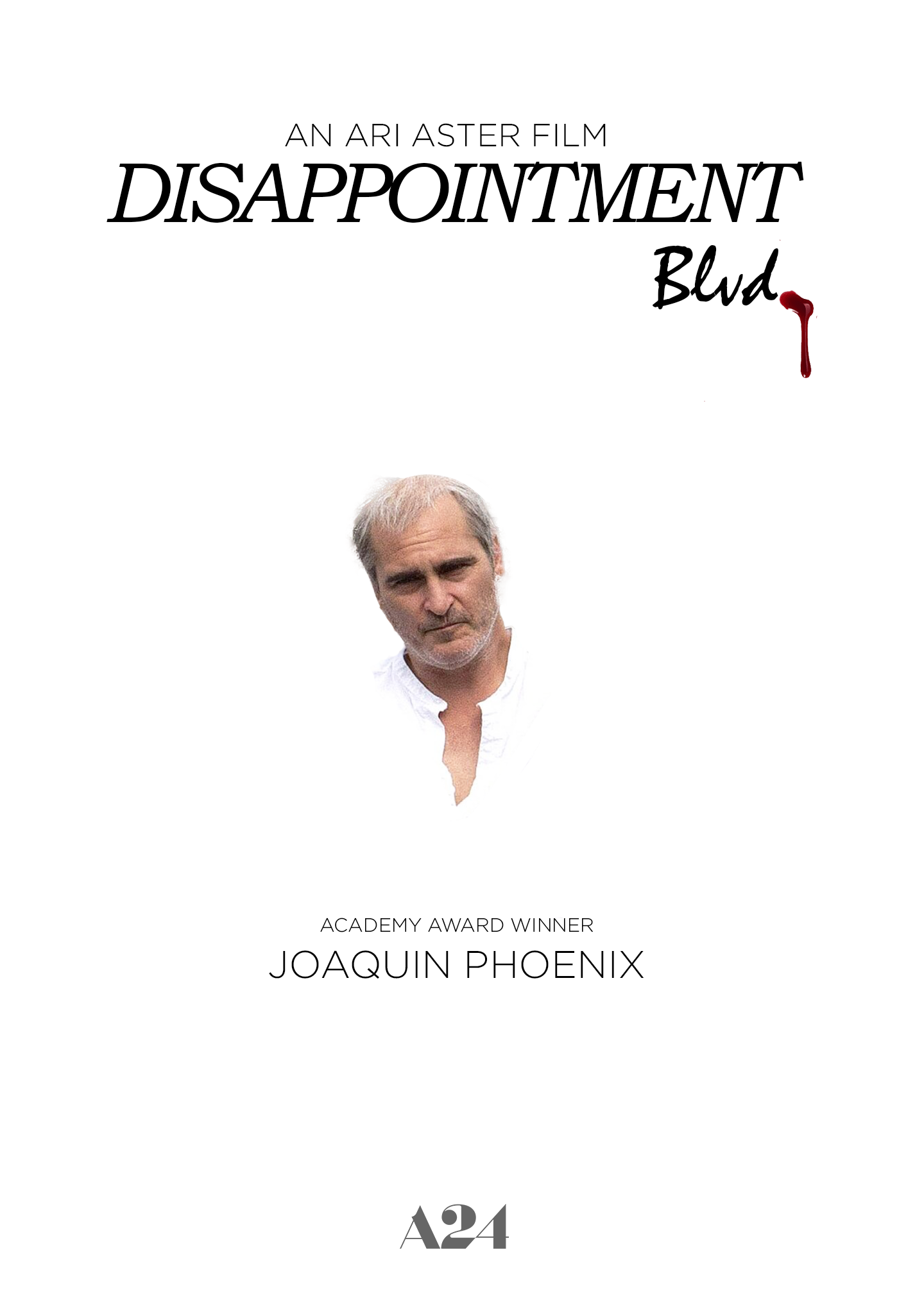
I believe in Ari Aster‘s Disappointment Blvd.. Partly (mostly?) because there’s something about that title. And I believe in the idea of it playing next month in Cannes, even if IndieWire‘s Eric Kohn is right (not ready**) and Jordan Ruimy is wrong (likely competition). Even if I suspect that it’ll disappoint or weird me out in some way. Even if this is a fan poster, which I presume it is.

** I was very upset when I read Kohn’s prediction riff, which is partly a wish-list thing.

To Avoid Suspension or Expulsion, Smith Quits

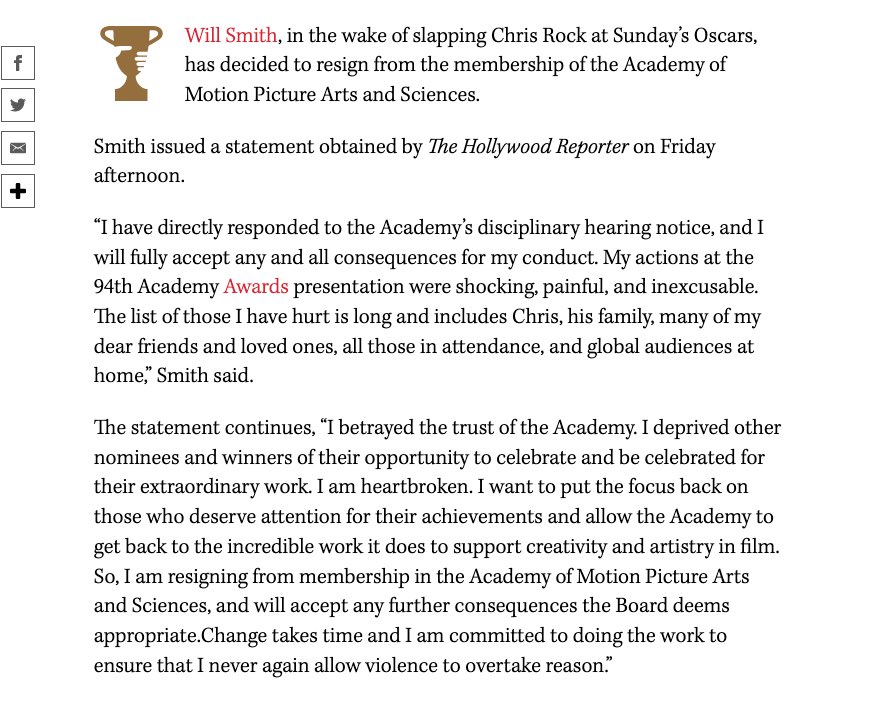
Posted today at 3:56 pm by The Hollywood Reporter‘s Scott Feinberg:

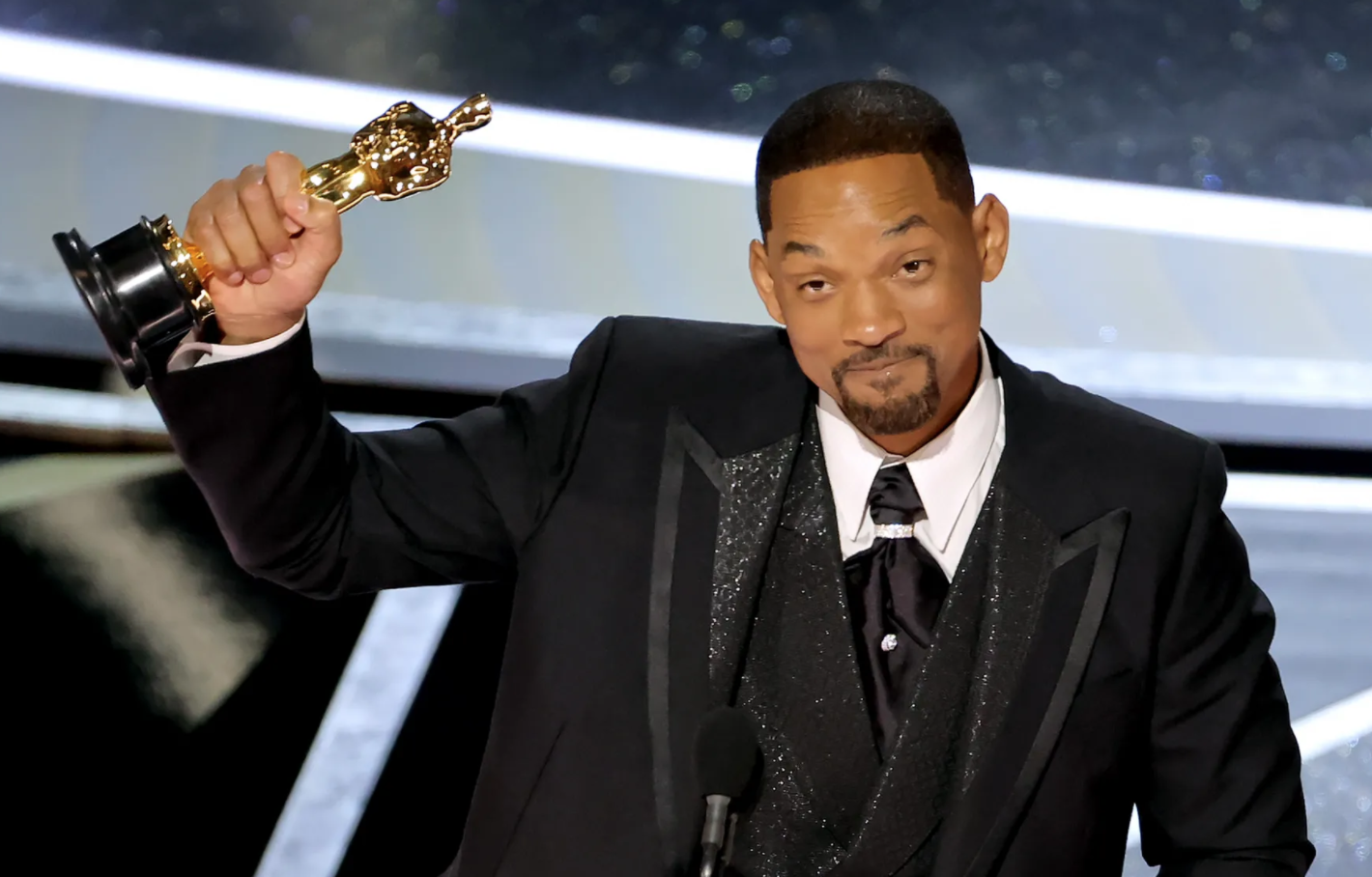
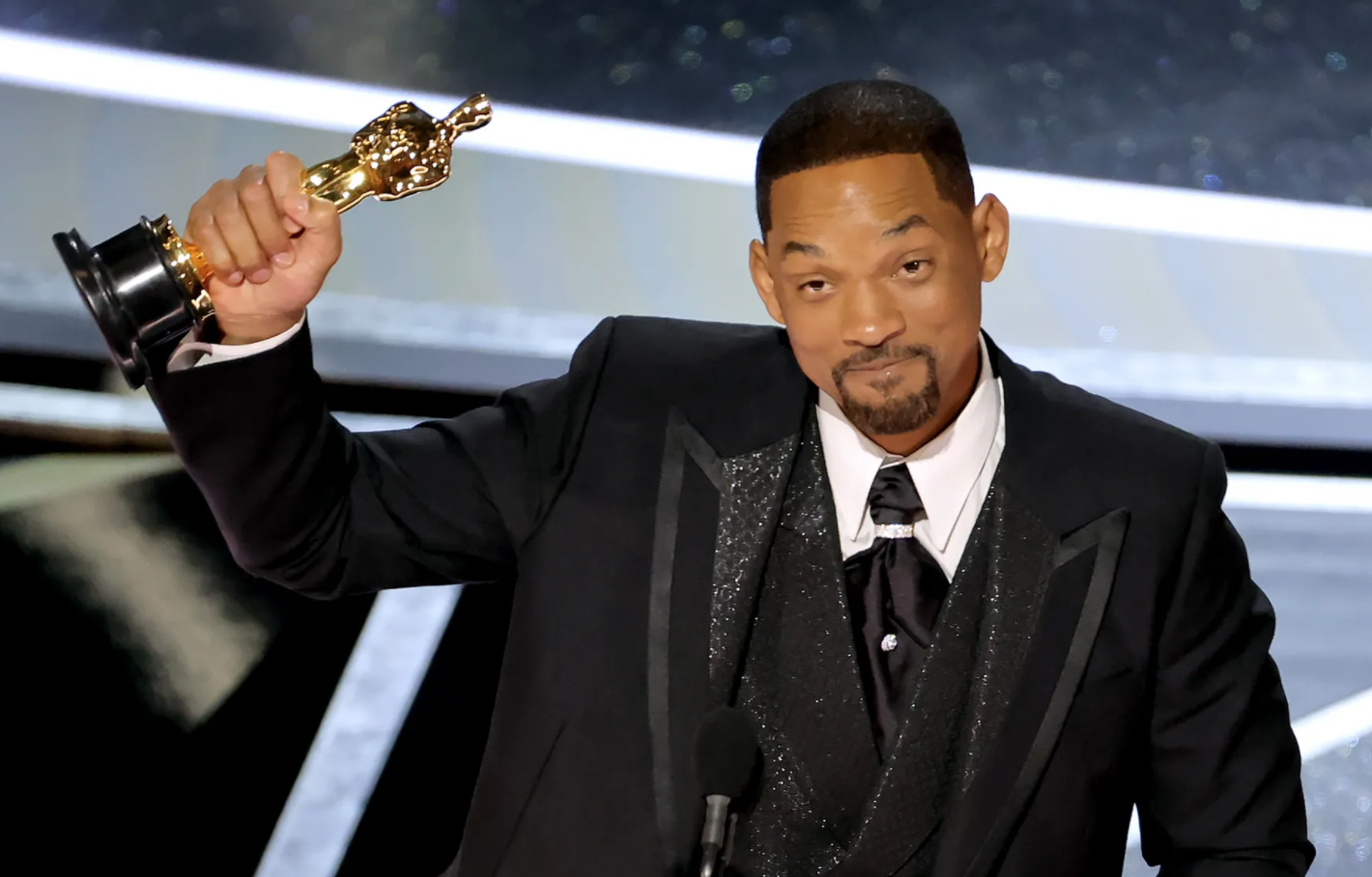
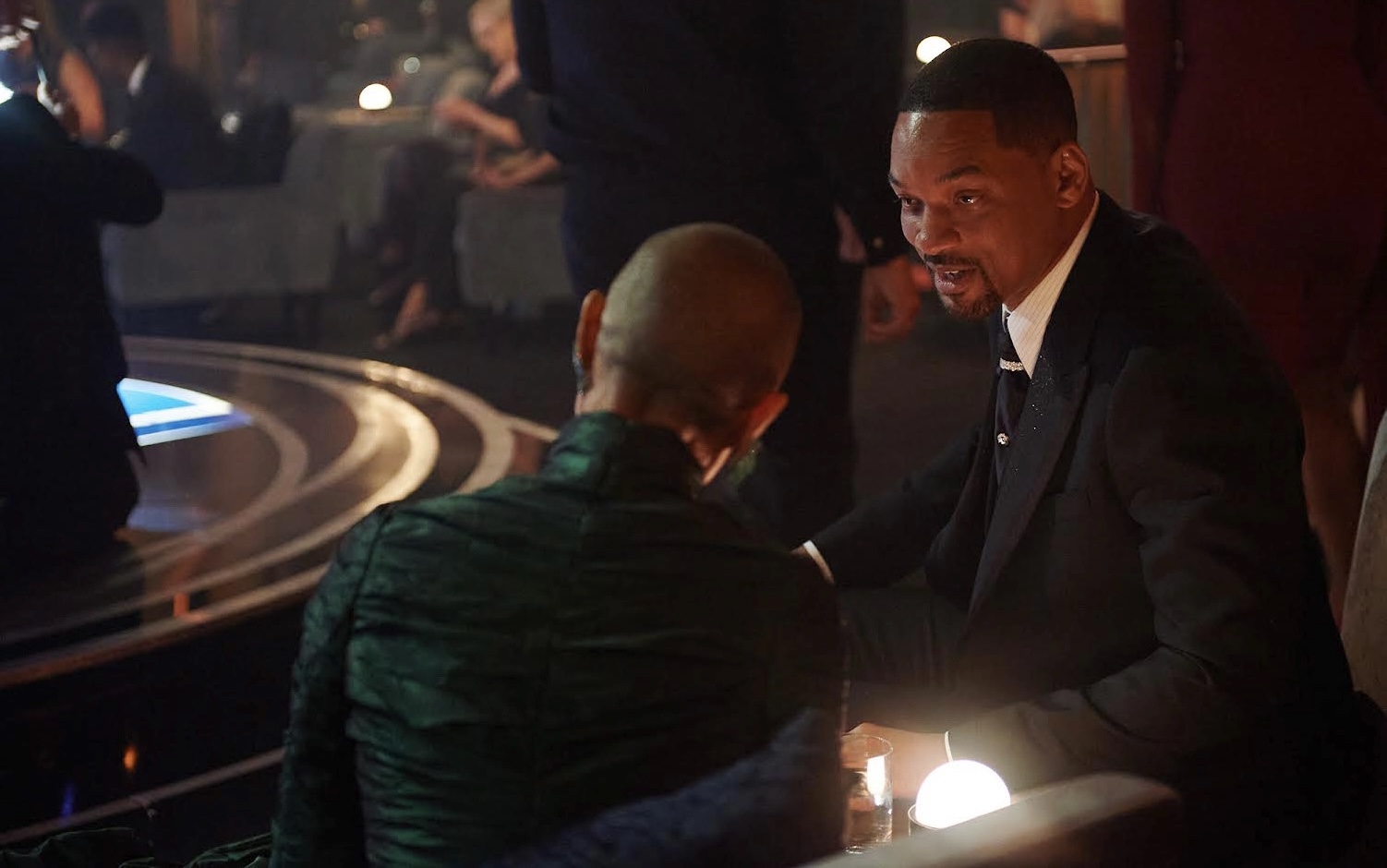
Not that Will Smith doesn’t feel genuine remorse about Slapgate, but when you know you’re about to get zotzed or downgraded by management, the face-saving thing is to quit before they lower the boom. A more positive way of looking at the resignation is that Smith was looking to decisively position himself as a man of character and conscience rather than cool his heels and wait for an outcome that would probably be negative.

Bill Maher (‪@billmaher‬)

4/1/22, 9:38 PM

Everyone in America spent the entire week talking about #TheSlap heard around the world. So the whole “keep my wife’s name out of your mouth” didn’t work out too well. pic.twitter.com/Jy8Is5dkcY

Will You Look At This?

Imagine driving through your own neighborhood and seeing all these dead bodies lying on the road, one after another. This is a common sight over there, I realize, but for some reason this video hit me extra hard.

Squirreled Away

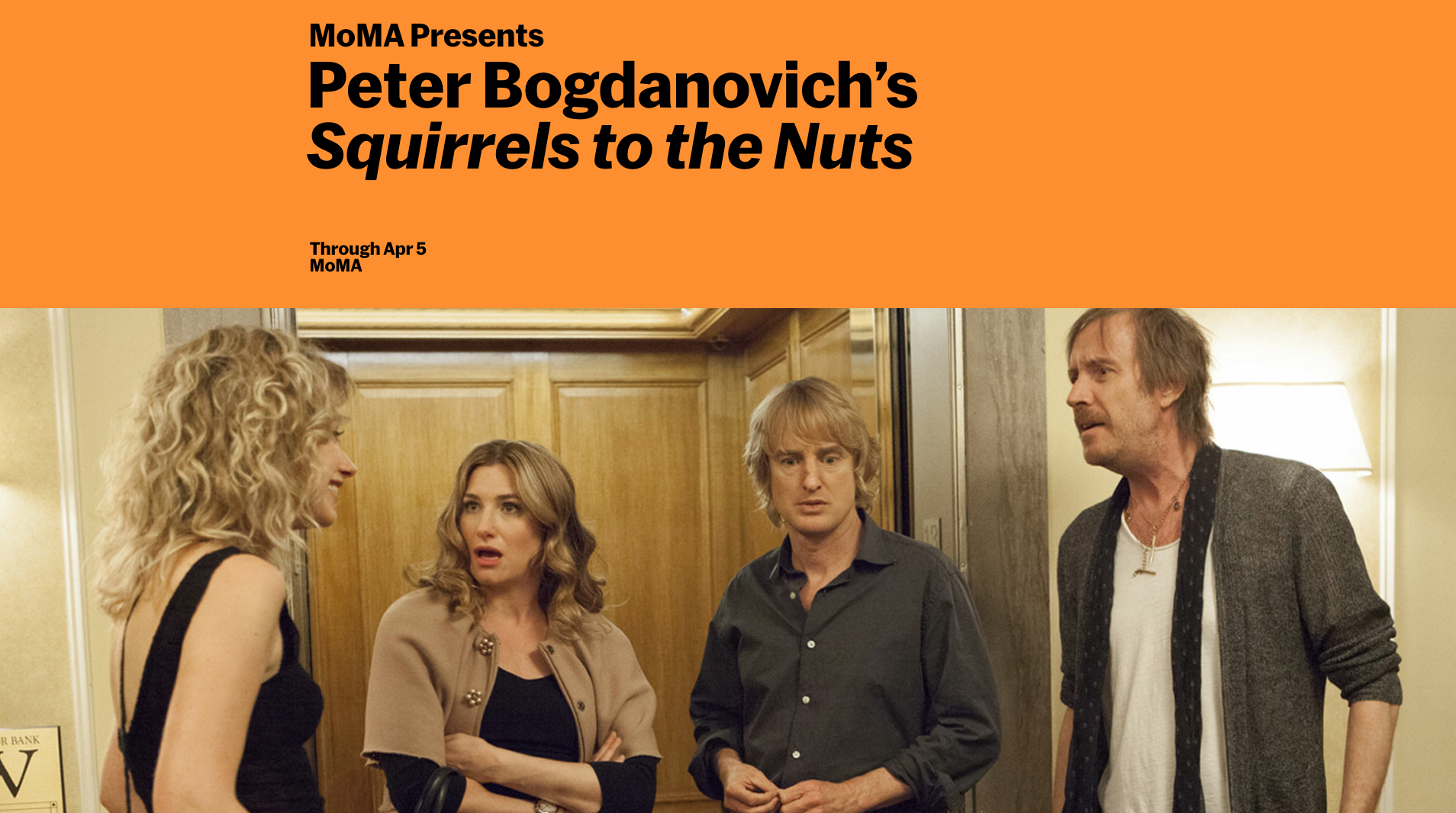
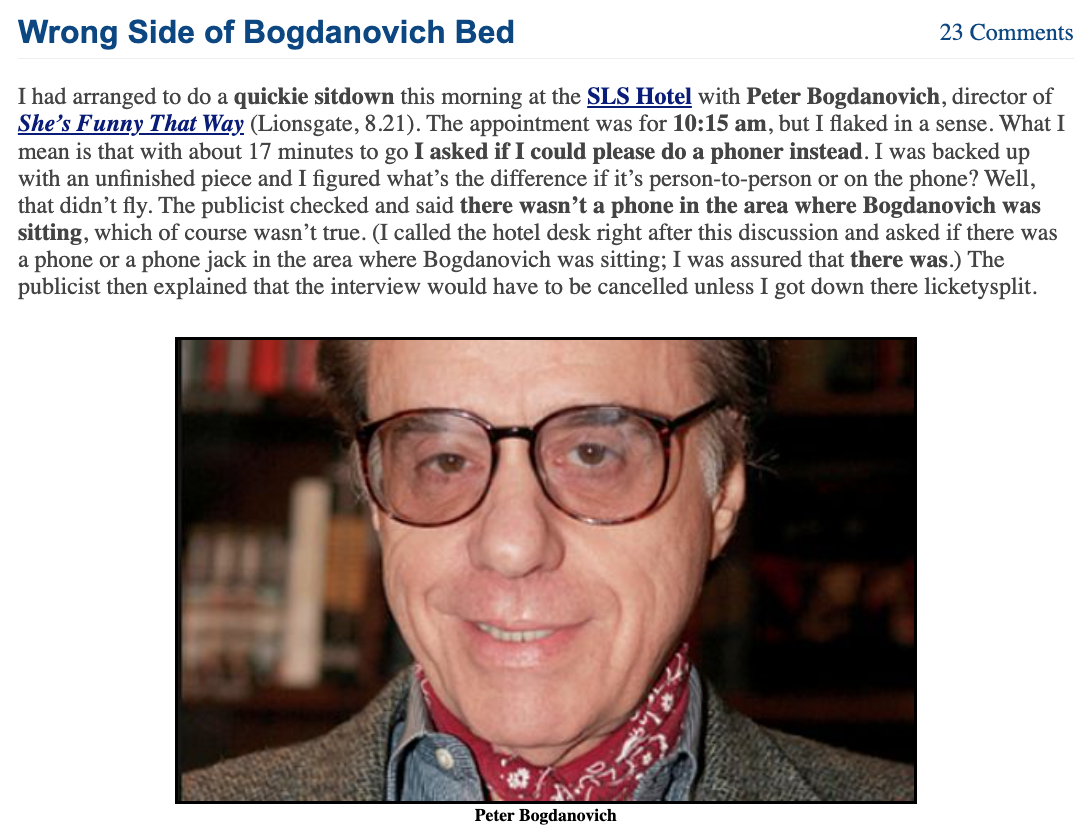
Peter Bogdanovich‘s Squirrels To The Nuts is screening at Manhattan’s MOMA theatre through April 5th. Eight years ago I saw an earlier, much shorter version of this Ernst Lubitsch-meets-Leo McCarey farce, called She’s Funny That Way. That version ran 94 minutes; the retitled Squirrels to the Nuts runs 123 minutes — nearly a half-hour longer.

Squirrels To The Nuts is said to be a much better film than She’s Funny That Way. (“In its full, free-floating form, Squirrels recovers Bogdanovich’s elegance, airiness, and ability to smoothly manage a large cast of characters,” according to the MOMA notes.) I didn’t care for She’s Funny That Way, but I’d love to see Squirrels. Perhaps it’ll screen at one of the American Cinematheque houses down the road.

But may I say something? Squirrels to the Nuts has to be one of the worst-sounding movie titles I’ve ever heard in my entire life. I’m not talking about the content of the film; I’m talking about an awful feeling that sinks in when you read or say aloud that title. The title doesn’t just make you feel anxious and uncertain; it pretty much screams in your ear “DON’T SEE THIS FILM!…in fact, run in the opposite direction.”

HE is asking for other terrible titles — titles so bad that they instantly kill any potential interest.

Read more

Two Sides of Odd Comic Coin

Your assignment, should you choose to accept it, is to provide examples of two kinds of “comic” performances. The first kind is a performance that’s intended to be comic within a comedic film, but in fact isn’t the least bit funny or even chuckle-worthy. The second kind is a performance that is, in fact, quite funny if not hilarious but in a weird, perverse way — a performance that you cant help but be tickled by even though it unfolds in a film that in no way presents itself as a comedy.

HE’s example of the first kind is Mindy Kaling‘s comedy-writer character in Nisha Ganatra‘s Late Night, a 2019 feminist relationship comedy. Kaling’s “Molly Patel” is hired to write jokes for Emma Thompson‘s (“Katherine Newbury’s”) late-night talk show, but (a) she isn’t the least bit funny, (b) she hasn’t the personality or attitude of a good (i.e., brilliant) comedy writer, and (c) she doesn’t deliver a single funny line. All Molly cares about is being respected in the work environment and not being treated as a token POC hire, which of course she is.

Why is it a struggle to believe that Molly (who has never before written professional-grade comedy and has mostly been hired because she’s a woman of color) is a comedy writer worth her salt? Because most jokes that “land” and actually make people laugh are always a little cutting and sometimes flirt with cruelty. A certain pointed irreverence is essential. Molly has none of that.

HE’s best example of the second kind of “comic” performance is Ben Kingsley‘s in Sexy Beast (’01). During a Four Seasons interview I told Kingsley that I regarded his “Don Logan” as one of the funniest I’ve ever seen in a film that obviously wasn’t a comedy, and he got it — he was delighted that I understood what he was going for.

I’m guessing that maybe 5% of those who saw Sexy Beast found Kingsley’s performance “funny,” if that. But that was partly the point — you had to have a perverse attitude about that kind of psychotic gangster character in the first place. Ian McShane‘s “Teddy Bass” wasn’t the least bit amusing, of course — he was an ice-old sociopath start to finish. As was Don Logan, except Kingsley went for something more — he pushed the energy and absurdity of that enraged character so that you couldn’t help but at least snicker. Especially in the very last scene, which is one of the “funniest” ever in this vein.

Other examples of either kind?

Candy-Ass Ankle

I was pedaling rather heavily on the bicycle last night. Standing up on the pedals and leaning into them to maintain a decent speed as I went uphill. It felt good to resist the G forces and push on with my formidable leg muscles.

The result, of course, is that my left ankle aches this morning. A bit stiff and sensitive and fuck me. This never happened when I was 47. I’m very fucking disappointed with that sore ankle now. I’m looking at it with disdain and muttering “are you a man or a mouse”?