As Travis Felt His Life Slip Away…

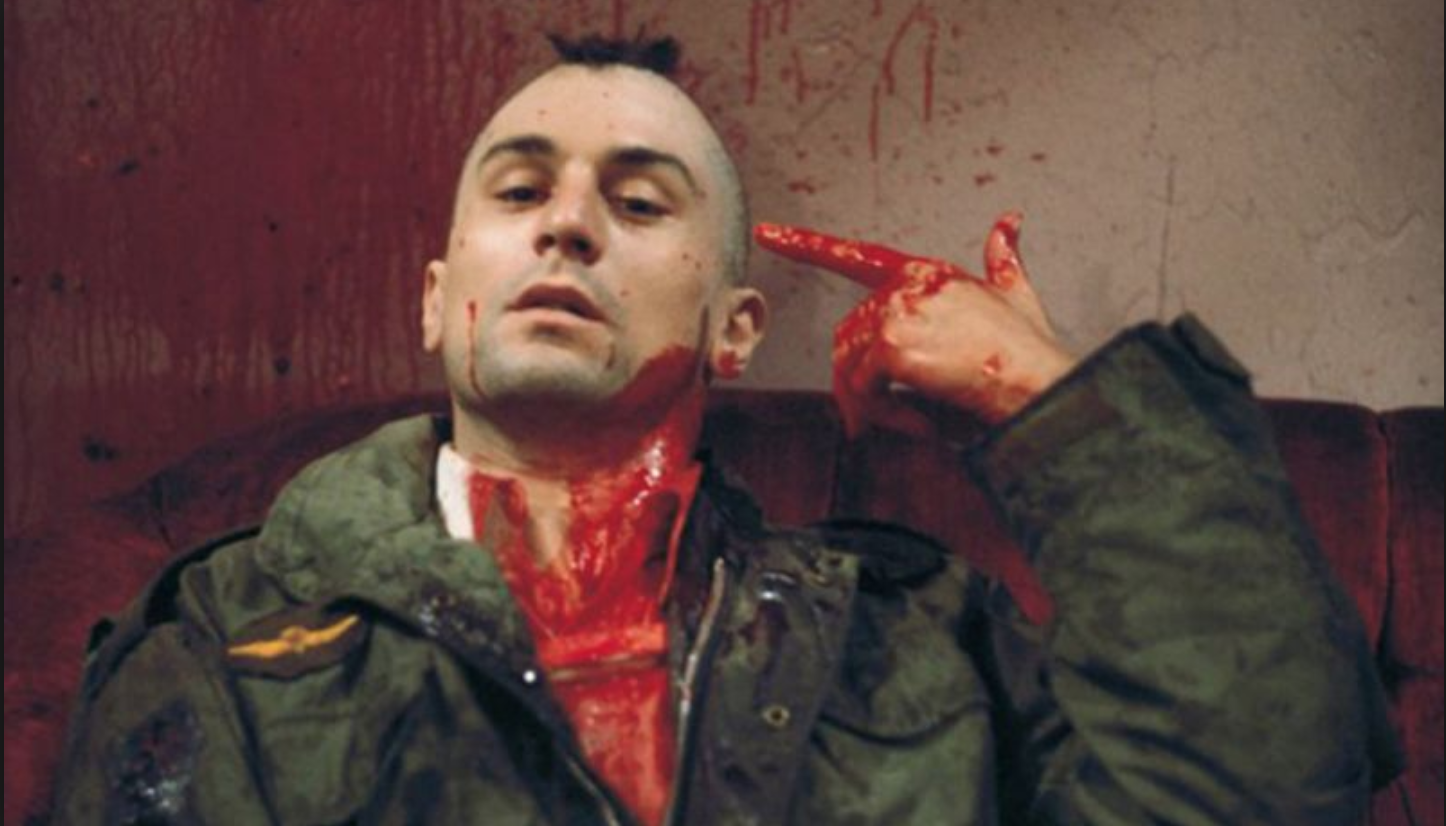
Three years ago I repeated my long-held Taxi Driver perception that Travis Bickle died on the couch after that East Village shoot-out. Everything that happens in the epilogue — the newspaper articles praising him for having murdered a couple of pimps, Iris’s parents writing to thank him for saving their daughter, Cybil Shephard looking at him dreamily after he drops her off at her Grammercy Park apartment — is Travis’s dying fantasy. And then in the last shot he’s driving along and looks into the rearview mirror with a slight look of alarm, apparently sensing that something’s wrong and…zhhhoop! Bickle disappears.

It seems obvious as hell, but no one ever agreed with me. Until a week ago, that is.

From Lindsay Zoladz‘s “God’s Lonely Men: Taxi Driver in the Age of the Incels,” posted on TheRinger on 7.30.18:

“Last week, immediately after watching Martin Scorsese’s 1976 fever dream for the first time in more than a decade, I scrambled for my phone to confirm that I was not the only person who had completely misremembered the ending of the movie: I could have sworn Travis Bickle died.

“The last image I remembered from Taxi Driver was that famous, otherworldly slow-motion shot from above — a ‘priest’s eye view,’ Scorsese has called it — cataloging the carnage of Bickle’s killing spree as the police arrive. What I’d forgotten was the movie’s surreal coda, in which Bickle not only survives but becomes a vigilante hero in the newspapers, receives a letter from 12-year-old Iris’s parents thanking Bickle for saving their daughter from a life of prostitution, and, perhaps least plausibly, gets another chance with his WASP goddess, Betsy, even though she knows he has just murdered three people and the last time she saw him he showed up at her workplace to harass her, threaten her, and tell her she was scum just like everybody else. With all due respect to Paul Schrader, I liked my ending better. It had a certain closure.”

Wells to Zoladz: Schrader and Scorsese’s ending is your own. They’re obviously telling us that we’re watching Bickle’s bullshit fantasy about what happened after the Lower East Side shoot-out.
Read more

Scruggs Takes Manhattan

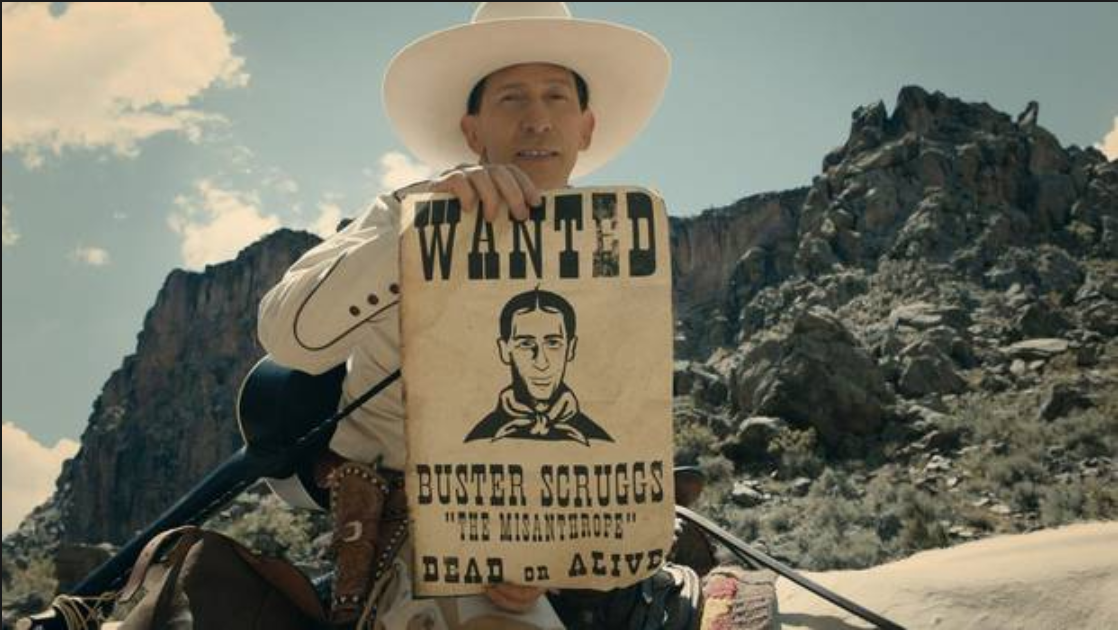
Joel and Ethan Coen‘s The Ballad of Flat and Scruggs….sorry, The Ballad of Lester Scruggs…sorry, The Ballad of Buster Scruggs will play the 56th New York Film Festival (9.28 to 10.14). Which apparently means that after debuting at the Venice Film Festival it won’t play Telluride or Toronto.

The three headliners at this storied Manhattan festival are Yorgos LanthimosThe Favourite (opening night), Alfonso Cuaron‘s Roma (centerpiece) and Julian Schnabel‘s At Eternity’s Gate (closing night).

Other New York Film Festival selections: Jafar Panahi‘s 3 Faces, Jia Zhangke‘s Ash Is Purest White, Lee Chang-dong‘s Burning, Pawel Pawlikowksi‘s Cold War, Louis Garrel‘s A Faithful Man, Alice Rohrwacher‘s Happy as Lazzaro, Alex Ross Perry‘s Her Smell, Claire DenisHigh Life, Barry JenkinsIf Beale Street Could Talk, Jean-Luc Godard‘s The Image Book, Ulrich Köhler‘s In My Room, Olivier AssayasNon-Fiction, Tamara JenkinsPrivate Life, Richard Billingham‘s Ray & Liz, Hirokazu Kore-eda‘s Shoplifters, Dominga Sotomayor‘s Too Late To Die Young, Christian Petzold‘s Transit and Paul Dano‘s Wildlife.

Mr. Pickles Goes Down

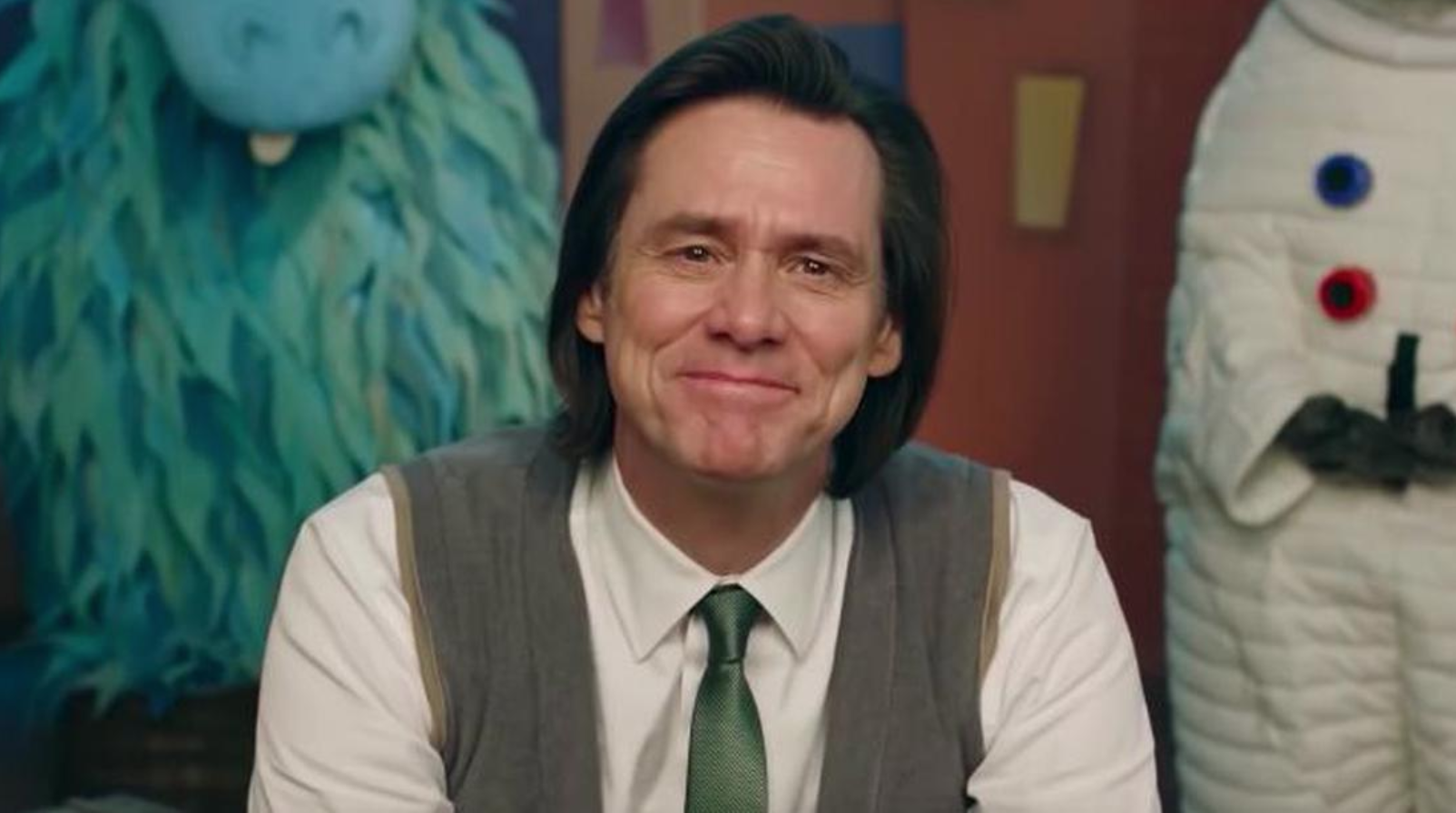
I’m getting the worst kind of perverse Michel Gondry twee vibes from this thing. Gondry + Jim Carrey + Mr. Rogers + black holes of self-loathing = Kidding, a new Showtime comedy series with Carrey, Judy Greer, Frank Langella and Catherine Keener…good God. The life of kiddie-TV star Jeff Pickles (Carrey) “spirals out of control” after an incident of infidelity is discovered by his wife, Jill (Greer). Has Jeff cheated on Jill with a puppet or a live human? I’d much rather jump off the Brooklyn Bridge than watch Kidding. I would watch it in a heartbeat if it wasn’t so Gondry-ized…if Jeff was a cynical, cigar-smoking, poker-playing infidel whose “Mr. Pickles” identity was a total lie…THAT I would watch and cheer and have fun with. Kidding premieres on Sunday, 9.9 at 10 pm.

Redford’s 12-Year Peak

Robert Redford, who turns 82 on 8.18, first disclosed his intention to retire from acting on 11.10.16, in an interview with his grandson Dylan. Several publications reported this the next day, although Redford’s publicist, Cindy Berger of PMK*BNC, insisted otherwise, claiming that her client “is certainly not retiring because he has several projects coming down the pike.”

Well, Redford said a day or two ago that he’s really, really hanging up his spurs, and that David Lowery‘s The Old Man and the Gun (Fox Searchlight, 9.28) will be his gentleman swan song.

Redford’s greatest accomplishment, hands down, was launching the Sundance Film Festival. He really and truly changed…hell, revolutionized the landscape of American independent film. He upgraded, deepened, emboldened and monetized it beyond all measure.

The best film he ever directed was Ordinary People; Quiz Show and The Milagro Beanfield War were a distant second and third. The worst film he ever directed was The Legend of Bagger Vance, a.k.a. “bag of gas.” But acting is what he’s retiring from, and so an assessment of his best films and performances is in order.

Technique-wise and especially in his hot period, Redford was (and still is) one of the most subtle but effective underperformers in Hollywood history. He never overplayed it. Line by line, scene by scene, his choices were dry and succinct and exactly right — he and Steve McQueen were drinking from the same well back then.

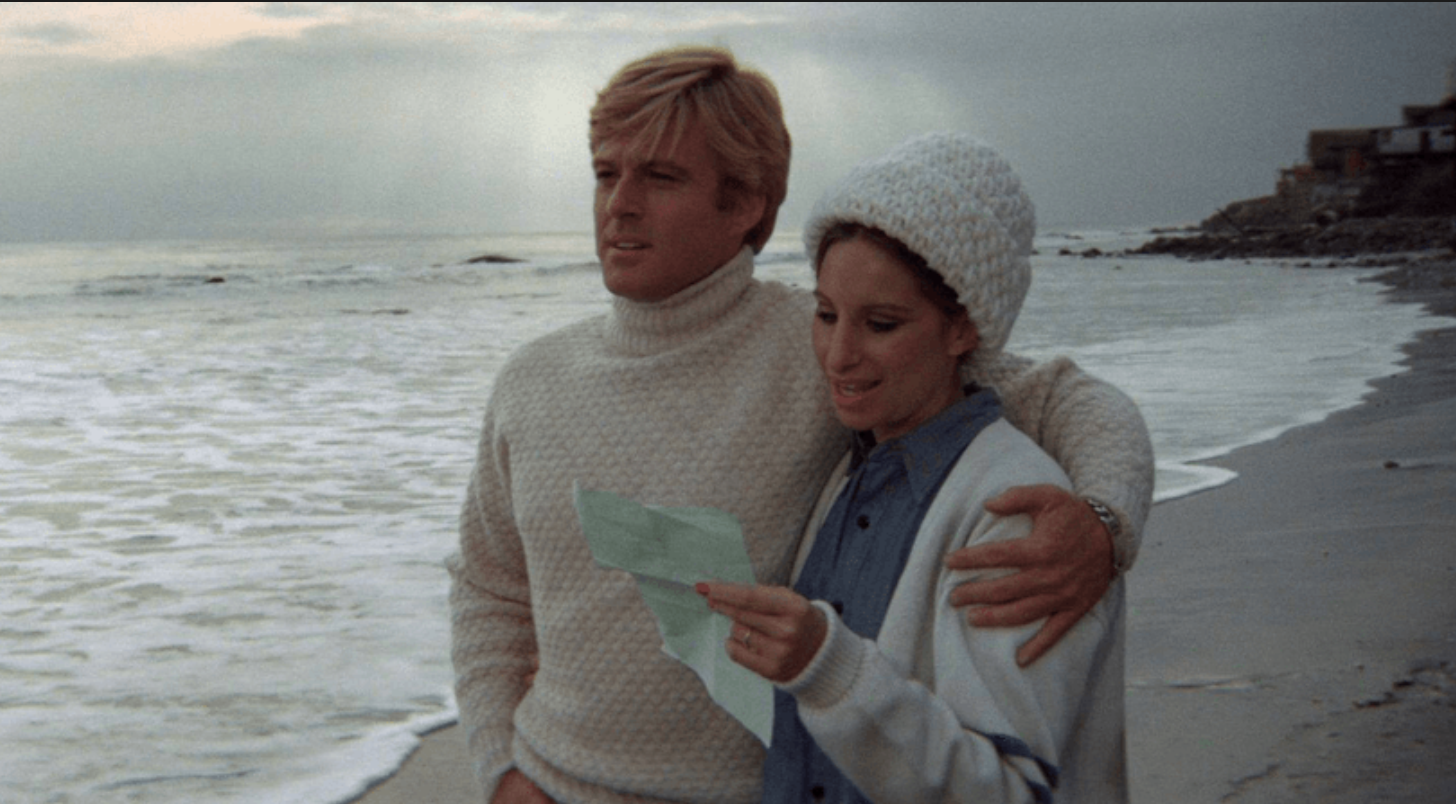
Redford’s safe-deposit-box scene in The Hot Rock (i.e., “Afghanistan bananistan”) is absolutely world class. And the way he says “I can’t, Katie…I can’t” during the The Way We Were finale is brilliant. That scene could have been so purple or icky, but he saves it.

Redford’s acting career can be broken down into three phases — warm-up and ascendancy (’60 to ’67), peak star power (’69 to ’80) and the long, slow 34-year decline in quality (’84 to present).

Mark Harris tweeted last night that “not many actors can claim six decades of work almost entirely on their own terms.” But Redford’s power to dictate those terms lasted only during that 12-year, golden-boy superstar era, or between the immediate aftermath of Butch Cassidy and the Sundance Kid and Brubaker, his last “’70s film.”

Redford’s best peakers, in this order: Butch Cassidy and the Sundance Kid (’69), All The President’s Men (’76), Three Days of the Condor (’75), The Candidate (’72), Downhill Racer (’70), The Sting (’73), Jeremiah Johnson (’72), The Hot Rock (’72), The Way We Were (’73), Tell Them Willie Boy is Here (’70), The Electric Horseman (’79) and Brubaker (’80) — a total of 11.

Think of that — over a 12-year period Redford starred in 11 grand-slammers, homers, triples and a couple of ground-rule doubles. That’s pretty amazing.

Mezzo-mezzos & whiffs during peak period: Little Fauss and Big Halsy, The Great Gatsby, The Great Waldo Pepper, A Bridge Too Far (4).

Read more

Manson a Go-Go

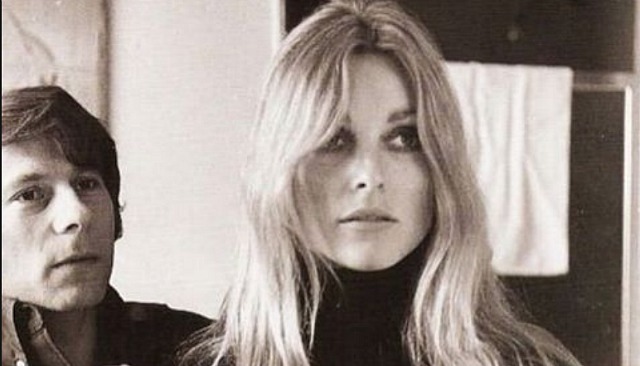
Margot Robbie has her Sharon Tate down pretty well. Or Quentin Tarantino‘s costume or hair people do, I should say. I’m sure Robbie feels good about playing someone hot and sexy after looking like a pasty-faced, flame-haired horror in Mary, Queen of Scots. I’ve said this five or six times, but we don’t want to see the slaughter in Once Upon A Time in Hollywood. We want Leo and Brad to bust in and blow Tex Watson away, and maybe one of the Manson girls besides.

Read more

Half-Interesting, 47-Year-Old Wipeout

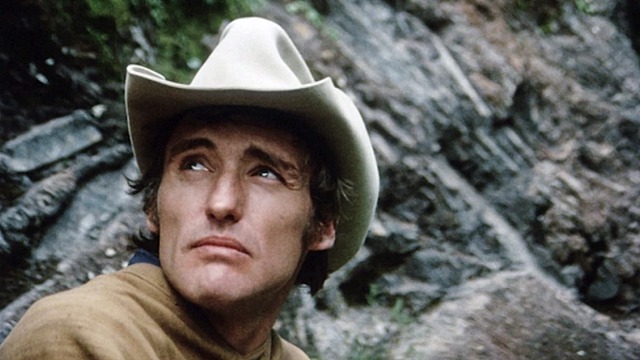
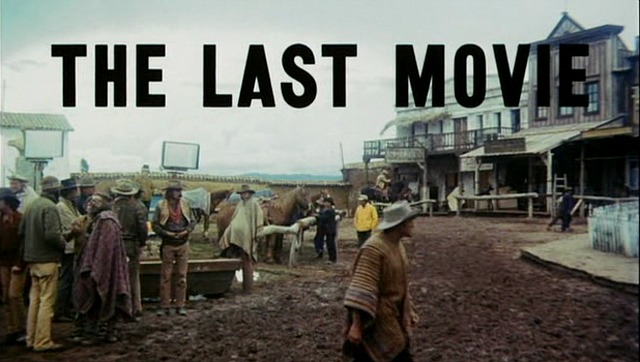
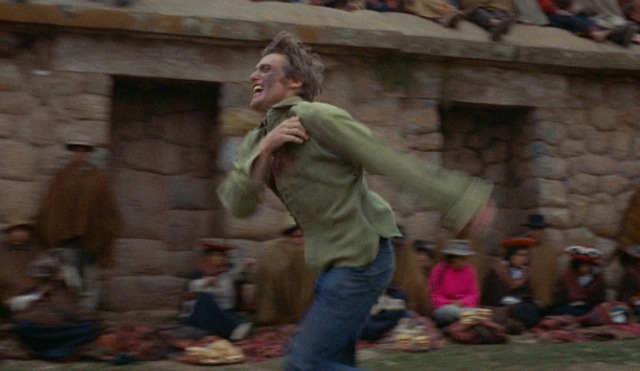
Earlier today I saw Dennis Hopper‘s The Last Movie at the Metrograph. The first third is half-interesting so I’m not sorry I saw it, but it’s mostly a sloppy mess, and that’s entirely on Hopper — the director, editor and star. The middle portion and final third are boring for the most part, and at times repellent. I read somewhere that Stewart Stern‘s original screenplay told an actual story that made sense, but the way it’s been cut together is lazy and haphazard; at times it almost feels spazzy. The film is interesting here and there (I liked the “SCENE MISSING” inserts and the fact that the main-title card doesn’t appear until 20 minutes in) but there’s no tension in any of it.

And Hopper’s lead character, a stunt coordinator named Kansas, is just an ass. A weak, squishy, impulsive jellyfish whom you half-tolerate at first, and then you grow to vaguely dislike and then hate him by the end of the first hour. He doesn’t die soon enough.

The Last Movie is set in a Peruvian village (actually a small town named Chinchero) in the Andes foothills. It’s about a Sam Fuller-directed western shooting there, and some guy dying in a stunt accident and Kansas, who seems like a reasonably decent fellow at first, deciding to stay in the village when the film wraps. He hooks up with Maria (Stella Garcia), an attractive, good-hearted woman who may or may not be a prostitute.

Kansas gradually turns into a weasel, breaking poor Maria’s heart by coming on to another woman (Julie Adams, best known for The Creature From The Black Lagoon) in her presence.

Then what happens? Kansas gets worried about running out of funds (this didn’t occur to him when he decided to stay on?) and decides to invest $500 in a sketchy goldmine scheme that quickly goes south. And then some of the native Chincherans — this is the really stupid part — decide to start making their own imaginary film with pretend cameras and microphone booms made of wood, except they don’t understand play-acting and start engaging in real violence. And Kansas gets caught in the wringer.

The primitive-natives thing is patronizing. The locals aren’t some tribe of spear-throwing jungle dwellers but small-town guys who wear boots and jeans and use telephones and order drinks in bars, and yet the movie tells us they’re as clueless and cut off from 20th Century civilization as New Guinea cannibals. A crap premise. Maria is from the same town, remember, and she seems as attuned to the complexities of modern life as anyone. If you don’t buy the idea that the natives are unable to understand the concept of acting and pretending, The Last Movie collapses like a house of cards.

The best part of The Last Movie is the first-act footage of Michelle Phillips, who was around 26 when the film was shot in 1970 and really, really beautiful. My whole mood brightened when I saw her. She married Hopper not long after The Last Movie wrapped, but they got divorced after only eight days. (Married on 10.31.70, divorced on 11.8.70.)


Michelle Phillips during filming of The Last Movie.

Eyes Have It

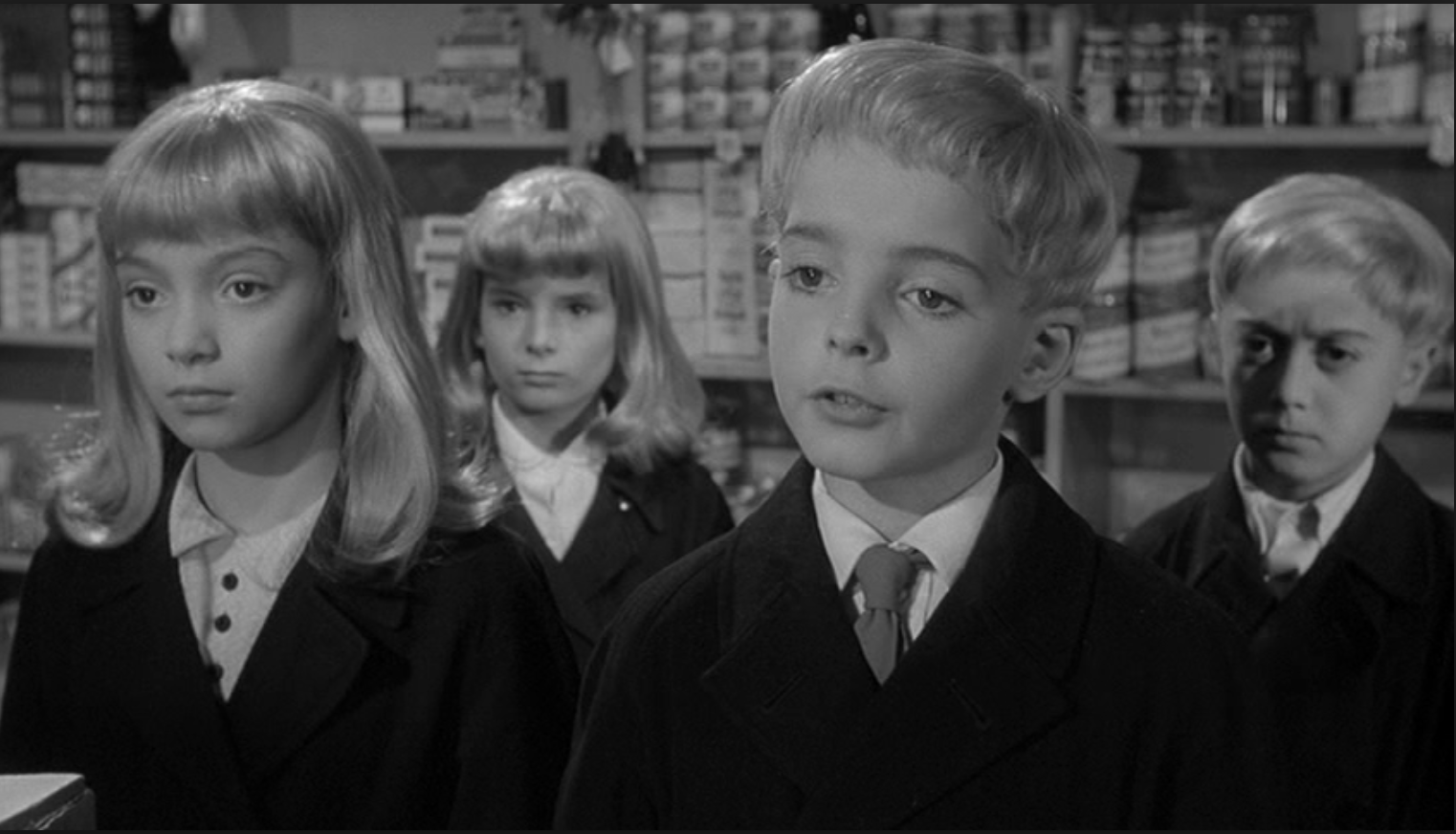
There have been three Children of the Damned films — Wolf Rilla’s 1960 British-produced feature, a 1964 sequel called Children of the Damned and John Carpenter‘s 1995 remake of Rilla’s original, which was based upon John Wyndham‘s “The Midwich Cuckoos,” a 1957 novel.

The Rilla isn’t anyone’s idea of a knockout, but it’s still the best, I think. Those glowing eyes and white-blonde hairdos, and those wonderfully crisp, steady-as-she-goes black-and-white compositions from dp Geoffrey Faithfull. The film serves as a metaphor, of course, for how older establishment types sometimes regard younger generations with disdain and repulsion, and sometimes even fear or panic. These aren’t our children — they look and behave like aliens.

Socrates and others of his generation felt this way about teenagers, of course, and this is definitely how the WWII generation saw stoned, shaggy-haired ’60s counterculture types in the late ’60s and early ’70s. I don’t see Millennials or GenZ-ers as especially odd or alarming because I’m an enlightened X-factor fellow with a background in authority-defying and psychedelic mysticism, but I do regard the brah culture uniform with absolute horror.

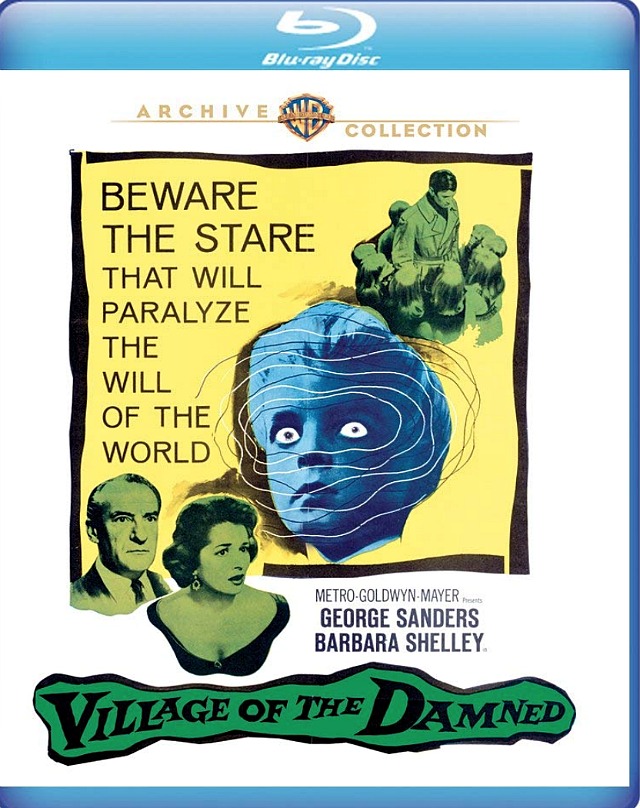
A respected Village of the Damned Bluray popped a week ago, and is available to stream.

Read more

Fishing Line Squibs

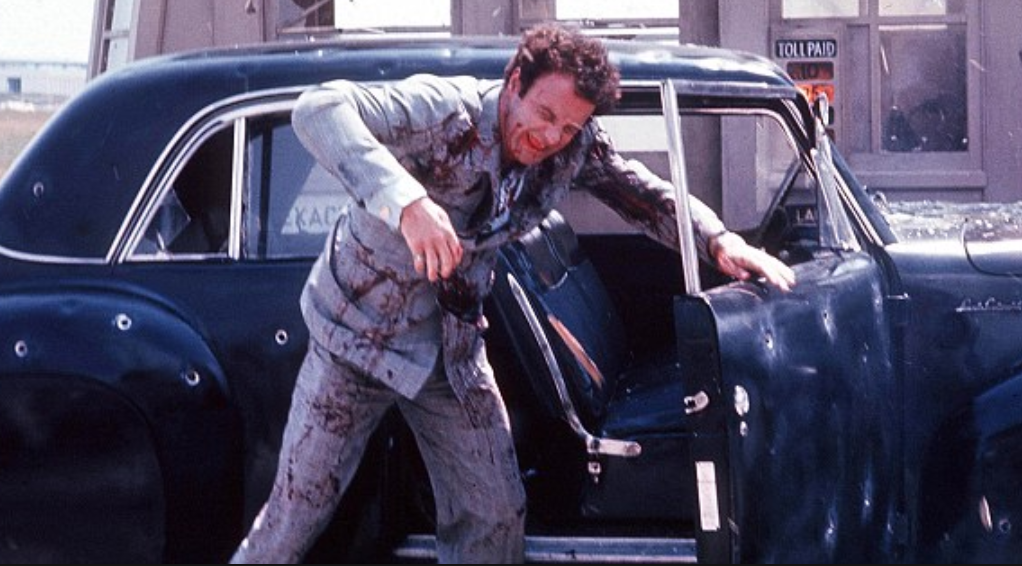
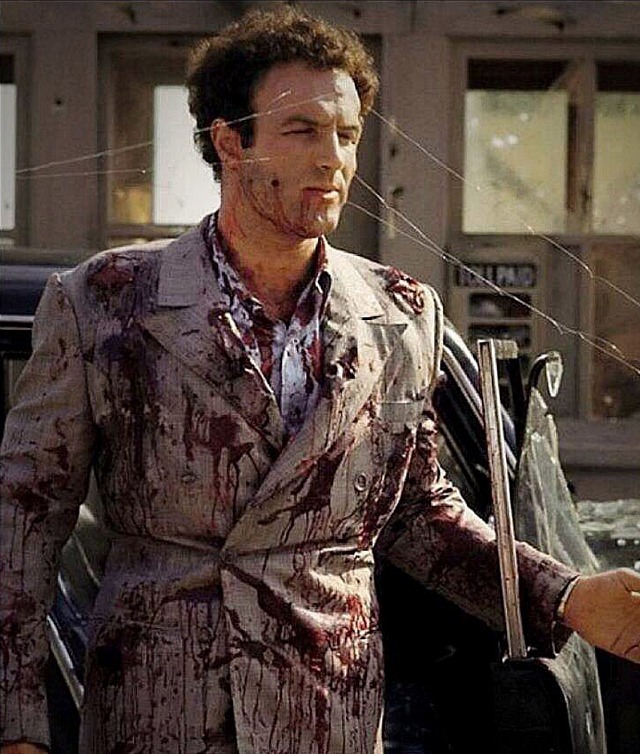
Gunshot squibs are little micro-explosive devices that leak or spray dark-red glop to indicate that a character has been shot. They’re been used by filmmakers for the last half-century or so. The first time I noticed them was during the machine-gun slaughter scene at the end of Bonnie and Clyde. Since the early ’80s I’ve been on dozens of film sets and talked to two or three guys who knew all about squibbing, but I never once heard about squibs being activated by crew guys pulling on fly-fishing lines. These were apparently used in the gangland massacre of Sonny Corleone scene in The Godfather. It seems kind of silly to yank on two or three fishing lines in order to make a bullet hole or two appear. With the sound of rattling gunfire and the screaming and abundant bleeding and the fast cutting who’s going to notice if a little black hole or two suddenly appears on James Caan‘s face? Nobody.

Read more

Da Whiteness

Supporting HE excerpt #1: “Here is reason #1 why hinterland bubbas are squarely behind Donald Trump. Here are reason #2 and reason #3. They’re behind this megalomaniac because he’s leading the last-gasp charge in defense of a white heirarchy that ran the show as recently as 15 or 20 years ago. That era is over and the flannel-shirters who don’t have the right kind of skills for the 21st Century economy know it, but they’re nonetheless determined to go down swinging like Bill Holden, Ernest Borgnine, Ben Johnson and Warren Oates at the end of The Wild Bunch.” — from “Bubba’s Hurtin’ Too Much To Care,” posted on 5.31.16.

Supporting HE excerpt #2: “Ever since the fall of 2016, when Republican Senate Majority Leader Mitch McConnell privately turned down an Obama-administration proposal for a bipartisan warning to Russia not to interfere in the election, the underlying dynamic has been set: Most Republicans would rather win an election with Putin’s help than lose one without it.” — from Jonathan Chait’s 7.8.18 New York article, “Will Trump Be Meeting With His Counterpart Or His Handler?”

Supporting HE excerpt #3: “Roy Moore: “The hand of God…providence…put Trump into the White House.” [Few seconds later] “You could say that America is the focus of evil in the world.’ Guardian: “For example?” Moore: “Same-sex marriage.” Guardian: “That’s what Putin would say.” Moore: “Maybe Putin is right.” — from “Alabama Recalcitrance,” posted on 12.10.17.

Kazan Trip

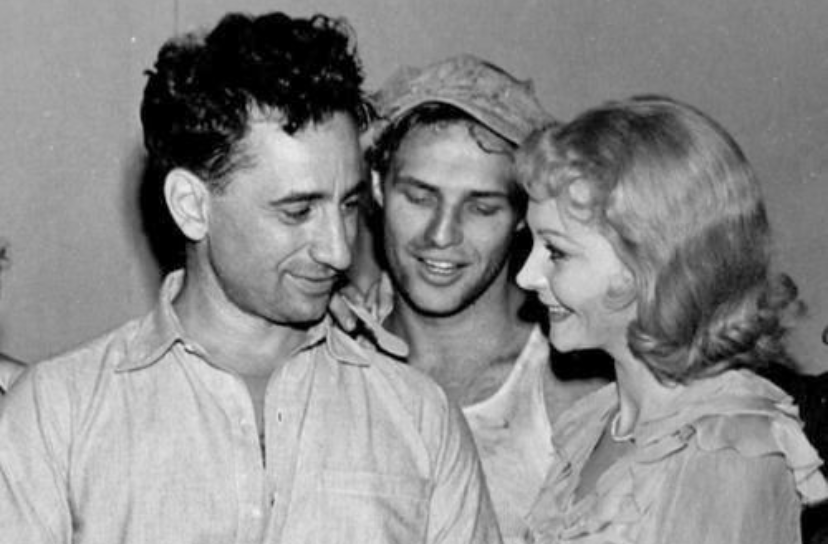
There was a lot of passionate talk on Facebook yesterday about Elia Kazan. It was partly inspired by a 35 year-old Jonathan Rosenbaum piece about Kazan that he re-posted a day or two ago. So much feeling, so many different currents and moods and conflicts…it was as if Kazan were still alive and kicking.

It all gradually led to a rewinding and a re-visiting of the most emotional journey into Kazan and his films that I’ve ever known — Martin Scorsese and Kent JonesA Letter To Elia (’10).

A Letter to Elia is a delicate and beautiful little poem,” I wrote that year. “It’s a personal tribute to a director who made four films — On The Waterfront, East of Eden, Wild River and America America — that went right into Scorsese’s young bloodstream and swirled around inside for decades after. Scorcese came to regard Kazan as a father figure, he says in the doc. And after watching you understand why.

Letter is a deeply touching film because it’s so close to the emotional bone. The sections that take you through the extra-affecting portions of Waterfront and Eden got me and held me like a great sermon. It’s like a church service, this film. It’s pure religion.

Read more

Nolan’s Piss-Yellow “2001” Hitting IMAX Screens

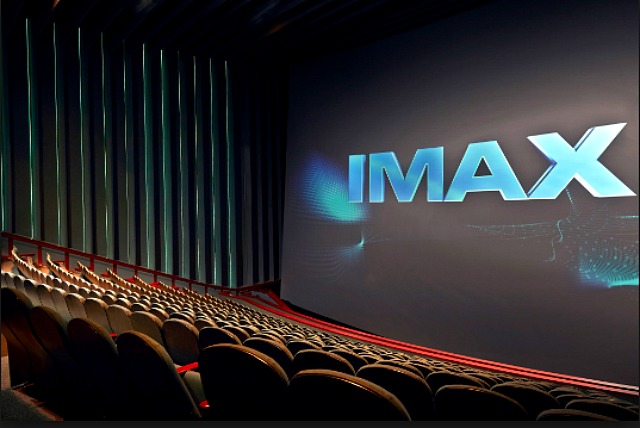
For years I’ve been hoping to see Stanley Kubrick‘s 2001: A Space Odyssey projected in genuine IMAX. It was announced today that serious large-format presentations will finally happen on 8.24, or just over three weeks hence. The Hollywood Reporter‘s Pamela McLintock reports that four IMAX theatres (in Burbank, Manhattan, San Francisco and Toronto) will project the 1968 classic on what I presume will be titanic IMAX-sized screens.

The downside is that Chris Nolan‘s teal and yellow-tinted version, by any fundamental visual standard a vandalizing of Kubrick’s original 70mm presentation of the film (as this comparison reel makes clear), is the version that will be shown. McLintock reports that a “4K restoration” (i.e., Nolan’s version converted for an upcoming 4K Bluray) will be screened at “350 other IMAX locations,” many if not most of which will be fake IMAX screens.

You want irony? A video posted at the bottom of McLintock’s THR story, titled “2001: A Space Odyssey Anniversary / A Look Back”, shows scenes from the film that haven’t been Nolan-ized (i.e., aren’t tinted teal or piss-yellow).

Read more

Hardy Submits To Fantasy Realm

Remember the good old days (i.e., five years ago) when Tom Hardy‘s middle name wasn’t “paycheck” and he’d just blown everyone away with his quiet, less-is-more, totally-solo performance as a building contractor in Locke? Remember his performances in Warrior, The Revenant, Dunkirk, Legend, Tinker Tailor Soldier Spy and The Drop? Those were the days. Beware of director Ruben Fleischer, whom I loved after Zombieland (’09) but regretfully walked away from after Gangster Squad. Venom pops on 10.5.