2018 Oscar Noms Fall Mostly Into Line

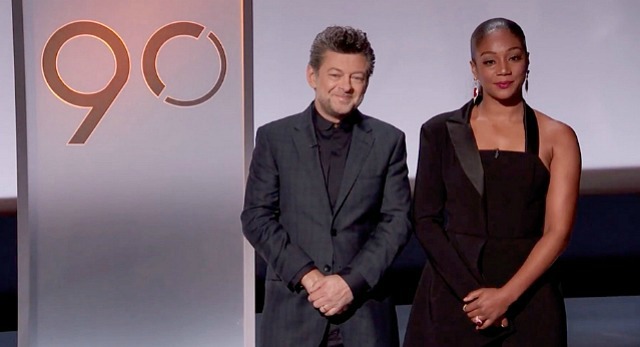
The Oscar nominations for the 90th annual awards were not only announced this morning from the Samuel Goldwyn Theater but in a few instances mispronounced, eccentrically personalized and generally murdered by the colorful Tiffany Haddish. Her inwardly grimacing co-presenter Andy Serkis helplessly stood by.

Is it too much to ask presenters to rehearse or otherwise summon the elocutionary discipline to pronounce names and titles correctly? Haddish conveyed disrespect, stress, indifference, “too much for my realm,” etc.

HE readers who didn’t sink into a 1.14.18 HE piece called “Oscar Bait Hinges on Tribal Identity” are advised to give this a looksee. It explains a lot of what happened this morning and then some.

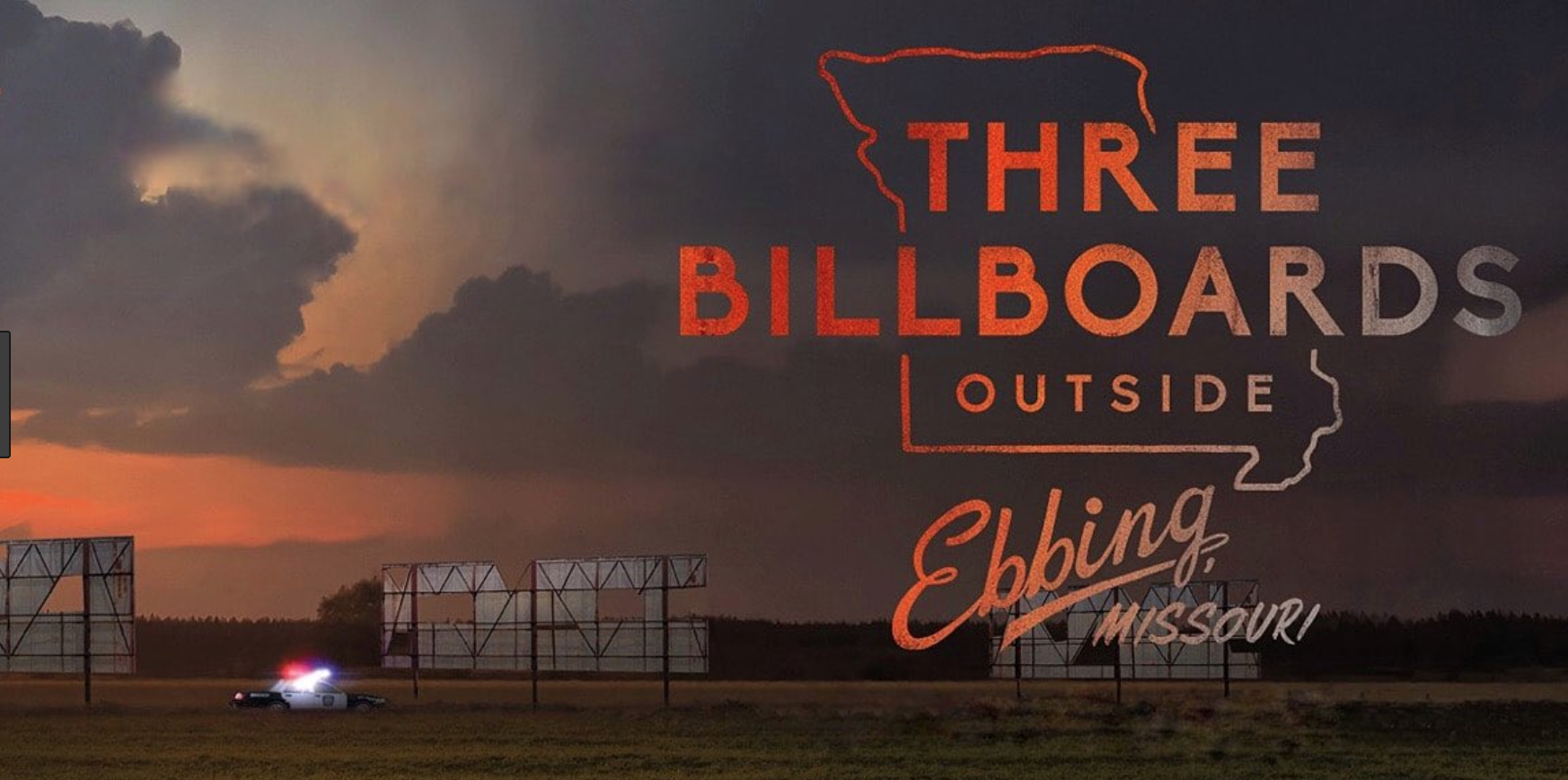
13 nominations for Guillermo del Toro‘s The Shape of Water, eight noms for Chris Nolan‘s Dunkirk, seven for Three Billboards Outside Ebbing, Missouri and a general inclination to diminish the traditional classy sheen and to transform the Oscars into the People’s Choice Awards, at least on a here-and-there basis.

Hooray for Lesley Manville‘s Best Supporting Actress nom for her perfect Phantom Thread performance.

All hail Mudbound dp Rachel Morrison for landing the first Best Cinematography nomination for a woman in Oscar history, and cheers to Lady Bird‘s Greta Gerwig for becoming the fifth woman in Academy history to snag a Best Director nom.
Best HE comment so far from “alexandercoleman“: “So the two big frontrunners are The Shape of Water, which failed to receive a Best Ensemble Award nomination at SAG, and Three Billboards Outside Ebbing, Missouri, which failed to receive a Best Director Oscar nomination. Though the former seems to have the momentum, for whatever that is worth, by traditional standards both would seem to have clay feet.”

Best Picture:

“Call Me by Your Name”, “Darkest Hour”, “Dunkirk”, “Get Out”, “Lady Bird”, “Phantom Thread”, “The Post”, “The Shape of Water”, “Three Billboards Outside Ebbing, Missouri.”

Best Director:

“Dunkirk,” Christopher Nolan
“Get Out,” Jordan Peele
“Lady Bird,” Greta Gerwig
“Phantom Thread,” Paul Thomas Anderson
“The Shape of Water,” Guillermo del Toro

Best Actor:

Timothée Chalamet, “Call Me by Your Name”
Daniel Day-Lewis, “Phantom Thread”
Daniel Kaluuya, “Get Out”
Gary Oldman, “Darkest Hour”
Denzel Washington, “Roman J. Israel, Esq.”

HE comment: Denzel deserves this nomination (I loved his Asperger’s savant legal-eagle performance) but how many saw a nomination coming? Denzel took over, I guess, in the wake of the apparent James Franco snub in the wake of sexual misconduct allegations. Right?

Best Actress:

Sally Hawkins, “The Shape of Water”
Frances McDormand, “Three Billboards Outside Ebbing, Missouri”
Margot Robbie, “I, Tonya”
Saoirse Ronan, “Lady Bird”
Meryl Streep, “The Post”
Read more

Lessons of SAG Awards

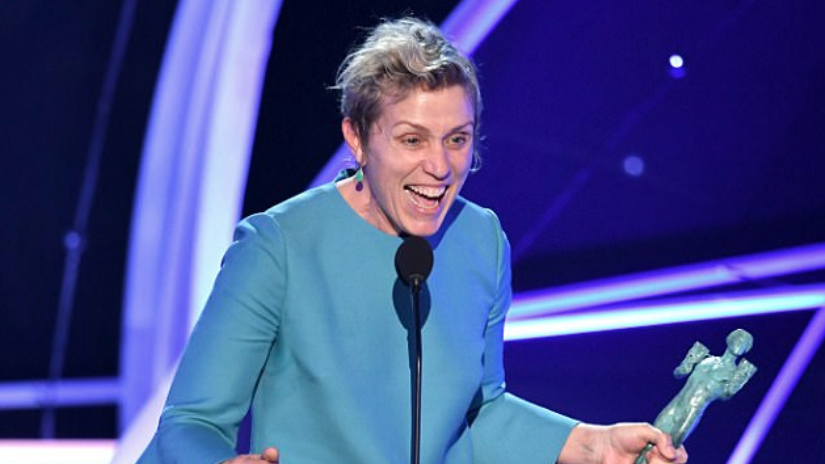
Guillermo del Toro‘s Creature From The Love Lagoon took a back seat as Three Billboards outside Ebbing, Missouri won three SAG awards last night (Sunday, 1.21).

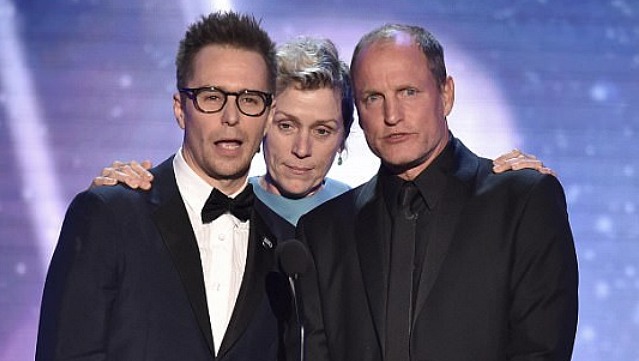
Martin McDonagh‘s film won Outstanding Performance by a Cast, Outstanding Performance by a Female Actor in a Leading Role (Frances McDormand) and Outstanding Performance by a Male Actor in a Supporting Role (Sam Rockwell). Here are my lessons and takeaways:

#1: The Florida Project‘s Willem Dafoe is really and truly finished — Rockwell has the Best Supporting Actor Oscar in the bag.

#2: I’ve been thinking that when it comes to the general Academy vote, the votes for The Shape of Water (a.k.a. Aqua Man) and 3BB might split and come up short, allowing Lady Bird to sneak in for the Best Picture win. Now I’m wondering if Greta Gerwig‘s film has any shot at all. Lady Bird didn’t win a damn thing last night.

#3: 3BB‘s Frances McDormand totally owns the Best Actress Oscar. Nothing’s going to change — she’s got it.

#4: Ditto Darkest Hour‘s Gary Oldman and I, Tonya‘s Allison Janney, locked. It’s a real shame that Lady Bird‘s Laurie Metcalf, who should win, isn’t going to make it. I’m very sorry.

Sundance ’18 Feels Sluggish, Listless, Agenda-Driven

After four days of the 2018 Sundance Film Festival, I’m tempted to call it weak tea. So far there’s been no Call Me By Your Name, no Mudbound, no Big Sick. By my sights the only moderately pleasing narrative films have been Tamara Jenkins‘ lightly comedic Private Life and Jessie Peretz‘s Juliet, Naked. And that’s it.

Update: I saw Lynne Ramsay‘s You Were Never Really Here late Sunday evening, and it’s easily the strongest film — half narrative, half fever-dream — I’ve seen so far in Park City, hands down. It’s bloody and gooey, bothered and nihilistic, but it’s so beautifully shot and unto itself, so self-aware and finely controlled — an arthouse rendering of a Taken-style flick.

Otherwise this festival seems to be largely about “woke”-ness and women’s agenda films — healings, buried pain, social ills, #MeToo awareness, identity politics, etc. Sundance ’18 is like being at a socialist summer camp in the snow.

Headstrong critics have been embracing this or that narrative film and trying to make hay, but generally speaking the ones I’ve seen (or have read or heard about from trusted colleagues) have fallen under the headings of “not bad, awful, meh, fair” or “extremely tough sit”…none have that special propulsion.

You can’t count Mandy, the Nic Cage wackjob thing. Too specialized, cultish, bloody.

Tweeted last night by MCN’s David Poland: “Sundance has never really been a sausage party, as films go. It’s also embraced inclusion for decades. The festival business is changing…full stop. The crazy amounts streaming companies are paying is one thing. But also, high-quality unseen product gets more and more rare.”

So far the only films I’ve felt truly touched and levitated by are three highly intelligent, smoothly assembled but very conventional documentariesSusan Lacy‘s Jane Fonda in Five Acts, Marina Zenovich‘s Robin Williams: Come Inside My Mind and especially Matt Tyrnauer‘s Studio 54.

I’m pretty familiar with the Studio 54 saga (I went there three or four times in ’78 and again in the early ’80s after it reopened under Mark Fleischman), but Tyrnauer’s doc has landed the elusive Ian Schrager, one of the two founding partners of this legendary after-hours club (the other being the late Steve Rubell). This perspective alone is worth the price.

The film itself is a brilliant, levitational recapturing of a quaalude dreamland, a pre-Reagan, pre-AIDS vibe, a culture of nocturnal abandon that bloomed and thumped and carried everyone away but is long past and gone forever. (Naturally.) It’s sadly beautiful in a certain way.

I liked Studio 54 so much I’m thinking of catching it a second time on Friday morning, just before I leave town.

I wish I could say I’ve been aroused or energized by something more daring, but so far the reachy stuff has felt flat or frustrating or slightly disappointing. Tell me I’m wrong.

Black Street Cred

In the ambitious but mediocre Blindspotting, the sympathetic, Oakland-residing Colin (Daveed Diggs) is trying to stay out of trouble over the final three days of his parole status. Unfortunately, his longtime best friend is a violent, hair-trigger, gun-wielding asshole named Miles (Rafael Casal) so right away you’re wondering “is Colin as stupid as he seems, or is he just temporarily stupid?”

Even more unfortunately for the audience, Casal, a 32 year-old playwright and performance poet, relies on a broad caricature of Oakland street blackitude — machismo shit talk, constant strut, a mouthful of gold fillings, flashing pistols, drop-of-a-hat hostility, etc.

In the view of Hollywood Reporter critic Todd McCarthy “the volcanically emotive Miles” is “a character so brainlessly compulsive and violent that he becomes pretty hard to take after a while.”

White guys adopting the posture of angry, ready-to-rumble street brahs is an old bit. Hip white kids have been pretending to be urban desperados since at least the early ’90s. Gary Oldman as Dretzel in True Romance (’93). Josh Peck in Jonathan Levine‘s The Wackness (’08). The best comic reversal of this was Richard Pryor‘s imitation of dipshit white guys in Richard Pryor — Live in Concert (’78).

Casal’s Miles is easily the most irritating variation I’ve ever seen. I was hating on him 15 minutes into the film.

Read more

Sidestepping Candy Ass

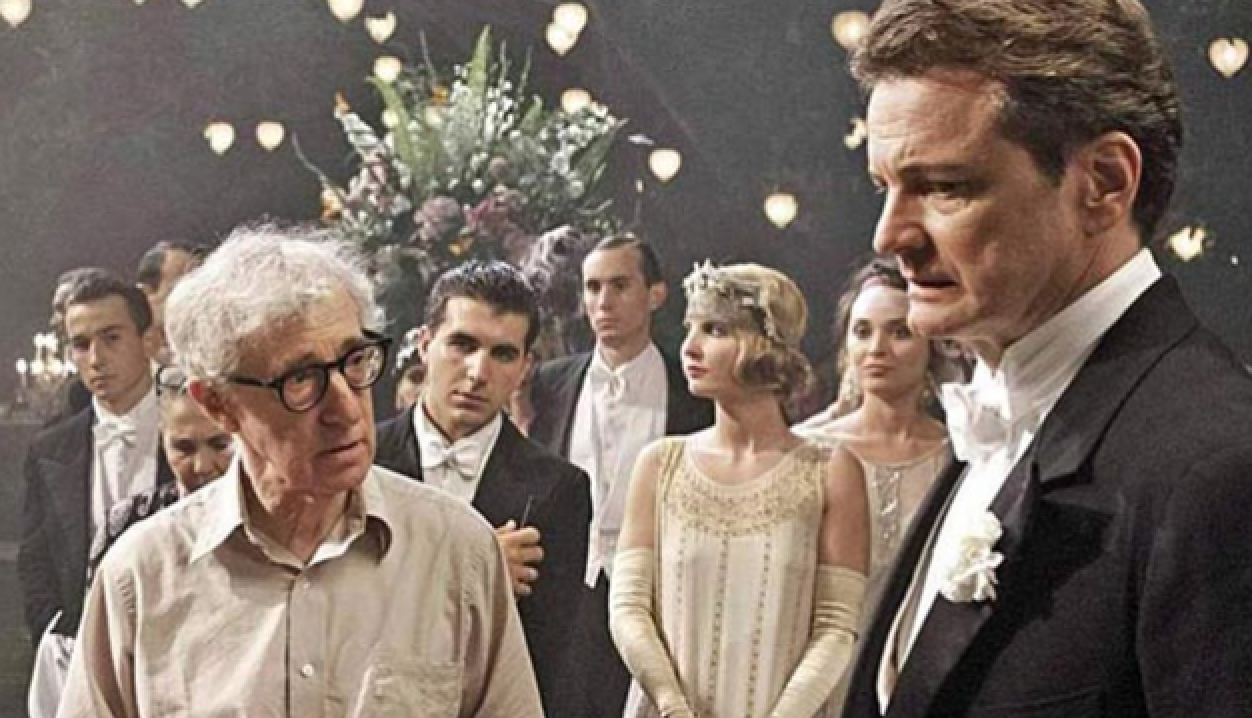
Colin Firth has told the Guardian that he “wouldn’t” work with Woody Allen again, blah blah. So Moses Farrow is lying…right, Colin? The bottom line is that Firth, like Timothy Chalamet and other character-challenged thesps, is simply too scared to say anything else. In a 1.19.18 Guardian piece, Los Angeles p.r. crisis expert Danny Deraney says that working with Allen now would be “extremely toxic, and why would you want to surround yourself and your career with potential damaging consequences? I don’t think your performance will be taken seriously. Everyone will be [asking] why did you do it?” We’re living through bad times, scoundrel times.

Atmospheres

Right now (and I’m using that term loosely) the plan is to catch two Sundance ’18 films plus do an interview. I’m blowing off a screening of Reinaldo Marcus Green‘s Monsters and Men at 12:15 pm, but am definitely chatting with Don’t Worry, He Won’t Get Far On Foot costar Jonah Hill at the Waldorf Astoria Canyons. Then comes Marina Zenovich‘s Robin Williams: Come Inside My Mind at the MARC (5:30 pm), and then I won’t be seeing Jessie Peretz‘s Juliet Naked (6:45 pm) — publicists can’t help with a ticket (!). Finally there’s a 9:45 pm screening of Gus Van Sant‘s Don’t Worry, He Won’t Get Far On Foot. And if I really want to burn both ends, there’s a Don’t Worry midnight after-party at the Grey Goose.

Morris’s Double-Barrelled Three Billboards Takedown

Needled and annoyed by Martin McDonagh‘s Three Billboards outside Ebbing Missouri, N.Y. Times film critic Wesley Morris has delivered a nicely composed takedown essay, one that’s fun to read and re-read and share with your friends.

Being juicy and chewy and quotable, it will, make no mistake, hurt Three Billboards‘ rep among that sector of the Academy of Motion Picture Arts and Sciences that reads the Times and mulls this stuff over and yaddah yaddah.

Morris has called the Fox Searchlight release a “misfire,” “grating,” otherworldly, quirkily pretentious, “a cupcake rolled in glass,” an “off” thing and more or less the new Crash-ola.

Morris also finds the film irritating from a racial pigeonhole perspective. Two black characters (Amanda Warren and Darrell Britt-Gibson) seem “almost Muppet-like,” he says, and Ebbing’s temporary black police chief (Clarke Peters) comes off as Sidney Poitier-ish, he says.

Morris doesn’t mention that he’s a proselytizer for Jordan Peele‘s Get Out, but he is, trust me (“Jordan Peele’s X-Ray Vision“), and he knows that if his piece winds up wounding Three Billboards that part of the Best Picture heat storm will shift over to Get Out along with the already-favored The Shape of Water.

There’s an “illusion” about Three Billboards that’s been “presented by the people running the [award] campaigns,” Morris write, “and [this] in turn…has become the custom for lots of us.

Three Billboards can’t be just the misfire that it is. The enthusiasm for it has to represent the injustice the movie believes it’s aware of — against young murdered women, their suffering dysfunctional families and black torture victims we never see — but fails to sufficiently poeticize or dramatize what Mr. McDonagh is up to here: a search for grace that carries a whiff of American vandalism.

“Of course, few movies can predict their moment, but Three Billboards might be inadequately built for this one.”

Ashby Resurrected

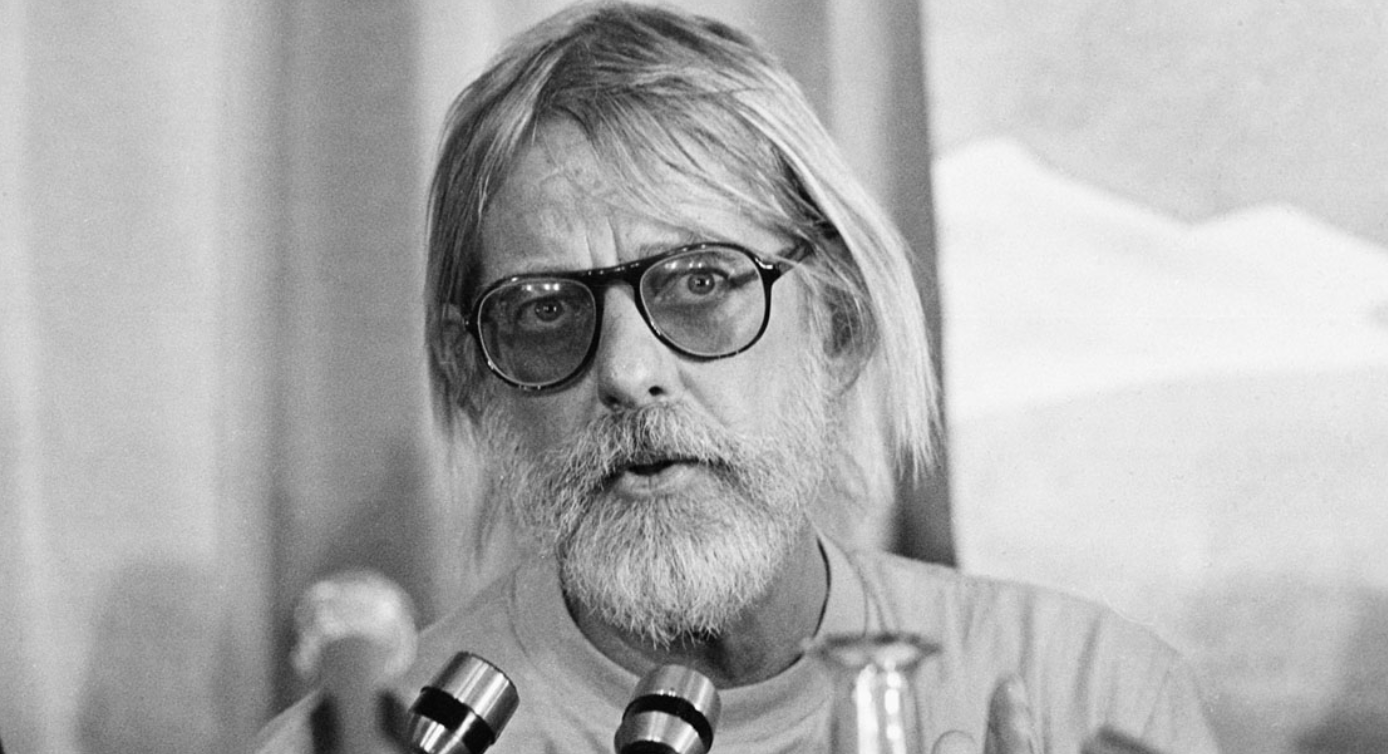
I’ve always been a “Hal Ashby devotee”, but what does that phrase really mean? That I’ve long had to balance my worship of Ashby’s legendary ’70s films with the awkward, less than fulfilled, in some cases cocaine-flaked failures of his ’80s features.

All hail Harold and Maude, The Last Detail — generally regarded as Ashby’s masterpiece — Shampoo (which Ashby didn’t really direct as much as submit and relinguish to the will of Warren Beatty), Bound for Glory, Coming Home (Ashby’s second-best film) and Being There (which has lost much of its potency since ’79, at least in my own head). And offer a sad shrug to Second-Hand Hearts, Lookin’ to Get Out, Let’s Spend the Night Together (a better-than-decent Rolling Stones concert doc), The Slugger’s Wife and the half-resurgence of 8 Million Ways to Die.

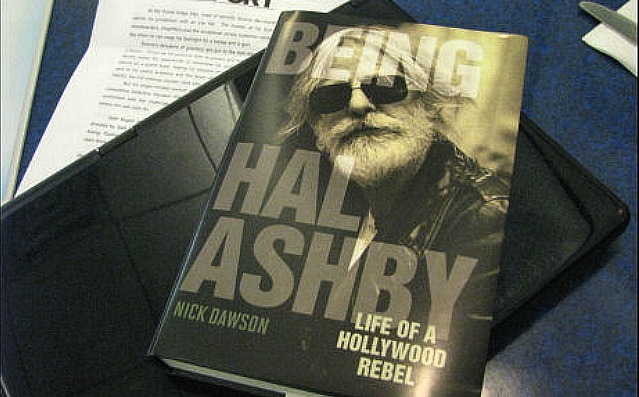
So I’ve long been uncertain about his legacy — who hasn’t been? But six and a half years ago Nick Dawson‘s “Being Hal Ashby: Life of a Hollywood Rebel” convinced me that with any kind of half-fair perspective, Ashby’s decade of ’70s glory definitely out-classes and outweighs the tragedy of the ’80s and how the derangement of nose candy enveloped and swallowed the poor guy.

Hence my strong interest in Amy Scott‘s Hal, a 90-minute doc about Ashby’s high and low times that will debut at Park City MARC on Monday afternoon, and then screen three more times — Tuesday evening at the Prospector, Thursday morning at the MARC and Friday morning at the Holiday 2.

From Sundance program notes: “As befits a subject whose stretch of work especially in the 1970s included Harold & Maude, The Last Detail, Shampoo and Coming Home (he was Oscar-nominated for that one), interviewees include collaborators Jeff Bridges, Jane Fonda and Louis Gossett Jr. as well as Alexander Payne, Judd Apatow, Lisa Cholodenko, Beau Bridges, Haskell Wexler and Norman Jewison.

Read more

Blue and Dayglo Orange

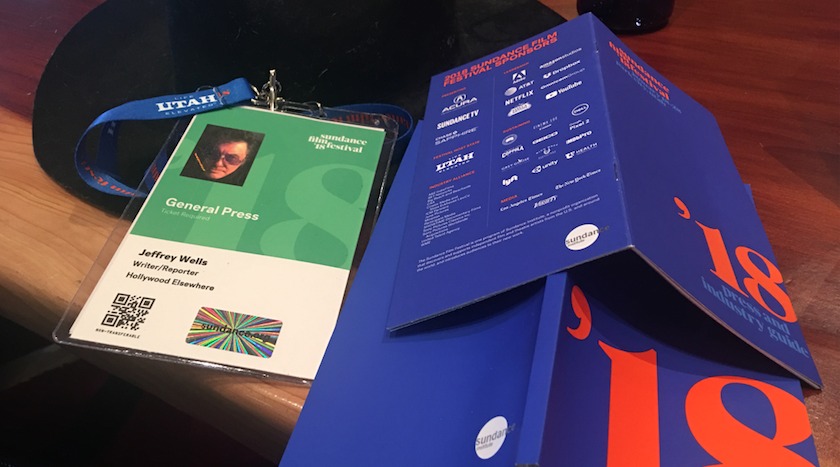
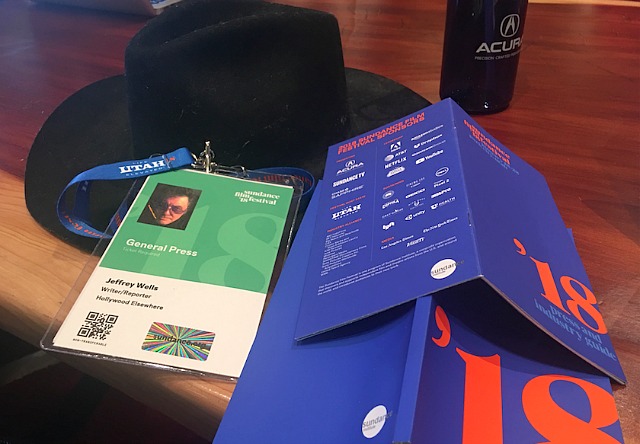
Hollywood Elsewhere arose at 5 am, left for Burbank Airport at 5:55 am, the Southwest flight left at 8:06 am and I was in Salt Lake City airport by…I forget, 10:45 am or something. $40 shuttle to Park Regency. Not much snow on the ground, but a storm is coming. Met flatmates Jordan Ruimy and Ed Douglas, and walked over to the Park City Marriott for press passes. I then sat down in the Marriott lobby and filed the story about Indiewire’s “Woody Allen is dead” piece. Update: It’s now 1:27 pm. Heading back to condo to unpack, maybe nap for an hour, then hit Fresh Market for foodstuffs.

Indiewire Climbs Aboard “Woody Is Dead” Bus

Indiewire‘s Eric Kohn, Kate Erbland, David Ehrlich and Jude Dry have posted a piece that basically says “we don’t know if we believe Dylan or Moses Farrow…well, we’re mostly on Dylan’s side because we want to be with Greta and Timothee and the other cool kidz…but whatever the truth may be, we’re mainly interested in announcing that Woody Allen‘s career is almost definitely at an end. But why did this take so long?”

HE to Kohn, et.al.: “So your response to the obviously debatable if not disreputable Woody hoo-hah is to run a POST-MORTEM about the end of his career because the jackals are circling? Because Timothee Chalamet was pressured into washing his hands by his agent and publicist? Ballsy move, guys. Incisive journalism. Have you read the Robert Weide piece that answered the Farrow essay?

“If you’re so certain that Allen is suddenly MORE GUILTY THAN EVER BEFORE because of Dylan Farrow’s L.A. Times piece, why don’t you stand up LIKE MEN and post an essay titled ‘MOSES FARROW IS FULL OF SHIT’?”

Kohn replies: “The piece is an honest assessment of the last few weeks. So many actors are distancing themselves from Allen and the actions of his recent cast speak for themselves. I love many Allen films; that’s not the point here. He has been rendered commercial anathema and it’s obvious that very few actors will work with him now.”

HE retort: “There are many actors of character (Alec Baldwin for one) who will stay with Allen. There is also the option of European financing. Allen might fold his cards, yes, but if I were Allen I would commit to making films forever and ever until he dies, if for no other reason than to deliver a hearty ‘fuck you’ to you, due respect, and David Ehrlich and the rest of the Indiewire team for declaring that he’s over & done with.

“And WHAT ABOUT MOSES FARROW? Is he a liar? If you believe that, fine, but please explain your reasons for thinking so.

“Yeah, I didn’t think so.”

Kohn replies: “Again, the piece is an analysis of the commercial situation surrounding his career, not an argument for or against allegations against him. Easy, tiger.”

My response: “But the commercial situation surrounding his career has been triggered by the conflating of #MeToo and Dylan Farrow’s L.A. Times essay, and a general non-analytical presumption that he molested his daughter. If you’re not saying that Dylan is truth-ing and Moses is lying, then you should be. Or not. I happen to believe Moses, but that’s me. In any case all you guys are saying is ‘uhm, yeah, whatever but his career is probably over.’ You’re sitting on the sidelines, and that ain’t much.”

Read the Weide, read the Weide, read the Weide.

Damon Schooled, Bowed

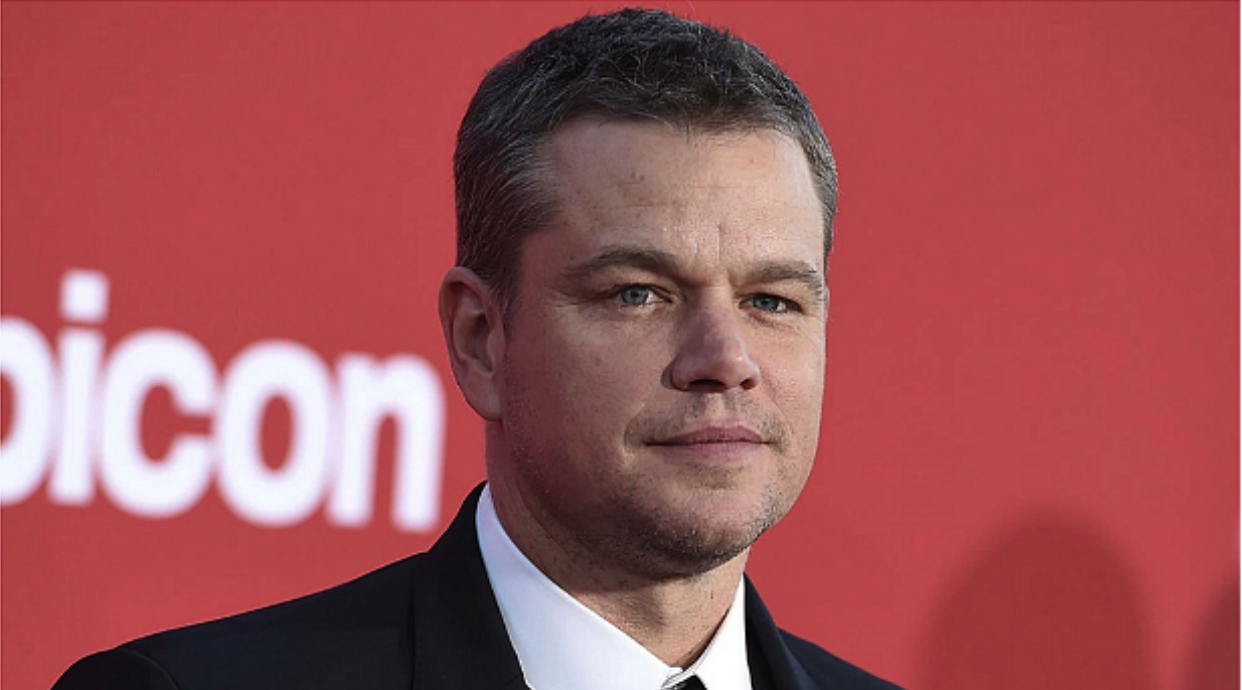
Three weeks ago I was half-agreeing with Tucker Carlson about the outraged reactions to Matt Damon’s mansplaining remarks (“spectrum of behavior”, “shouldn’t conflate”) in a televised chat with Peter Travers.

“There’s not a single sentiment in [what Damon said to Travers] that’s not defensible or that 90 percent of the American population would find over the top or outrageous,” Carlson said. “It’s all within bounds or it would have been last year.”

But the blowback was pretty bad, and Damon is only human.

During an interview this morning on the Today show with Kathie Lee Gifford, Damon apologized and pleaded for forgiveness for having the temerity to share what he thought. The gist of Damon’s earlier comments were that (a) there are some really bad guys out there (i.e., Harvey Weinstein) as well as (b) some mildly shitty guys, (c) some flawed but not-so-bad guys (Sen. Al Franken) as well as (d) regular guys who’ve never pawed or assaulted anyone and are okay to have around. But that category (a) shouldn’t be conflated with categories (c) and (d).

“I really wish I’d listened a lot more before I weighed in on this,” Damon told Gifford. “Ultimately, what it is for me is that I don’t want to further anybody’s pain with anything that I do or say. And so for that I’m really sorry. A lot of those women are my dear friends and I love them and respect them and support what they’re doing and want to be a part of that change. But I should get in the back seat and close my mouth for a while.”

Chalamet Joins Mob, Throws Allen Under Bus

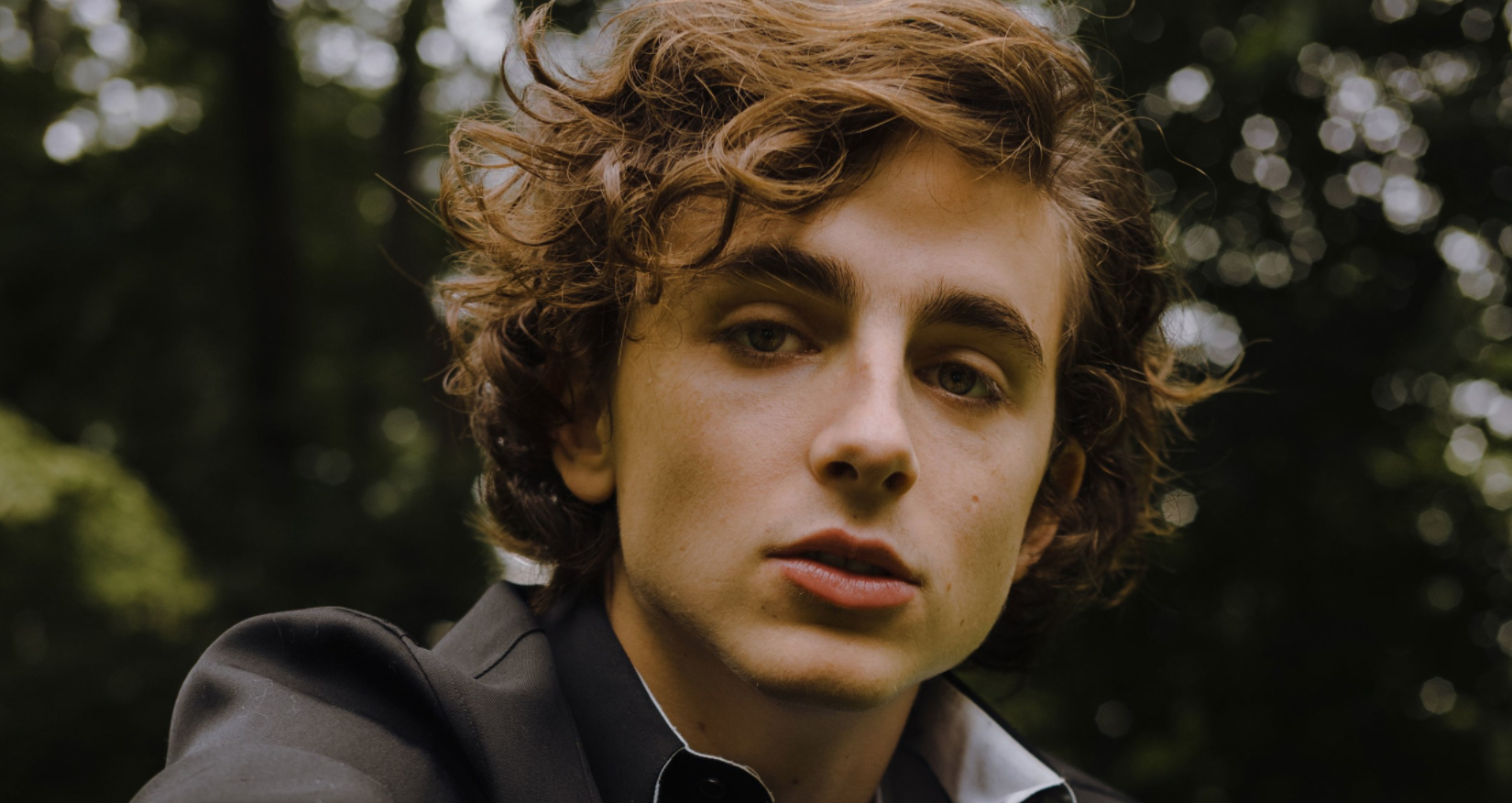
“I have been asked in a few recent interviews about my decision to work on a film with Woody Allen last summer,” Timothy Chalamet said on Instagram Monday evening. “What I can say is this: I don’t want to profit from my work on the film, and to that end, I am going to donate my entire salary to three charities: TIME’S UP, the LGBT Center in New York and RAINN.”

In other words, Chalamet considers his fee for acting in Allen’s A Rainy Day in New York to be dirty money, which is tantamount to calling Allen a dirty filmmaker, or more precisely a guilty filmmaker.

Along with other actors, Chalamet has presumably arrived at this belief by way of faith and solidarity with Dylan Farrow and her longstanding charge that Allen sexually abused her as a child. It’s well known that facts, evidence, two investigative agencies and Farrow’s own brother, Moses Farrow, strongly dispute Dylan’s recollection, but that’s not Chalamet’s concern at this point.

The 22 year-old actor is playing it smart for the sake of his career and the maintaining of a progressive, forward-looking, Time’s Up-embracing industry profile among his contemporaries. It is far easier and safer to throw in with the anti-Woody gang (Greta Gerwig, Mira Sorvino, Rebecca Hall, Natalie Portman, Reese Witherspoon). Throw the 82 year-old filmmaker under the bus, terminate his career, wash your hands.

Chalamet had no choice, right? His career would have definitely been hurt if he’d taken Allen’s side or adopted a neutral posture. He had to join the throng.

Hollywood Elsewhere has been saying all along that Chalamet’s Call Me By Your Name performance is far richer and miles above Gary Oldman‘s broad performance as Winston Churchill in Darkest Hour. But I can’t honestly say that I admire Chalamet at this point in time, or that tonight’s statement has shown him to be a man of balls and character.

For the 17th time, the facts are right here in Robert Weide’s 12.13.17 piece, “Q & A With Dylan Farrow.” I realize that facts are secondary in this matter, but they should matter to some degree…no?