Refreshing Jackson Browne Story

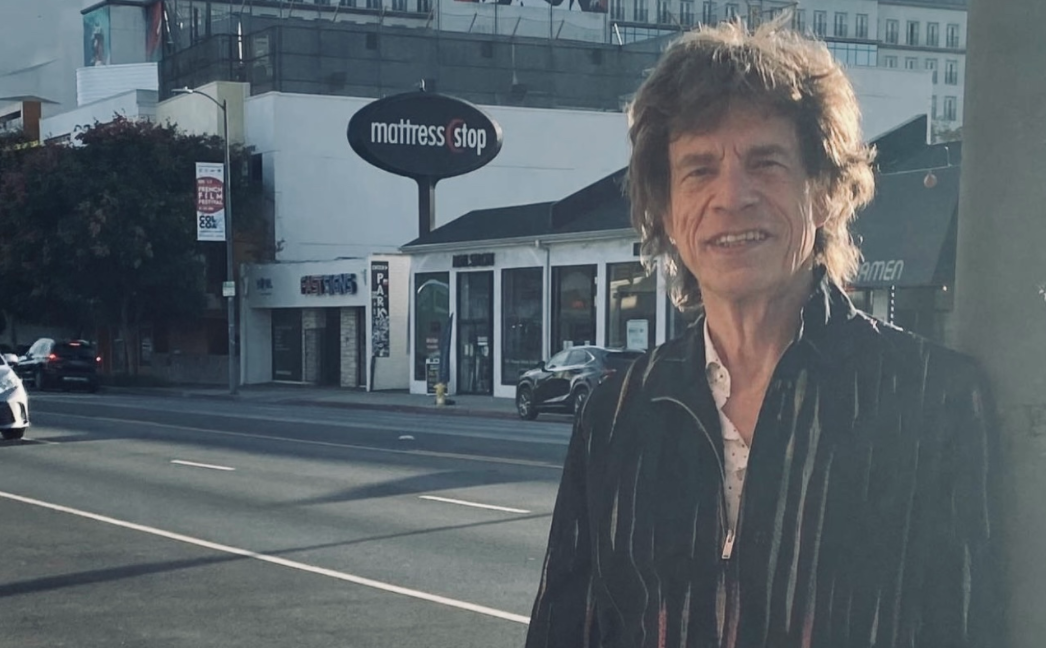
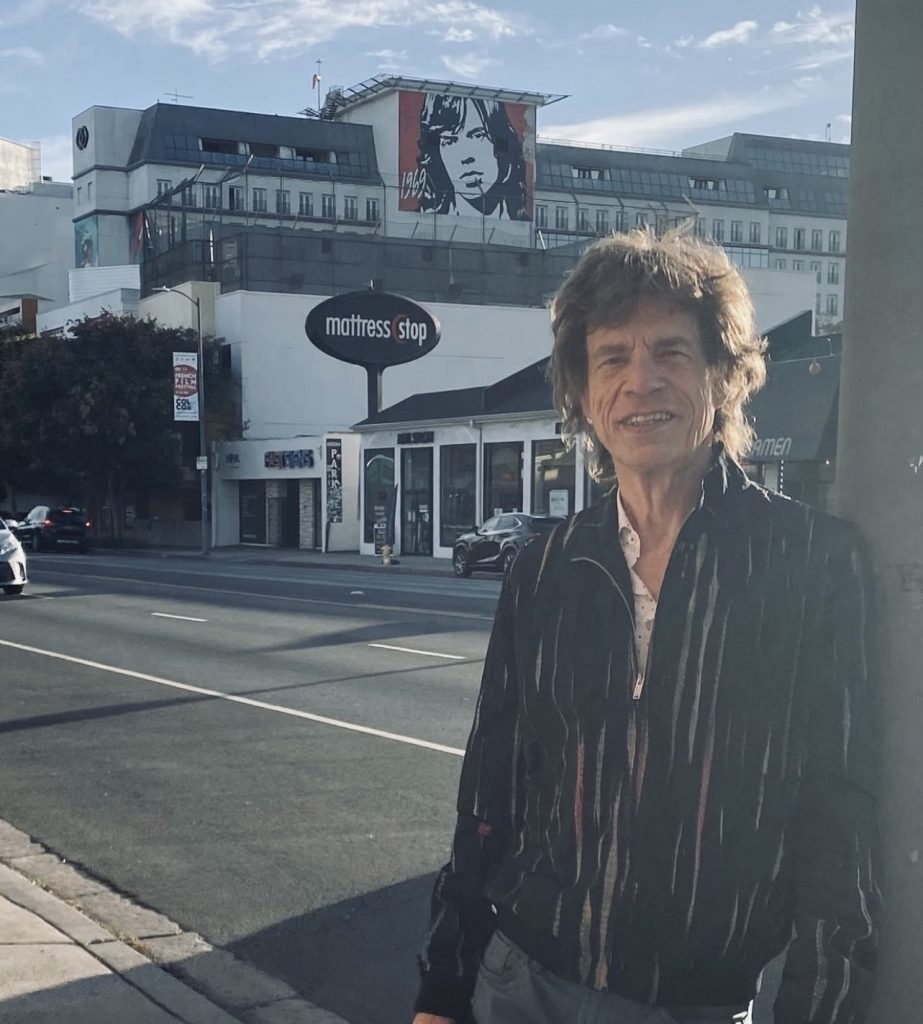
On 6.5.12 I posted about a chat I had with Jackson Browne way back when. (It was actually a four-way — Browne, myself and a couple of pretty ladies.) It was at some kind of political fundraiser that Tim Robbins and Susan Sarandon were attending. (Or so I recall.) It was at the Mondrian on Sunset, around late ’94 or early ’95. And I was very favorably impressed by Browne’s manner and focus.

When you collar a celebrity at a party, it’s understood that you’ll have his/her attention for maybe two or three minutes, and then someone else will move in. Browne was different in that we were talking about something political, and he didn’t respond to others trying to wheedle in on the conversation. We all stayed focused and just hung in there for 20 or 25 minutes, which is an eternity at a party.

I liked how Browne seemed to think in long sentences, and how he stayed with a thought (his or someone else’s) and how he tried to develop it and push it along, and how he really seemed to listen and engage and make an effort to stay away from the usual chit-chat. Yes, he may have been persisting in the conversation because he liked the ladies. But one can usually sniff out hounds and their personalities, and my sense was that Browne wasn’t one.

For years I’d been a fan of Browne’s songs like everyone else, but after that night I knew first-hand that he was genuine and grounded as far as it went, and that he really disliked being glib or skirting or going “yeah, yeah, uh-huh” without really listening.

I can’t recall if it was a post-Oscar party, but it might have been. The subject may have been the Gingrich revolution and the piece I had just written Hollywood conservativbes for Los Angeles magazine, which was eventually called “Right Face“.

Pete Hammond says Barbra Streisand is like Browne in this respect. Engage her in a good political discussion and she’ll stick with it.

“Tender” Time

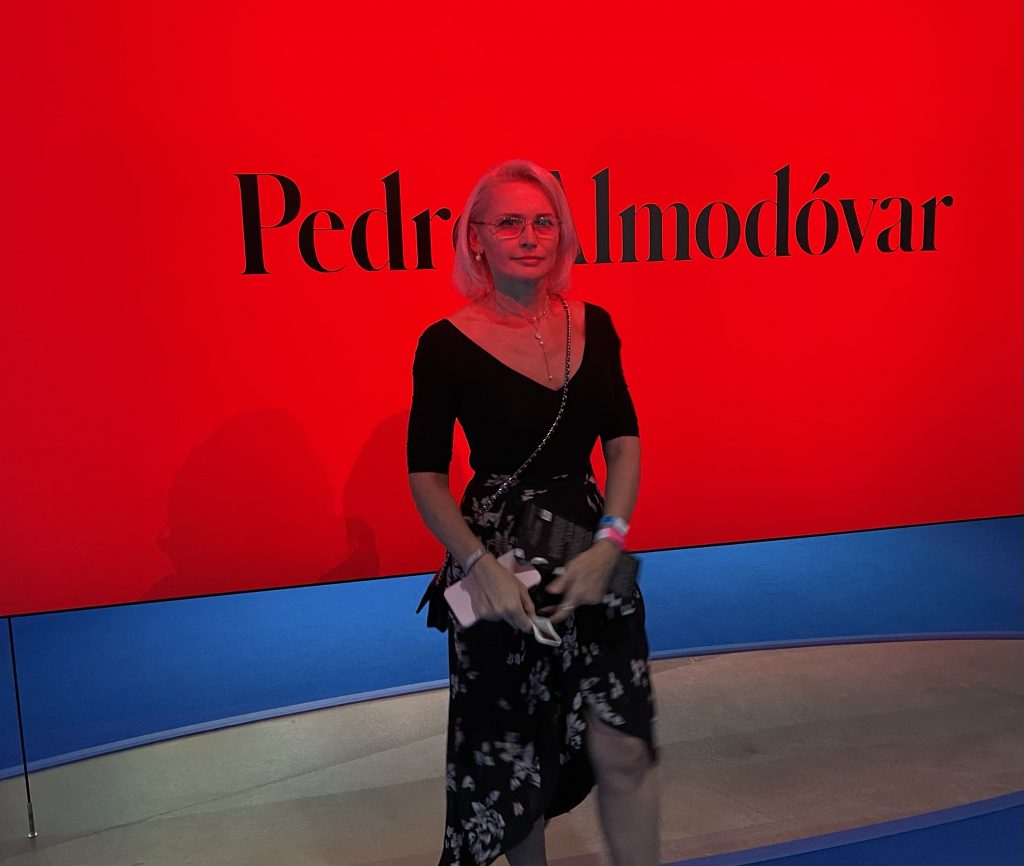
Tatiana and I attended last night’s 6 pm screening of George Clooney and William Monahan‘s The Tender Bar (Amazon, 12.17 theatrical, 1.7 streaming) at the DGA. Then we hit the after-party at the Sunset Tower hotel.

Set in Manhasset and Connecticut in the ’70s and ’80s, the movie is a warm, occasionally jarring family affair about the usual dysfunctions and obstacles…nurtured in a bar, romantic yearnings, toil and trouble, struggling to be a writer, etc.

Tye Sheridan‘s performance was the best element for me; Ben Affleck delivers an “amiable boozy uncle with a distinctive Long Island accent” performance that might result in a Best Supporting Actor nom. This, at least, was the general consensus at the Sunset Tower.

Tatiana says The Tender Bar is going to emotionally connect like Kenneth Branagh‘s Belfast has. Sid Ganis wasn’t at the screening or the party so I couldn’t check about this, but if Tatiana likes a film, attention should be paid.

The food, drink and company were all wonderful, and we were especially delighted by a three-song performance by Jackson Browne, which included one of the all-time favorite songs of my life, “These Days.”

Van Morrison’s “Bright Side of Road”

Yesterday (10.1) Tatiana received her U.S. passport in the mail. Less than a month ago (9.5) she received her renewed Russian passport. On 8.20 she became a U.S. citizen. And roughly eight months ago, after receiving several union vouchers on various shoots, she received her SAG/AFTRA membership card. That made a difference. Except for a down period last summer (late May to mid July) she’s been working vigorously on films, TV shows, commercials and music videos. Especially recently. Boom time. So there’s some positive energy in this house.

Read more

Reagan-Era Rumination

My admiration of Peter Weir‘s The Year of Living Dangerously (MGA/UA, 12.16.82) was immediate and unqualified. Probably the sexiest film ever about a wet-behind-the-ears journalist in an exotic, tinder-box situation — an adult-level thing, a gradually inevitable love story, a feeling of engagement on all levels, highly emotional toward the end.

Apart from the cardinal sin of having been made by white guys (which of course makes it a racist film…right, asshats?), The Year of Living Dangerously is easily among the greatest Asian-set moral and ethical dramas of its type. Where does it rank alongside Phillip Noyce‘s The Quiet American, Francis Coppola‘s Apocalypse Now, Joshua Logan‘s Sayonara, Oliver Stone‘s Platoon, etc.?

My last viewing was on laser disc in the early ’90s (I think) but I haven’t re-watched it since. Which is odd. I don’t like admitting this, but the reason I’ve stayed away is Linda Hunt‘s “Billy Kwan” character. The notion of Billy, a wise and perceptive man about town if there ever was one, suddenly succumbing to despair and offing himself over the excesses of Sukarno-influenced corruption has always struck me as crudely manipulative and un-earned. That hectoring little voice with the deep register, that haughty judgmental moralizing, that glare of outrage…bullshit.

But otherwise a haunting watch with a great Maurice Jarre score**, and certainly with a grand romantic ending.

Yes, Virginia — big studios actually supported and promoted this kind of film from time to time. Not often but it happened.

** I thought for sure the composer was Vangelis, but I was wrong.

Maple Street Monsters Are Embedded

Note to HE community: Please pay attention to this post, but especially to the final five paragraphs — thank you.

Yesterday Gordon Klein, a veteran professor at UCLA’s Anderson School of Management, posted an essay on Bari Weiss’s Substack about being hounded and threatened by campus wokester fanatics for not going along with a suggestion (contained in a 6.2.20 letter from a “non-black” student of Klein’s) that he grade his Black students with “greater leniency than others in the class” because, you know, they have it tougher than white students and need all the support they can get.

Excerpt from 6.2.20 letter: “The unjust murders of Ahmaud Arbery, Breonna Taylor and George Floyd, the life-threatening actions of Amy Cooper and the violent conduct of the [University of California Police Department] have led to fear and anxiety which is further compounded by the disproportionate effect of Covid-19 on the Black community.

“As we approach finals week, we recognize that these conditions place Black students at an unfair academic disadvantage due to traumatic circumstances out of their control.”

In other words, the white student was claiming, Black students are too socially handicapped and emotionally traumatized to get their shit together and study and apply themselves to the curriculum. Given all the social and psychological pressures, the only decent thing to do is give them a pass if their grades aren’t up to snuff.

More specifically, the final exam that Black students take should be a “no harm” exam — one that would be counted only if it boosted one’s grade.

Klein found this suggestion appalling, and as a result was subjected to a campus-wide hate and removal campaign in which he was tarred and feathered as “woefully racist.” This was followed by a suspension on 6.5.20, followed by a near-firing. He is now suing UCLA over this whole affair.

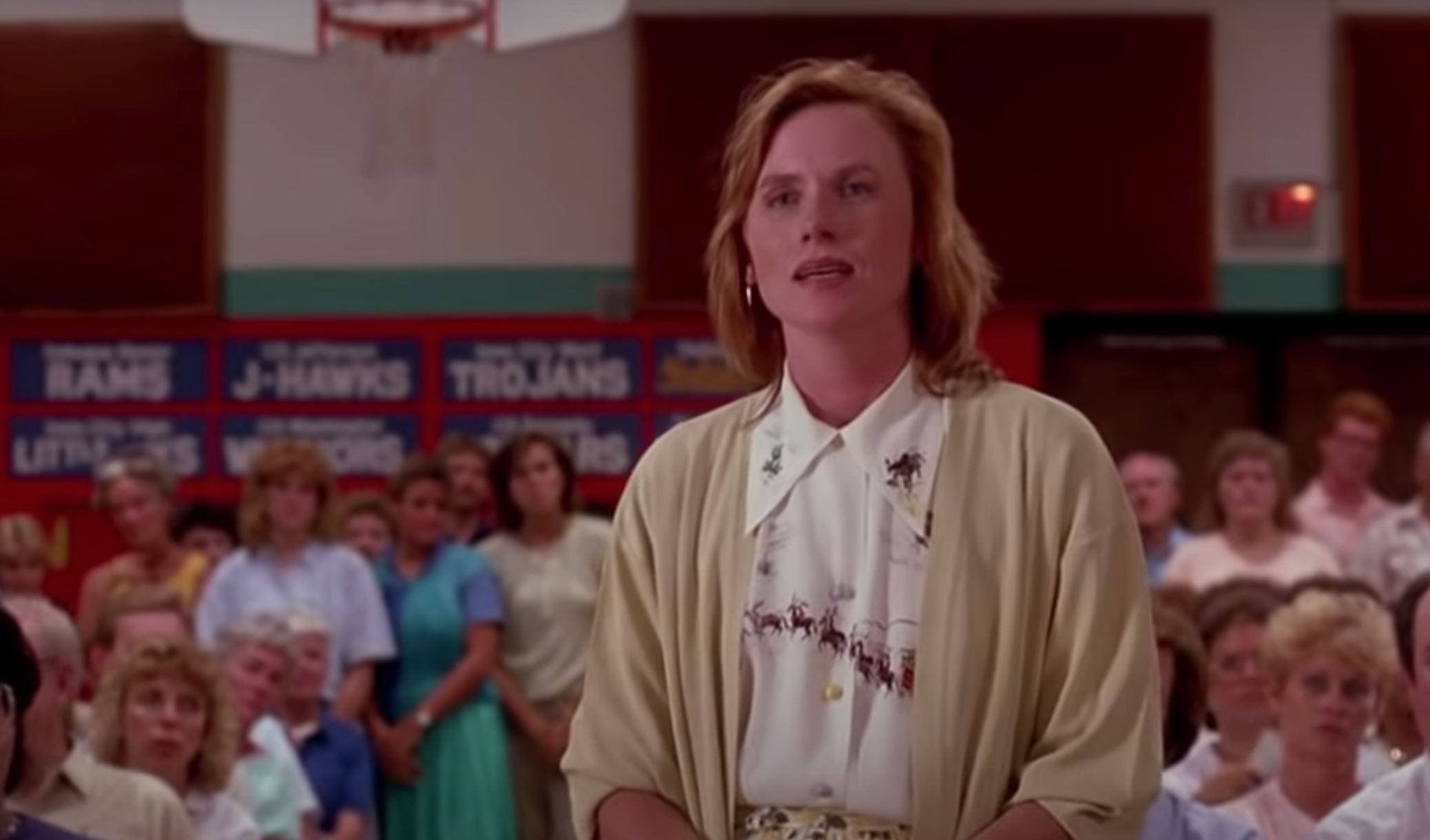
I was struck by this episode because it reminded me of a similar incident that happened when I was in 11th grade in Wilton High School — a critical year in terms of grade-point averages and applying to various colleges. I had been earning poor grades in everything except English composition and gym, and so I wrote a letter to the WHS principal and others in charge, pleading for leniency because I had it tougher than other students due to (a) an abusive alcoholic father, (b) a bad case of low self-esteem, (c) an inordinate aversion to boring classes, and (d) a deep-seated preference for listening to rock music.

I know this sounds satiric, but I did have it tougher than others back then. Or so I believed.

Excerpt from Wilton high-school letter: “The unjust, bloody beating that I received from my father when I was 16, along with various psychological pressures impacting my teenage mind…various forms of emotional torture, sexual intimidation by hot girls who haven’t found me sufficiently attractive, and the traumatizing conduct of the Wilton Police Department in their brutal confiscations of cases of beer, [confiscations] that have deprived me and my friends of the pleasures of getting buzzed on weekends, not to mention the fear and convulsions caused by the disproportionate effect of primal sexual urges that plague me night and day…

“As Wilton juniors approach finals week, I’m requesting that you recognize and sympathize with the fact that the afore-mentioned pressures and conditions, all of which are out of my control, have placed me at an unfair academic disadvantage. I therefore request that Wilton High School allow me to take ‘no harm’ final exams in my various courses — ones that would be counted only if they boost my grade.”

Wilton administrators refused my request, and soon after my life took a turn for the worse. It took me years to recover and take a stab at movie journalism. It is my earnest hope that present-day college professors and department heads and deans can see past the brusque and dismissive attitudes of the past and urge that all attending Black students to be treated with appropriate scholastic leniency.

Huddled Away in Exurbia

I visit and re-visit Mark Harris‘s “Mike Nichols: A Life.” It’s obviously been thoroughly researched and Harris has always been a smooth and engaging writer (and I love the chapter on the making of Who’s Afraid of Virginia Wolff) but for whatever reason I can only digest a modest portion at a time. And then I nod off or get distracted and wander away and forget about Harris-Nichols, and then, a week or a month later, I’ll start reading again. And always late at night.

I’m now reading the Graduate chapter, and a year-old exchange between Joe Leydon and myself is coming to mind.

Leydon: “Something else about The Graduate and not unlike The Sterile Cuckoo, which followed two years later. It appears timeless because it’s not at all reflective of its time. You’d never know from looking at these films (both of which I love, and both of which I saw back in the day) that the Vietnam War was going on.”

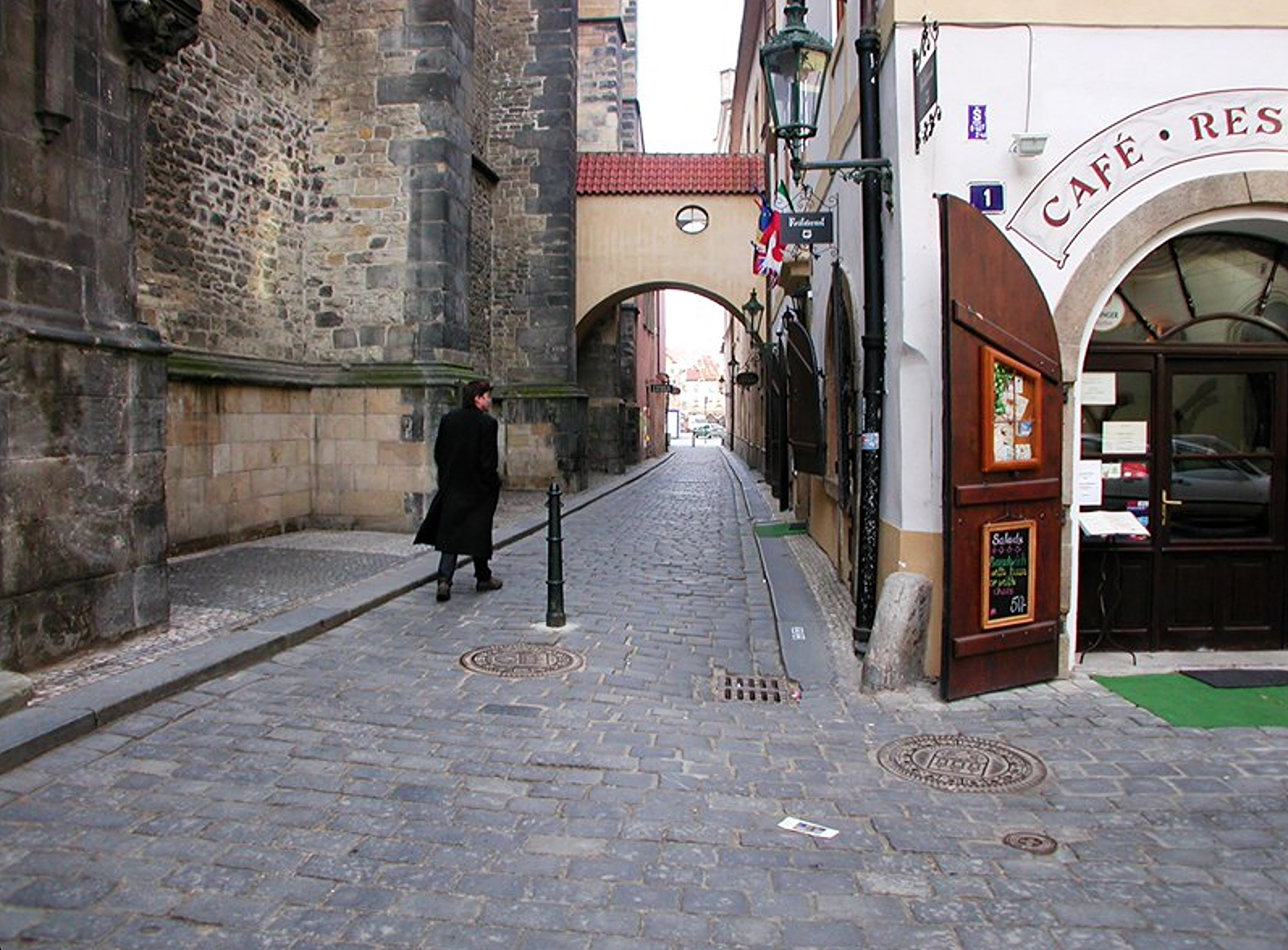
HE response: “The Graduate actually was reflective of its time as far as your vaguely stifling upper-middle-class norms were concerned. Anti-Vietnam War and anti-Dow Chemical napalm fervor (‘Dow shall not kill’) was hot on university campuses but not in your cushy suburbs. I can tell you that in Wilton, Connecticut — that leafy, well-tended, exurban hamlet that I felt half-oppressed and half-drugged by — the anti-Vietnam War thing only caught on in the aftermath of all the ’68 convulsions (MLK and RFK killings, LBJ folding his tent, Chicago Democratic Convention riots) and beyond.

“In ’66 and ‘67, the middle-class miasma was mainly about singing Beatles songs at parties and getting high and zoning out…an odd blend of vague resignation and regimentation and cruising around for nocturnal adventure. Whiffs of sexual secretions and Brooks Brothers shirts that smelled like pot (although scoring was very hard unless you were “in” with certain folkies and/or hung out with certain people in Westport) and and the sounds of Buffalo Springfield and Revolver and Sgt. Pepper. In short, the Vietnam War didn’t really begin to intrude upon this strata of American culture (Brentwood and Beverly Hills being somewhat similar to Wilton) until the Tet Offensive and then Johnson’s announcement that he wouldn’t be running again, etc.

“So Nichols and Graduate screenwriter Buck Henry did, in fact, capture the way things were for the Benjamin Braddocks and Elaine Robinsons in ’66 and ’67.”

Read more

“But George Wanted Jake”

The Unchosen One” is a curiously moving short doc (15:58), directed by Ben Proudfoot, about how feelings of loss and hurt have lingered inside ex-child actor Devon Michael, now 32. They resulted from Michael not being chosen by George Lucas to play Anakin Skywalker in The Phantom Menace (’99).

Michael was one of three finalists for the role — himself, Almost Famous costar Michael Angarano and Jake Lloyd. Lloyd got the part, of course, and we all know how critics and fanboys responded.

Would things have turned out any better if Michael had been chosen? Perhaps not given the quality of Lucas’s film and the presence of Jar-Jar Binks, but my sense is that he probably would have been better than Lloyd, partly because of a certain curt intensity and directness of manner — guarded but watchful — and partly because almost anyone would’ve been an improvement over Lloyd. I’ve always presumed that Lucas chose Lloyd at least partly because of his cute looks.

I’m again recalling that moment when hundreds (including Paul Thomas Anderson) poured into Mann’s Village in Westwood to see the world premiere of the Phantom Menace trailer. It happened in the early afternoon of Thursday, 11.6.98. Every Los Angeles film fanatic with blood in his or her veins was there. The movie that nobody stayed for after the trailer was shown was Edward Zwick ‘s The Siege, which the crowd was mocking with a chant….”Siege! Siege! Siege!”

And then The Phantom Menace opened on 5.19.99, and the whole thing came tumbling down. It doesn’t matter how much money that mostly tedious film made. In the minds of many it destroyed the Star Wars theology. True believers were shattered, crestfallen.

Will Smith Is Rich Enough To Do Whatever

The notion of seasoned people in their 40s and 50s undergoing identity crises and indulging in impulsive, unconventional behavior began with Sam Peckinpah‘s The Wild Bunch (’69), the main protagonists of which were all long-of-tooth. In the cultural blink of an eyelash, wildness was suddenly an older-person thing. The spiritual-sexual side of this syndrome was explored by Tom Wolfe in the early ’70s, aka “the Me Decade.” A minor signifier was Middle Age Crazy (’80), a totally disappeared dramedy with Bruce Dern and Ann-Margret.

But then teens have always been wild, and 20somethings have always lived lives of Fellini Satyricon. Hell, the only people living modest, carefully regimented lives these days are expectant parents (like Jett and Cait) — otherwise it’s hoo-hah time from 12 through 75.

Now comes a qualifier by way of Will Smith and Denzel Washington. Middle-age crazy is composed of two phases — the “funky 40s” and the “fuck-it 50s.”

Will Smith to GQ‘s Wesley Lowery: “Throughout the years, I would always call Denzel. He’s a real sage. I was probably 48 or something like that and I called Denzel. He said, ‘Listen. You’ve got to think of it as the funky 40s. Everybody’s 40s are funky. But just wait till you hit the fuck-it 50s.’

“And that’s exactly what happened,” Smith recalls. “[Soon after my life] just became the fuck-it 50s, and I gave myself the freedom to do whatever I wanted to do.”

Many of those things are detailed in “Will” (11.9.21), Smith’s semi-“autobiography” that was co-authored by Mark Manson (author of “Everything is Fucked: A Book About Hope” and “The Subtle Art of Not Giving a Fuck: A Counterintuitive Approach to Living a Good Life”).

Smith: “I totally opened myself up to what, I think, was a fresh sampling of the fruits of the human experience.”

Lowery: “And so Smith set out on a journey to find himself, and find happiness. He rented a house in Utah and sat in solitude for 14 days. He traveled to Peru for more than a dozen rituals [involving the sipping of a plant-based psychedelic called ayahuasca], even though he’d never even smoked weed and barely drank. (‘This was my first tiny taste of freedom,’ Smith writes of his first experience. ‘In my fifty plus years on this planet, this is the unparalleled greatest feeling I’ve ever had.’) He opened a stand-up show for Dave Chappelle. He began traveling without security for the first time, showing up in foreign countries and working his way through the airport crowds unaccompanied.

The fact that Smith defines “exotic high” as flying commercial and working his way through airport crowds without a pair of security goons…this in itself tells you he’s an odd duck. What’s next…hitting a Rite-Aid at 11 pm all by his lonesome and buying some paper towels and maybe an ice cream cone?

Read more

I Say Again

As noted a few days ago, the trailer for Paul Thomas Anderson‘s Licorice Pizza (UA Releasing, 11.26) indicates that it’s mainly a romantic relationship story about age-disparate characters played by Cooper (son of Phillip Seymour) Hoffman and rock musician Alana Haim.

Cooper’s character is an aspiring actor named Gary Valentine; Haim is apparently playing a late-teens or 20something woman named Alana Kane. We see them go through initial attraction, flirtation, awkward sexual stuff, warmth, misunderstandings, getting back together, etc.

May I ask something? Hoffman and Haim play younger-older — there’s a line in which she says “I think it’s weird that I hang out with Gary and his 15 year-old friends all the time.” In actuality Hoffman is 18 (17 when the film was shot) and Haim is 29 — 11 years apart. That’s a significant gulf when you’re young.

Imagine if Licorice Pizza was about an older-looking dude (and played by a 29 year-old) falling in love with a 15 year-old girl who’s played by an 18 year-old actress. If so, the reaction could be in the realm of Dear Evan Hansen. People might say “so it’s about a cradle robber…a guy who’s unable to grow up and is hiding in the cave of a youthful romance with a girl who’s too young for him?”

But because #MeToo has given women more agency and independence, it’s totally cool for a 29 year-old to be cast as a somewhat older woman who falls into a relationship with a kid who’s wet behind the ears. Yes, only a nervy director like PTA would even go there, but be honest — Licorice Pizza couldn’t happen with the sex roles reversed.

9.20.21: It seems to me that if you’re a major-league director making a supposedly important film about a couple of love-struck kids (even though the off-screen Haim is pushing 30), you can go with one unknown as long as you pair him/her with a skilled name-brand actor, but you can’t have two unknowns carrying the film because no one will care all that much.

I mean, movies deal in familiar faces and personalities for a reason…right?

There are basic rules about young person relationship movies. Rule #1 is that at least one of the kids should be a half-familiar face, which helps with the comfort factor. Rule #2 is that the kids have to be at least somewhat attractive, not just to each other but to the audience. I’m sorry but ginger-haired Cooper Hoffman looks nerdy and freckly. I can’t put myself in his shoes. I really can’t. Haim isn’t anyone’s idea of a knockout either. The idea seems to be “the odd couple.”

Yes, David Bowie‘s “Life on Mars” helps to some extent.

I might give a damn or even care a great deal about these two when I start watching the actual film, but my first honest reaction was “the movie rests on their shoulders?”

The film has been described as a ‘70s San Fernando Valley thing, focusing on the TV industry with a partial focus on Bradley Cooper‘s Jon Peters, L.A. City Council member Joel Wachs (Benny Safdie), a film director (Tom Waits) and Sean Penn as a smiling, big-personality guy in a slick gray business suit.

There’s a snippet between Hoffman’s character and and Cooper / Peters in which Peters mentions his “girlfriend” Barbra Streisand, followed by a back and forth about how to pronounce the second syllable of her last name. StreiSAND is the correct pronunciation.

Again: Why exactly would Peters, famously paired with a world-famous actress and with ambitions to produce and become a hot shot…why would Peters smash some car windows with a golf putter, and then shout and celebrate this aggression? Guess I’ll find out.

Read more

“Pay The Man Again, Fats”

Yesterday Robert Rossen‘s The Hustler celebrated its 60th anniversary. It opened on 9.25.61.

All the principals except Piper Laurie are long dead — director Robert Rossen, costars Paul Newman, Jackie Gleason, George C. Scott, Myron McCormick, Michael Constantine, dp Eugene Shuftan, editor Dede Allen — and it’s still a thing of ripe beauty in many respects.

And yet for decades I’ve felt irked by the script’s nagging moral undertow, voiced by Laurie’s Sara character. In an Act Two scene (a picnic), Sara marvels at Eddie Felson’s gift for pool-shooting (“Some men never feel like that”), and yet she berates him for playing for money. What’s Eddie supposed to do, become a bus driver or short-order cook and play for free on weekends?

And I’ve always been irritated by the grim expressions of McCormick’s Charlie. Once Felson starts playing Minnesota Fats in the temple of Ames Billiards, Charlie seems intimidated and bummed out by the stakes, the vibe…by everything. Shuftan’s elegant cinematography tells you what a joy the game can be, but Sara and Charlie do nothing but groan and lament. They’re a drag to be around.

Actual Best Picture Contenders

Four days ago The Hollywood Reporter‘s Scott Feinberg posted his first forecast about the Best Picture Oscar race, and he put Reinaldo Marcus Green, Zach Baylin and Will Smith‘s King Richard at the top of the list.

Feinberg was completely correct in doing so for a simple, undeniable reason. Of all the contenders seen so far King Richard is the only one that is (a) exceptionally well made, (b) perfectly acted and (c) makes you feel good in an honest, fully earned, non-pandering way.

There are no other Best Picture hopefuls that have even come close to managing this feat. No other 2021 film so far has delivered this kind of effective emotional pizza. Plus it’s a mostly all-black sports film** (the saga of tennis stars Venus and Serena Williams) about a super-competitive family from Compton, and in particular about a thorny, whip-cracking dad (i.e., Smith’s Richard Williams) who was far from perfect.

Smith is a Best Actor lock; ditto Aunjanue Ellis as his combative wife + mother of phenomenal daughters.

King Richard delivers a metaphor that everyone will understand and relate to — if you want to win, you have to be hardcore.

There are several films I haven’t seen, but I can still tell (or make a very good guess about) which ones will meet these three criteria.

Using Feinberg’s list as a template, here are my no-bullshit assessments as things currently stand. The boldfaced titles are the only ones that stand a fraction of a chance of beating King Richard. (I’ve also boldfaced King Richard for emphasis.)

1. King Richard (Warner Bros., 11.19) — The only Best Picture contender right now that looks like a real winner.
2. Belfast (Focus, 11.12) — Sentimental, cloying and manipulative family drama — an Irish Roma with an overly cute central kid character + wall-to-wall Van Morrison.
3. A Hero (Amazon) — Brilliant Asghar Farhadi film that will most likely be slotted in the Best Int’l Feature category.
4. The Power of the Dog (Netflix. 11.17) — Exceptionally well made, skillfully acted period drama about Montana ranchers writhing in denial and misery with a little touch of anthrax — makes you feel really, really bad. All hail Jane Campion, but the only time you feel good about The Power of the Dog is when it ends.
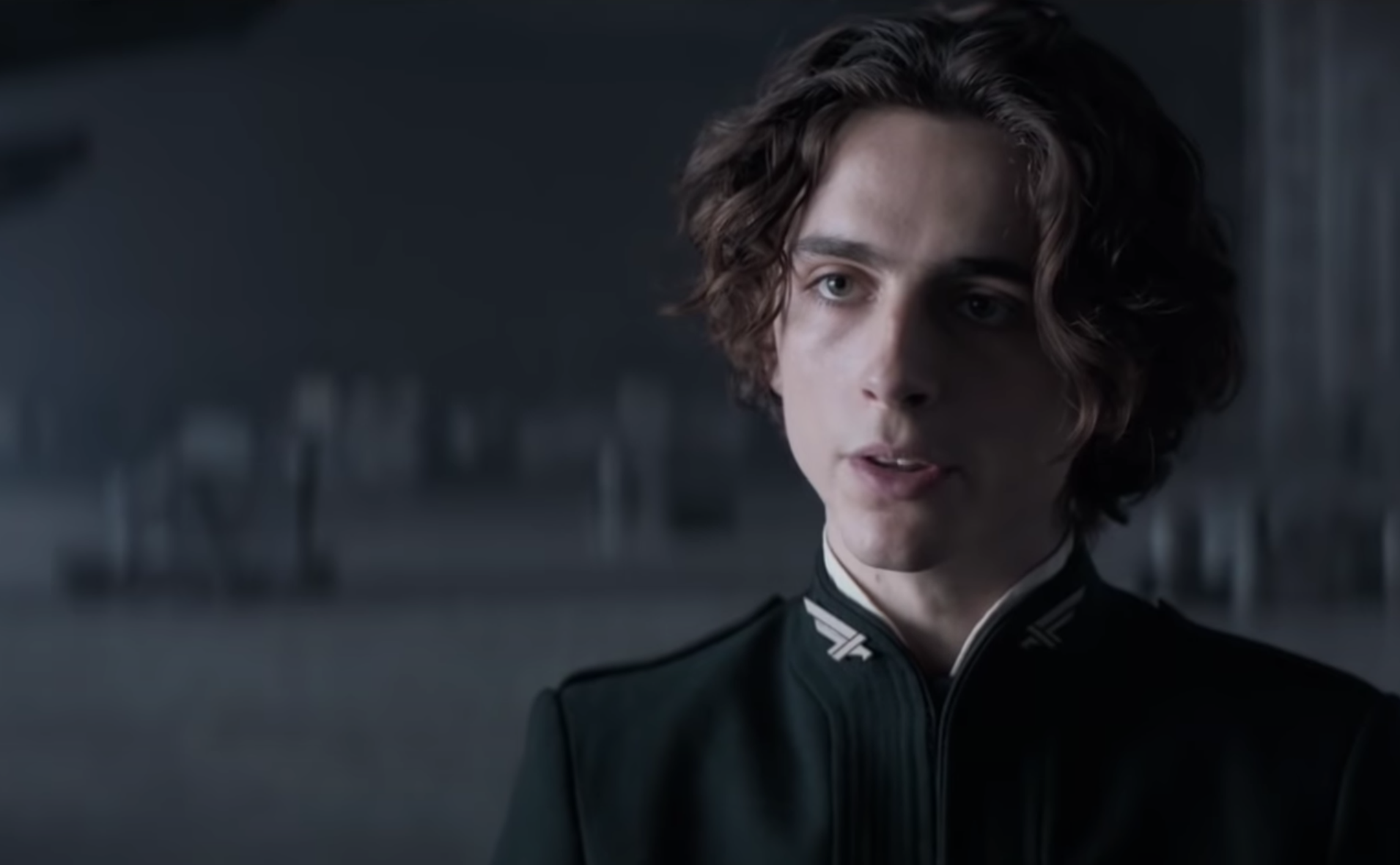
5. Dune (Warner Bros., 10.22) — Torture to sit through for some; delightful for genre geeks. Not a prayer of being nominated for Best Picture.
6. C’mon, Cmon (A24) — Haven’t seen it, but for years my basic motto has been “beware of Mike Mills.”
7. CODA (Apple, 8.13) — Appealing but not good enough — a feel-good sitcom about a hearing-impaired Massachusetts family in the fishing business, and a high-school age daughter who wants to sing.
8. Spencer (Neon/Topic, 11.5) — Not a chance. Agony to sit through. Strictly a platform for Kristen Stewart‘s Best Actress campaign.
9. The Lost Daughter (Netflix, 12.31) — Haven’t seen it but I’m told it’s somewhere between okay and not that great.
10. Cyrano (MGM/UA, 12.31) — Brilliant musical. Joe Wright‘s finest effort since Anna Karenina. Exquisite Best Actor-calibre lead performance by Peter Dinklage.

Read more