Nobody Knows Anything

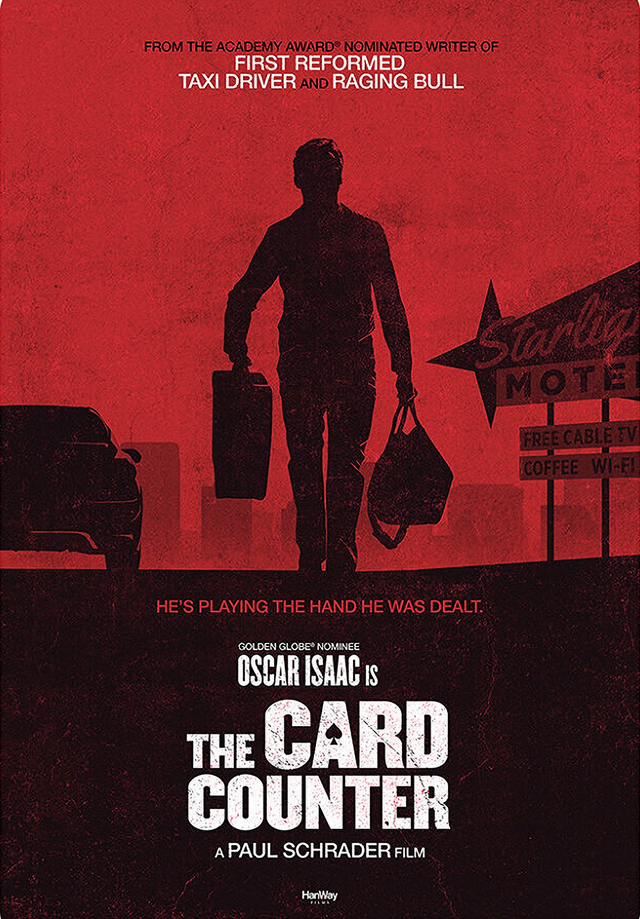
Judging strictly by certain vague and misty auras (promise, potential), the most intriguing films of 2021 seem to be In The Heights, House of Gucci, Canterbury Glass, Annette, Cyrano, The Tragedy of Macbeth, Cry Macho, Soggy Bottom, Being The Ricardos, The Card Counter, Don’t Look Up, West Side Story, The Many Saints of Newark, The French Dispatch (13).

The ’21 and early ’22 Oscar season begins four months hence. Roughly 40 films to keep an eye on, give or take. The order is random. Bring on the corrections!

1. Paul Thomas Anderson‘s Soggy Bottom

2. Aaron Sorkin’s Being The Ricardos

3. Joel Coen‘s The Tragedy of Macbeth

4. Wes Anderson‘s The French Dispatch

5. Guillermo del Toro‘s Nightmare Alley

6. Andrew Dominik‘s Blonde

7. David O’Russell‘s Canterbury Glass

8. Adam McKay‘s Don’t Look Up

9. Denis Villeneuve‘s Dune

10. Sean Baker‘s Red Rocket

11. Edgar Wright‘s Last Night in Soho

12. Robert EggersThe Northman

13. Leos Carax‘s Annette

14. Joe Wright‘s Cyrano

15. James Gray‘s Armageddon Time

16. Jane Campion‘s The Power of the Dog

17. Ridley Scott‘s The Last Duel

18. Terrence Malick‘s The Way Of The Wind

19. Paul Schrader‘s The Card Counter

20. Clint Eastwood‘s Cry Macho

21. Paul Verhoeven‘s Benedetta

22. Mike MillsC’mon C’mon

23. Taika Waititi‘s Next Goal Wins

24. Celine Sciamma‘s Petite Maman

25. Steven Spielberg‘s West Side Story

26. Mia Hansen-Løve‘s Bergman Island

27. Tom McCarthy‘s Stillwater

28. Alan Taylor‘s The Many Saints of Newark

29. Jeremy Saulnier‘s Rebel Ridge

30. Kogonada‘s After Yang

31. Ruben Ostlund‘s Triangle of Sadness

32. Steven Soderbergh‘s No Sudden Move

33. Ridley Scott‘s House of Gucci

34. Jon Chu‘s In The Heights

35. Lin Manuel Miranda’s Tick, Tick…Boom!

36. Pablo Larrain‘s Spencer

37. Joe Wright‘s Cyrano

38. Olivia Wilde‘s Don’t Worry, Darling

39. Maggie Gyllenhaal‘s The Lost Daughter

40. Steve Chbosky‘s Dear Evan Hansen
Tectonic Schrader Moment

This is nearly two weeks old (4.22) but worth highlighting anyway.

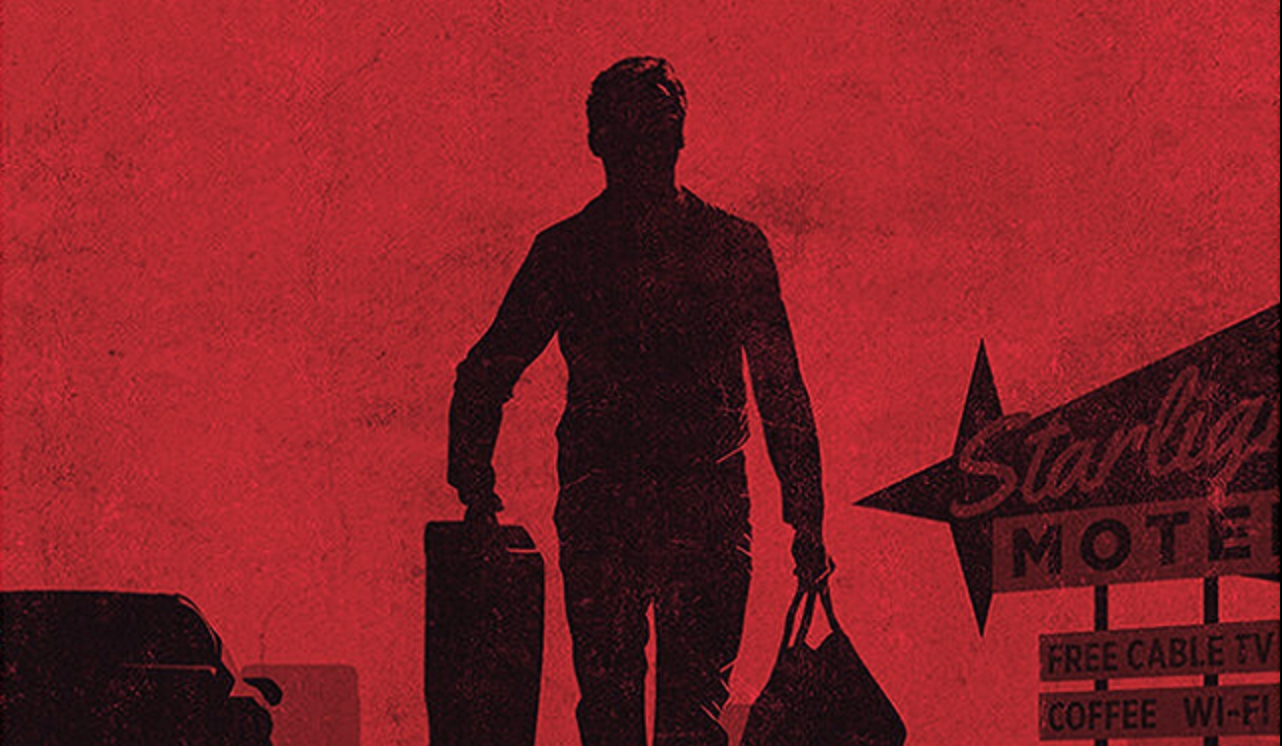
It’s Paul Schrader (The Card Counter, First Reformed) speaking to The New Yorker‘s Richard Brody, and if you’re the type of person who wishes that serious theatrical adult-angled features will somehow rebound when theatres come back, what Schrader says is, of course, hugely depressing. But what else is new?

Schrader: “I see four venues for theatrical. (1) Extreme spectacle, which is like 4DX—or like that van Gogh immersive experience that’s coming. That you have to go out of the house for. That’s a reason to go out of the house; (2) Children’s movies, of course, because you want to see your kids laugh with other kids, and that’s really for the parents more than the kids; (3) Date-night movies, which is horror and a certain kind of teen comedy, and there’ll still be a place for that. And (4) what we now call Club Cinema, which is where you have a membership. This is like the Burns or the Metrograph or the Film Forum or Angelika.

“They’re all event-based. And I think those places will come back. But the normal mall cinema or multi-cinema, I think that’s a real struggle.

div class=”columnPic”>

“They say that 50% of New York restaurants won’t reopen. That’s certainly true, also, of the movie theatres. And so we are rethinking that whole concept, and it’s a rethinking going across the board, because it’s also happening to the Oscars. What do the Oscars mean anymore? Does anybody care anymore? Will the festivals have the strength that they used to have?

“And this idea of the two-hour serious movie, which evolved in many ways as a reaction to television, where the film companies all had agents in New York looking for the new serious book…From Here to Eternity, we’re going to do that.” And that’s gone now. Nobody’s looking for the new serious book. And to make a movie today, a quality movie, let’s say a movie like Hud or The Hustler, that movie’s just not being made. Now, there is quality long-form but I think the serious two-hour film [is a commercially shaky proposition].

“I have a film that’s opening [The Card Counter], which fits in that mold. And I’ve been thinking of writing a new script after that, and I just find myself wondering, ‘Who will make such a film?’

Read more

Sublime Dawn Hours

I almost always get up early (between 6 and 7 am), and that’s usually after having gotten five or six hours of sleep. Even though it’s better for people (especially those with demanding, stressful jobs) to get 7 or 8 hours my eyes are almost always open in the quiet morning hours, when things outside are mostly still and semi-shadowed to some extent.

Sometimes I’ll even awaken at 4 or 5 am. There’s no point in trying to go back to sleep so I just turn the phone on and start the usual chores — editing and refining the material I wrote the day before, responding to commenters, figuring what to write about next.

But after doing this for two or three hours, or around 8 am, that sleepy John Lennon feeling returns and I’ll go under again for an hour or so. My body tells me this without fail — “You need this…do it until 8:45 or 9 am.”

The homework period is always blissful, and I’m so grateful that I get to settle in and experience this portion of peace and security every morning.

Still Touches A Nerve

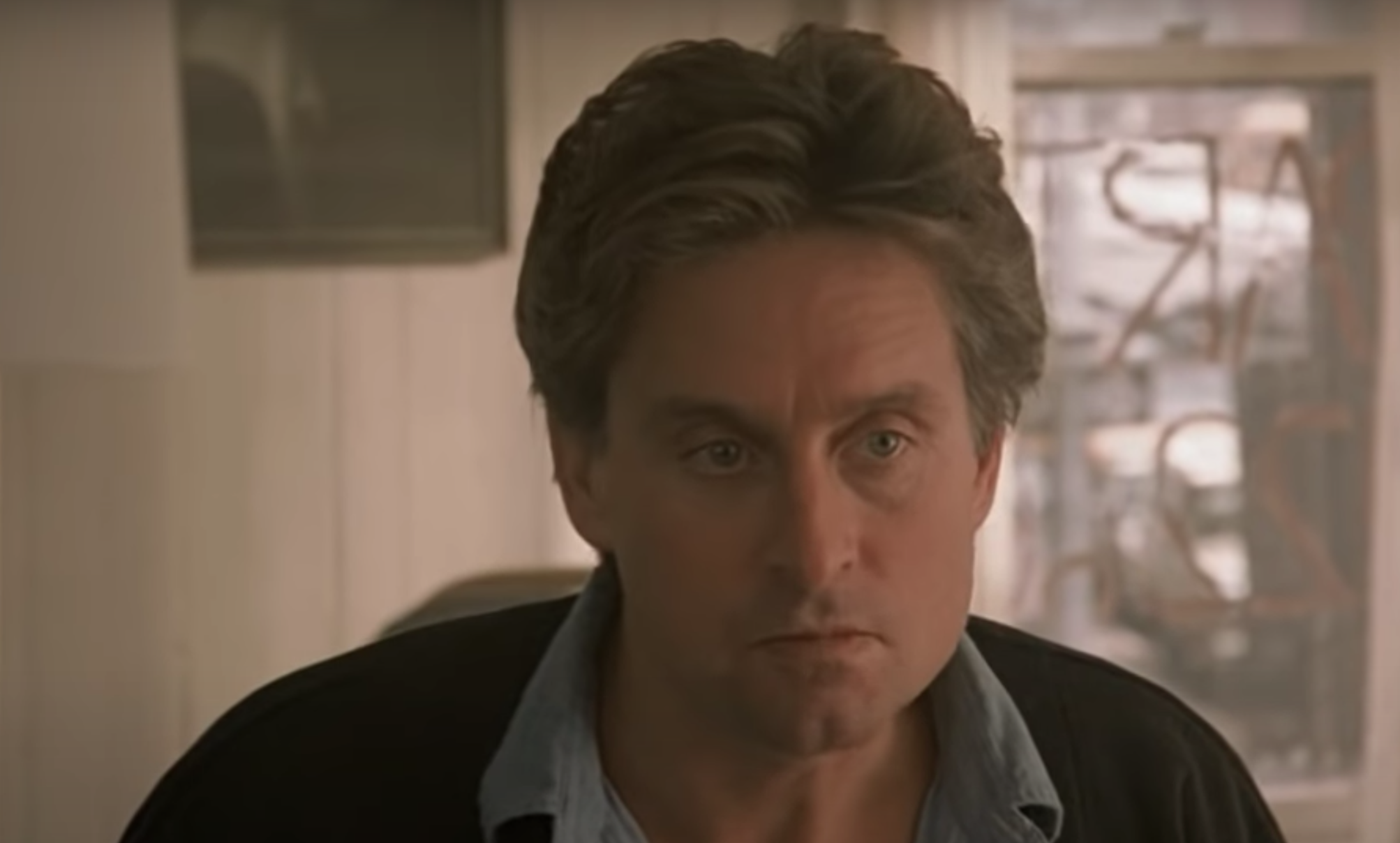
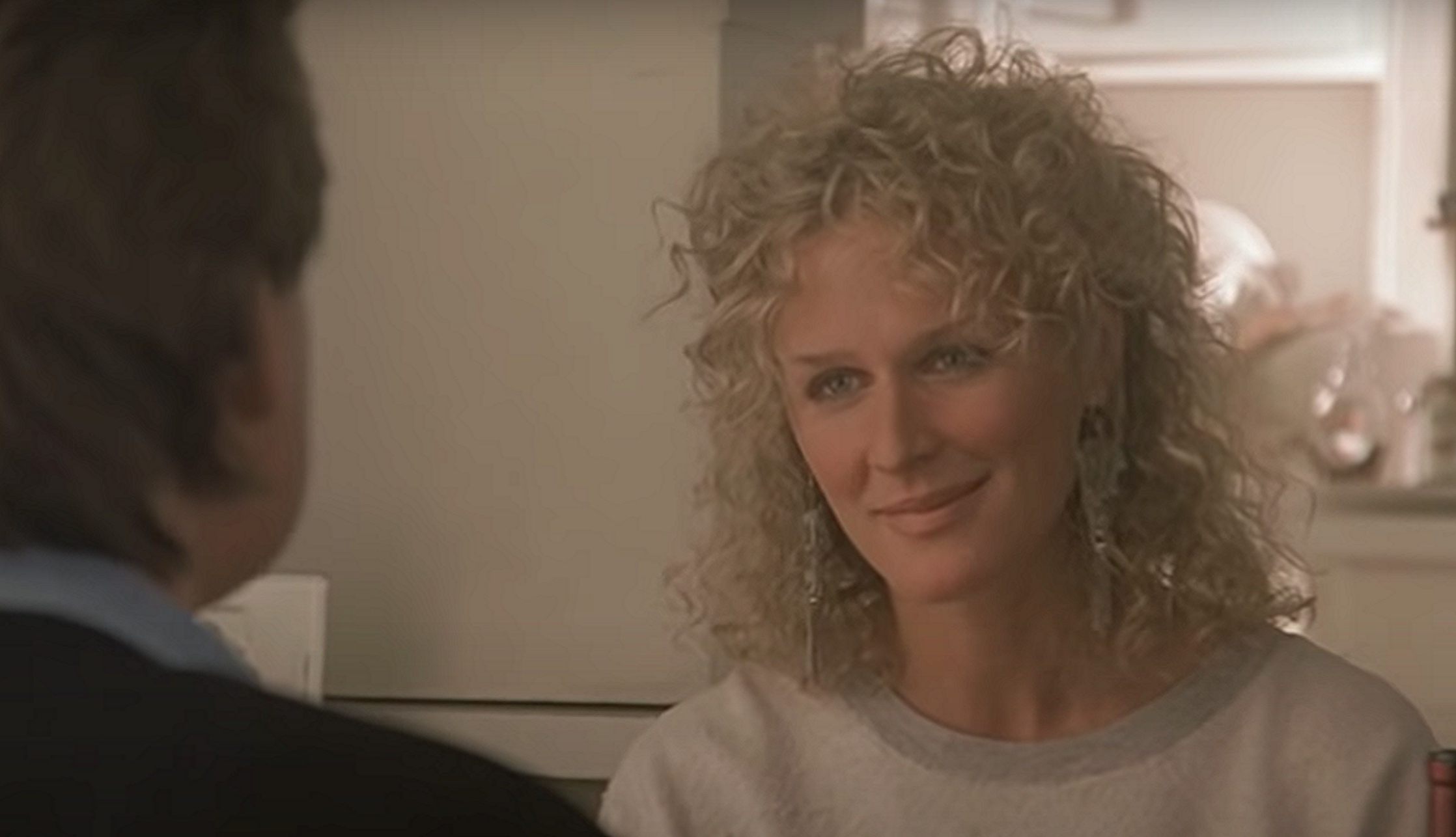
I for one didn’t revisit Fatal Attraction on the occasion of its 30th anniversary, which happened three and a half years ago (9.16.17). But others have in the interim, and the #MeToo view is basically that even though Glenn Close‘s Alex Forrest was damaged and unstable and jumped the gun as far as Michael Douglas‘s Dan Gallagher was concerned, she was coming from a no-bullshit emotional place, and she had a point.

Gallagher, a married attorney, saw an opportunity for some hot recreational sex (the kind that married people generally don’t have as a rule) and a brief revisiting of his hormonal hound-dog past with an enticing woman while his wife was out of town, and he went for it.

But almost right out of the gate Forrest began asking him why he was cheating. In some corners the new thinking is “was Alex really so wrong to want something real from the guy? She wasn’t some predatory psycho — she was hurting and off-balance, agreed, but it was the mid ’80s, she was 36 years old and she didn’t want to be treated like a sex poodle. She was simply putting her cards on the table.”

Hollywood Elsewhere re-watched Fatal Attraction two or three nights ago, and here’s the basic deal, #MeToo or not.

Forrest was way out line to even fantasize that a weekend (36 hours, give or take) of great sex and spaghetti and opera and more sex plus a suicide attempt…she was way out of line to think that there was even a slight basis for a serious extra-marital affair between herself and Gallagher.

The rules are the rules, and everyone knows that the first night or two of sex between consenting adults is strictly about sensual abandon and intoxication…under the best of circumstances and with the right person the initial stages of a sexual escapade can be a glorious and ecstatic escape from the regular grind of living and working and carrying the weight of it all.

And this rule goes double if not triple if one of the parties is married. In such a situation there’s always an assumption that this is strictly a one-timer or a one-weekender…all sane adults understand this.

If, on the other hand, the affair continues and the married man or woman becomes more and more attached to the non-married lover or vice versa, then it’s cool for the unattached person to ask “what are we doing exactly? Because I’m not into recreational, gymnastic sex for its own sake…I’m interested in having a real-deal relationship with someone I truly care for so where are we exactly?”

That kind of conservation is completely normal and par-for-the-course after the affair has been going on a while. But you can’t broach the subject after only a night or two. That’s crazy — totally bonkers.

Which is why Gallagher froze and said “oh, shit” to himself at the 42-second mark in the above scene, or right when Forrest said “so what are you doing here?”

Read more

Perhaps Worst Oscar Campaign Takedown Ever

Today is technically the tenth anniversary of the killing of Osama bin Laden, as the infamous al-Qaeda mass murderer breathed his last at 1 am Abbottobad time on 5.2.11. The choppers bearing the Navy Seals took off a couple of hours earlier in Afghanistan. President Obama announced the killing on 5.10 from Washington, D.C., which is twelve hours behind Abbottabad.

This is as good a reason as any to re-submit to Kathryn Bigelow and Mark Boal‘s Zero Dark Thirty (’12), one of the finest films of this century and probably the greatest military-intel drama ever made.

For the sin of honestly telling the story of how Bin laden’s hideout was discovered (omitting CIA-sanctioned torture of suspected Al-Qaeda and bin Laden confidantes would have been a lie) Bigelow’s film was savaged by a cabal of Academy lefties (including many in the press), and so it lost the Best Picture Oscar to Ben Affleck‘s Argo, which, due respect, was a far less accomplished film and full of inventions and falsehoods.

Read more

“Bullshit Factory Known As Fox News”

Today (5.2) CNN’s Jim Acosta didn’t lament the well-ingrained tendency at Fox News to report b.s. — rumor, heresay, invention, flat-out lies. For the first time in my recollection he called it “bullshit“, and not once but twice (between 1:45 and 2:02).

Maybe other mainstream news anchors have been using agreeably frank language from time to time and I haven’t been paying attention. If so, when did occasionally salty terminology first break the ice on a major-market outlet?

The first time I heard a well-known news anchor say “bullshit” was in a fictional context — Peter Finch‘s Howard Beale in Network, roughly 45 years ago.