Earlier today some Facebook guy asked for examples of scenes with great nønverbal acting. The vast majority of respondents will point to scenes in which the protagonist is conveying strong levels of anxiety, stress or barely suppressed panic. Prime example: Al Pacino in the seconds before he whips out the gun and shoots Al Lettieri and Sterling Hayden in The Godfather. But of course, the increasingly louder sound of a subway train rolling underneath is a key ingredient.
I tend to prefer subtler examples.
Mark Harris‘s favorite is Lily Tomlin‘s simmering reaction to Keith Carradine‘s singing of “I’m Easy” in Nashville. I agree as far as Tomlin is concerned, but the scene falls apart because Carradine won’t stop pathologically staring at her. No cafe performer would ever do that as it makes him look obsessed if not insane. Women in the cafe are noticing his staring and looking around to see who the object might be…Jesus.
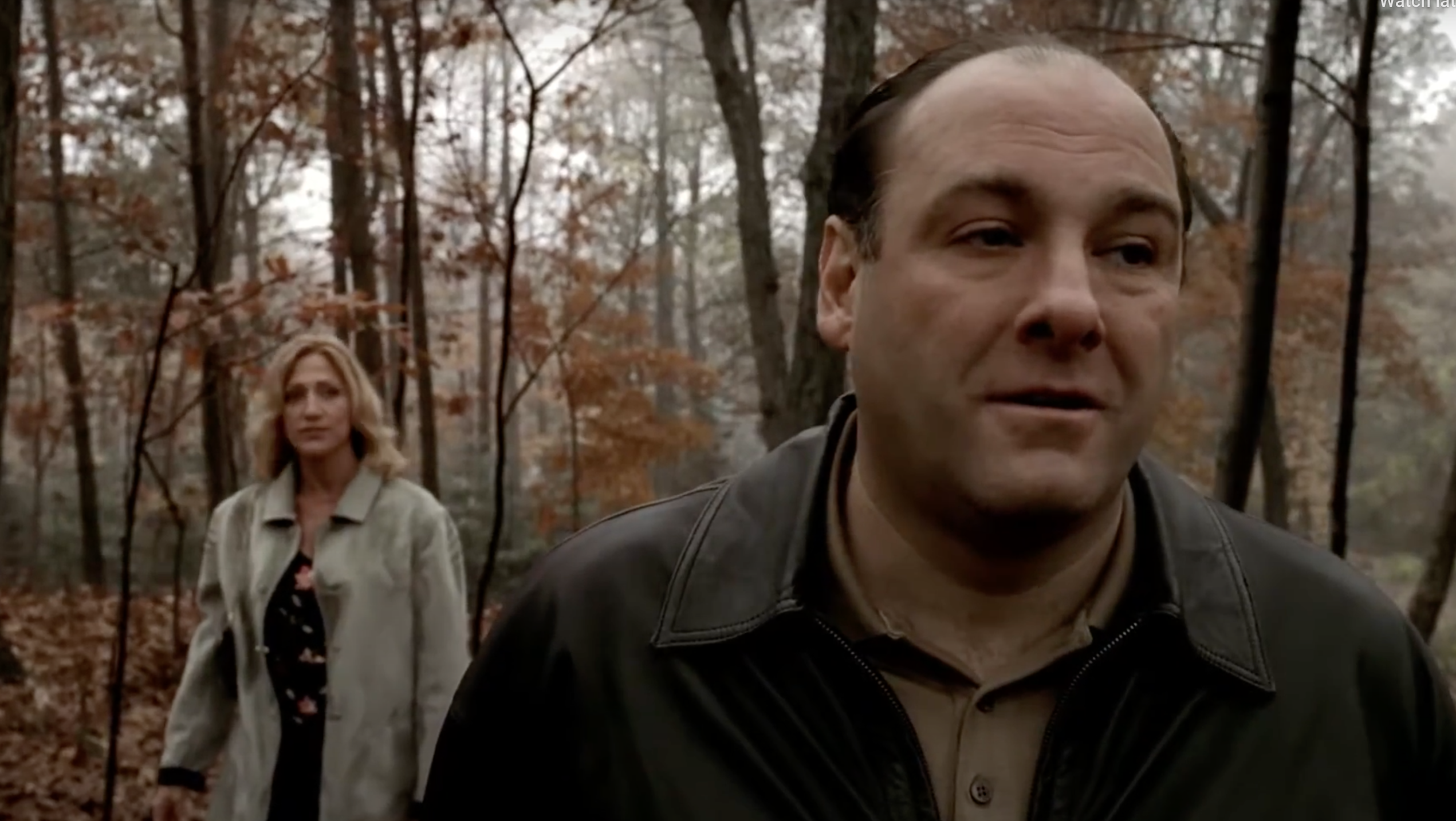
One of my nonverbal favorites is James Gandolfini collapsing inside at the end of the legendary “Long Term Parking” episode in season #5 of The Sopranos (i.e., the one in which Adriana gets whacked). That’s me — that’s how I feel 80% of the time when I let the combination of the pandemic and the Khmer Rouge get to me. And that’s how I always respond if anyone asks if I’m good.
An hour ago I came across a photo of a guy I used to know in Westfield, New Jersey, a leafy and well-tended middle-class town that I struggled and suffered in for years before we moved to Wilton, Connecticut. And a couple of musty memories began to seep through.
The Westfield guys I hung with were into sociopathic group sadism asakindof macho-pecking-order thing — a way of separating the wheat from the chaff. Somebody was always getting picked on. It was a kind of hazing ritual, the idea being to put someone’s feet to the fire and see how they’d hold up. Or something like that.
I never understood this damn game, but mockery, isolation and occasional de-pantsing (a gang of guys would literally hold a victim down and pull his pants off and leave him to walk home that way) were par for the course.
Anyway, five or six of us were all crashing in a beach house one weekend, sleeping on side-by-side mattresses in an upstairs rec room of some kind. And I recall waking up around 5 am because a couple of guys had slipped a tray or two of ice cubes inside the sleeping bag of another guy, and when he woke up he was so cold his voice was shuddering…he literally couldn’t speak clearly because he couldn’t stop shaking and trembling. He was standing near the foot of my mattress and berating the assholes who had ice-cubed him. Believe it or not but this kind of thing was par for the course.
After a while I went back to sleep. It was around 8 am when I was awakened with a hot foot — two or three large kitchen matches had been placed between my toes as I slept and then lit. I woke up with a shriek. (Or was it a howl?) I literally levitated off the mattress.
Posted on 2.19.18: The Westfield High School climate was hellish, no question. I suppose on some level it sharpened or toughened my game, but I think I suffered from a kind of PTSD for a couple of years after our family moved to Wilton, Connecticut.
In ’06 I passed along a story of drunken teenage vomiting during a long-ago weekend party at a New Jersey shore vacation home. It belonged to the parents of Barry, a nice-enough guy I knew and occasionally hung with during my mid-teen years when I lived in Westfield, New Jersey. A bunch of us had driven down there and partied without anyone’s parents knowing, especially Barry’s. No girls, no music to speak of — just a lot of beer and ale and vodka and everyone stumbling around.
During this weekend a big, dark-haired guy named Richard Harris had been chosen as the latest victim. He had thrown up on the floor of Barry’s beach home, and so he had to be punished. Much later that night (around 1 am) we found a dead mouse in a mouse trap, so we threw the corpse into a pot of boiling water and put it under the sheets of a bed Harris was sleeping in. He woke up five or ten seconds later and bellowed “get the fuck outta here!”
A half-hour later we went outside and shifted Harris’s Chevrolet into neutral and pushed the car down the neighborhood street about three or four blocks. We were all sitting around the next morning. Harris walked in through the pantry door, glaring like a gladiator and saying “where’s my fucking car?”
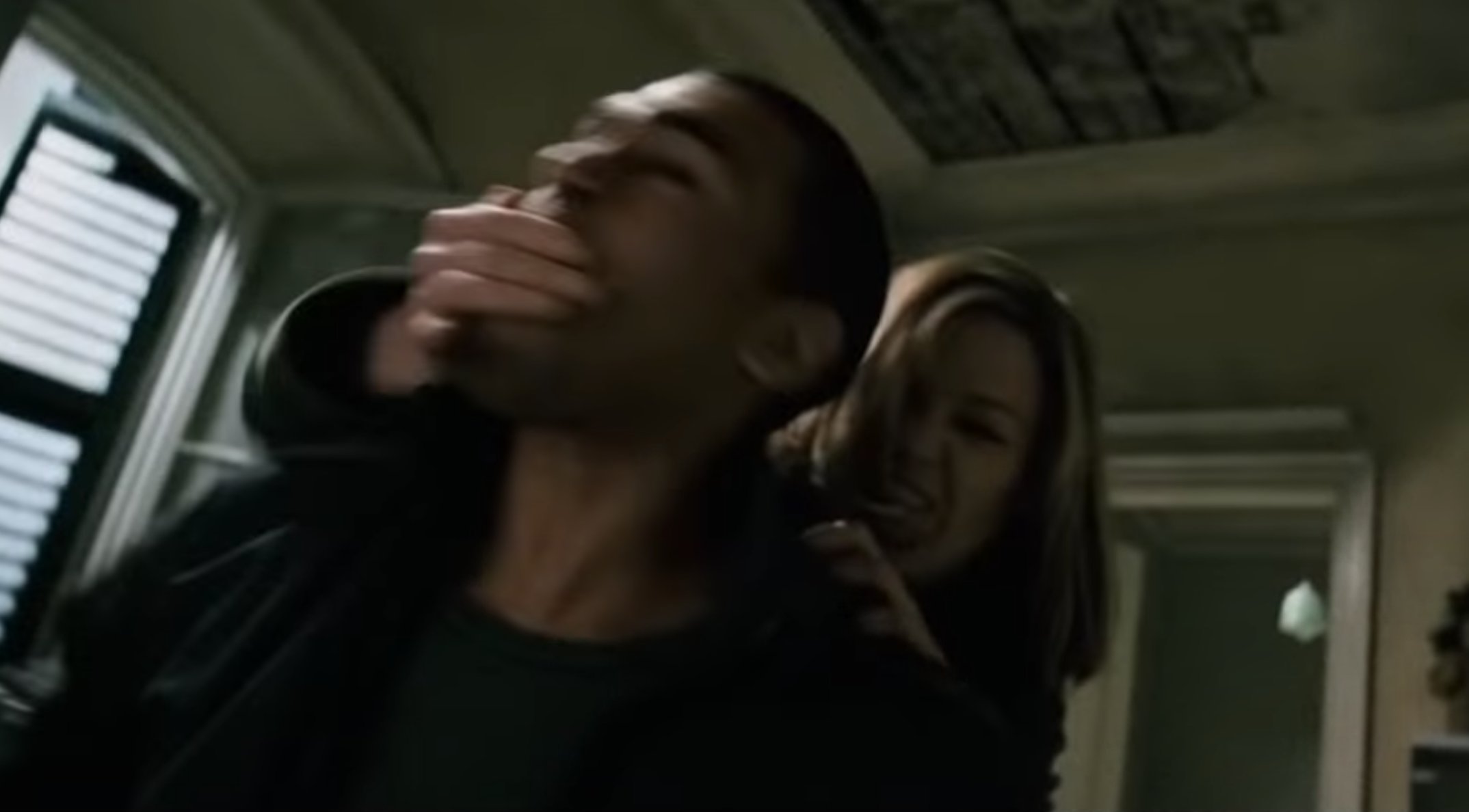
Paul Greengrass and Matt Damon‘s The Bourne Ultimatum opened a little more than 13 years ago. What’s changed since? How are things different culturally, cinematically, politically? I’ll tell you what’s different. In the below clip (1:35) Julia Styles‘ Nicky Parsons character tackles a North African bad guy (Joey Ansah‘s “Desh Bouksani”) in a Tangier apartment, but is quickly slugged and thrown to the floor. End of resistance.
Why? Because Nicky is no match for the guy. She gives it hell but isn’t strong or aggressive enough, or sufficiently skilled.
That shit would not fly today. In The Bourne Ultimatum was being shot right now Styles’ character would get into a serious martial-arts slugfest with the Desh guy. Full-on Bruce Lee stuff. No way would the Khmer Rouge allow her to just get slugged and tossed. Women are just as physically formidable as guys these days. New era, new rules…right?
I can’t decide which adjectives or catch phrases to use in this review of Paul Greengrass ‘s The Bourne Ultimatum (Universal, 8.3). I’m really kinda stuck. Pulse-pounding, edge-of-your-seat, bobsled, warp-speed, heart-in-your-throat…how many hundreds of times have I read those terms? It’s gotten so they don’t mean very much.
But this final Bourne flick does, I feel, “mean” something. That is, apart from the fact that all I could say for the first five or ten minutes after coming out of last night’s screening was “whoa” and “wow.”
The Bourne Ultimatum is, naturally, one steroid orgasm action blast after another, but that’s expected. What else could it be with those two super-Bourne‘s before it? So let’s try and quantify. I think it’s an action movie milestone in two ways. One, by pushing the velocity-junkie aesthetic to new super-pleasurable extremes. And two, by being so good at this go-fast game that you don’t care that those hallowed dramatic substances — character brushstrokes, echoes, deep-down emotion, dialogue that addresses something besides story points. — are all but absent. You just don’t care. You’re in adrenaline heaven.
The best analogy I can think of is William Friedkin‘s subway-chase sequence in The French Connection, which lasted…what?…12 or 13 minutes? The Bourne Ultimatum runs 111 minutes and it has, at the most, 12 or 13 minutes of down time. The basic action-movie manual says you’re supposed to let the audience catch a breath between “musical numbers.” Ultimatum has a few of these, short ones, but they’re all assessment scenes about what just happened or what may be coming ’round the bend. You never feel as if Greengrass is downshifting to any serious degree (i.e., no sensitive love scenes, no “I’m tired and I need to sleep,” no talking softly while cooking in the kitchen).
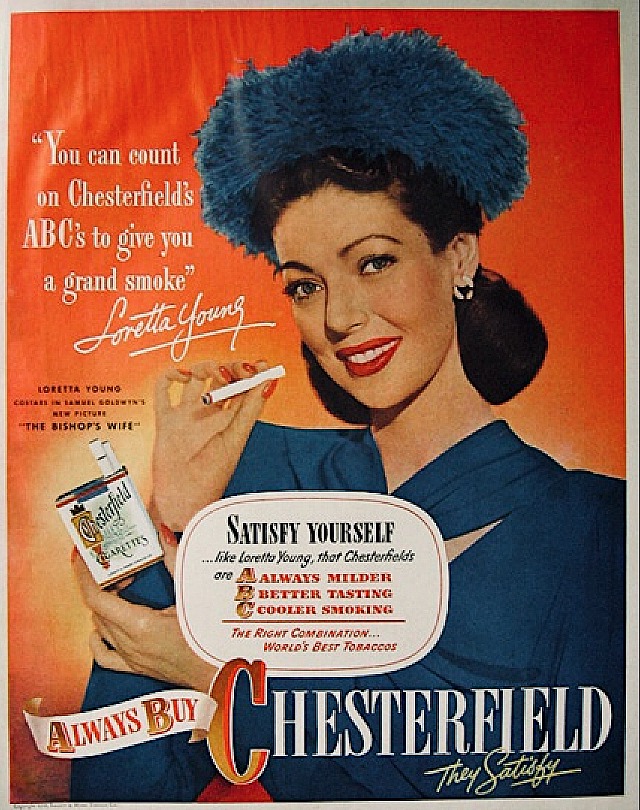
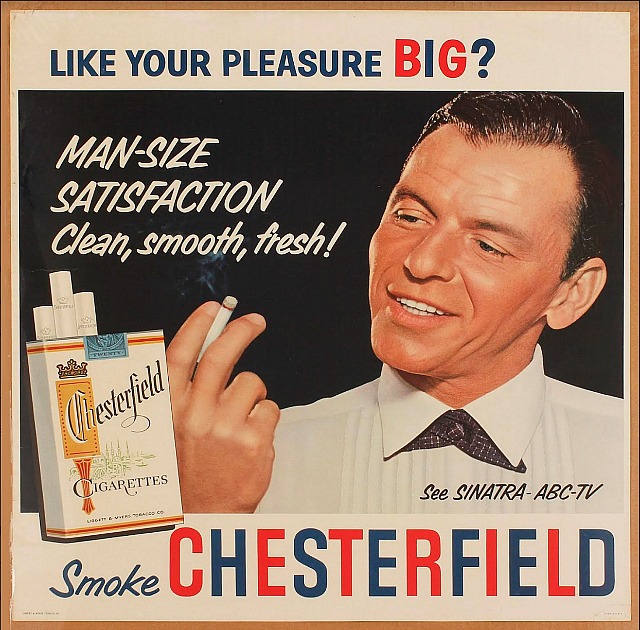
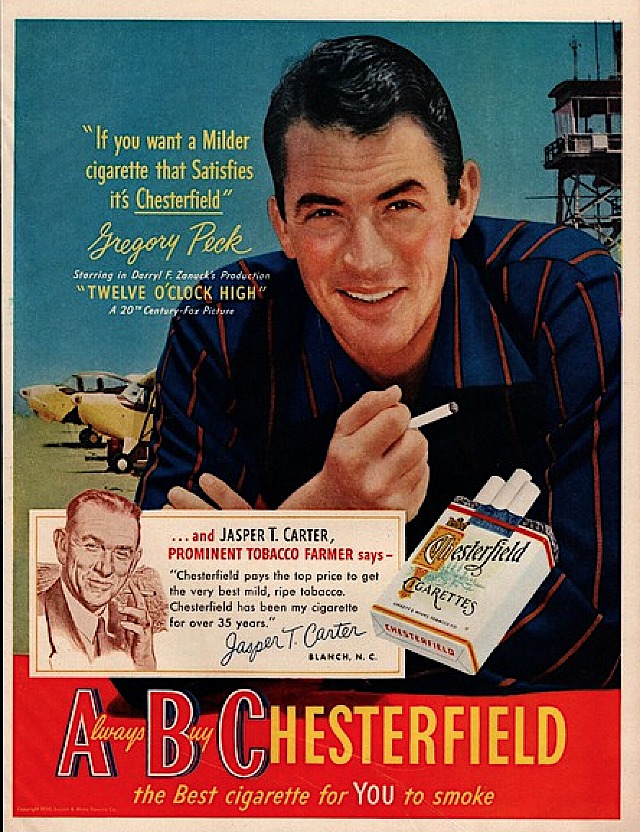
In The Queen’s Gambit, Anya Taylor-Joy‘s adoptive mother, played by Marielle Heller, is a Chesterfield smoker. In one scene mom sends daughter to the local drug store to pick up three packs of the damn things. She gives her a note so the pharmacist will hand them over to a minor.
Until fairly recently Chesterfields (sold in regular and king-size starting in the ’50s) were unfiltered. I thought Chesterfields had been deep-sixed years ago but nope. In 2018 Phillip Morris discontinued Chesterfield non-filtered in this country. Today they come in three modes — Reds (full flavor), Blues (lights) and Green (menthol).
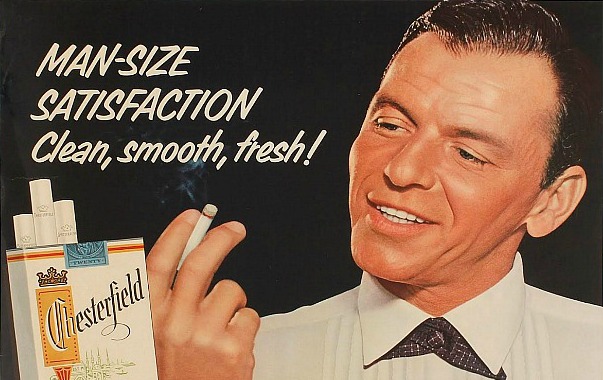
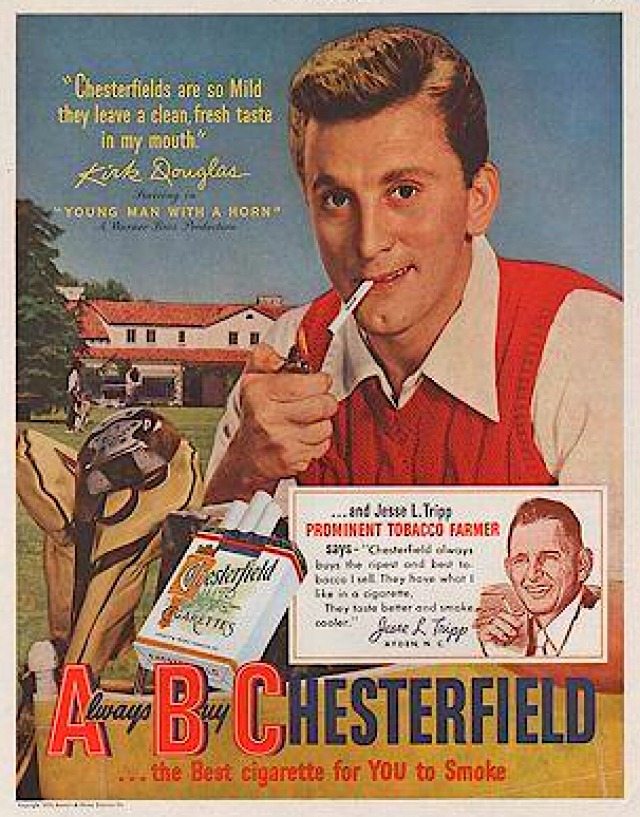
How many hundreds of thousands met cancer doom in the late ’40s, ’50s and ’60s with the roundabout encouragement of Kirk Douglas, Loretta Young, Frank Sinatra, Gregory Peck, Jack Webb, Humphrey Bogart, Glenn Ford, Bob Hope, Ronald Reagan, John Wayne and Robert Mitchum?
“From 1950 to 1990, the overall age-adjusted death rate for lung cancer increased from 13.0 to 50.3 per 100,000 population; for men and women, death rates increased approximately fourfold and sevenfold, respectively. Death rates for men were consistently higher than those for women. The rate of increase in lung cancer mortality was higher for black men than for white men, and death rates for black men first surpassed those for white men in 1963.” — from CDC.gov web page.
“In the early aughts screenwriter William Goldman (Marathon Man, All The President’s Men, Butch Cassidy and the Sundance Kid) explained what a ‘drop-out’ moment is — i.e., when something happens in a film that just makes you collapse inside, that makes you surrender interest and faith in the ride that you’re on. You might stay in your seat and watch the film to the end, but you’ve essentially ‘left’ the theatre. The movie had you and then lost you, and it’s not your fault.” — from “Drop-Out Moments,” posted on 4.11.17.
After too much delay, Hollywood Elsewhere sat down last night and consumed the first three episodes of Scott Frank‘s The Queen’s Gambit. Now I know why it’s so popular. Then again three fucking hours on the couch and another four to go.
I don’t like binge-watching unknown quantities as a rule, although I’ll gladly and happily gorge myself on a longform series if I know and admire the creators (like with Joe Penhall and David Fincher‘s Mindhunter). Yes, I’ll definitely be watching the remainder of The Queen’s Gambit. And yet (and this is important) with reservations.
I went with it for the most part, and especially when chessmaster Anya Taylor-Joy began to defeat all those presumptuous and in many cases arrogant male opponents. It hooked me good and proper, partly because I love watching geniuses dominate the also-rans while re-ordering the known universe. I don’t like alcoholism or drug-addiction stories for the most part because they’re all the same thing, but I’ll tolerate them if the addicted protagonist is brilliant or clever or inventive enough.
But I dropped out at the very end of episode #1, and as a result stopped investing. And so my current attitude is “I like The Queen’s Gambit but I don’t trust it.” Because the stealing-the-sedatives scene is completely ridiculous.
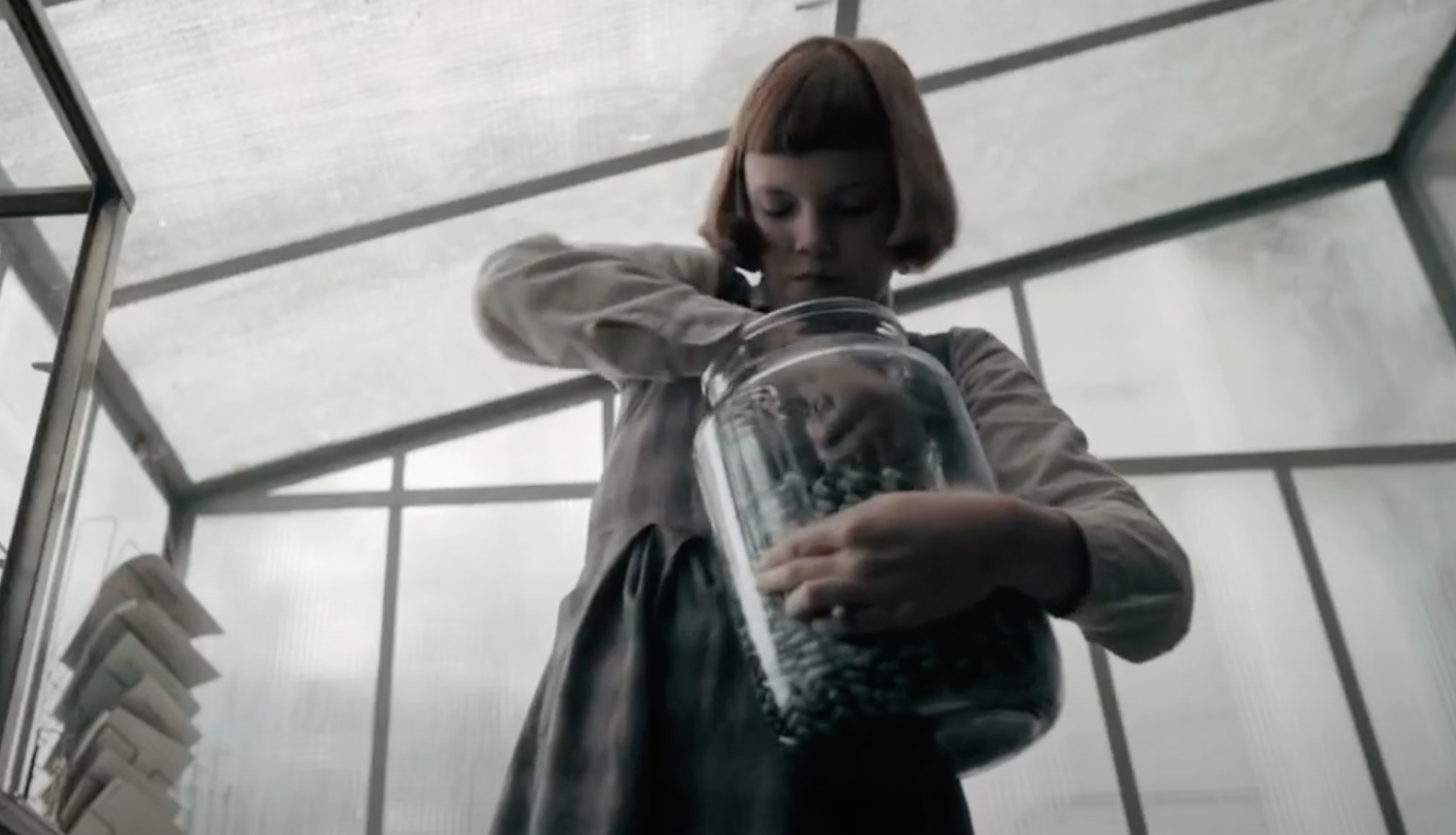
As a young teenager, Taylor-Joy’s Beth Harmon may be emotionally uncertain or naive but she’s obviously a strategic genius in terms of outwitting her opponents. And yet we’re asked to believe that Beth is the world’s stupidest and clumsiest thief when it comes to ripping off handfuls of green-and-white pills from a locked office inside the orphanage.
She decides to make her move while kids and staffers are watching a 16mm showing of Henry Koster‘s The Robe (’53), which lasts 135 minutes. Beth may not know the exact running time, but most films are between 95 and 115 minutes, and any idiot looking to steal drugs during a movie knows that the smartest time to slip out would be around the halfway mark, at which point the audience is fully engaged (unless the film stinks) and less interested in the whereabouts of a young girl who’s gone to the bathroom.
So does Beth make her move around the one-hour mark? Of course not. She waits until the very last scene, when Richard Burton and Jean Simmons are being sentenced to death by Jay Robinson and the 16mm spool of film has nearly run its course.
You can say “but Beth is so addicted to sedatives that she’s lost her mind and all powers of reasoning.” Bullshit. Smart people might act foolishly or irrationally, but they never behave like morons. Addicts value getting high more than anything else in the world, and will use every clever gambit and connivance they can think of to score a good supply of whatever.
And then it gets even crazier. When Beth finally gets her hands on the big jar she wolfs down several pills (at least 10 or 15) while stuffing her pockets. And then she collapses from an overdose less than a minute later, even though it always takes at least five or ten minutes for drugs to enter your bloodstream. And then she drops the glass jar and it shatters on the floor and blah blah.
The scene is just absurd, and it told me that as good as the series is for the most part, Frank and co-creator Allan Scott are willing to fiddle around and flim-flam for the sake of fleeting impact, and so I couldn’t watch the rest with any sense of faith. And when faith goes, belief goes. And when belief goes, caring quickly dissipates. And that leads to alienation.
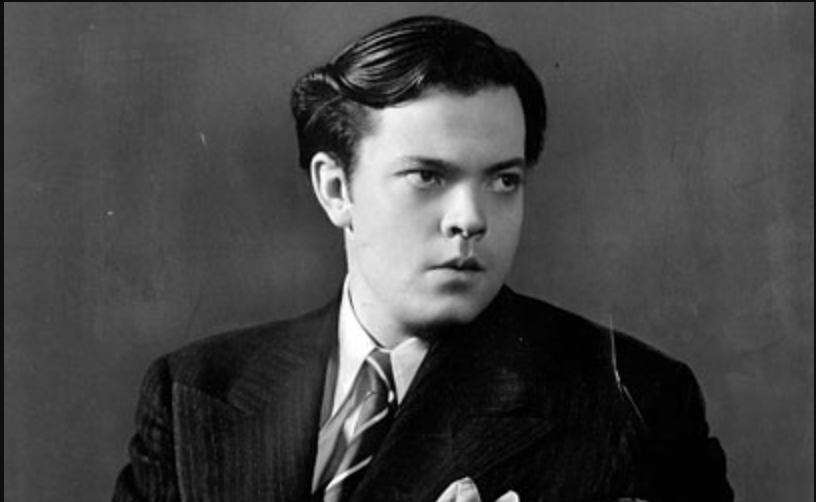
The esteemed director of Mank is saying that young Orson Welles never got past the burden of being over-rated — that he got lucky with the help of Gregg Toland and Herman J, Mankiewicz in the making of Citizen Kane, but in the long aftermath he more or less killed his career with hubris.
Welles “was above all a showman and a juggler with this immense talent. [His] tragedy lies in the mix between monumental talent and filthy immaturity.
“Sure, there is genius in Citizen Kane…who could argue? But when Welles says, ‘It only takes an afternoon to learn everything there is to know about cinematography’…pffft. Let’s say that this is the remark of someone who has been lucky to have Gregg Toland around him to prepare the next shot…Gregg Toland, damn it…an insane genius!”
“I say [this] without wanting to be disrespectful to Welles. I know what I owe him, like I know what I owe Alfred Hitchcock, Ridley Scott, Steven Spielberg, George Lucas or Hal Ashby. But at 25, you don’t know what you don’t know. Period. Neither Welles nor anyone. It doesn’t take anything away from him, and especially not his place in the pantheon of those who have influenced entire generations of filmmakers.
“But to claim that Orson Welles came out of nowhere to make Citizen Kane and that the rest of his filmography was ruined by the interventions of ill-intentioned people…it’s not serious, and it is underestimating the disastrous impact of his own delusional hubris.”
Cue Welles biographer Joseph McBride, longtime Welles pally and collaborator Peter Bogdanovich and other Welles loyalists.
Alan Pakula‘s The Parallax View (’74) is easily the spookiest and most unsettling film of his “paranoid trilogy”, the other two being Klute (’71) and All The President’s Men (’76).
Based on Loren Singer‘s 1970 novel of the same name, it reflects the vaguely haunted vibe of the early ’70s and the residue of all the assassination conspiracy theories (JFK, MLK, RFK) that had been kicking around. It’s about those three killings, mainly, and all that spilt blood.
The script by David Giler, Lorenzo Semple Jr. and an uncredited Robert Towne is a reasonably crafty noir with perfunctory thriller elements here and there. All of which Pakula handles nicely. My favorite is a bomb-on-a-plane sequence. And the film certainly has an extra-dark ’70s ending…a bitter pill of irony thing.
The story is about Joe Frady (Warren Beatty), a second-tier investigative reporter who stumbles upon evidence of a secretive, CIA-like outfit, the Parallax Corporation, that kills political figures by contract — a kind of corporate-style Murder Incorporated. It’s a ludicrous idea when you think about it for 15 or 20 seconds, but Pakula, Beatty, cinematographer Gordon Willis and especially composer Michael Small make it into an eerie mood piece.
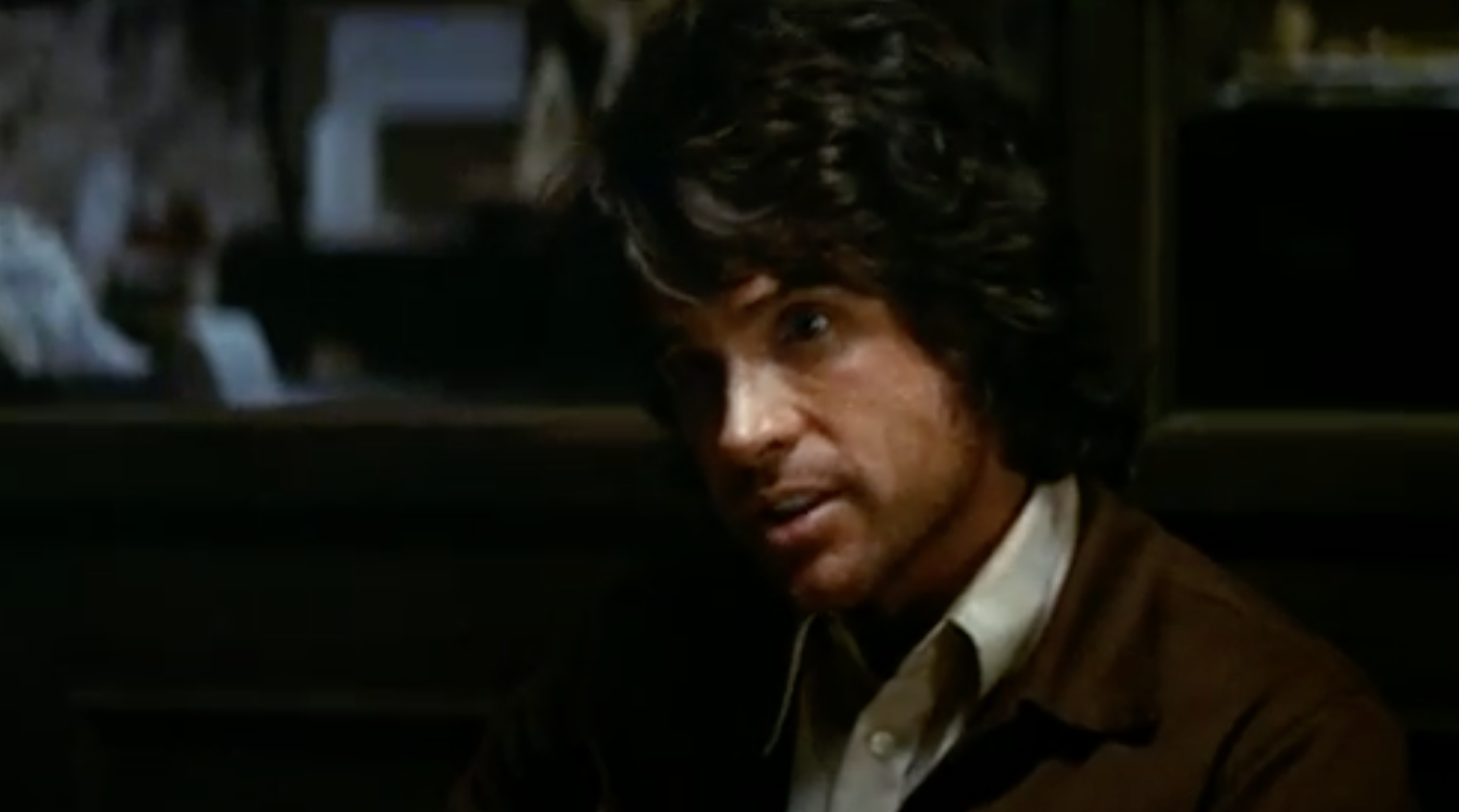
Not for one solitary second do you believe that Beatty is Frady. He’s obviously just winging it…playing himself, saying the lines. Each and every second all you get from his performance is “okay, I’m supposed to be this nervy, raggedy-ass journalist with a drinking history…a guy with long, perfectly cut hair who’s much too good-looking to be a journalist and who wears tight jeans and a light brown jean jacket, just like me…the jacket’s the same one I wore on The Dick Cavett Show in ’72, by the way…but I’m just playing myself playing this guy…whatever, a meta thing.”
Why is Beatty’s character called Frady, by the way? The association is with the childhood term “fraidy cat” but if anything Frady isn’t afraid enough.
The weird part of The Parallax View is when Frady visits the small town of Salmontail, Oregon, at which point the film starts to behave like a New World exploitation film — a raucous bar fight, a crazy car chase, a fight to the death in a raging river. Not to mention a waitress who asks our protagonist “how is a martini like a woman’s breast? Because one isn’t enough and three is too many.” Beatty doesn’t even crack a grin.
A Criterion Bluray version — “a new, restored 4K digital transfer” — is coming out on 2.9.21, or roughly three weeks after Joe Biden‘s inauguration. (Which Donald Trump isn’t likely to attend.)
I own a beautiful Vudu UHD HDX version, and there’s no way the Criterion is going to look any better. It’s a handsomely shot film, for sure, but the Criterion isn’t going to deliver any kind of big bump.
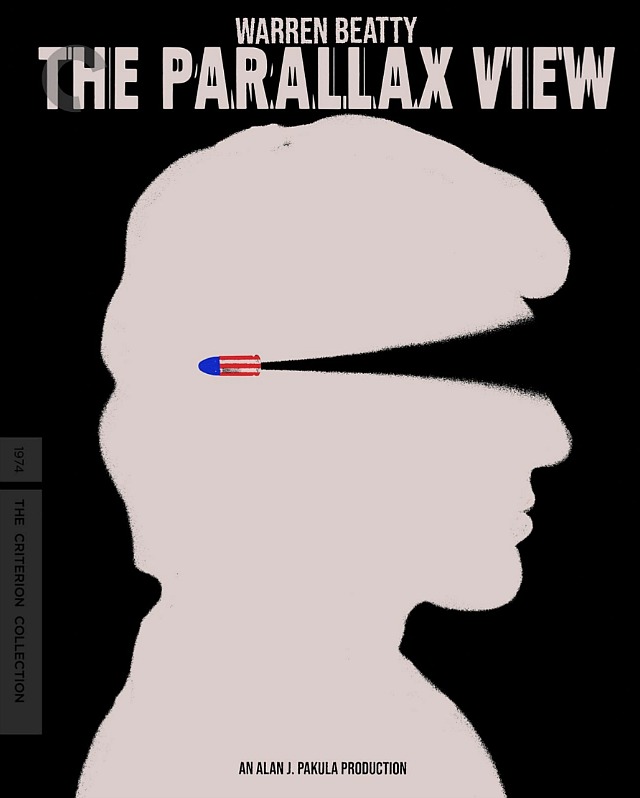
I have a problem with Adam Maida‘s Criterion jacket art, by the way. Who the hell is the silhouette guy with a star-spangled bullet drilling into his head? It’s obviously not Beatty but it should be. The story is about the adventures of Joe Frady so why show us a silhouette of a guy who has nothing to do with anything?
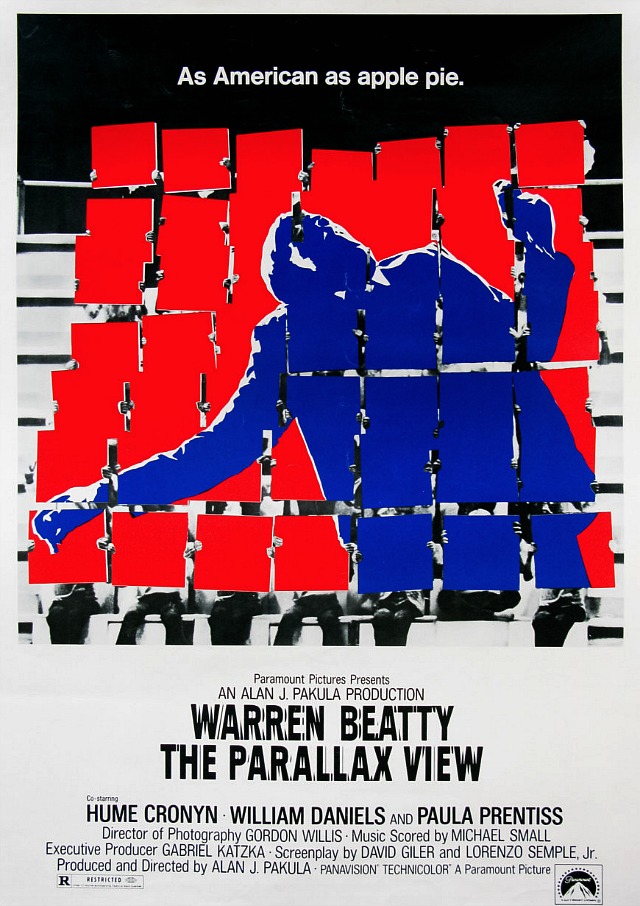
You know what they should have done? Used the original poster art, an impressionist image of William Joyce‘s Senator Charles Carroll getting shot at the top of the Seattle Space Needle along with a perfect slogan — “as American as apple pie.”
Small’s music is definitely the creepiest thing about this weird, in-and-out film.
…are planning a huge Thanksgiving celebration with all the family members and in-laws gathering under one big happy roof? All together now, family is forever, pass the squash, stuffing and creamed onions, etc. Talk about an historic super-spreader event, from sea to shining sea.
Most of the title changes that happened with popular mainstream films have seemed right in retrospect. Big was simplistic but a better title than When I Grow Up. Phil Robinson‘s Field of Dreams was almost called Shoeless Joe (the title of W.P. Kinsella‘s source novel), but that would have diminished audience interest. At some early point Close Encounters of the Third Kind was called Watch The Skies — a nice steal from Howard Hawks‘ The Thing but a little too passive sounding.
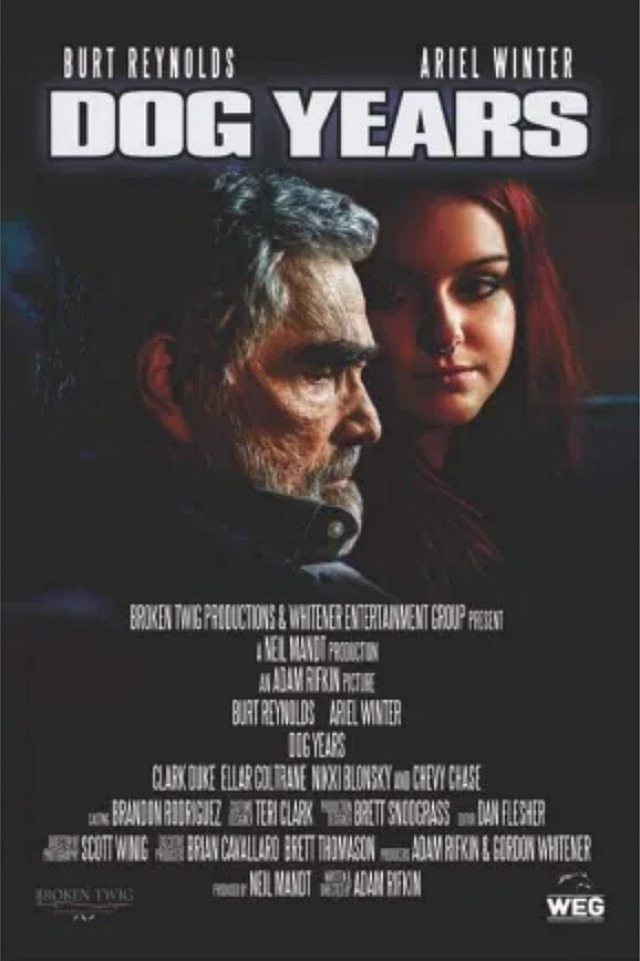
I’m mentioning this because I was reminded earlier today of an original title that should have been used, not because it conveyed an especially clear thought or because it made any particular sense, but because it had a great sound. I’m speaking of Adam Rifkin‘s Dog Years (’18), the Burt Reynolds swan song that was changed at the last minute to The Last Movie Star. The latter is a sucky-sounding title if I ever heard one, but Dog Years…brilliant! And I don’t even know why.
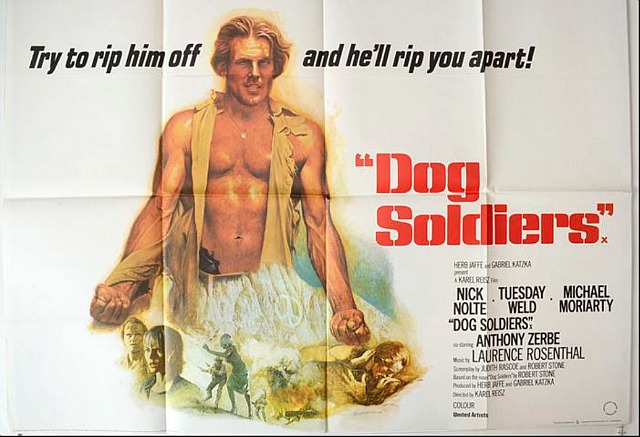
Another so-to-speak “dog” movie that underwent a title change was Karl Reisz‘s Who’ll Stop The Rain (’78). Based on Robert Stone‘s “Dog Soldiers“, it’s a tangy, complex adventure thriller that flirts with dark absurdist humor here and there. It’s surely one of the most articulate collapse-of-’60s-idealism films ever, and it features one of Nick Nolte‘s greatest-ever performances, as a reluctant drug dealer and a NealCasady stand-in whom I’ve always referred to as “Samurai” Ray Hicks.
All to say that Reisz’s film was initially titled Dog Soldiers but it tested badly with women, or so I recall reading. Distributor United Artists thought it had potential as a date movie.
“In a time where the world is as polarized as ever, there seems to be a yearning to show oppression in all cultures. With Black Lives Matter gaining significant traction, a film about a Caucasian venture capitalist’s upbringing doesn’t feel exactly well-timed in our climate.”
HE translation: “At a time of peak wokeness in Hollywood — a time in which we’re all trying to rejuvenate if not overturn the old order and introduce a new political and social heirarchy that celebrates diversity and strong women and LGBTQs — forward-thinking Hollywood professionals would be wise to think twice about liking this film, mainly because it focuses on scurvy low-rent rurals in overalls, and nobody wants to celebrate this kind of thing at this point in time…right?”
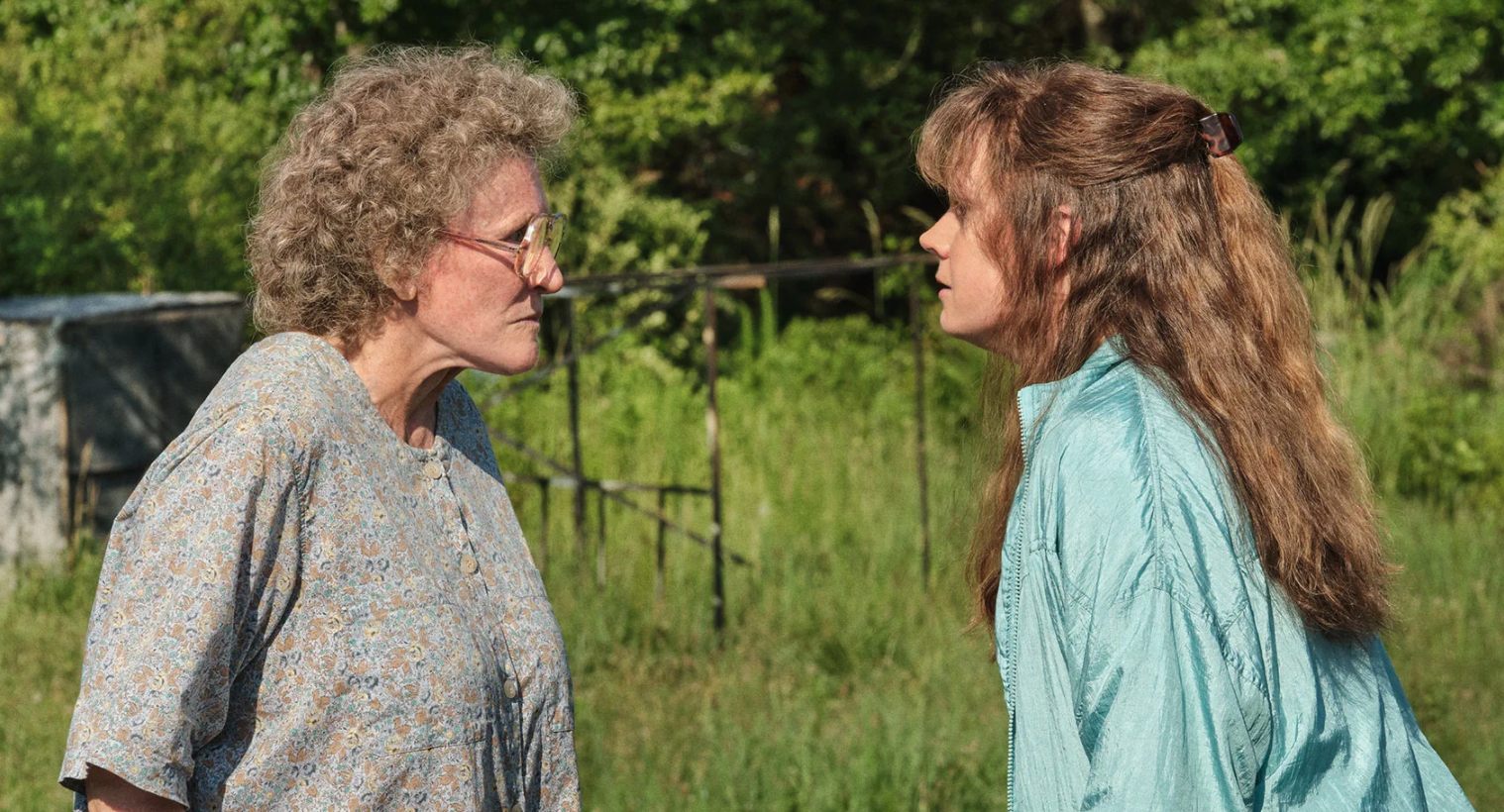
All along I’d been nursing similar thoughts about Hillbilly Elegy. How could I sympathize with people whose views and politics I consider to be totally vile if not anti-Democratic, considering their unwavering support for an authoritarian Mussolini?
But the strangest thing happened when I finally saw Ron Howard‘s film. I stopped thinking of it as a journey into a nightmare filled with no-good polecat varmint Trump supporters, and instead as a portrait of stressed-out, hardscrabble, low-income types who feel stuck and unable to escape their lives. In short I felt twinges of sympathy and even compassion from time to time.
“I just think it’s an embarrassment, quite frankly. How can I say this tactfully? I think it will not help the president’s legacy.”– Joe Biden speaking earlier today about Trump’s refusal to concede or approve the traditional transition process.
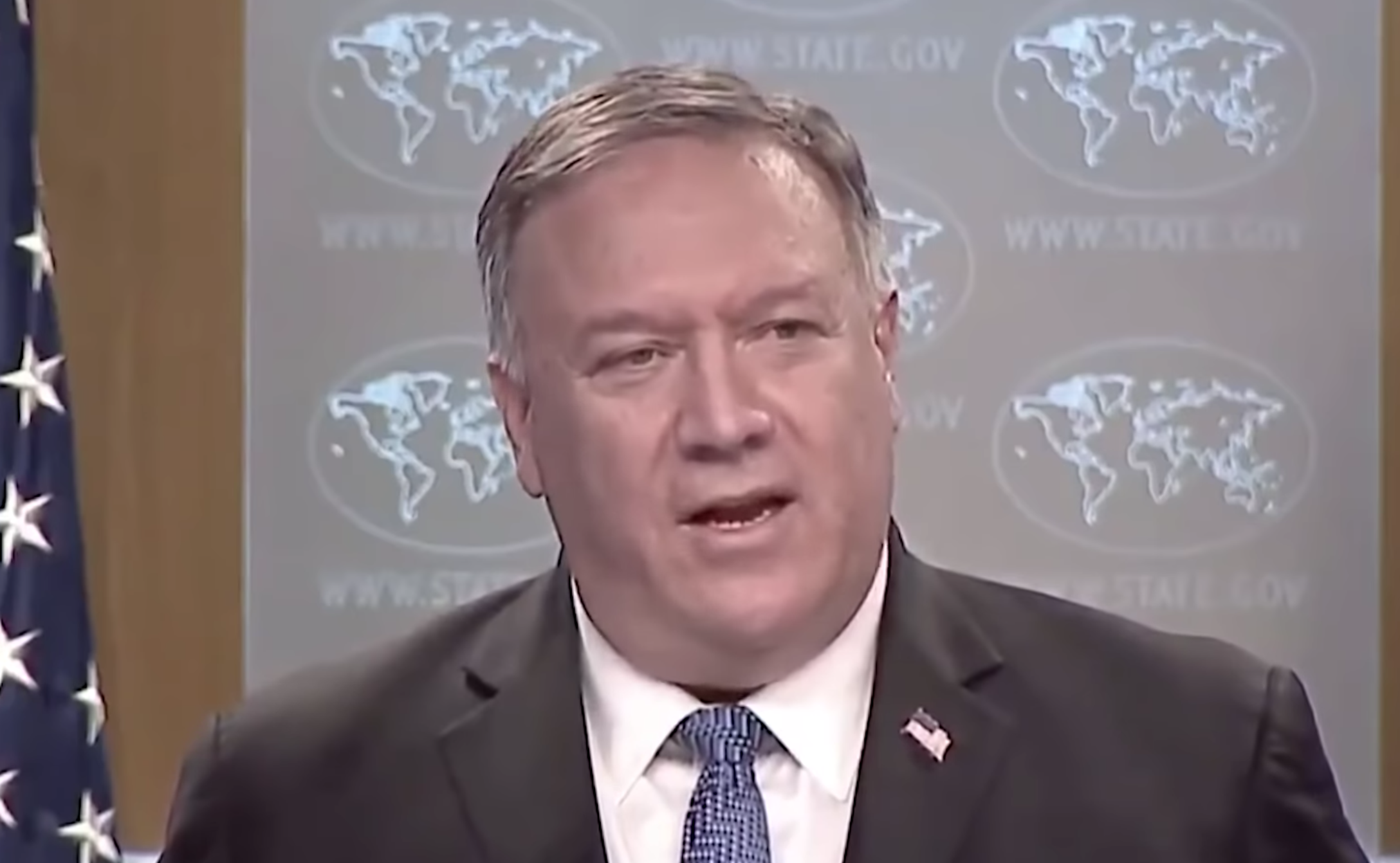
“”There will be a smooth transition to a second Trump administration.” — Secretary of State Mike Pompeo, earlier today.
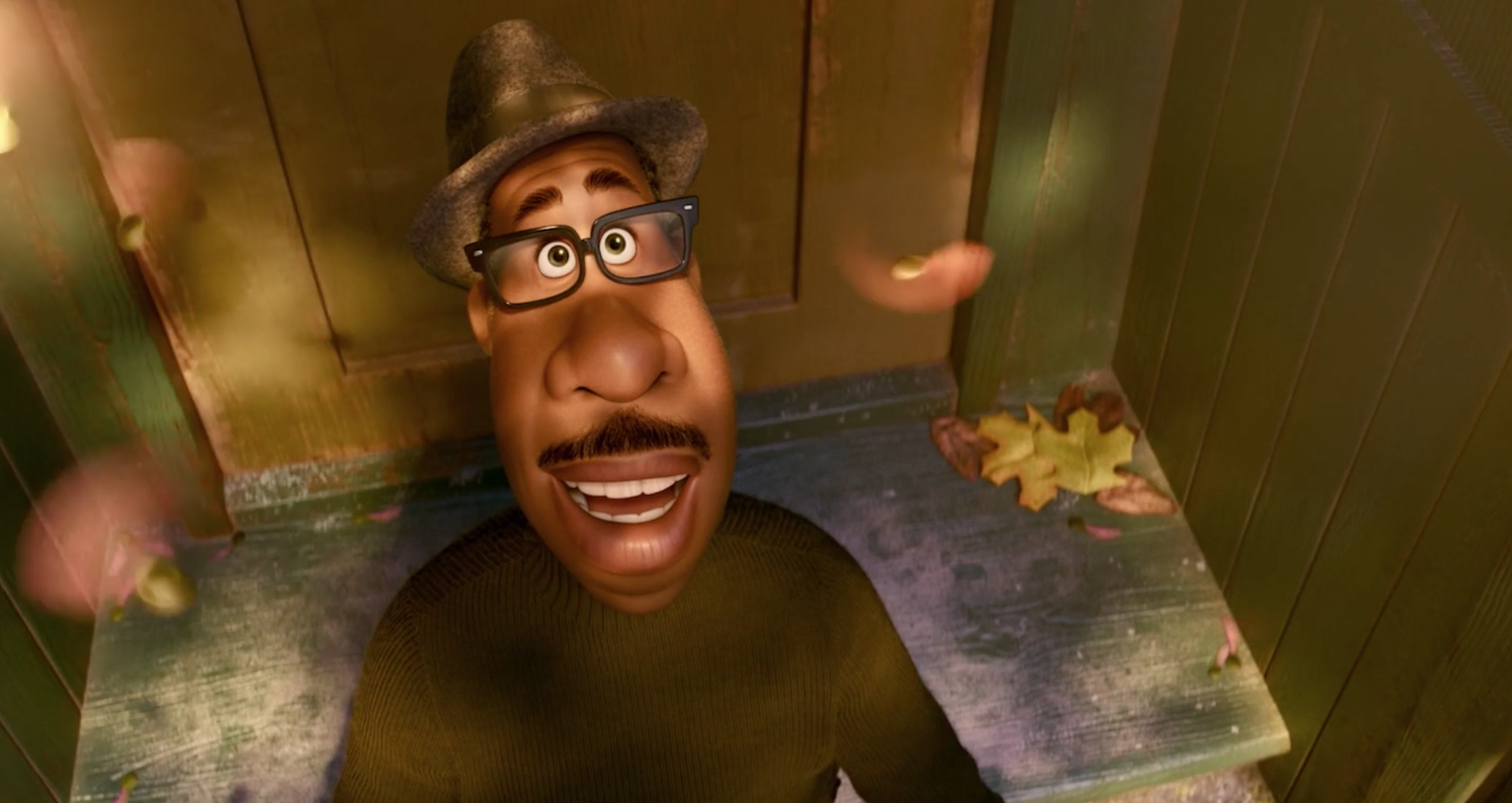
If there’s been one steady-drumbeat message that has thundered across the Twitterverse for several weeks now, it’s that Pete Docter‘s Soul (Disney, 12.25) is a truly exceptional animated feature…a half-emotional, half-philosophical, jazz-embroidered film so rich and resonant and full-hearted that it deserves to be in Best Picture contention. (Which of course will never happen as far as the Academy is concerned because, being animated, it belongs in Best Animated Feature contention.)
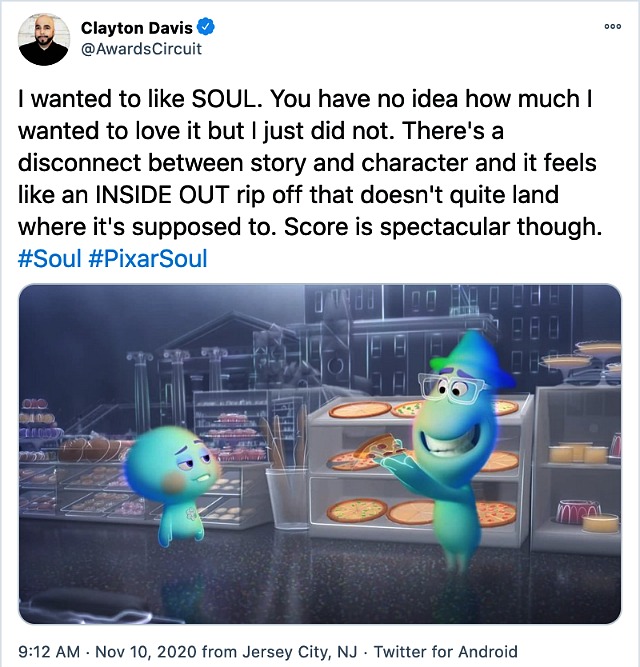
And then along comes Variety‘s award-season handicapper, a guy more or less required to not dwell on negative currents (that’s Owen Gleiberman or Peter Debruge‘s job, if and when the situation warrants) and to celebrate the celebrational and be as turn-the-other-cheeky as possible…along comes Clayton Davis with the first significant anti-Soul opinion to come down the pike.
Davis tweeted this morning that as much as he “wanted to love it”, he was unable to. Because “there’s a disconnect between story and character“, and because it feels like an Inside Out ripoff that doesn’t quite land where it’s supposed to.”