Is this a fan thing or semi-official or what? Because a sunset shot of an oil-field grasshopper doesn’t get it. Not a tragedy, just try again.
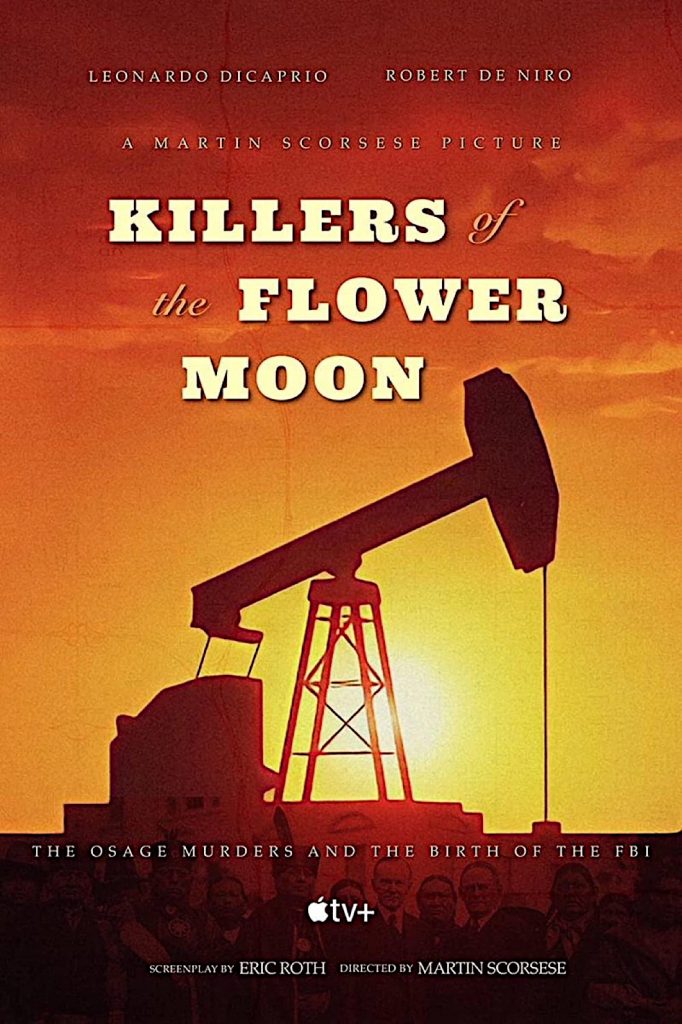


Is this a fan thing or semi-official or what? Because a sunset shot of an oil-field grasshopper doesn’t get it. Not a tragedy, just try again.
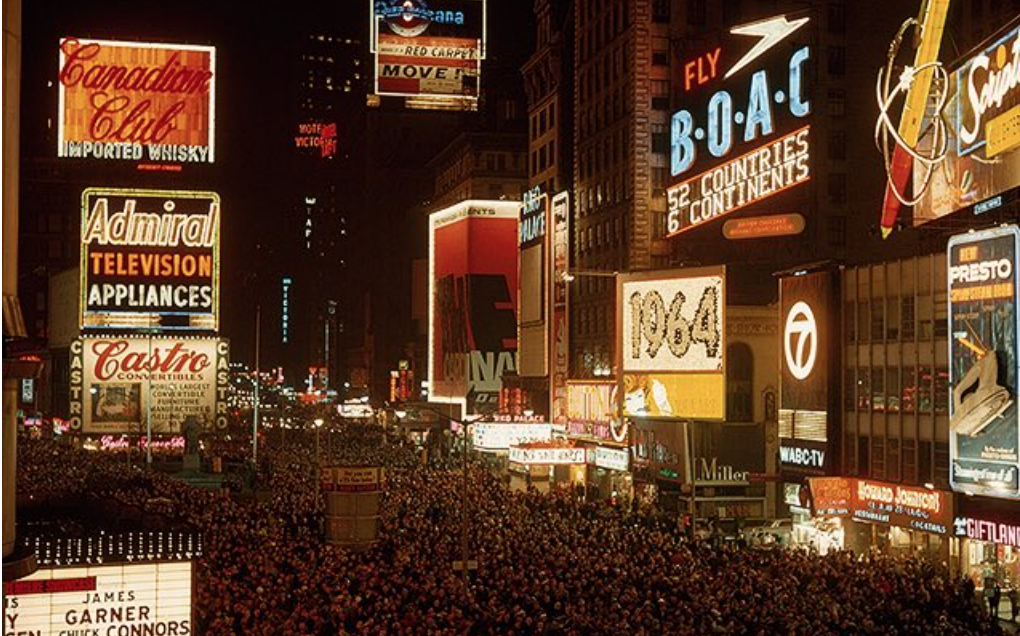
I love this snap of the Times Square New Year’s Eve celebration as 1963 gave way to ’64. What a seminal moment in which everyone and everything was about to change. A huge social tremor had either begun to be felt or would soon be felt. The whole world was about to shake and shudder.
JFK had been murdered only five weeks earlier. The Beatles were slated to arrive in New York City five weeks later (on 2.7.64). Bob Dylan had began to shake off his folkie and protest movement attitudes and would record Another Side of Bob Dylan in May ’64. The best films of ’63 pointed to social complexities and shadowed ambiguities (Hud, The Haunting, This Sporting Life, The Servant, Lilies of the Field, Contempt, The Birds, 8 and 1/2, The Leopard, Billy Liar, From Russia With Love). The Gulf of Tonkin incident was exactly eight months away. Roughly a year later Berkeley’s Free Speech Movement began, and thereby kicked off the wave of student protests that defined much of the ’60s and early ’70s.
The era of Doris Day was finished and she probably didn’t know it at the time, although Move Over Darling! costars James Garner and Chuck Connors (playing the Cary Grant and Randolph Scott roles) probably had an inkling.
No more cultural earthquake moments would happen during the remainder of the 20th Century. But three would happen during the first 17 years of the 21st Century — the 9/11/01 World Trade Center attacks, the election of Barack Obama in November ’08, and the election of Donald Trump in November ’16.
Since that last milestone life in these United States has been a steady drip-drip-drip of hell, more or less. I would almost have the tumultuous ’60s and ’70s all over again. Did we live in a calmer, more humane, less anguished country back then? Perhaps not, but every so often I dream of a life without wokesters or Covid, and a tear forms in my eye.
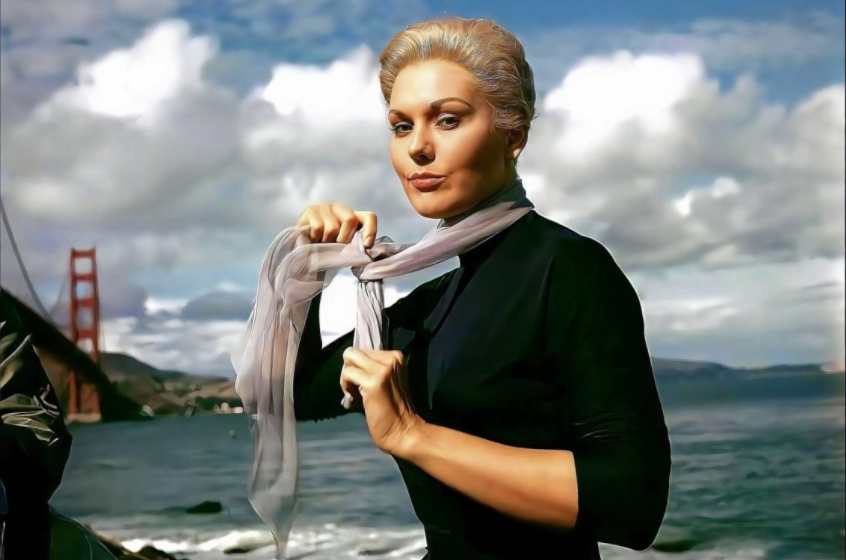
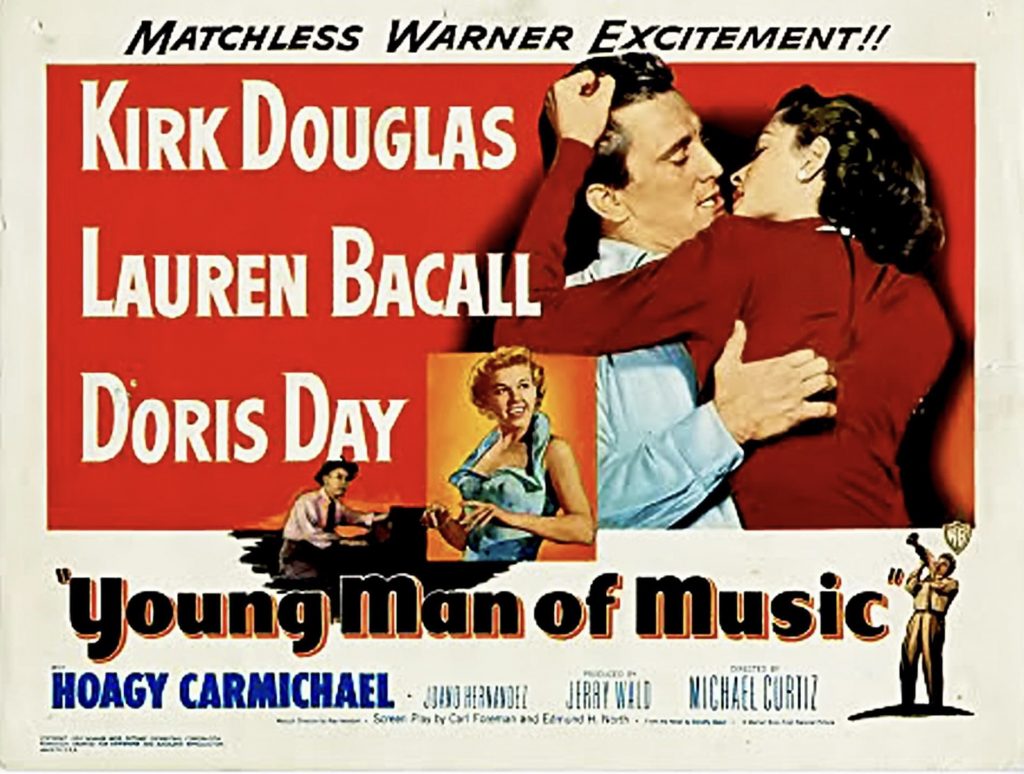
Until 90 minutes ago I was completely ignorant of the apparent fact that Michael Curtiz‘s Young Man With A Horn (’50), a melodramatic pseudo-biopic about Bix Beiderbecke, who self-destructed at the grand old age of 28, was once titled Young Man of Music.
Wiki excerpt: In her authorized biography, Doris Day described her experience making the film as “utterly joyless”, as she had not found working with Kirk Douglas to be pleasant. Douglas said that he felt her ever-cheerful persona was only a “mask” and he had never been able to get to know the real person underneath. Day countered that while Douglas had been “civil”, he was too self-centered to make any real attempt to get to know either her or anyone else.


Click here to jump past HE Sink-In
I’ve been a Marvel Cinematic Universe skeptic for several years now. I’m not a confirmed hater because of Joe Johnston‘s Captain America (’11), Peyton Reed‘s Ant Man (’15) and Anthony and Joe Russo‘s Avengers: Endgame (’19), all of which I was down with. But otherwise the MCU has been darkening my brow for some time, and until recently the second Spider-Man reboot, in particular, rubbed me the wrong way.
Five years ago I posted an angry rant about the then-forthcoming Spider-Man: Homecoming, the first Tom Halland reboot. “I don’t want to see this,” I kvetched and moaned. “I really, really don’t. Who’s with me? That was a joke. The studios crank out another and the herd comes right over and starts slurping. I’ve loved a few Marvel flicks, okay, but c’mon, man…enough.”
Two years later (i.e., early 2019) I wrote how turned off I was by the prospect of sitting through Spider-Man: Far From Home. “Sending a superhero to Europe to liven things up, needless to point out, is a sure sign of franchise fatigue,” I declared. “The idea of Hydron, lord of the waters, wreaking CG havoc upon poor Venice, Italy…to paraphrase Frank Gorshin‘s version of Kirk Douglas, the very idea makes me sick to my stomach.”
Roughly two months ago I turned up the volume. “I hate everyone and everything connected to Spider-Man No Way Home,” I wrote. “Okay, I don’t really mean that. I hope the film makes money and those who like to sit through this crap will feel satisfied or at least placated. But if I could erase the Spider-Man cinematic universe from everyone’s consciousness by clapping my hands three times, I would definitely clap my hands three times. Maybe that means I do hate everything connected to it.”
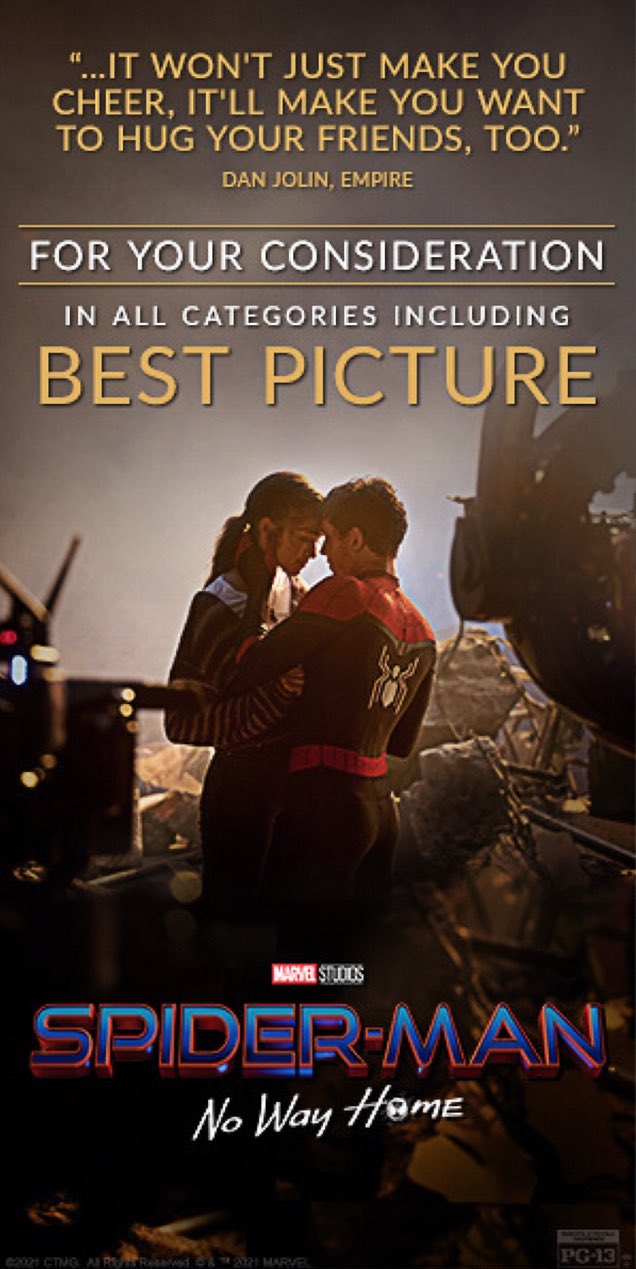
And then, as Joseph Heller once wrote, something happened.
On Thursday, 12.16 I caught a 7 pm showing of Spider-Man No Way Home at the AMC Grove. A couple of hours later I was shocked to admit that my concerns about Jon Watts, Chris McKenna and Erik Sommers‘ film were unfounded.
I’m not saying I was 100% delighted with the first half of it. But a tiny bit later everything started to change and advance and coagulate, and the trippier, hall-of-mirrors aspects of the “multiverse” plot started to kick in, and the movie got quieter and more reflective and then joyful…the crowd broke out in cheers three times…and I was suddenly going “holy shit, this is really working!”
I drove home in a state of pleasant disorientation. At 10:45 pm I tapped out two surprising statements. I wanted to sound cool and dry and circumspect, but I couldn’t stop myself.
(1) “Unlikely as this may sound, it is HE’s conviction that McKenna and Sommers’ SM:NWH script has resulted in one of the most cosmically out-there meta-Marvel experiences ever, not exactly logical but one of the most emotional Marvel sink-ins (and that includes Avengers: Endgame).”
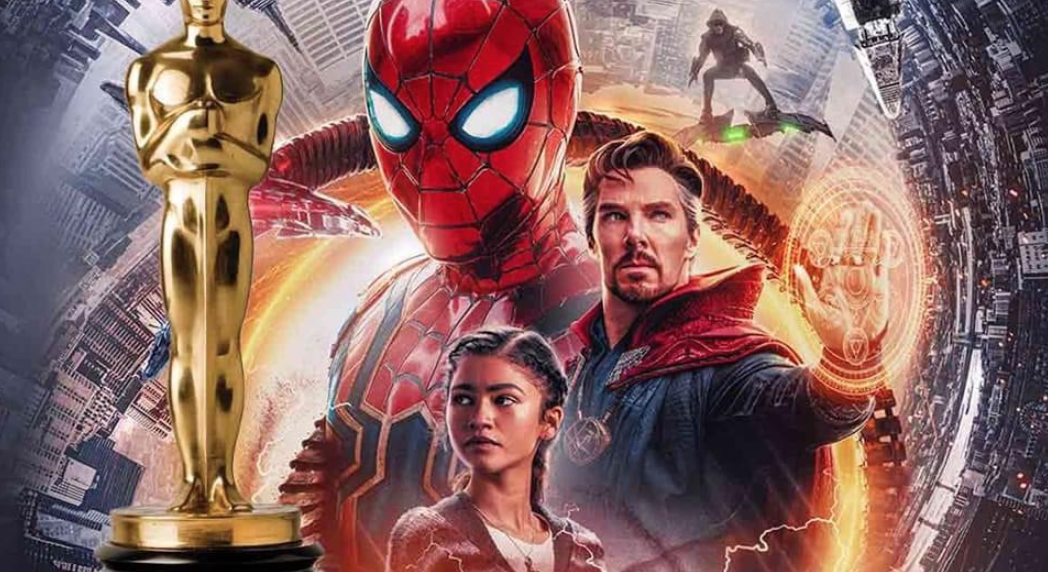
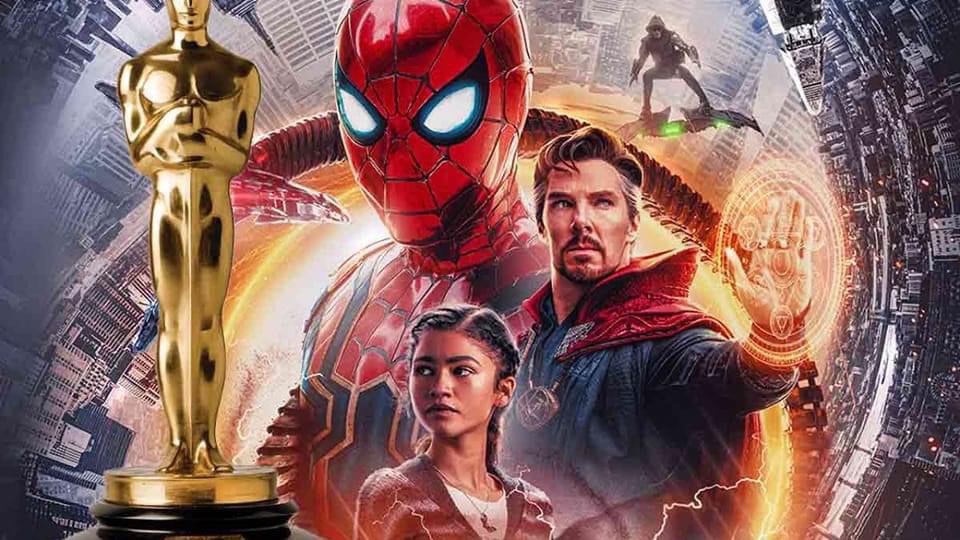
(2) “As much as I hate to admit this, Spider-Man: No Way Home is easily one of 2021’s best films. It actually should be nominated for Best Picture because it turns the proverbial magic key — it turns audiences on. I was there and I felt it, dammit. This is what people go to the movies for. It even ends a little bit like Warren Beatty‘s Heaven Can Wait…almost. I’m sorry but the last 45 to 50 minutes are really good. I was totally sold. Call me flabbergasted. At the finish, everyone applauded.”
In other words (and I’m sorry for using eight paragraphs to get to this point), the fact that a skeptic and an in-and-out hater and sour-attitude guy like myself…the fact that I pretty much melted down and dropped to my knees in praise of the second half of Spider-Man: No Way Home and am now sincerely urging that the Academy nominate it for Best Picture Oscar…well, this means something. It really does.
I’ve been watching movies professionally and taking the pulse of this industry for more decades than I’d care to admit to, and I know what it feels like when a film connects…when it hits that sweet spot and lifts the spirits of an audience and injects a feeling that is rare and special. It happened to me on 12.16.21, and it’s been happening to tens of millions of ticket-buyers since Spider-Man: No Way Home opened. It’s now the sixth-highest-grossing film in history in North America, and has taken in over $1.5 billion worldwide.

Does this mean Spider-Man: No Way Home deserves a Best Picture nomination for profits alone? Because it’s earning a phenomenal amount of theatrical revenue at a time when the future of theatrical is in doubt worldwide, especially with the latest Covid assault making things all the more difficult for theatres to stay afloat? No, I wouldn’t say that.
But the emotional feeling that led to this wild box-office tsunami…the spiritual surge that resulted in this astonishing popularity does merit a Best Picture nomination, mainly because no other 2021 film has come close to creating it.
And here’s what that vibe, that surge, that feeling is actually about. Sappy as it may sound, the second half of Spider-Man: No Way Home is about forgiveness and family. Has there every been a superhero film in which the protagonist tries to release the villains from their rotten karma and give them a second chance? Not to my recollection. And when have the blessings of family felt more welcome and tangible — the saga of a young adult whose difficult struggle is aided and soothed by the arrival of two uncles?
Before I began writing this I was telling myself there are two family films in 2021 Best Picture contention — Belfast and King Richard. It was only when I was halfway through this essay that the truth hit me — Spider-Man: No Way Home makes for a third, and it offers the warmest family embrace of all. And that‘s why it’s a Best Picture contender, you bet. Ask any non-cynic (i.e., not David Poland) who’s seen it. The proof is in the pudding.
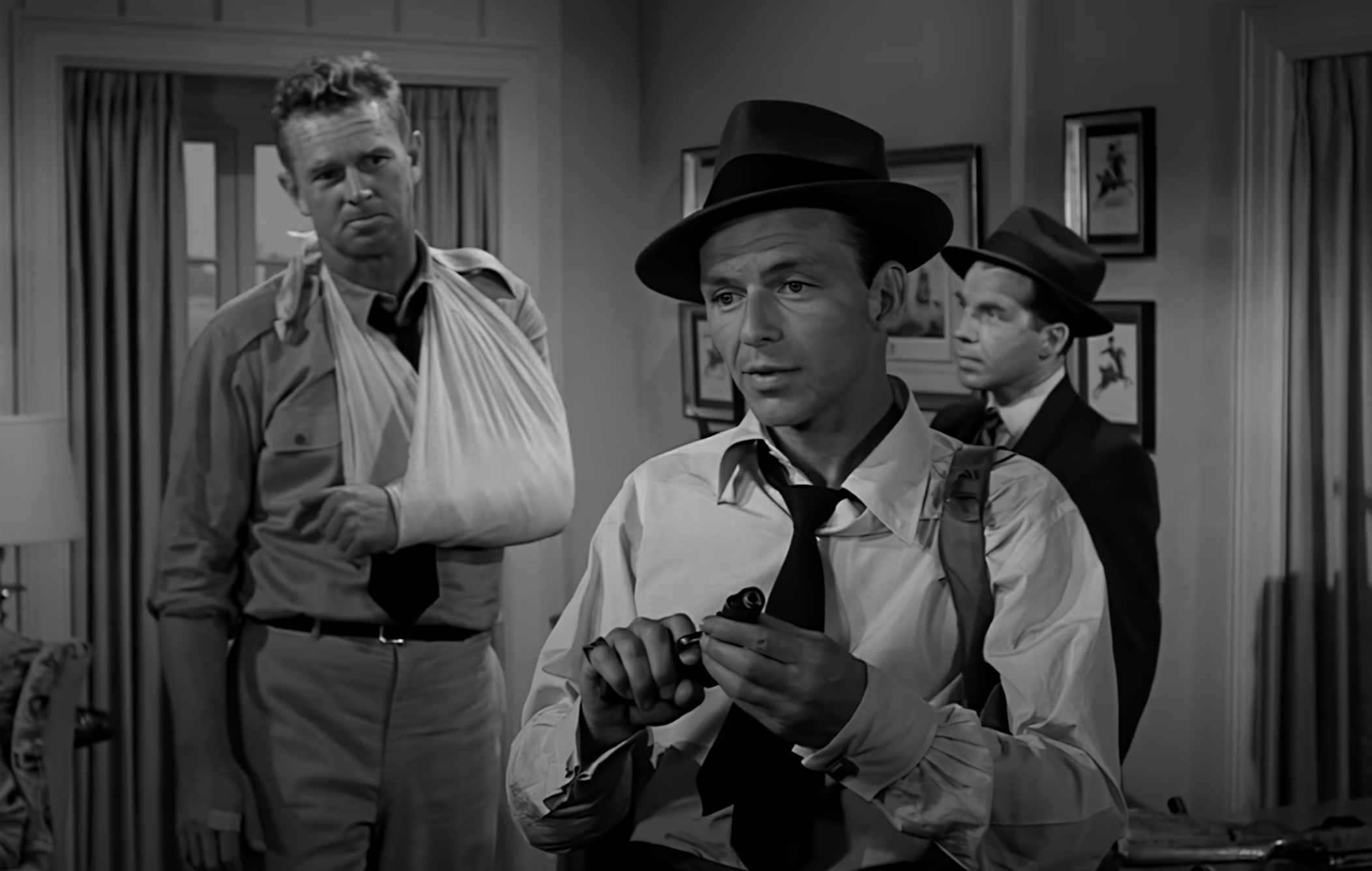
Lewis Allen and Richard Sale‘s Suddenly (’54) has been in the public domain for decades. I’ve seen different versions maybe five or six times. They’ve ranged from mildly tolerable to better-than-decent to good to first-rate. Plus I own what I believe is probably the best-quality Bluray version. But I honestly believe that the GoldenAgeClassics 4K UHD version, which was posted on 1.6.22, is the best I’ve ever seen.
The detail is exquisite, and the monochrome tones and shadings are as rich and natural and un-pushed as anything I’ve ever seen via streaming. I’ve mirrored this version on my 65-inch and it looks great. Plus the corners of the 35mm image are rounded, which indicates that every square inch in every shot has been rendered — no cropping whatsoever. Acres of head room. Hats off to the Golden Age guys…excellent work as far as it goes.
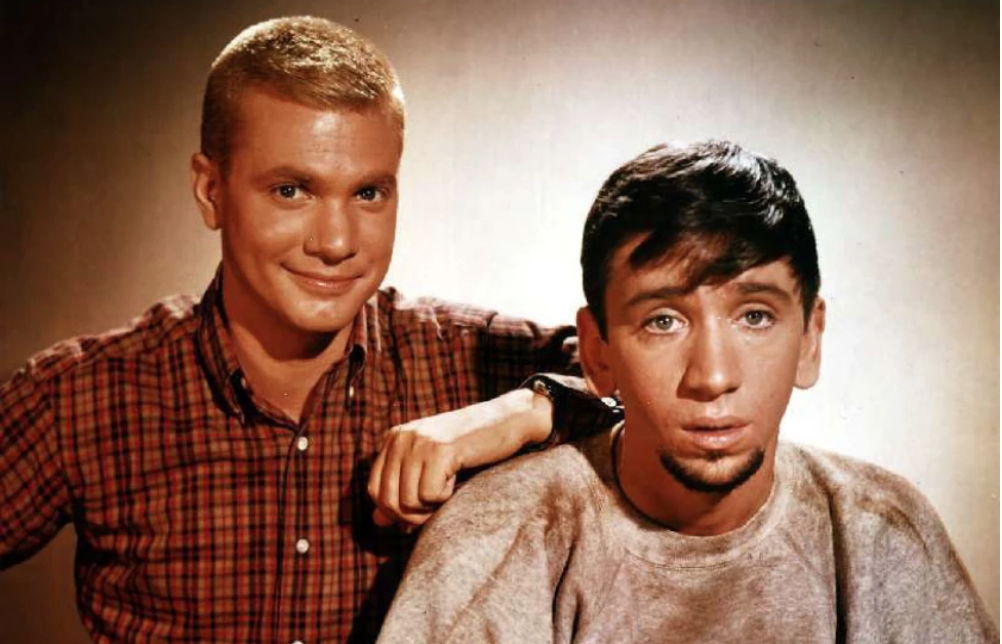
Dwayne Hickman, forever and indelibly identified as the star of The Many Loves of Dobie Gillis (September ’59 to June ’63), passed this morning at age 87. Hugs and condolences to friends, fans, family, former colleagues.
And by “former colleagues,” I’m partly referring to Dobie Gillis costar Warren Beatty, whose path and potential in life led to historic accomplishments, Oscar nominations and wins, and the altering of cinematic culture. During his heyday Beatty was an extraordinary, legendary, real-life hound while Hickman only played one, and the kind of hound, by the way, who never really experienced an erection (even an erection of the mind) or coped with primal lust and longing and hot blood.
For Dobie Gillis‘ romantic passion was more in the realm of Percy Bysshe Shelley than Lord Byron — he sought love and assurance and the perfect mating with a sister of the spirit — a soul priest in search of the perfect nun. It’s not that Dobie tried and failed to get laid during the four-year run of the series — he never even seemed cognizant of the idea. Wokester prudes can point fingers at Beatty’s off-set behavior in the ’60s, ’70s and ’80s, but at least he was alive and pulsing on the planet earth.
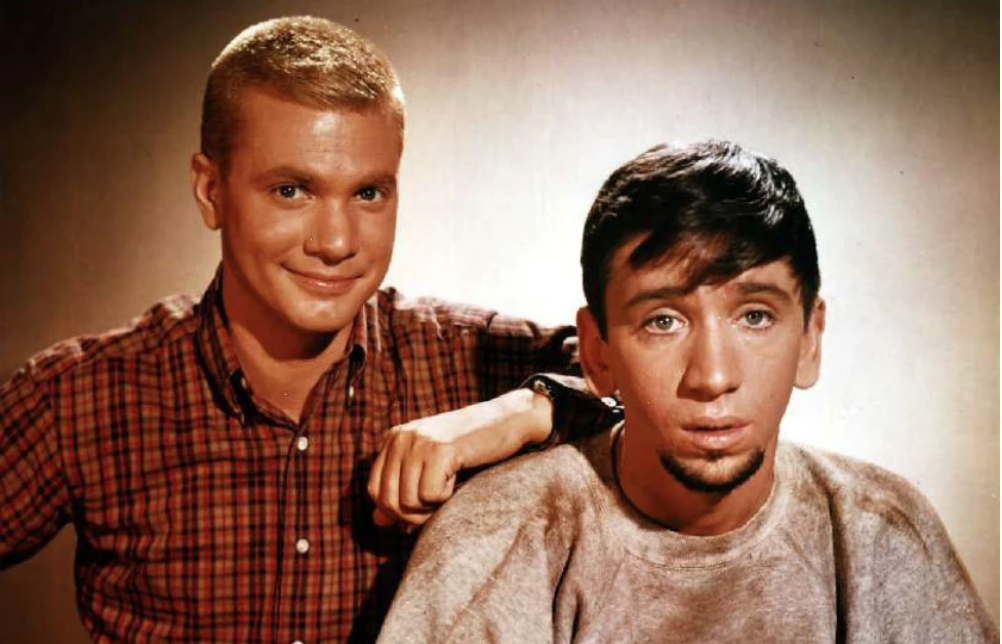
But Hickman’s Dobie was kind and considerate and thoughtful — he believed in middle-class values (the show was one of Hollywood’s final expressions of the sleepy and hermetic 1950s, ending only a few months before the murder of JFK and the onset of ’60s social turbulence) and he identified, remember, with Pierre Auguste Rodin‘s “The Thinker”.
Born in 1934, Hickman costarred with the recently departed Dean Stockwell in Joseph Losey‘s The Boy With The Green Hair (’48) and was, at the time, considerably taller than Stockwell.
Hickman’s first big score was a recurring role on The Bob Cummings Show (’55 to ’59). He also played a Marlon Brando-like rebel in Rally ‘Round the Flag, Boys! (’58). Hickman began playing the teenaged Gillis at age 25, and with blonde hair yet. (His hair reverted to brown in subsequent seasons.) His biggest post-Gillis score was the role of “Jed” in Elliot Silverstein‘s Cat Ballou (’65), along with costars Jane Fonda, Lee Marvin and Michael Callan.
Incidentally: Hollywood Elsewhere has always identified with Bob Denver‘s Maynard G. Krebs, the difference being that while Maynard was known for freaking out whenever he heard the word “work”, HE freaks whenever anyone mentions the word “woke.”
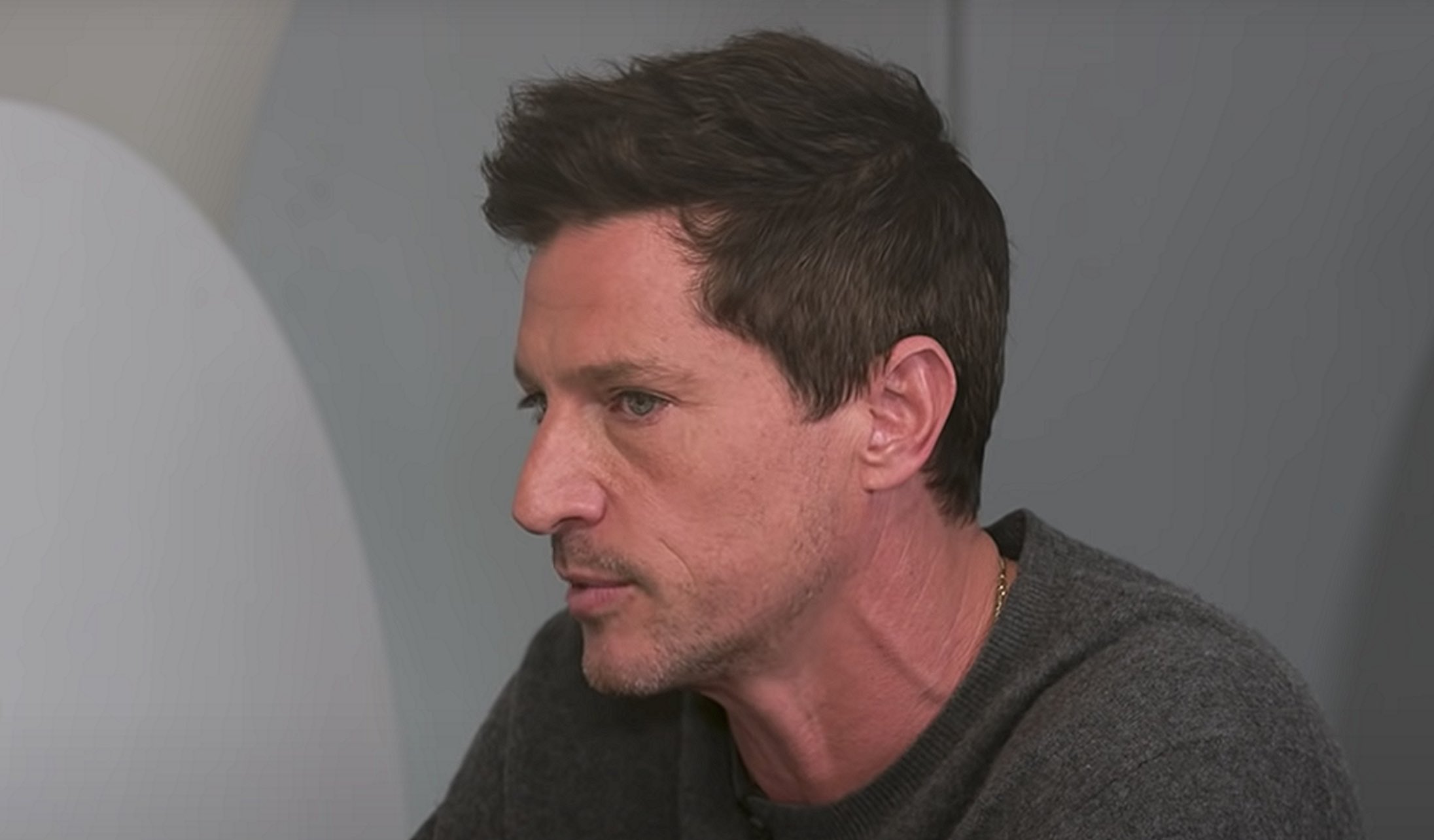
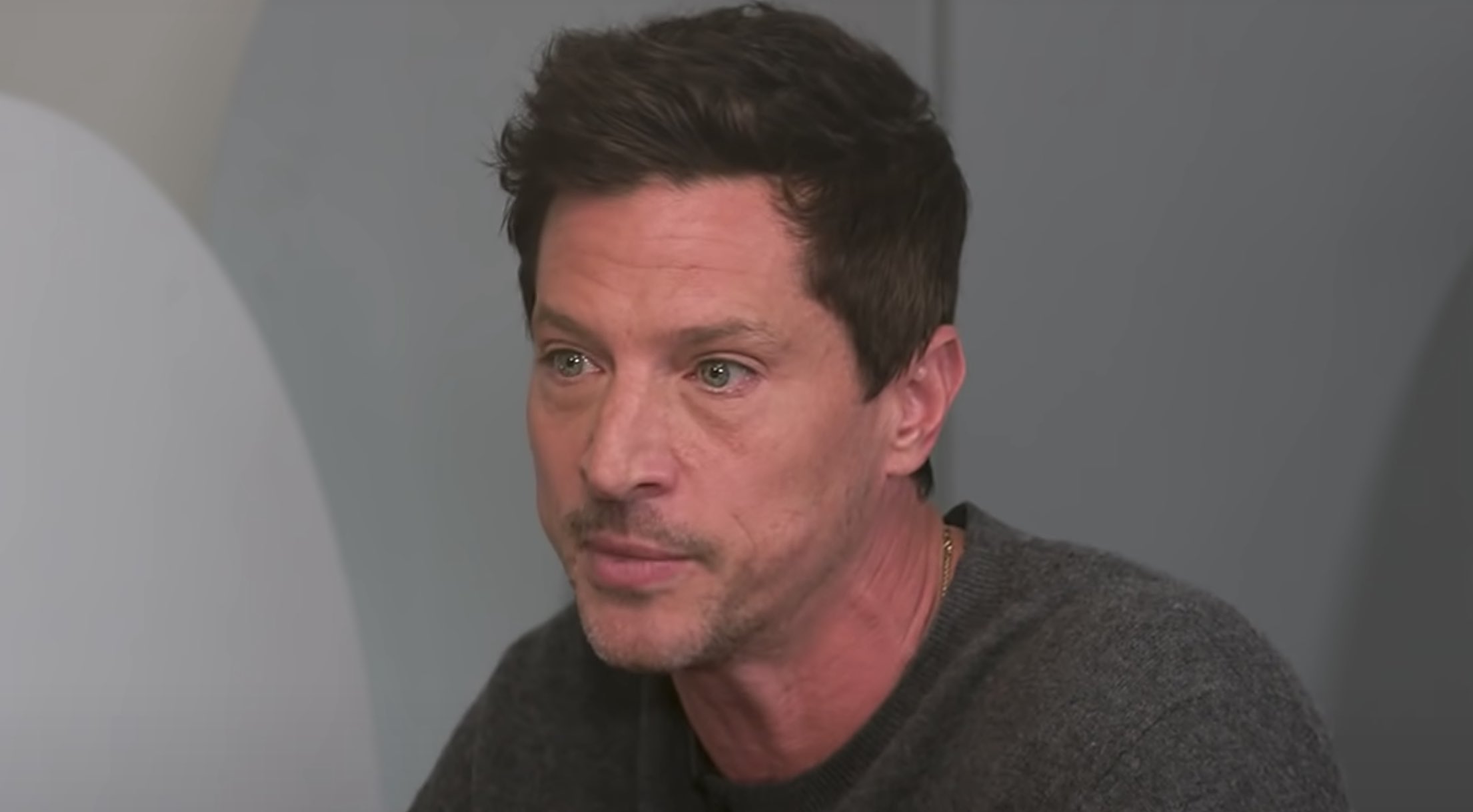
Red Rocket star Simon Rex is the guy you might want to nominate for Best Actor the most, partly because he’s been down and around and seen the bottom of the abyss but is now bouncing back and into the swing (winner of LAFCA’s Best Actor award, future recipient of the 2022 Santa Barbara Film Festival’s Virtuoso award, slated to costar in Down Low with Zachary Quinto and then Mack & Rita with Diane Keaton) and because everyone loves it when a guy who allegedly “lives off the grid in Joshua Tree, California, in the middle of the Mojave Desert” suddenly gets to be an Oscar nominee, and because he agreed to shoot Red Rocket on the fly without telling his agent (he made the call on the last day of shooting), and because it feels good and right when the stars align and a new chapter begins…we all love that.
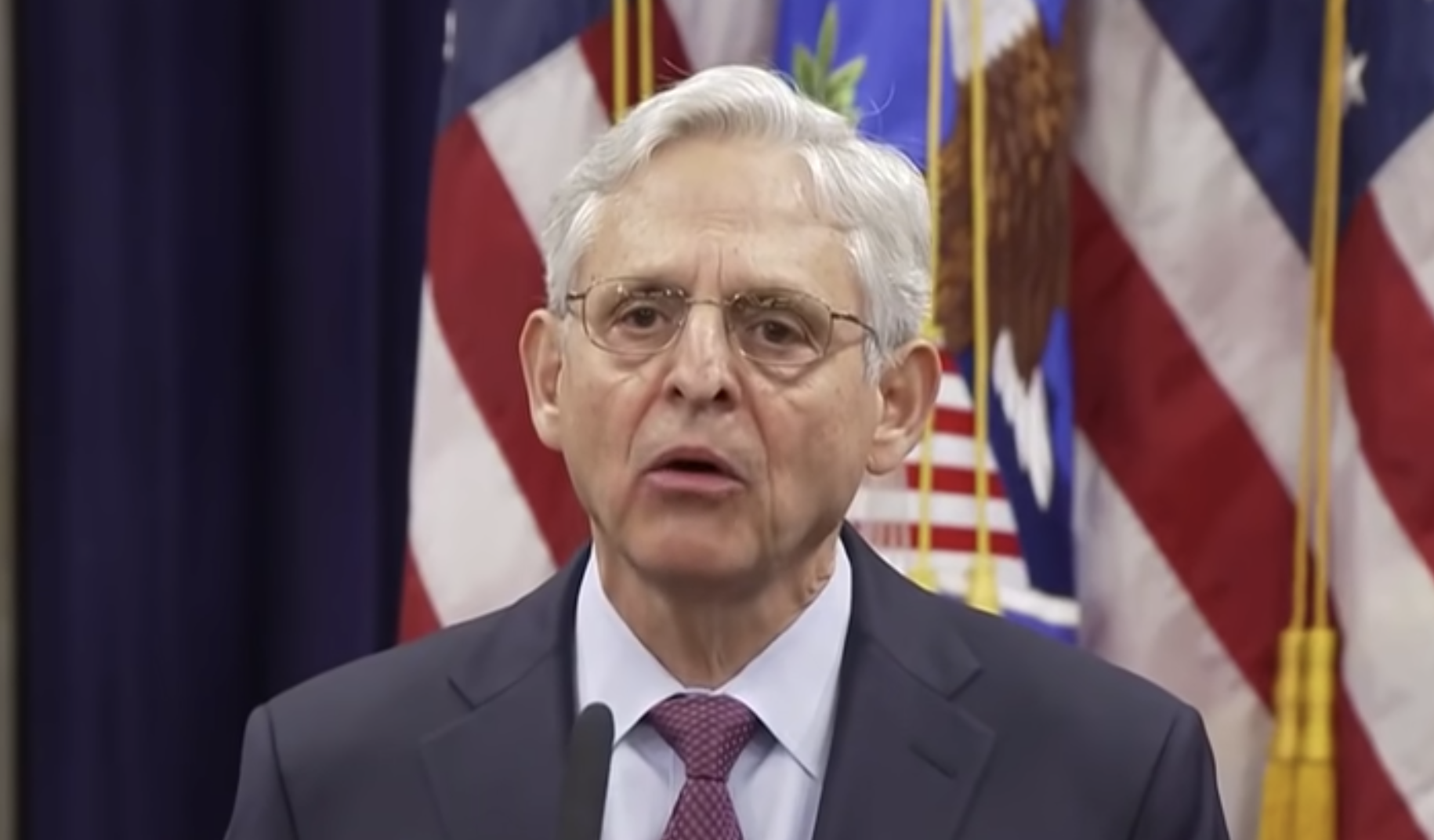
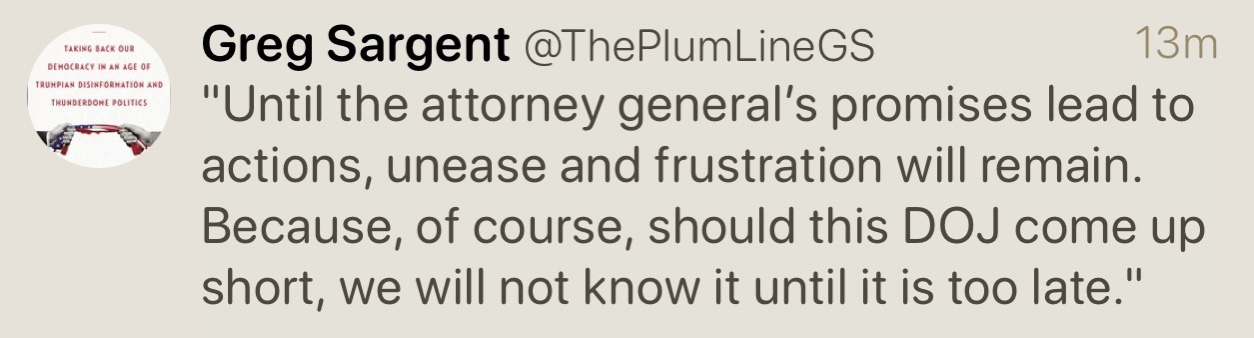
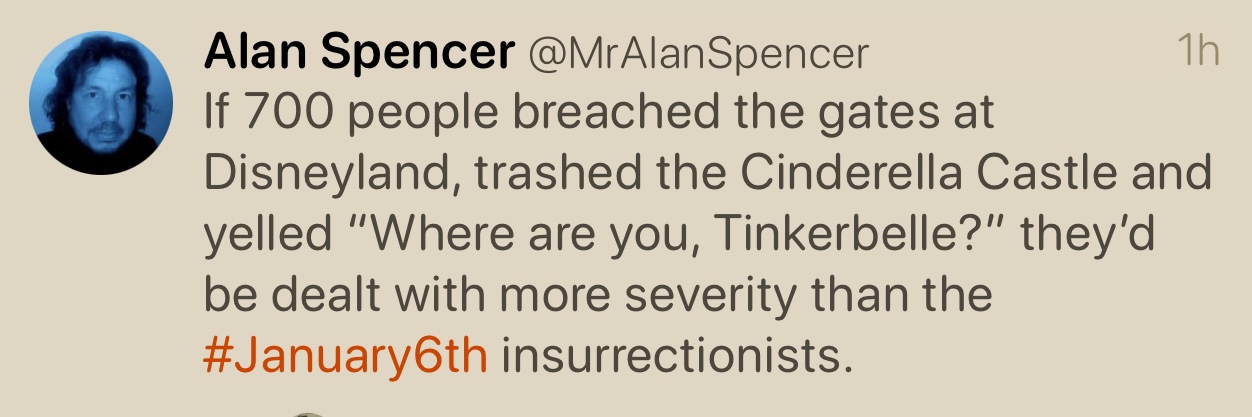
…you need to do it precisely and carefully, working your way up from the bumblefuck small fry and then to the medium-size conspirators and then to the Bannons, Meadows and Hannitys, and gradually focusing upon an air-tight case against the salivating Beast of Mar a Lago.
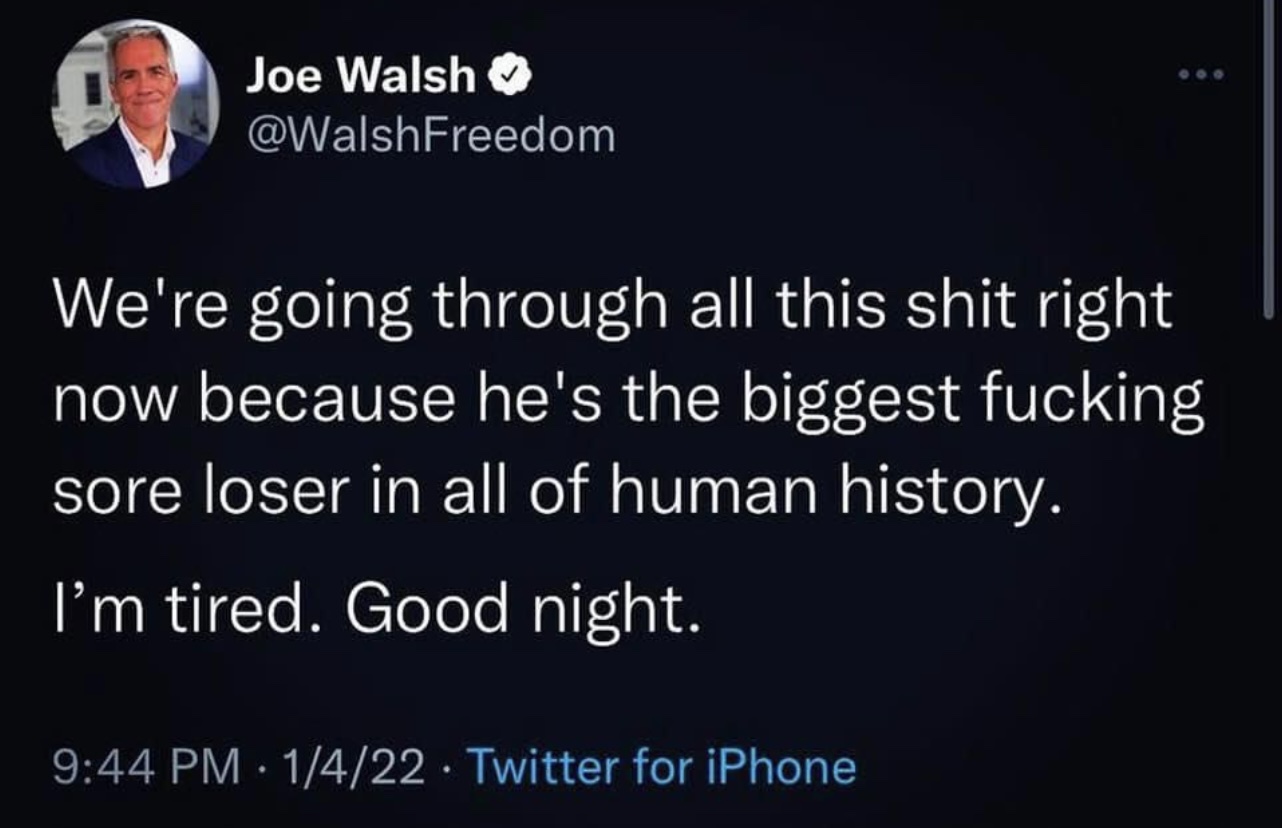
Even if — hello? — the entire civilized world of sane and sensible people has known all along that the Jan. 6th uprising was fully and entirely instigated by that beast…we’ve known that all along, for God-in-heaven’s sake.
“The actions we have taken [against January 6th felons and instigators] thus far will not be our last. The Justice Department remains committed to holding all January 6th perpetrators, at any level, accountable under law, whether they were present that day or were otherwise criminally responsible for the assault on our democracy. We will follow the facts wherever they lead.” — Attorney General Merrick Garland speaking earlier today about Jan. 6th prosecutions — past, present and future.
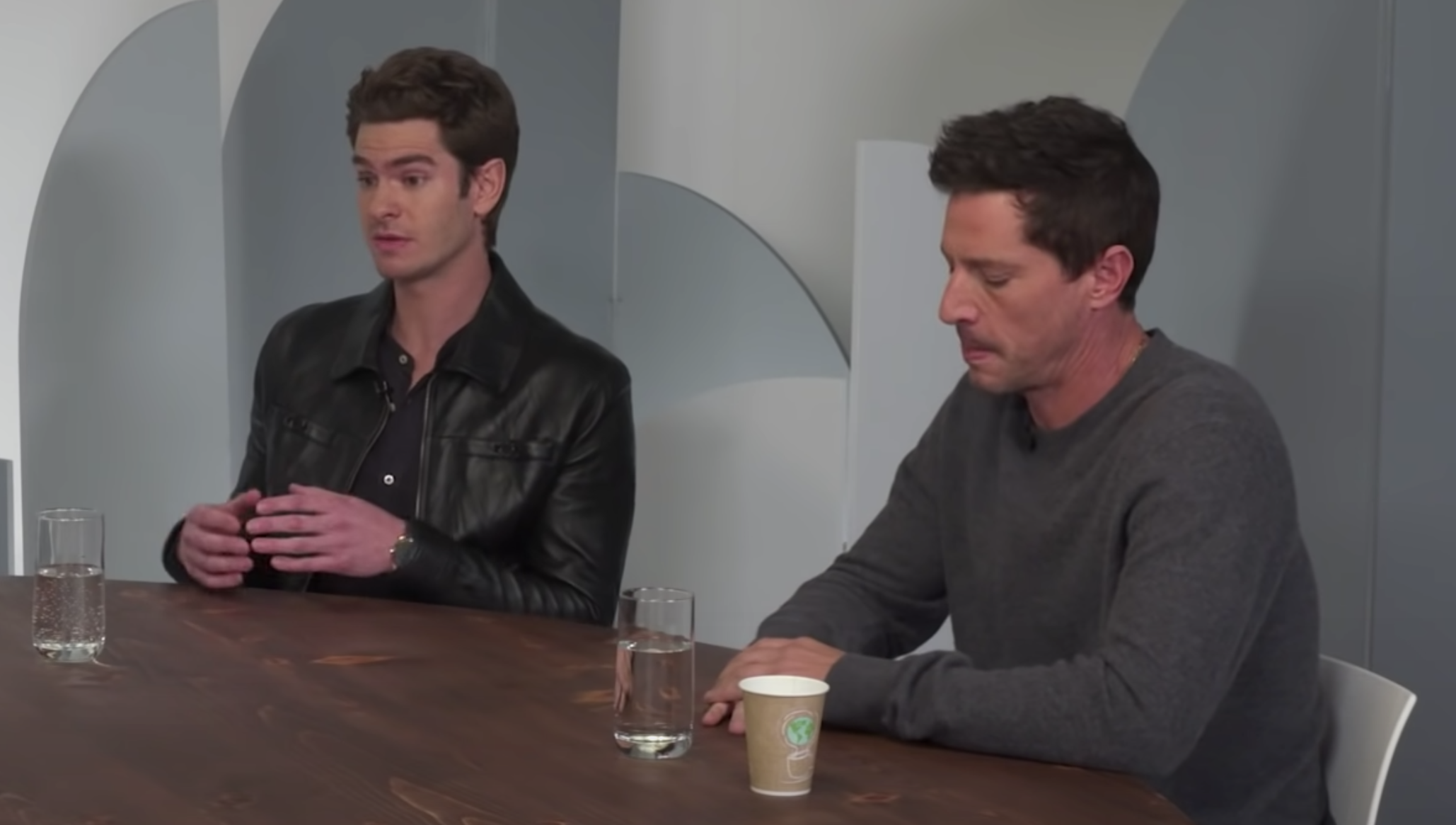
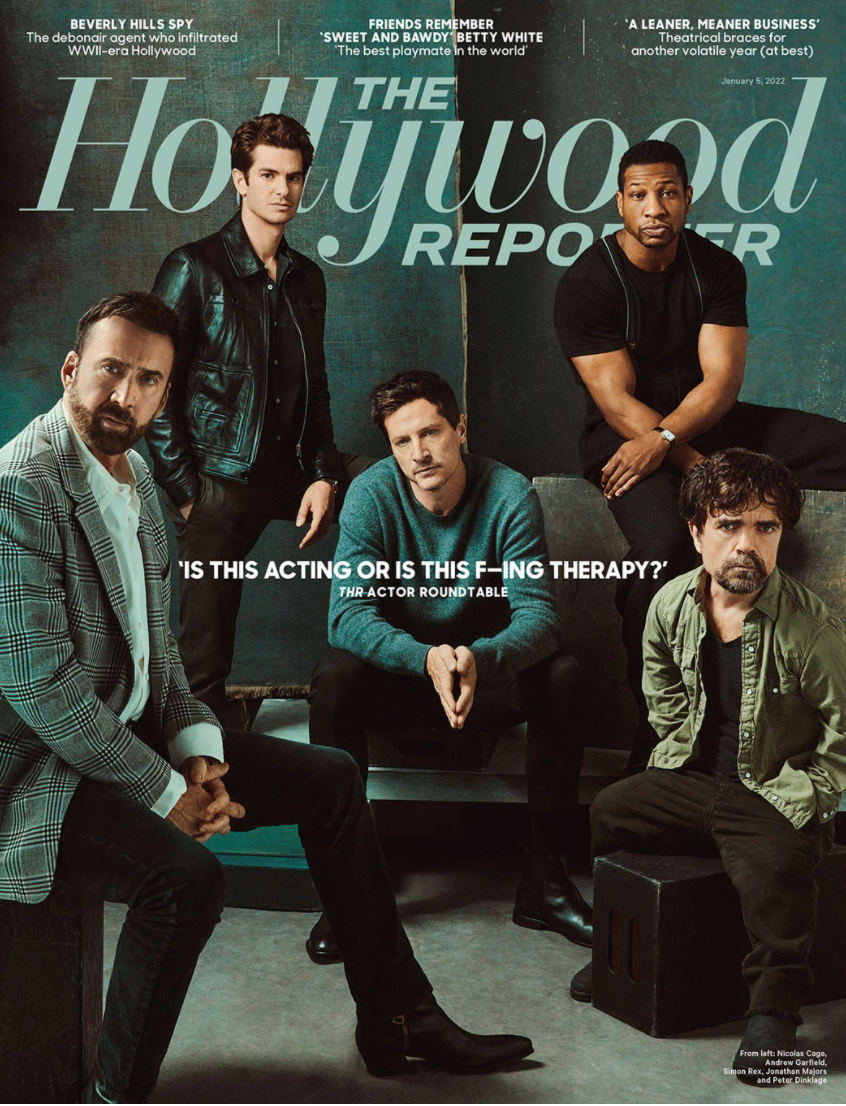
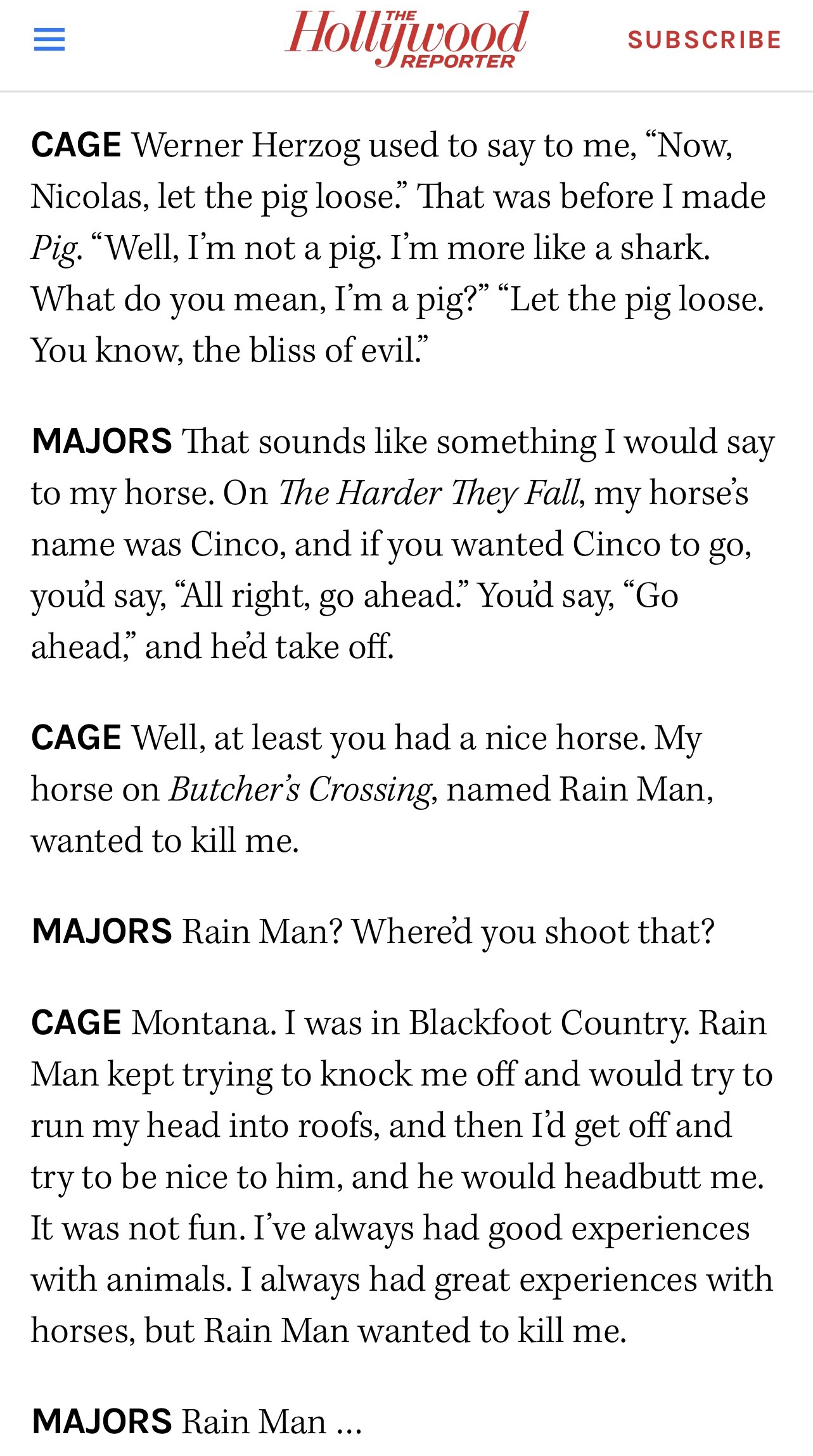
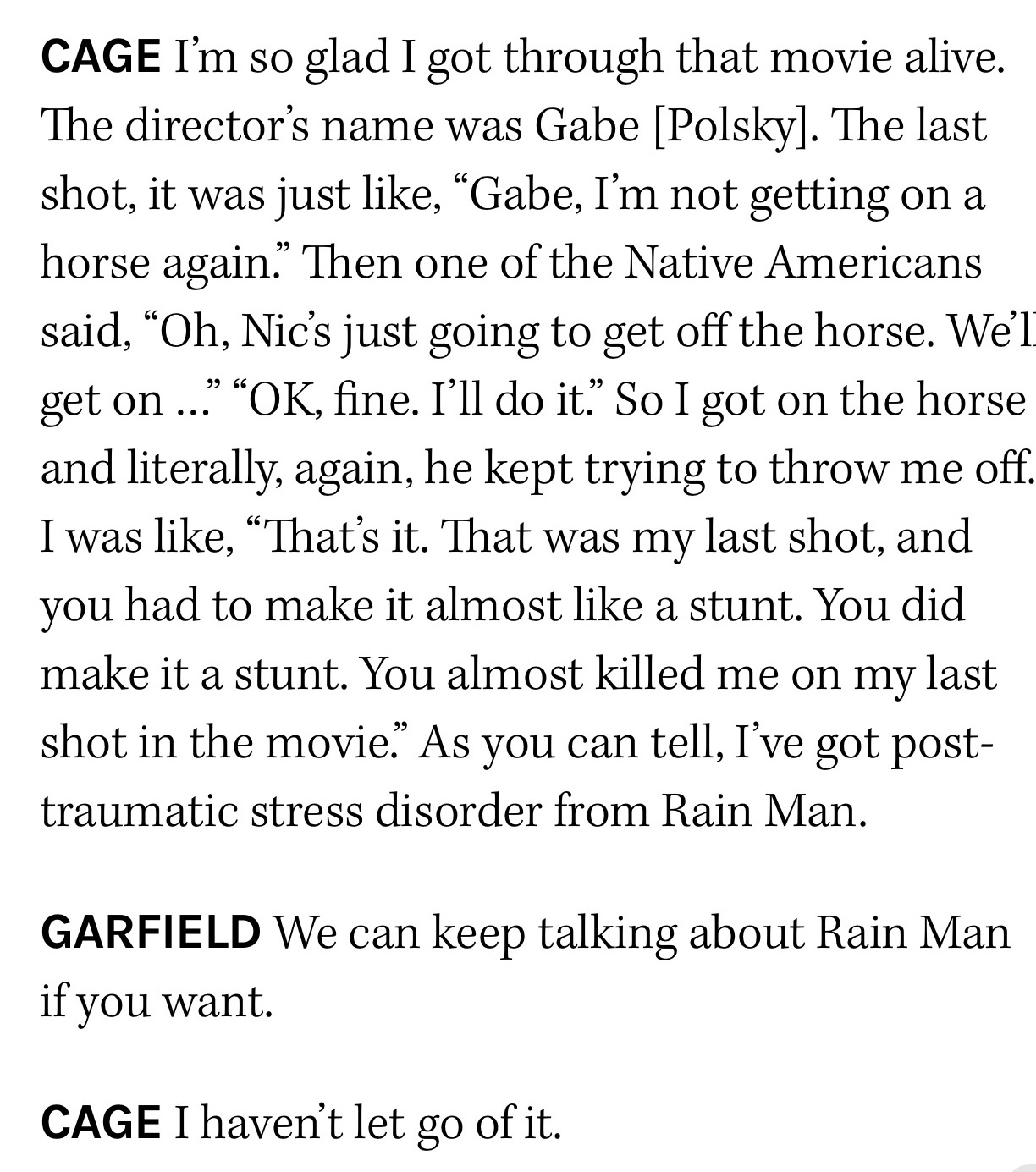
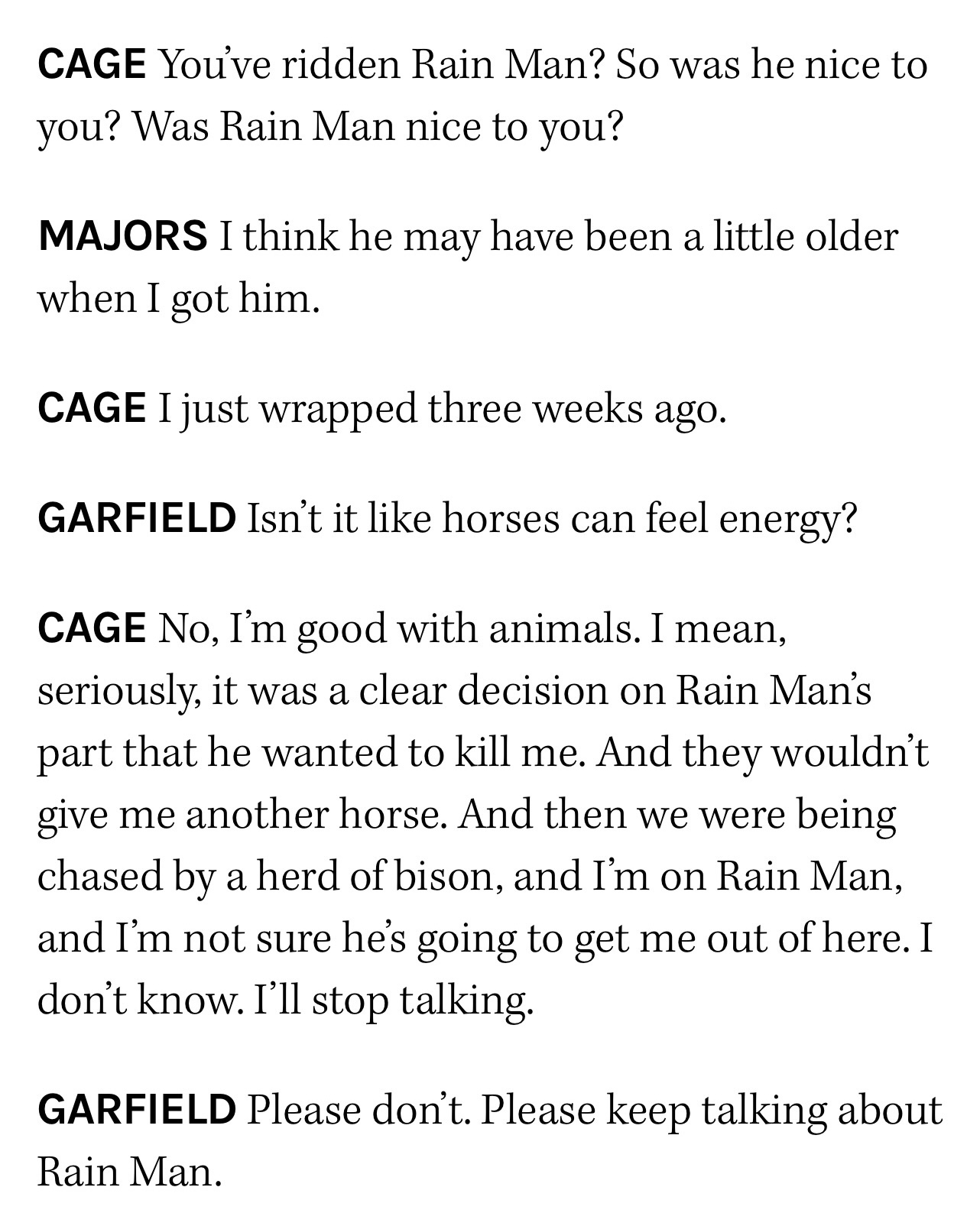
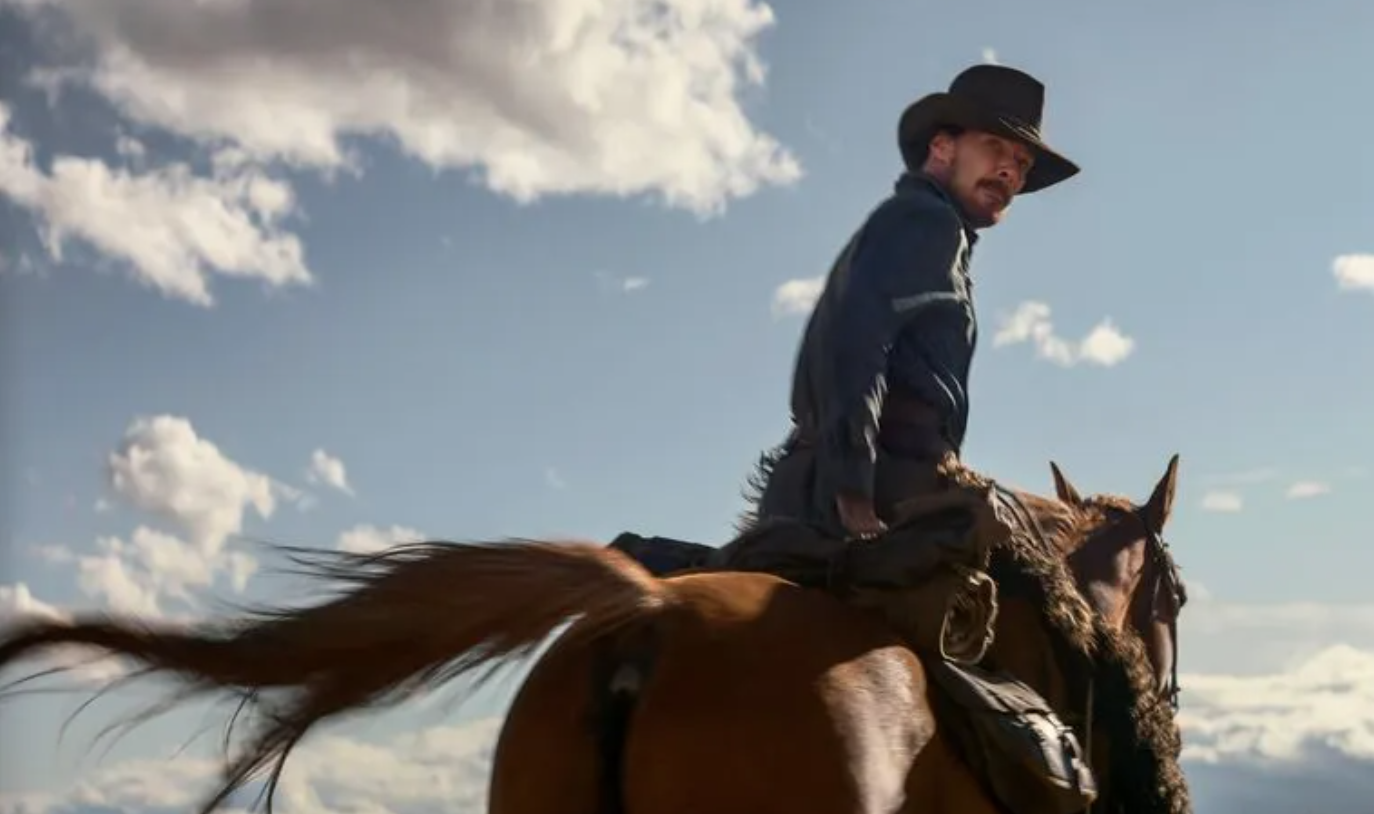
Thanks to a Hollywood Reporter roundtable discussion with five out-there, bold-as-brass actors (Pig‘s Nicholas Cage, Tik Tik…Boom‘s Andrew Garfield, Cyrano‘s Peter Dinklage, The Harder They Fall‘s Jonathan Majors and Red Rocket‘s Simon Rex), the reputation of Rain Man, the angriest horse in Montana and perhaps the entire continental United States, is spreading far and wide.
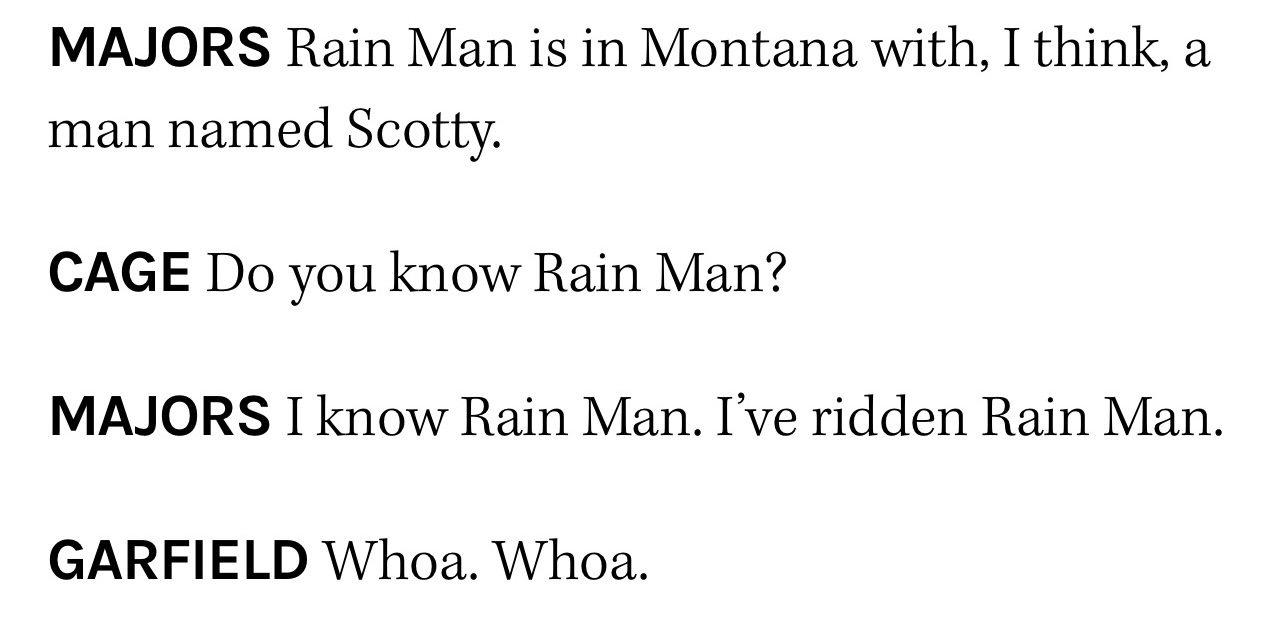
Rain Man kicked Cage’s ass during filming of the recently wrapped Butcher’s Crossing. Oddly, The Harder They Fall‘s Majors claims to have ridden the same damn horse, albeit an older, more mild-mannered version despite this happening during the fall of 2020 (i.e., a year before Cage came along).
THR needs to get together with a reality show producer and organize a Rain Man Challenge. Cage, Garfield, Dinklage, Rex and Majors are flown to Billings and each take their turn with Rain Man on the open range. (Or inside a large corral…whatever works.) The actor who creates the most profound bond with this angry horse and thereby “whispers” him into an alpha state will win the grand prize.

The Sundance Film Festival mattered a great deal for 26 or 27 years, which is a long time when you think about how Robert Redford, Jeff Gilmore and John Cooper spearheaded the mythology of indie Hollywood and changed the game so much between the early ’90s and the mid teens, and how influential it all was. Nobody can take away those glory years. I was there for 25 or 26 of them (’94 to ’19, something like that) and I loved every chapter, every surprise, every breakthrough, every film that made a mark, every adventure and wild party. It’s all over now, but that’s the way of things. Sooner or later, every good idea or initiative or inspirational course of action comes to an end.

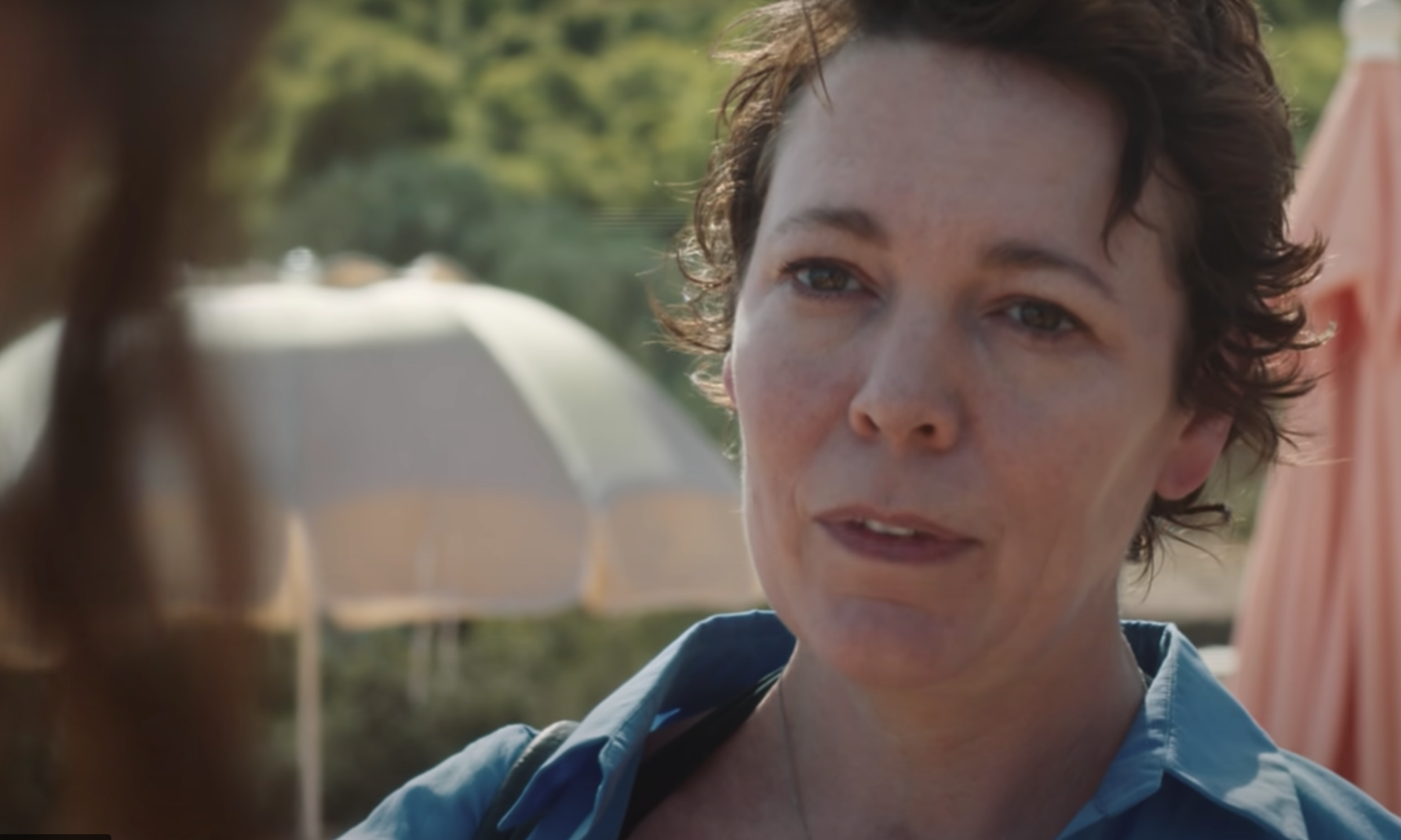
Four months ago Maggie Gyllenhaal‘s The Lost Daughter played Telluride, and I missed every showing. Weeks and then months passed. I finally caught it last night on Netflix. I was vaguely afraid it would be some kind of opaque feminist downer, but it’s not.
The Lost Daughter is a visually agile, nicely edited, well-detailed grabber, and nothing if not emotionally and psychologically complex (if a bit curious). It’s more than competently directed and certainly well written by Gyllenhaal, who adapted Elena Ferrante’s source novel. It’s one of the best films by a first-timer I’ve ever seen. Hats off.
The core subject is that some aren’t cut out for parenting. Yes, including some moms. Some are simply too selfish or neurotic or sex-starved, or too irked by the endless demands of young children. Some are consumed by artistic visions of one kind or another.
Olivia Colman‘s Leda Caruso, a 50ish professor vacationing on the Greek island of Spetses, is one such mom. She has two daughters in their mid 20s, but it’s clear they haven’t a great deal of rapport with her. Leda wasn’t much for it when they were younger (the 20something Leda is played by Jessie Buckley) and her recollections of that time are stirred by watching young Nina (Dakota Johnson) and her temperamental three-year-old daughter, Elena.
Leda is a bit testy and distant at first, but she and Nina, who has married into a large and somewhat overbearing family, become friendly in a cautious sort of way.
Semi-spoiler: The story-tension aspect is driven by a very strange and perverse thing that Leda does early on. It’s selfish and sociopathic, but also tied into memories of her own young motherhood and the frustrations she felt saddled with.
25 years ago I wrote the following about One Fine Day, the George Clooney-Michelle Pfeiffer parent romcom: “Raising kids can be exhausting, at times even soul-draining…we all know this.”
Joni Mitchell couldn’t hack it — couldn’t surrender to mothering because she had so much in the way of poetry and songwriting inside her, so much raw material to pull out and shape and hone.
When I was 14 or 15 I recall being told by a good friend of my mother’s that “kids are a pain in the neck sometimes, and sometimes we need to escape that…if we’re honest with each other we admit this.”
When my father became an AA guy and was looking to confess his failings to those he’d hurt, he told me he was sorry but was never cut out for parenting. Not everyone is. I heard him, forgave him.
When Jett and Dylan came along I resolved not to be an aloof dad, and that wasn’t easy given that I had to write all the time. But I decided it would be better to err on the side of emotional closeness and leniency. Maggie, my ex, was the cop; I was the adventurer.
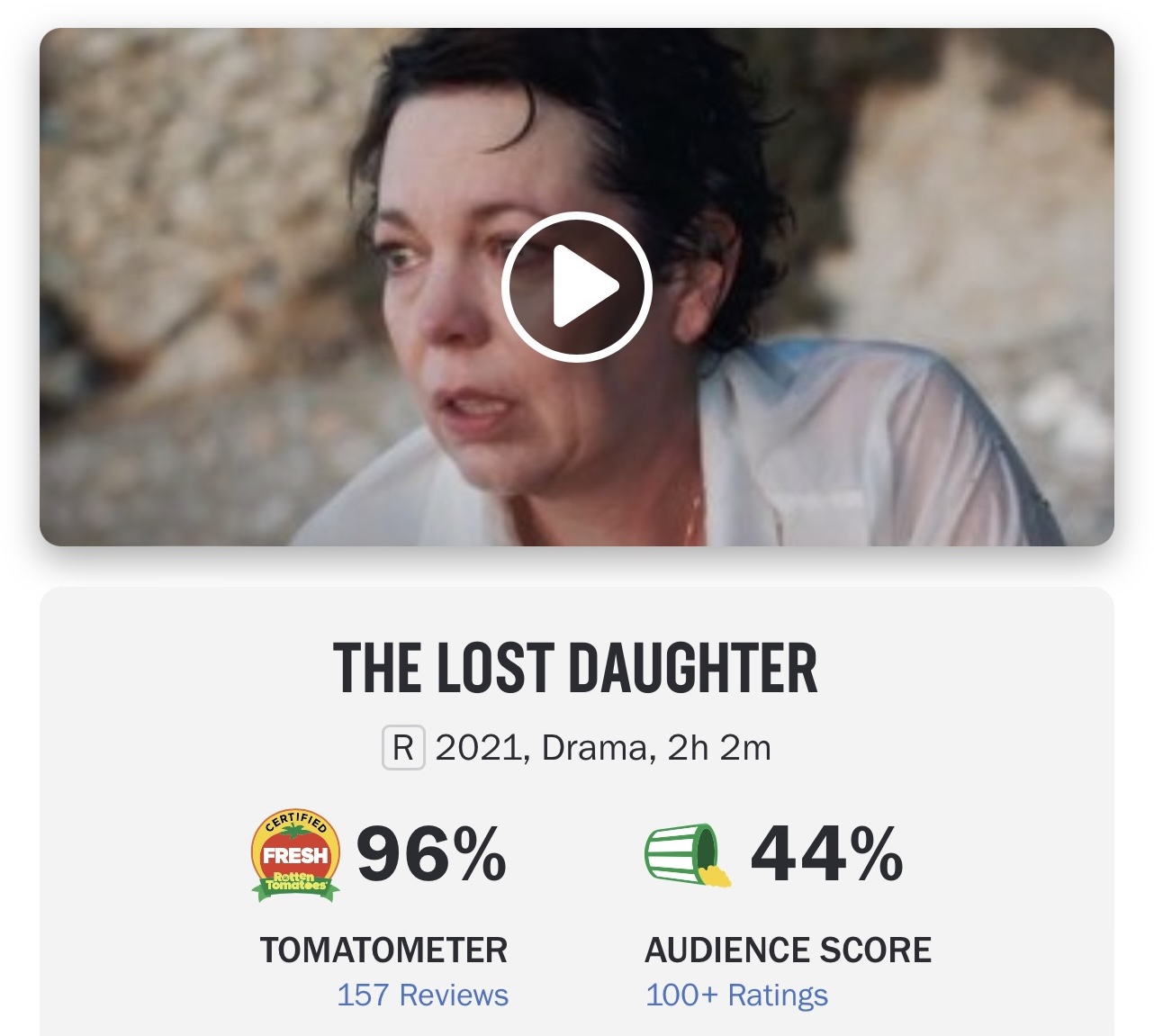
Whether or not you can roll with The Lost Daughter will depend on your ability to understand or at least accept the bad parent pathology that it puts on the plate.
“I’ve experienced 2021 as the worst year for movies in quite a few decades. Perhaps if I seriously combed through the 1980s I might find some that were worse, but I nonetheless felt seriously unrewarded for all the hours I put in watching films that simply didn’t rise to the occasion, including some that found significant critical favor with others.” — from Todd McCarthy’s “It Was The Worst Of Times Off And Onscreen In 2021,” Deadline-posted on 12.30.21.
Criticstop10.com has posted a comprehensive list of the most favored 2021 films according to critics**.
Jane Campion‘s The Power of the Dog — subtly rendered, expertly crafted, relentlessly downish — is the leader, having appeared on 243 lists and listed as #1 on 40 of them.
The runners-up (second through fifth place) are Drive My Car (sensitive three-hour grief monkey film), Licorice Pizza (amiable, meandering), Dune (sand in my lungs) and West Side Story (alive and pulsing). The next five are The Green Knight (pure moisture torture), Summer of Soul (found footage), Pig (quite grim but soulfully so), Titane (metallically perverse) and The French Dispatch (exquisitely composed but infuriating)…good God!
Leos Carax‘s Annette, easily the most hateful film of 2021 and one of the most agonizing sits of my entire life, appeared on 76 Best of the Year critics lists, and was listed as #1 on 7 of them. Think about that.
Hollywood Elsewhere has a certain handicap in this regard. Unlike many critics***, I tend to favor absorbing, well-contoured films about recognizable human beings that reflect (am I allowed to say this?) some aspect of the actual human experience as most of us live it on the planet earth, and so I ended up with the following top 15: King Richard, Parallel Mothers, West Side Story, Spider-Man: No Way Home (because of the final hour), The Worst Person in the World, A Hero, Riders of Justice, No Time To Die, The Beatles: Get Back, Zola, Cyrano, Licorice Pizza, The Card Counter (willfully ignoring the Tiffany Haddish diminishment factor), In The Heights and The Last Duel.