It pains me to consider the possibility, much less admit, that the sociopathic Mussolini and would-be Democracy destroyer Donald Trump might have been correct last year when he theorized that Covid-19 originated with a lab leak.
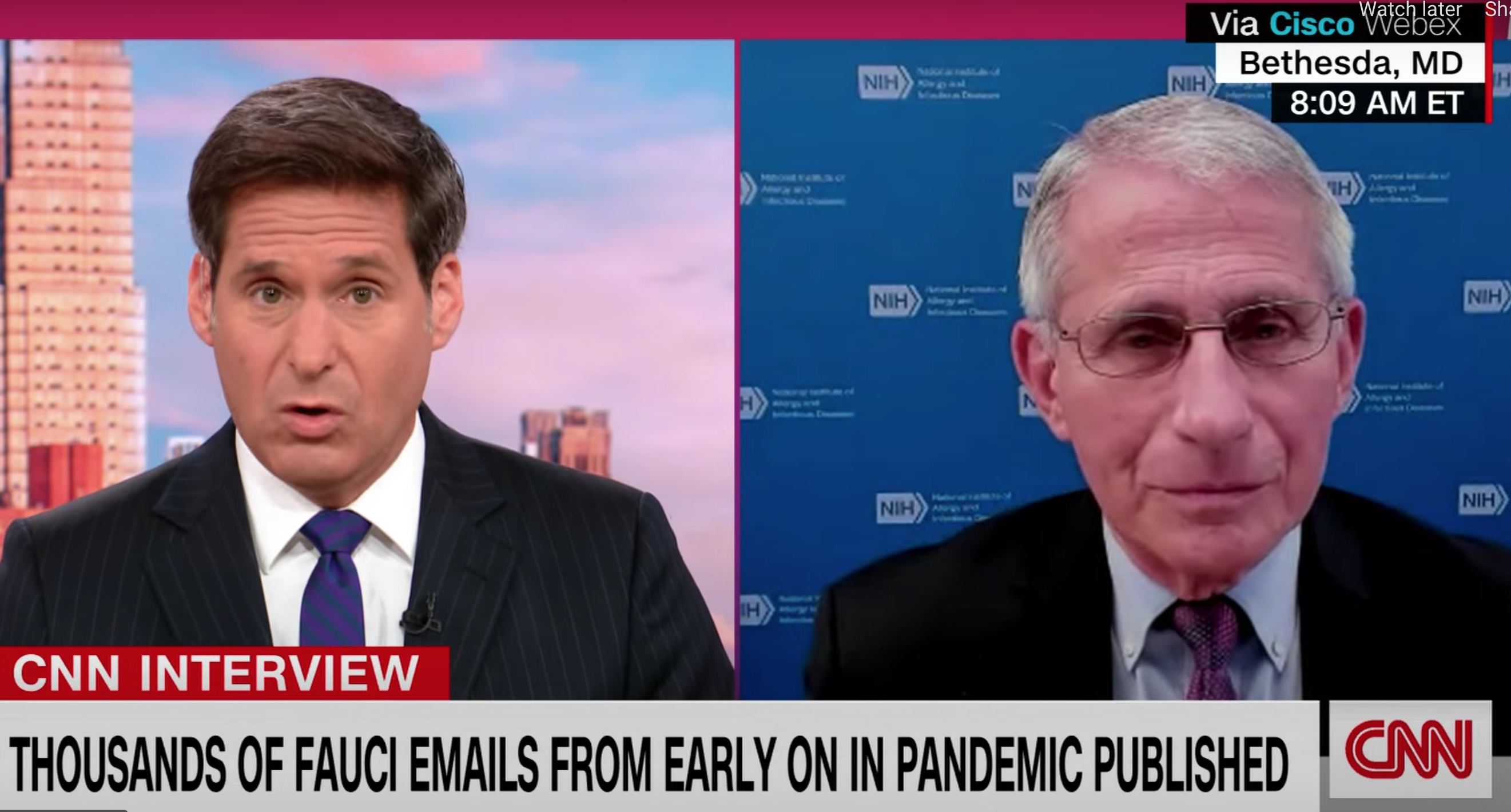
Rightwing nutters are theorizing that Dr. Anthony Fauci, America’s top infectious disease guy who curtly dismissed the lab leak theory but has more recently come around, may be half-complicit in the Wuhan Institute of Virology lab-leak error (if it indeed happened). Also that he had “potentially conflicting ties to China’s top scientists and the very lab under suspicion.”
“Any evidence of a lab leak that may have caused the Covid-19 pandemic would likely have been destroyed by Chinese officials by now, a former MI6 chief has claimed.
The former intelligence chief, head of the UK’s spy agency between 1999 and 2004, has previously said the novel coronavirus is “far more likely” to have come from a lab than an animal.
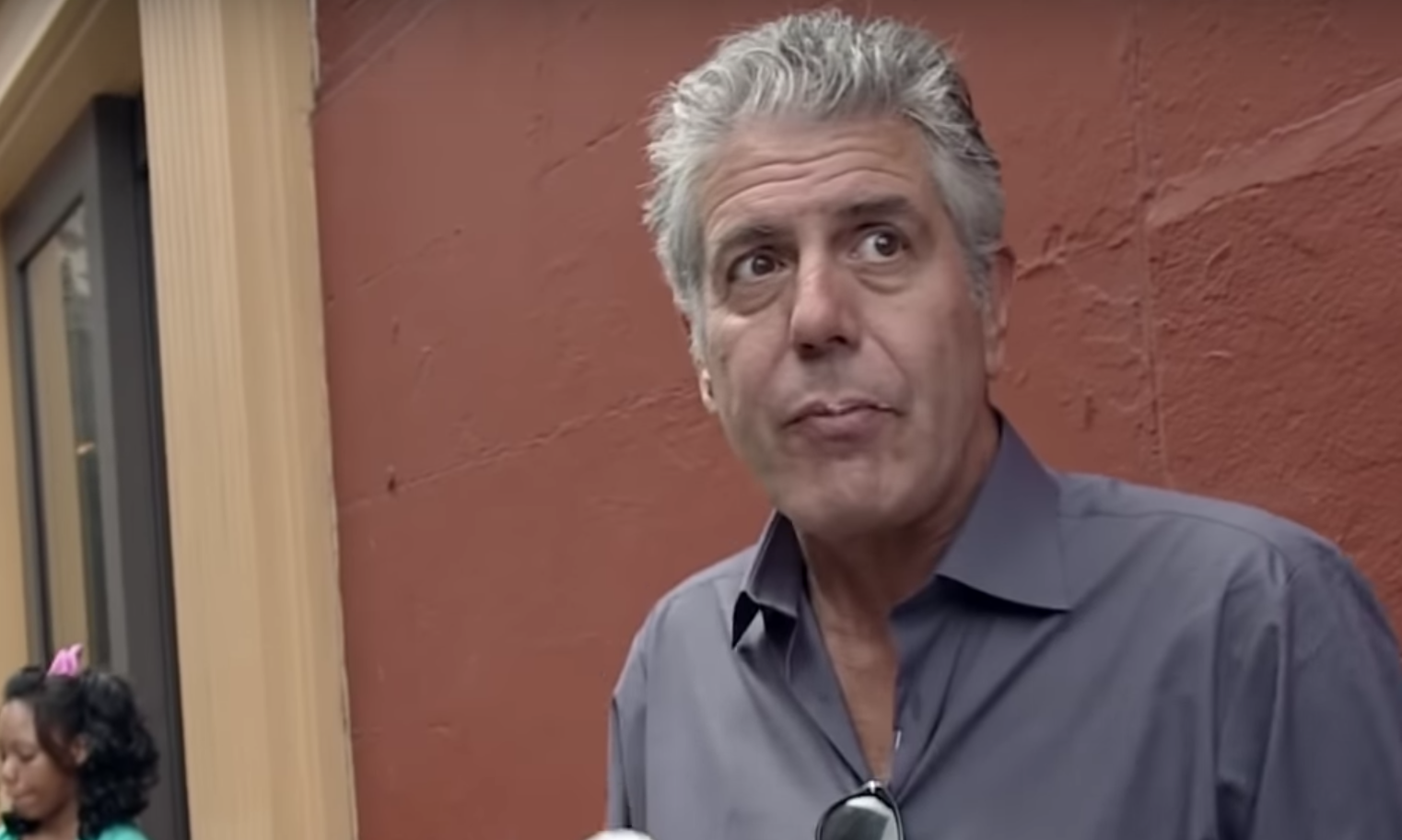
Morgan Neville‘s Roadrunner, a doc about the late Anthony Bourdain, will open in theatres on 7.16. The world premiere happens on June 11 at the Tribeca Film Festival.
Posted on 6.8.18: “I am stunned and appalled that Anthony Bourdain, a sensualist and an adventurer whom I admired like few others, a guy who adored sitting on a plastic stool and eating Bun Cha in Hanoi as well as scootering through rural Vietnam as much I have, a late bloomer who’d lived a druggy, dissolute life in the ’70s and ’80s but had built himself into great shape and had led a rich and robust life in so many respects…I am absolutely floored that Bourdain has done himself in.
“Bourdain was right at the top of my spitball list of famous fellows who would never, ever kill themselves because he seemed so imbued with the sensual joy of living, who had found so much happiness and fulfillment in so many foods and kitchens, in so many sights and sounds and aromas and atmospheres, travelling and roaming around 250 days per year and inhaling the seismic wonder of it all.
“Bourdain apparently suffered from depression, or so it’s being said this morning. He was 61, and by all indications was at the absolute peak of his personal journey. Like me, Bourdain’s life didn’t really take off until the late ’90s, when he was in his early 40s. But when everything finally fell into place and he became famous and semi-wealthy, he seemed to revel in the feast but without losing his head. He always kept his sanity and sense of modesty.
“In a perfect world Donald Trump would hang himself in his White House bedroom and Bourdain would go on living and travelling and taping episodes of Parts Unknown until he was 98 and perhaps beyond.
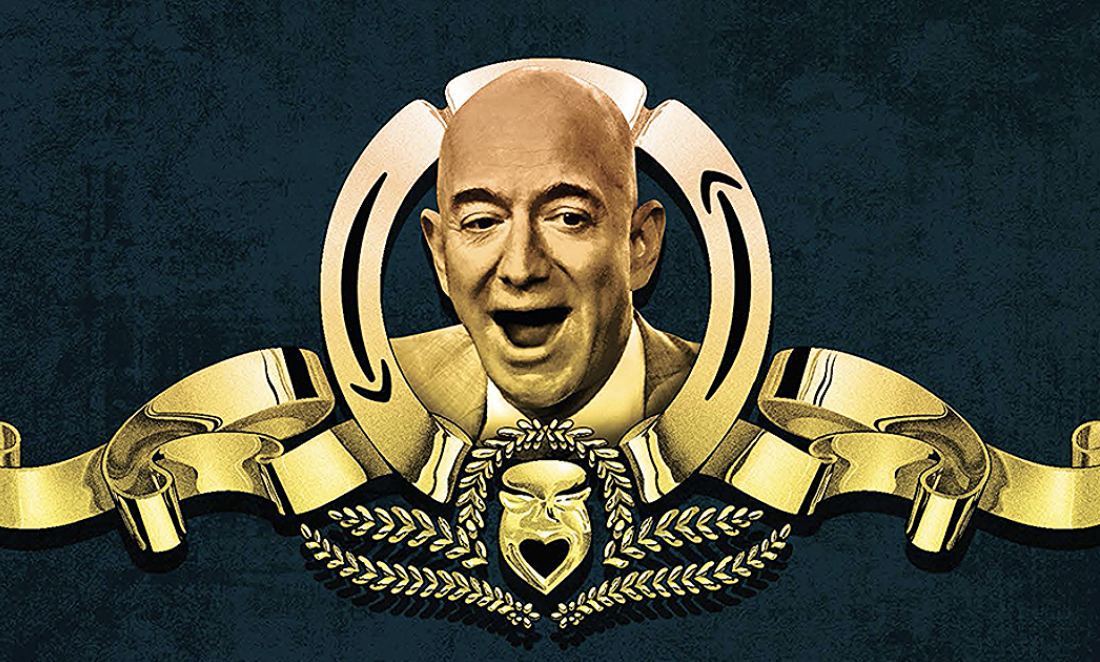
No comment about Amazon’s $8.5 billion acquisition of MGM, which has been a nothing brand for decades. Nor was I particularly stirred by Cynthia Littleton’s assessment of the situation. All I care about is whether or not we’ll soon be hearing the Trump tapes that MGM TV honcho Mark Burnett has been sitting on since ’16 or thereabouts. The rest of the questions will sort themselves out.
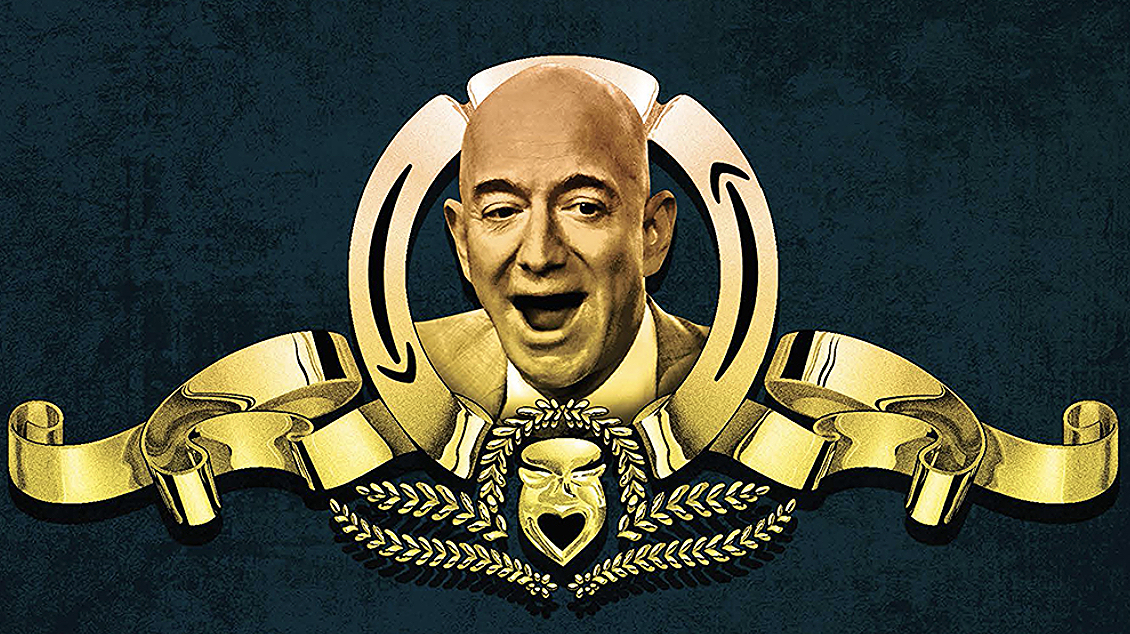
What I’m most impressed by right now is the Jeff Bezos roaring lion art by Variety‘s Cheyne Gateley.
HE is attending Cinemacon 2021 (8.23 — 8.26) for sentimental-emotional reasons, whichever matters most.
Because my investment in the theatrical experience, which has been my spiritual lifeblood since I was 5 or 6, has never before felt so shaky or tentative, and I want to somehow support the continuation of exhibition along with the idea of movie theatres as spiritual churches in any way I can, despite the ironic fact that the exhibition industry long ago abandoned the spiritual element.
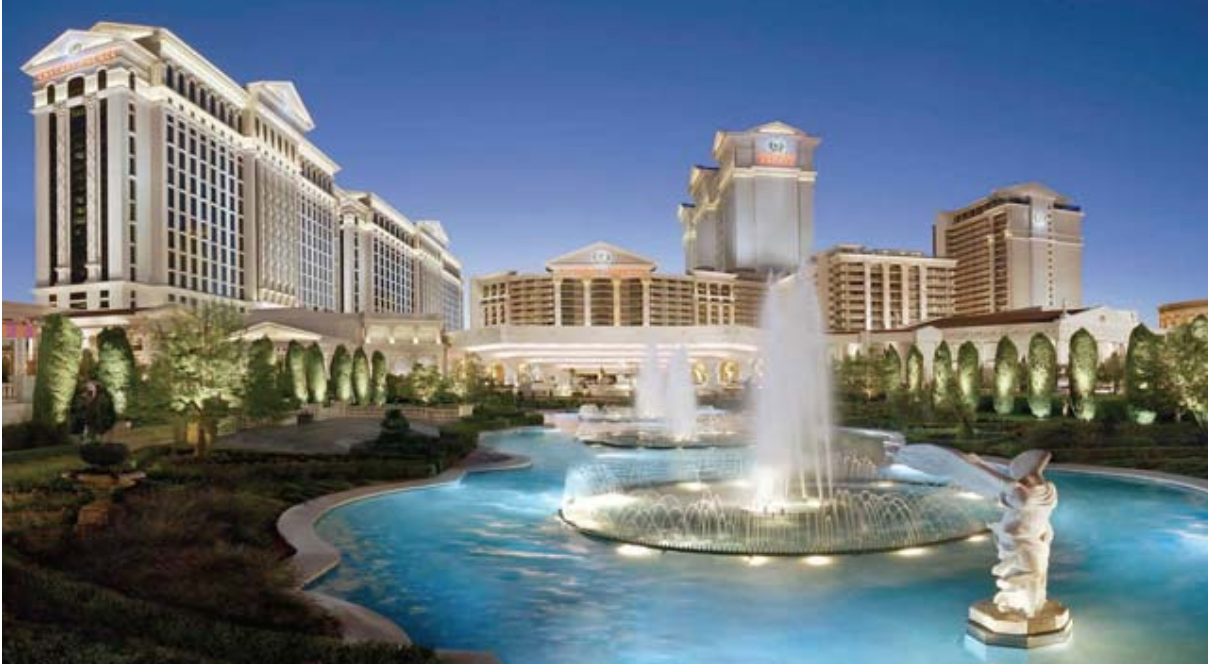
I’ve attended three or four Cinemacon gatherings in Las Vegas, and they always remind you of what exhibitors value — not the spiritual or transporting nectar of great moviemaking, but the lowest common-denominator-animal stimuli…the slam-wham-BAM-THROMP-CHONK-CHUNK-KAPOW-SPLAT popcorn jizz-whiz distractions that are mother’s milk for the ADD-afflicted.
Indiewire‘s Anne Thompson: “Five major studios will be at CinemaCon ’21: Warner Bros. Discovery, Universal and Focus, Disney with Marvel and Lucasfilm, Paramount, and Sony. Lionsgate will also be present, as well as the pending Amazon acquisition MGM/UA.
“On the docket: Showing love to the exhibitors beat up by pandemic shut-downs — and in some cases, the studio’s own screening policies.
“While the studios [have] held back their most commercial titles for theaters, it’s a starkly different summer landscape. Memorial Day had a hit with A Quiet Place Part 2 (Paramount), which will be followed by overseas smash F9 (Universal). Meanwhile, Disney’s recent opener Cruella, like Black Widow and Jungle Cruise, is available day and date to Disney+ subscribers for an additional charge. This is the tough reality exhibitors must swallow.”
Let me explain something very clearly so there’s no misunderstanding. A Quiet Place 2 is a decently made (if less than riveting or necessary-feeling) sequel, but the promotional signals from the others all spell high-gloss CG formulaic d-o-g-s-h-i-t.
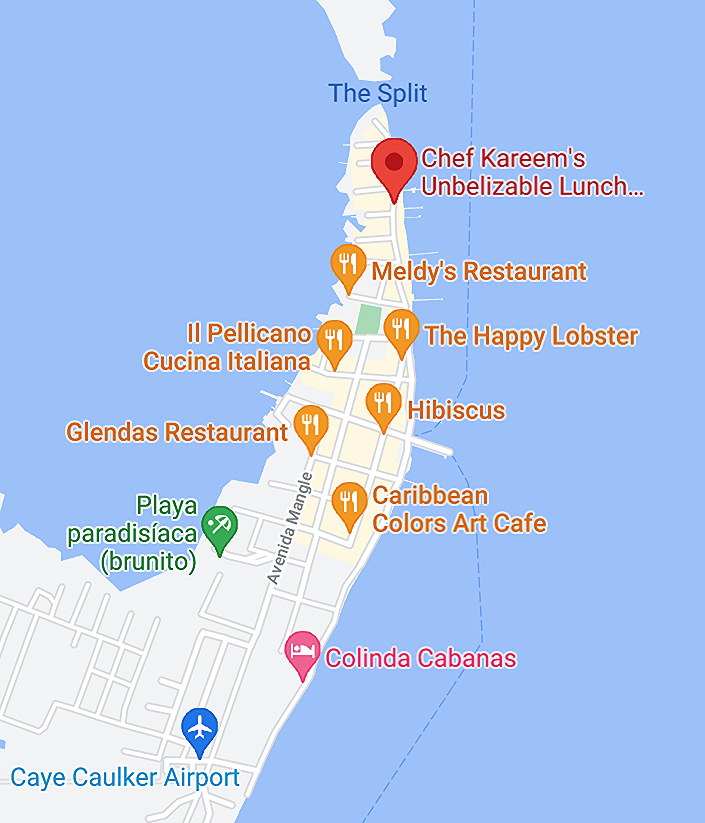
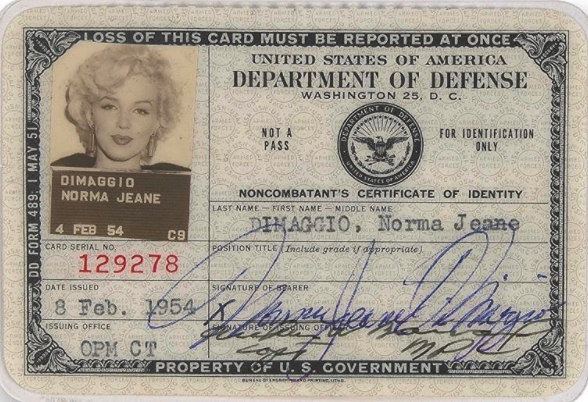
I’d join Tatiana under the gazebo pier, a perfect shaded haven from the bright Belizean sunshine with a soothing view of the Caribbean, but I’m too busy posting about Cinemacon 2021, General Flynn and Marilyn Monroe‘s visit to Korea in February 1954. Later.
I’ve posted a shot of my yellow surfer trunks to prove that I’m not Clark Griswold on the beach, but I absolutely, categorically refuse to pose in said trunks. And no fucking flip-flops ever…ever.
Oh, and by the way — we’ve just been told of a new Guatamelan ordinance that says auto rentals aren’t allowed into Guatamela and that tourists may only enter on a bus, so there goes Tikal. Stay loose, re-think it, improvise.
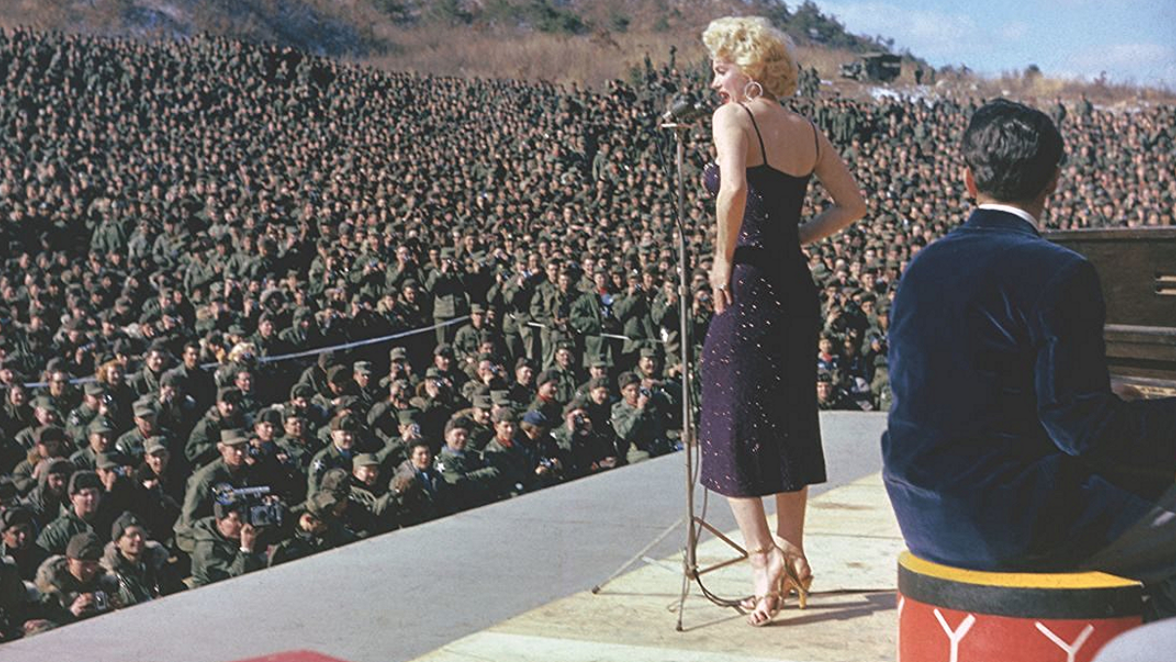
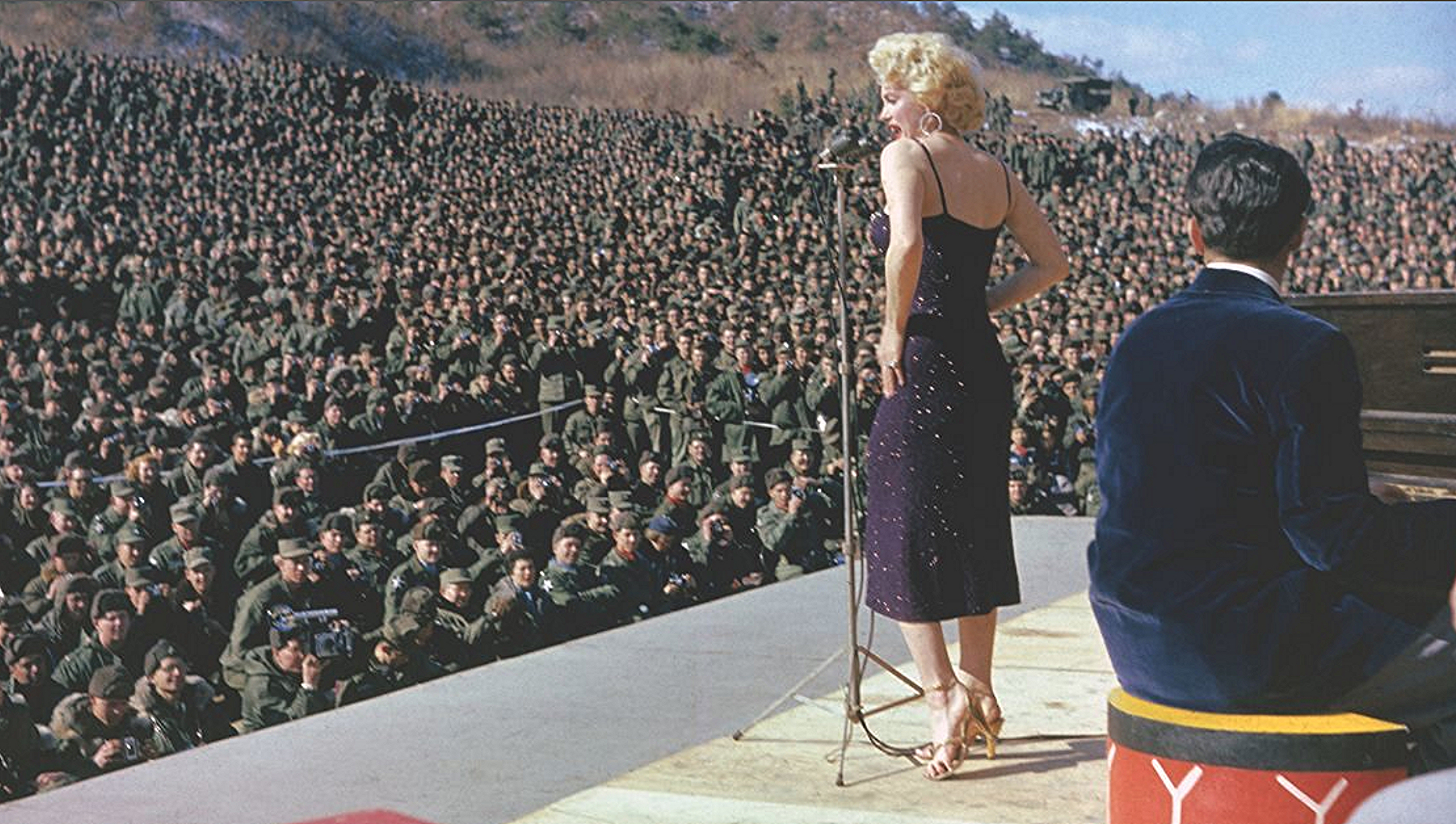
Yes, the Korean armistice had been signed in July 1953 but there were still tens of thousands of U.S. troops policing the situation and (be honest) getting loaded on 3.2 beer and visiting brothels. 36,000 Americans died in action in Korea; more than 100,000 were wounded.
Excerpt: “Monroe’s tour in Korea had been an unqualified success, even though she came down with a bad case of bronchial pneumonia from her exposure to the icy conditions there.
“Those four carefree days not only lifted the spirits of the thousands of homesick young soldiers who saw her but also gave Monroe the genuine outpouring of love she had always craved. Her one-woman performances revealed her true talents and warm personality. ‘I never really felt like a star,’ she told her acting coach, Lotte Goslar, after she returned to the States. ‘Not really, not in my heart. I felt like one in Korea. It was so wonderful to look down and see all those young fellows smiling up at me. It made me feel wanted.”
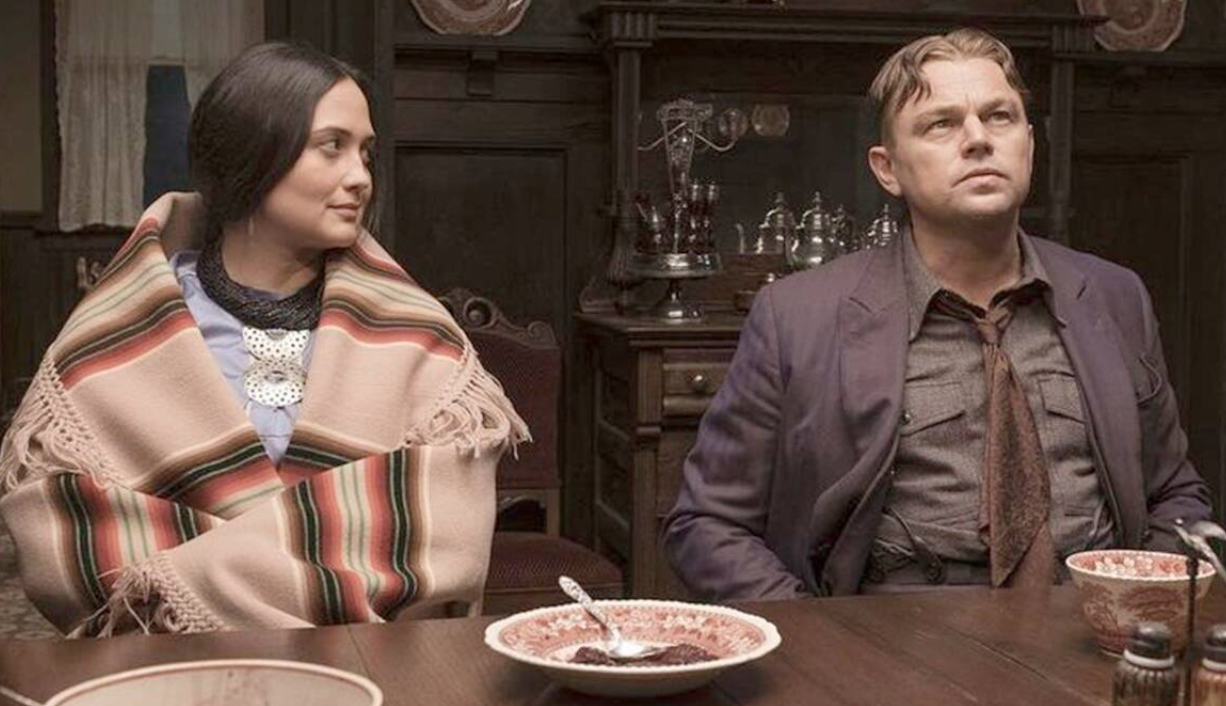
It’s about the racially motivated Osage Murders — roughly 60 wealthy Osage Native Americans killed by white supremacists over oil money — that happened between 1918 and ’31.
“The genocide by white America against Native nations during the century leading up to Grann’s period is a metaphor for humanity’s decimation of the natural world which the Natives saw as sacred,” wrote The Guardian‘s Ed Vulliamy. “Grann’s book is a timely and disturbing chapter in the original, terrible atrocity.”
I don’t know enough about Scorsese’s $200 million Apple adaptation to ask anything more than rudimentary questions. I only know the various summaries of Grann’s book, and what’s happened with the film so far, etc. I guess I know a few things, but concerns are welling inside.
I’m feeling this primal fear that Killers, when you boil it all down, is going to play like some kind of huge WHITE MEA CULPA “EXPUNGE THE EVIL” APOLOGY FILM…as in “BLM and 1619 and the woke community have been hammering home the scope of current white venality, and now we’re going to dramatize what it was like back in the 1920s…more hammering!”
In so doing the film will no doubt say (as it should) that the murderous savagery that William Hale (Robert De Niro) and Ernest Burkhart (Leonardo DiCaprio) and other venals perpetrated upon the Osage Nation commmunity…what happened back then was horrific.
But is this strictly a violent history lesson, or is there a 2021 echo in this thing? Will the film simply be saying “look at the horrors that happened nearly 100 years ago” and let it go at that? Or will it be saying “it wasn’t just Hale and his murderous deeds that we’re sorry for as much as the innate evil within ourselves, for there are pieces and slivers of William Hale in all of us, God forgive ourselves and our ancestors, and so white Americans need to atone and atone and atone again.”
I, Jeffrey Wells from suburban New Jersey, may in fact be a chip off the old Devil Incarnate (or perhaps a nephew of the beast who mounted and impregnated Mia Farrow in Rosemary’s Baby) whose ancestors brought horrific racial malice to this once-virgin land. And yes, America may in fact be the ugliest, most racially poisoned serpent’s nest of a country in the history of the globe…nobody’s arguing that.
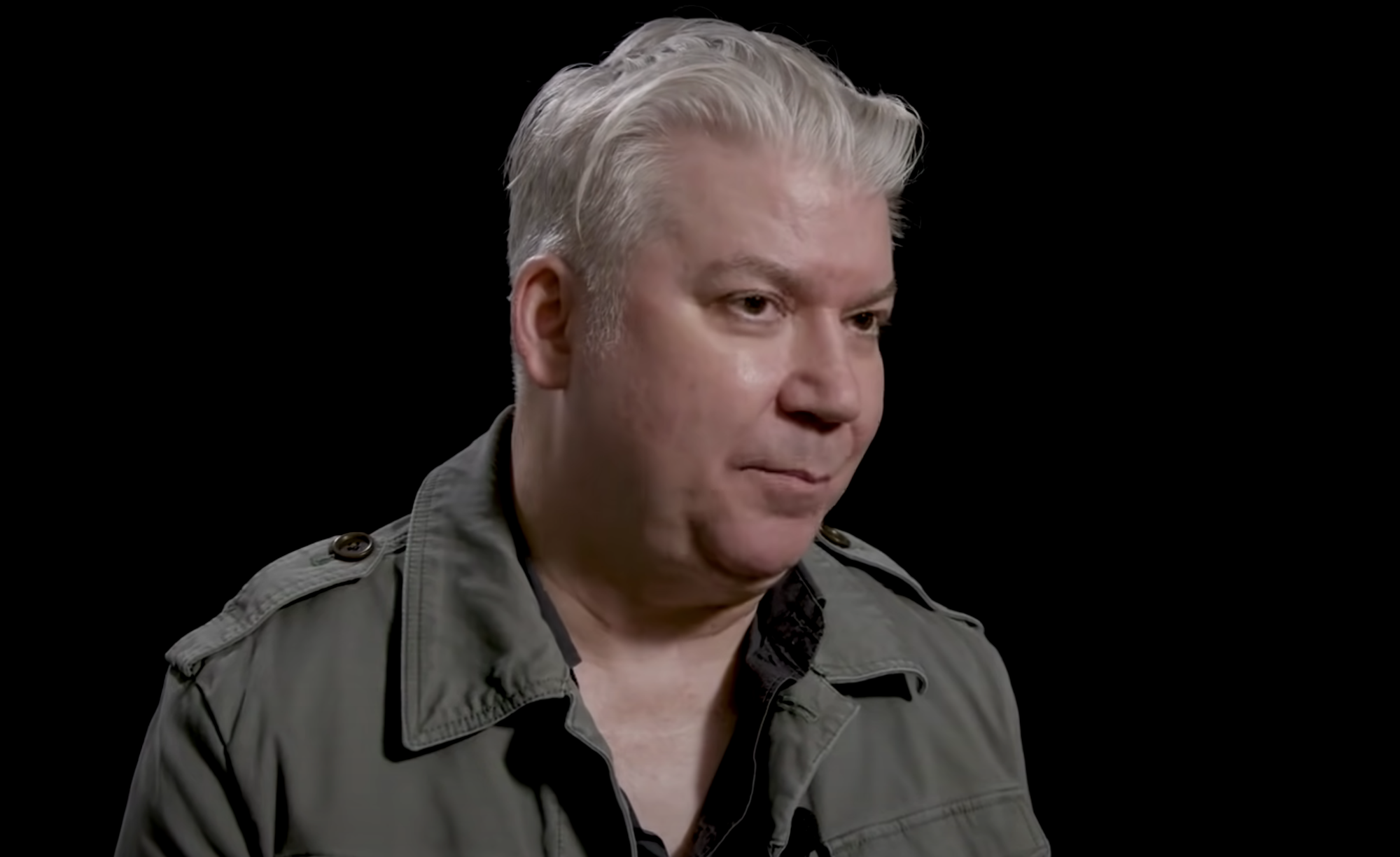
Of all the traditional old-school fanboys with their seminal roots in the Star Wars glory period of A New Hope and The Empire Strikes Back (’77 to ’80), author-filmmaker Chris Gore is easily one of the most passionate and articulate. And probably the frankest. He’s emotionally invested in fanboy theology, but also circumspect. He hates crap.
The below video (dated 5.12.21) is titled “Why 99% Of [Mainstream] Movies Today Are Garbage.” The message is basically this: Within the corporate Hollywood skydome, progressive political narratives have become more important than delivering pure-enzyme entertainment. Straight-up, get-it-done fantasy transportation has been elbowed aside.
And let’s be honest — most neckbeard fanboys (though not necessarily Gore himself) have strongly resisted the political feminist current of the last several years — the Kathy Kennedy-mandated feminist assertion element in the Stars Wars franchise and spinoff flicks, in particular. Gore’s basic attitude seems to be (a) “Ripley, yes — Rey, not so much,” (b) “Where’s the necessary devotion to the avoidance of numbing cliches?”, and (c) “Where are the new George Lucas-level visionaries and the execs, like Alan Ladd Jr., who will stand by them?”
Gore transcript (portions rephrased or condensed): “What do the fans think of this stuff? Are they satisfying the fans? When I think of the theatrical experience, which is going away…and it is going away…you’d better entertain me, given the cost of moviegoing. And whether Hollywood notices it or not, people don’t really like politics woven into mainstream entertainment experiences.
“And [yet] we’re seeing that more and more. It’s unbelievable to me. They’re leaving money on the table by not giving the customers what they’re looking for.
“So in my mind there’s no excuse for big studio releases to fail. You have the best people in marketing. You have the most talented actors. Craftsmen when it comes to special effects and cinematography. Music. There’s no excuse for that stuff to fail. Here’s the problem, the conundrum. The marketing for these movies is so good, that the product doesn’t live up to the marketing. I got chills watching the trailers for The Rise of Skywalker. I was excited to see that movie…the ninth and final chapter in that saga. And I cannot believe how horribly it turned out.
“It’s malpractice…what happened to that franchise. And how it’s divided fandom, fighting over things that are really irrelevant. Not entirely irrelevant, but when you’re seeing people from within that company [Lucasfilm] attacking the fans? Outside of Kevin Feige, who might be past his prime, I can’t think of a studio executive who is a visionary these days. We really are losing that American identity [in big entertainments]. Because of China. Where is the movie that we all love without reservation? We could talk about other franchises that have lost their way. I’m afraid that we’re never going to see another George Lucas because everything has become so corporate.”
“[Sigourney Weaver‘s] Ripley was a great character, and not just a type that they were trying to shoehorn in. There’s a difference.”
HE comment: Gore asserts that one of the main reasons that The Empire Strikes Back is the greatest Star Wars film ever made is because it doesn’t blow anything up at the finale. HE has long maintained that Episode 5 is actually a film noir — an action-and-thrills chase film about losing + forebodings of dark destiny and in the end being badly beaten. A well-constructed, crackerjack flick in which the bad guys always have the upper hand and the good guys are constantly running and hiding and dodging laser bullets, and in the end they’re battered and bruised (minus a hand, carbon-frozen) with their asses totally kicked. The Empire Strikes Back is basically about “you can run but you can’t hide from the Empire…try as you might and brave as you might be, a happy ending is not in the cards for you guys…not this time.”
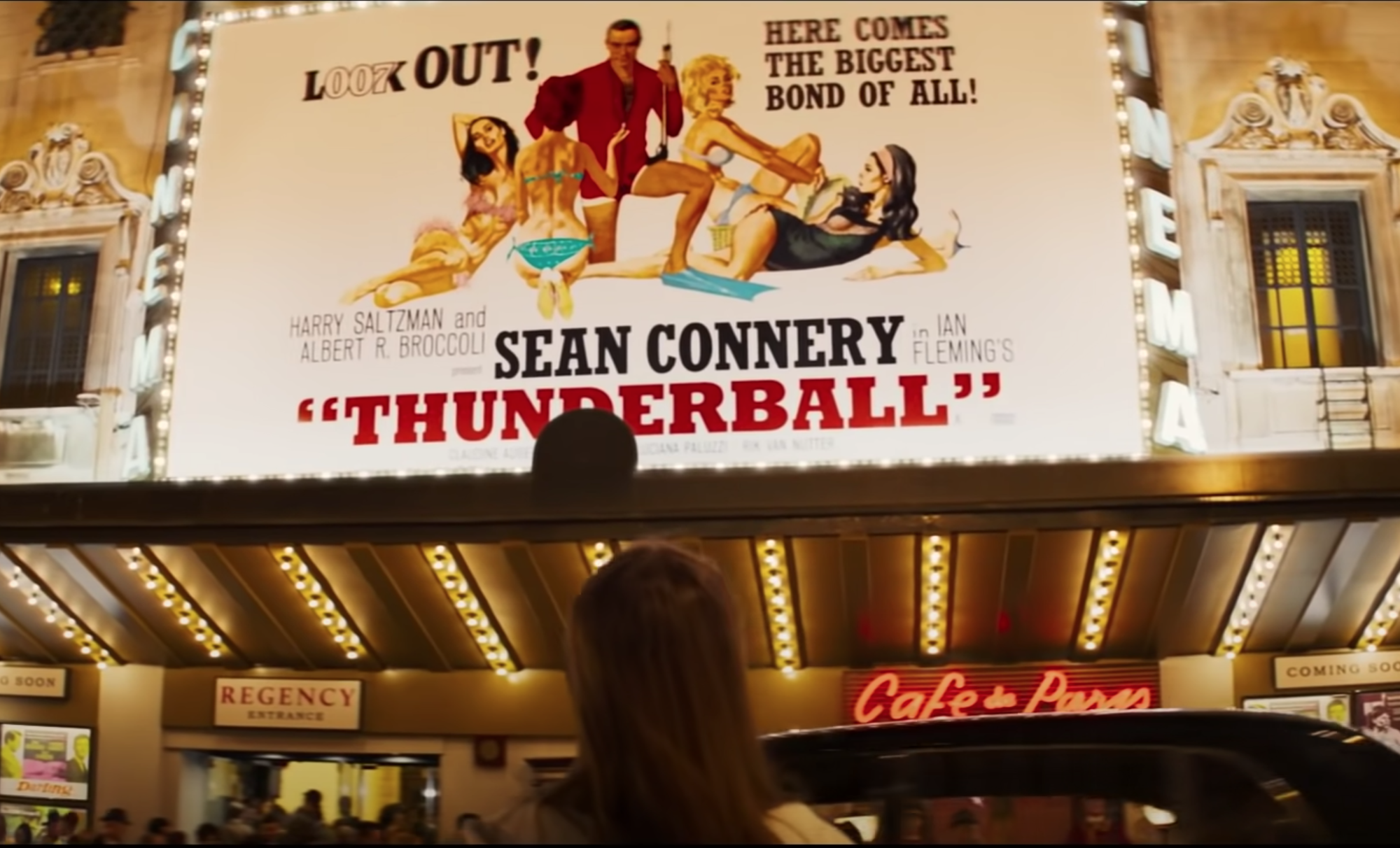
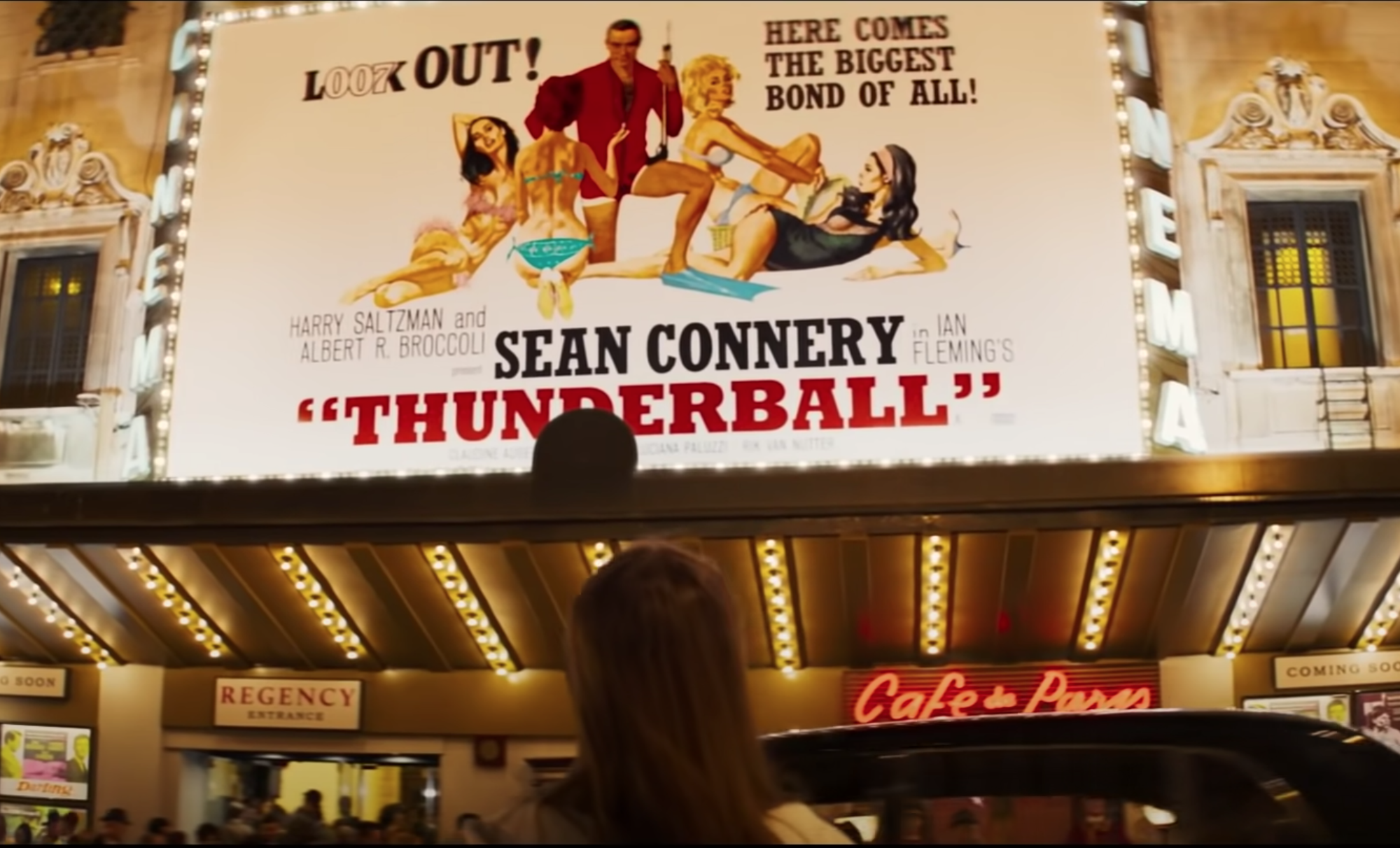
…means that Eloise, our lonely, bewildered protagonist (Thomasin McKenzie), will, once she steps inside Cafe de Paris, run into all kinds of celebrities and social climbers of the moment, including, one imagines, David Hemmings‘ photographer (“Thomas”) from Blow-Up or costar Terrence Stamp when young and drifting into his mystical phase. Or the Kray brothers.
Thunderball opened in London on 12.29.65, so the timeline works for early ’66.
It’s too bad that Wright went for a horror angle. Imagine all the stories and situations that could happen within such a realm. Horror drags everything down to its own level. The message seems to be “don’t go back in time….it’s horrible!”
The U.S. release of Last Night in Soho is on 10.22.21, and in England on 10.29.21.
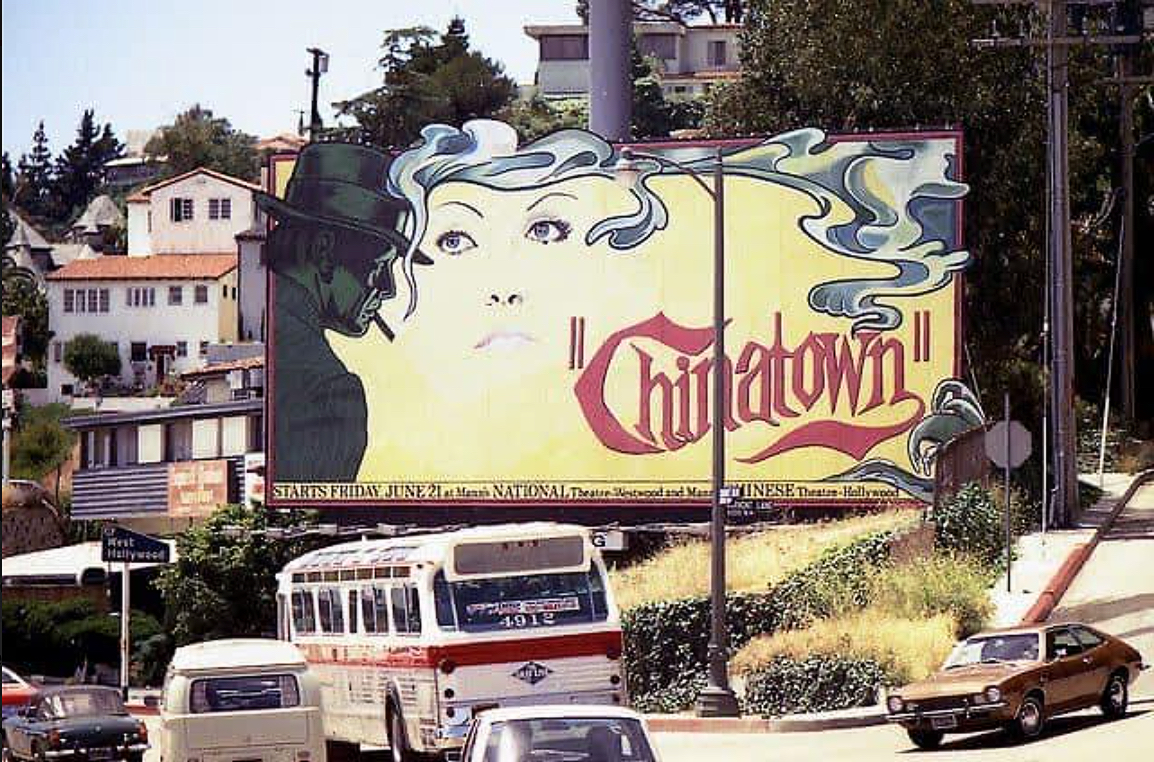
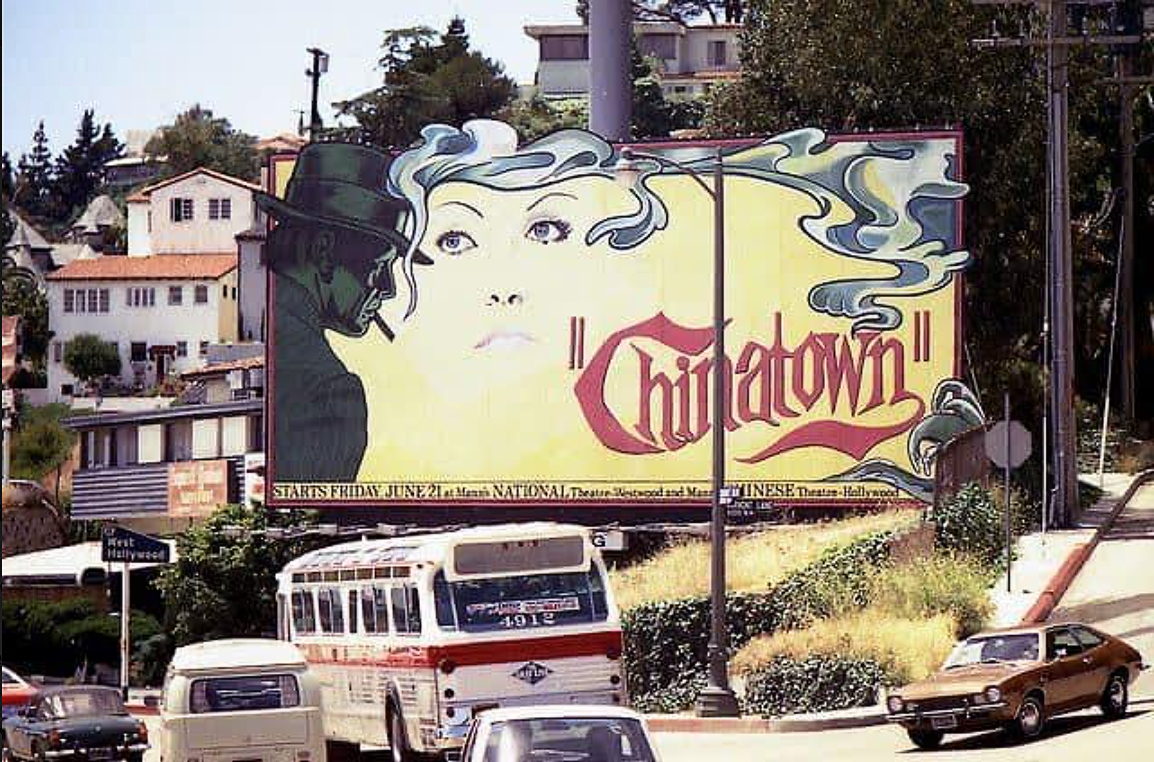
I’ve posted this summer-of-1974 photo once or twice before. For me the biggest stand-out element, more so than the dusty brown Ford Pinto looking to join Sunset Blvd. traffic, the VW camper wagon heading west and the run-down-looking city bus, are the thick sprouts of bleached yellow grass at the base of the billboard.
West Hollywood was a less attractive place back then, certainly in the daylight hours, but empty grassy lots were par for the course, and when the constant stink of smog and exhaust wasn’t as strong you could stand on a Laurel Canyon or Playa del Rey streetcorner in the early evening and smell the dirt and the grass and the other forms of under-watered shrubbery. Those aromas are gone now.
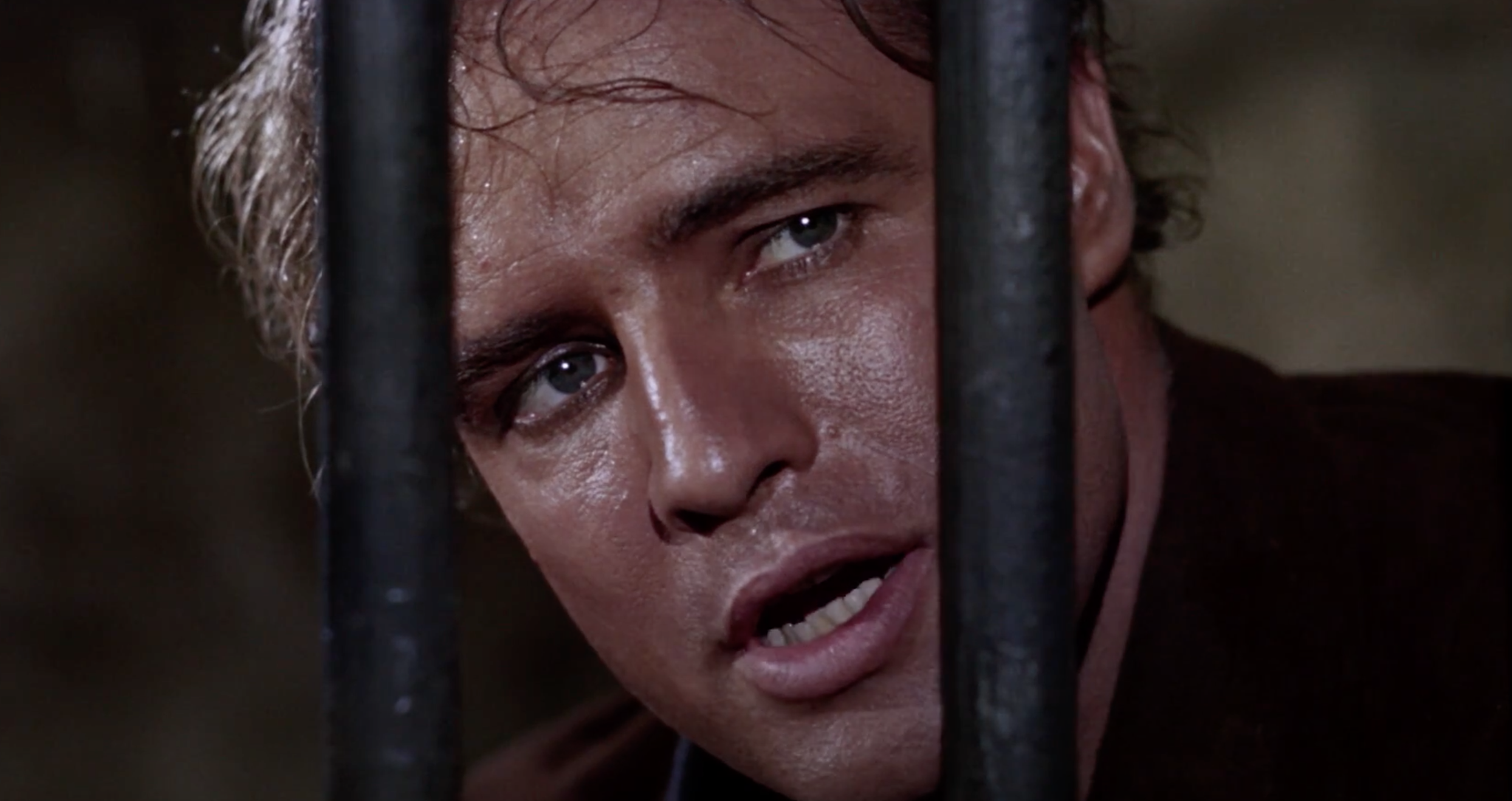
I’m a fool for slick, modernized trailers of classic films, and Lord knows there are easily a couple hundred out there. But when Dan McBride’s One-Eyed Jacks trailer surfaced four years ago, I knew right away that it was triple grade-A. McBride: “[Looking to] breathe new life into older, forgotten or overlooked films. Mainly to spread awareness and hopefully inspire more people to seek them out.”
“Don’t they know it’s the end of the world?…it ended when you said goodbye.”
Because I’m enthralled and fascinated by the actual world in which we live as opposed to bullshit DC-Marvel fantasy CG worlds that constantly seek to amuse, transport, massage and dazzle the schmoes with simplistic mythology about teams of amiable superheroes who never stop being magnificent gods of wit and style, churning and throbbing with celestial spirit, I was unmoved by the Avengers, left completely cold by the Guardians of the Galaxy, Suicide Squad and Birds of Prey, and am right now dreading with all my heart and mind the arrival of The Eternals.
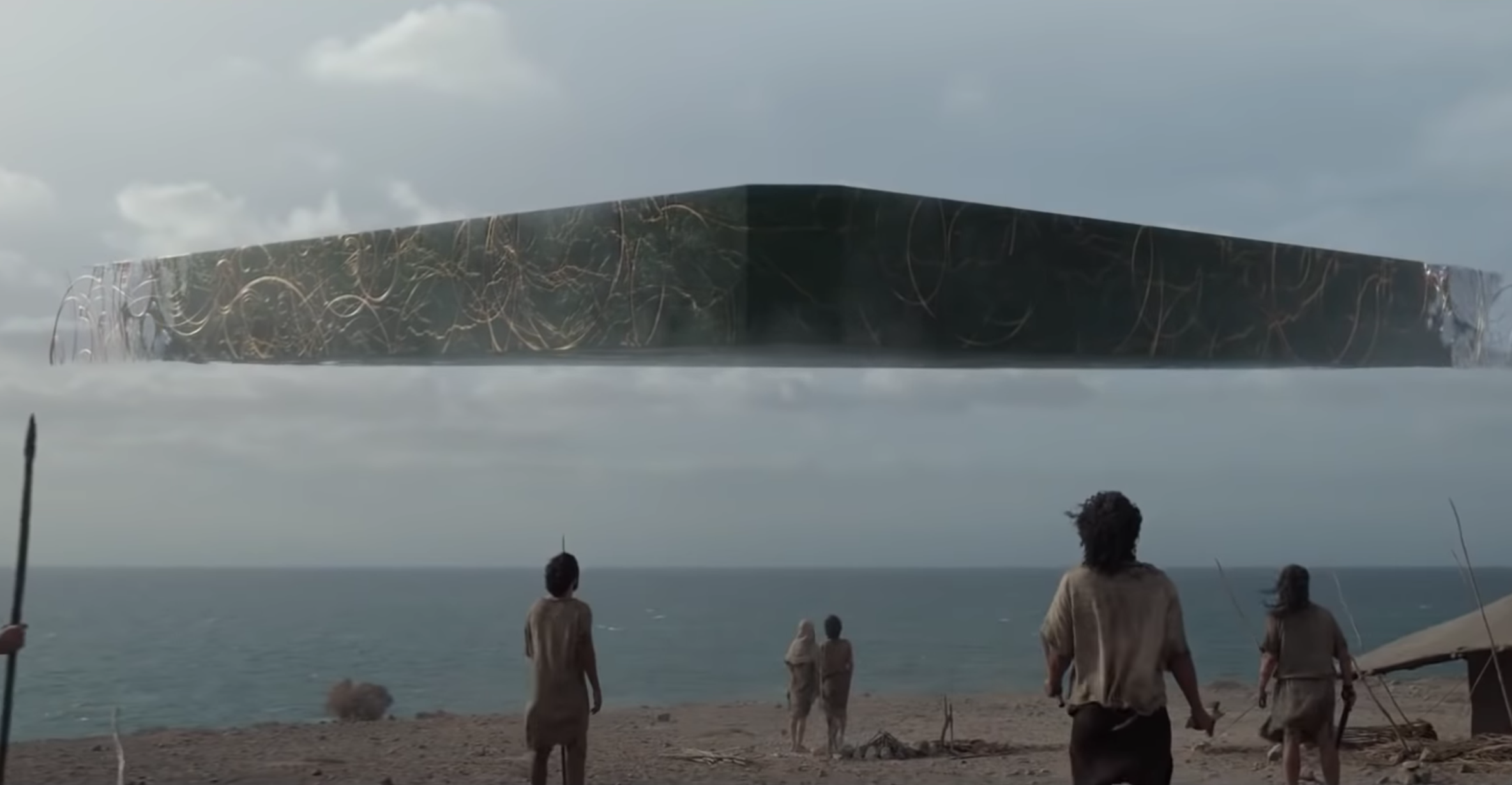
First of all the massive Eternals spaceship looks like something out of a fan trailer — not even a stab at suggesting something half-organic. My first thought when I saw it: “Seriously?”
Secondly, the Eternals have nothing going on inside…nothing…they’re just another crew of spandex “suits” (Gemma Chan, Richard Madden, Kumail Nanjiani, Angelina Jolie, Lia McHugh, Brian Tyree Henry, Lauren Ridloff, Barry Keoghan, Don Lee, Gil Birmingham, Harish Patel, Kit Harington and Salma Hayek), paychecking their way into financial nirvana as they attempt to launch Phase Four of the Marvel Cinematic Universe (MCU).
Worse, it starts off with Sersi (Chan) approaching Ikaris (Madden) on a kind of panoramic viewing deck as they look down upon the virgin planet earth, and she says “Eefrent…isn’t it?” HE to Sersi: “Yes, it’s definitely eefrent. I have just one question — what does ‘eefrent’ mean?” (I’ve been told that Chan is actually saying “beautiful” rather than “eefrent,” but of course she isn’t — I know exactly how the word “beautiful” sounds when someone with basic elocutionary skills says it.)
I’ve watched the trailer three times, and before my second viewing had ended I was debating which form of suicide would be the simplest and least painful. Fantasy suicide, I mean. As an escape from Marvel Hell.
The Eternals, who’ve been alive and throbbing for thousands upon thousands of years, are like the monolith in 2001: A Space Odyssey…they arrive to bring life, health (plants rather than raw meat!), opportunity, civilization to earth. Not to mention the Uni-Mind. They will also be called upon to protect Earth from the Deviants. But also to protect and guide the humans…a lot of mythology here, and endless opportunities, Marvel fans, for bliss and transcendence.
Friendo: “The new Eternals trailer is PEAK UTOPIA in America on the left in 2021. It is everything America aspires to be at the hands of the Wise Benevolent Left. A Marvel movie directed by a woman of color with a full-spectrum, woman-emphasizing cast.”
Pete Miesel: “Looks legit, which means the incel chuds and culture war losers will invariably freak out at the Zhao-ness of it all.”
HE to Miesel: Could you please define what a “culture-war loser” is? I would have thought “hinterland bozos” but maybe you’re thinking of a different equation? Do you mean people who are appropriately appalled by wokester terror and tyranny…are they culture-war losers by your measuring stick? Or am I off on the wrong track?