Hint of Coen’s “Macbeth” Realm

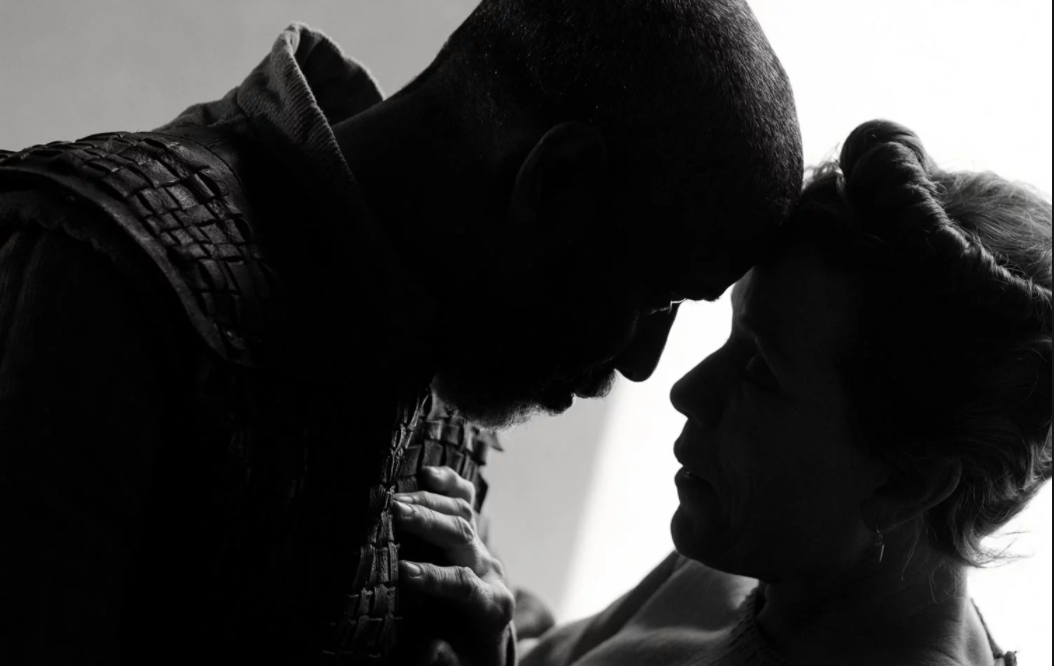
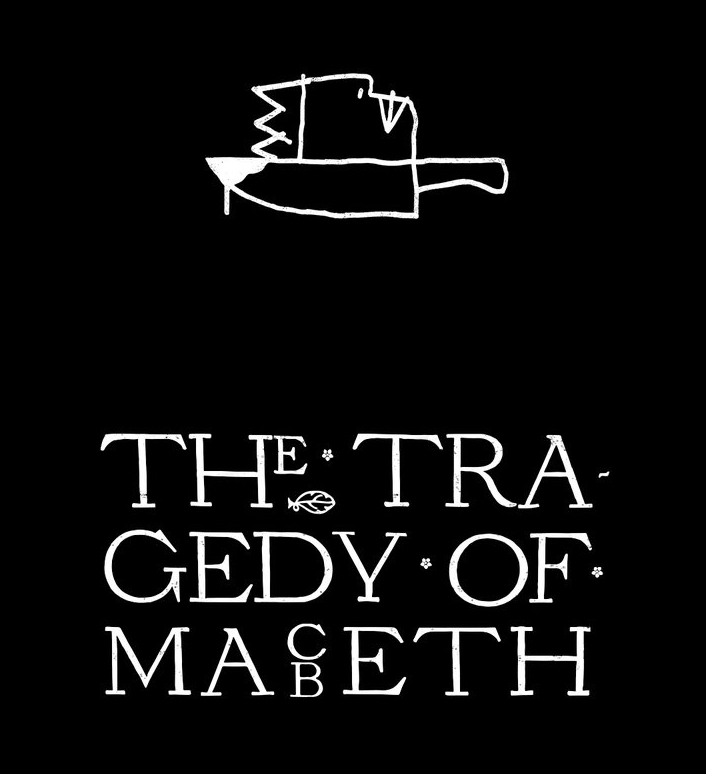
Predatory hawks. Grayish, fog-shrouded milieu…like nuclear winter. 1.37 aspect ratio. “By the pricking of my thumbs, something wicked this way comes.” Fine but calm down.

One thing stands out — a look of somber self-awareness, a hint of resignation on Denzel’s face.

Visually The Tragedy of Macbeth (shot by Bruno Dulbonnel) reminds me of Peter Brook’s black-and-white King Lear (“noted for its bleak tone and wintry atmosphere“) with Paul Scofield.

Read more

Rumblehog Confession

Three or four days ago I was heading east on Wilshire, just past Beverly Glen Blvd. 45, 50 mph. I was wearing my white helmet, which has a large, adjustable, brown-tinted visor. But I hadn’t strapped the helmet under my chin (which I often forget to do) and suddenly I was buffeted by a big gust, and the wind got under the visor and lifted the helmet right off my head…whoosh.

I pulled over to the side. As I did this I heard at least one car (or was it two?) honking in alarm. Perhaps they’d hit the helmet; it sounded as if someone might have. I parked and looked back. The white helmet was sitting in the gutter about 30 feet away; the visor was nowhere to be found.

If a cop had witnessed this I almost certainly would’ve gotten a ticket. “Failure to properly secure helmet,” something like that.

This had never happened before, but it was okay. I wasn’t alarmed or even flustered. My attitude was “well, that happened!” I put the helmet back on and went on my way. I have a black back-up helmet with a visor — no worries.

What Kind of Knuckle-Dragging Simpleton…

…would be even faintly excited about seeing David Gordon Green‘s Halloween Kills (Universal/Peacock, 10.15), especially given the fact that it’s only the middle-chapter in DGG’s grown-up Michael Myers vs. Laurie Strode trilogy — Halloween (’18), Halloween Kills and 2022’s Halloween Ends.

The franchise killer respectfully requests that you wire all payments to his business manager, not his agent.

Halloween Kills is the twelfth godforsaken installment in the franchise.

Debut of Long-of-Tooth Macbeths

The New York Film Festival press screening of Joel Coen‘s The Tragedy of Macbeth happens on Friday morning, 9.24. Several public screenings of the A24 release will happen a few hours later (Alice Tully, Walter Reade and two other venues).

There’s an embargo, as always. Critics can never post reviews of the opening-night NYFF film until that night.

I’ve been detecting “uh-oh” reactions for a while now, but let’s cool our jets until the moment arrives.

Roman Polanski‘s shortened but reasonably faithful Macbeth (’71) ran 140 minutes; Coen’s version runs 105.

The trailer for The Tragedy of Macbeth pops on Tuesday, 9.21.

One of HE’s Favorite Movie Homes

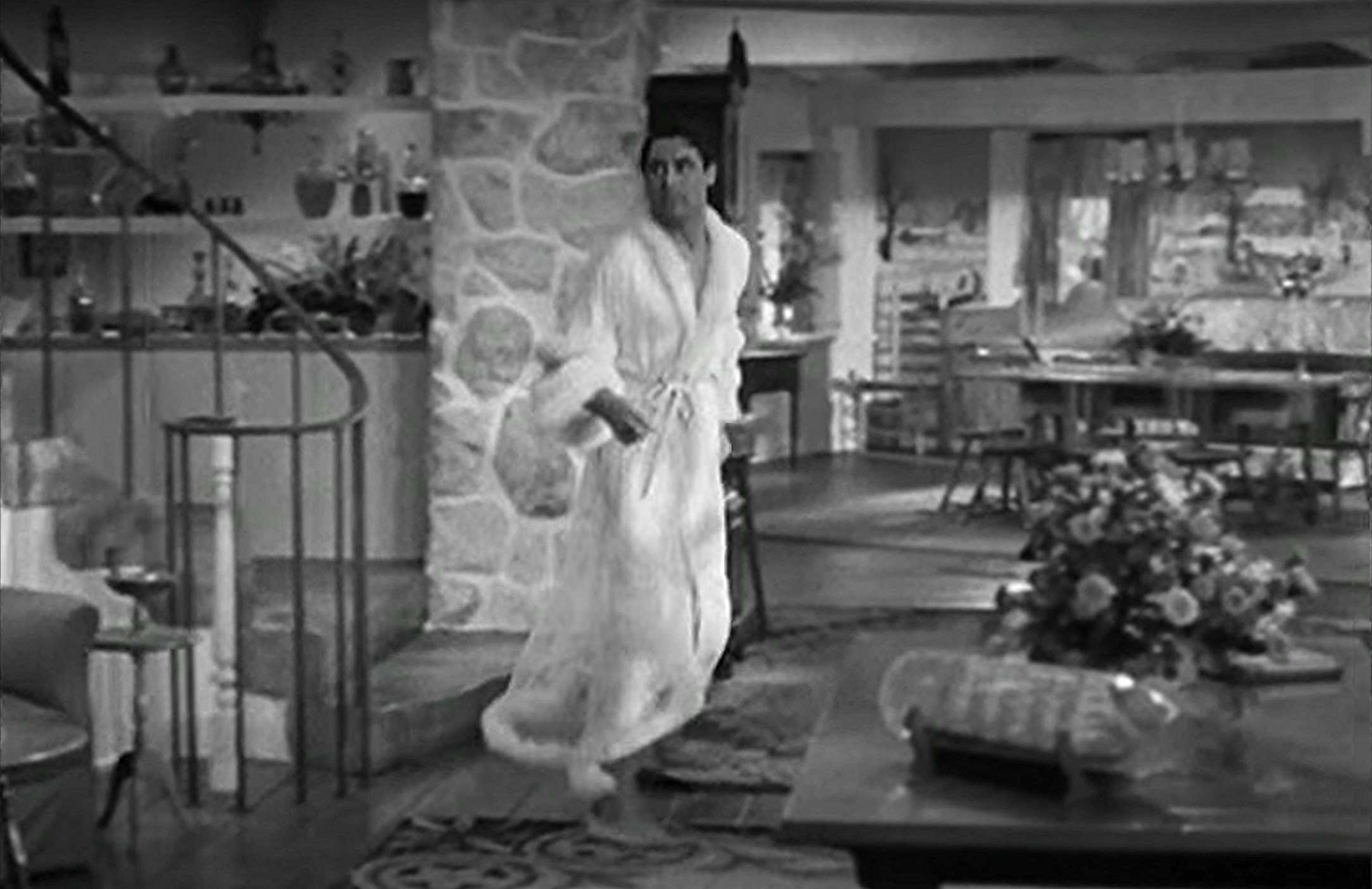
The sprawling Connecticut ranch-style home (French doors, spacious, big lawn, sycamore trees) owned by Katharine Hepburn‘s wealthy mother in Bringing Up Baby became a real thing. Howard Hawks, director of the 1938 screwball comedy, and his wife “Slim” built a home based on the design. They either called it “Hog Canyon” or it was built in Hog Canyon — I could never figure out which. (Originally referenced in “Legendary Movie Homes,” posted on 3.17.21.)

For The Record

This is days old but having spent a little time with 14 year-old Hailee Steinfeld in the backstage area of Santa Barbara’s Lobero Theatre back in February ’11 (a month or two after True Grit opened), I just wanted to register my personal surprise when she made her appearance at the Met Gala.

Unregenerate Desilu Hound

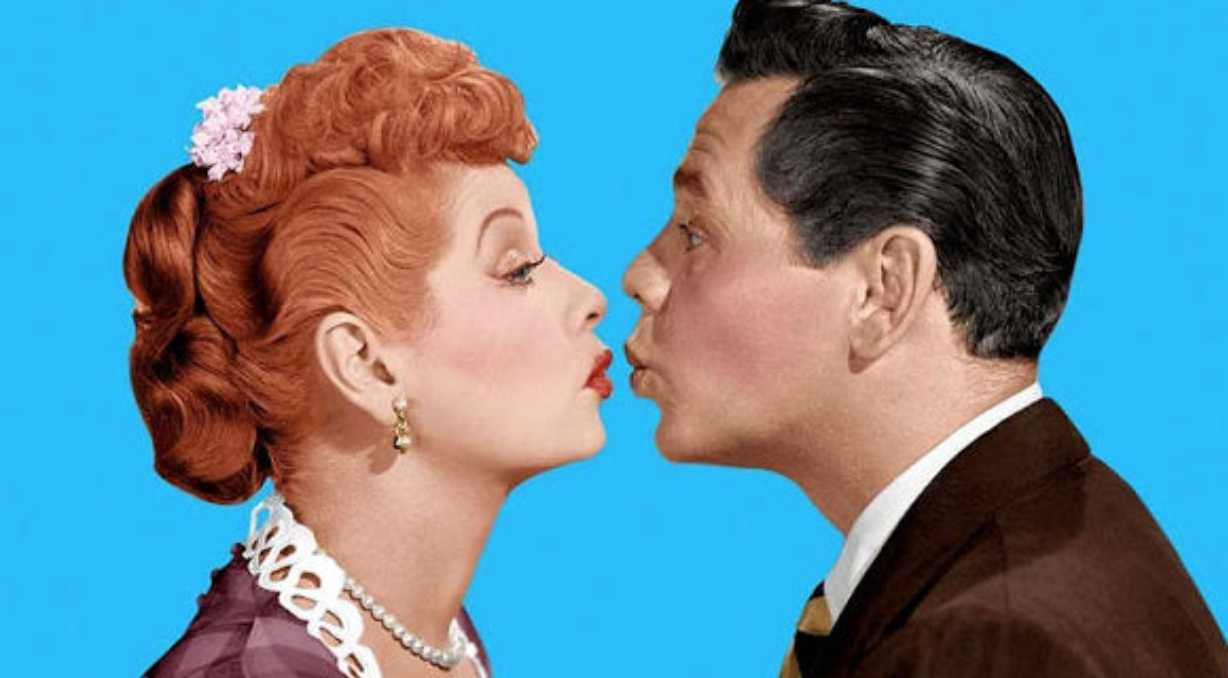
Somewhere in these United States, 35 to 64 year-olds** have been invited to see Aaron Sorkin‘s Being The Ricardos later this week. Word around the campfire is that Javier Bardem‘s performance as Desi Arnaz is the standout element, and a likely contender for a Best Supporting Actor Oscar. The descriptive copy in the invitation is a bit windy, but here it is:

Being the Ricardos, directed by Aaron Sorkin, charts the ups and downs of Hollywood legends Lucille Ball (Nicole Kidman) and Desi Arnaz (Javier Bardem) in creating their iconic I Love Lucy TV show, which both strengthened and destroyed them as a couple.

“Even though the series allowed them to play house and become people they weren’t in reality (but wished they could be), the movie examines how being the top pop icons of the day took a toll on both their personal and professional lives in an inventive and unique style, filled with kinetic energy.

“As Lucy and Desi prepare over the course of a single week to shoot an episode that will go down in history as having some of the funniest and most memorable scenes to grace television, we will be enthralled to peek into why despite all of that passion and success their world-famous relationship could never be.”

Cutting to the chase: Arnaz’s Cuban upbringing taught him that catting around outside the bonds of marriage was perfectly acceptable or at least workable.

Excerpt from Chicago Tribune interview with their daughter Lucie Arnaz: “My father loved women, and Latin American countries have a whole different code of ethics. There’s the home with the wife, and the house with the mistress. Each is highly respected by the other.

“Unfortunately, my mother was from upstate New York, and my father couldn’t get her to go along with that concept.”

A 1955 Confidential article alleged that the Cuban-born actor told a friend, “What’s she so upset about? I don’t take out other broads. I just take out hookers.” (Reported in an 8.13.20 Vanity Fair article, titled “Did Desi Really Love Lucy?“)

Obviously Arnaz was an inconsiderate sexist dog. If a husband is determined to run around to his heart’s content, he at least needs to keep it on the down-low. Out of respect for his wife’s honor, I mean. Never push it in her face. Allow her to think that things might be okay.

Read more

Nelson’s “Attica”

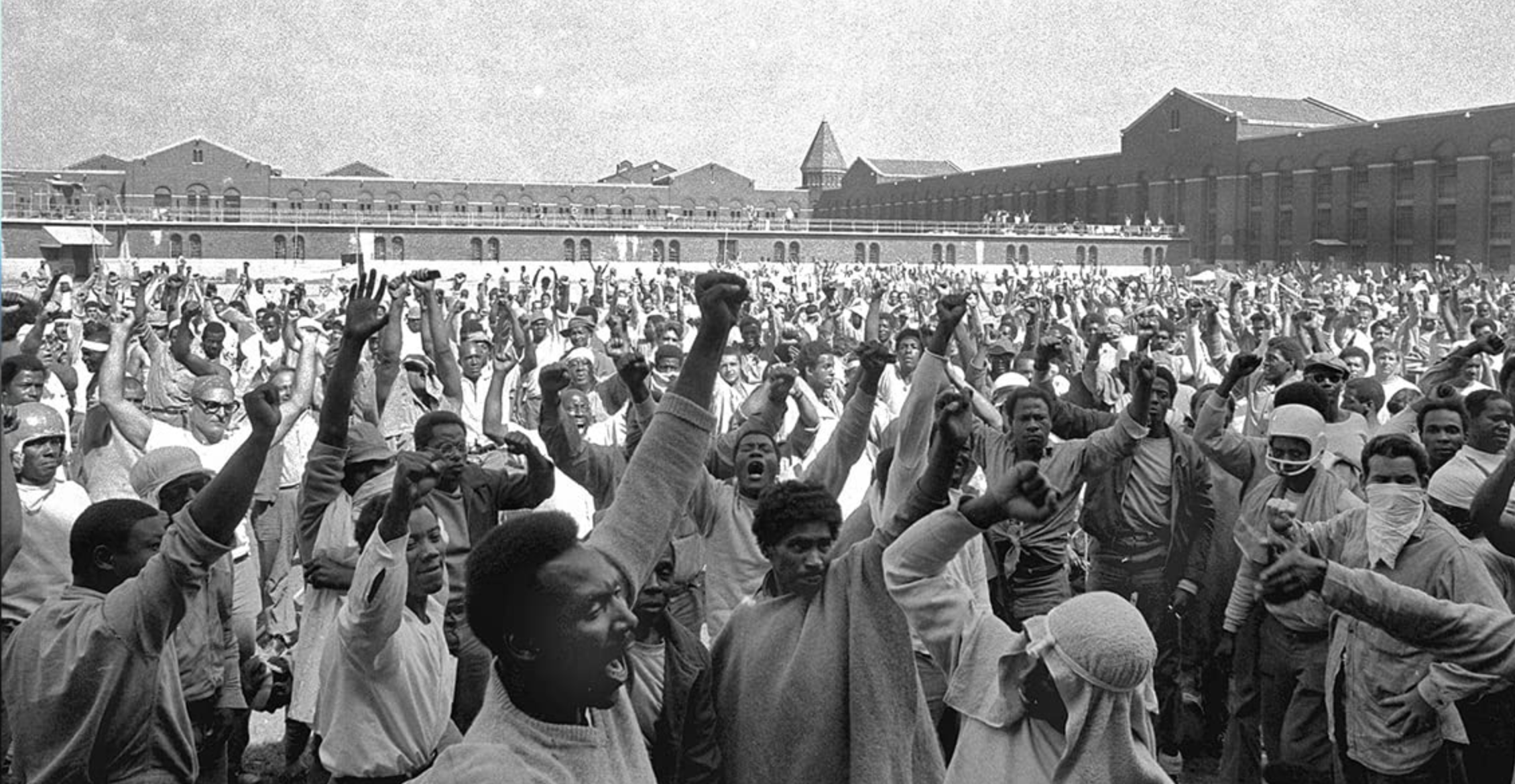
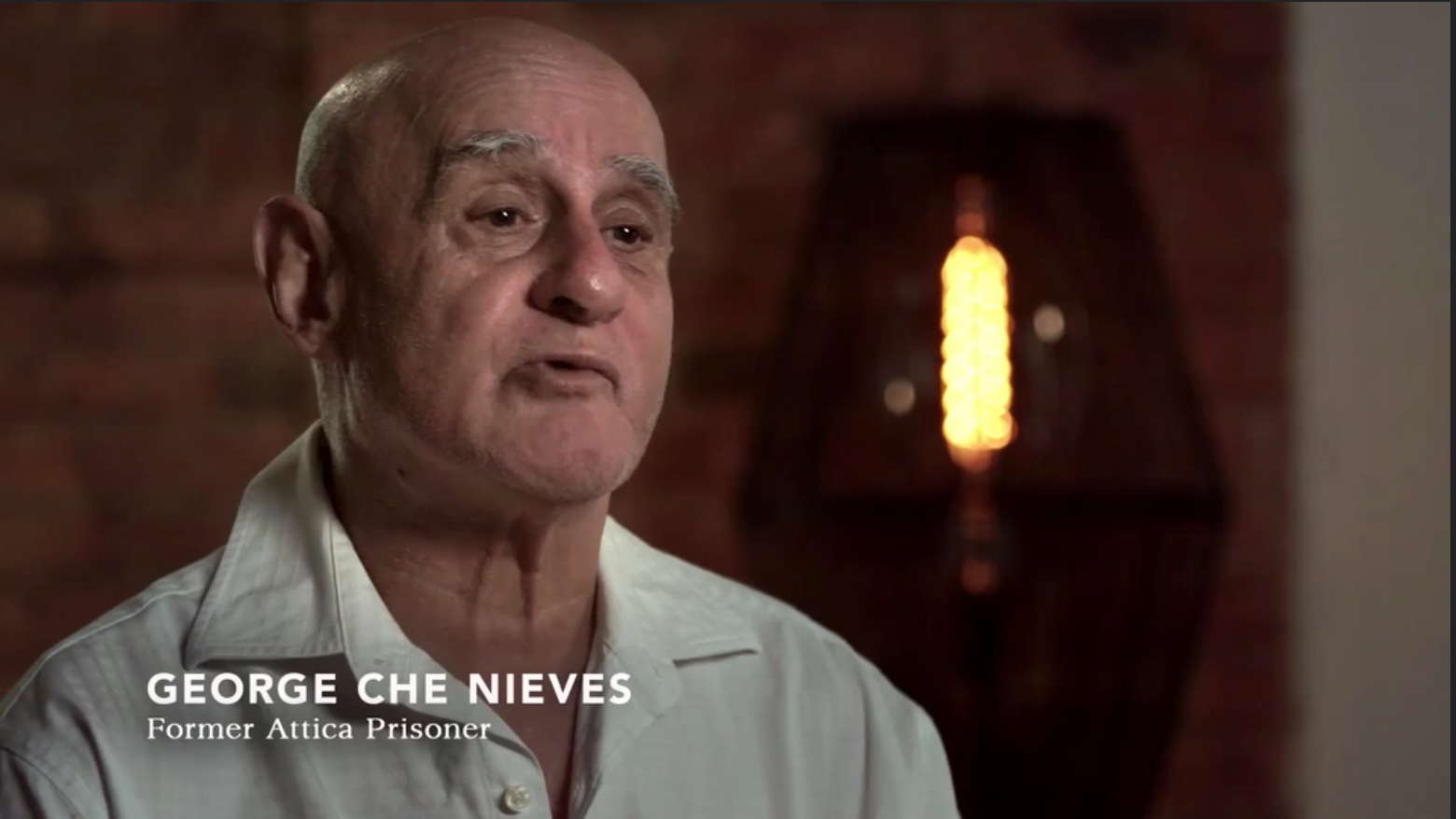
I’ll never forget Al Pacino repeatedly yelling “Attica!” in Dog Day Afternoon…a film moment burned into our brains. But to watch Stanley Nelson‘s Attica is to travel right back to the original uprising of ’71 and experience the pain and brutality and ugliness first-hand. But completely fascinating start to finish.

I saw Nelson’s two-hour doc last night, or roughly 11 days after it played at the Toronto Film Festival. All I could say or think was “good God” and “Lordy Lordy.”

Attica is devastating and infuriating — the ultimate portrait of one of the most revolting acts of state-sanctioned racial savagery in American history — a portrait of white-working-class hatred of militant black men from a half-century ago, and how one of the most appalling acts of mass murder happened at the end of a four-and-a-half-day prison-revolt standoff at Attica prison in upstate New York.

The inmates were simply tired of being treated like dogs — they wanted better food, decent medical care, less hostility, more toilet paper, etc.

On 9.13.71 the New York corrections officers and prison staff shot and killed 43 people33 inmates and 10 correctional officers who had been taken hostage. They also injured and tortured hundreds more.

I don’t know when Attica will play on Showtime (nothing comes up when you do a title search on the Showtime site), but with the 50th anniversary having already passed I would presume sooner rather than later.

The film lasts exactly 1 hour, 56 minutes and 35 seconds.

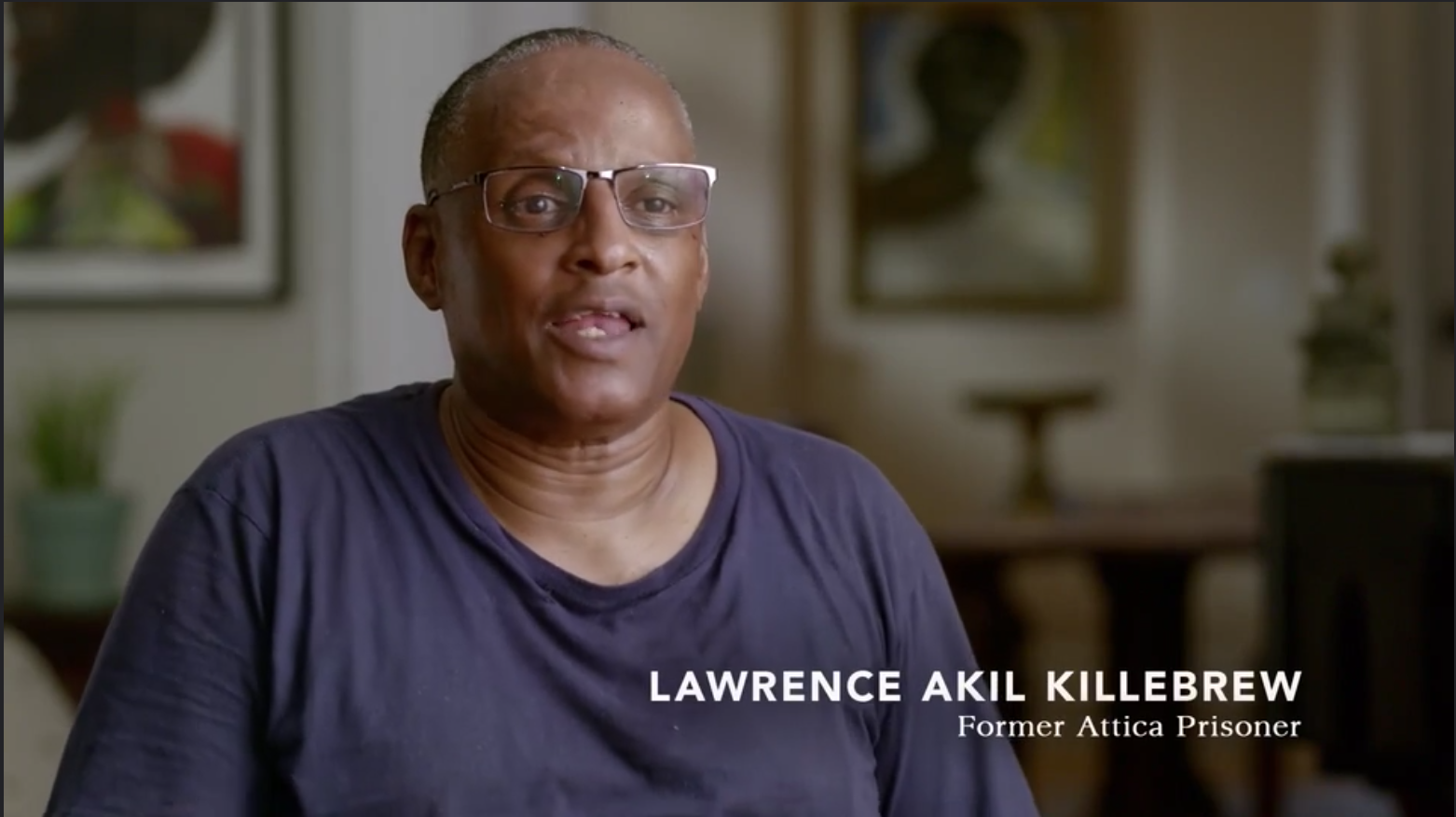
Nelson has interviewed several prisoners, journalists, and other eyewitnesses who were right there, and boy, talk about nightmares coming alive! Plus he blends in news coverage, surveillance footage and anything else he can get his hands on.

Attica is not what you’d call a pleasant sit, but it really grabs you by the lapels, and when the horrible stuff kicks in at the very end, it makes you sick and enraged.

Who apart from the prison guards and other state militia were the biggest bad guys? That’s easy — Gov. Nelson Rockefeller and President Richard Nixon. Racist swine to the core, and completely at peace with shooting the occupiers in cold blood.

Boilerplate: “Attica goes beyond the five days of rebellion and gives a broader understanding of the Attica tragedy in the crosscurrents of politics, race, power and punishment during the early 1970s. Through expert voices and archival images of urban and suburban life, the film explores the tensions between a young, radicalized population of mostly black and Latino inmates, and correctional officers from a predominately white company town, where the Attica prison was the primary employer for generations of families.”

Our Old Friend Orff

A pair of Tom Hanks features originally intended for theatrical have been sold to Apple streaming — Aaron Schneider‘s Greyhound (7.10.20) and Miguel Sapochnik‘s forthcoming Finch (11.5.21), a dystopian drama formerly known as BIOS.

Hanks plays the titular character, an ailing inventor who builds an android (voiced by Caleb Landry Jones) to accompany him and his dog on a cross-country journey.

Wait…what’s that gentle xylophone tune that begins playing at the :33 mark? Recognize it? I sure do, thanks to two previous films.

The music was first heard in Carl Orff‘s Gassenhauer. The composition was first appropriated in Terrence Malick‘s Badlands (’73). It was then re-used and slightly tweaked by Hans Zimmer for True Romance.

Did Zimmer ever acknowledge that he had more or less re-orchestrated Orff’s original composition?

<.>

Read more

“Licorice” Glimpse

Late Sunday night I was sent an inferior quality screen-shot video of the the teaser for Paul Thomas Anderson’s Licorice Pizza (UA Releasing, 11.26).

It was captured from a theatre seat at an Alamo theatre. The teaser has also been shown at London’s Prince Charles cinema, Quentin Tarantino’s New Bev and other film-buff-friendly houses. No time code but it runs around 120 seconds. Maybe a bit longer.

Why exactly would Bradley Cooper’s Jon Peters, dressed in white, smash some car windows with a golf club or bat, and then shout and celebrate this aggression? Guess I’ll find out.

The film has been described as a ‘70s San Fernando Valley thing, focusing on the TV industry with a partial focus on Peters and L.A. City Council member Joel Wachs (Benny Safdie), etc. Plus a smiling Sean Penn in a slick gray business suit. And it’s been noted that Cooper (son of Phillip Seymour) Hoffman and rock musician Alana Haim are a significant part of the mix.

The Licorice Pizza teaser announces, in fact, that the film is less about Peters or Wachs or Penn’s character, and more about an apparent love story between Hoffman and Haim. Initial attraction, flirtation, awkward sexual stuff, warmth, smiles.

My first reaction was “really?” I don’t know much about Hoffman, 18, or Haim, 29, and have never felt any kind of rapport with either of them.

It seems to me that if you’re a major-league director making a supposedly important film about a couple of love-struck kids (even though Haim is pushing 30), you can go with one unknown as long as you pair him/her with a skilled name-brand actor, but you can’t have two unknowns carrying the film because no one will care all that much. I mean, movies deal in familiar faces and personalities for a reason…right? (A David Bowie song helps to some extent.)

I might give a damn or even care a great deal about these two when I start watching the actual film, but my first honest reaction was “the movie rests on their shoulders?”

There’s a snippet between Hoffman’s character and and Cooper / Peters in which Peters mentions his “girlfriend” Barbra Streisand, followed by a back and forth about how to pronounce the second syllable of her last name. I always thought one pronounces it as “Streisund” — not “StreiSAND.”

Update: Apparently I’m wrong. StreiSAND is the correct pronunciation.

Respect, No Enthusiasm

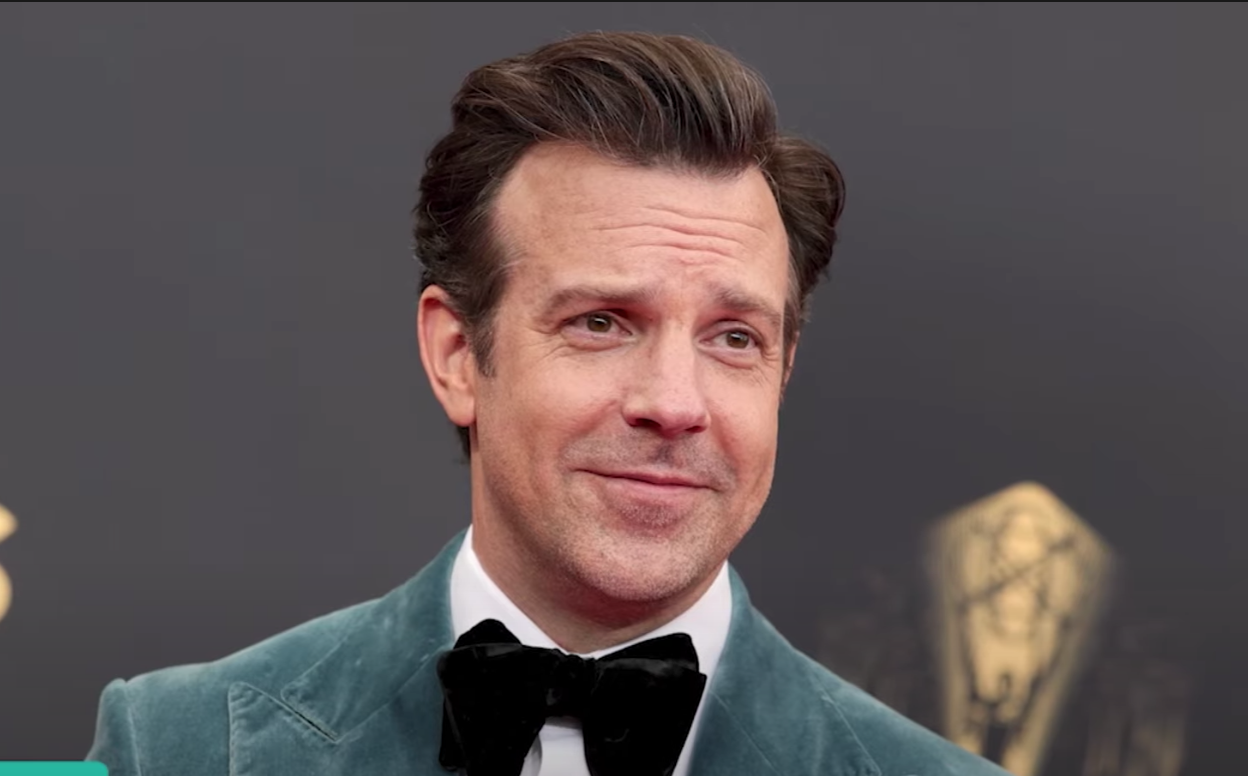
Congrats to Ted Lasso‘s Jason Sudeikis for having won a 2021 Emmy for Best Lead Actor, Comedy. Speaking as a Lasso latecomer, I have to say that I’m not a fan of his Midwestern yokel accent. An American football coach hired to coach a British soccer team, Lasso is regarded as a primitive if not a simpleton. Sudeikis should have played Lasso with his own natural speaking voice — that would’ve sufficed. The accent is irksome.

More “Belfast” Bashing

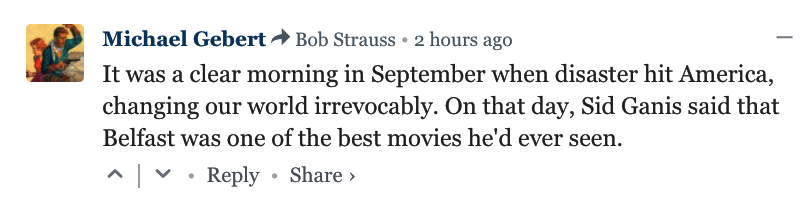
Like lemmings and barking seals, entertainment commentators and columnists have been celebrating Kenneth Branagh‘s Belfast, the winner of TIFF’s audience award and therefore a locked-down Best Picture nominee…joy and rapture and confetti in the air! Is HE the only outlet saying “wait a minute, hold on, it isn’t that great”?

HE to Phantom, a guy who wants very much to love Belfast and who thinks I’ve been cruel toward Branagh’s film: “I know this will upset you, but there really are people out there — nice, friendly, good-hearted people — who are just too easily taken in by emotionally pandering movies. It’s just the way it is out there.”

Billy Casper to HE: “Emotionally pandering movies? Like Green Book, you mean?”

HE to Casper: “Green Book captures emotional moments and assembles the elements just so. It’s much craftier than and delivers way above the level of Belfast.”

Casper to HE: “But other people believe that Belfast renders emotional moments and delivers just so. It’s bizarre that, after everything that happened in the 2018 campaign, you’re going to appropriate the Guy Lodge playbook. You’ve become the oppressor…sad.”

Phantom to HE: “I am fully aware of the type who is ‘too easily taken in by emotionally pandering movies’ but guess what — that doesn’t make them any less smart or any less discerning. Your insult was condescending, ignorant, unfair, unwarranted. I know this will upset you but films are still subjective. It won’t make you any less or any more if you love / hate any of them.”

HE to Phantom: “No — Belfast pours on the emotional syrup and charm and attempts at poignancy, and — this is key — without the necessary restraint and finesse. Branagh doesn’t trust his audience to tally the meaningful moments and emotional sink-ins on their own and arrive at a possibly profound finale. He keeps nudging and trying to neck-massage you to death. You can spot his scheme right away.

“The color introduction, for example, is designed to engage and comfort those viewers who have a slight problem with black and white. Branagh seems to be saying ‘we’re going with monochrome cinematography to convey a sense of the past, even though we know some of you aren’t that charmed by it. So before we begin the story here’s a segment that shows you what the city of Belfast is like today, and in robust, luminous color. Nice, huh? Okay, now that you’ve immersed yourself…’

“Within the first five minutes there’s a shot of young Jude Hill reacting to neighborhood political violence, and Branagh overcooks it — poor Hill has been goaded to explicitly convey shock and fear and to hold that look on his face. Kids (I was once eight years old) generally tend to be more startled and oddly excited when it comes to big turbulent traumas, but Hill’s expression relentlessly says “oh, my God!…this is so scary and threatening and terrifying!” On top of which Branagh doubles down by shooting Hill with a relentless 360 degree shot, around and around. The movie has just begun and the overkill is already in full throttle mode.”

Jordan Ruimy: “The movie lost me at the very start. It felt so overcooked and deliberately manipulated by Branagh.”