Sandbag Cosh

About a decade ago I was friendly with a Southern conservative woman who never went anywhere without her loaded Glock. Always in her handbag or the glove compartment of her car. She loved how it made her feel — safe, protected — but was she actually ready to kill someone who might try to rob her or worse?

Imagine waking up each morning and thinking “this might be the day when some bad guy will try something and I’ll have no choice but to shoot his lights out.” Imagine carrying that idea in your head all the time.

Leaving aside the idea of homeowners keeping a loaded weapon in their bedroom closet to protect their families from whatever (which I understand), I suspect that pistol-packing conservatives are more turned on by the idea of “carrying” than anything else. Packing heat makes them feel like a secret Dirty Harry, and this feeling somehow completes them on some emotional level. Guns, I believe, have become a totem — a symbol of potency or a willingness to stand their ground should push ever come to shove. A gun makes an owner feel like a member of some kind of steady-as-she-goes, right-thinking fraternity..

How many weaponized righties are actually ready and willing to shoot a bad guy? Very few, I’m guessing, and probably fewer than that. For most of them the notion that they might use it, that they could if their hand was forced with no way out, is what soothes or satisfies.

I’ve been shoved from time to time, but I haven’t been in an actual fist fight since my late teens, and the odds of getting into any kind of altercation these days are close to nonexistent. I don’t drink or even “go out”, for one thing, and I can’t recall the last time I visited a Patrick Swayze tough-guy bar. Plus you never know how hair-trigger crazy a would-be opponent is, especially in these crazy times. Plus I wouldn’t want to risk getting my fingers snapped or swollen, as this would hinder my daily writing. Plus I’m not in good enough shape these days to fight anyone more than 15 or 20 seconds.

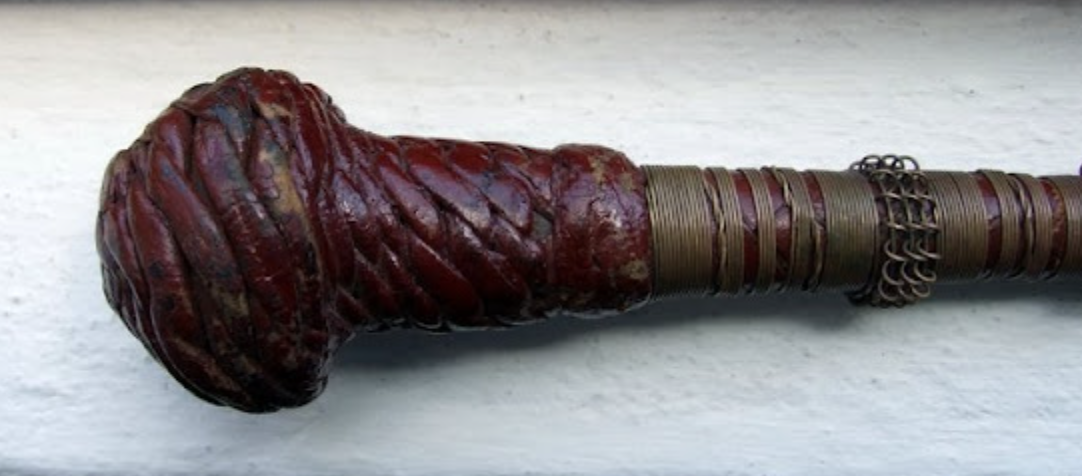
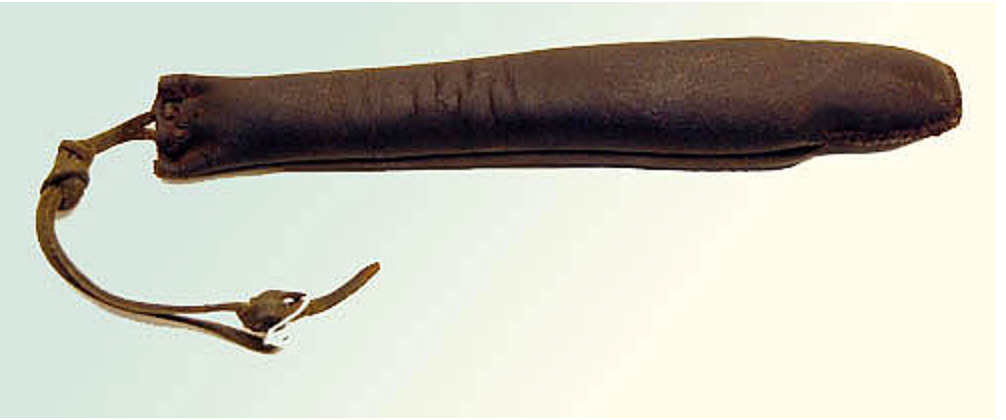
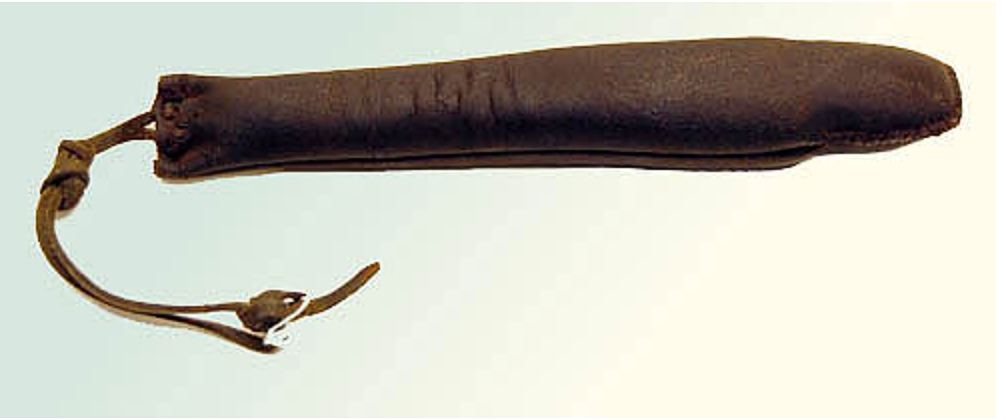
But I like the idea (and I mean the “idea”) of carrying a sandbag cosh. The kind, you know, that Tim Roth carried around in Stephen FrearsThe Hit. As a totem, mind — a weapon I’d almost certainly never use but could theoretically use if, say, some kind of brute threat were to manifest. So yes, I’ll admit it — I like the idea of carrying one of these guys around. And it’s a far less crazy notion that carrying a loaded pistol.

Will I go so far as to actually buy one of these things? I’m mulling this over as we speak.
Read The Oppenheim

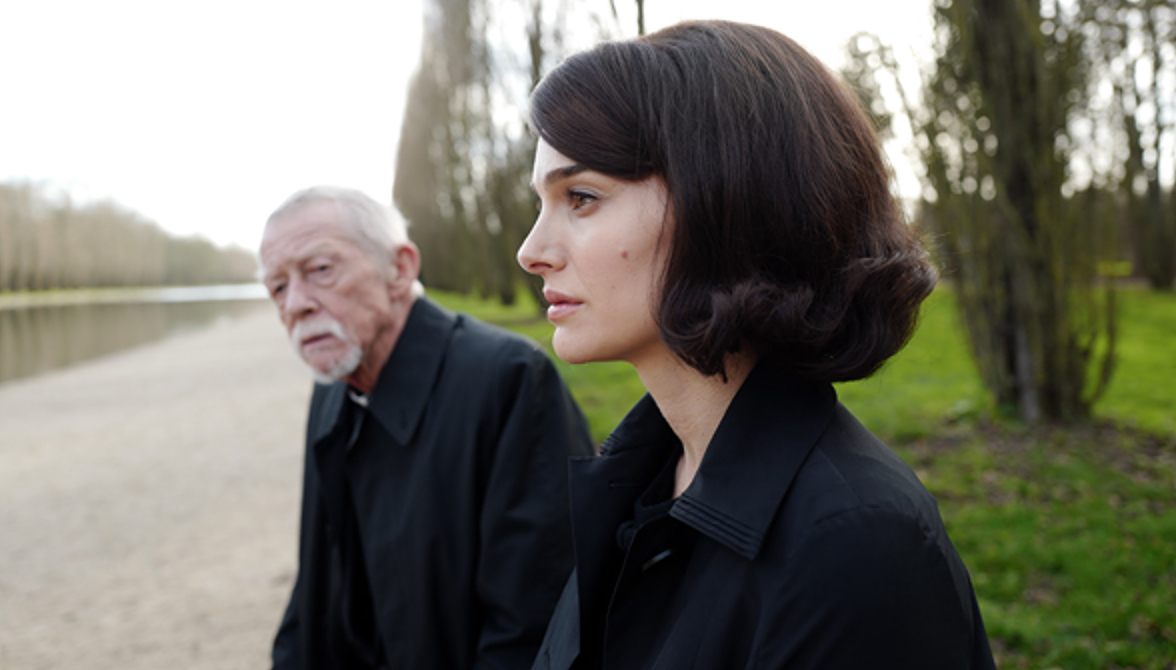
I’ve had this feeling all along that Pablo Larrain‘s Jackie, which is just about five years old now, somehow underserved the mystique of the great JFK mourning weekend (11.22.63 to 11.25.63). I was seriously impressed by Noah Oppenheim’s 2010 screenplay, which was originally going to be directed by Darren Aronofsky with Rachel Weisz playing Jackie Kennedy. Oppenheim told the story of what happened that weekend and pretty much how it went down a beat-for-beat, conversation-by-conversation basis,

At the time it seemed brash and brilliant for director Pablo Larrain, who took over the project sometime in ’15, to forsake the historical and sidestep that mass memory and not deliver a rote recap of what Mrs. Kennedy, only 34 at the time, went through that weekend, but to make a kind of art film — to give her portrait a kind of anxious, fevered, interior feeling.

Which is why I wrote that Jackie really is “the only docudrama about the Kennedy tragedy that can be truly called an art film…it feels somewhat removed from the way that the events of that weekend looked and felt a half-century ago…intimate, half-dreamlike and cerebral, but at the same time a persuasive and fascinating portrait of what Jacqueline Bouvier Kennedy (Natalie Portman) went through between the lunch-hour murder of her husband in Dallas and his burial at Arlington National Cemetery three days later.

But after re-watching Jackie a couple of weeks ago I went back and re-read a draft of Oppenheim’s script, which is a whole different bird than Larrain’s film. Pablo cut out a lot of characters and a lot of interplay and a general sense of “this is how it happened” realism, and focused almost entirely on Jackie’s interior saga.

And honestly? I discovered that I liked Oppenheim’s version of the tale a little more than Pablo’s.

The script is more of a realistic ensemble piece whereas Larrain’s film is about what it was like to be in Jackie’s head. I respect Larrain’s approach, mind, but I felt closer to the realm of Oppenheim’s script. I believed in the dialogue more. The interview scenes between Theodore H. White (played by Billy Crudup in the film) and Jackie felt, yes, more familiar but at the same time more realistic, more filled-in. I just felt closer to it. I knew this realm, these people.

Am I expressing a plebian viewpoint? Yes, I am. I’m saying I slightly prefer apparent realism, familiarity and emotion to Larrain’s arthouse aesthetic.

“Spencer” Echoes “Jackie”

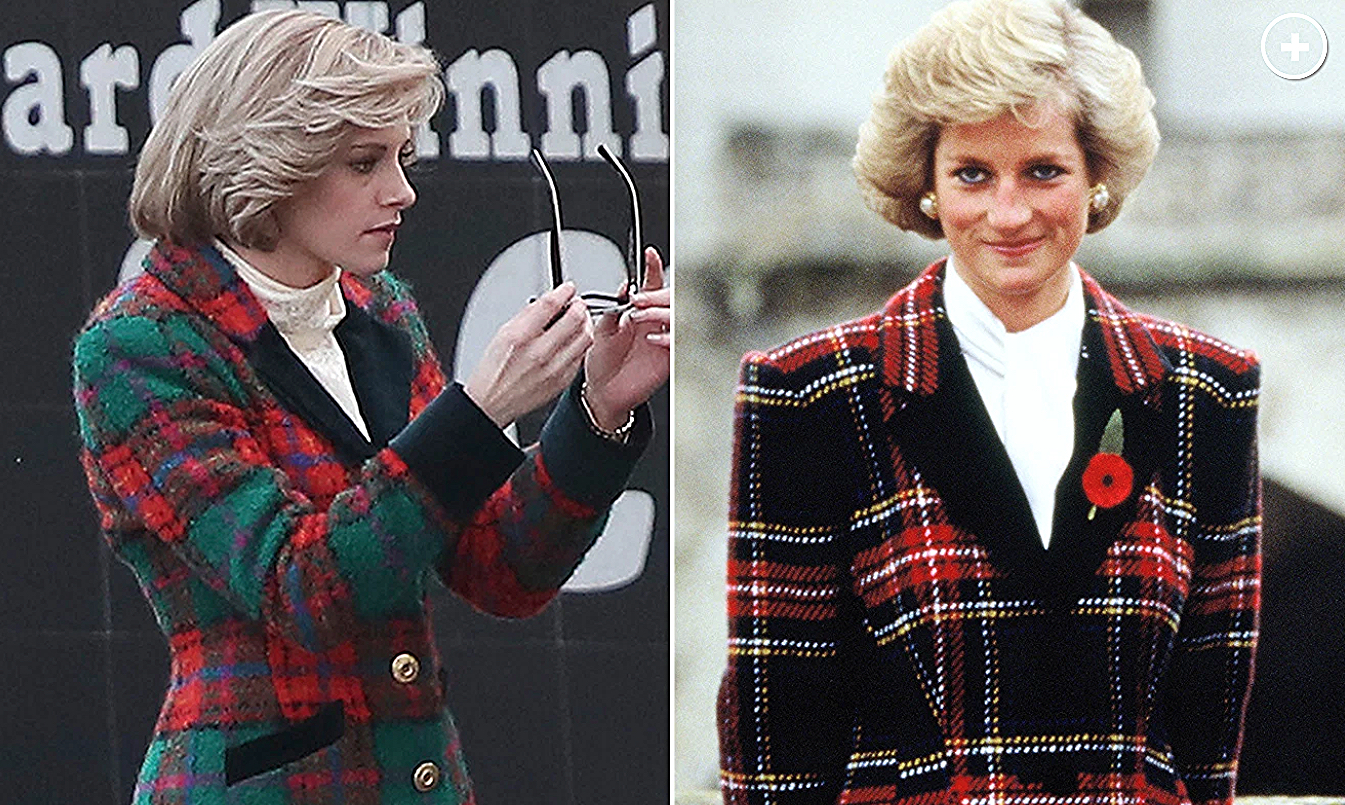
Pablo Larrain‘s Spencer, which will soon debut at the Venice Film Festival, bears significant similarities to Larrain’s Jackie, which premiered at the same venue five years ago.

Both focus on privileged young women — Diana, Princess of Wales and Jacqueline Bouvier Kennedy — who, in their early 20s, married wealthy, world-famous men, and in so doing became figures of obsessive fascination and even worship among the media and the public, only to experience rupture in their early 30s, in Jackie’s case by murder and in Diana’s by divorce.

Why, I’m wondering, did Larrain decide to make a pair of films about tragic femmes whose stories are this similar (if regarded from this particular angle)?

HE: I realize that Spencer has its own turf and that Steven Knight wrote the screenplay and all, but I’m half-dreading it.

Jordan Ruimy: It can’t be that bad.

HE: I had great admiration for and felt great allegiance with Larrain after No (’12), but then came Jackie. I’d read Noah Oppenheim‘s Jackie script (it was about what what actually occurred as opposed to where Jackie was at in her head). Larrain changed it into a meditative interior art film…a dialogue thing, on the mopey, meandering side.

Ruimy: I don’t think Larrain is working from the same blueprint as Jackie here. Different screenwriter. It sounds more like a chamber piece.

HE: That’s what I’m afraid of — a woke emancipation chamber piece. Diana decides to file for divorce from Charles because she feels unhappy and unloved and alone. It sounds awful.

Ruimy: Too bad. Larrain showed great promise with his No trilogy. I don’t really think Jackie was anything woke or woke-ish.

HE: I didn’t say that, but it was a chore to sit through. Read the script I sent you — it’s from 2010, by Oppenheim. It worked better than the film.

Ruimy: Spencer has more potential for wokeness and relevance due to the British royalty being in the news [Harry, Meghan, Oprah] and Diana’s feminist journey inside Buckingham Palace.

HE: She freed herself from a powerful man — that was her big shedding, her big accomplishment. But of course, she became Princess Diana because she married Prince Charles. Unhappy as that marriage was for both of them, it transformed her life and cemented her status and reputation.

Ruimy: I know. It was her decision. Her claim that she didn’t know what was in store for her is preposterous.

HE: So Diana’s story is (a) she became hugely famous, wealthy and super-privileged by marrying Prince Charles, (b) she soon realized they were hugely incompatible and that he didn’t love her, and so (c) she embarked on a series of affairs. Big deal. What’s that got to do with the price of rice?

Read more

That’s It For “Blonde”…Over and Out

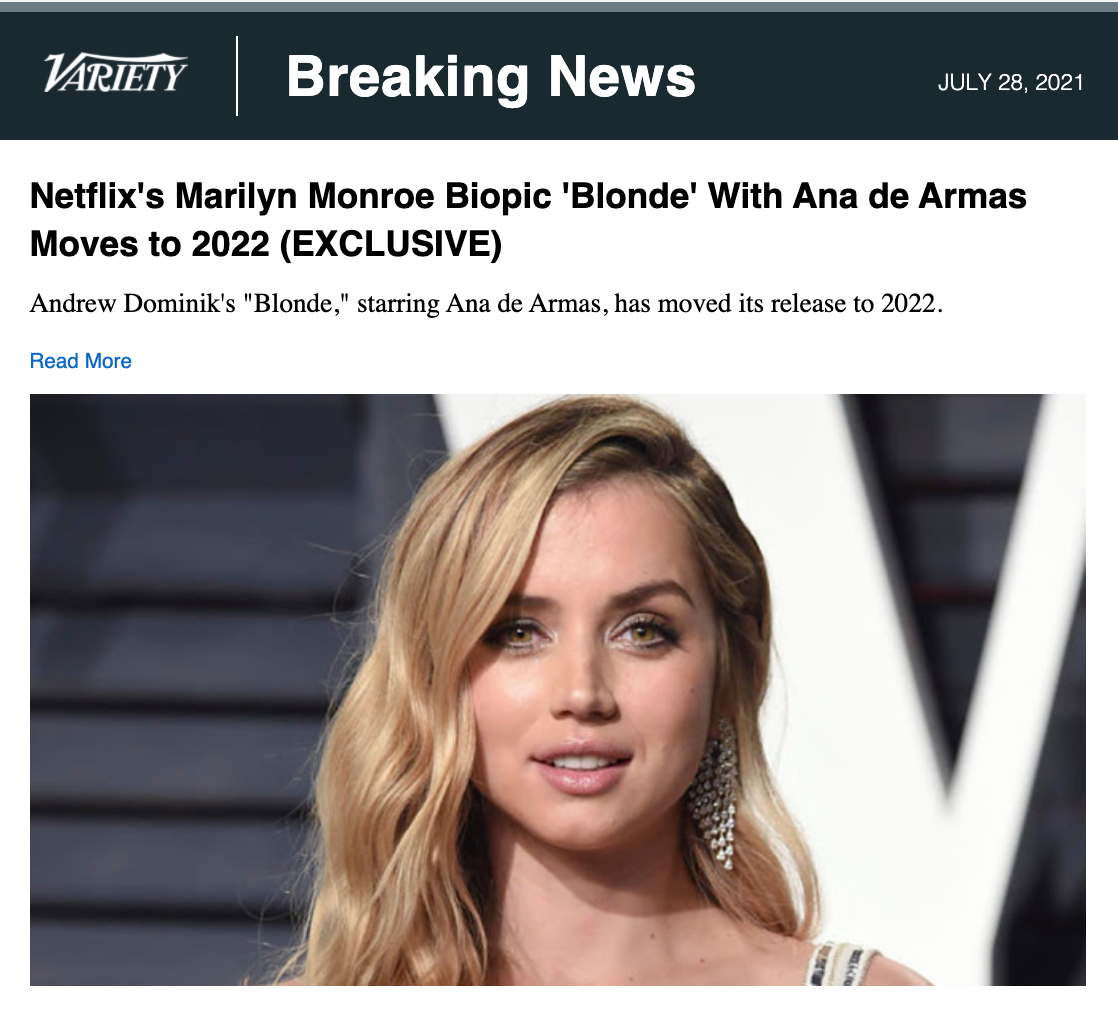
Following a recent blowoff by the Venice Film Festival and in the wake of generally negative feedback by others in the elite film festival community, Andrew Dominik‘s Blonde, a long-gestating adaptation of Joyce Carol Oates’ take on the life of Marilyn Monroe, has been drop-kicked by Netflix into a 2022 release date.

Recent scuttlebutt is that Dominik and Netflix have been fighting over final cut, but who cares at this stage? We’re talking Edmond O’Brien in D.O.A. here.

It wasn’t that long ago that Blonde looked like a major career booster for Ana de Armas, who plays Monroe. Now she’s a sparrow with a bruise and a broken wing. Tough luck. She’s also in the completed but not yet released No Time to Die, the endlessly Covid-delayed Bond film, and Adrien Lyne‘s Deep Water.

She’s also costarring in Anthony and Joe Russo‘s forthcoming The Gray Man> (Netflix).

Read more

Mexican Liberation

Earlier today I posted a paywalled report about the compassionate West Hollywood pet clinics who are over-charging pet owners for…well, everything. Fees for a simple neutering procedure for Anya, our three-year-old female Siamese, will run between $700 and $800 and as high as $1000, depending on how greedy and opportunistic the clinics are.

I’ve just booked Anya for a spaying operation on Thursday, 8.12, at the highly regarded Clinica Veterinaria Albeitar in Rosaraito Beach — in by 10 am, out by 3 or 4 pm. I’m told that the tab will be around $100, give or take. No, that’s not a typo.

There are many Los Angeles pet lovers who will read this and instantly conclude that the Rosarito clinic is some kind of substandard operation and that we’re probably taking a risk by bringing Anya down there, etc. You know what that is? Racism, pure and simple. Just like those HE commenters who posted side-eye responses when I mentioned having dental work at the Baja Oral Center in Tijuana.

Odenkirk “Heart Incident”

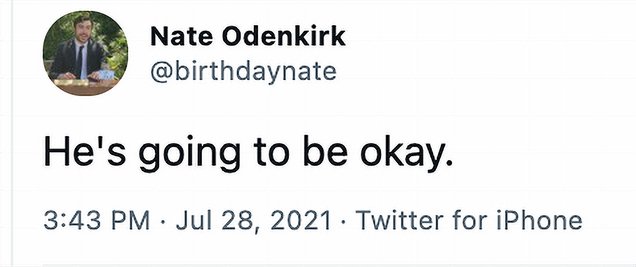
Update: A spokesperson for Better Call Saul‘s Bob Odenkirk has confirmed that the 58 year-old actor is “in stable condition after experiencing a “heart-related incident” last night. Good to hear, but what’s the difference between a heart attack and a “heart-related incident”?

Earlier: Hollywood Elsewhere wants Bob Odenkirk to recover from whatever it was that floored him last night. Everyone wants him well. The 58 year-old actor “collapsed” (as in “fell to the ground”) while shooting a Better Call Saul episode in Alberquerque, New Mexico.

Bryan Cranston posted on Instagram that everyone should send “positive thoughts and prayers,” etc.

May I ask something? Odenkirk is a major public figure, well known and well loved, so why isn’t someone close to him putting out a statement about his condition? That would be the considerate thing as far as his fans are concerned, no?

Speculation is that this was either a stroke or a heart attack, and it could may been caused by…oh, who knows? Odenkirk put himself through a rigorous fitness regime a couple of years ago for Nobody, but that was then.

People suffering a heart attack don’t generally “collapse”. They usually complain of chest pains and shortness of breath and an aching left arm as they sit down and get out their cell phone to call a doctor.

Halitosis Treatment For Dogs, Cats

A little while ago I was on hold with with TLC (Tender Loving Care), a nearby WeHo pet clinic. I’ve dealt with these people before, and I think it’s fair to describe them, no offense, as bloodsucking opportunists looking to emotionally exploit pet owners who don’t have kids but have cash to spare. That’s a roundabout way of saying that their prices are ridiculous.

I asked for an estimate to spay Anya, our female Siamese, and they said it could cost between $600 and $2000 [hint: the final fee will be closer to the latter estimate than the former], plus $300 for a pre-operative blood work examination. ($300 just to draw blood and determine her general health?)

TLC is now offering dental and gum treatment for dogs and cats who have bad breath. “Is your pet’s bad breath sending a bad message?” the recorded message says. “They could be suffering from gum disease, which tends to occur after a pet reaches age 3. TLC offers professional dental and gum cleaning,” etc. Any guesses what they’re charging to cure halitosis? $300 or $400 minimum, is my presumption.

It is estimated that our main pet clinic, Laurel Pet Hospital, will charge $700 and change, all in.

Finding a low-cost spaying operation is hell. Hours and hours online and on the phone, etc. Maybe we can save money by taking Anya to a reputable Mexican pet clinic in Tijuana or Rosarito. Update: I’ve made a neutering appointment with a reputable animal clinic Rosarito Beach for Thursday, 8.12. The cost will be $80 to $100.

Read more

Obvious Best Actor Nom for Will Smith

Great achievement in almost any field is always about the forsaking of easy, casual pleasures, and is always the result of fire in the belly, serious devotion, relentless discipline, hardcore thinking, early to bed and early to rise, etc. And if you don’t have those rigors in your own mind and system, you damn well need someone who (a) cares, (b) believes in you and (c) will crack the whip.

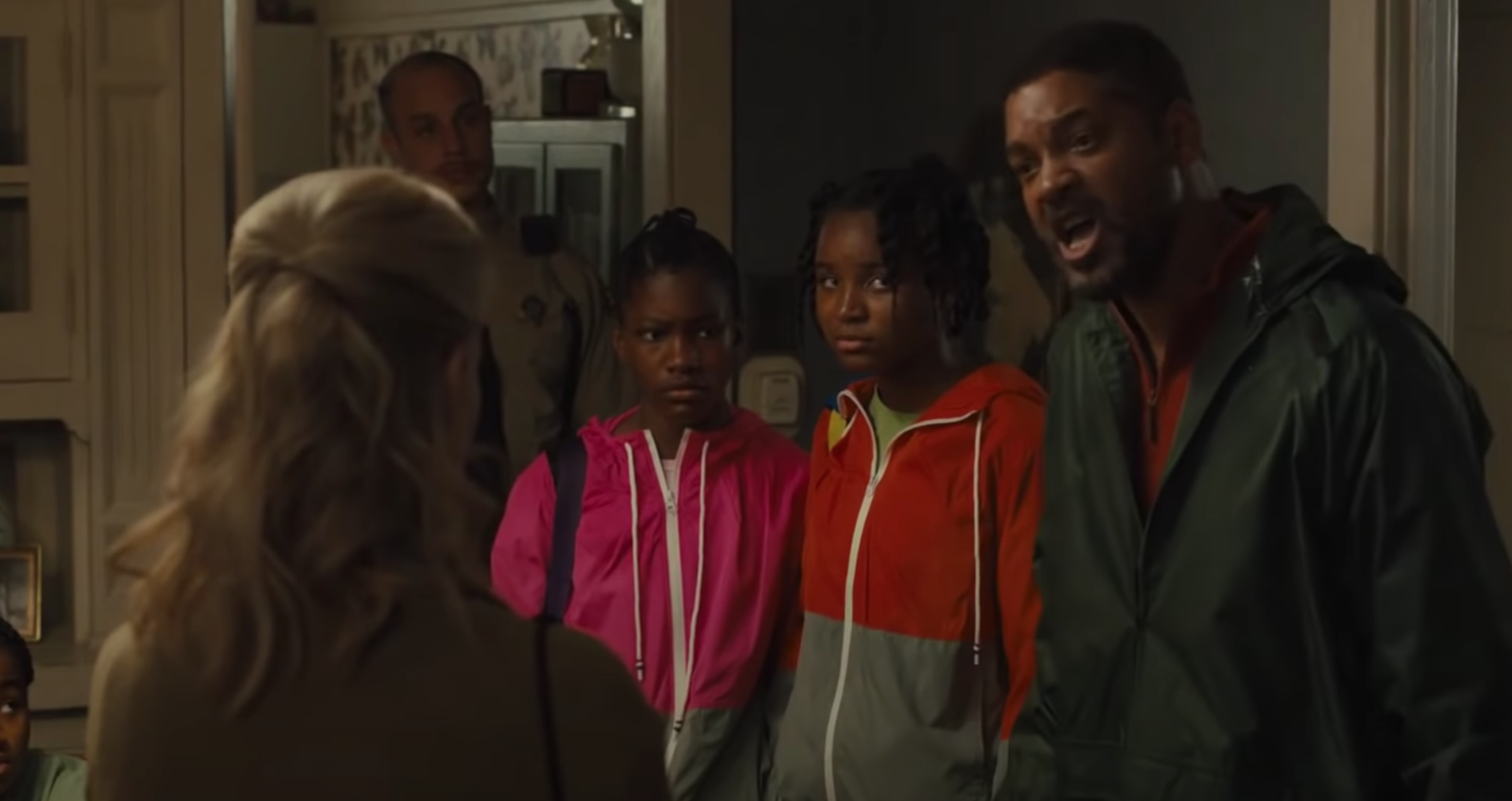
King Richard (Warner Bros., 11.19) is the fact-based story of how Richard Williams pushed and shaped his daughters, Venus and Serena Williams, into becoming tennis superstars. The trailer for suggests straight, focused naturalism, which is what everyone wants anyway.

You know Smith will be Best Actor nominated — locked.

The director is Reinaldo Marcus Green (Monsters and Men, Joe Bell). The script is by Zach Baylin.

Burberry Centaur

Yes, Adam Driver‘s Burberry Hero ad (runs on beach, swims with a horse, becomes centaur) is “out there”, but it somehow works. Partly because it’s beautifully shot, cut and scored, but also because Driver’s features were described in certain corners (not in this space!) as horse-like before this ad came to be. It makes you wonder if the ad happened because of this association. In which case it’s a fairly bold statement.

Driver could be saying that “some people (mean people) have said I have a face like a horse. Well, here I am selling Burberry cologne in an ad in which I become a human steed.”

Driver and the people who threw this ad together have my respect.

Again: I’ve never slagged Driver or even mentioned the term “horseface” in the same breath. All I’m doing here is reacting to what “they” have said.

Marvel’s “The Invisibles”

Most of us are attuned only to life’s tangibles — food, shelter, warmth, money, clothing, pets, guns, cars, shoes, homes, furniture, trees, hills, mountains, oceans, swimming pools, sailboats. Things we can see, touch, smell, eat, wear and dive into.

But others, fortunately, are also mindful and in some cases stirred or motivated by invisible things — thoughts, feelings, spirits, ghosts, dreams, intuitions, morality, melancholy, premonitions, memories.

Any filmmaker can focus on the tangibles. Most of them do, in fact. Movies that are strictly about tangibles are “mulch” movies, a term that I defined earlier this month. Mulch is the source of our shared Hollywood ennui…the muck at the bottom of the dried-up lake…the disease that keeps on infecting…the gas that fills the room.

Except for a smattering of elite, award-season stand-alones (or festival movies) and select forthcoming streamers like HBO’s Scenes From A Marriage (Bergman remake), Hollywood makes almost nothing but mulch these days. The streaming + re-emerging feature realm is flooded with mulch…empty, inane, meaningless, spirit-less, jizz-whiz “content” crapola that nobody wants to see or cares about, but they’re made anyway because the zone-outs and knuckle-draggers need stuff to watch.

But only serious directors are able to convey or dramatize the presence of invisible things. The finest films are actually concerned with a mixture of tangible things, which is natural and inevitable in any corner of life, but are driven by the invisibles.

And the best of the best almost never articulate in so many words what the invisible currents or particles are about. They hint at them or nudge audiences into considering or meditating upon their presence, but they never say “these are the things that really matter.” The great films always say “you figure it out…you put it together.”

The more a film is focused upon or at least mindful of the invisibles, the richer and more accomplished it is. And the more moving, of course,

Blessed Event

From a 7.14.21 heyuguys review of Valdimar Jóhannsson‘s supernatural Lamb, by Joan Titmarsh:

“A childless couple living on a sheep farm, Maria (Noomi Rapace) and Ingvar (Himir Snær Guðnason), deliver a lamb that they decide to take into their home and raise as their own child.

“When Maria performs a terrible act in order to protect her ersatz motherhood, it is clear that she has stirred up the wrath of something ancient, and in her taking the lamb from its mother there is something from the natural == or supernatural — world that will come to seek retribution. Rather than the humans signalling this, it is the animals, most notably the trusty sheepdog, who pick up on the looming danger.

“This is an intelligent and hugely entertaining film that quietly creates a bucolic horror and has much of the ancient fairy tale about it. It deals with important questions such as motherhood, family and happiness, as well as the lengths people will go to when they see any of those things slipping from their grasp. It is a film about grief, but it is full of fun. It joins Rams in that hallowed pantheon of Icelandic films about sheep, a genre that is rapidly turning out to be one of my favorites.”

HE confession: I didn’t care for Rams at all. I felt stuck on that damp farm with those bearded brothers and all that wool, and the smell of it.

Read more