For what it’s worth, I never had a grade-school teacher who shared anything about his or her personal life (sexual orientation, who they were married to or were living with, where they went camping the previous weekend)…nothing. It seems to me that this Florida teacher wants his students to know that he’s gay and has a partner in order to (a) bring them into his world and thereby (b) normalize gay lifestyles and coupledom so as to discourage any homophobic thoughts that might arise down the road.
HE to Florida teacher: Try sticking to the cirriculum and keeping your private life in a private box. If a student asks what a “partner” is, say a close friend and let it go at that. Or say “ask your parents.”
Teacher on MSNBC worries he can't discuss his love life with kindergarteners anymore: "It scares me that I am not going to be able to have these conversations with my children…I don’t want to have to hide that my partner and I went paddle boarding this weekend." pic.twitter.com/YJperIlzJB
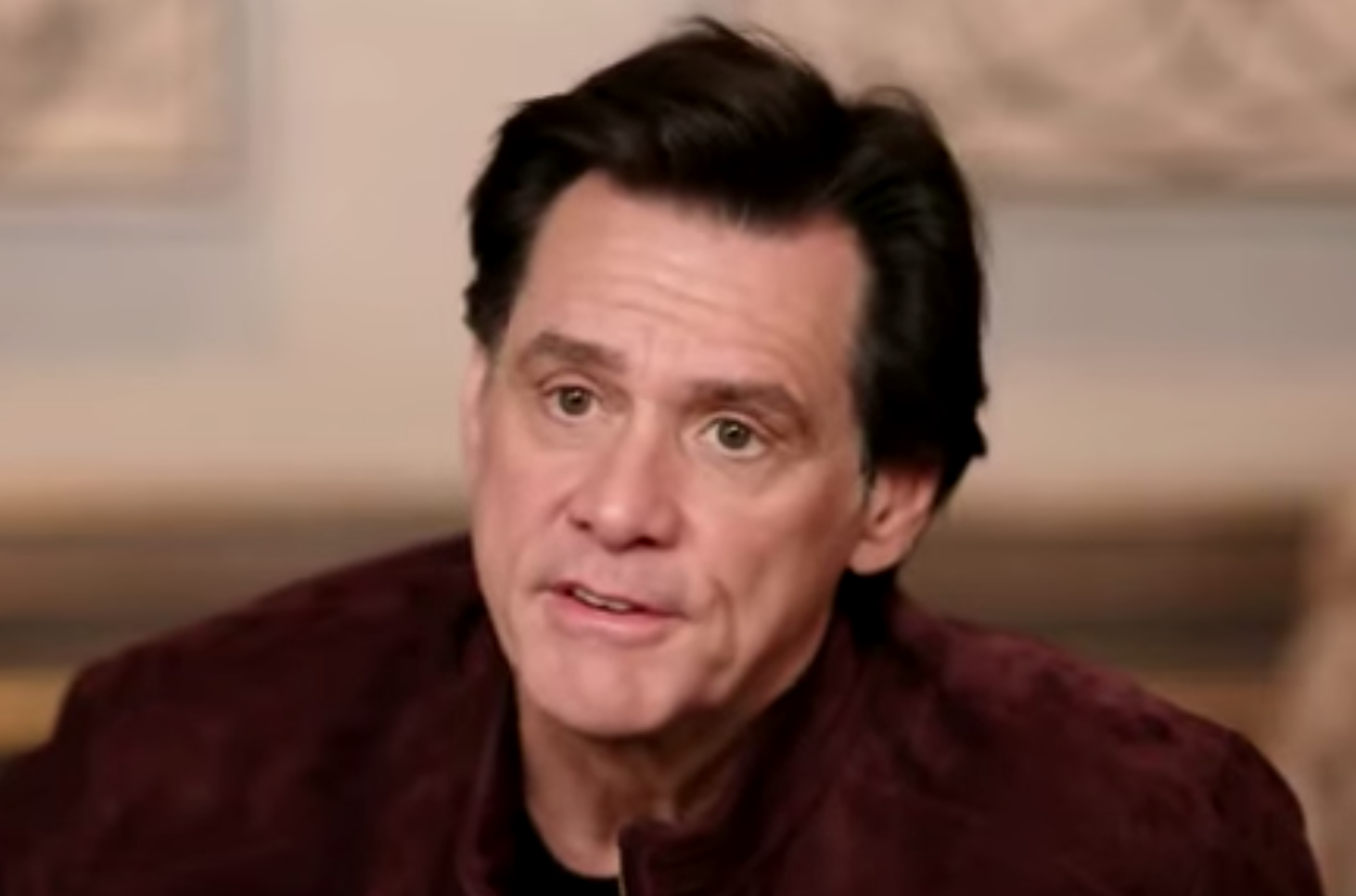
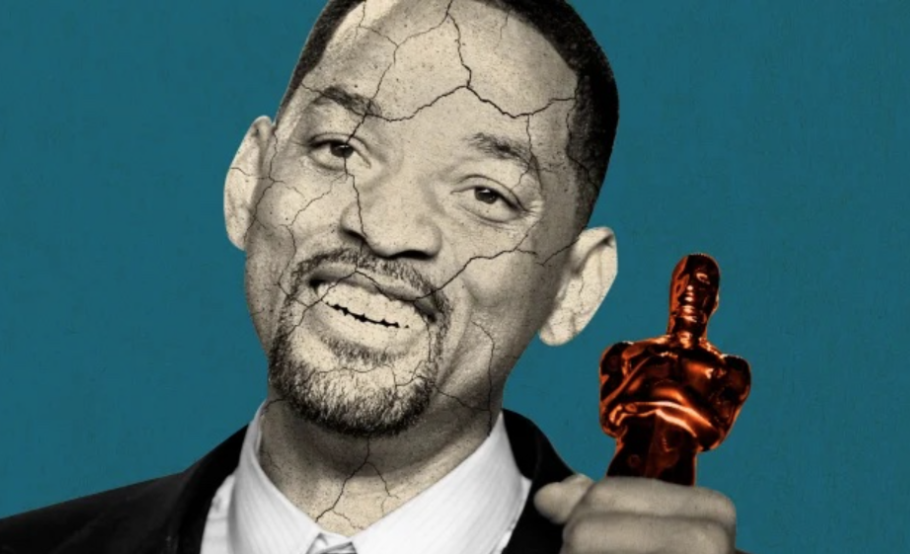
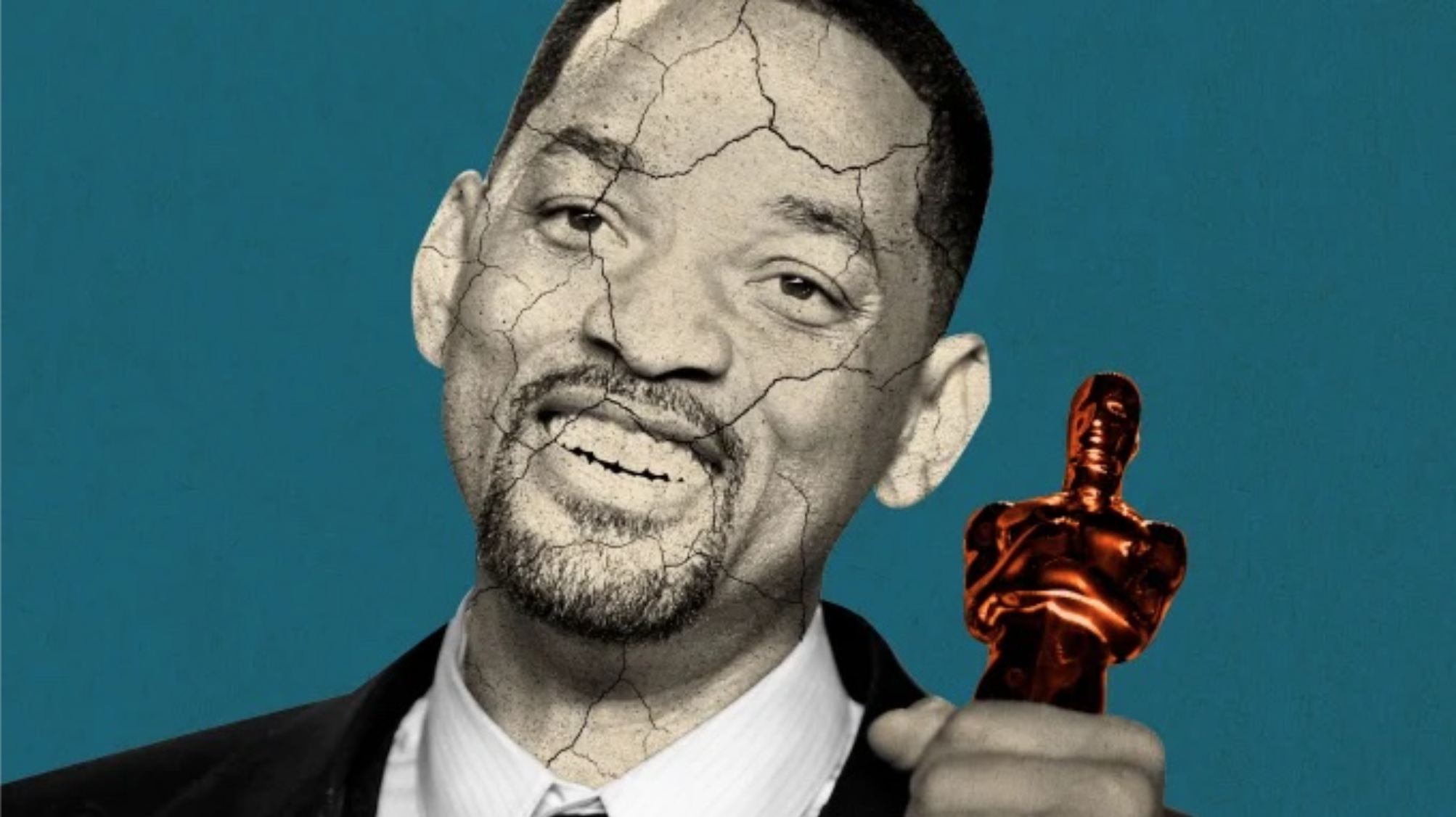
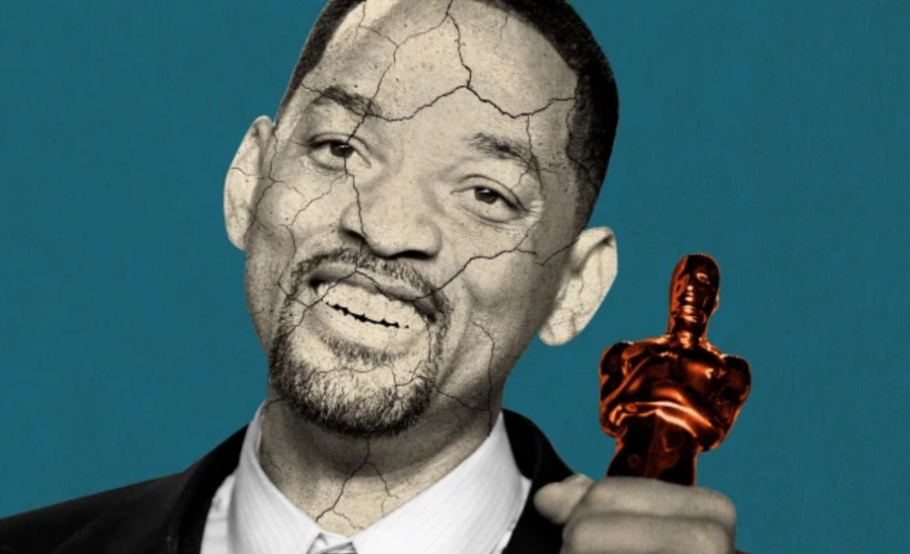
HE to readership: In his remarks this morning to CBS Mornings‘ Gayle King, Jim Carrey said that Chris Rock should sue Will Smith for $200 million because “that insult is going to last forever…it’s going to be ubiquitous.”
If you were Rock, would you sue? You know he’d have an excellent case in civil court. He’d definitely be able to hurt Smith in a nine-figure way, or at least an eight-figure one.
Carrey: “[The slapping incident] cast a pall over everybody’s shining moment last night. A lot of people worked very hard to get to that place, and to have their moment in the sun…it is no mean fear with all the stuff you have to go through when you’re nominated for an Oscar…it’s a gauntlet of devotion that you have to do…and [what happened] was just a selfish moment that cast a pall over the whole thing.”
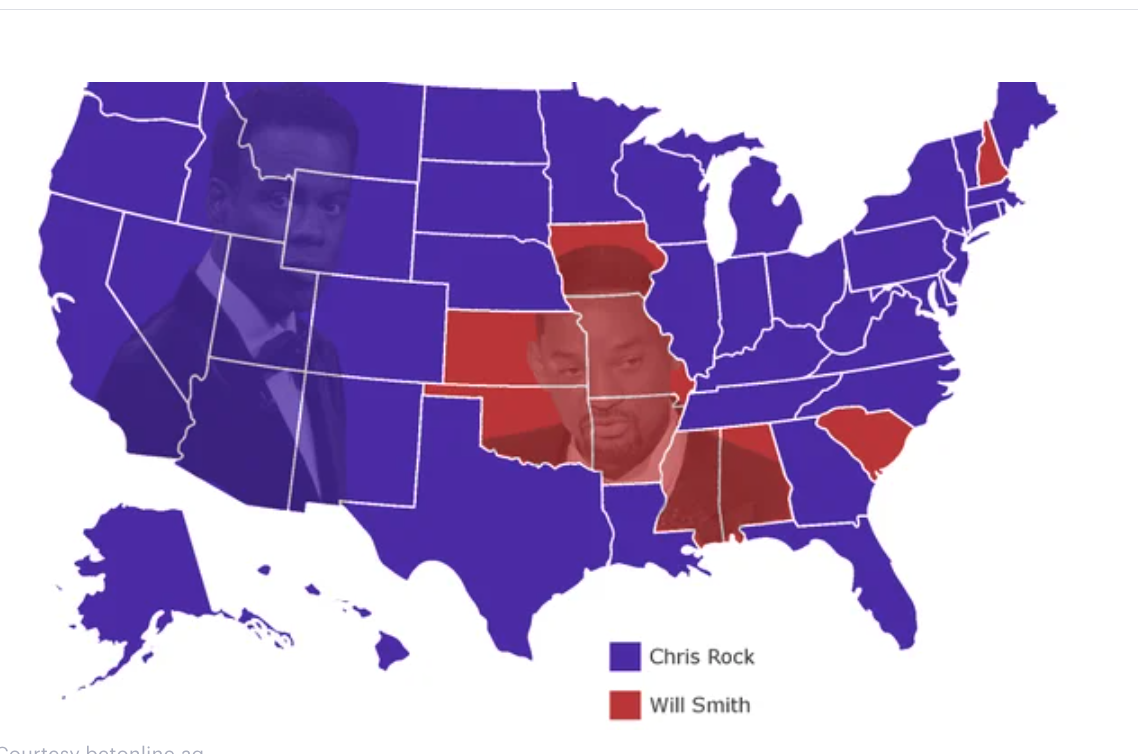
From Judy Kurtz-authored The Hill story, posted this afternoon: “Maine rallied the most around Rock, with a whopping 98.2 percent of tweets tallied from the state cheering on the comic.”
I guess I’m sorta kinda wondering why Humphrey Bogart, Clark Gable, Gary Cooper, Cary Grant, John Wayne, James Cagney…why did we never hear about these guys occasionally bitch-slapping each other during the Oscar ceremonies of the ‘30s, ‘40s and ‘50s?
Probably because their testosterone levels were too low, I’m guessing. They resultantly lacked sufficient manliness — unlike Will Smith, they simply didn’t have the nerve to occasionally throw down and “straighten” each other out.
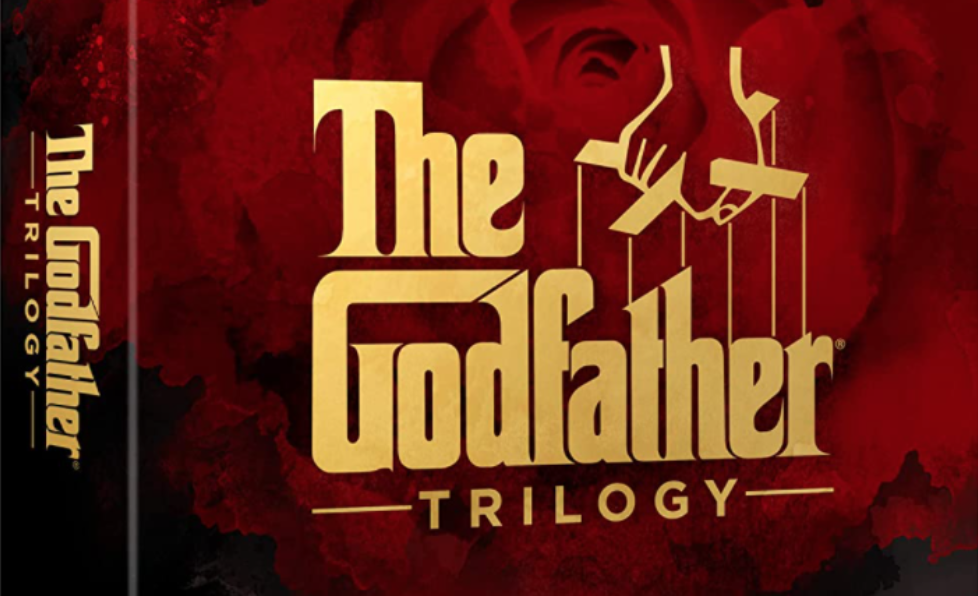
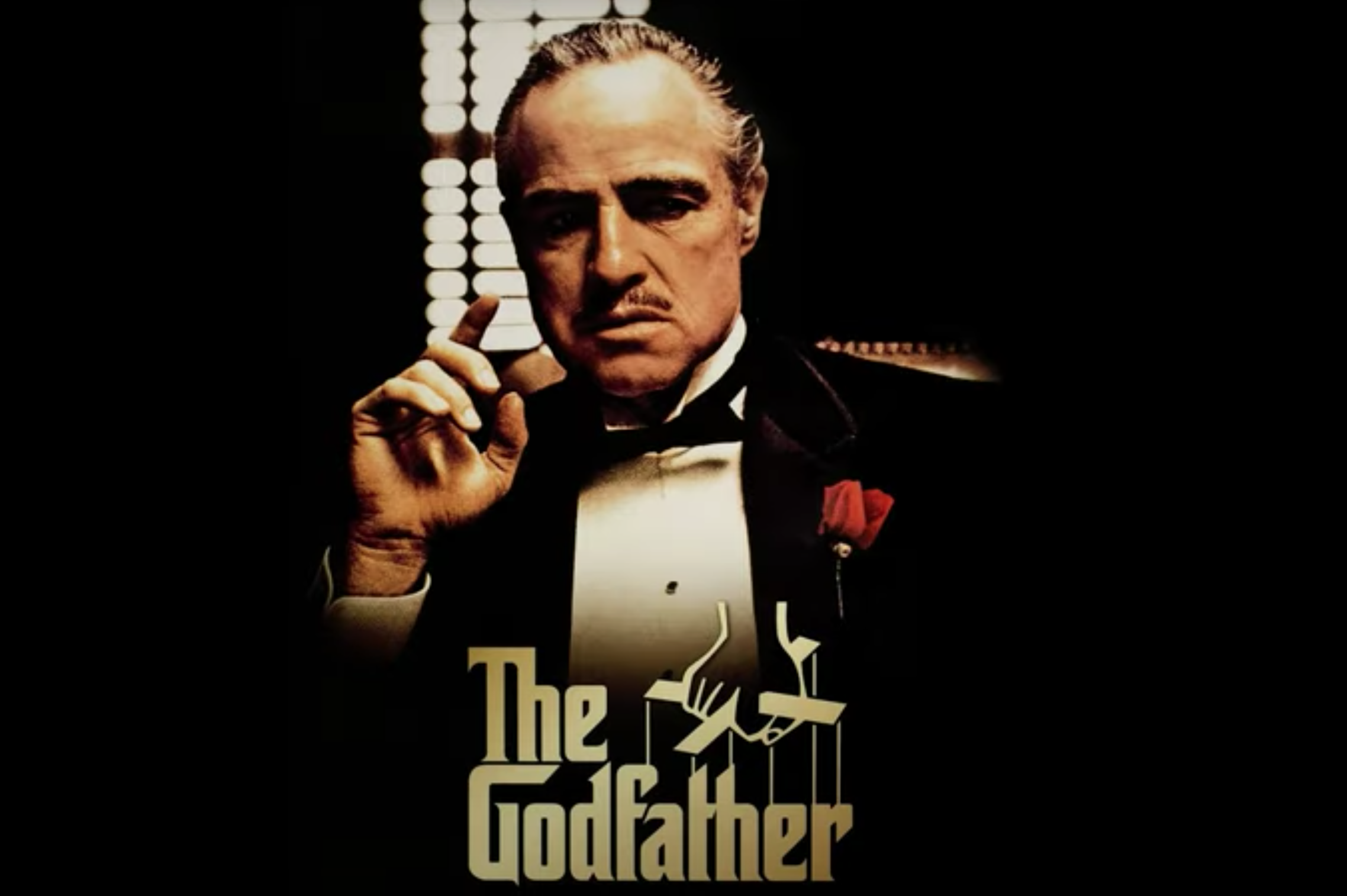
I had a couple of issues with the 4K “restoration” of The Godfather — issues, not arguments. I was/am of two minds. My primary allegiance is with the 2008 Robert Harris-Gordon Willis restoration, but I also loved what the tasteful DNR-ing (or de-graining) achieved. On the other hand I didn’t care for the lack of warm colors in most of the indoor scenes (i.e., the paler, pinkish faces).
But last night I watched the new 4K The Godfather, Part II — all 200 minutes of it — and was completelyblownaway. Yes, it’s also been DNR’ed but with more restraint, it seemed, than the 1972 original. It looks ravishing, and yet it doesn’t mess with Willis’sstoried, burnished, yesteryearcolorscheme during the young Vito sections. The 1958 footage looks cleaner, sharper and more vivid (especially the daytime outdoor stuff), but not to any problematic extent.
I’ve never seen this 1974 Oscar-winner look so good — it’s delightful.
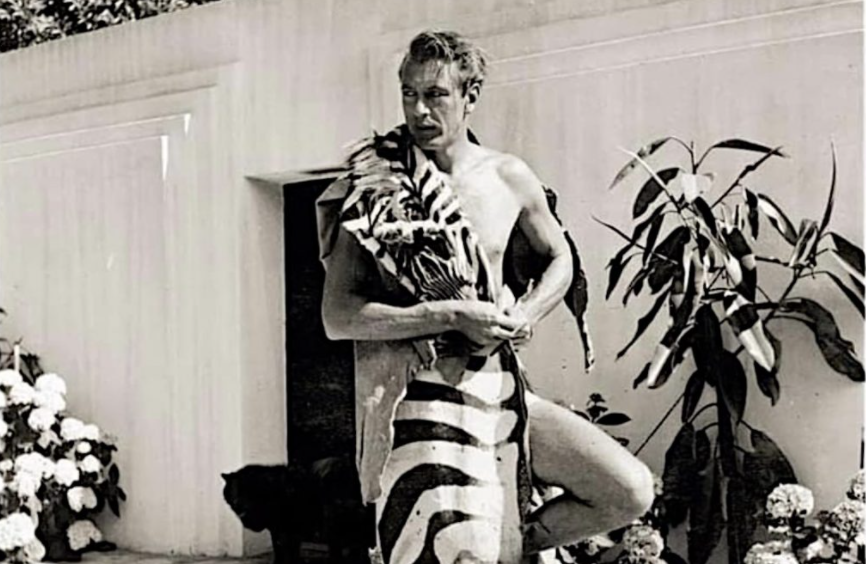
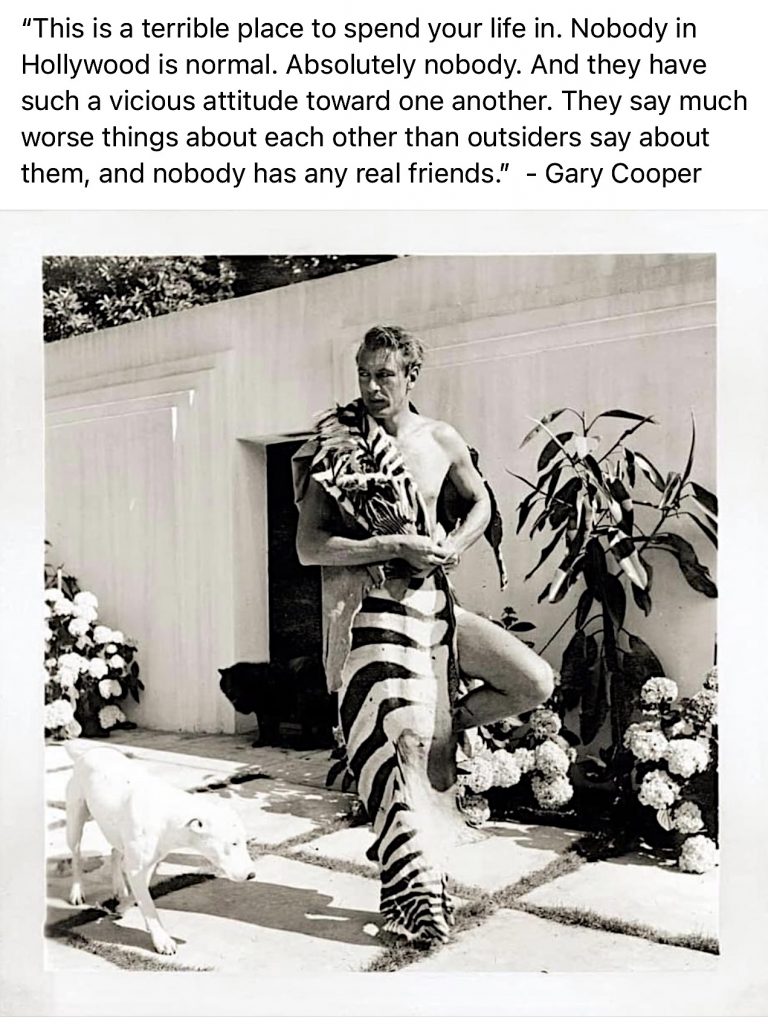
On the other hand there’s nothing “normal” about wearing a zebra-skin toga or bathrobe, a sartorial statement coordinated with a white bull terrier and a black panther-like dog in the doorway.
Originally posted on 2.1.22, then immediately paywalled: I’ve said from the beginning that casting of The Offer (4.28), the Paramount + series about the making of The Godfather, would be extra difficult because everyone knows the players so well — faces, voices, mannerisms. Each and every performance would have to deliver a masterful impersonation for the film to really work. The new trailer makes it clear this aspect was a bridge too far.
I’ll tell you right now that Dan Fogler portraying Francis Coppola in The Offer…any Fogler casting in anything is a problem as he always seems to play slovenly, dregs-of-the-gene-pool types, but casting him as Coppola is a jape, an insult. For one thing Coppola has a certain voice that Fogler doesn’t even come close to imitating, plus Coppola was a bit stocky but not a fatass.
I knew that the instant I heard Fogler-as-Coppola speak the famous line “I believe in America”…I knew right away that Fogler was the wrong guy to hire.
My second reaction was “good God, what’s happened to poor Giovanni Ribisi?” He’s turned into a beach ball! This is almost as upsetting as the Bridget Fonda thing. If he wanted to bulk up to play Joe Colombo, he could have gone with a fat suit, no?
As for Miles Teller as Godfather producer Albert Ruddy…well, he doesn’t look anything like early ’70s Ruddy, a 40ish Canadian Jew with graying hair. The 34 year-old Teller, who stepped into the role when Armie Hammer was deep-sixed and soon after caused on-set worries when he refused to be vaccinated, has dark, thick hair and seems closer to his early 30s than early 40s.
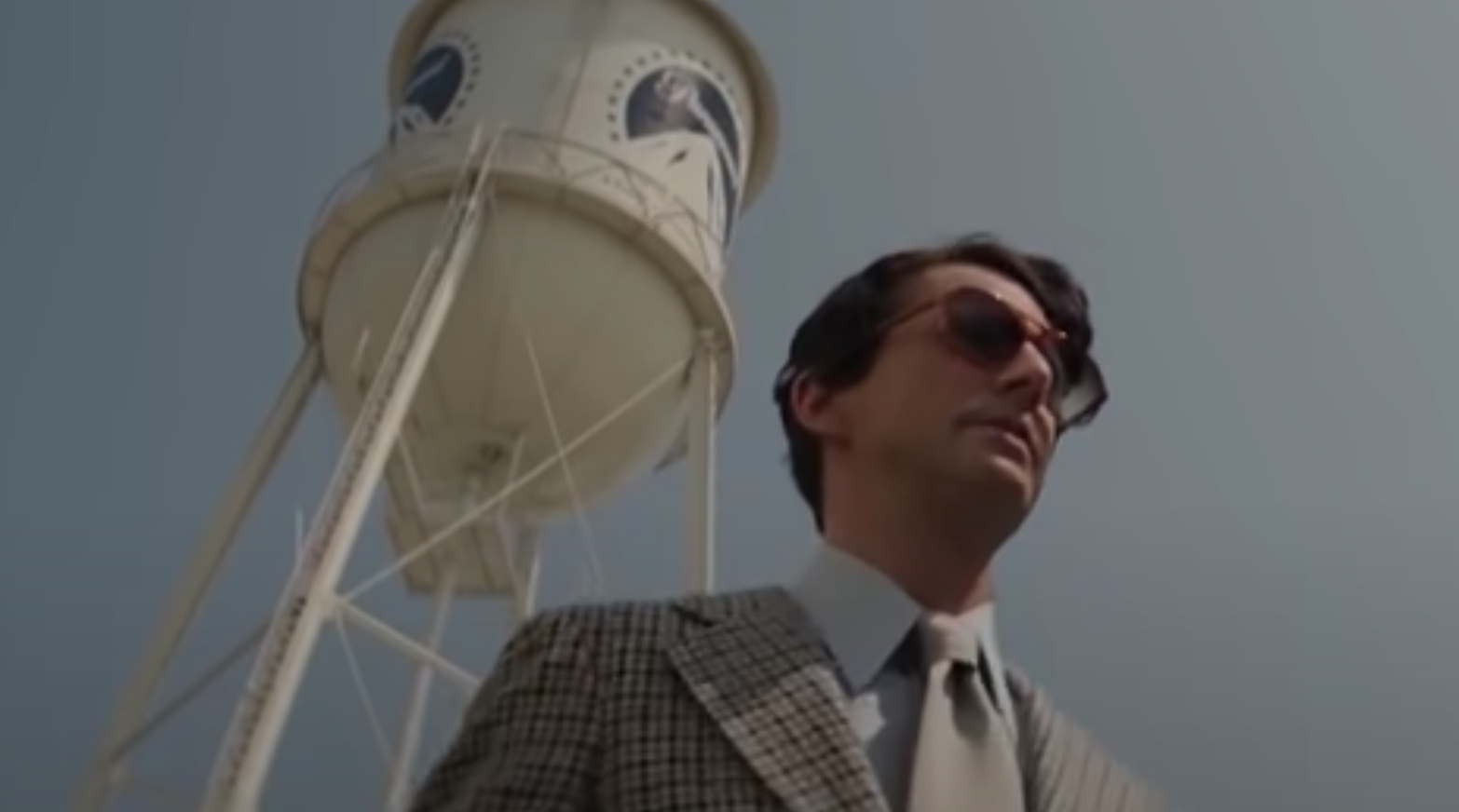
Matthew Goode as Robert Evans might be okay.
The one possibly hopeful note is that Michel Tolkin is the screenwriter. The director is Dexter Fletcher (Rocketman).
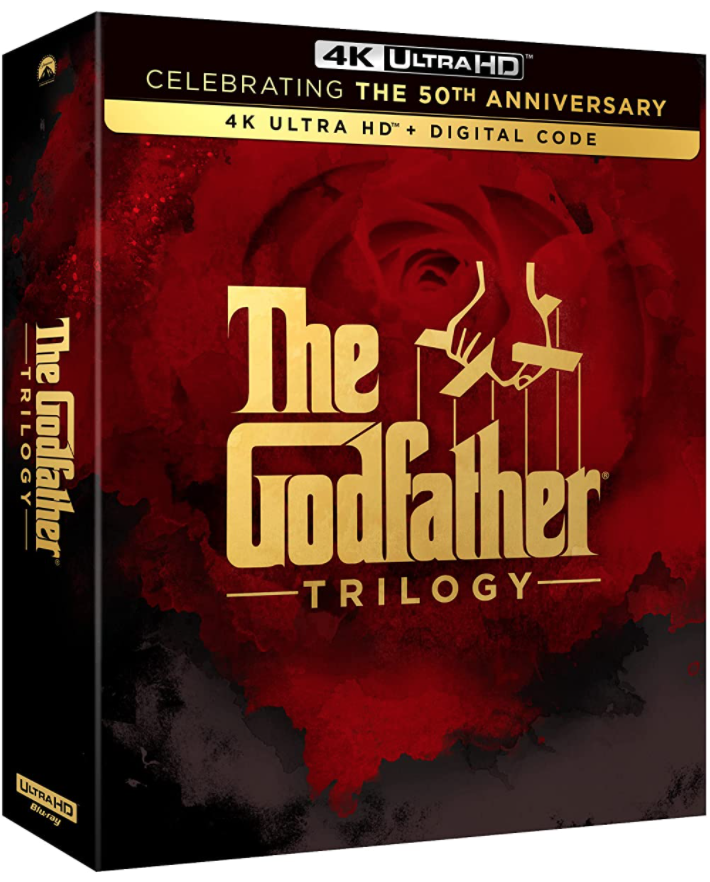
I didn’t stream it — I bought the 50th anniversary 4K Godfather disc late Tuesday afternoon and watched it soon after. I can’t help but approve of the novelty aspect — it may not be anyone’s idea of a classic-looking Godfather but it certainly looks spiffier — smoother, less grainy and more vivid than ever before.
Francis Coppola’s 1972 gangster classic has been tastefullyde–grained (or DNR’ed), and it certainly looks wonderful during the sunny Sicily section. Love the red neon lights of the Radio City Music Hall, Jack Dempsey’s restaurant and Louis’s restaurant in the Bronx. Diane Keaton’s red overcoat and those taxicab yellows are great also, but — here’s the downside — overall flesh tones are pale and fair and even brownish at times, thus constituting a definite argument with the 2008 Robert Harris-Gordon Willis restoration, which everyone has always approved of. And closeups of the faces look a bit waxy, which is what happens with DNR-ing.
Yes, it’s an upgrade in the sense that many scenes seem sharper, crisper and more detailed than in the 2008 version, and overall this will seem quite alluring to Average Joes and even industry guys like Larry Karaszewski but it’s NOT the film that Mr. Willis, the film’s cinematographer, shot in ‘72 and approved the restoration of 14 years ago.
I didn’t care for the opening close-up and slow zoom-out of Bonasera the undertaker— his bald head seems too brightly lighted. (It looks better on the ‘08.). And yes, the bleachy, almost pinkish color scheme used for the outdoor wedding scene has been modified, which is not a change that the late Mr.Willis would have approved of.
On the other hand I was delighted with certain details and distinctions. The textures and fabrics of various suits, ties and overcoats, for example. The soothing VistaVision clarity of those 1950s marquee signs on the Las Vegas strip. But overall the ‘22 looks a little too neutralized and pale-faced. It’s fascinating in many ways, but it’s not historically authentic.
Coppola knows the truth of this situation. He knows that the newbie is an odd gleaming bird but NOT representative of the original — not really. It is, as noted, quite the dazzler and head-turner in many respects. I kept noticing little details in the 4K that I’d never noticed before. Reducing the grain really made a difference. But if I had to choose a desert-island Godfather, I’d definitely stick with the ‘08.
If GW was with us today, he’d be vagueiy amused by the determination of the Paramount video team to create fresh Godfather revenues, but he’d also say “they can do whatever the fuck they want but this is notmy Godfather…it’s a DNR’ed version that’s been slightly desaturated in some ways but made to look a lot bolder in other ways, certainly in terms of neon reds. And the faces are waxy looking. Don’t get me started. It’s a version that will delight a lot of people who don’t know any better, but it’s not the real thing…sorry.”
Last night I posted a version of this review on Facebook, and in so doing provoked the afore-mentioned Mr. Karaszewski, who called me (or more precisely my views) “insufferable”.
HEreply: Gordon Willis was a tough nut & didn’t suffer fools. Did you ever chat with him? Do you know people who knew him? I spoke with him once for a thing I was writing about an AllThePresident’sMen Bluray. Any way you slice it the man was an ARTIST, and he gave his stamp of approval to the 2008 restoration. And the newbie, while fascinating and upgraded in certain ways, is definitely a different bird. I guess you’d better call Willis “insufferable” while you’re at it.
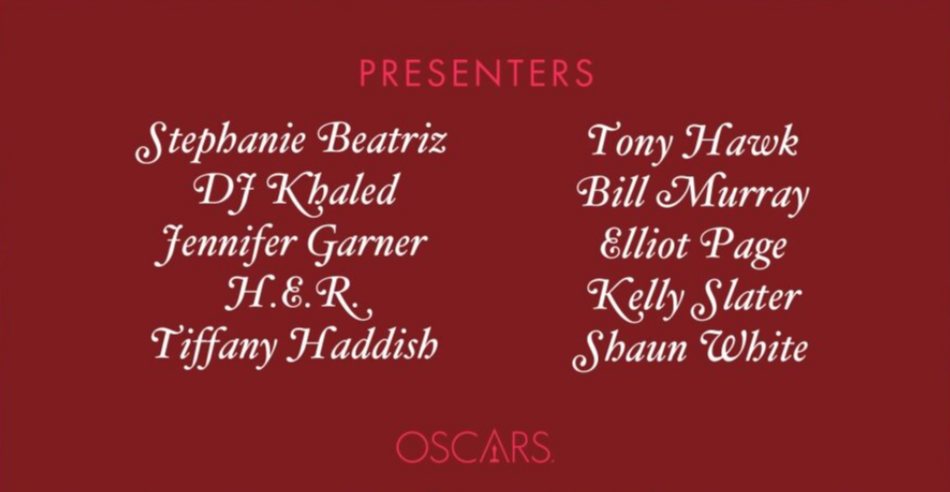
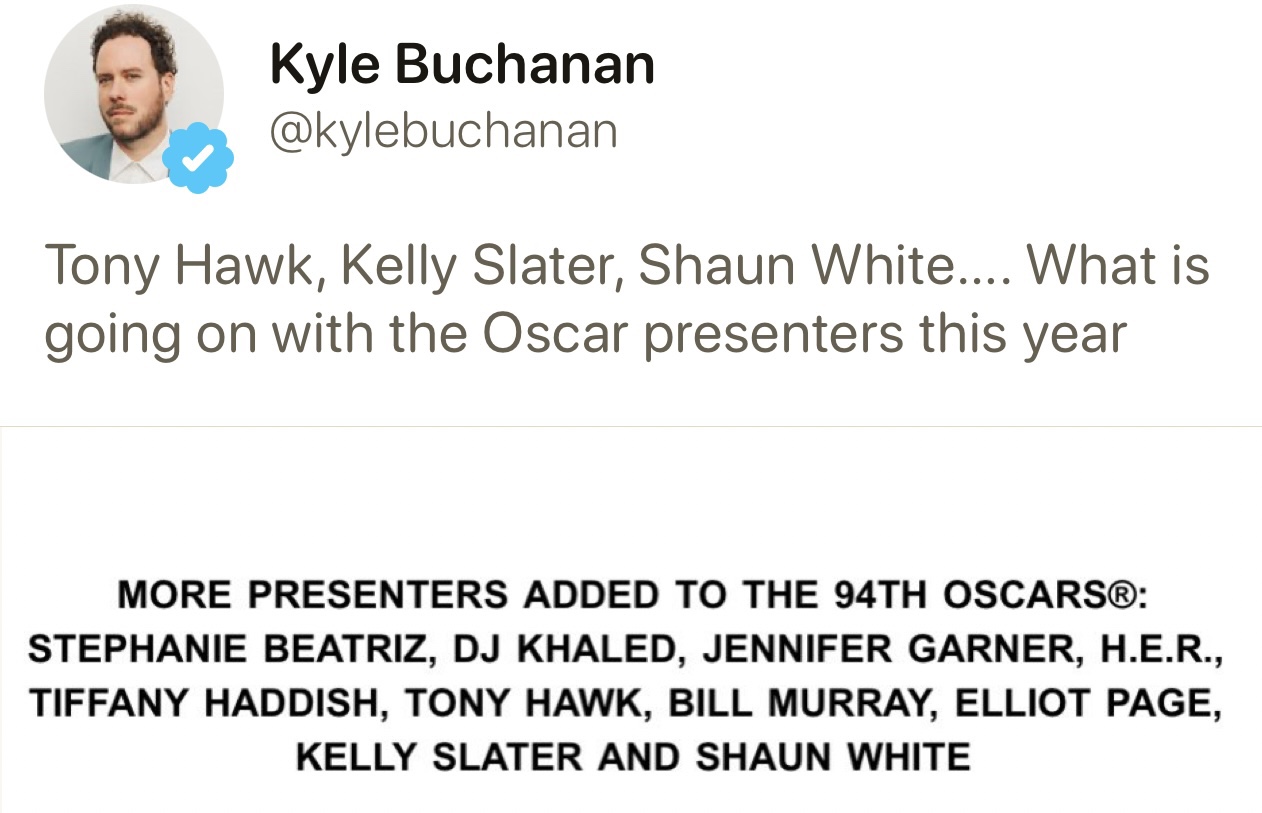
It’s just been announced that the “next wave” of presenters at the 94th Oscars will include actress Stephanie Beatriz (who?), DJ & record executive DJ Khaled, singer-songwriter H.E.R., skateboarder Tony Hawk and Olympic gold-medal snowboarder Shaun White.
Paul Newman in Butch Cassidy and the Sundance Kid: “Who are those guys?”
HE to Oscar producers Will Packer and Shayla Cowan: “Whadjoo guys do, invite some of your friends? I’m sorry but people who present Oscars have always been famous or at least accomplished within the motion picture industry. Is this is a mistake, these names? Is it a put-on?”
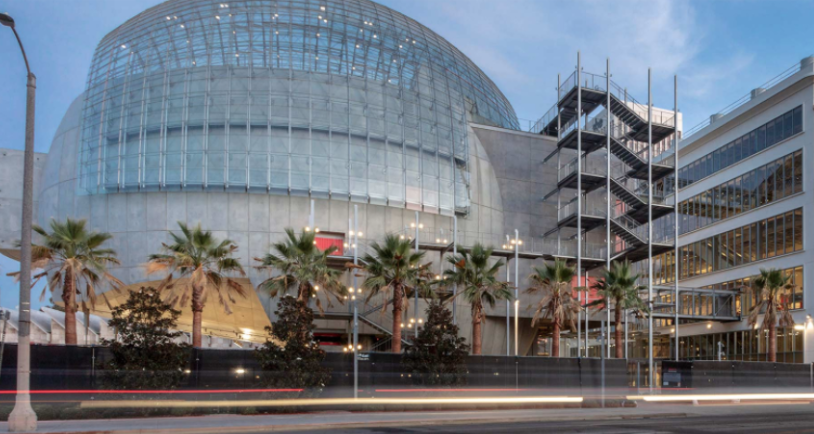
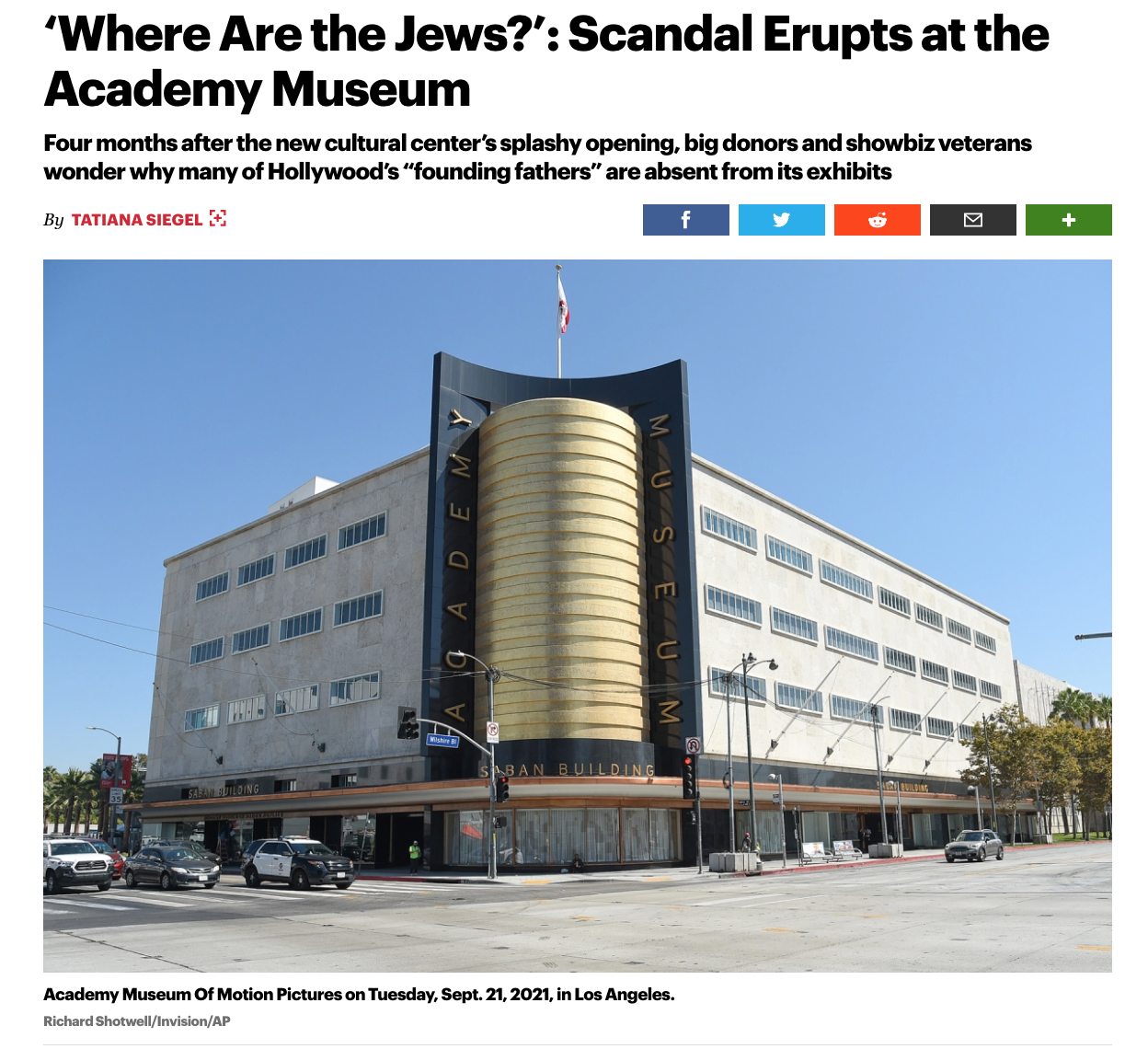
It’s been six months since the almost comically myopic Academy Museum (i.e., “Woke House“) opened. We all remember that the main priority of the curators out of the gate was to apologize for the industry’s many decades of pernicious racism and to celebrate women and POCs as well as current efforts in the service of equity and inclusion.
But it wasn’t long before people started saying “yes, yes…we all acknowledge that Hollywood has always been an evil racist cauldron that needs to be corrected and cleansed by visionary wokesters, and that the worst perpetrators of this fundamental evil (not to mention innumerable forms of sexism) were the white men who founded and built the film industry back in the early to mid 20th Century. But what about the fact that these guys — all of the big-studio owners were Jews — actually created this industry? Shouldn’t the fact that they built this industry from the ground up…shouldn’t that warrant some acknowledgement?”
As far as I could discern the response from Woke House curators was something along the lines of “yes, of course…the men who created this business deserve some credit and I’m sure we’ll get around to paying tribute to their pioneering spirit and industriousness, but the main thing to keep in mind is that they perpetrated a system of fiendish exploitation, making life miserable for people of color and God knows how many struggling actresses and would-be female filmmakers, and that generations of successive white men came along and strengthened this evil system, and it’s now up to us and other forward-thinking progressives to finally put a stop to this and lead the industry out of the darkness.”
This morning Woke House finally relented and announced that a year from now they’ll be debuting a section of the the Museum that pays tribute to the founding Jews. It’ll be called HOLLYWOODLAND. Here’s the official announcement:
“Opening in late Spring 2023, HOLLYWOODLAND will trace the history of filmmaking in Los Angeles back to its roots at the beginning of the 20th century, illustrating how and why the city became the world capital of cinema that it still is today. This immersive gallery will convey the evolving topography of Los Angeles along the timeline of the developing movie industry, allowing visitors to feel a tangible proximity to this rich history and encouraging further exploration of the city’s landmarks upon departing the Academy Museum.
“The exhibition will focus on the predominantly Jewish founders of the early Hollywood studio system, delving into how their personal narratives shaped the distinct characteristics of the movies their respective studios produced. It will foreground the ways in which the birth of the American film industry — and therefore the projected depiction of the American Dream — is truly an immigrant story.
“The exhibition is organized by Associate Curator Dara Jaffe in collaboration with Associate Curator of Digital Presentations Gary Dauphin.”